
Diving Menorca
Google 4.9/5 (635 reviews)
Spain · Mediterranean
Rocky drop-offs, shallow caves and a protected northern coastline meet around Fornells, with boat dives from the bay and sites reaching about 30 metres.
For subtitles in English: start the video firstthen click the gearat the top right of the video, select “Subtitles/CC”, then “Auto-translate” and choose “English”.
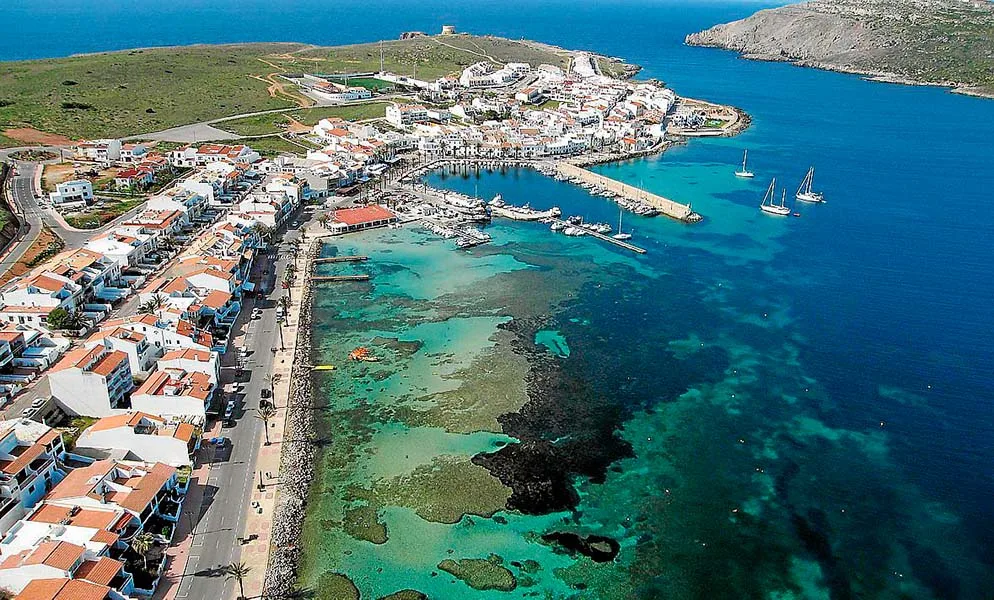
Fornells is a shore-based diving village on the north coast of Minorca, built around a bay that puts the northern marine reserve within easy reach by boat. The underwater menu runs from shallow rocky ground for beginners to caves, drop-offs and dives of about 30 metres for experienced divers. On land, the village, beaches and coves keep non-divers occupied, while the north of the island offers walking, kayaking, sailing and road trips. This is a practical base for repeated day boats, not a liveaboard destination.
Most diving is by boat from Fornells Bay, so the journey to local sites is short and the day does not revolve around long transfers. Underwater, expect rocky relief, crevices, caves and drop-offs, with sheltered shallow areas alongside more exposed northern sites reaching roughly 30 metres. Currents are variable rather than a defining constant, but wind and swell can change which side of the coast is sensible on the day. Visibility can exceed 25 metres in favourable conditions, though it depends on sea state, wind and coastal particles. The reserve and its edges give the diving its character, but do not assume every departure has the same protection or exposure. Tell the boat team about your cave experience before being assigned a more complex site, and expect a safety stop on the way back from deeper ground.
Underwater, Fornells is about the meeting of rock and protected water rather than a checklist of headline species. Expect rocky habitats, crevices, cave interiors and drop-offs, with fish populations benefiting from restrictions on fishing inside the marine reserve. The reserve extends between Fornells Bay and Cap Gros, so the character of a dive changes as you move from sheltered water towards more exposed northern ground. There is no named seasonal wildlife event to plan around. June to September is the easiest period for combining diving with a full coastal holiday, while the rocky habitats remain part of the destination beyond summer. Take time over the walls and openings, where the terrain itself shapes what you encounter.
The main diving season runs from April to October, depending on the centre, with June to September the simplest period for a combined diving and holiday trip. Summer brings the warmest conditions for swimming, kayaking and other activities in the bay, and makes it easier to keep several boat days in the plan. The trade-off is heavier holiday traffic, especially in July and August. The north coast is exposed to wind and swell, which can alter the accessible sites even in the preferred months. Early or late season can be quieter, but leave room for a change of plan rather than fixing every dive in advance.
Fornells suits newly qualified divers as well as experienced visitors. Shallow sites provide a sensible introduction, while caves, exposed rock formations and dives to about 30 metres give confident divers more demanding options. A BSAC, PADI or SSI qualification is less important here than being honest about depth, current and overhead-environment experience. Cave diving should not be treated as an automatic extension of an ordinary reef dive. Tell the centre what you have actually done, particularly if your recent diving has been limited to sheltered water.
From London Heathrow, London Gatwick or Manchester, plan around reaching Menorca’s airport rather than flying to Fornells itself. Direct services vary by country and season, so connections may shape the journey and a half-day overall is a sensible broad allowance. By road, the airport route runs through Es Mercadal and along the ME-15, taking roughly 30 minutes in normal conditions. Mahón is another practical starting point, with a bus to Fornells taking about 50 minutes according to published timetables. Ferries from mainland Spain arrive elsewhere on the island, so continue by road rather than expecting a passenger ferry into Fornells. In the village and around the bay, some accommodation and centres are walkable. Outlying Platges de Fornells and wider island trips are easier with a car or taxi.
Build the trip around the coast’s exposure, not around one promised site. Wind and swell can close off the northern side or make a different part of the bay the sensible choice, so keep several diving days available and accept a change of plan. Ask whether the proposed dive lies inside the marine reserve or at its edge, because the fishing restrictions and local rules do not describe every sector in the same way. If you want to explore caves, say so before boarding and be clear about your overhead-environment experience. Staying in the village or by the bay removes daily transport complications; choosing accommodation farther out may mean a car or taxi, and there is no general shuttle to rely on. Early or late season, and the first boat of the day in summer, can reduce the busiest periods. Do not book Fornells expecting a liveaboard itinerary: this is a repeated day-boat base.
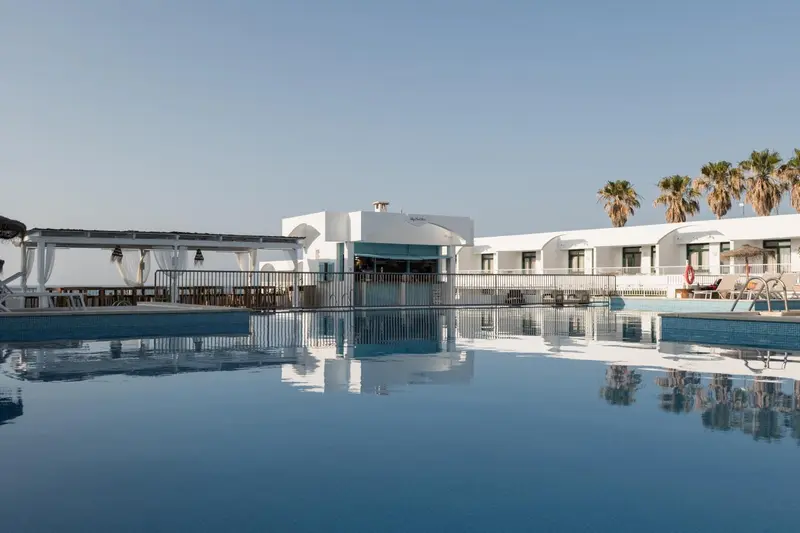
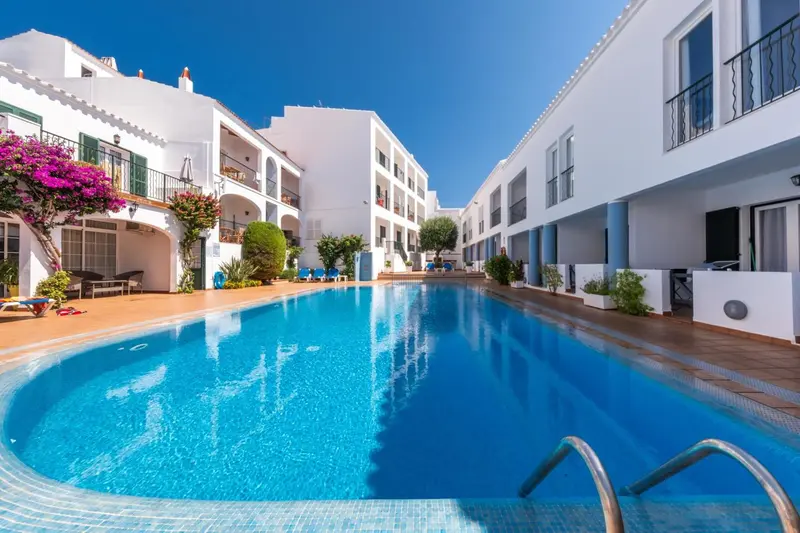
A five- to seven-day stay works well here. Use the bay and the northern reserve for repeated day-boat outings, leaving spare days for wind-related changes and time ashore. Staying near the waterfront keeps embarkation simple and makes the village, swimming and evening walks accessible without a car. A vehicle becomes worthwhile for Platges de Fornells, Es Mercadal, Cavalleria and the scattered coves and landscapes of northern Minorca. Non-divers have plenty to do around the bay, from snorkelling and kayaking to walking and sailing.
Hello, I'm Marina, DivingDeal.com's AI assistant. I guide you through destinations, areas and countries.
Thinking about the whole trip and the flights? Talk it over with Edith →
Marina is an AI. Some links are affiliate links: DivingDeal may earn a commission, at no extra cost to you. Bookings are made with the partner.
You can dive during the main season from April to October, while June to September is the simplest period for combining diving with a wider coastal holiday. Summer offers warmer conditions and easier planning for repeated boat days, but holiday traffic is heavier. Wind and swell can still change which sites are accessible.
Fornells suits newly qualified divers and experienced visitors. Shallow sites offer an approachable introduction, while caves, exposed rock formations and deeper drop-offs require greater confidence. Tell the dive centre honestly about your depth, current and overhead-environment experience, especially if you have mostly dived in sheltered water. Cave diving needs specific experience.
You can explore rocky habitats, crevices, shallow caves and drop-offs around the protected northern coastline. Fish populations benefit from fishing restrictions within the marine reserve, while the underwater character changes from sheltered water towards more exposed northern ground. Visibility may be very good in favourable conditions, but depends on sea state, wind and coastal particles.
Base yourself in the village or near the bay for simple access to repeated day boats and evening activities. Keep spare diving days because wind and swell may change the plan, and tell the boat team about any cave experience before boarding. A car or taxi helps with outlying accommodation and wider island trips.