
Maremasma
Google 4.8/5 (195 reviews)
Spain · Mediterranean
Rocky Atlantic bottoms, shore entries, boat dives and the broad estuary of Foz shape a flexible Galician stay where the sea sets the timetable.
For subtitles in English: start the video firstthen click the gearat the top right of the video, select “Subtitles/CC”, then “Auto-translate” and choose “English”.
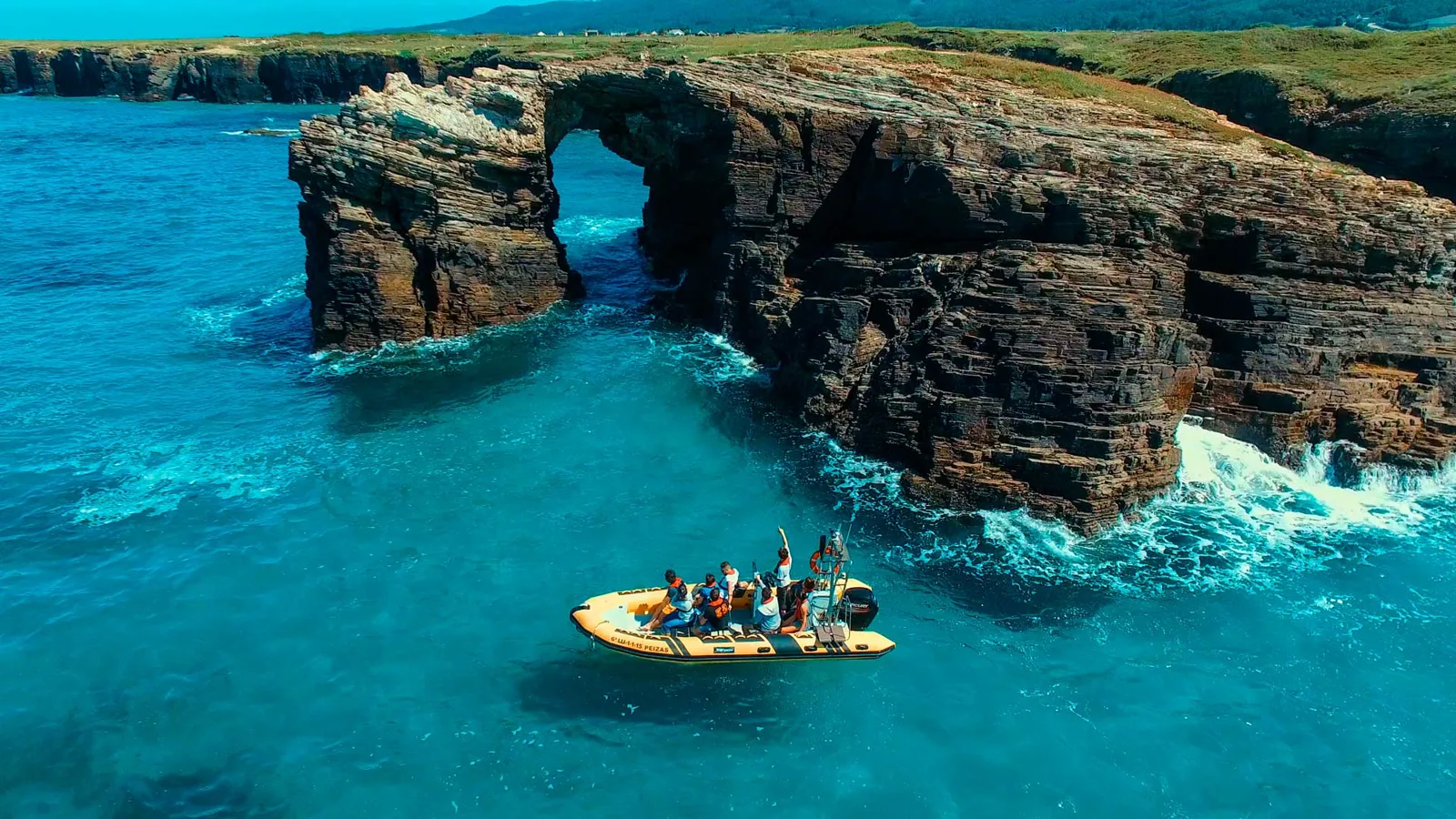
Rocky Atlantic seabeds are the foundation of diving around Foz, with the town, beaches and estuary close at hand. This is a shore-based destination rather than a liveaboard proposition, combining coastal entries with short boat outings along the Mariña Lucense. It suits divers who want several ways to get underwater without building a holiday around one signature site. A three- to five-day stay leaves room for diving, changing conditions and time above water.
Foz offers rocky coastal bottoms reached either from the shore or by boat, with the local choice shaped by the conditions on the day. The underwater menu runs from relatively shallow ground to deeper dives intended for advanced divers, so a booking should not be treated as a single, uniform level of diving. Currents are variable, and the exposed Atlantic setting makes flexibility more useful than a tightly fixed itinerary. A shore dive can keep the day simple when a boat outing is unsuitable, while an embarkation opens different sectors around Foz and its neighbouring coast. Expect guided local diving rather than a drift dive programme built around predictable flow. The practical rhythm is briefing, weather check and site selection, followed by a measured descent, a planned ascent and a normal safety stop.
Marine life is encountered across the rocky seabed and the wider coastal environment, but Foz is better approached as a place for observing habitats than as a destination built around a named seasonal animal. The character of a dive changes with the selected shore or boat site, its depth and the day’s Atlantic conditions. Local activity also includes marine-environment awareness, and some guides have biological training, making a naturalist briefing worth requesting. There is no particular wildlife calendar around which to build the trip, so the sensible approach is to ask what the chosen sector is showing on the day. Above water, the estuary, wetlands and beaches extend that same coastal interest beyond the dive.
Foz can be dived throughout the year, with local departures from the shore and by boat subject to the day’s conditions. That makes a flexible season more useful than chasing a supposedly perfect month. The Atlantic can alter the choice of site, so allow time for a replacement outing and avoid tying every day to one particular departure. The most dependable plan is a short land-based stay with room for a weather break, followed by coastal walks, the estuary or a beach day if the sea interrupts diving. There is no monsoon-style season to organise around, but the timetable remains maritime rather than guaranteed.
Foz works for all levels when the outing is matched to the diver. A beginner can take part in a supervised introduction, while certified divers should expect the local range to include deeper ground for advanced experience. Guided certified dives require at least an Open Water Diver qualification and current dive insurance. BSAC, PADI and SSI divers should bring proof of their qualification and insurance, and be clear about recent experience before committing to a deeper profile or a boat outing.
From London Heathrow, London Gatwick or Manchester, Foz is reached by road from Galicia or north-west Spain rather than by ferry. There is no identified direct domestic flight to Foz, so the journey needs to be planned as an air connection followed by the appropriate road leg. Allow time between those connections, particularly if the diving schedule depends on arriving on a particular day. Once in the area, the diving is organised from Foz and nearby coastal sectors, with departures split between shore locations and boats. Confirm the meeting point and the day’s format in advance, because the relevant access arrangements change with the selected sector.
The useful local habit is to keep the itinerary loose. Ask before each booking whether the outing is from the shore or by boat, then leave a replacement option for a change in Atlantic conditions. Do not fill every day with a fixed dive sequence: Foz’s sites are selected locally, and a deeper outing is not automatically interchangeable with a shallow one. Keep proof of your recognised certification and current dive insurance with you, as both are required for guided certified diving. Request a naturalist briefing if available, particularly if you want more than a purely technical description of the site. Leave one day uncommitted for the estuary, beaches and coast, rather than treating a cancelled boat as a wasted day. Finally, check the intended depth and profile honestly before accepting an outing, since the local range extends beyond beginner water.
Organise Foz as a three- to five-day stay on land, using the town and its surrounding coast as the base for local departures. Mix shore entries with boat outings instead of repeating one format, and keep a free day for the estuary, beaches or coastal paths. Non-divers have plenty to do, including kayaking, stand-up paddleboarding, sailing, surfing and visits to villages and cultural sites along the coast of Lugo.
Hello, I'm Marina, DivingDeal.com's AI assistant. I guide you through destinations, areas and countries.
Thinking about the whole trip and the flights? Talk it over with Edith →
Marina is an AI. Some links are affiliate links: DivingDeal may earn a commission, at no extra cost to you. Bookings are made with the partner.
Foz can be dived throughout the year, but local shore and boat departures depend on the day’s Atlantic conditions. Plan flexibly rather than around a particular month, allowing time for a replacement outing or weather break. If diving is interrupted, you can visit the estuary, wetlands, beaches or coastal paths.
Foz suits different experience levels when the outing matches your ability. Beginners can take part in a supervised introduction, while certified divers can choose shallower sites or deeper profiles intended for advanced divers. Guided certified dives require an Open Water Diver qualification and current dive insurance, with proof of both.
Diving in Foz focuses on rocky Atlantic seabeds and changing coastal habitats reached from shore or by boat. Marine life varies with the selected sector, depth and day’s conditions, so ask what the site is showing before entering. Naturalist briefings may add biological context, while the estuary, wetlands and beaches extend that interest above water.
Use Foz as a land-based base and combine shore entries with short boat outings along the nearby coast. Keep the itinerary loose because site choice follows weather and sea conditions, and leave a day for the estuary, beaches or coastal paths. Confirm the meeting point, departure format, qualification requirements and insurance before booking.