
Dive & Dive
Google 4.9/5 (1,369 reviews)
Spain · Mediterranean
Underwater walls beneath the Peñón de Ifach, shadowed arches, sheltered coves, barracuda and octopus make Calp a practical Mediterranean base.
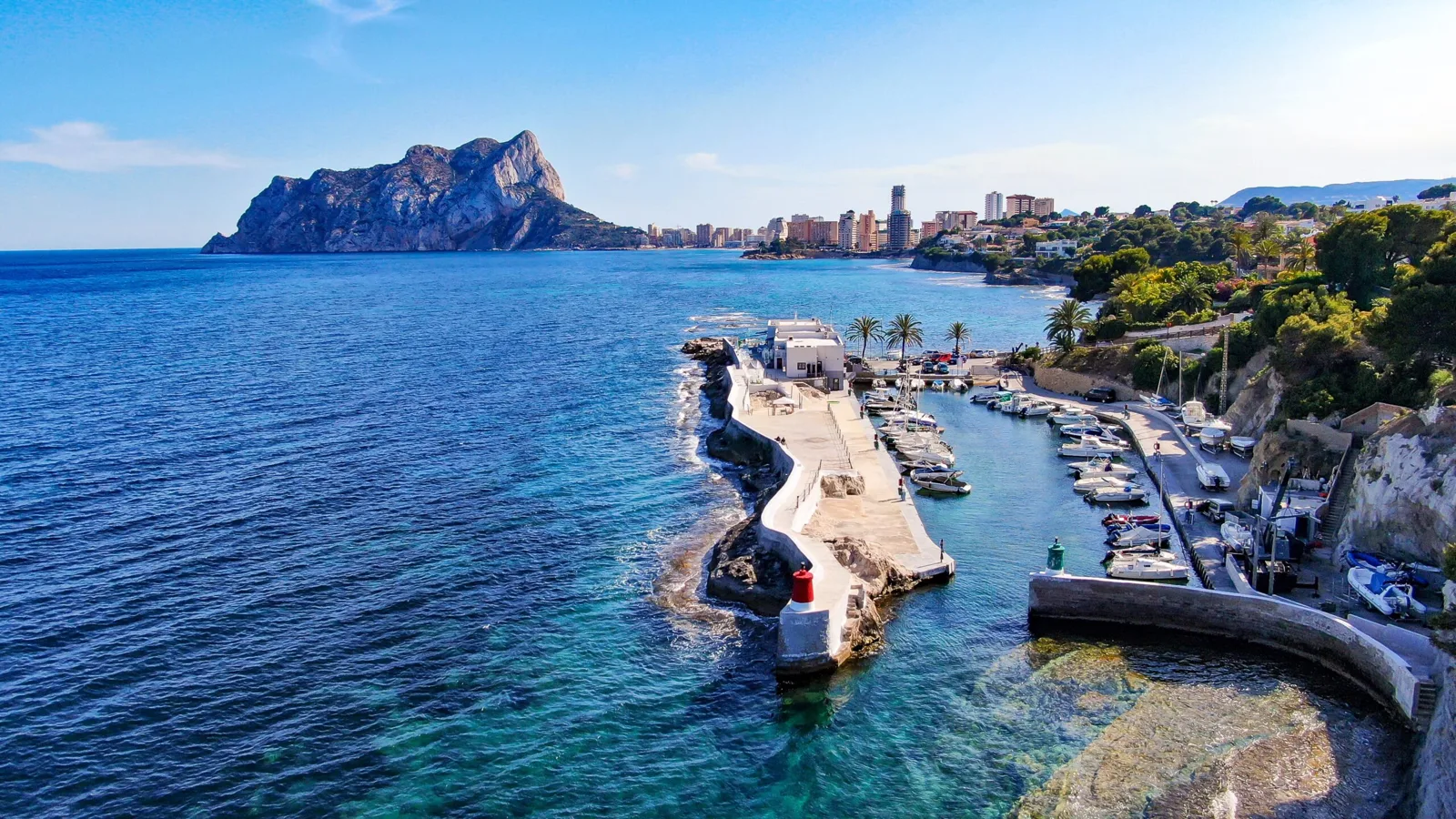
The Peñón de Ifach rises directly above Calp’s diving, giving even a straightforward coastal immersion a recognisable sense of place. Around its foot, El Racó offers sheltered, shallow water for a first try, while boat dives move out towards underwater reliefs, arches and caves. The attraction is the range packed into a land-based holiday: easy shore entries, more sculpted boat sites, and Mediterranean wildlife including octopus, moray eels, cuttlefish and barracuda.
Calp is a mixture of shore diving, sheltered coves and short boat trips around the Peñón de Ifach and the nearby coast. El Racó is the obvious gentle introduction, with calmer, shallower water beneath the landmark. Further out, the character changes to underwater reliefs, arches and caves, including the more pronounced forms associated with La Llosa. Currents are variable rather than a defining feature, so a dive may be calm and exploratory or require more attention around exposed headlands and arches. Visibility is commonly around 15 to 20 metres, although swell, runoff and suspended particles can reduce it. The practical advantage is flexibility: when an exposed boat site is uncomfortable, sheltered coastal options remain available. Bring a torch for fissures, shaded rock and the darker sides of arches, where the terrain becomes more interesting than a simple swim over open seabed.
Octopus, moray eels and cuttlefish are the everyday rewards of looking closely around rock, cracks and sheltered ground. Barracuda and dentex add the larger, more open-water encounters, while nudibranchs suit slow searching rather than a fast circuit of the site. Seahorses are occasional possibilities, and the same applies to sunfish, which should be treated as a fortunate sighting rather than a planned appointment. Calp is therefore worth diving with two different habits: look out into the blue for schooling and hunting fish, then return to the rock for small life. Tell the guide if nudibranchs or seahorses matter more to you than the bigger fish. Their presence is not tied to a dependable calendar here, so the best approach is to use calm, sheltered dives for patient observation whenever conditions allow.
Diving is possible throughout the year, but the most useful window runs from spring into autumn. May, June, September and October combine workable conditions with a better chance of avoiding the busiest period. June and September are especially sensible choices, with generally favourable visibility and less pressure on boat places than July and August. Summer can offer the clearest water, but peak-season traffic is part of the bargain. Winter is quieter and still diveable, though planning benefits from keeping alternatives in reserve. The coast’s exposed arches and headlands are more dependent on swell than the sheltered coves, so a flexible itinerary matters more than chasing a particular month at all costs.
Calp suits the full range, from a first supervised immersion to certified divers wanting more varied relief and boat diving. Beginners can start in calm, shallow water around El Racó and the Peñón de Ifach. Experienced divers will find enough variation in depth and terrain to avoid repeating the same easy profile, although this is not a destination built around strong current work or demanding technical diving. BSAC, PADI and SSI divers should find the progression familiar, with the guide matching the site to certification and experience.
From London, use Heathrow or Gatwick, or set off from Manchester, for Alicante-Elche or Valencia. Both are regional entry points for Calp, followed by a road transfer to the town and its ports. There is no structural need for a ferry, but the journey is not complete when the aircraft lands, so allow time for the onward drive when arranging diving days. A hire car is useful if you want to compare the harbour with Les Basetes or explore the neighbouring coast. Around the port, some accommodation and diving arrangements are walkable; elsewhere, expect to use a taxi or car rather than assume a shared shuttle. Check the exact departure base before booking accommodation, as the two sectors do not serve precisely the same stretch of coast.
Start with El Racó if this is your first dive in Calp, or if the sea state has turned the exposed sites into a poor bet. Do not use that easy introduction as your whole impression of the area: ask for a boat outing to the arches and more marked reliefs, particularly around La Llosa. Keep June or September in mind if you want fewer summer crowds without giving up the main diving season. In July and August, leave room for a change of plan rather than booking every dive on exposed sites. Bring a small torch, especially for fissures, arches and shaded rock, and make sure your camera or mask skills are ready for nudibranchs as well as larger fish. Tell the guide explicitly if small life is the priority, since the search for seahorses calls for a different pace from watching barracuda in open water. Finally, do not assume that walking the Peñón means the underwater sites operate under marine-park permits or quotas, and do not mistake a sheltered baptism for the full character of Calp.
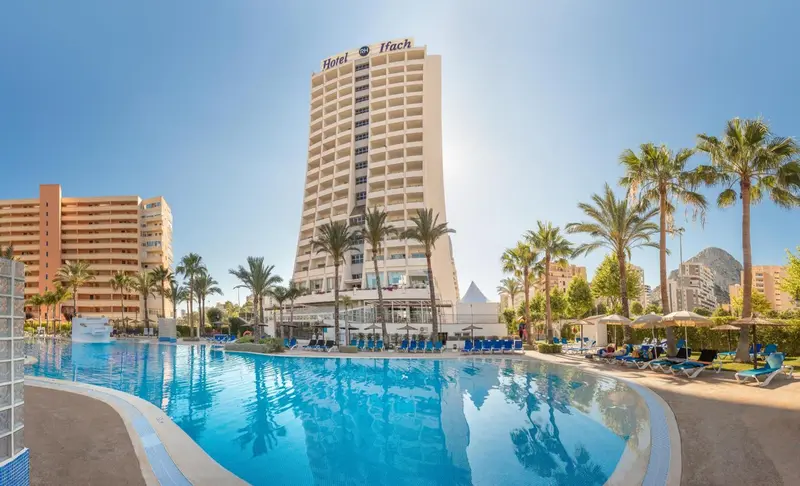
Plan on three to seven days on land, which leaves room for several different dives, a weather-related change of site and a day without diving. Base yourself according to the departure point you need, either around Calp’s harbour or nearer Les Basetes, and use a taxi or hire car if the two areas are not convenient on foot. Non-divers have beaches, the seafront, the fishing and leisure harbour, kayaking, paddleboarding and the Peñón’s walking routes. A day trip towards Moraira, Benissa or Altea adds variety without changing base.
Hello, I'm Marina, DivingDeal.com's AI assistant. I guide you through destinations, areas and countries.
Thinking about the whole trip and the flights? Talk it over with Edith →
Marina is an AI. Some links are affiliate links: DivingDeal may earn a commission, at no extra cost to you. Bookings are made with the partner.
Calp is diveable throughout the year, but spring through autumn offers the most useful window. June and September are sensible choices for favourable visibility and fewer crowds than peak summer. May and October can also work, while winter is quieter. Keep plans flexible because swell affects exposed arches and headlands.
Calp suits beginners and certified divers. You can begin with a supervised immersion in calm, shallow water around El Racó and the Peñón de Ifach. Certified divers can explore varied relief, arches, caves and boat sites. Currents are variable, but demanding technical diving and strong-current work are not the destination’s focus.
Calp combines the underwater Peñón de Ifach with sheltered coves, distinctive relief at La Llosa, arches and caves. Look around rocks and cracks for octopus, moray eels, cuttlefish and nudibranchs, then scan open water for barracuda and dentex. Seahorses and sunfish are occasional sightings rather than planned encounters.
Plan a flexible stay based near Calp’s harbour or Les Basetes, depending on your departure point. Fly to Alicante-Elche or Valencia, then allow time for the road transfer. A hire car helps compare sites and explore nearby coast. Leave room for weather changes, and bring a torch for fissures, arches and shaded rock.