
Dolphins Diving Lloret
Google 4.7/5 (349 reviews)
Spain · Mediterranean
Shallow rocky coves, gorgonians on rugged relief, octopuses in cavities and deeper drop-offs make Lloret de Mar a practical Costa Brava base.
For subtitles in English: start the video firstthen click the gearat the top right of the video, select “Subtitles/CC”, then “Auto-translate” and choose “English”.
Lloret de Mar is a Costa Brava shore base where a morning can begin over shallow rock at Sa Caleta and continue by boat towards drop-offs, cavities and more demanding offshore terrain. It suits a mixed group particularly well: beginners have sheltered-looking coastal profiles used for baptisms and training, while experienced divers can vary the depth and move out to Roca Muladera, the Fenals bar or Els Bullents. Above water, this remains a proper holiday town rather than a dive outpost, with beaches, coastal paths and plenty for non-divers.
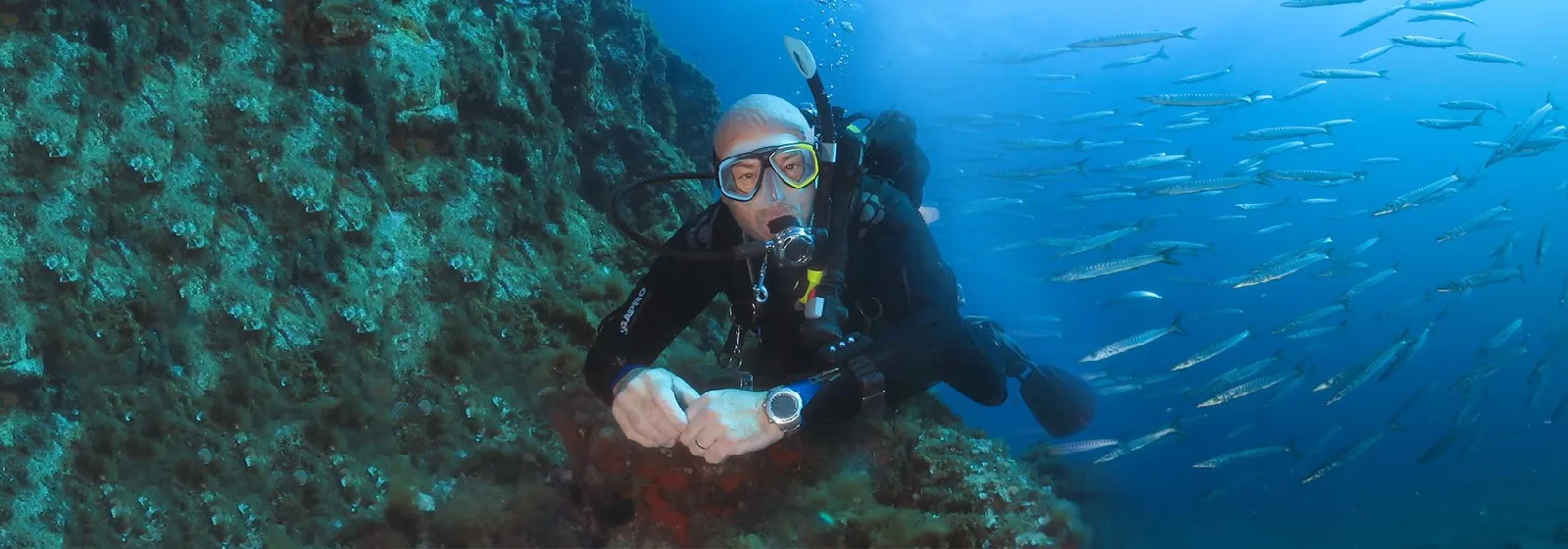
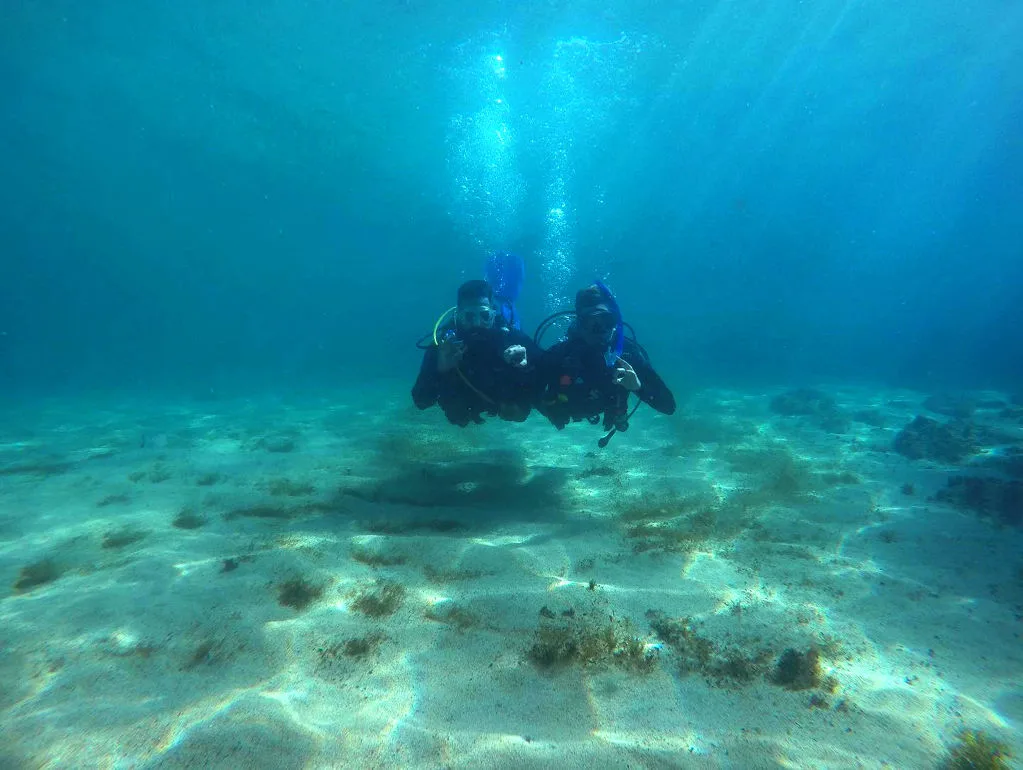
The underwater scenery is Mediterranean rock rather than coral reef: broken ridges, steep faces, caverns and small wrecks, with dives starting from beaches and continuing by boat to more exposed relief. Sa Caleta and similar coastal sectors keep things shallow for training, while Roca Muladera, the Fenals bar and Els Bullents extend the range towards deeper walls and offshore rock. Currents are generally light, so this is not principally a downcurrent or drift dive destination, though the sea can still alter the plan. Visibility is commonly around 10 to 25 metres from June to October, but it responds to sea state, current, plankton and coastal run-off. A sensible day alternates a straightforward shore dive with a boat outing, rather than treating every site as the same type of dive.
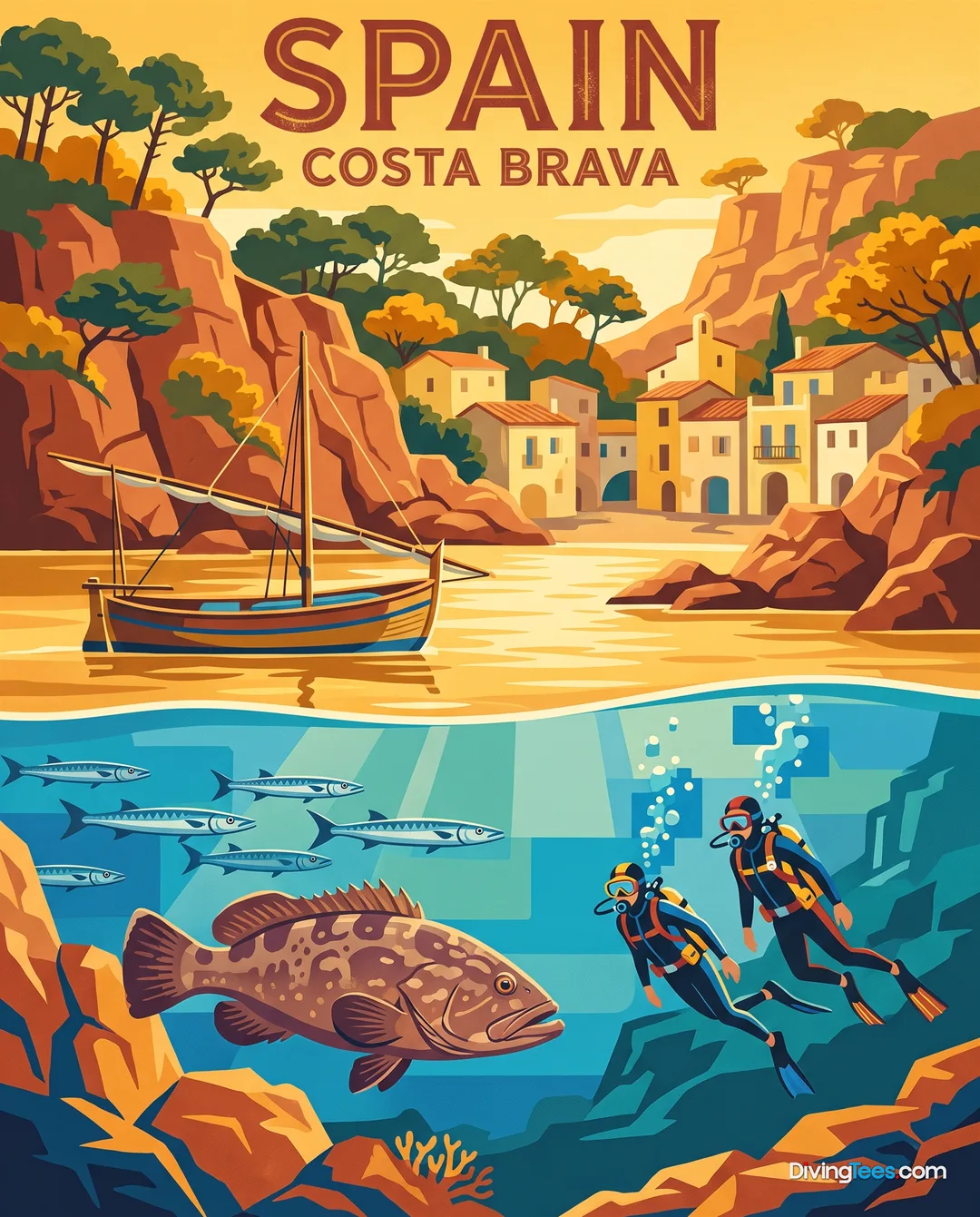
Look into the holes and cracks rather than swimming past them. Octopuses and moray eels are regular residents, while Mediterranean rock fish work the broken ground and shaded edges. Gorgonians and other fixed life cover parts of the rocky relief, giving walls and cavities more interest than their bare outlines suggest. Barracuda appear occasionally, but they should be regarded as a bonus rather than the reason to book a particular month. The dependable appeal is year-round: rock-dwelling fish, octopuses, morays and attached life remain part of the local picture from spring through autumn. Patience and a good torch add more to these dives than expectation of a single headline encounter.
The local season generally runs from spring into autumn, with June to October the most useful window for visibility. May, June, September and October make the better all-round compromise: the diving season is active, conditions are commonly favourable, and the beaches and launches are less crowded than in July and August. High summer brings warmer water and busy coastal access, which matters when several groups are using the same beginner-friendly coves. September and October retain the attraction of an active season without making every shore entry part of the holiday rush. There is no need to avoid a particular month altogether, but the quieter shoulder periods are easier to enjoy.
Lloret de Mar works for newly qualified divers, returning divers and autonomous pairs who want shore and boat options in one stay. Sa Caleta and similar shallow sectors are used for baptisms and training. For Roca Muladera, deeper drop-offs and other advanced profiles, Advanced Open Water or an equivalent qualification is useful, and the required experience should be checked before booking. PADI, SSI and BSAC divers can judge the sites by their own training and recent experience, rather than assuming that every local dive is an entry-level outing.
From London Heathrow, Gatwick or Manchester, reach Lloret de Mar by flying to Girona or Barcelona and continuing by road. There is no structural ferry journey and no domestic flight to add to the trip. Local operators put the road transfer at roughly 30 minutes from Girona airport, 1 hour 5 minutes from Barcelona airport and about 45 minutes from Barcelona itself, depending on traffic and the exact starting point. Allow half a day to a full day from Western Europe once connections and the road leg are included. In Lloret, walking works for some central departures, while a taxi or an organised transfer is more practical for Cala Canyelles and for kit-heavy mornings.
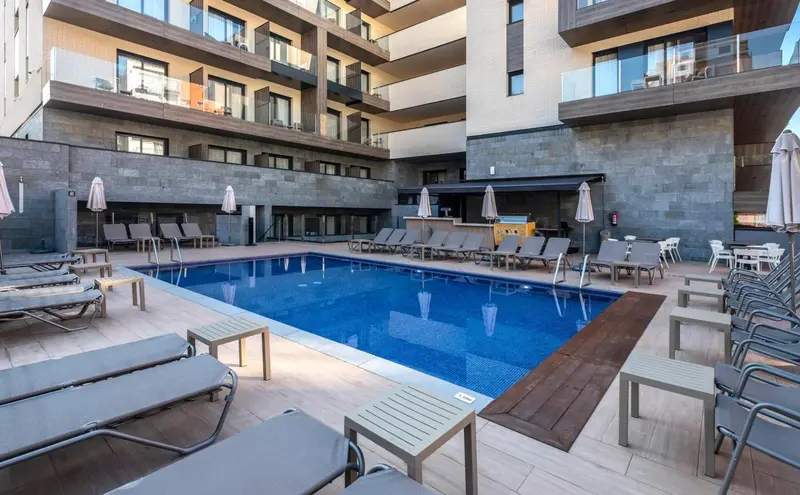
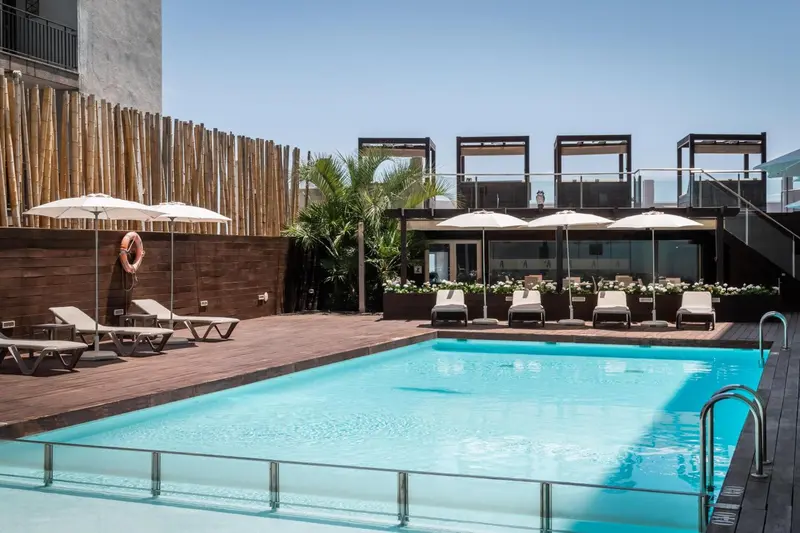
Start with Sa Caleta, or another shallow beach sector, if this is your first dive in Lloret. Then reserve a boat day to see the rocky relief beyond the familiar coves, especially around Roca Muladera and neighbouring offshore sectors. Ask for the depth and experience requirement before accepting a site, because the same holiday area includes training ground and substantially deeper profiles. Match the accommodation to the departure point: Lloret centre, Fenals and Cala Canyelles are not interchangeable, and a distant room can turn daily kit movements into a nuisance without a vehicle. If possible, put boat trips in May, June, September or October, when launches and beaches are less pressured. Do not plan the whole stay around July and August if diving is the priority. Finally, keep expectations local: Lloret offers rocky Mediterranean diving, not the managed marine-park experience of the Medes Islands.
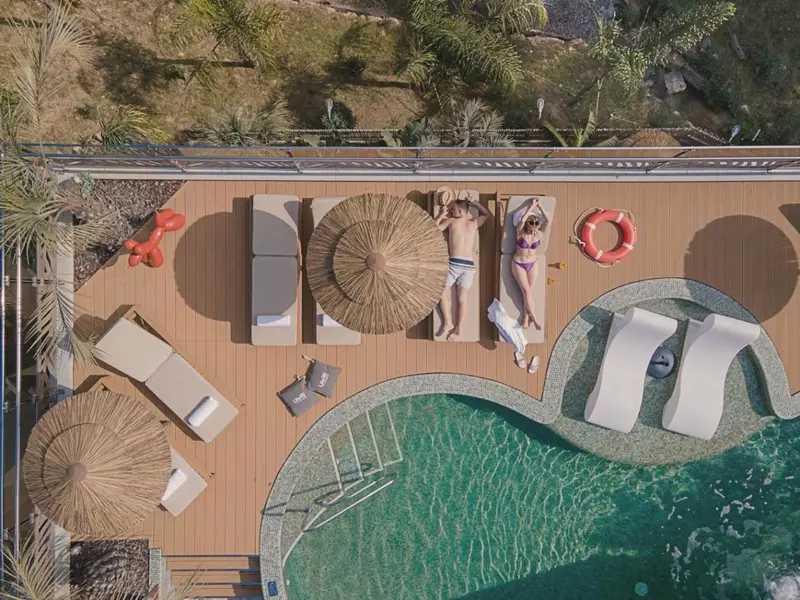
Plan on a land-based stay of three to five diving days, or five to seven days overall if you want time for coastal walks, beaches and inland excursions. Mix shore dives at Sa Caleta or Fenals with boat trips rather than repeating one style of outing. A non-diver has plenty to do, from the coastal paths and coves to Santa Clotilde Gardens, Lloret’s historic sights, Girona and other Costa Brava villages. Keep the departure sector in mind when booking accommodation, particularly if the programme centres on Cala Canyelles.
Hello, I'm Marina, DivingDeal.com's AI assistant. I guide you through destinations, areas and countries.
Thinking about the whole trip and the flights? Talk it over with Edith →
Marina is an AI. Some links are affiliate links: DivingDeal may earn a commission, at no extra cost to you. Bookings are made with the partner.
You can dive in Lloret de Mar from spring into autumn, with June through October offering the most useful visibility. May, June, September and October combine active diving and commonly favourable conditions with quieter beaches and launches. July and August bring warmer water, but coastal access and beginner-friendly coves are busier.
Lloret de Mar suits newly qualified divers, returning divers and autonomous pairs because you can choose between shallow shore sites and boat outings. Sa Caleta and similar sectors support baptisms and training. Deeper drop-offs around Roca Muladera and other advanced profiles require suitable experience, so check the site requirements before booking.
In Lloret de Mar, you can explore Mediterranean rocky ridges, steep faces, caverns, cavities, gorgonians and small wrecks. Look into cracks for octopuses and moray eels, while rock fish occupy broken ground and shaded edges. Barracuda may appear occasionally, but the reliable appeal is the varied fixed life and rock-dwelling animals.
Plan a land-based Lloret de Mar stay that mixes shore dives at Sa Caleta or Fenals with boat trips toward Roca Muladera and offshore sectors. Match accommodation to your departure point, since Lloret centre, Fenals and Cala Canyelles differ. Allow time for coastal paths, beaches and inland excursions, giving non-divers activities beyond diving.