
Medsea Scuba
Google 5/5 (36 reviews)
Spain · Mediterranean
Shallow Mar Menor water, Cala Cortina shore dives, Cabo de Palos drop-offs and the Naranjito at 27 to 44 metres.
For subtitles in English: start the video firstthen click the gearat the top right of the video, select “Subtitles/CC”, then “Auto-translate” and choose “English”.
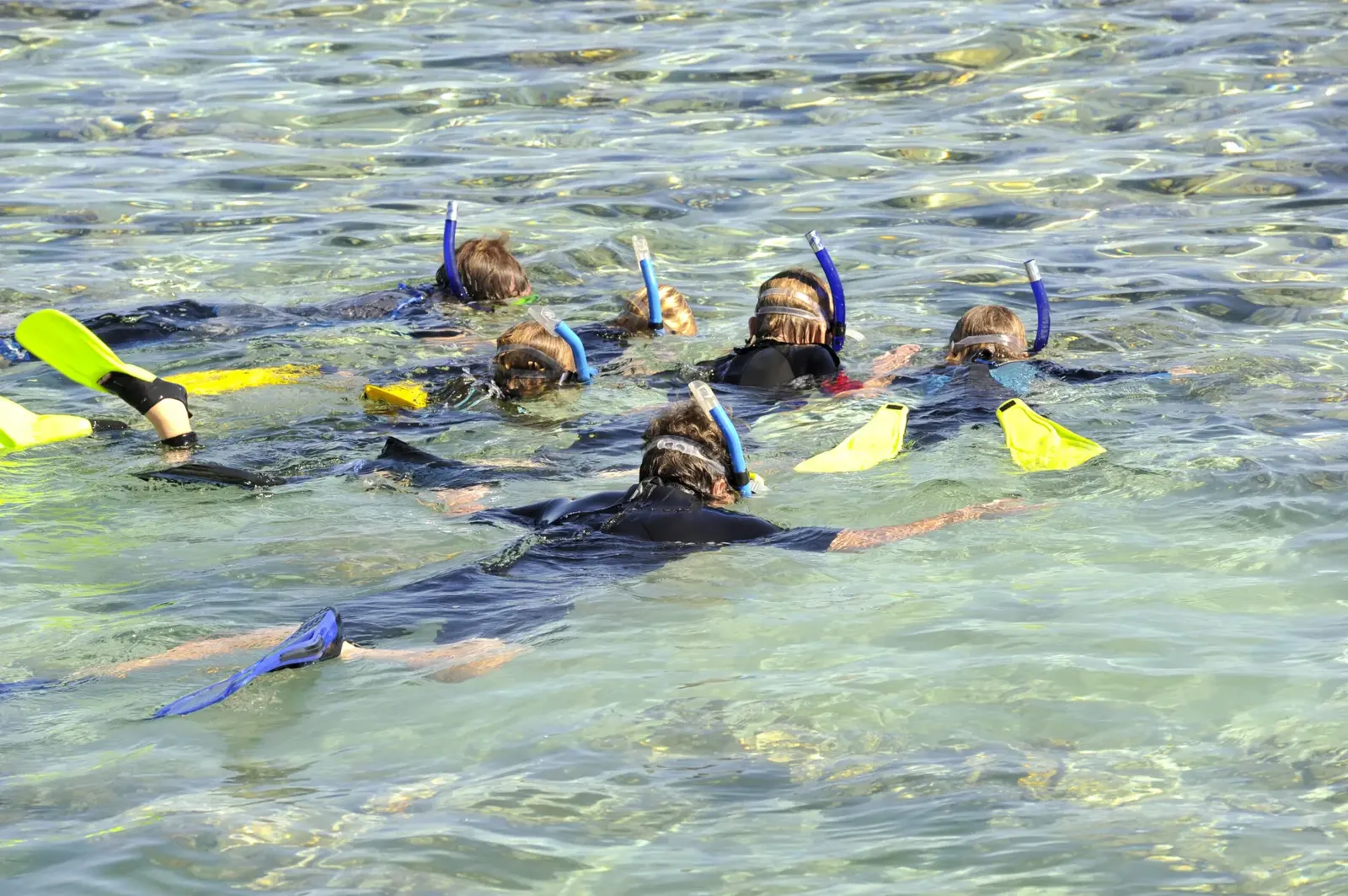
The Mar Menor puts calm, shallow water close to Los Alcázares, making the town useful for a first immersion, a refresher or a training session. Certified divers normally use it differently, as a base for travelling to Cala Cortina, Cabo de Palos, Islas Hormigas and the Naranjito. That makes this a land-based diving holiday rather than a single-site beach break. The reward is flexibility: keep the lagoon for quiet work, then spend a separate day on the more committed Mediterranean diving.
Underwater, Los Alcázares itself is defined by the Mar Menor's lagoon character: shallow, sheltered water suited to introductions and basic skills rather than extended Mediterranean-style exploration. Cala Cortina adds a shore-diving option, while Cabo de Palos changes the scale with boat trips to drop-offs, underwater highs and the protected waters around Islas Hormigas. Conditions and current are variable, so the same coast can feel straightforward on one outing and more involving on another. The Naranjito is the clear depth proposition, with sections lying from roughly 27 to 44 metres. It is an organised deep wreck dive, not a casual extension of a shallow session. Ask whether the day's plan is a shore dive or a boat departure, because the distinction determines both the terrain and the logistics.
Marine life changes with the setting. In the Mar Menor, the shallow lagoon environment is the main underwater subject, with limited scope compared with a conventional Mediterranean reef dive. Around Cabo de Palos and Islas Hormigas, protected drop-offs, highs and wrecks support a more structured Mediterranean community and are the stronger choice when biodiversity is the reason for travelling. The Naranjito adds the atmosphere of a deep wreck rather than a wildlife-led shallow dive. There is no particular animal encounter around which to build the itinerary, so plan for habitat, relief and the contrast between lagoon and open coast. The reserve is where the region's richer underwater character is concentrated.
Timing is best organised around the sort of diving you want, rather than a promised wildlife calendar. For calm introductions or training, the Mar Menor provides the practical option when the open coast would add unnecessary exposure. For Cabo de Palos and Islas Hormigas, leave flexibility in the programme so a boat day can be matched to suitable local conditions. A three- to five-day stay gives enough room to combine lagoon work with one or two Mediterranean days, while a longer visit makes sense for exploring more of the Costa Cálida. Keep the deeper Naranjito for a properly planned day, not an improvised add-on.
Los Alcázares suits every level, but not every site suits every diver. Beginners can use the Mar Menor for an introduction in calm, shallow water, while Cala Cortina offers a more substantial shore-diving step. Cabo de Palos and Islas Hormigas are for certified divers who are comfortable with boat procedures, changing conditions and local current. The Naranjito requires Advanced Open Water or an equivalent qualification, together with suitable deep-diving experience. The same distinction applies across PADI, SSI and BSAC training routes: the qualification must match the planned depth and format.
From London Heathrow, Gatwick or Manchester, the practical plan is to reach the Murcia area or the regional airports serving it, then continue overland to Los Alcázares. The town has no airport of its own and no ferry or sea crossing is needed. Once there, the Mar Menor and local dive centres are within the resort area, with walking possible from some accommodation. The Mediterranean diving is separate: Cabo de Palos is reached by road, followed by a shore or boat departure depending on the site. A hire car, taxi or organised shuttle is therefore useful, particularly if accommodation lies outside the centre. Do not assume that staying beside the lagoon places you beside every dive departure.
Treat Los Alcázares as a two-part trip. The Mar Menor is the sensible place for a first immersion, a refresher or training, not a substitute for the Mediterranean terrain around Cabo de Palos. Set aside a distinct day for Cabo de Palos and confirm in advance whether the plan is from the shore or by boat. Grouping those Mediterranean dives together avoids repeated road journeys from Los Alcázares. If the Naranjito is on the wish list, check the depth requirement and the equipment needed before travelling, because a wreck reaching roughly 44 metres is a different proposition from lagoon training. Do not put a beginner on it. For a mixed group, the deep-diving day can leave non-divers free to use Los Alcázares' beach, promenade and watersports. Finally, ask about the current rules for the protected Islas Hormigas area and the regulated Mar Menor, since navigation, anchoring and access are not necessarily handled in the same way everywhere.
Most stays work best with accommodation in Los Alcázares, local lagoon diving or training, then one or two planned days travelling to Cabo de Palos. Allow extra time for the road connection and keep the Mediterranean outings together where possible. Non-divers have the Mar Menor beach and promenade nearby, while Cartagena, La Manga and the Cabo de Palos coastline provide straightforward alternatives on a day without diving. The result is a flexible land-based holiday rather than a liveaboard schedule.
Hello, I'm Marina, DivingDeal.com's AI assistant. I guide you through destinations, areas and countries.
Thinking about the whole trip and the flights? Talk it over with Edith →
Marina is an AI. Some links are affiliate links: DivingDeal may earn a commission, at no extra cost to you. Bookings are made with the partner.
Plan your visit around the kind of diving you want rather than a particular wildlife season. The Mar Menor suits calm introductions, refreshers and training, while Cabo de Palos and Islas Hormigas require flexibility for local conditions and boat availability. Keep the Naranjito for a properly organised deep wreck day.
Los Alcázares suits different experience levels, but each site has its own demands. Beginners can start in the calm, shallow Mar Menor, while Cala Cortina provides a more substantial shore dive. Cabo de Palos and Islas Hormigas suit certified divers comfortable with boats, changing conditions and current. The Naranjito requires Advanced Open Water or equivalent deep-diving experience.
Diving around Los Alcázares contrasts the shallow, sheltered character of the Mar Menor with Mediterranean sites farther along the coast. Cala Cortina offers shore diving, while Cabo de Palos and Islas Hormigas feature protected drop-offs, underwater highs and wrecks. The Naranjito adds a deep wreck atmosphere, with sections from roughly 27 to 44 metres.
Treat Los Alcázares as a land-based base with separate lagoon and Mediterranean days. Use the Mar Menor for training or quiet diving, then group planned trips to Cabo de Palos where departures may be from shore or by boat. Arrange transport, allow time for the road connection, and check the Naranjito depth requirements before travelling.