
Isub
Google 4.8/5 (355 reviews)
Spain · Mediterranean
Volcanic coves, posidonia meadows, sandy patches, deep rock at 26 to 32 metres and the Arna wreck at 41 metres.
For subtitles in English: start the video firstthen click the gearat the top right of the video, select “Subtitles/CC”, then “Auto-translate” and choose “English”.
Volcanic rock, sand and posidonia are the foundations of diving around Níjar, on the Cabo de Gata-Níjar coast. The underwater landscape moves from sheltered coves and shallow rocky ground to reserve sites, deeper reliefs and the Arna wreck. This is a land-based Spanish diving holiday rather than a liveaboard destination, with bases spread between San José, La Isleta del Moro, Las Negras and Agua Amarga. It suits divers who enjoy variety without needing a full expedition.
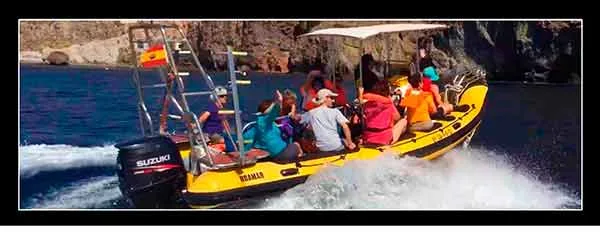
Most dives take place in sheltered coves and around volcanic ground, commonly between five and fourteen metres. Expect rock, sand and posidonia meadows, with boat trips extending the range to protected areas, deeper walls and wreck diving. Currents are generally light, so the usual outing is a controlled route rather than a downcurrent or drift dive. Visibility is often good, although swell can reduce it, particularly in winter. Deeper volcanic reliefs at 26 to 32 metres and the Arna wreck at about 41 metres change the demands considerably. In the reserve, dives must begin and end at the marker buoy, and local rules control which boat can occupy a point. This is not a place for treating every attractive cove as an informal shore dive, even when the water looks calm.
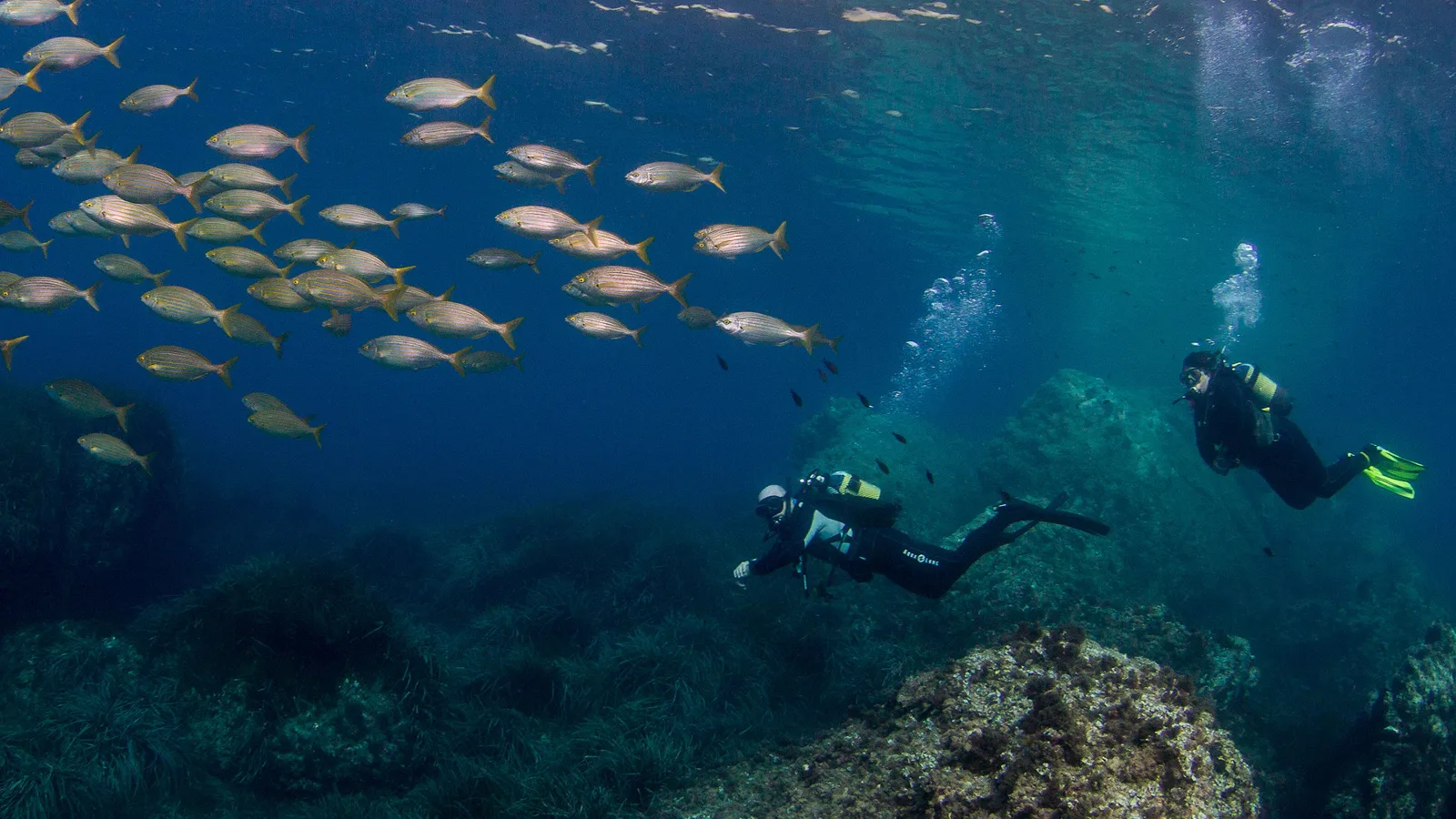
Marine life here is closely tied to the ground beneath the diver. Posidonia meadows occupy the sandy and rocky shallows, while volcanic outcrops and protected reserve areas provide the main underwater structure. Moving between rock, sand and seagrass gives the dive its character, with the living meadow as important a feature as the relief itself. The shallow coves are the natural starting point for observing this habitat, while the deeper sites offer a different setting around rock and wreck. There is no particular seasonal wildlife event to build the trip around, so the attraction remains the combination of protected habitat, volcanic scenery and changing depth rather than a promised calendar of species.
May, June, September and October are the most practical months for Níjar. Sea conditions usually allow more dependable outings from late spring into early autumn, while the coves are often more manageable than during the winter period. December, January and February bring a greater risk of swell and cancelled dives. Summer is busier around San José and the road-accessible coves, so early boat departures help avoid the busiest period on the water. The shoulder months bring a better balance of workable conditions, quieter villages and easier access to the coast.
Sheltered, shallow sites make Níjar suitable for beginners and for divers returning to the water, provided the local rules and centre procedures are followed. PADI, SSI and BSAC divers should bring current certification details and insurance documents for the required arrangements. Advanced or equivalent training is needed for the deeper volcanic reliefs and the Arna wreck. Experience, gas planning and comfort at depth matter more there than the generally light current on the shallow sites.
From London Heathrow or Gatwick, or from Manchester, the journey continues overland towards the coastal villages of the Cabo de Gata-Níjar area. There is no compulsory ferry and no domestic flight involved in reaching the destination. The final approach is by road from Almería, with narrow inland roads and a dispersed coastline making the last part slower than a simple resort transfer. San José, La Isleta del Moro, Las Negras and Agua Amarga are separate bases, not interchangeable neighbourhoods. Public transport between the coastal villages is limited, so a hire car is useful, particularly if the itinerary combines the southern and northern sectors.
Choose the village around the diving, not the other way round. San José is the practical base for southern sites, while La Isleta del Moro gives better access to the northern sector; Las Negras and Agua Amarga serve their own local areas. A hire car becomes especially useful when changing sectors, because the coastal villages are not linked by a convenient public transport network. Arrange the reserve diving through a local authorised centre and check the permit position before assuming an independent dive is possible. The rules include starting and ending at the marker buoy, and they restrict diving, night diving, shore entry and anchoring in specified areas. Keep a spare day for swell-related cancellations, particularly outside the calmer part of the season. For the deeper reliefs and the Arna, confirm the required qualification and experience before travelling, and carry the certification and insurance documents the centre requests.
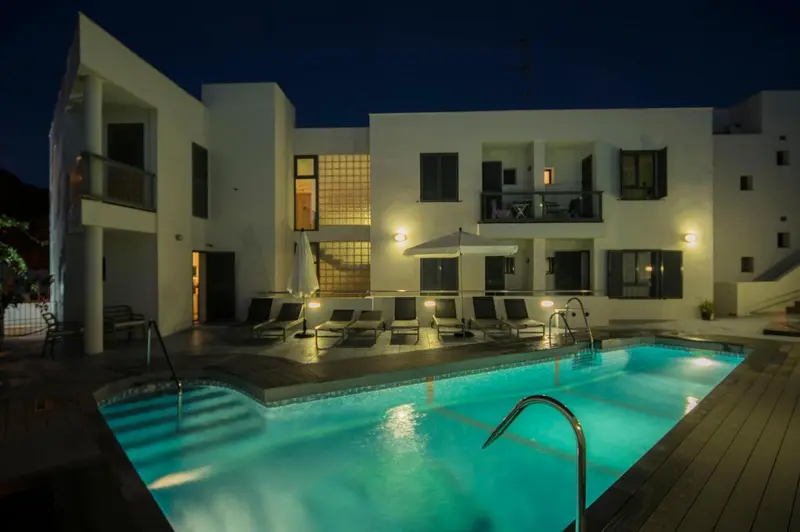
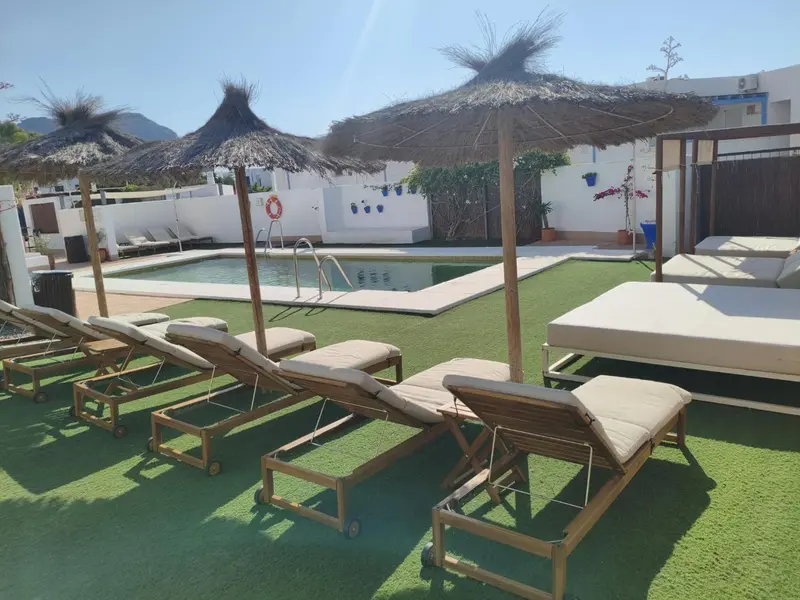
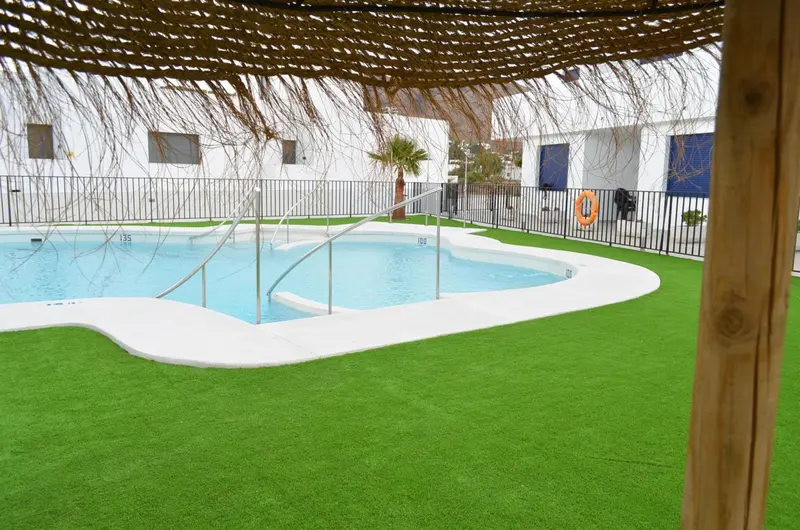
Allow five to seven days on the ground. That gives time to work from one base, move between San José and the northern villages if desired, and keep a replacement day when swell interrupts a boat trip. Accommodation can be close to the harbour and diving facilities in San José or La Isleta del Moro, but staying in another village means arranging road transport. Non-divers have walking, beaches, coves, kayaking and the volcanic landscapes of the natural park to explore.
Hello, I'm Marina, DivingDeal.com's AI assistant. I guide you through destinations, areas and countries.
Thinking about the whole trip and the flights? Talk it over with Edith →
Marina is an AI. Some links are affiliate links: DivingDeal may earn a commission, at no extra cost to you. Bookings are made with the partner.
May, June, September and October are practical months for Nijar. Sea conditions usually allow more dependable outings from late spring into early autumn. December, January and February bring greater risk of swell and cancelled dives. Summer is busier, so early boat departures help avoid crowds on the water.
Sheltered shallow sites make Nijar suitable for beginners and divers returning to the water, provided you follow local rules and centre procedures. Advanced or equivalent training is needed for the deeper volcanic reliefs and the Arna wreck. Experience, gas planning and comfort at depth matter there.
You can see volcanic rock, sand and posidonia meadows across sheltered coves and shallow sites in Nijar. Boat trips extend the scenery to protected marine reserve areas, deeper volcanic reliefs at 26 to 32 metres and the Arna wreck at about 41 metres, creating different settings as depth changes.
Plan five to seven days in Nijar, choosing a village around your diving: San José for southern sites or La Isleta del Moro for the northern sector. A hire car is useful between coastal villages. Arrange reserve diving through an authorised local centre, carry certification and insurance documents, and keep a spare day for swell-related cancellations.