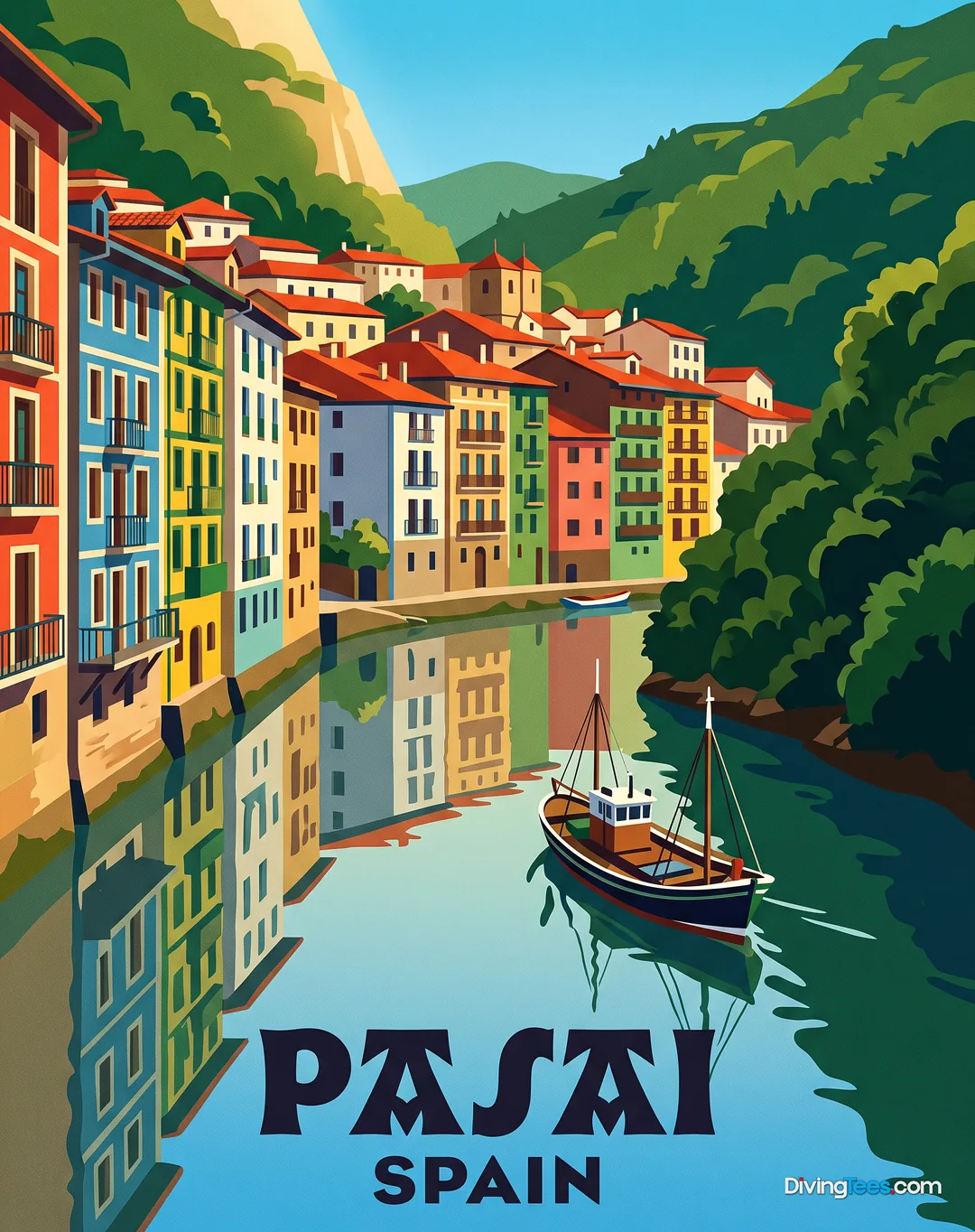
Dwo San Sebastián
★★★
Google 4.1/5 (19 reviews)
3.9 km away as the crow flies
Dive centre · Pasai · Spain
4.8198 Google reviewsWith 25 years of experience in the Cantabrian Sea, Buceo Donosti provides technical Trimix training and wreck diving from the port of Pasaia.
Buceo Donosti is a long-standing SSI dive centre situated in the historic port of Pasaia Donibane, serving the Guipúzcoa region of the Basque Country. For 25 years, the centre has operated as a central hub for divers looking to explore the rugged coastline and deep-water sites of the Cantabrian Sea.
The centre is positioned perfectly for those staying near San Sebastián, providing easy access to a variety of underwater environments including rocky reefs, deep walls, and historic wrecks. Because of the local climate, the diving season extends throughout the entire year, allowing for consistent access to the water.
The team at Buceo Donosti is composed of highly qualified professionals, including two SSI Instructor Trainers. This level of expertise ensures that training is handled with precision, whether you are a beginner or a diver pursuing professional instructor ratings.
The centre's philosophy focuses on building a community of divers, blending high-standard technical instruction with a welcoming atmosphere. Their extensive course catalogue covers everything from initial Try Scuba sessions to advanced professional levels like Divemaster and Open Water Instructor.
Buceo Donosti offers a comprehensive curriculum through SSI, ranging from entry-level courses like Try Scuba and Open Water Diver to advanced certifications such as Advanced Open Water Diver. For those looking to progress into professional diving, they provide training for Divemaster, Open Water Instructor, Specialty Instructor, and Assistant Instructor Trainer.
Technical divers can access specialized training including Extended Range Foundations, Extended Range Trimix, and Technical Extended Range Trimix. The centre also provides Freediving courses, ranging from Level 1 to Advanced levels.
The centre operates two dedicated diving boats to take you to the various sites around the Pasaia pass and the coastline. These vessels are specifically prepared for diving operations, ensuring that your cylinders are managed efficiently for each excursion.
The 250m² facility in Pasaia is fully equipped to support both training and recreational diving. It includes a dedicated classroom for theory work, a workshop for equipment maintenance and repairs, and a retail shop for those looking to purchase new kit.
On-site amenities include large changing rooms with showers and a dedicated area for equipment storage. For divers who prefer not to travel with their own heavy gear, the centre provides a complete range of rental equipment. The technical side of the operation is supported by an on-site compressor zone and a desalination area, with Nitrox and Trimix gases available for those on advanced or technical programmes.
Pikatxilla is a large underwater bank that offers several distinct profiles, including the Pikatxilla Norte site which features a Second World War German steamship wreck. The site can reach depths of 32m and is known for its frequent currents.
Cañonero Tajo is a wreck dive located near the exit of the Pasaia pass. You can explore the remains of the Tajo, a vessel sunk in 1895, which includes a 24-metre skeleton and a submerged turret containing torpedoes.
Bantxa del Este is a diverse site featuring a sandy bottom and a steep rocky drop-off. Divers can explore a tunnel at 14m depth, where they can find a merchant ship's anchor and various marine life among the rocks.
And some of the dive sites the centre runs.
The rocky reefs and walls are home to a wide variety of larger species. You will regularly encounter conger eels, octopus, and various crustaceans including spiny lobster, lobster, and spider crabs (centollos). Schools of fish such as chinchards (chicharros), bogues (bogas), and sars (muxarras) are common sights around the ledges.
For those interested in macro life, the area is excellent for spotting nudibranchs, sea hares, and planaires. The rocky crevices and sandy patches also host gobies, blennies, and various species of crabs like nécoras.
In the deeper or more sheltered areas, you may find more specialised residents such as rays, including mosaic rays and electric rays (trembladeras). Cuttlefish and various species of soles are also frequently observed on the seabed.
The diving in this area is subject to the conditions of the Cantabrian Sea. While the port of Pasaia provides some shelter, certain sites like Pikatxilla are known for having frequent currents.
The availability of sites is influenced by the swell and local weather, though the centre operates 12 months a year due to the relatively mild climate of the Basque coast.
Hello, I'm Marina, DivingDeal.com's AI assistant. I answer in detail about hotels, dive centres and liveaboards.
Thinking about the whole trip and the flights? Talk it over with Edith →
Marina is an AI. Some links are affiliate links: DivingDeal may earn a commission, at no extra cost to you. Bookings are made with the partner.
Your last day stays dry: no diving in the 18-24 hours before a flight, the perfect window to see the destination from another angle.
 Culture
⏱ 5 h · ★ 5.0 (114 reviews)
from £180$241€215
see on Viator ↗
 Culture
⏱ 5 h · ★ 5.0 (15 reviews)
from £193$257€230
see on Viator ↗

⏱ 3 h · ★ 5.0 (13 reviews)
from £109$146€130
see on Viator ↗
Ratings and reviews collected by Viator and Tripadvisor.