
Crab Buceo Mazarron
Google 4.9/5 (447 reviews)
Spain · Mediterranean
Caves, Posidonia seagrass, wrecks and grouper-filled walls run from Puerto de Mazarrón towards the protected cliffs of Cabo Tiñoso just offshore.
For subtitles in English: start the video firstthen click the gearat the top right of the video, select “Subtitles/CC”, then “Auto-translate” and choose “English”.
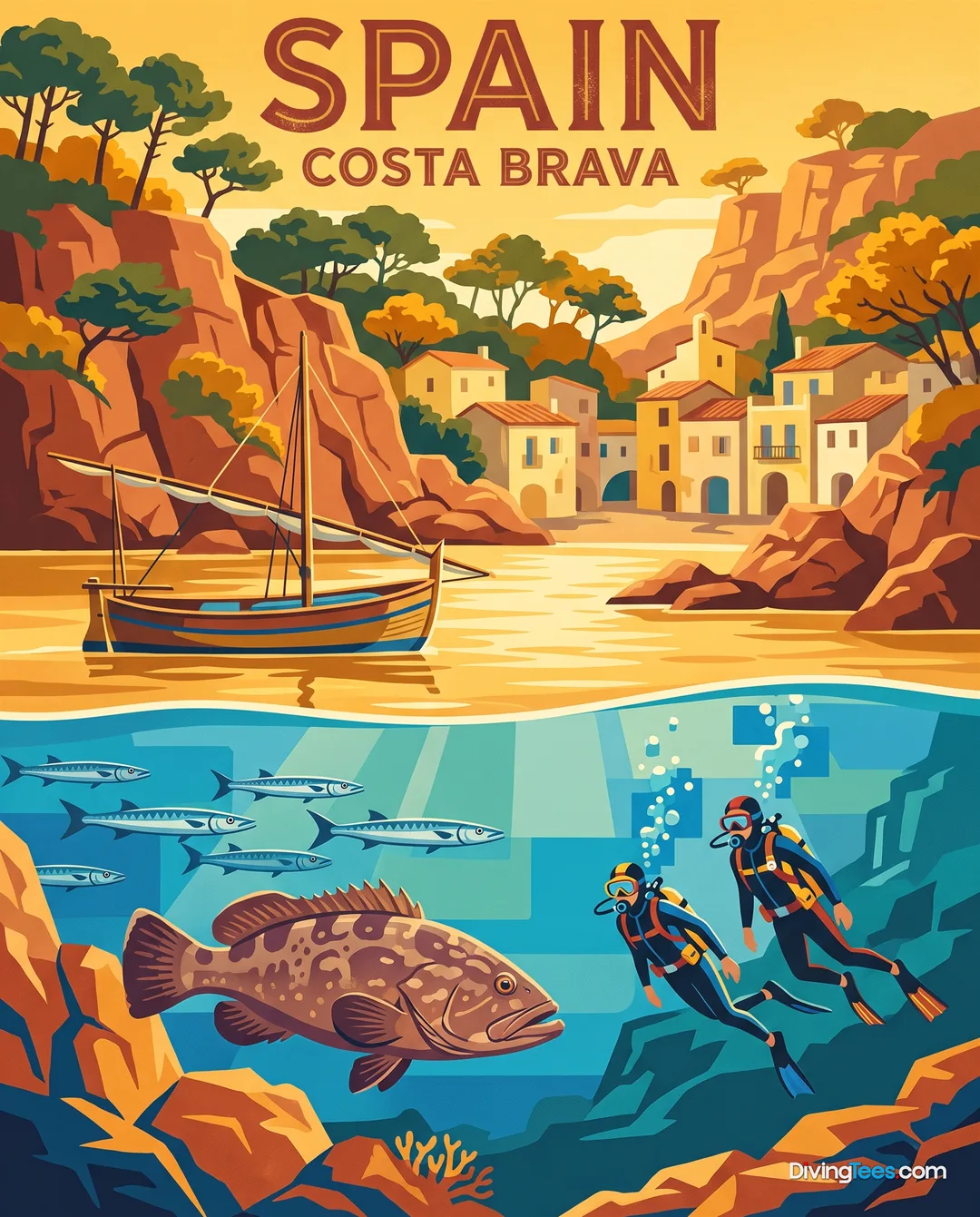
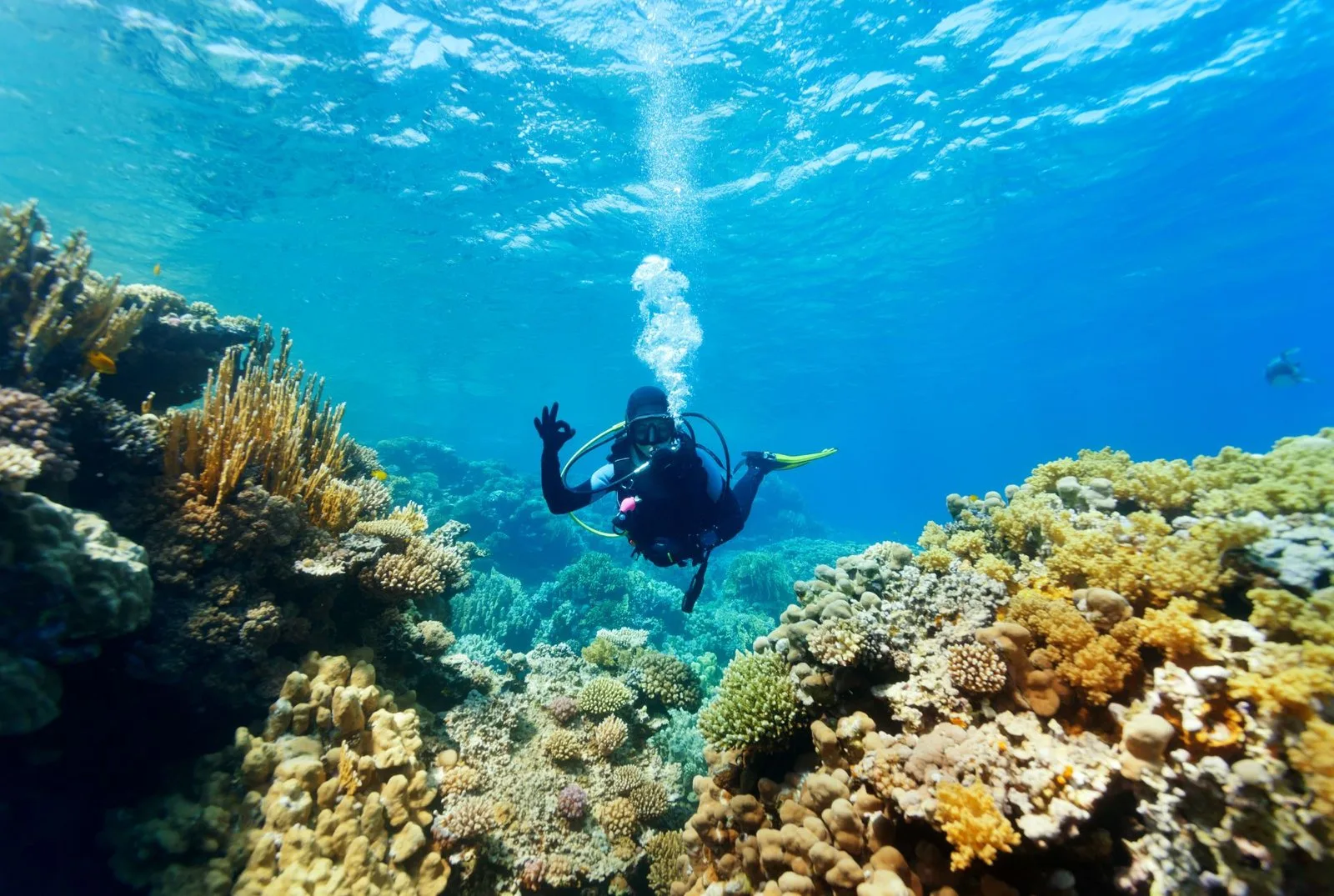
A wall drops away beneath the boat, with a cave entrance or Posidonia seagrass bed close by and a grouper watching from the rock. That is Puerto de Mazarrón in essence: a shore-based Spanish destination where the bay, La Azohía and Cabo Tiñoso offer very different dives within one holiday. There are gentle profiles around Cueva Lobos, rocky reefs and wrecks for experienced divers, and deeper sites approaching 60 metres. The port, beaches and coastal walks also give non-divers a proper holiday.
Most diving is by boat from Puerto de Mazarrón, heading along roughly 20 kilometres of coast towards La Azohía and Cabo Tiñoso. Underwater, expect a mixture of walls and drop-offs, rocky reefs, caves, Posidonia seagrass and wrecks rather than one repeating reef pattern. Cueva Lobos is the straightforward end of the scale, with dives to about 14 metres, while other sites descend close to 60 metres. Currents are variable, so the same coastline can call for calm finning on one outing and more controlled positioning on another. Visibility is best treated as a condition to check locally rather than a fixed promise. Bring a torch for the caves and cavities, and expect a boat-diving routine, with the reserve reached in about 20 minutes from the bay.
The rocky ground and seagrass hold the familiar cast of Mediterranean life. Look into cracks for moray eels and conger eels, scan the reef for groupers and combers, and check the bottom for flatfish. Spiny lobsters favour the shelter of the rock, while octopuses use the caves, ledges and broken ground as cover. Damselfish add movement over the reef, particularly where the rock meets Posidonia. These encounters are part of the destination's regular character rather than a short seasonal spectacle. The diving season runs from March into December, so marine life can be built into a longer stay without planning around one migration or a single short-lived event.
March, April, May, June, September and October make the most sensible months for a dive holiday here. Local centres run outings from March to December, giving Puerto de Mazarrón a longer usable season than a narrowly timed summer break. Spring and early summer, followed by early autumn, leave room to combine Cueva Lobos, the bay, La Azohía and Cabo Tiñoso without making the whole trip depend on one sector. There is no particular month that needs to be ruled out outright. Reserve diving needs more thought than ordinary coastal outings because permits and daily quotas are tied to specific dates.
Puerto de Mazarrón works for newly qualified divers as well as experienced visitors, provided the site matches the qualification and comfort level. Cueva Lobos offers shallow, manageable profiles, while walls, caves, wrecks and deeper sites demand more judgement. An Advanced qualification is useful for sites near 60 metres, although that depth is not a standard expectation for every outing. A recognised Wreck qualification is sensible for wreck diving. BSAC, PADI and SSI divers should check the proposed profile rather than assume the whole area suits one level.
From London Heathrow, London Gatwick or Manchester, reach the area by road from Región de Murcia Airport or Alicante Airport. The journey is therefore an airport-and-road arrangement rather than one requiring a ferry, with the final transfer to Puerto de Mazarrón made overland. Allow room in the itinerary for the flight connection and road transfer, since the exact journey depends on the airport and routing chosen. Once in town, the diving centres are in the harbour and coastal area. Depending on where you stay, they may be walkable, or require a short local journey. Boat trips then carry divers from the bay to the outlying sites and to Cabo Tiñoso.
Book Cabo Tiñoso as a specific part of the programme, not as an automatic extension of a bay dive. The reserve is zoned, and permits for divers and boats are linked to a chosen date and the available quota, so ask which sector the trip uses and arrange it through an authorised centre before travelling. Keep Cueva Lobos in the plan for a shallow day, then use separate days for walls, caves, wrecks or deeper profiles. Carry a torch for the cavities. If a site approaches 60 metres, match it to your actual depth training and experience, not simply to the maximum advertised for the area. Wreck and cave plans call for different preparation. Do not anchor in the integral reserve, and do not assume that a normal boat outing permits free access to every part of Cabo Tiñoso.
Plan on five to seven days based in Puerto de Mazarrón. A sensible stay alternates shallow diving around Cueva Lobos with outings towards La Azohía and several reserve days at Cabo Tiñoso, leaving the programme less dependent on one type of site. Centres and boats operate from the harbour and coastal strip, while accommodation may be close enough to reach on foot or may need a short local transfer. Non-divers have beaches, the promenade, boating, coastal scenery, Mazarrón's mining heritage and Cartagena for a cultural day.
Hello, I'm Marina, DivingDeal.com's AI assistant. I guide you through destinations, areas and countries.
Thinking about the whole trip and the flights? Talk it over with Edith →
Marina is an AI. Some links are affiliate links: DivingDeal may earn a commission, at no extra cost to you. Bookings are made with the partner.
You can dive in Puerto de Mazarrón from March into December, with March through June and September through October offering sensible periods for a holiday. This longer season lets you combine Cueva Lobos, the bay, La Azohía and Cabo Tiñoso. Reserve trips require advance attention because permits and quotas depend on specific dates.
Puerto de Mazarrón suits newly qualified divers and experienced visitors when the site matches your training and comfort. Cueva Lobos provides shallow, manageable profiles, while walls, caves, wrecks and deeper sites require more judgement. Advanced training is useful for deep sites, and a recognised Wreck qualification is sensible before undertaking wreck dives.
In Puerto de Mazarrón, you can explore rocky reefs, walls, drop-offs, caves, wrecks and Posidonia seagrass beds. Look for groupers, moray and conger eels, spiny lobsters, octopuses, flatfish and damselfish. Cueva Lobos offers a shallow profile, while Cabo Tiñoso brings protected cliffs, underwater relief and reserve boat dives.
Plan a shore-based stay in Puerto de Mazarrón around separate days for Cueva Lobos, La Azohía, walls, caves, wrecks and Cabo Tiñoso. Arrange reserve outings through an authorised centre before travelling, carrying a torch for cavities and checking that each profile matches your training. Harbour centres, beaches and coastal walks support non-divers too.