 Dive centre in the hotel
Ciudad De Vacaciones Cala Montjoi
★
Google 4.4/5 (3,838 reviews)
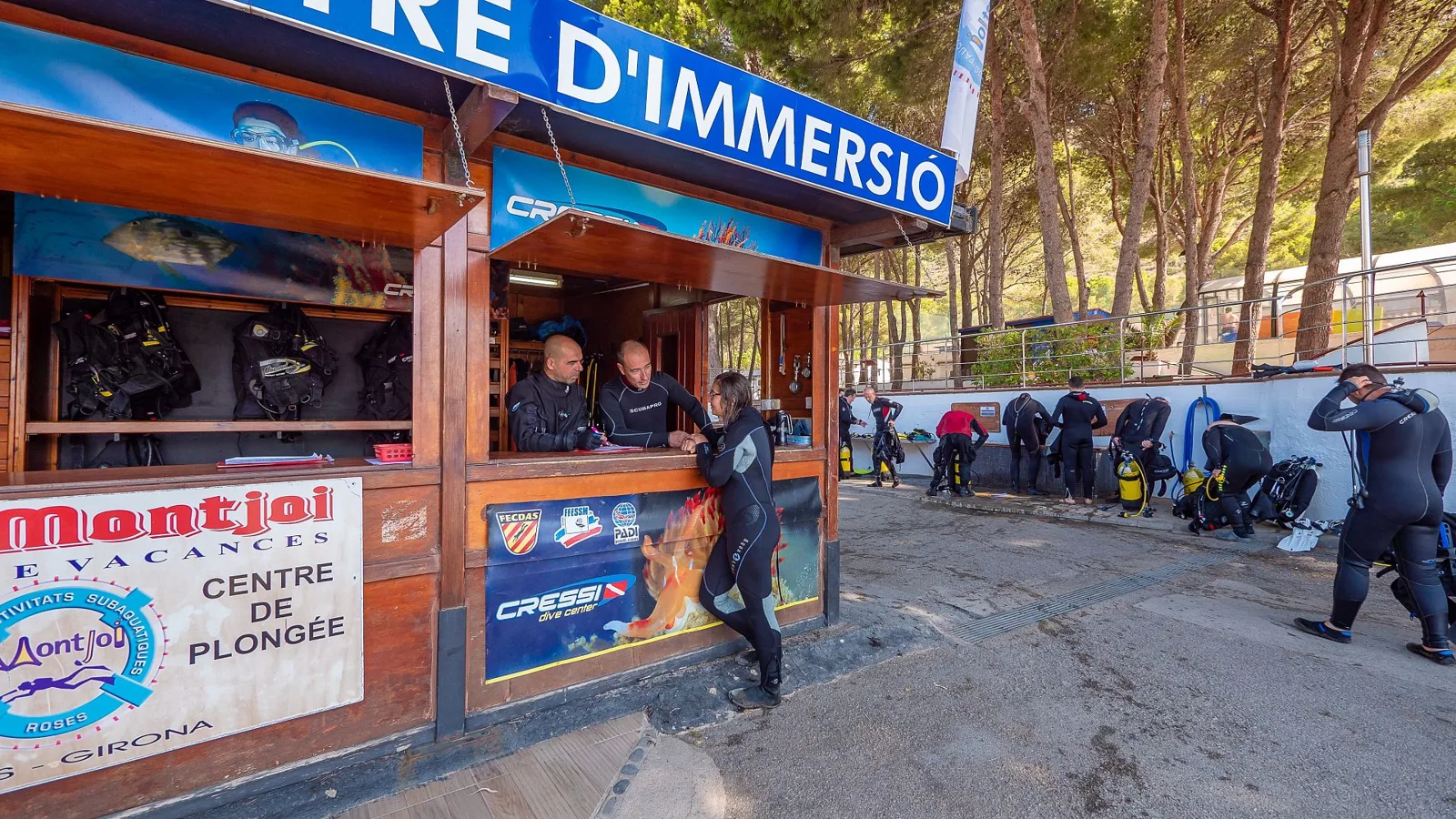
The dive centre
MONTJOI DIVING CENTER
PADI · FFESSM · CMAS · FEDAS
Google 4.1/5 (18 reviews)
Spain · Mediterranean
Red gorgonians, groupers, caves and deep walls shape boat diving from Roses into the southern Cap de Creus natural park.
For subtitles in English: start the video firstthen click the gearat the top right of the video, select “Subtitles/CC”, then “Auto-translate” and choose “English”.
Roses is a shore-based gateway to the southern Cap de Creus, where boats leave the harbour for rocky walls, caves, coralligenous ground and red gorgonians. Cap Falcó, Cap Norfeu, Cala Montjoi and Cala Jóncols bring different versions of the coastline within reach, from shallow water for a first dive to deeper walls for experienced divers. It is a practical base for a four- to seven-day stay, with enough on land for non-divers and enough flexibility to work around the tramontana.
The diving is Mediterranean in character, with rock rather than tropical reef: walls, ledges, caves, sponges, coralligenous outcrops and red gorgonians. Boat trips from Roses reach Cap Falcó, Cap Norfeu, Cala Montjoi and Cala Jóncols, while the bay and more sheltered sectors provide alternatives when the outer coast is too exposed. Currents are variable, so a site may involve a gentle drift dive rather than a fixed route, and the boat crew’s choice matters more than a rigid itinerary. Visibility can change with wind, swell, coastal run-off and plankton, so it is not sensible to plan around a guaranteed view across the site. Some Cap Norfeu and Gat-sector walls reach considerable depth, making them quite different from an easy shallow outing. Surface intervals and the safety stop are still part of the day’s rhythm, especially when successive boat dives are planned.
Rocky bottoms around Roses hold groupers, shoals of fish, sponges and red gorgonians, with the larger animals most often found where the terrain offers shelter and overhangs. Groupers are associated with the rocky ground, including the Jóncols area, but they remain wildlife rather than a scheduled appearance. Spring and early summer are the most promising period for a lively feel to the diving, and occasional sunfish are reported then as well. The gorgonians give walls and deeper outcrops their strongest colour, while caves and coralligenous surfaces reward a slower pace and a good torch. The marine park’s protected sectors around Cap Norfeu and the Cap de Creus help preserve these habitats, although summer boating and diving pressure still make careful access important.
May, June, September and October offer the most useful balance for a diving holiday in Roses. Spring and early summer bring abundant marine life, including the more likely encounters with groupers and occasional sunfish. By late summer the sea is generally warmer and conditions can be pleasant when the wind stays down. The tramontana is the deciding factor throughout the year: it can cancel or redirect trips to exposed Cap de Creus sites, particularly in the cooler months. Early and late season also tend to be quieter than the main summer holiday period, while the working plan remains flexible enough to swap an exposed wall for a sheltered site.
Roses suits beginners as well as experienced divers. Introductory dives, shallow sites and snorkelling are available, while qualified divers can work up to the walls and deeper outings around Cap Norfeu and the Gat sector. An Advanced qualification, or an equivalent certificate from BSAC, PADI or SSI, is useful for those dives, but certification alone is not the whole test. Depth, experience, air consumption and comfort with changing conditions should all match the plan before booking a deep wall.
From London Heathrow, Gatwick or Manchester, the journey starts with a flight to Girona-Costa Brava or Barcelona, followed by a road transfer or coach to Roses. Roses has no airport, and there is no compulsory sea crossing, so the final leg is entirely overland. Allow for that connection when arranging luggage, accommodation and the first boat departure, particularly if the flight arrival is late or transport is not direct. Once in Roses, the diving is concentrated around the harbour. Staying near the seafront or port can make the centres walkable; from farther out, plan on a car or taxi, or check whether the individual operator provides a pick-up. No single airport connection removes the need to coordinate the final road journey.
Build in several diving days rather than staking the holiday on one trip to an outer Cap de Creus site. Tramontana can close the exposed coast or change the destination, while the bay and other sheltered sectors may remain workable. Keep one day flexible if the forecast is unsettled, and favour morning departures in the busy summer period, when the sea is often kinder and nearby sites become busier later. Ask specifically whether the plan is for Cap Falcó, Cap Norfeu, Cala Montjoi or Cala Jóncols, because their depth and exposure are not interchangeable. Do not book Cap Norfeu or a deep wall simply for its reputation without checking the actual depth against your certification, experience and gas plan. For a first dive, start close to Roses or in a shallow sheltered area. Also check the current park rules for navigation, anchoring and diving before entering regulated sectors, rather than assuming that a familiar coastal routine applies here.
Roses works best as a land-based diving holiday, with daily boat trips from the harbour and the option of a sheltered or shallow outing when the outer coast is closed. Four to seven days gives room for several dives, a tramontana-related change of plan and time ashore. A partner or family member has beaches, coves, kayak and snorkelling, coastal walks and the Citadel, while Cadaqués or Portlligat make possible excursions when road access and summer crowds are taken into account.
Hello, I'm Marina, DivingDeal.com's AI assistant. I guide you through destinations, areas and countries.
Thinking about the whole trip and the flights? Talk it over with Edith →
Marina is an AI. Some links are affiliate links: DivingDeal may earn a commission, at no extra cost to you. Bookings are made with the partner.
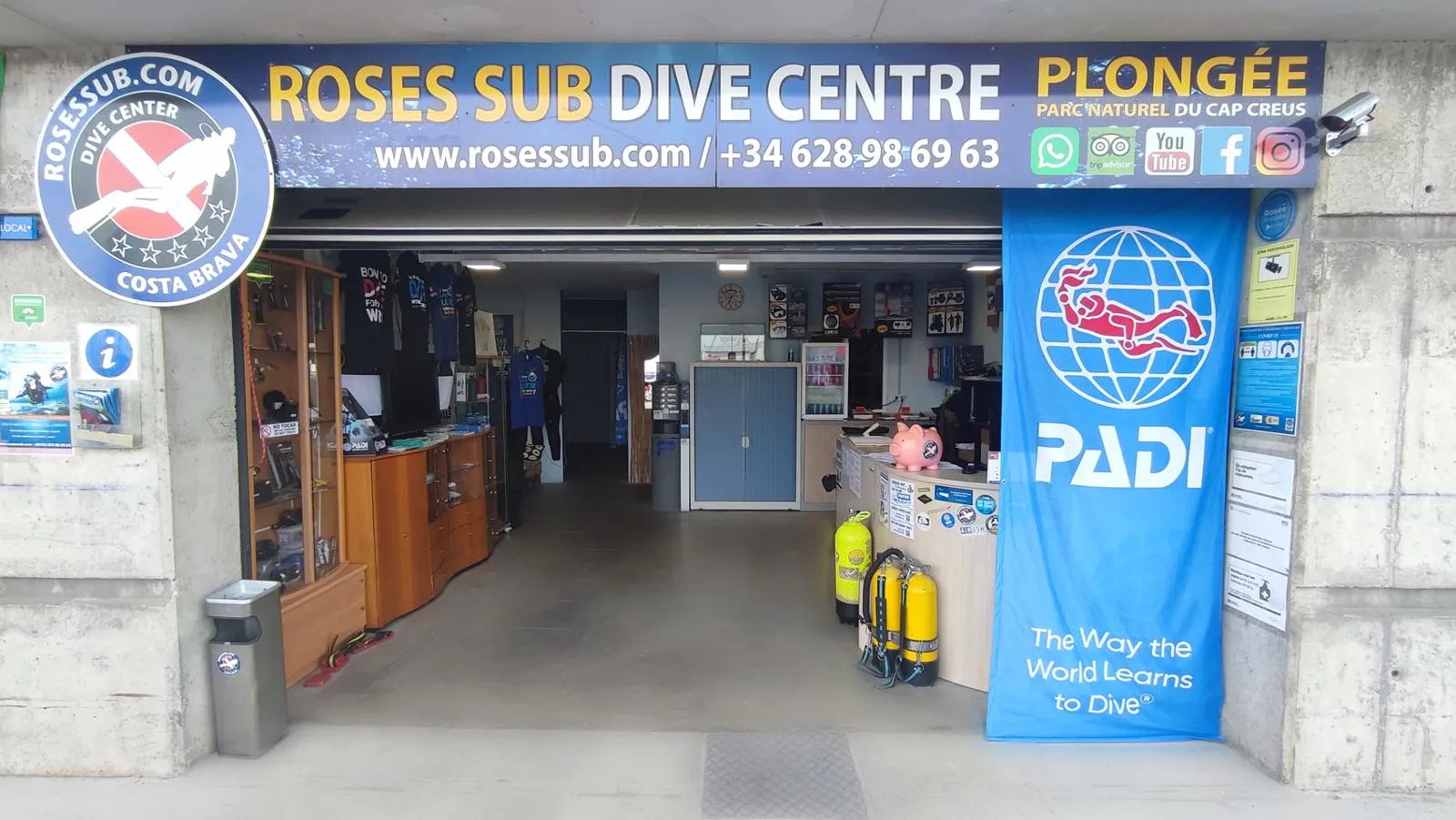
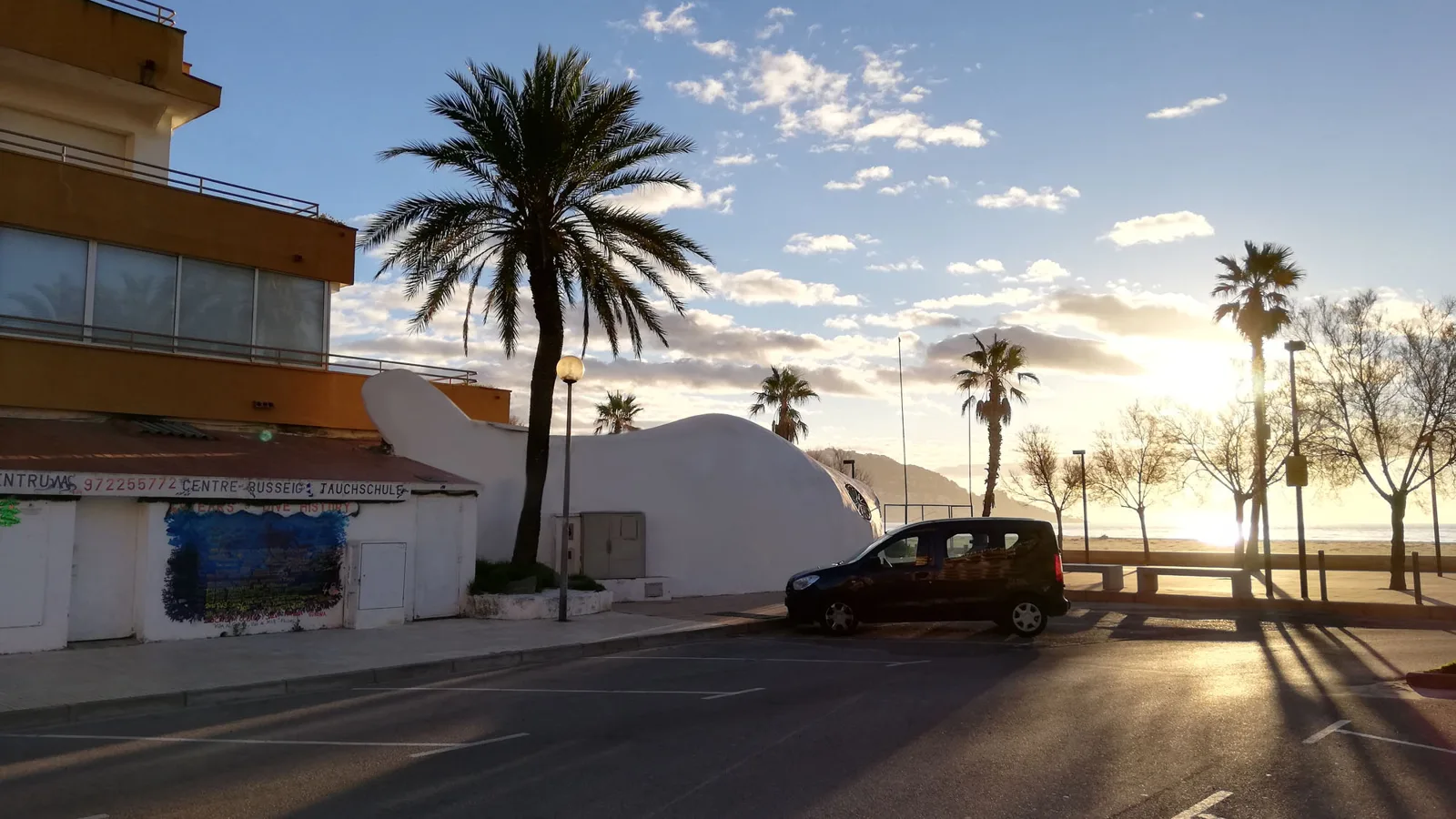
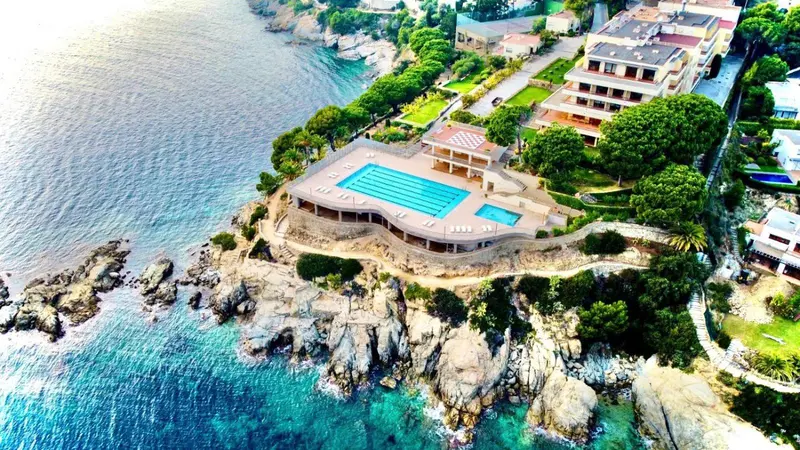
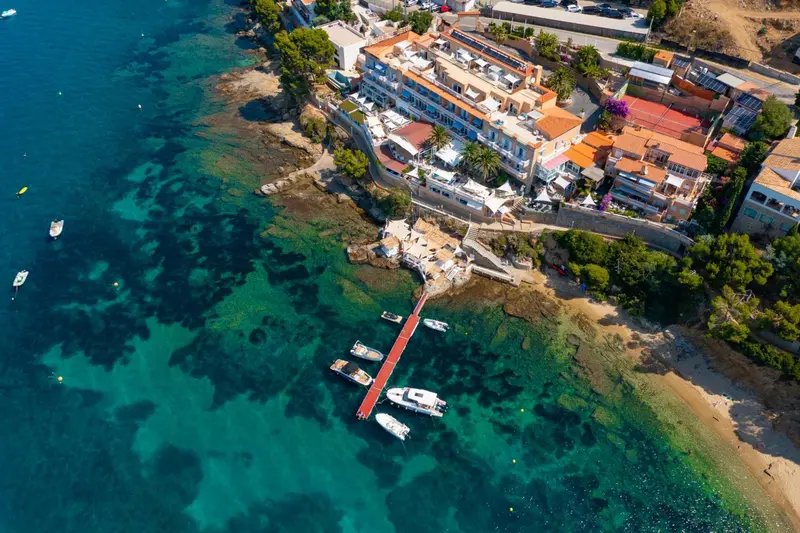
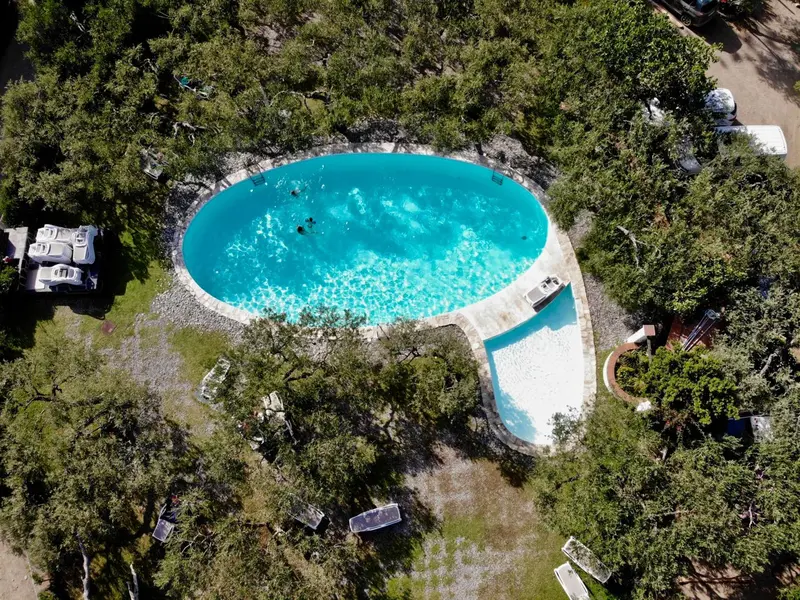
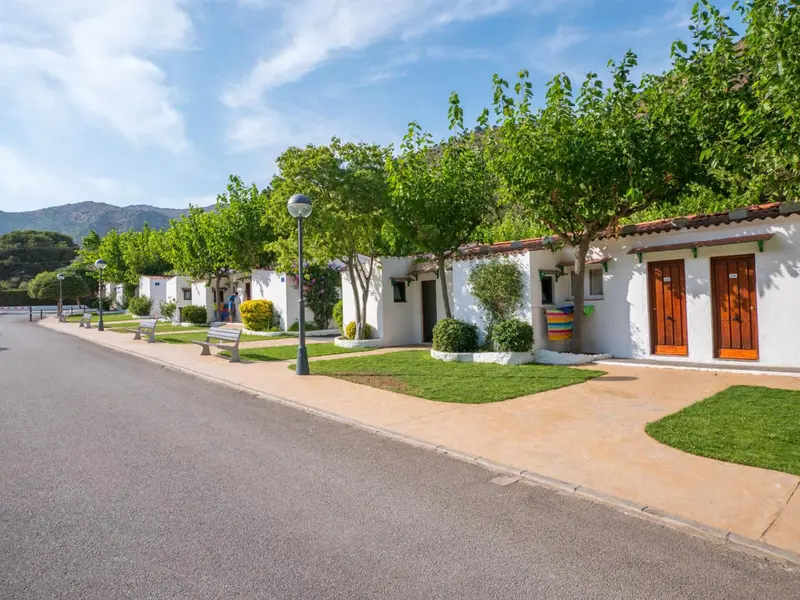
In each one, the dive centre is inside the hotel: step out of your room and go diving.
Dive centre in the hotel★
Google 4.4/5 (3,838 reviews)
The dive centre
MONTJOI DIVING CENTER
PADI · FFESSM · CMAS · FEDAS
Google 4.1/5 (18 reviews)
Visit Roses in May, June, September or October for a useful balance during a diving holiday. Spring and early summer can bring abundant marine life, including more likely grouper encounters and occasional sunfish. The tramontana remains important throughout the year, because it can cancel or redirect trips to exposed Cap de Creus sites.
Roses suits beginners and experienced divers. You can choose introductory dives, shallow sites or snorkelling, while qualified divers can explore deeper walls around Cap Norfeu and the Gat sector. For deep outings, an Advanced qualification or equivalent is useful, but your depth experience, air consumption and comfort with changing conditions should also fit the plan.
Around Roses, you can explore rocky walls, ledges, caves, coralligenous outcrops and red gorgonians rather than tropical reef. Groupers inhabit rocky bottoms, including the Jóncols area, alongside shoals of fish and sponges. Spring and early summer may bring occasional sunfish, while a torch helps reveal caves and slower details on sheltered surfaces.
Use Roses as a land-based base for daily harbour boat trips, keeping your itinerary flexible for tramontana. Several diving days allow sheltered alternatives when exposed sites close, and a flexible day helps with unsettled forecasts. Stay near the seafront or port for walkable centres, and coordinate your flight, road transfer, accommodation and first departure.