
Vadum Maris Diving Center Tabarca
Google 4.9/5 (143 reviews)
Spain · Mediterranean
Tabarca brings Posidonia seagrass, rocky drop-offs, artificial reefs and brown groupers within a short boat journey from Santa Pola harbour.
Santa Pola is the practical mainland base for diving the marine reserve around Tabarca, an island roughly eight kilometres offshore. Boats leave the harbour for short outings over Posidonia seagrass, rocky drop-offs and artificial reefs, while the town provides beaches, a promenade and straightforward shore-based logistics. The reserve has profiles for newer divers as well as deeper options for those with suitable experience. It is a land-based Mediterranean break, not a liveaboard destination, with enough onshore interest to make a weather day worthwhile.
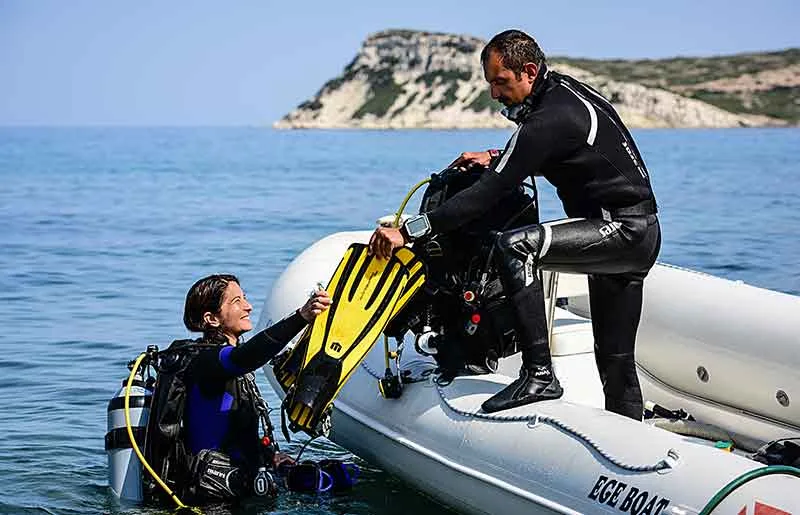
The diving is predominantly by boat, with the crossing to Tabarca usually taking around 15 to 20 minutes. The reserve is divided broadly into inner and outer sectors, and the choice matters: one may mean a relatively shallow route over seagrass or rock, while another can involve a deeper wall or drop-off. Artificial reefs add a different shape to the underwater landscape, alongside rocky communities and Posidonia meadows. Centres generally describe the current as weak or absent, so these are not normally downcurrent or drift-dive outings. Some profiles reach approximately 35 to 40 metres and are quite separate from the easier sites. Visibility is best treated as something to check locally rather than a fixed reason to book a particular month.
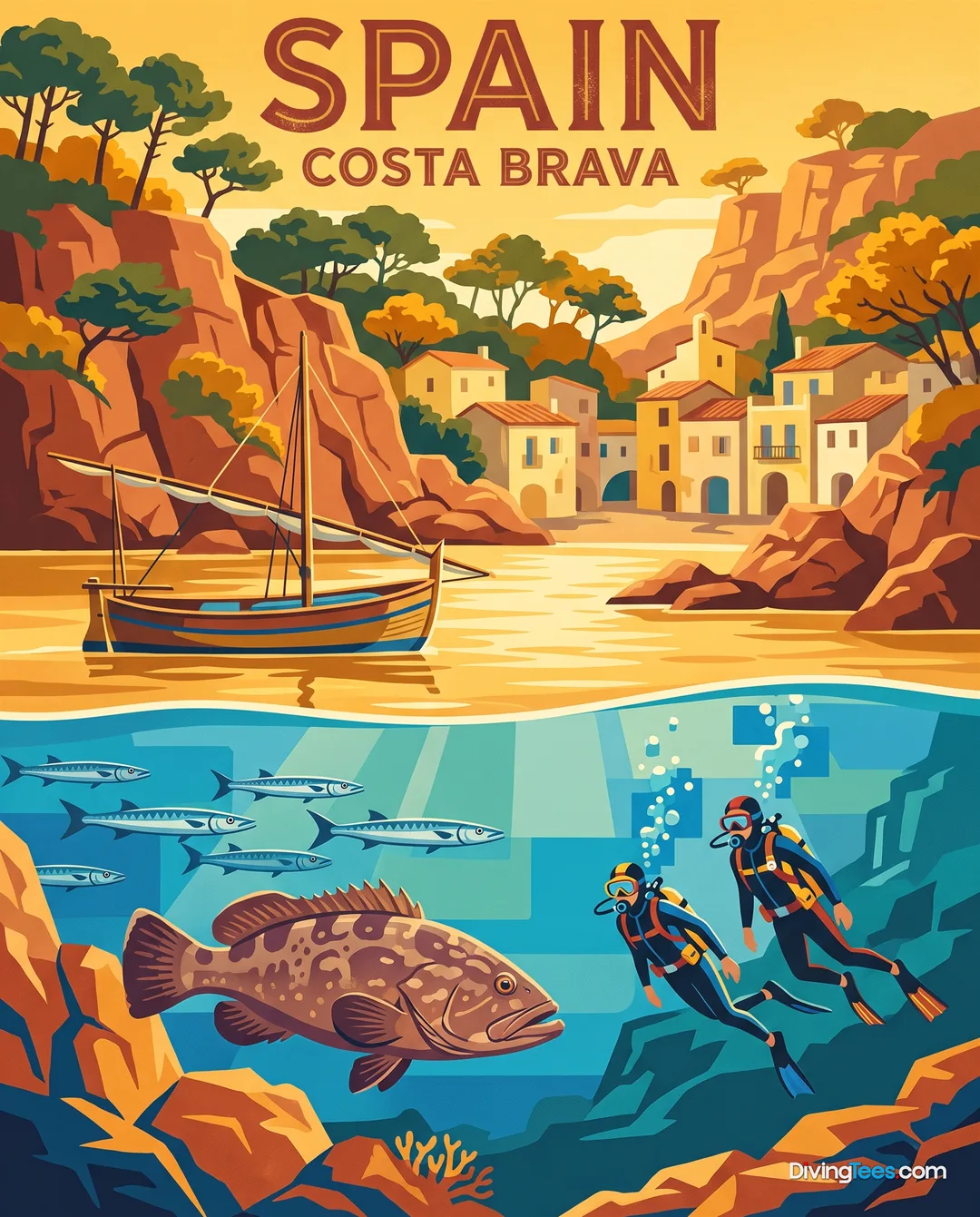
Tabarca’s protected rocks and seagrass give Mediterranean regulars plenty to look for rather than relying on one seasonal spectacle. Brown grouper, Mediterranean barracuda, common octopus, common cuttlefish and Mediterranean moray are encountered throughout the year. Look into cracks and beneath overhangs for morays and octopus, and across the reef edge for grouper and barracuda. Seahorses are possible but occasional, so they reward a slow, observant dive rather than expectation. Ocean sunfish are also an occasional summer sighting. The reserve’s protection helps maintain the rocky communities and Posidonia habitat, although the wider destination also includes busier coastal and harbour areas with more maritime and tourist pressure.
Diving runs throughout the year, but May, June, September and October are the most sensible months for a balanced trip. Spring and early autumn usually offer a better compromise between marine conditions, summer crowds and the practical business of getting a boat into the reserve. July and August bring the heaviest tourist traffic, particularly around public holidays, which can make departures and sites feel busier. Outside summer, Santa Pola is quieter, although the authorised Tabarca calendar and available departures may be more limited. Keep some flexibility in the itinerary, because a boat day can move when conditions at sea or reserve arrangements change.
Tabarca is suitable for all levels when the profile is matched properly. Beginner and newer recreational divers can use the shallower, calmer routes, while deeper drop-offs require appropriate experience and certification. An Advanced Open Water qualification is useful for the profiles reaching roughly 35 to 40 metres. BSAC, PADI and SSI divers should check that their qualification and logged experience fit the planned route, rather than assuming that every Tabarca outing has the same depth or demands.
From London Heathrow, Gatwick or Manchester, the practical route is to reach Alicante and continue by road to Santa Pola. The diving day then starts at Santa Pola harbour, where an authorised dive boat makes the crossing to Tabarca. No ferry is needed to stay in the town or to join a diving departure, but a boat is unavoidable for the island’s dive sites. Allow sensible time between the journey from Alicante and the boat departure, especially if connections are involved. Stay near the centre and marina and the morning walk to the operators is often manageable. From outlying areas, plan on a taxi or car rather than assuming the harbour is within walking distance.
Arrange Tabarca through an authorised diving centre well ahead of the trip. Your certification alone does not replace the reserve permission, and daily quotas or permitted zones can affect whether a particular departure is available. Have proof of certification, identification and valid dive insurance readily accessible, including offline copies. Before committing, ask whether the outing is to the inner or outer sector and what depth profile is planned; the difference can be substantial, with some dives reaching around 35 to 40 metres. Do not mistake a sightseeing boat to Tabarca for an authorised reserve dive. Leave a spare day in the programme, because a weather delay or administrative change can otherwise remove the main diving objective. Do not touch Posidonia, rocks or animals, and remember that anchoring is restricted where sensitive habitat requires protection.
Three to five days works well for several Tabarca departures, a possible coastal dive and a day away from the water. Staying around central Santa Pola keeps the harbour accessible on foot and leaves room for a late change of plan. A non-diving day can be spent visiting Tabarca as a land excursion, walking the promenade, exploring the cape or visiting the nearby salines and wetlands. The town also suits companions who want beaches, nature and maritime outings rather than a diving-only holiday.
Hello, I'm Marina, DivingDeal.com's AI assistant. I guide you through destinations, areas and countries.
Thinking about the whole trip and the flights? Talk it over with Edith →
Marina is an AI. Some links are affiliate links: DivingDeal may earn a commission, at no extra cost to you. Bookings are made with the partner.
Diving in Santa Pola runs throughout the year, with May, June, September and October offering a useful balance of marine conditions, summer crowds and boat logistics. July and August are busier, especially around public holidays. Outside summer, the town is quieter, but authorised Tabarca departures may be more limited.
Santa Pola suits all levels when the route matches your training and experience. Newer divers can choose shallower, calmer profiles, while deeper walls and drop-offs require suitable certification and experience. An Advanced Open Water qualification is useful for the deepest sites, and you should confirm the planned profile with the centre.
Diving from Santa Pola offers protected Posidonia seagrass, rocky drop-offs and artificial reefs around Tabarca and the nearby coast. Brown groupers, Mediterranean barracuda, octopus, cuttlefish and morays occur throughout the year. Seahorses are occasional, while ocean sunfish may appear in summer, rewarding slow and observant diving.
Arrange Tabarca dives through an authorised centre before travelling, and carry certification, identification and valid dive insurance. Ask whether your boat visits the inner or outer sector and what depth is planned. Stay near the harbour for easy departures, allow flexibility for weather or reserve changes, and leave a spare day.