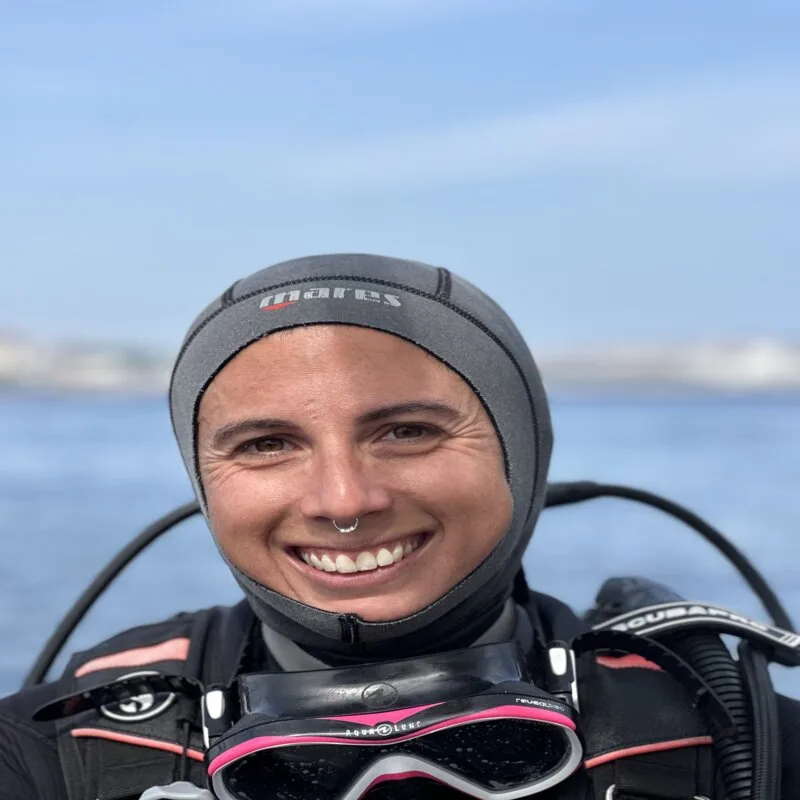

Centro Buceo Pedreña
Google 4.8/5 (561 reviews)
Spain · Mediterranean
Mouro Island’s rocky walls, the Río Miera wreck and Cantabrian visibility of 10 to 15 metres frame boat diving from Santander.
For subtitles in English: start the video firstthen click the gearat the top right of the video, select “Subtitles/CC”, then “Auto-translate” and choose “English”.
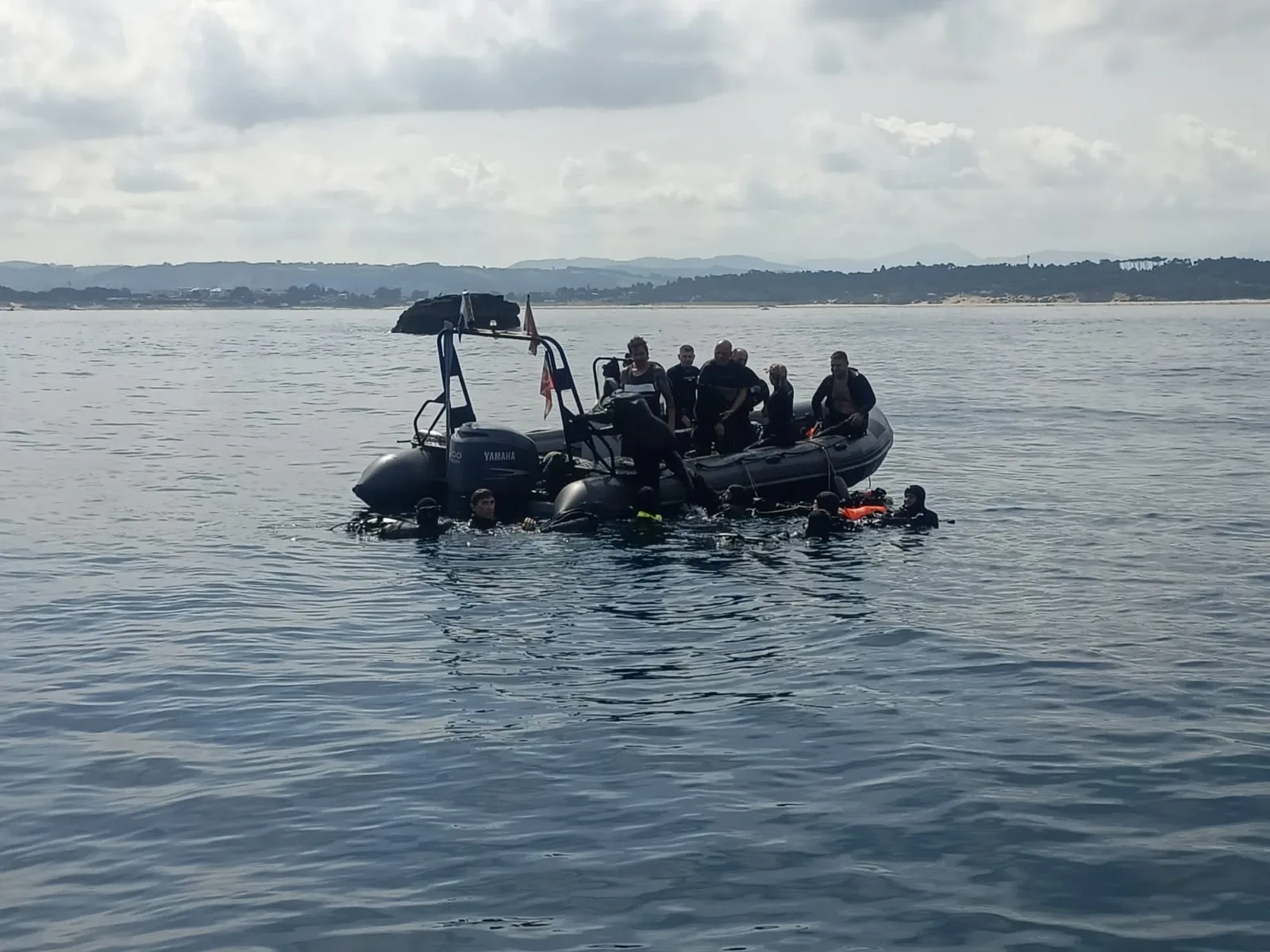
Mouro Island’s rocky walls are the starting point for Santander’s diving, reached by boat rather than from the city beach. Raos in Camargo and Pedreña put Mouro, Cabo Mayor, Santa Marina and nearby wrecks within reach. Underwater, the attraction is temperate rock: walls, sand, tunnels, canyons and exposed relief, with depths from around four metres down to 47 metres. That spread makes room for a first sea dive as well as a more serious wreck or deep-water itinerary. Above water, the bay, beaches and Cantabrian coast make a four- to seven-day stay workable even when the sea changes the plan.
This is boat diving over a broken rocky seabed rather than a tropical reef. Around Mouro Island, expect walls dropping into sand, passages through tunnels and canyons, while Cabo Mayor and Santa Marina bring more exposed coastal relief. The Río Miera and Skottland add wreck interest, but the Río Miera is reported at considerable depth, so it is not simply another stop on a novice itinerary. Local depths run from about four to 47 metres. Conditions are shaped by the open coast. Current is variable, and sites involving channels or a drift dive need a proper briefing on the day. Visibility is commonly around 10 metres, with 10 to 15 metres a useful expectation in spring and summer, although swell, rain and coastal run-off can reduce it. Most outings are day boats from Raos or Pedreña, with the exact site sensibly following the sea state rather than a fixed wish list.
Santander’s underwater interest is tied to its temperate rocky habitat: life is encountered around ledges, walls, sand, tunnels and canyons rather than against a tropical reef backdrop. Mouro Island gives the most varied setting, with rock dropping towards sand and shelter among its broken relief. Cabo Mayor and Santa Marina feel more open, while wrecks such as the Río Miera and Skottland add metal structure for exploration. There is no particular seasonal animal spectacle to plan around here, so the timing decision is mainly about sea conditions, visibility and the availability of boat trips. Spring and summer generally give the clearest window, while rain, swell and coastal run-off can quickly change what is visible on the same terrain.
Santander is most dependable for diving from May to October, with May to September the strongest practical window. Spring and summer usually bring more regular boat programmes and better visibility, often around 10 to 15 metres. That matters here because Mouro Island and the more exposed coastal sites are reached by boat, and a swell can change the day’s plan even when the town looks inviting. July and August bring the busiest weekends and initiation trips, so weekday flexibility can make the diving calmer. December to February are the least attractive months: Atlantic disturbances, swell and colder water make departures more weather-dependent. Pack for the water, not the sunshine, with a 7 mm wetsuit, hood and possibly gloves.
Santander can suit a broad range, but the site must match the diver, not simply the qualification card. Beginners can take an introduction or guided dive around Mouro Island or Torre when conditions allow. Advanced Open Water is useful for deeper and more exposed sites, while a Wreck Diver qualification is appropriate for wreck-focused plans. The Bálamo is described as a very experienced-diver site. With depths reaching about 47 metres and currents variable, experience in boat diving, surface conditions and controlled ascents matters. Nitrox may help on repetitive days if the centre offers it.
From London Heathrow or Gatwick, or Manchester, the practical air route is to Santander or Bilbao, with the onward road transfer depending on the flight and seasonal timetable. Flying via Bilbao means allowing roughly 1 hour 15 minutes by road to Santander, before continuing to the port used for diving. Santander is also reachable by ferry from Portsmouth, Plymouth or Rosslare on the services operating at the time, with a crossing of about a day or overnight. The key local detail is that departures are not from the historic centre: Raos, in Camargo, and Pedreña lie on different sides of the bay. Allow for a car, taxi or local transport, or use the bay ferry to Pedreña.
Treat Mouro Island as a boat destination from the outset. Reserve the departure from Raos or Pedreña, and check the port address before booking accommodation: the two bases sit on opposite sides of the bay, so a city-centre room does not automatically mean an easy morning transfer. In summer, especially at weekends, Mouro trips and initiation places are popular, so keep more than one day available. Do not build the holiday around a single boat day. Cantabrian swell can cancel it, and the replacement may not be possible at short notice. Ask which site is actually planned and whether it suits your experience: an introduction around Mouro or Torre is a different proposition from a deep wreck, exposed relief or Bálamo. Bring thermal protection for cold water, particularly a hood and, if you feel the cold, gloves. Leave the deeper wrecks and difficult sites until the centre has matched them to your qualification and recent experience.
A sensible Santander stay is land-based, with four to seven days allowing several possible boat days rather than one tightly packed diving slot. You can base yourself in the city and travel to Raos by car, taxi or local transport, or arrange the stay around Pedreña and its bay connection. Non-divers have plenty to do between departures: beaches and the waterfront, the Magdalena peninsula and palace, the Centro Botín, and coastal or inland excursions through Cantabria. That mix is useful when swell keeps the boats in harbour.
Hello, I'm Marina, DivingDeal.com's AI assistant. I guide you through destinations, areas and countries.
Thinking about the whole trip and the flights? Talk it over with Edith →
Marina is an AI. Some links are affiliate links: DivingDeal may earn a commission, at no extra cost to you. Bookings are made with the partner.
Santander is most dependable for diving from May to October, with spring and summer generally offering better visibility and more regular boat programmes. Swell, rain and coastal run-off can alter plans, while winter brings colder water and more weather-dependent departures. Pack a seven-millimetre wetsuit, hood and optional gloves.
Santander suits different experience levels when the site matches your ability. Beginners can choose an introduction or guided dive around Mouro Island or Torre in suitable conditions. Deeper or more exposed sites require stronger boat-diving and current experience, while wreck-focused plans call for appropriate training. Bálamo is intended for very experienced divers.
Santander offers temperate rocky scenery rather than tropical reef. Around Mouro Island, you can explore walls descending toward sand, along with tunnels and canyons. Cabo Mayor and Santa Marina provide more exposed coastal relief, while the Río Miera and Skottland add wreck structure. Marine life appears around ledges, walls, sand and broken rock.
Plan a land-based stay of several days so you have alternative boat days if swell cancels a departure. Check whether your trip leaves from Raos or Pedreña, which are on opposite sides of the bay, and arrange transport accordingly. Keeping flexibility also helps match each site with your experience and conditions.