
Centro de submarinismo Subkro.
Google 5/5 (778 reviews)
Spain · Mediterranean
The Dragonera rests in 14 to 24 metres, while Torredembarra brings artificial reefs, rock formations and the port's underwater park.
For subtitles in English: start the video firstthen click the gearat the top right of the video, select “Subtitles/CC”, then “Auto-translate” and choose “English”.
The Dragonera gives Tarragona an identifiable centrepiece: a wreck lying on a seabed between 14 and 24 metres, with the possibility of looking outside or, where authorised, venturing inside. Around it, the Parc Subaquàtic del Port places artificial structures and wrecks close to Tarragona's harbour, while Torredembarra adds rocky sites such as the Biotope, Brut, Chaparro, Heinkel and Cathedral. This is a shore-based holiday rather than a liveaboard proposition, with enough variation to mix straightforward dives, boat outings and a little wreck exploration.
Tarragona's diving shifts between harbour structures, natural rock and wrecks rather than settling into one uniform style. The port park runs from roughly seven to 24 metres, making it useful for shallower dives as well as more substantial profiles. Torredembarra's Biotope, Brut and Chaparro bring rocky relief, while the Heinkel and Cathedral add different shapes and objectives to a boat schedule. Currents are variable, and can be stronger in the harbour park during winter, so this is not a place to assume identical conditions from one day to the next. Visibility is equally changeable after weather, with the Dragonera capable of clear water or pronounced turbidity. Some dives can be made from shore, but the wrecks and other sectors are reached by boat. Dragonera is suitable for an external wreck tour at several levels; penetration is a separate proposition.
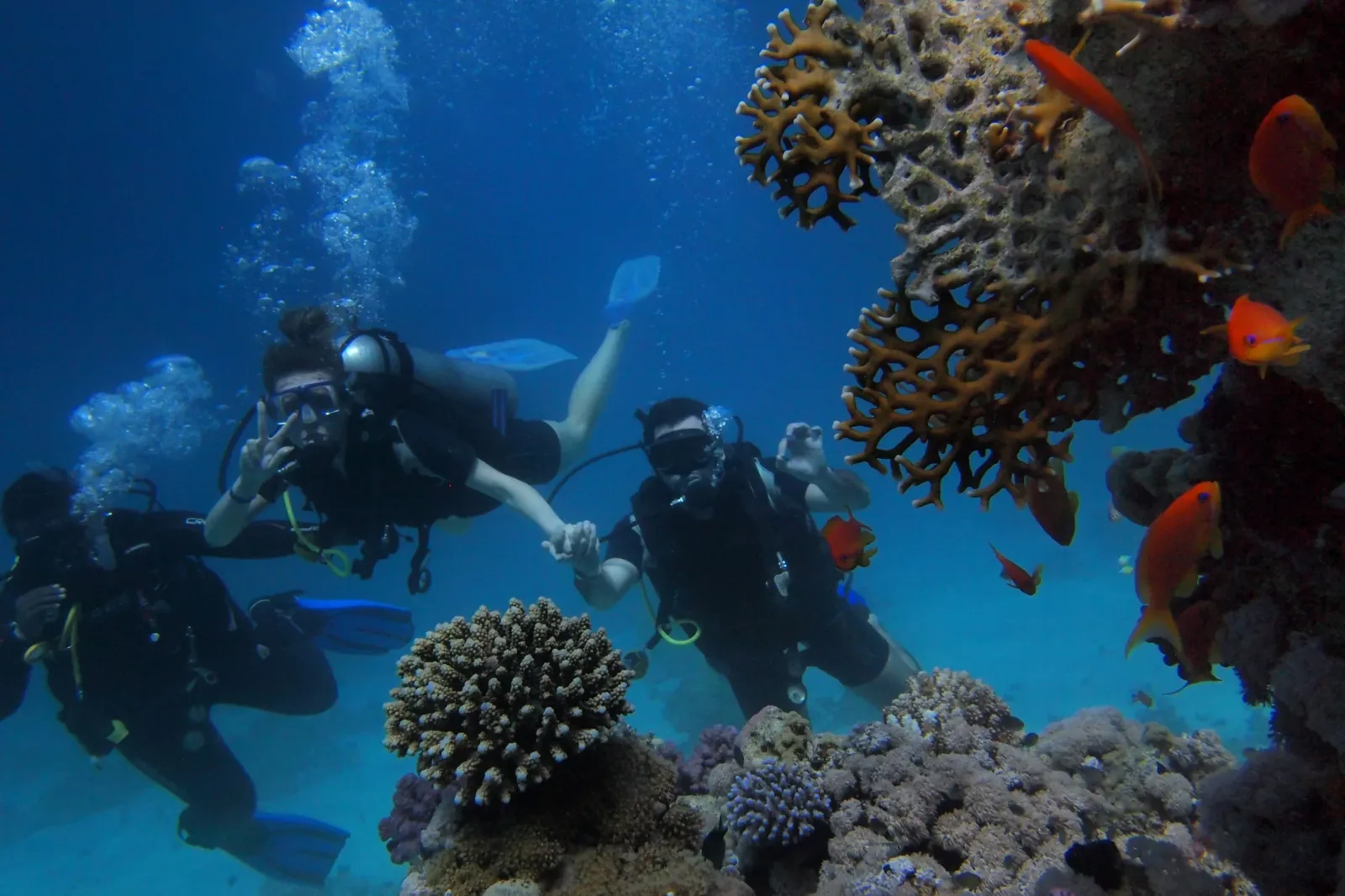
The appeal is Mediterranean life spread across harbour wrecks, artificial structures and rocky ground, rather than a single headline animal. The Parc Subaquàtic del Port is associated with more than two hundred species, and its protected setting gives the structures a purpose beyond being navigation points. Expect the interest to come from the way fauna occupies the wrecks and reef features, with rock sites at Torredembarra providing a different background from the port. There is no particular seasonal creature around which to build the trip. Wildlife is instead part of the general character of the dives, while visibility and recent weather will often determine how much of it is actually seen. A clear day can make the wreck and relief readable; turbidity can turn the same route into a closer, more immediate inspection.
Late spring to early autumn is the most dependable window for combining Tarragona's different sectors, with May, June, September and October especially attractive for a quieter trip. July and August bring the heaviest demand on centres and boats, so availability matters more then than underwater variety. Winter remains possible, but stronger currents in the harbour park make the day's plan more condition-dependent. Weather, swell and turbidity can alter visibility at any time, which is a good reason to leave room for a non-diving day rather than packing every daylight hour with underwater plans.
There is diving here for beginners and experienced divers, provided the chosen site matches current conditions and the planned depth. The port park offers relatively shallow options, while the Dragonera reaches the mid-twenties in metres. A standard qualification from PADI, SSI or BSAC is the practical baseline, with a recognised wreck qualification useful for wreck work and particularly relevant if penetration is planned. Interior sections of the Dragonera should be left to divers with the right experience and specific approval.
From London Heathrow or Gatwick, or from Manchester, the practical route is to reach Barcelona and continue to Tarragona by road or train. Tarragona is not dependent on a ferry or a domestic flight, but the final connection still needs allowing for when a diving schedule is built around morning departures. Local diving starts from the sporting harbour in Tarragona and from coastal areas around Torredembarra. Once there, the useful transport choice depends on where the accommodation sits relative to the centre and harbour. Do not assume a standard shuttle: arrange the local transfer needed for the selected departure point, especially when combining Tarragona and Torredembarra.
Treat the Parc Subaquàtic del Port as a managed dive, not an informal drop-in. Authorisation is required, along with the relevant qualification and insurance, so arrange the park access through the local diving organisation rather than arriving unprepared. For a first visit, spread the plan across the harbour park, Torredembarra's rock sites and a wreck. That prevents Tarragona becoming a one-note wreck holiday and gives you alternatives if visibility turns poor. Ask specifically whether the Dragonera outing is an external circuit or includes penetration, because the interior is not simply an extension of the outside route. In winter, check the current forecast and the day's local advice before committing to the port park. Outside July and August, boat spaces are generally less pressured. Keep one day free for Tarragona or the Ebro delta, especially if weather has stirred up the water. Finally, do not book the Medes as though they were Tarragona: they are a separate Catalan destination.
A three- to five-day stay gives room to combine Tarragona's harbour park, a Dragonera outing and Torredembarra's rocky sites, with a day away from diving. Base yourself according to the departure port you intend to use, because Tarragona and Torredembarra are separate local starting points and transfers are not standardised. Surface intervals can be filled with Tarragona's Roman and medieval heritage, Costa Daurada beaches and coastal walks. The Ebro delta adds a longer land or kayak excursion when you want a change from harbour and reef.
Hello, I'm Marina, DivingDeal.com's AI assistant. I guide you through destinations, areas and countries.
Thinking about the whole trip and the flights? Talk it over with Edith →
Marina is an AI. Some links are affiliate links: DivingDeal may earn a commission, at no extra cost to you. Bookings are made with the partner.
Late spring to early autumn is the most dependable period for combining Tarragona’s harbour park, Dragonera and Torredembarra. May, June, September and October suit a quieter trip, while July and August are busier for centres and boats. Winter remains possible, but stronger harbour currents make plans more condition-dependent.
Tarragona suits beginners and experienced divers when the site matches your qualification, depth and conditions. The port park offers relatively shallow options, while Dragonera reaches deeper water. A recognised wreck qualification is useful for wreck diving, and penetration should be reserved for divers with suitable experience and specific approval.
Tarragona combines the Dragonera wreck, harbour structures, artificial reefs and Mediterranean rock sites. The Parc Subaquàtic del Port is associated with more than two hundred species, while Torredembarra offers sites including the Biotope, Brut, Chaparro, Heinkel and Cathedral. Wildlife occupies the wrecks and reef features rather than centring on one seasonal animal.
Plan three to five days to combine the harbour park, a Dragonera outing and Torredembarra’s rocky sites, while keeping a day flexible. Arrange park authorisation, insurance, local transfers and boat departures in advance. Base yourself near the intended departure port, and leave room for weather, swell, turbidity or currents to change plans.