
Dive Near Me
Google 4.9/5 (28 reviews)
Windang · Australia · Pacific
Explore Ningaloo Reef, where the world's largest fringing reef system provides close encounters with whale sharks and an abundance of marine life directly from shore.
For subtitles in English: start the video firstthen click the gearat the top right of the video, select “Subtitles/CC”, then “Auto-translate” and choose “English”.
Ningaloo Reef stands as one of the planet's most impressive fringing reef systems, hugging the coastline of Windang. Unlike barrier reefs, a fringing reef grows in shallow waters directly adjacent to the land, offering immediate access to its vibrant ecosystem. This proximity means that many of its rich dive sites are easily reached, allowing for exploration of a dense coral landscape that forms the foundation for extensive marine biodiversity.
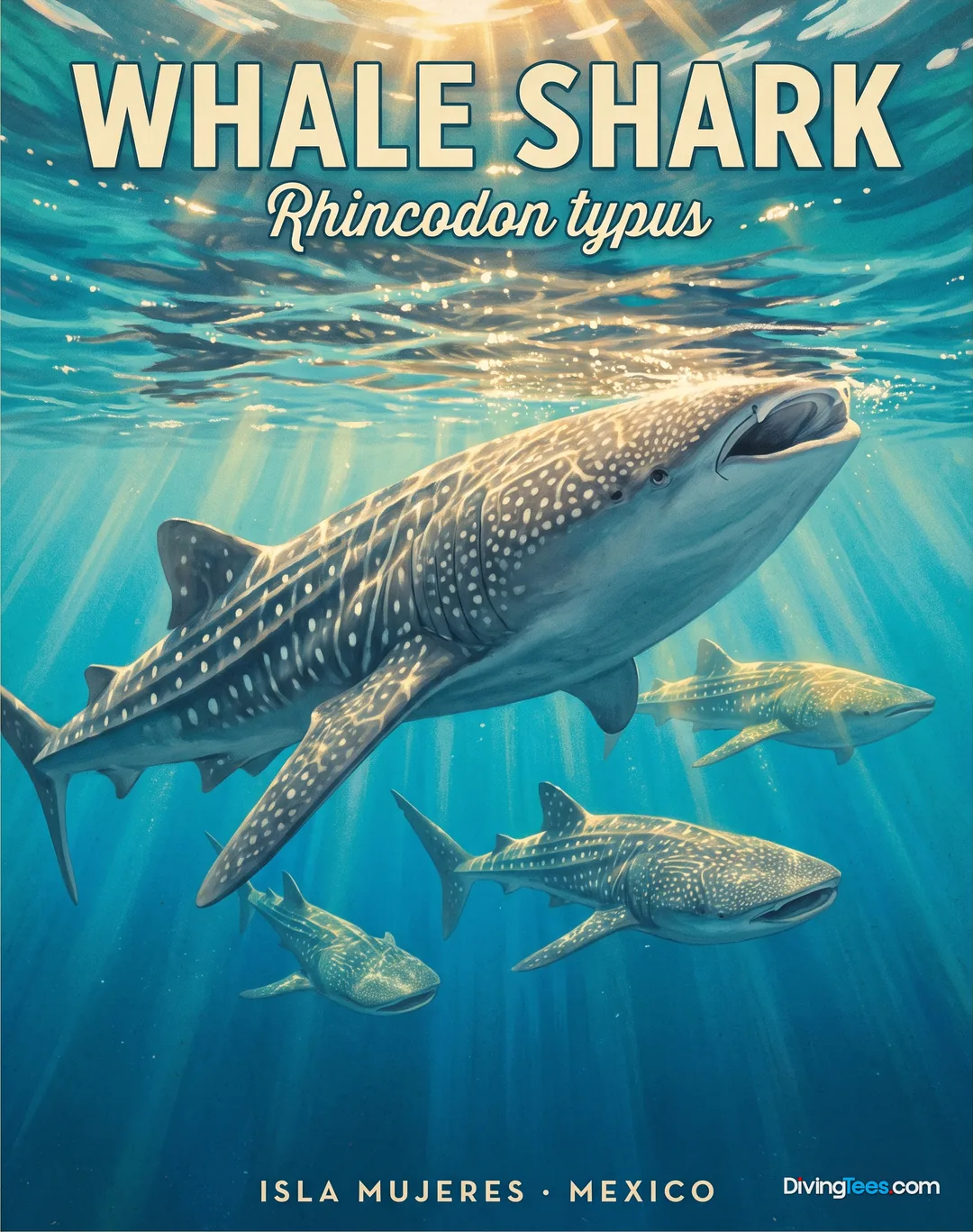
The reef is a primary draw for large pelagic species, particularly whale sharks (Rhincodon typus), which frequent its waters from mid-March through August. Spotter planes are often used by local operators to locate these feeding giants at the surface, guiding divers and snorkelers to direct interactions. This predictable seasonal migration offers a unique opportunity for close, respectful encounters, setting a key rhythm for diving activities in the region.
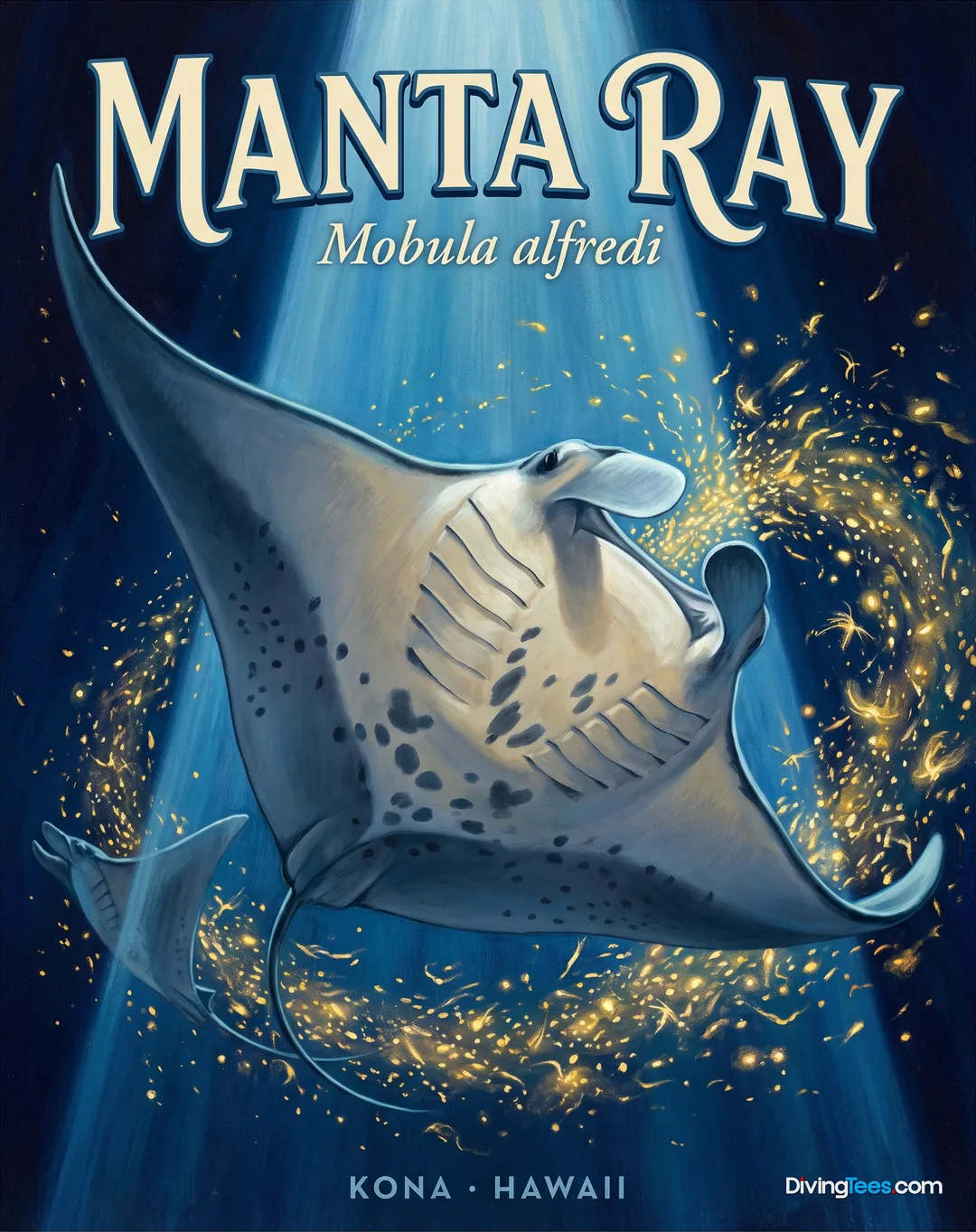
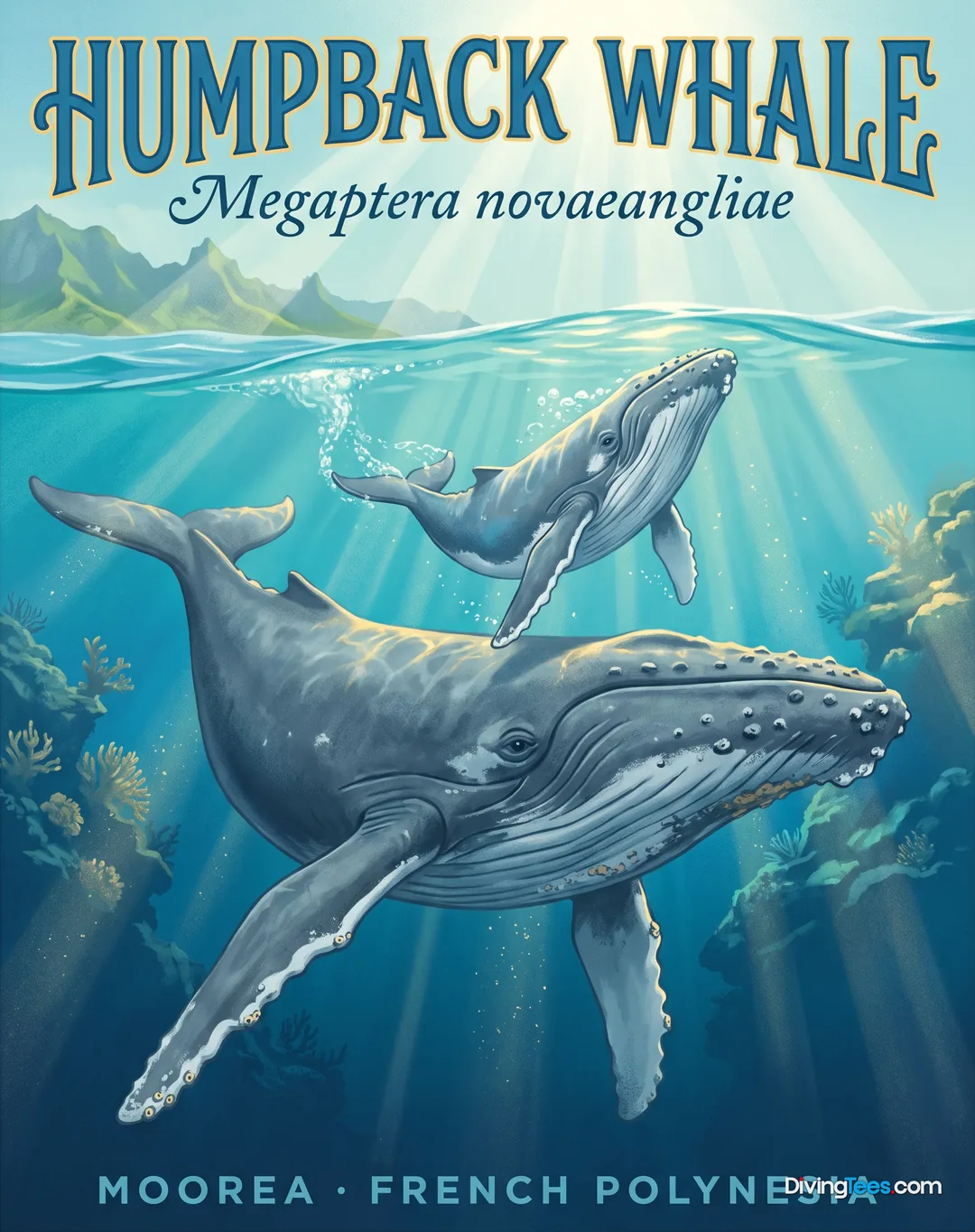
Beyond the whale sharks, Ningaloo acts as a seasonal home and migration route for other significant marine creatures. Mid-season, humpback whales (Megaptera novaeangliae) are a regular sight, though interactions are often restricted to surface observations. Manta rays (Mobula birostris) are present, often feeding in cleaning stations or cruising along the reef edges, while several species of marine turtles are found here, including nesting individuals and their hatchlings depending on the season.
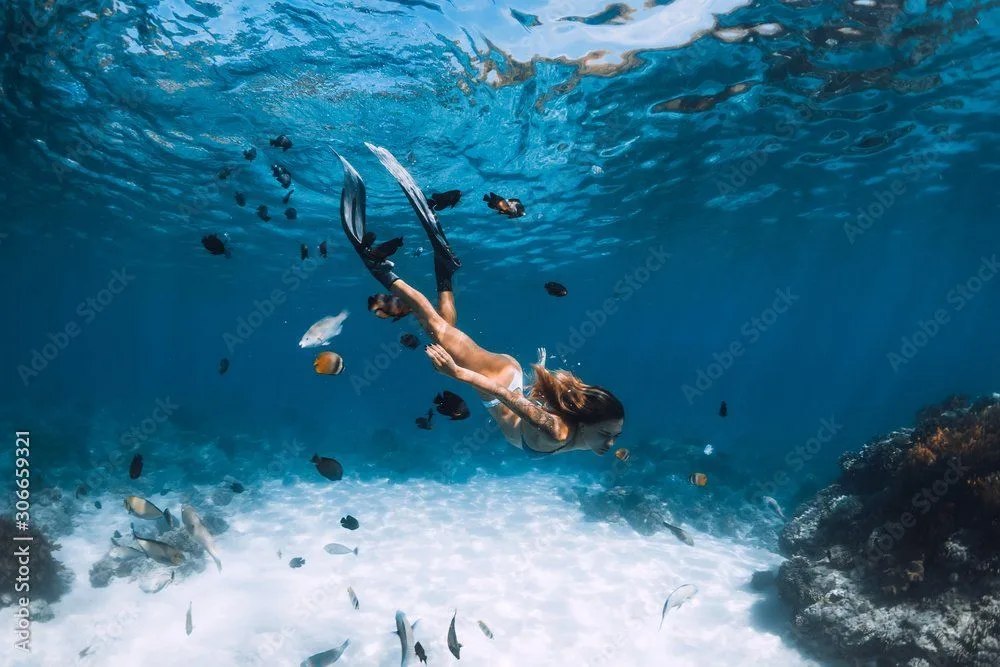
The reef structure itself supports a robust community of resident marine life. Tropical fish species populate the shallows and deeper reef sections, creating a living mosaic of colour and activity against the coral backdrop. You'll encounter schools of various reef fish, often moving in intricate patterns as they navigate the currents. This constant motion and interaction define the experience of drifting along the reef wall.
The visibility at Ningaloo Reef is consistently high, often described as unparalleled. This clarity allows for excellent light penetration through the water column, enhancing the visual experience of the reef's topography and its inhabitants. Good visibility is crucial when observing the larger pelagic species, as it provides clear sightlines for observation, and contributes significantly to the overall dive comfort and safety.
Six of the seven known species of marine turtles frequent the Ningaloo coast, using it for feeding, nesting, and a safe haven. This consistent presence provides opportunities to observe them in various stages of their life cycle, from mature adults cruising the reef to hatchlings making their first journey to the sea. Additionally, sightings of dugongs, pilot whales, and even orcas have been documented, highlighting the reef's importance as a dynamic marine habitat.
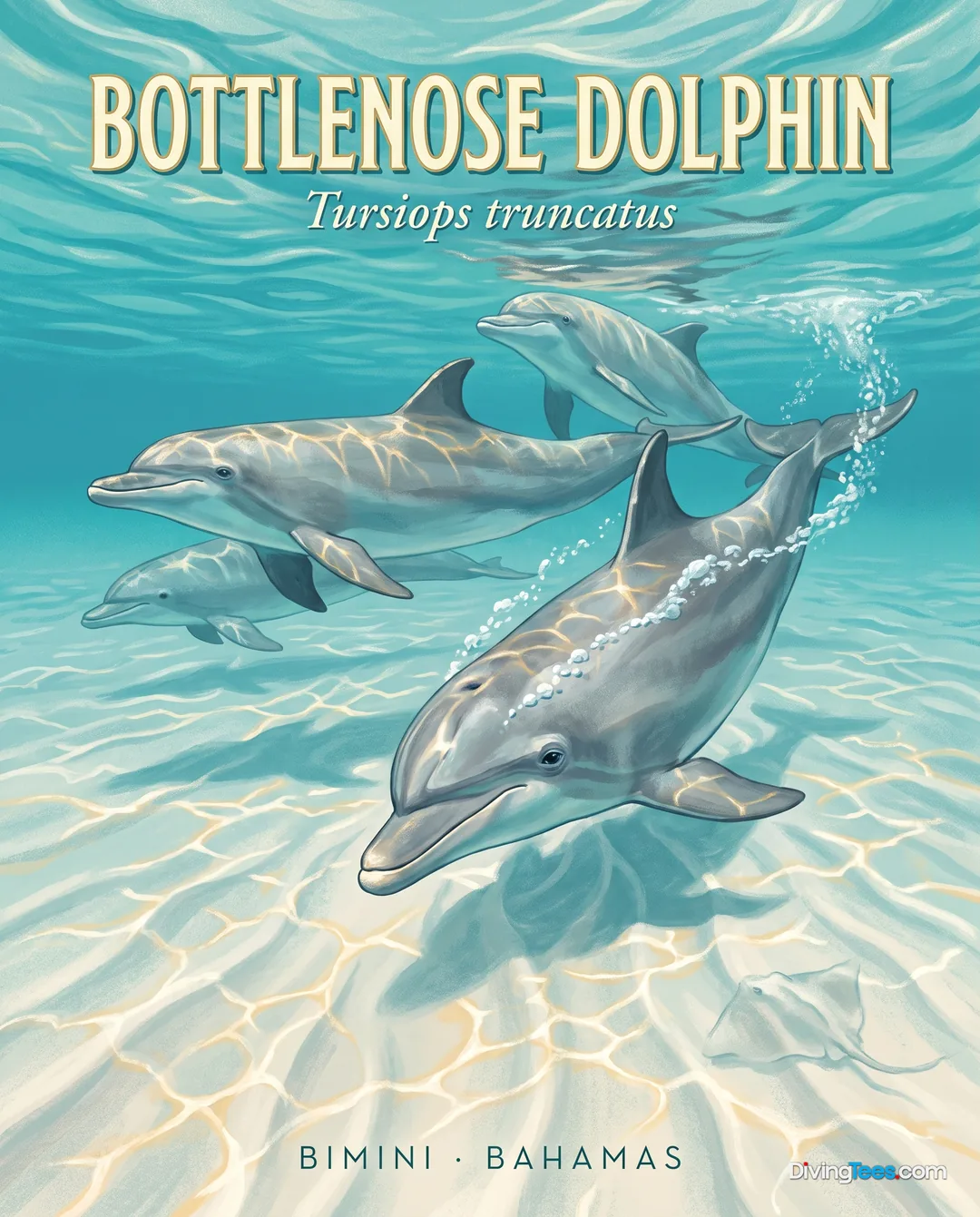
Dolphin pods are regularly encountered, often observed travelling along the reef line or playing in the calmer, protected bays. The sheer scale and productivity of Ningaloo, as the largest fringing reef globally, creates an environment where such diverse marine life can coexist and thrive, offering a broad spectrum of encounters for divers exploring its expanse.
Ningaloo Reef is accessible for divers of all experience levels. During the whale shark season, from mid-March to August, surface conditions are generally calm, though boat travel may involve open ocean swells. Visibility is consistently high, often exceeding 20 metres year-round, providing clear viewing opportunities for both reef dwellers and pelagic visitors.
You can dive Ningaloo Reef year-round with consistently high visibility. For whale shark encounters, plan your visit from mid-March through August, when these animals frequent the reef. During this season, surface conditions are generally calm, although boat travel may include open-ocean swells.
You can explore Ningaloo Reef regardless of your diving experience level. The fringing reef lies close to shore, giving you access to its coral landscape and resident marine life. The reef includes shallow and deeper sections, where tropical fish move across the coral backdrop.
At Ningaloo Reef, you may drift along the reef wall while schools of reef fish move through the currents. Conditions during whale shark season are generally calm at the surface, but boat travel can involve open-ocean swells. Local bays offer calmer, protected areas where dolphins are often seen.
At Ningaloo Reef, you may see whale sharks during their mid-March to August migration, along with manta rays, marine turtles, tropical reef fish, and humpback whales at the surface. Sightings can also include dugongs, dolphins, pilot whales, orcas, nesting turtles, and hatchlings.