Liveaboards · Egypt
Red Sea Explorer — a modern steel liveaboard built around serious diving
What makes this boat unique
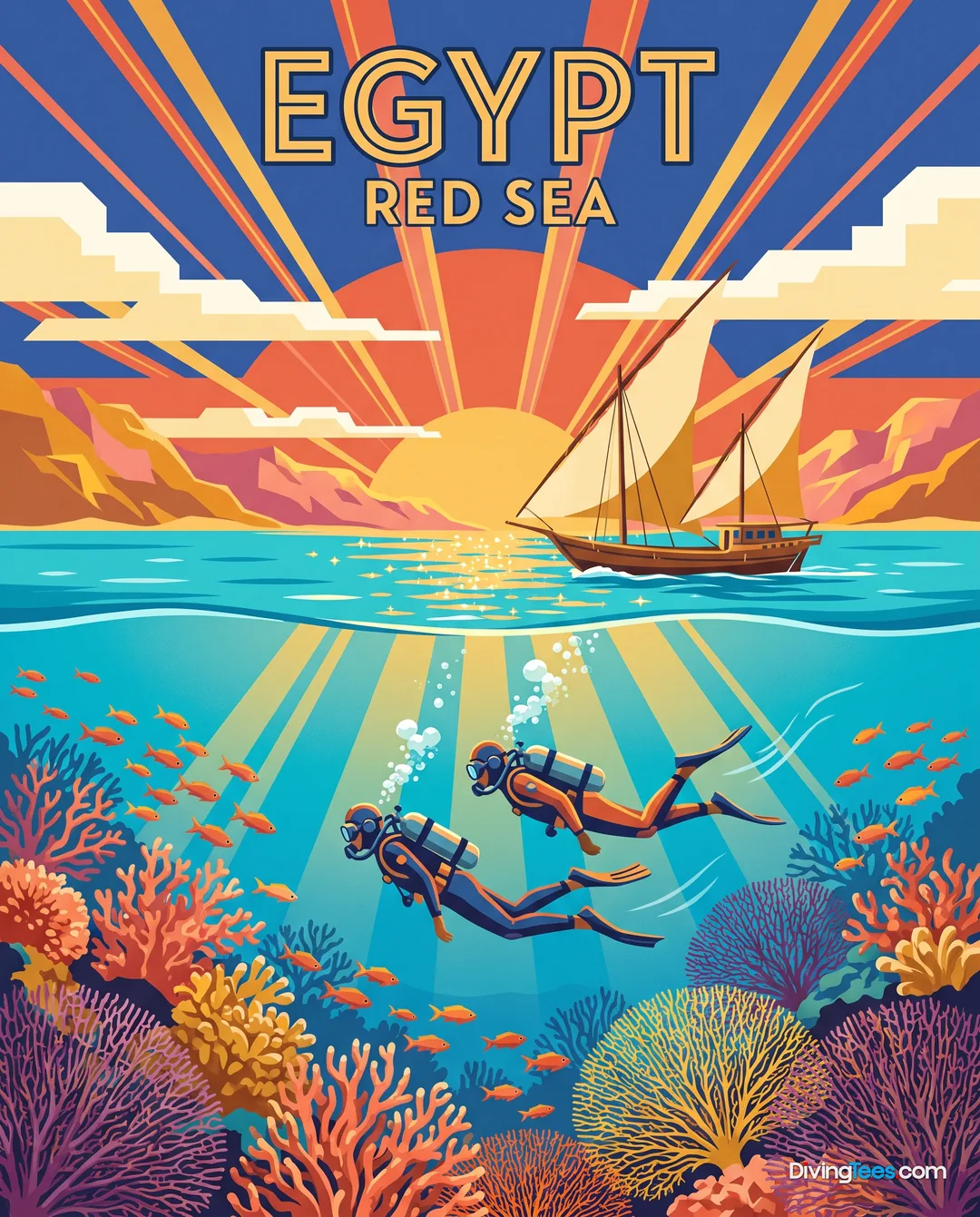
- The Red Sea Explorer visits routes from the northern wrecks to the Brothers, Daedalus, Elphinstone, Fury Shoals, Zabargad, Rocky Island and St. John's.
- Up to four dives a day are offered, with night dives included on some itineraries.
- Nitrox is included for certified nitrox divers, and the dive deck is served by two Tiger Marine Divemaster 600 tenders with boarding ladders.
- The 12 air-conditioned cabins all have private bathrooms, while the Royal Suite adds a private terrace and direct access to the sun deck.
- The boat was built in 2019 and renovated in 2025.
For subtitles in English: start the video firstthen click the gearat the top right of the video, select “Subtitles/CC”, then “Auto-translate” and choose “English”.
The invitation
The Red Sea Explorer is for divers who want the range of a Red Sea safari without accepting the cramped, improvised feel found on some older boats. It is a steel yacht with a proper dive platform, two diver tenders and enough space to support four dives on the days when the itinerary allows it. That matters on a route built around remote reefs, strong-current sites and long passages between regions. The choice is less about chasing a single signature reef than putting several of the Red Sea's major names into one week: the Brothers, Daedalus, Elphinstone, Fury Shoals, Zabargad, Rocky Island and, on other departures, the northern wrecks. Comfort is part of the argument, but it stays in its place. You board this boat to spend more time underwater, then return to a cabin, meal and deck that do not make the surface interval harder than the dive.
Boarding
The first impression is of a substantial, modern steel yacht rather than a traditional wooden liveaboard. The 2025 renovation supports that character: the boat is arranged as a purpose-built diving vessel, with a spacious dive deck, a large platform and separate areas for relaxing, eating and handling cameras. Movement between those spaces is straightforward, which becomes important after several entries and exits in one day. The air-conditioned salon has a bar and seating areas, while the buffet restaurant keeps meals separate from the working dive space. Outside, four sun decks provide room to spread out, with partial shade rather than complete shelter. The crew speaks English and German. There are 24 guest places, so the boat has the scale to carry a broad route without feeling like a small expedition vessel where everyone shares one narrow passage.
The atmosphere on board
The atmosphere is sociable without depending on forced entertainment. With up to 24 passengers, the same people appear at the briefing, buffet and camera area until the group becomes familiar, while the spacious layout gives anyone who needs quiet a place to find it. The local crew's role is most visible in the repeated small work of a dive day: gear stays organised, the tenders collect divers, and the boat is ready for the next entry. English and German are spoken on board. In the evening, the bar and salon provide a natural meeting point, but the boat does not need a loud programme to fill the hours. The scores tell a clear story: the boat, food, diving and value are its strongest features, while the crew scores well but less strongly. Choose it for the diving system and the vessel first; the crew supports that experience rather than becoming the main attraction.
The sites you’ll dive
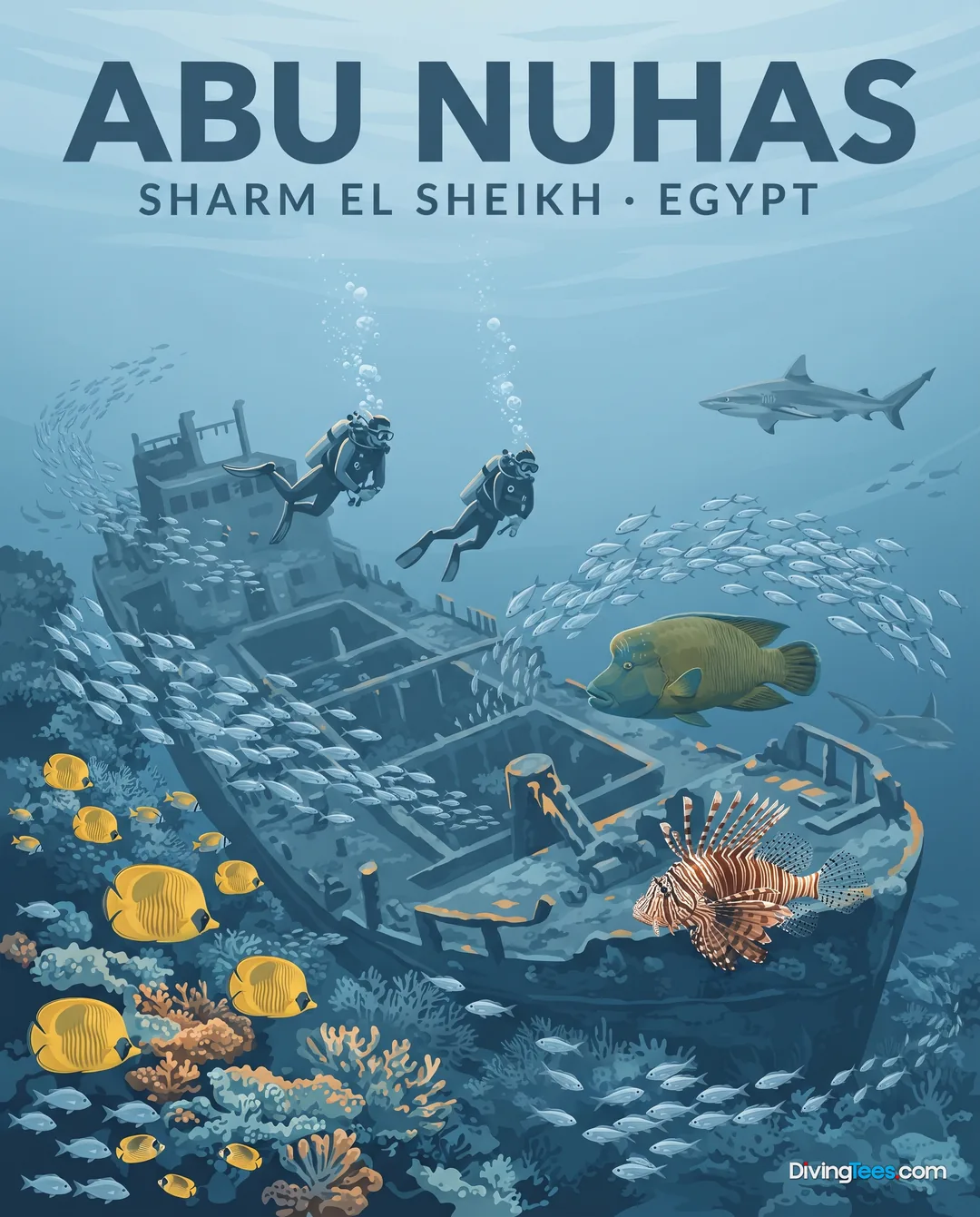
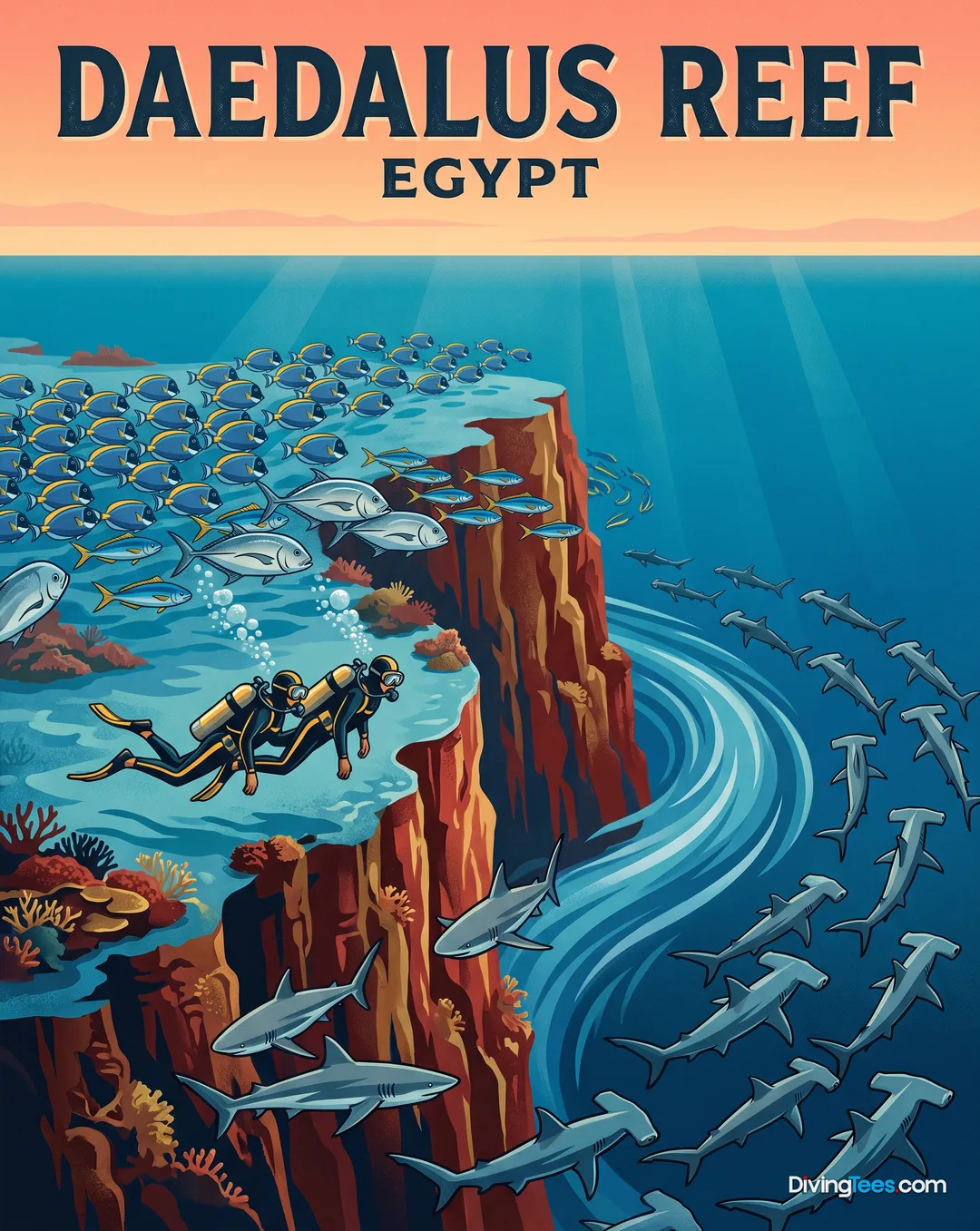
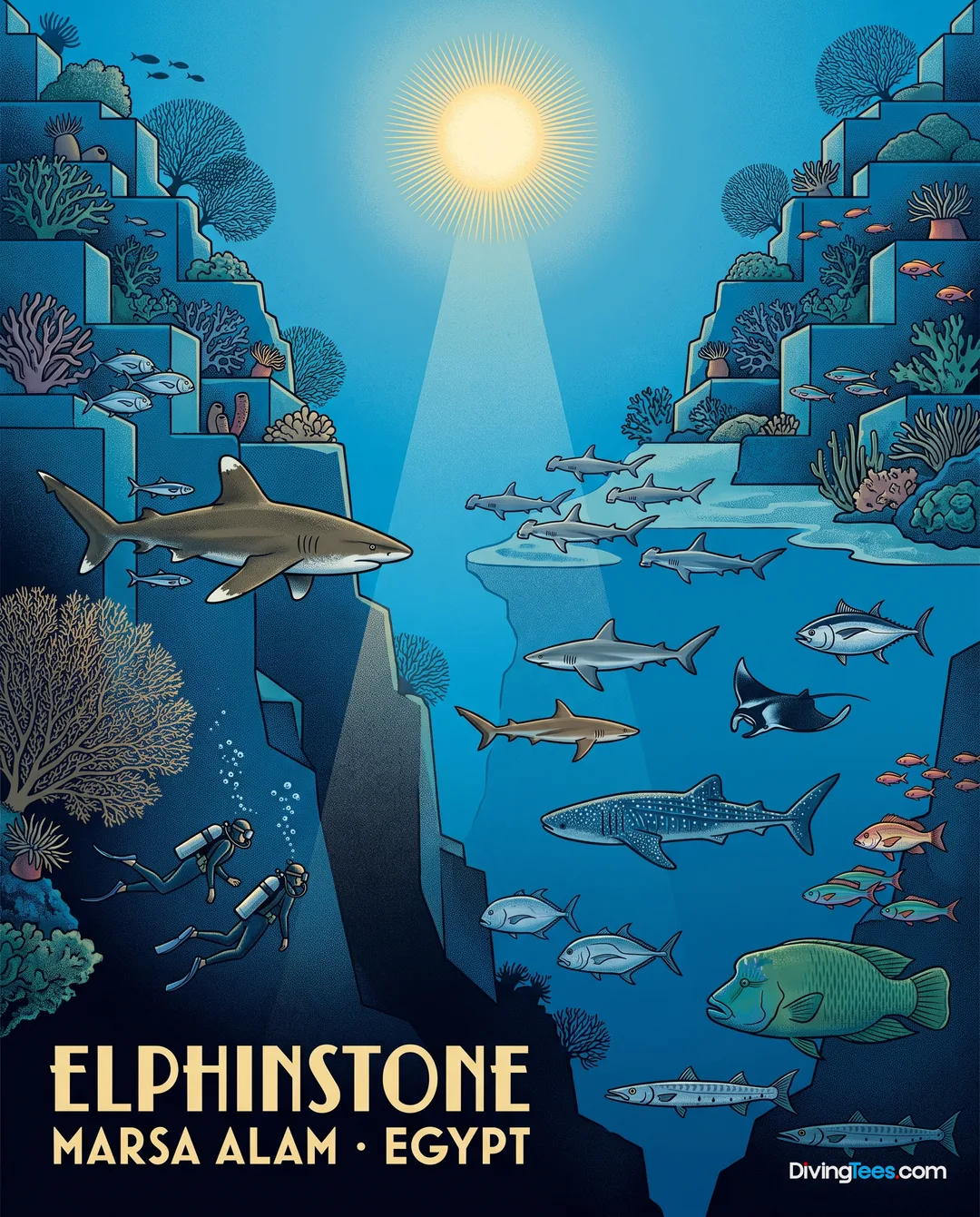
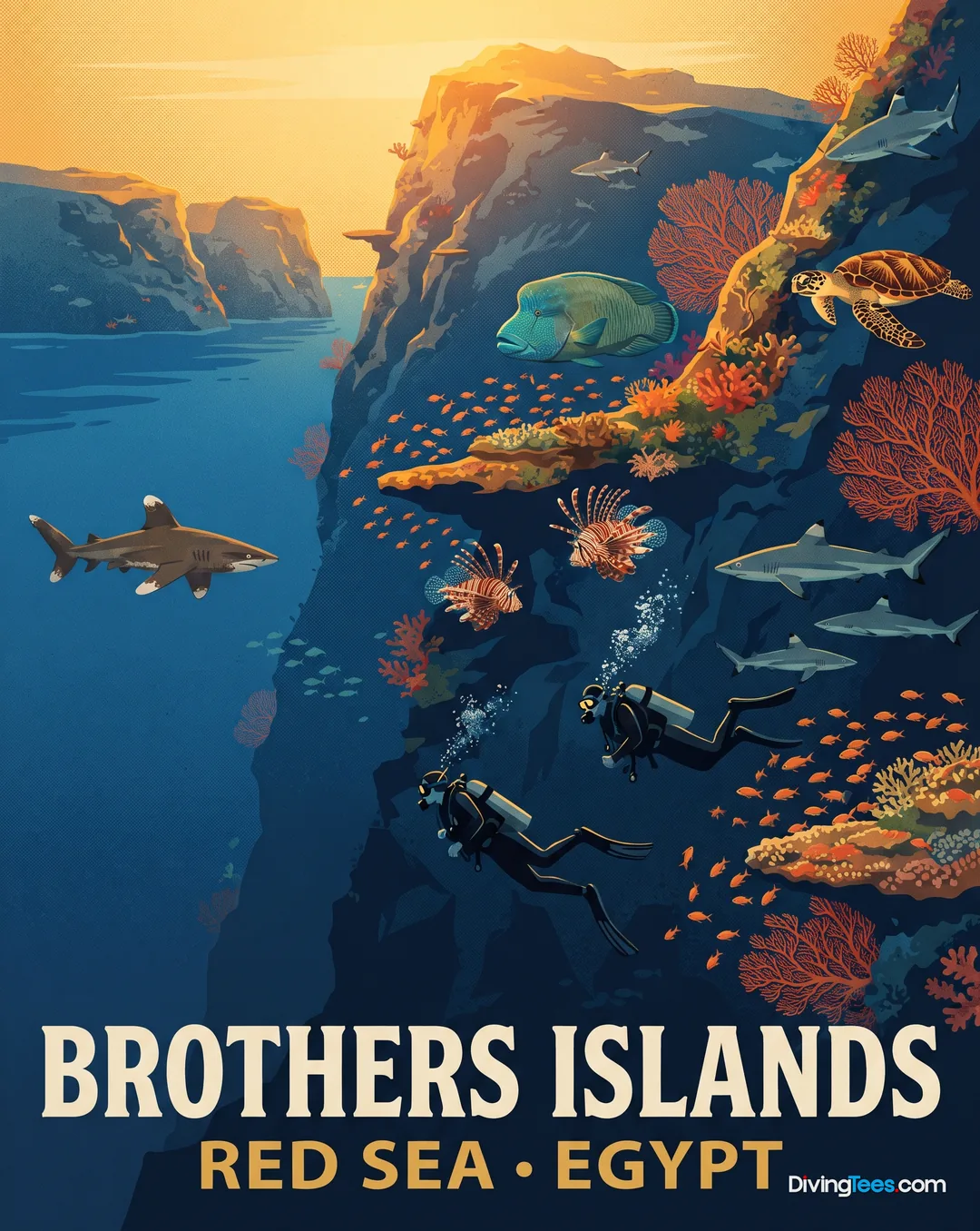
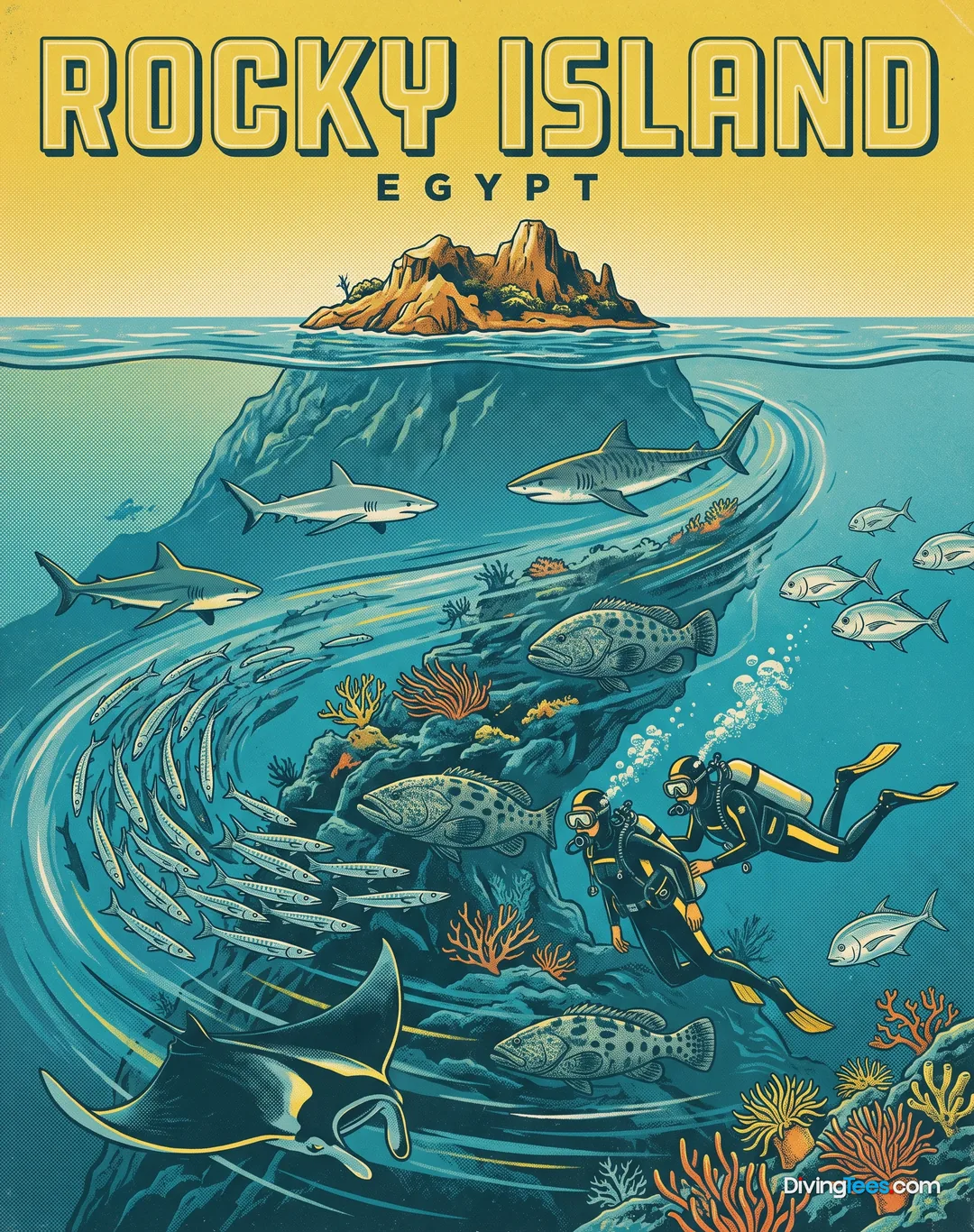
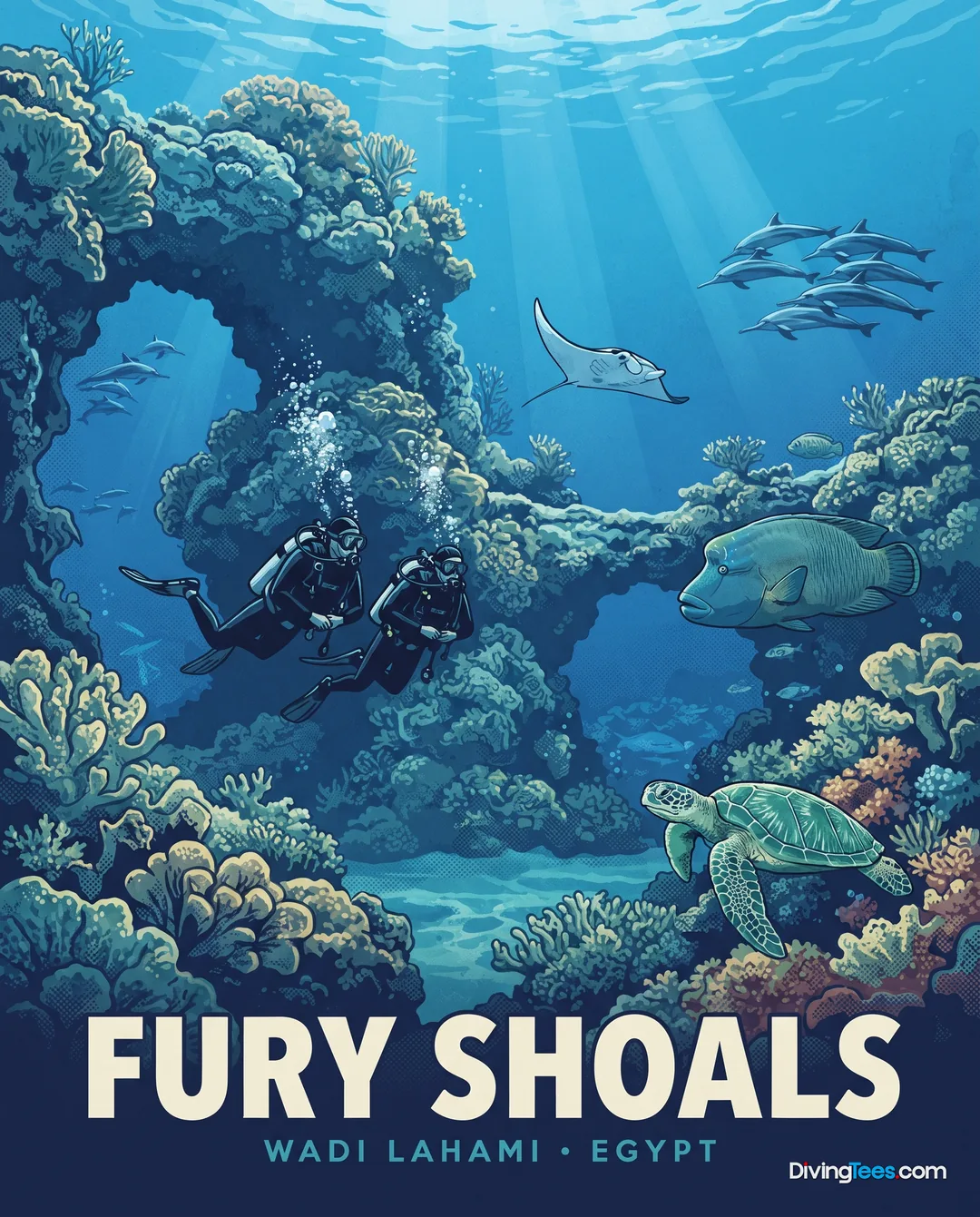
The routes cover the Red Sea from Hurghada to Port Ghalib, all lasting 8 days and 7 nights. North Tour & Wrecks and North & Brothers combine sites such as the SS Thistlegorm, Abu Nuhas and the wrecks around the northern reefs; the SS Thistlegorm still offers trucks, motorcycles and its locomotive, while Abu Nuhas brings several wrecks at moderate depths. Brother Islands, Daedalus & Elphinstone is the pelagic route: Elphinstone drops to max -60 m, with steep walls and possible oceanic whitetip, hammerhead and grey sharks. Brothers Islands reaches max -85 m and combines isolated walls with sharks and large pelagics. Daedalus, Zabargad & Rocky Island adds strong-current reefs, manta rays, sharks and turtles. Fury Shoals brings hard-coral canyons and a chance of dolphins, turtles and reef life; St. John's adds coral gardens, caverns and current-fed walls. North routes return to Hurghada, while the southern itineraries depart from and return to Port Ghalib, except the Brother Islands, Daedalus & Elphinstone trip that returns to Port Ghalib after departing Hurghada on the recorded itinerary.
What you’ll meet underwater
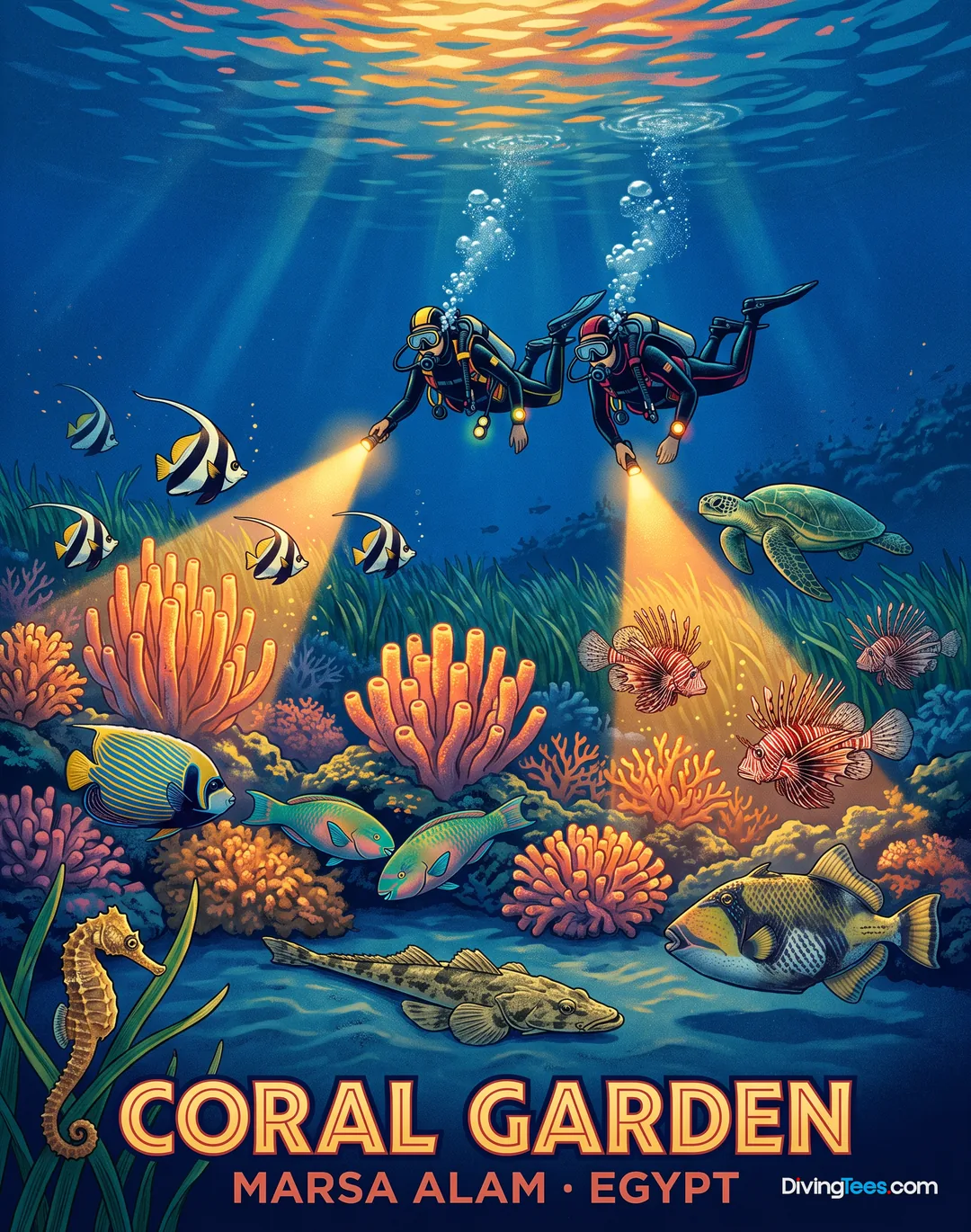
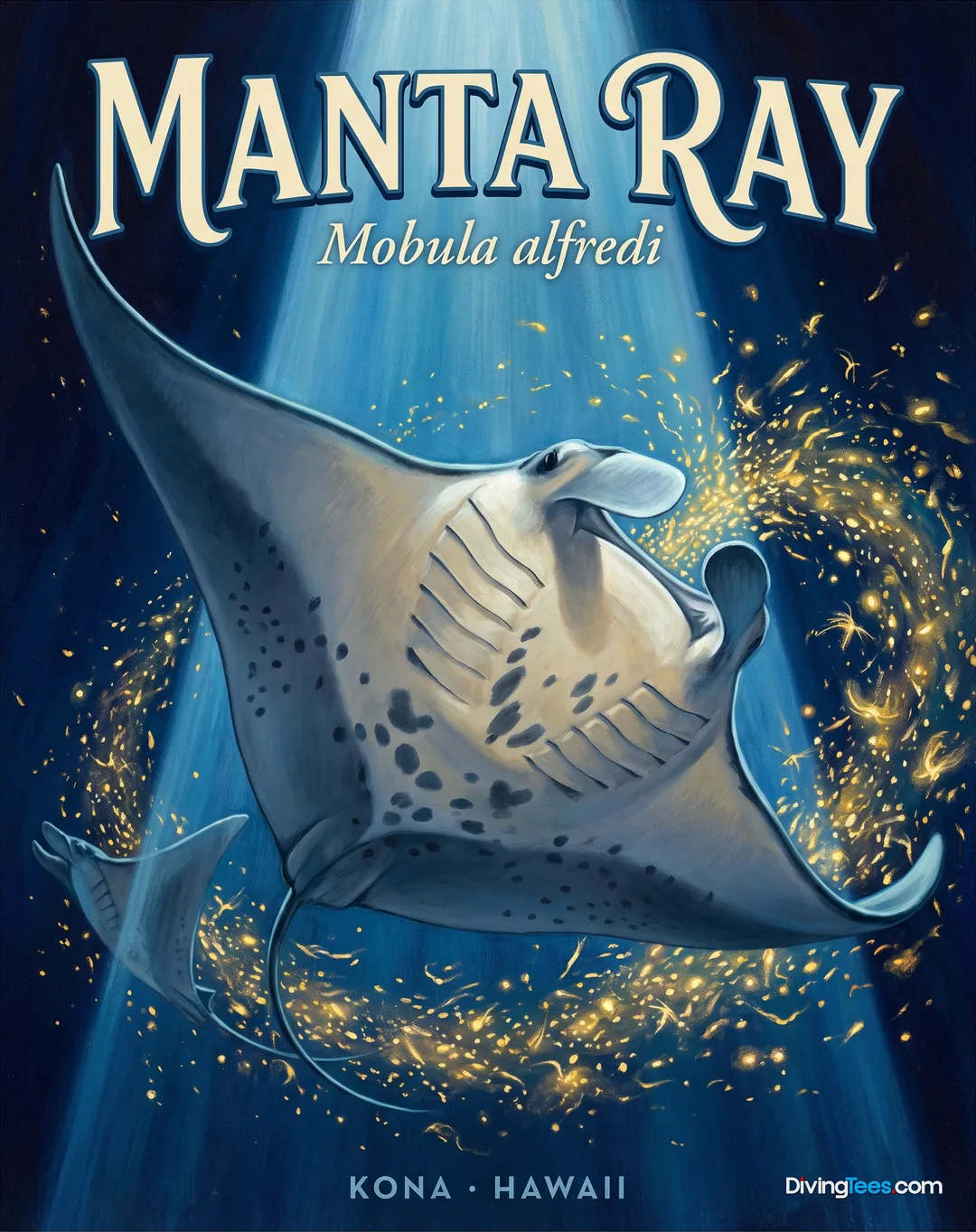
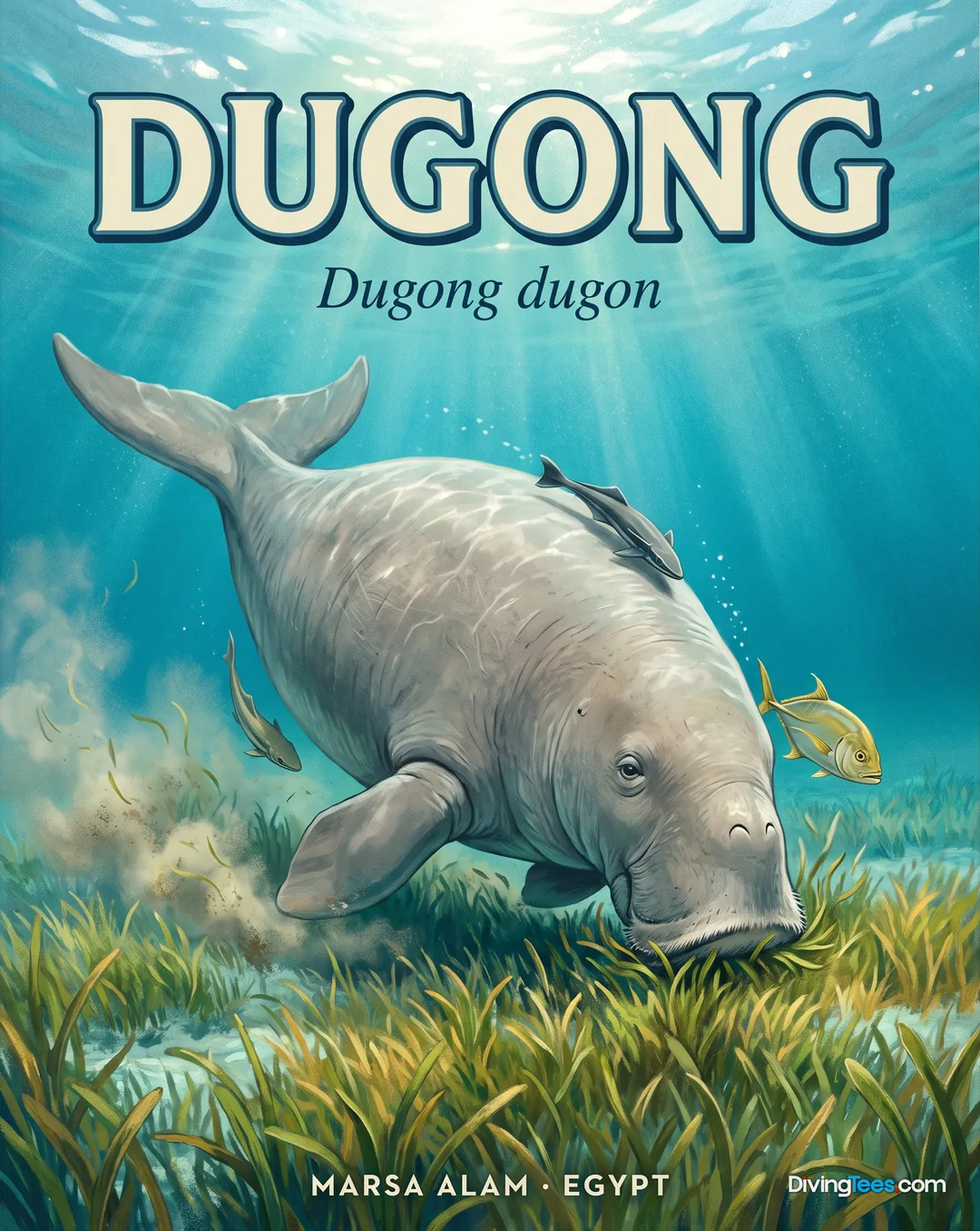
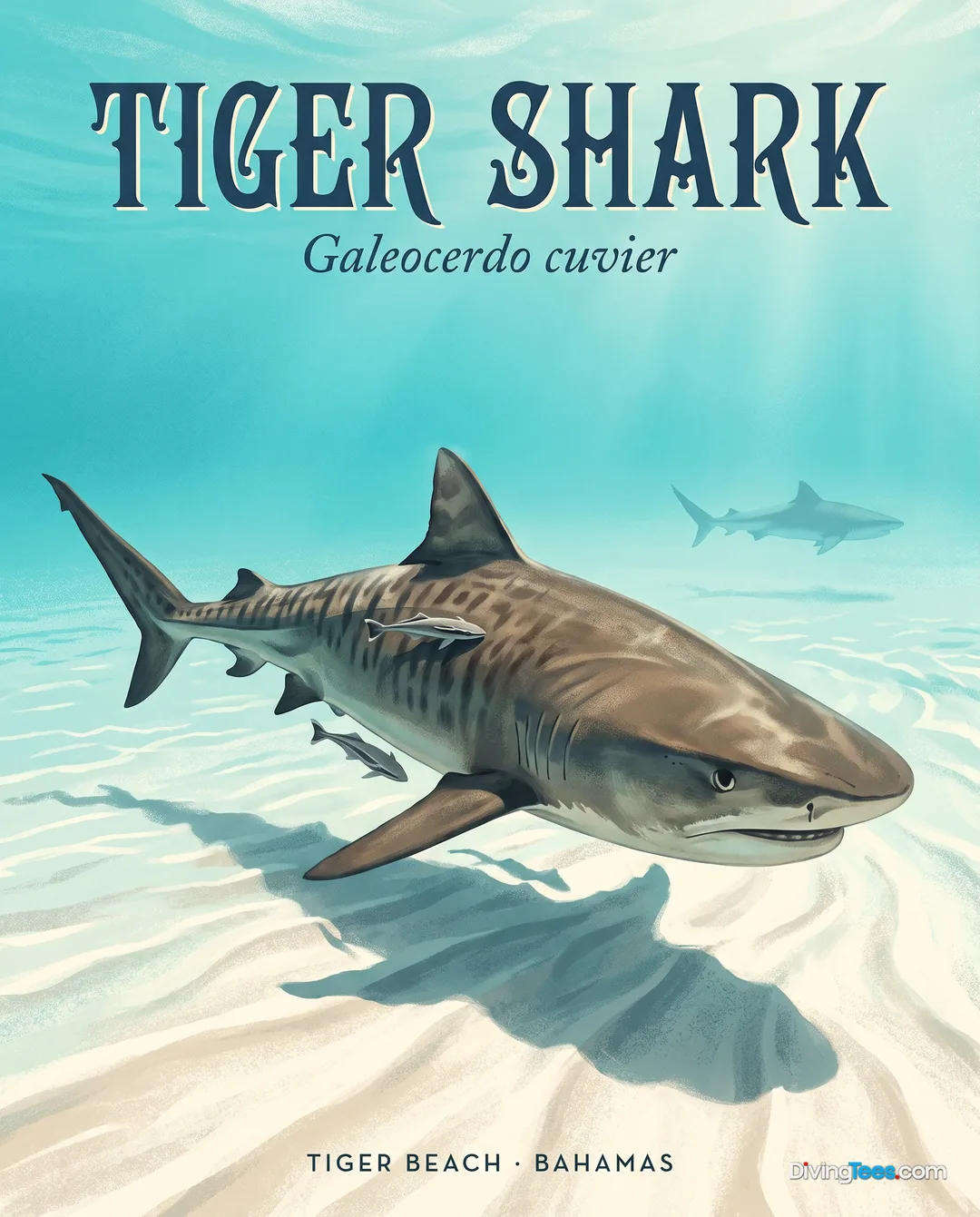
Dolphins, manta rays and sea turtles are among the recurring possibilities on this route, joined by reef sharks, hammerheads, barracudas, grey reef sharks, soft corals, jacks and morays across several sites. Currents are part of the reason the remote reefs attract large animals, but no encounter is guaranteed. Some sightings give a site its identity. Zabargad Island is the place associated with a possible dugong, while Brothers Islands is notable for anemones among its isolated reef life. Fury Shoals is the named site for triggerfish, and Daedalus for bigeye trevally. At El Fanadir, a cleaning station brings together the reef's activity, with sweetlips among the species recorded there. Shaab Ruhr Umm Gamar changes from an oval reef to a plateau with small pinnacles and the remains of at least three wrecks; it is also the route's named site for giant grouper. Elphinstone carries the rarest edge of the list, including blacktip and tiger sharks and large gorgonians.
Who puts you in the water
A briefing precedes each dive, and the dive operation is run in English and German. The boat carries a local team trained in first aid, with oxygen, a defibrillator and comprehensive first-aid equipment available for emergencies. The ENOS emergency navigation and rescue system provides diver positioning in an emergency, supported by the boat's navigation, radio and locating equipment. Divers should choose the trip according to the route and conditions rather than assume that every site suits every certification level: the schedule includes remote reefs, strong currents and demanding pelagic sites. Private guiding is available as an optional extra, but no fixed guide-to-diver ratio or course programme is stated for the boat. The briefings and tender system are therefore central to the operation, while the right level of independence and experience remains a matter for the itinerary selected.
The dive deck and the gear
The working end of the Red Sea Explorer is designed for repeated diving. The shaded dive area has gear storage, rinse tanks, a dedicated camera rinse station, a platform, warm freshwater showers and a WC. DIN adapters are available, and sidemount diving is supported. Rental equipment and snorkelling equipment can be arranged as optional extras. Nitrox is included for certified nitrox divers, although a technical failure of the Nitrox system does not trigger compensation. Entries and exits are handled through two Tiger Marine Divemaster 600 tenders, each powered by a 100 HP Yamaha four-stroke engine and fitted with boarding ladders. That arrangement keeps the main platform clear and allows divers to be dropped at the site and collected where they surface. The available specification does not give tank volume or tank material, so those details should not be assumed.
Between dives
Between dives, the boat gives people several ways to come back to themselves. The air-conditioned salon is the dependable refuge when the sun is hard, with a bar, seating, library and audio-video entertainment. Outside, the four sun decks provide more open space, and the partial shade lets divers stay outdoors without spending every surface interval fully exposed. The photo area and separate camera rinse tank give photographers somewhere to work without mixing cameras with the general gear wash. Hot freshwater showers are available on the dive deck, so the return from the water does not end with a cold rinse and a wet walk through the boat. On a non-dive afternoon, the useful choice is simple: sit in the shade, check images, read, or watch the route pass from the observation deck.
A day on board
A day is built around the first briefing, the first descent and the repeated return to the dive deck. The usual offer is three to four dives, with the night dive included on the first and last diving days of the safari when the itinerary permits. Between entries, divers return to the buffet, rinse gear, download photographs, shower and choose between the air-conditioned salon and the partly shaded sun decks. The boat may get underway during a passage to the next reef, while at a remote site the surface interval is shaped by the tender operation and the next briefing. Food punctuates the rhythm rather than interrupting it: breakfast, lunch, dinner and snacks keep the interval short and practical. By the final dive, the point of the arrangement is clear. The boat removes much of the travel between sites so the day can stay focused on diving, eating, resting and doing it again.
What you eat aboard
Meals arrive three times a day as a buffet, with full board starting at dinner on the first day and ending with breakfast on the last. The kitchen combines Western and local dishes and provides vegetarian and vegan options, so the table does not become a daily negotiation after a long dive. Coffee, tea, water, soft drinks and afternoon snacks are included, while beer and wine are available separately. Buffet service suits this kind of week: divers can eat according to their own surface interval rather than wait for one formal sitting, and a second helping is there when four dives have taken more out of the body than expected. The food is one of the boat's strongest points, but its real value is practical. It keeps the day moving without asking divers to choose between eating properly and being ready for the next briefing.
Nights at sea
The cabins sit on the lower, main and upper decks, with the lower-deck cabins placed in the middle of the boat. That is the sensible choice for anyone who sleeps lightly or prefers less movement at anchor. Every cabin is air-conditioned and has its own bathroom; the Superior Lower Deck cabins add twin beds, a sofa, table, safe and mini fridge, while the upper-deck versions trade the sofa and table for panoramic windows and sea views. The three Master Cabins are on the main deck. At the top is the Royal Suite, with a king-size bed, rain shower, private terrace and direct access to the sun deck. The difference between categories is therefore felt in where the cabin sits and how much private space comes with it, not only in decoration. After a full day of diving, that distinction is real.
Royal Suite - Upper Deck
Superior Cabin - Upper Deck
Master Twin Cabin - Main Deck
Master Double Cabin - Main Deck
Superior Cabin - Lower Deck
What to know before boarding
Departures and returns are recorded from Hurghada or Port Ghalib, depending on the itinerary. Some routes run Hurghada to Hurghada, while the Brother Islands, Daedalus & Elphinstone route can run from Hurghada to Port Ghalib; the southern routes use Port Ghalib for both ends. Optional airport and hotel transfers are available and are not included. Arriving the night before is the sensible choice, especially when the departure port differs from the return port.
Deck plan
- Year built
- 2019
- Year renovated
- 2025
- Length
- 43 m
- Beam
- 9.7 m
- Maximum number of passengers
- 24
- Number of cabins
- 12
- Number of bathrooms
- 12
- Engines
- 2 × Doosan V222, each with 1000 hp
- Cruising speed
- 10 knots
- Tenders
- 2 × "Tiger Marine Divemaster 600" each powered by 100 hp Yamaha 4-stroke engine with boarding ladders
- Website
- extradivers-worldwide.com ↗
Hello, I'm Marina, DivingDeal.com's AI assistant. I answer in detail about hotels, dive centres and liveaboards.

Thinking about the whole trip and the flights? Talk it over with Edith →
Marina is an AI. Some links are affiliate links: DivingDeal may earn a commission, at no extra cost to you. Bookings are made with the partner.