
Blue Brothers Diving
Google 5/5 (293 reviews)
33 km away as the crow flies
El Gouna · Egypt · Red Sea
Max. depth · 30 mExplore the dramatic history and intricate structure of the Kimon M., a challenging and rewarding cargo ship wreck dive.
For subtitles in English: start the video firstthen click the gearat the top right of the video, select “Subtitles/CC”, then “Auto-translate” and choose “English”.
The Kimon M., often referred to as the 'lens wreck' due to its notable cargo, presents a substantial and intricate dive experience in the waters of Soma Bay. This former cargo ship tells a dramatic tale, its bow a stark sentinel breaking the surface, a clear marker to its resting place. As you begin your descent, the sheer size of the vessel becomes apparent, hinting at the history embedded within its steel structure.
Your dive profile here will take you from the stark contrast of the exposed bow, gradually deeper into the calmer, blue waters that embrace the majority of the wreck. The upper sections, still relatively intact, offer a glimpse into the ship's past life. The light plays subtly on these shallows, revealing structural details before you venture further down.
As you follow the hull towards its deeper sections, the destruction at the stern becomes evident, a dramatic testament to the forces that brought this vessel to its end. This more damaged part of the wreck creates numerous crevices and potential points of interest, where light and shadow play hide and seek, inviting exploration and careful observation. The deepest point of the Kimon M. lies around the stern, bottoming out at 30 metres. Here, the environment shifts, becoming more subdued, but no less captivating. The sheer scale of the wreck at this depth, combined with the structural damage, provides a challenging yet rewarding landscape for those comfortable with deeper dives and wreck penetration possibilities.
Navigation around the Kimon M requires a keen eye and precise fin work. The wreck rests on the seabed, offering various entry points into its cavernous holds and scattered debris field. Each section invites exploration, from the prominent bridge structure to the holds that once carried its cargo.
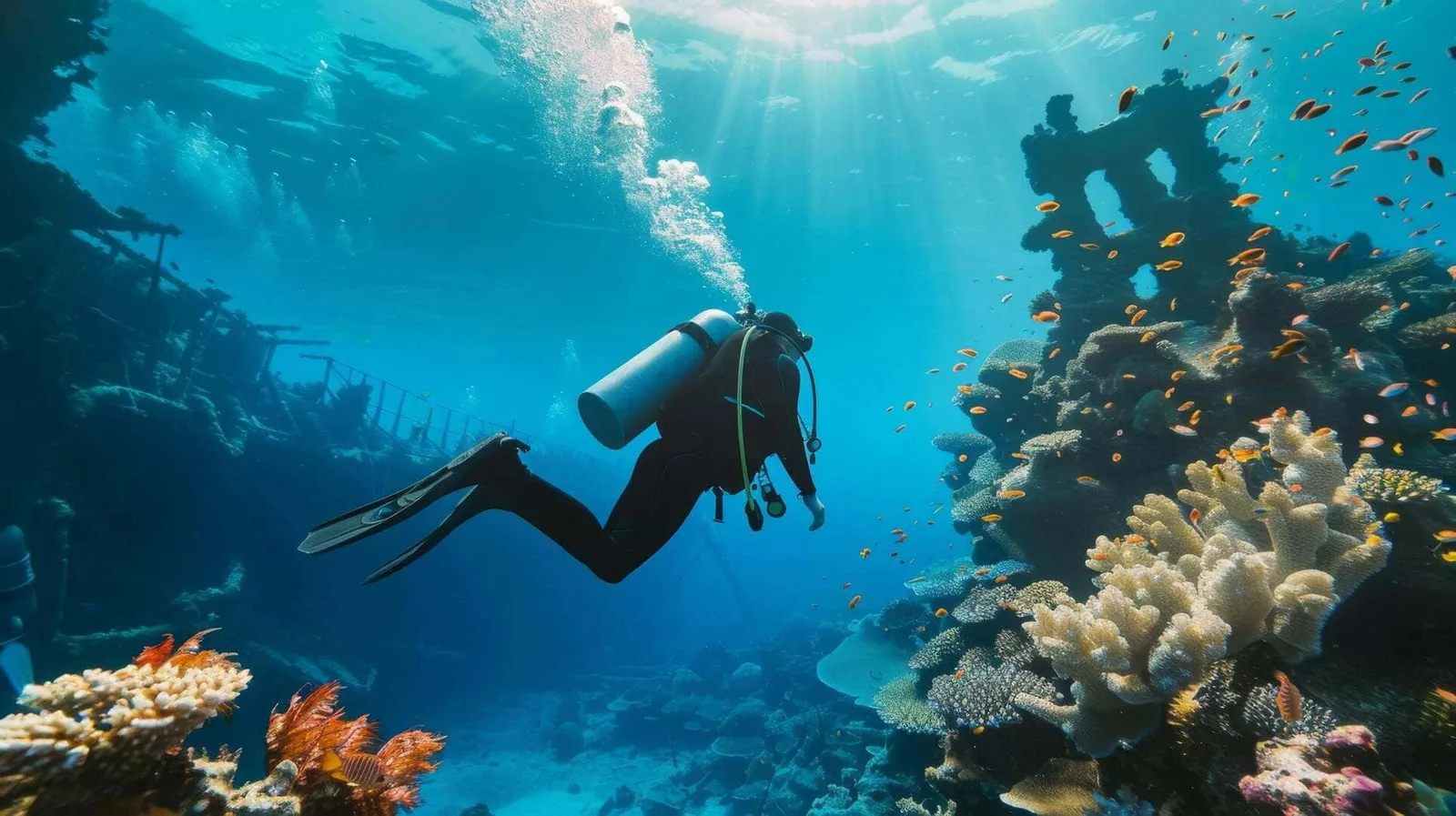
While the specific inhabitants of the Kimon M are not detailed, experienced wreck divers know these structures quickly become ecosystems in themselves. Open spaces can attract schooling fish, while crevices and sheltered areas provide refuge for smaller reef dwellers. The wreck's hard surfaces will inevitably host a vibrant array of corals and sponges, gradually softening the ship's industrial lines with organic growth, drawing your attention to the life reclaiming the steel.
This dive site reaches a maximum depth of 30 metres. The Kimon M Wreck is designated for advanced divers, reflecting the specific skills required to safely navigate its structure and potential conditions. Be prepared for varying currents that add to the dive's advanced nature.
You need advanced diving skills to explore the Kimon M safely. Its intricate wreck structure, deeper sections, cavernous holds, scattered debris, and possible wreck penetration require careful buoyancy and navigation. The damaged stern and varying currents add further demands, making this site suited to divers comfortable with advanced wreck environments.
The Kimon M extends from shallow sections near its bow to a maximum depth of 30 metres. The stern rests at the deepest point, where substantial damage creates crevices and points of interest. As you follow the hull downward, the wreck becomes more subdued while its scale and structure remain striking.
You should be prepared for varying and significant currents at the Kimon M. They contribute to the site's advanced character and make precise fin work, buoyancy control, and navigation important while you move around the wreck. The currents are part of the challenge, particularly when exploring its intricate structure and deeper areas.
You can explore a cargo ship known as the lens wreck, with its bow breaking the water's surface, relatively intact upper sections, prominent bridge, holds, damaged stern, and scattered debris. Crevices may shelter smaller reef dwellers, while open spaces can attract schooling fish and the steel may support corals and sponges.