Liveaboards · Egypt
VipOne — a wood-built Red Sea liveaboard for wrecks, reefs and long days underwater
What makes this boat unique
- VipOne carries up to 16 divers in eight air-conditioned en-suite cabins.
- The diving programme includes three to four dives a day, one night dive, and two dives on the final day.
- Two Coltri Sub compressors, 12-litre tanks and two fast diving tenders support the daily diving routine.
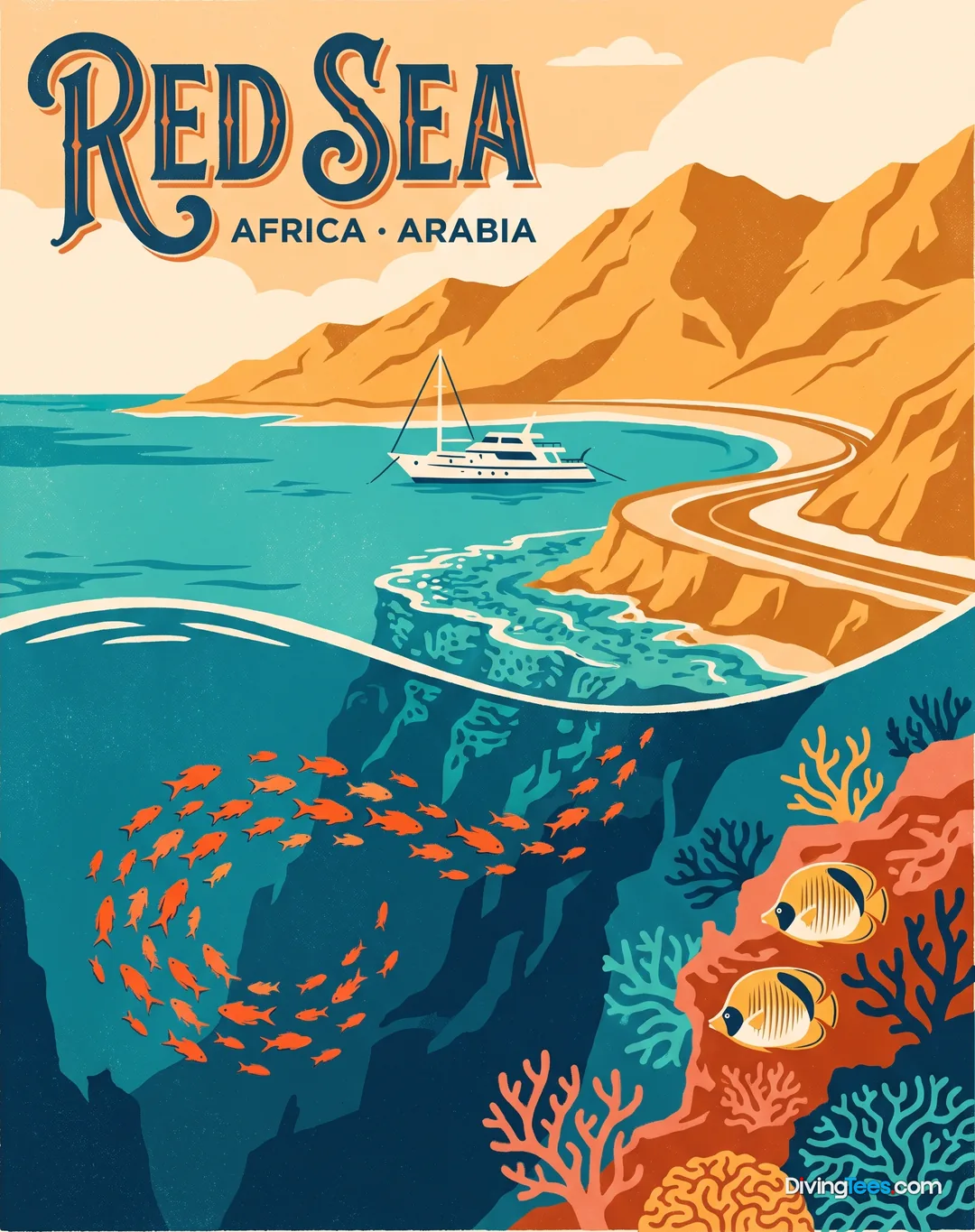
- Northern Red Sea routes reach Ras Mohammed, the Straits of Tiran, Abu Nuhas and wrecks including the Thistlegorm, Dunraven, Carnatic and Giannis D.
The invitation
VipOne is built around the part of a Red Sea trip that matters most: reaching the wrecks and reefs that are difficult to fit into a day boat schedule, then staying close enough to dive them more than once. The boat covers the Northern Red Sea from Ras Mohammed and the Straits of Tiran to the wrecks of Abu Nuhas. That gives the week a clear purpose: coral walls, pinnacles and historic ships, with the diving taking priority over shore excursions. A full-board liveaboard routine, air-conditioned cabins and a large sun deck make the boat a good match for divers who want four dives in a day without giving up a proper place to eat, sleep and recover. Groups and full charters are also possible, which suits clubs, friends and photographers who want the boat's route shaped around their own week.
Boarding
From the dock, VipOne presents as a substantial wood-built motor yacht rather than a stripped-down dive platform. The 2017 renovation supports the impression of a boat kept in active service: the interior is arranged for living aboard, with a central lounge and dining area, a diving platform and an open upper deck. Once inside, the practical layout becomes clear. Cabins stay below or on the upper deck, while the social spaces and dive operation occupy their own areas, so wet equipment does not take over the saloon. Twin MAN engines move the boat between sites, and two generators supply the air-conditioned interior and onboard systems. The result is less about nautical decoration than about making a week of diving work: kit up, dive, eat, rinse off and find a quiet corner without crossing the whole boat.
The atmosphere on board
VipOne's atmosphere comes from a small liveaboard group sharing a boat that is comfortable without becoming a resort. The crew speaks Arabic and English, and the guides handle the practical work that shapes the week: briefings, site choices, water entries and the return to the boat. Passengers describe the service as a strong part of the trip, especially when the diving delivers difficult wrecks and good sightings. Evenings are simple. Dinner gives the group a place to compare the day's dives, then the saloon, bar or sun deck takes over while equipment is prepared for the next entry. The boat is also available for private groups and charters, so the social character can range from a mixed international week to a group that already knows one another.
The sites you’ll dive
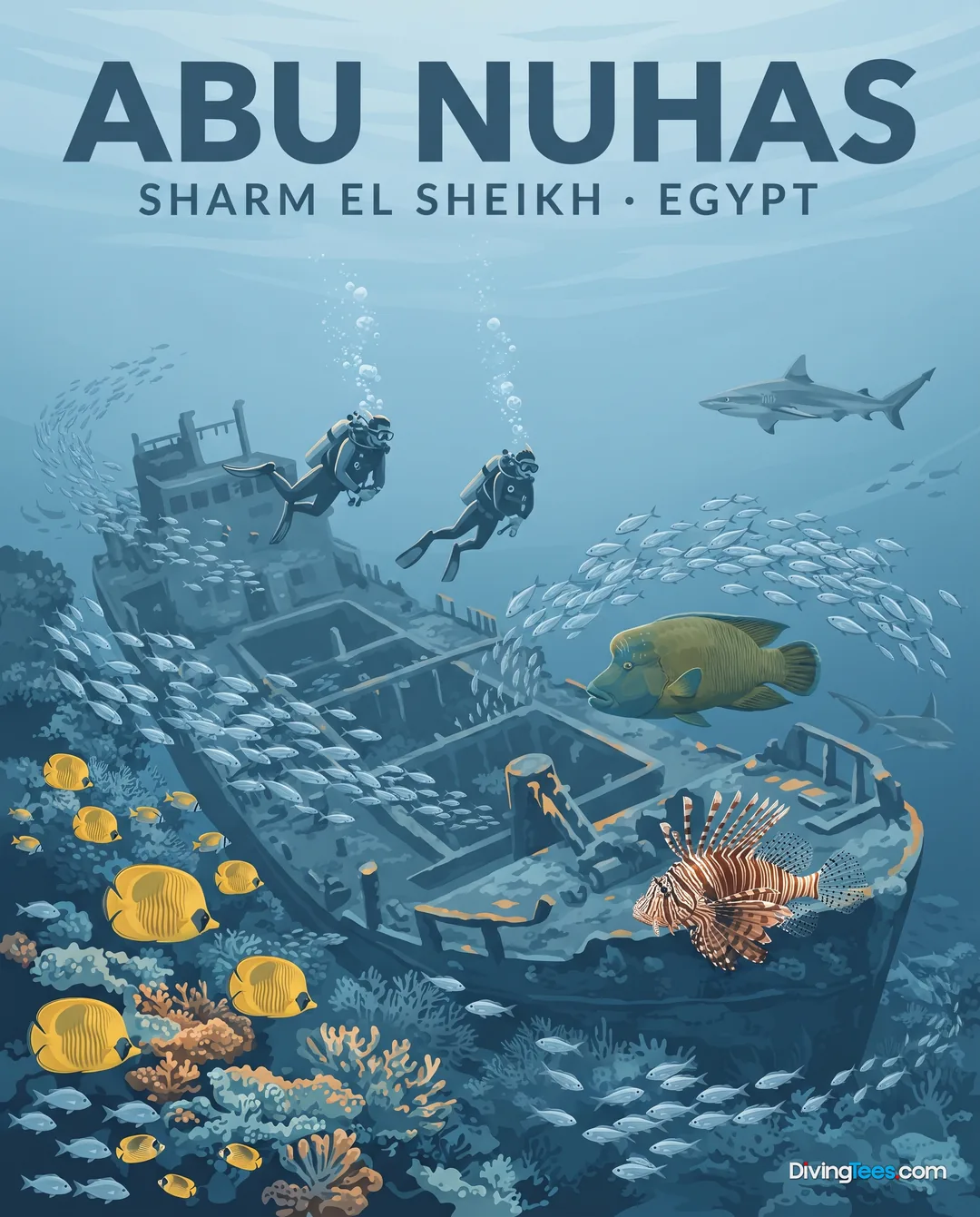
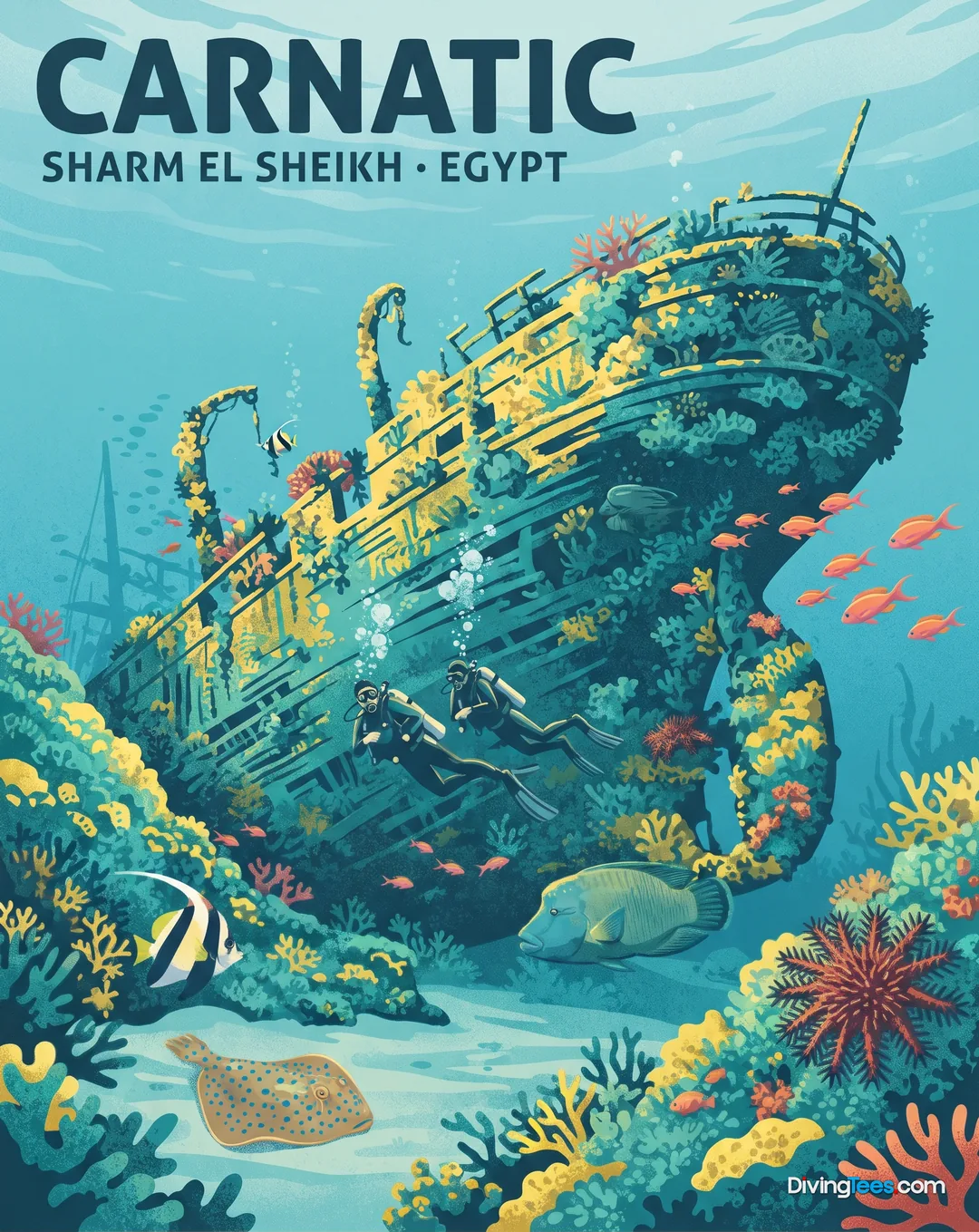
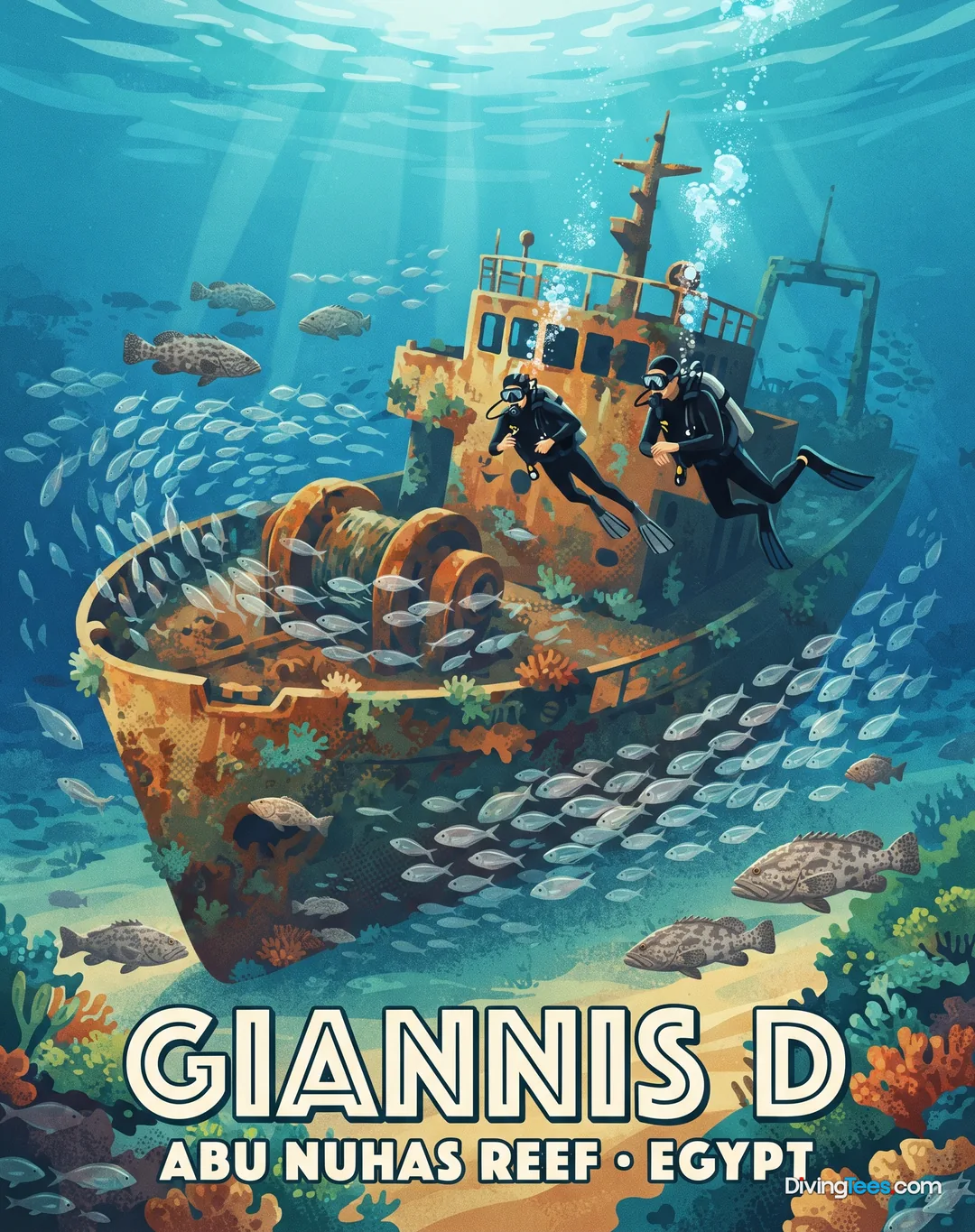
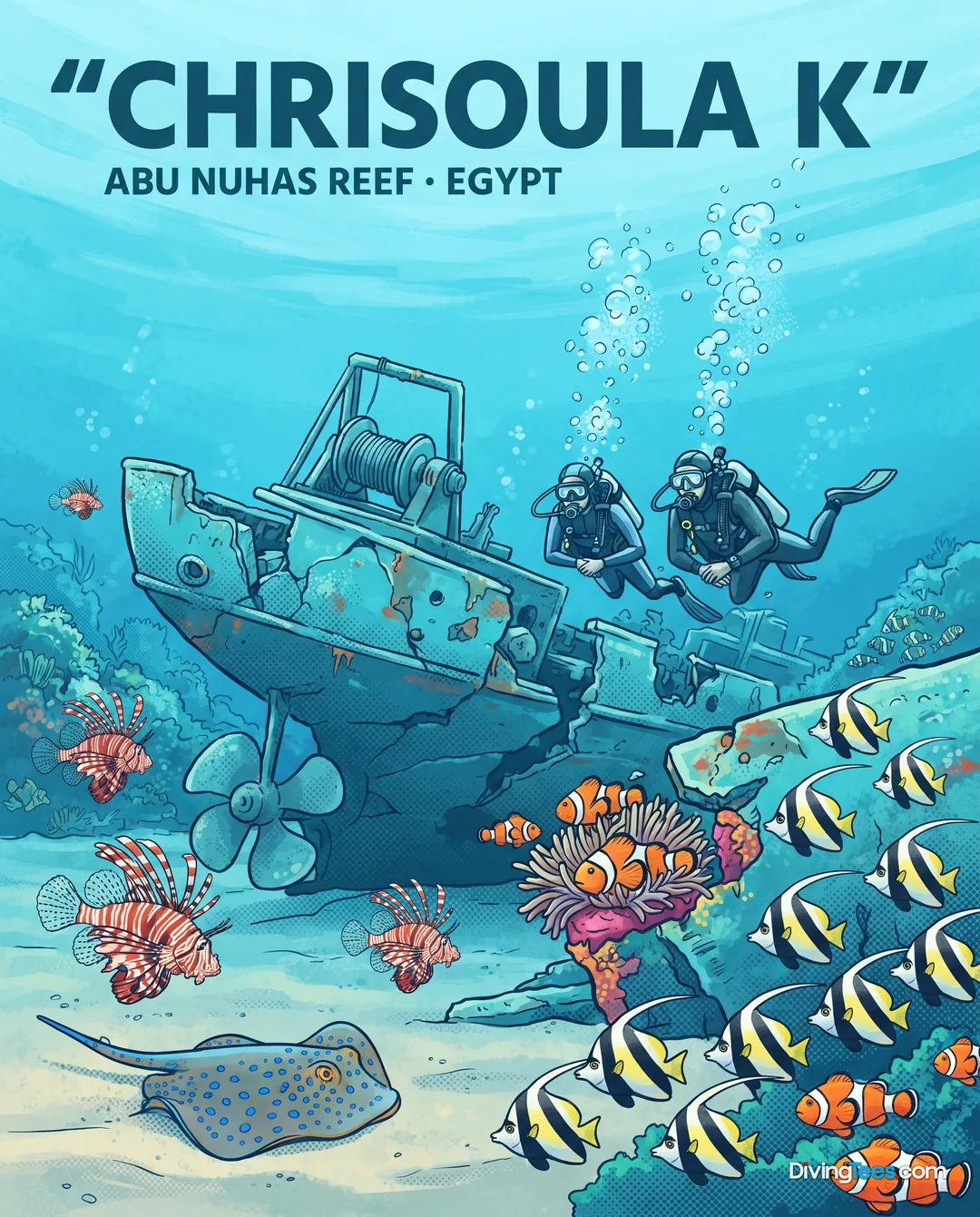
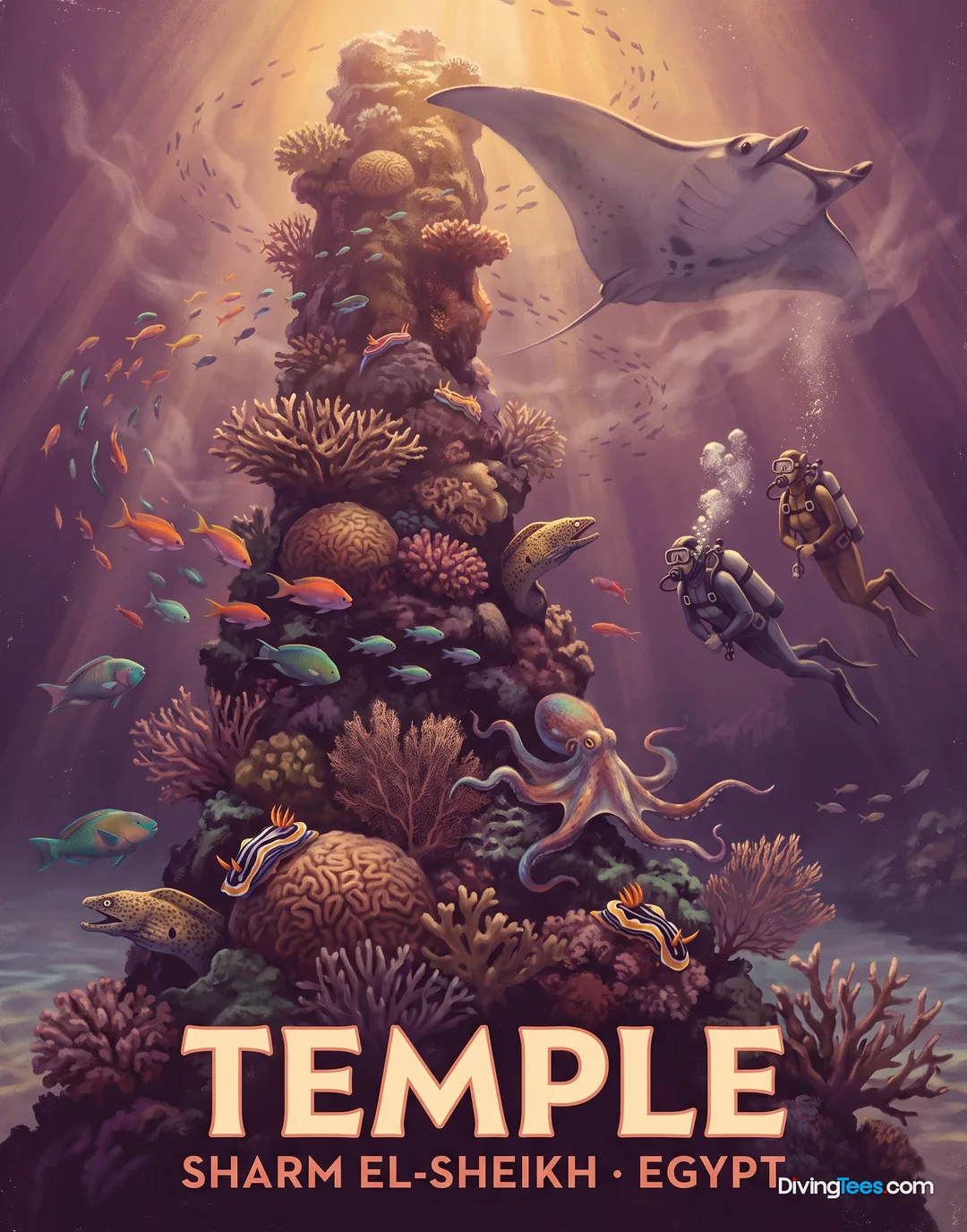
The Northern Red Sea route links reef systems with some of Egypt's best-known wrecks. Around Ras Mohammed, Shark and Yolanda Reefs offer steep reef diving, while the Straits of Tiran bring pinnacles and open-water exposure at the entrance to the Gulf of Aqaba. The Dunraven lies upside down in two sections beside the reef at Sha'ab Mahmoud. Farther north, the Thistlegorm is the major draw: a World War II supply ship whose cargo includes tanks, jeeps, motorcycles and guns. Abu Nuhas adds the Carnatic, Giannis D. and Chrisoula K., three wrecks with different histories and structures. The usual seven-night route runs from local reefs and Ras Mohammed through Sha'ab Mahmoud, Sha'ab Ali and Abu Nuhas before returning through Ras Mohammed, Tiran and Temple. Five-night, seven-night and eight-night options are available on request, and weather can change the plan.
Who puts you in the water
The dive team speaks Arabic and English and includes dive guides and an instructor able to run courses during the safari. The usual level is Open Water Diver or equivalent, with a minimum of 15 logged dives. That requirement makes VipOne accessible to newer certified divers while still leaving room for wreck-focused groups. Nitrox training and other specialty courses can be arranged onboard, subject to the programme. Guides brief the sites and lead the diving, but no fixed guide-to-diver ratio is published, so divers who need a particular group size should ask before booking. Oxygen and first-aid supplies are carried, and the crew is trained to use them. The boat also carries life rafts, life jackets and other listed safety equipment.
The dive deck and the gear
The covered dive deck is set up for repeated entries rather than a single guided outing. Standard tanks are 12-litre aluminium cylinders with weights; 15-litre tanks are available as an extra. DIN adaptors are carried, so divers using DIN regulators should not have to rely on a makeshift solution. Two Coltri Sub MK12 compressors fill at 260 litres per minute each. Nitrox is available for certified divers at an extra charge, with a dedicated nitrox compressor listed for mixes up to 40 percent. Full equipment rental is available separately, but brands and a detailed rental inventory are not given. Two diving tenders serve the sites: a 5.2-metre boat with a 40 HP outboard and a 6-metre boat with an 85 HP outboard. They allow the main yacht to remain clear while divers are dropped at and collected from the reef or wreck.
Between dives
Between dives, the upper sun deck is the natural place to dry off and watch the desert coast slide past. Sun loungers, soft seating and a bar give non-divers somewhere to spend the crossing, while divers can leave the equipment behind and recover in the air-conditioned saloon. The indoor lounge has sofas, films, music and Wi-Fi, but the useful luxury is having a choice between shade, sun and silence. During longer passages, the boat's size and layout keep the group from being trapped around the dive deck. A night without a dive can be spent on deck or in the lounge rather than treating the cabin as the only escape from the weather.
A day on board
A diving day starts with the first briefing before the boat's working rhythm has fully begun. Divers prepare at the covered deck, enter from the yacht or tender, then return to food, water and a place to dry off before the next briefing. The programme allows three or four dives a day, including a night dive, with two dives on the final day. Between entries, the boat may be underway toward the next reef or wreck, or remain settled at an overnight anchorage while the group eats and recovers. The night dive changes the feel of the day: equipment is checked again, the deck becomes quieter, and the reef is reduced to the cone of a torch. After the final dive, dinner and the saloon close out the day before the cycle begins again.
What you eat aboard
The galley serves buffet-style meals combining local Egyptian and Western food, with three meals a day and snacks available between them. That timing fits the dive cycle: food is ready after a return from the water, not held back for a formal restaurant hour. Soft drinks, water, tea and coffee are included, while alcoholic drinks are available separately. Meals can be taken in the air-conditioned dining room or on the sun deck, so a post-dive plate does not have to mean sitting indoors. On a boat making three or four dives a day, the buffet is useful for another reason: divers can choose a small plate between dives and come back for more later instead of forcing one heavy meal into a short surface interval.
Nights at sea
All eight cabins are air-conditioned and have a private bathroom with hot and cold water. The lower deck has double cabins, double-and-single-bed cabins and twin bunk cabins; the upper deck has a double master cabin and a twin master cabin. That range matters when a group is made up of couples, friends and divers who do not want to share a bed. Wood furniture gives the rooms a warmer feel than a bare crew vessel, while the upper cabins bring larger windows and more daylight. Nights are private rather than communal: close the cabin door, run the air conditioning and leave the saloon behind. Bedding and towels are changed during the week. Fire extinguishers, life jackets with strobes and a lower-deck emergency exit are part of the cabin arrangement.
Twin Bunk Bed Cabin (# 5, 6)
Double Bed Cabin (# 1,2)
Twin Master Cabin (# 8)
Double Master Cabin (# 7)
What to know before boarding
VipOne boards and returns at Travco Jetty in Sharm El Sheikh. A scheduled group transfer between the airport and the yacht is included; private transfers are separate. Arrival details depend on the sailing and flight arrangements, so the transfer information should be checked before travel. Arriving in Sharm El Sheikh the night before is the safer choice for avoiding a missed embarkation if a flight is delayed.
- Year renovated
- 2017
- Length
- 29 m
- Beam
- 7 m
- Maximum number of passengers
- 16
- Number of cabins
- 8
- Engines
- 2 × MAN 610 hp
- Tenders
- 1 × 5.2 m 40 hp outboard, 1 × 6 m 85 hp outboard
- Website
- vipone.com ↗
Hello, I'm Marina, DivingDeal.com's AI assistant. I answer in detail about hotels, dive centres and liveaboards.

Thinking about the whole trip and the flights? Talk it over with Edith →
Marina is an AI. Some links are affiliate links: DivingDeal may earn a commission, at no extra cost to you. Bookings are made with the partner.