

Octopus World Dahab Dive Center
★ 5/5 (2,229 reviews)
8.3 km away as the crow flies
Dahab · Egypt · Red Sea
Max. depth · 130 mDive into the iconic Blue Hole of Dahab, a geological marvel offering a spectrum of experiences from vibrant coral walls and pelagic encounters to challenging technical passages.
For subtitles in English: start the video firstthen click the gearat the top right of the video, select “Subtitles/CC”, then “Auto-translate” and choose “English”.
The Blue Hole in Dahab, Egypt, is a geological marvel, a colossal underwater crater that descends to an astonishing 130 meters, making it a prime destination for both divers and freedivers. For many recreational divers, the true experience often begins about 200 meters north at a site known as Bells. Here, the reef wall opens into a vertical crack, a natural chimney that divers can descend, with the blue light visible all the way down to its base at 26 meters.
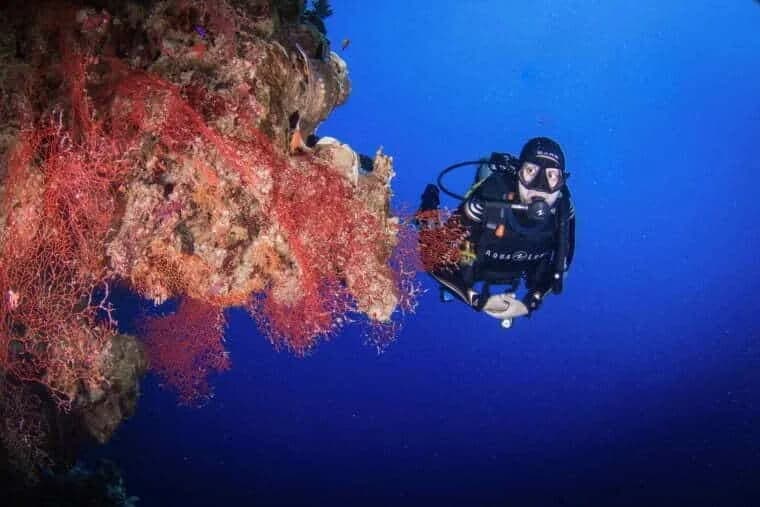
Once exiting the Bells chimney, divers find themselves on a vertical wall teeming with life, embarking on a drift dive along the vibrant reef structure. Trumpetfish (Aulostomus maculatus) are a common sight here, masters of camouflage, often using exhaled bubbles to stealthily approach unsuspecting reef fish. The wall itself is a testament to the Red Sea's coral diversity, offering a continuous panoramic view.
As the dive progresses, the wall gradually slopes into a bustling coral garden at approximately 7 meters depth, which serves as the main entrance to the Blue Hole from the open sea side. Swimming over this plateau, the bottom distinctly drops away, revealing the vast, deep blue expanse of the inner crater. This transition from the confined wall to an open abyss is a significant visual and mental shift.
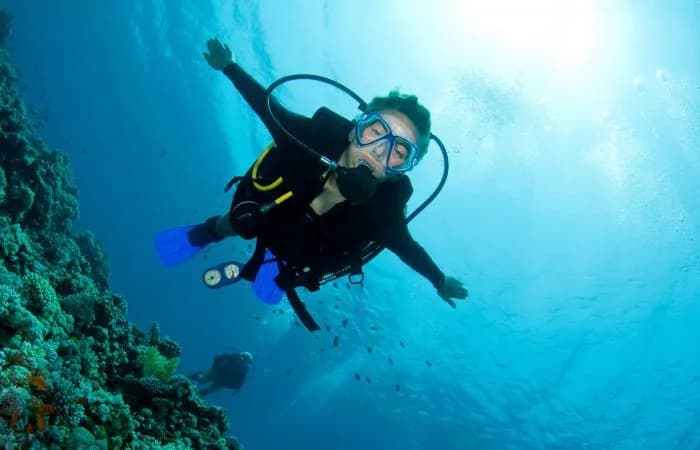
Recreational divers inside the Blue Hole have options: they can traverse the crater's shallower section, a 'Saddle' at 7 meters, to reach the shore-side exit, or perform their safety stop by circling the inner edge of the Blue Hole at 5 meters. This shallower section, particularly the Saddle, is accessible even for Open Water Divers.
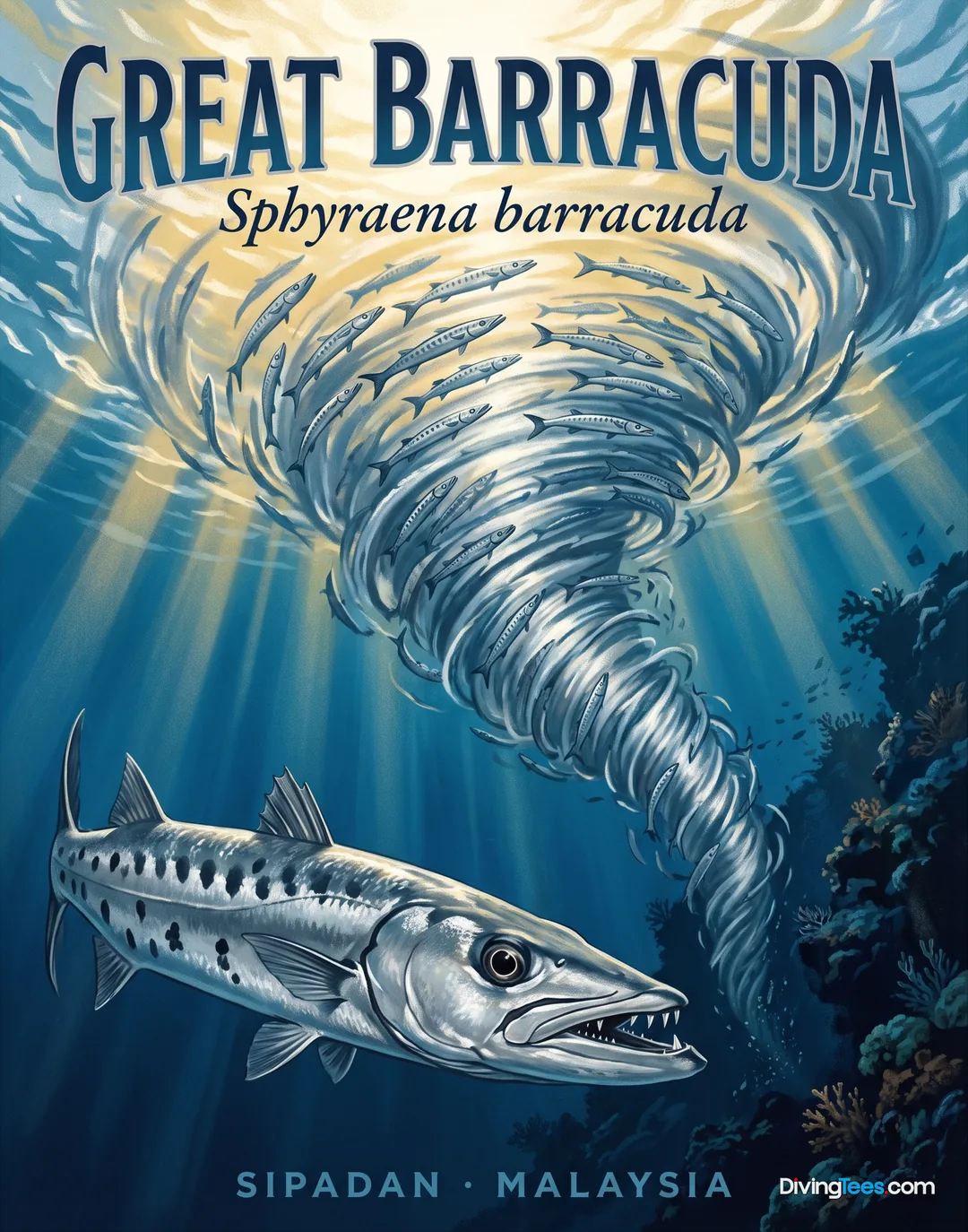
Beyond the immediate excitement of the wall, the site is known for its pelagic presence. Divers should keep an eye out into the blue for jacks (Caranx), tunas (Thunnus), and barracudas (Sphyraena) that often cruise along the currents outside the main hole. More adventurous divers might even encounter the imposing grey reef sharks (Carcharhinus amblyrhynchos) or the sleek white-tip reef sharks (Triaenodon obesus), adding an element of thrill as these apex predators patrol the deeper waters.
For the technically proficient, the Blue Hole holds an even greater allure: the Arch. This 26-meter long tunnel begins with its top at 56 meters, demanding advanced planning and gas management. The Arch, which is 22 meters long, connects the Blue Hole to the open ocean at 52 meters, requiring precise planning and execution suitable only for divers specifically trained and equipped for such technical profiles. The geological formation itself, a submarine volcanic crater, gives the Blue Hole its distinctive character, ranging from sunlit coral gardens to deep, dimly lit walls, supporting diverse marine life. The experience of moving from the enclosed descent of Bells, along an exposed wall, and then into the vastness of the Blue Hole, defines this dive, challenging perceptions of space and depth.
This site offers various profiles. Recreational divers can comfortably manage depths within 30 meters, particularly on the Bells-to-Blue-Hole route, which requires Advanced Open Water certification. The shallow 7-meter 'Saddle' is accessible for Open Water Divers. The Blue Hole's main crater plunges to 130 meters, and the Arch, with its top at 56 meters, demands technical diver certification and specific experience. Visibility is generally good, and while currents are typically light along the wall, local conditions can vary. The site is suitable for diving in all weather conditions.