
Octopus World Dahab Dive Center
Google 5/5 (2,361 reviews)
9.1 km away as the crow flies
Dahab · Egypt · Red Sea
Max. depth · 30 mBegin your dive through natural coral pools before descending onto a rich sloping reef, where the excellent visibility reveals abundant reef life.
For subtitles in English: start the video firstthen click the gearat the top right of the video, select “Subtitles/CC”, then “Auto-translate” and choose “English”.
Three Pools is a distinctive Dahab dive site, named for the trio of shallow coral-rimmed depressions that form a natural entry point from the shore. These sandy-bottomed basins, connected by coral ridges, offer a gradual and protected entry, making the initial phase of the dive calm and visually engaging. As you traverse these pools, with depths around 3 metres, the interplay of light and coral formations creates a serene environment before you even reach the main reef system.
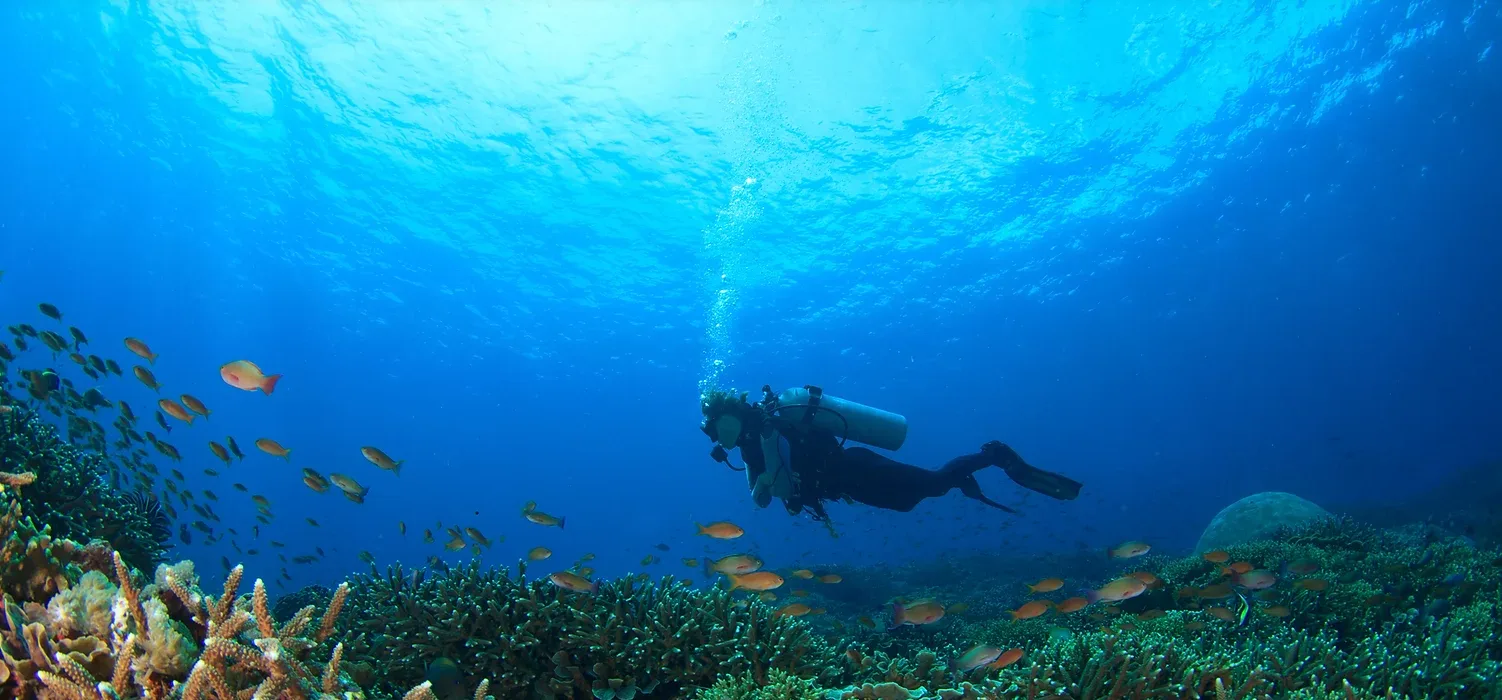
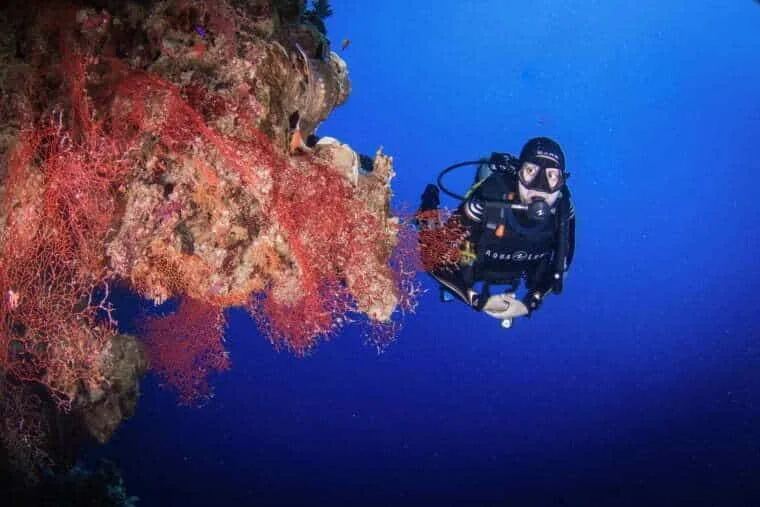
Beyond the third pool, the topography changes as the reef opens out into the Red Sea. Here, a hard coral garden begins to slope downwards, extending past 30 metres. This transition from shallow, confined pools to an expansive, healthy reef means your dive profile can range from a shallow, relaxed exploration to a deeper venture along the sloping coral. The structure of this reef, with its table corals and towering pinnacles, provides a varied underwater landscape for navigation and observation.
The site experiences minimal current, making it an excellent location for focusing on buoyancy control or underwater photography. This calm environment allows for a slower pace, enabling a thorough exploration of the coral formations and the smaller resident marine life. The clear visual conditions are consistent, often providing excellent visibility that enhances both the coral colours and the clarity of distant features, enriching the overall dive experience.
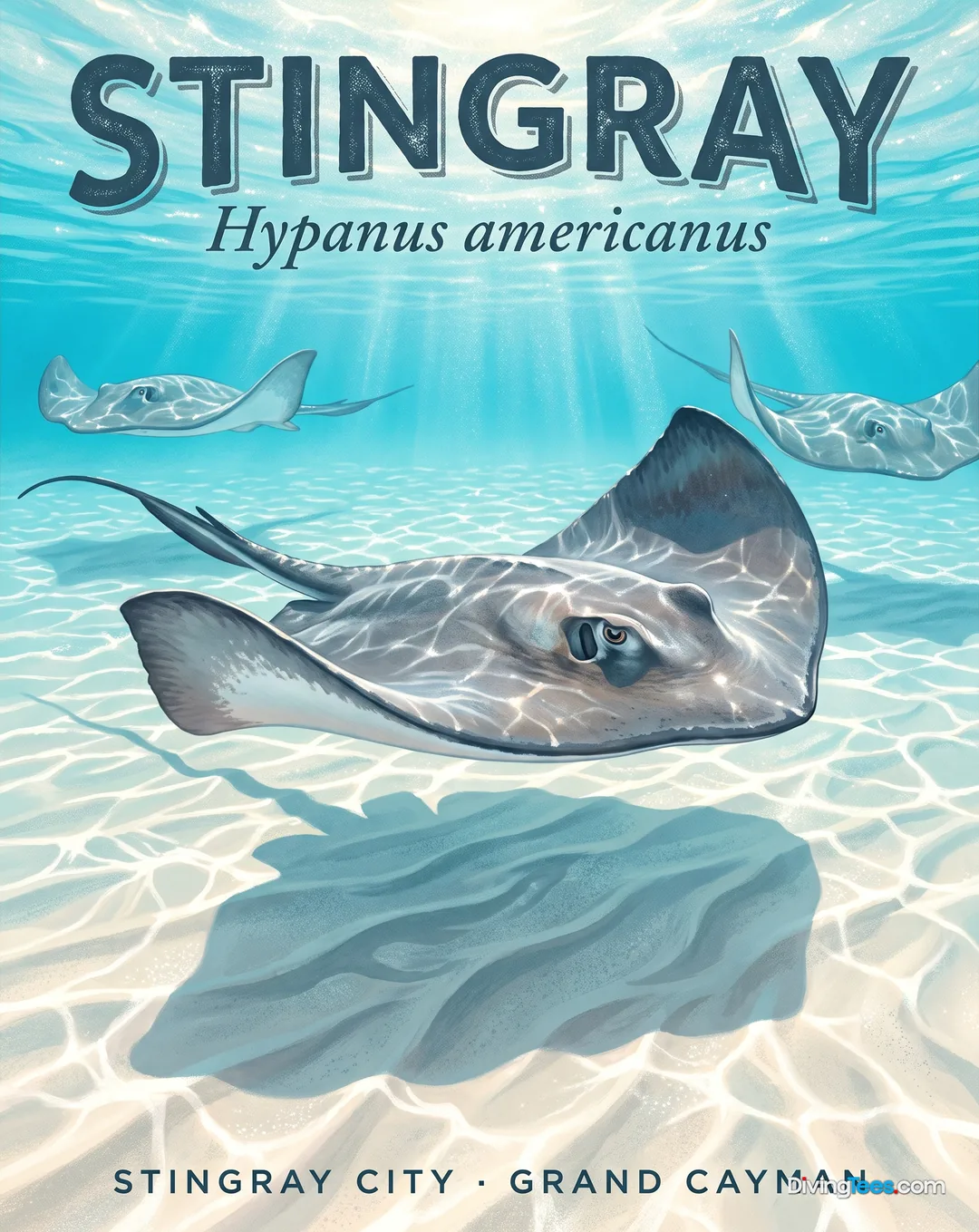
Marine life at Three Pools includes a range of common reef species. You can expect to encounter anthias schooling over the corals and butterflyfish (Chaetodon spec.) moving through the reef structure. Look for blue-spotted stingrays (Taeniura lymma) resting on the sandy patches, and keep an eye out for moray eels (Muraenidae family) in crevices. Octopus (Octopoda order) are also present, often camouflaged among the rocks, along with lionfish (Pterois miles), all contributing to the site's rich biodiversity.
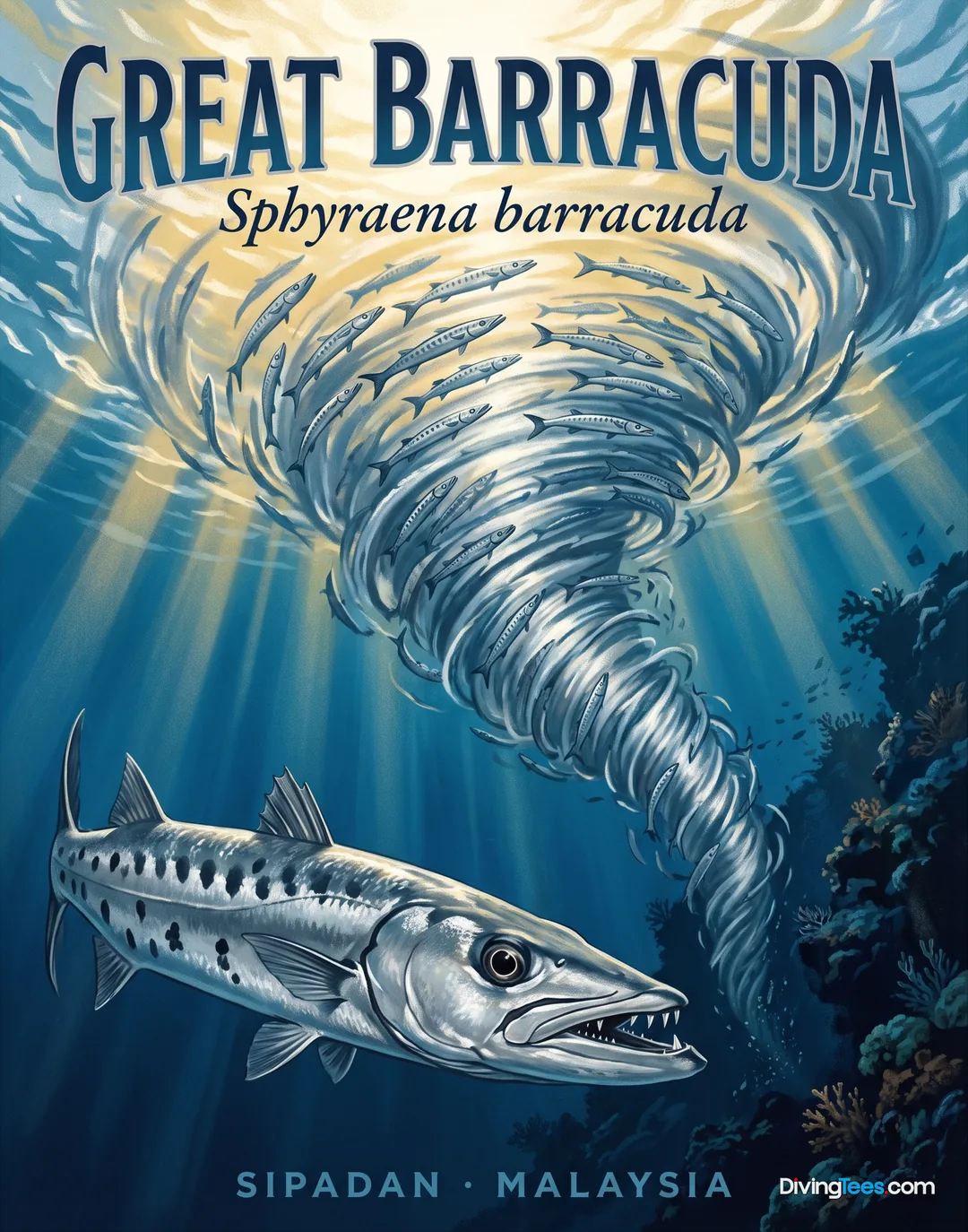
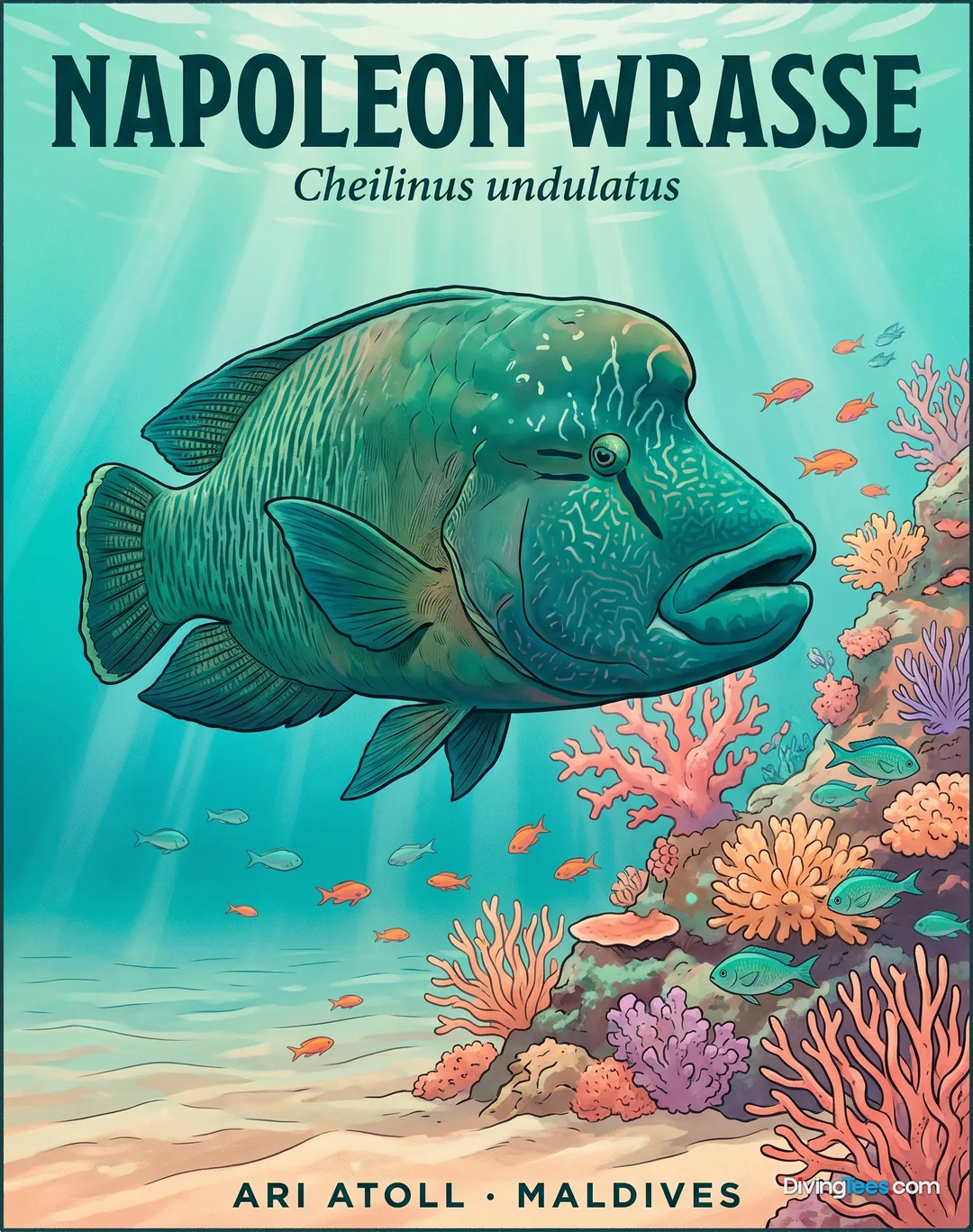
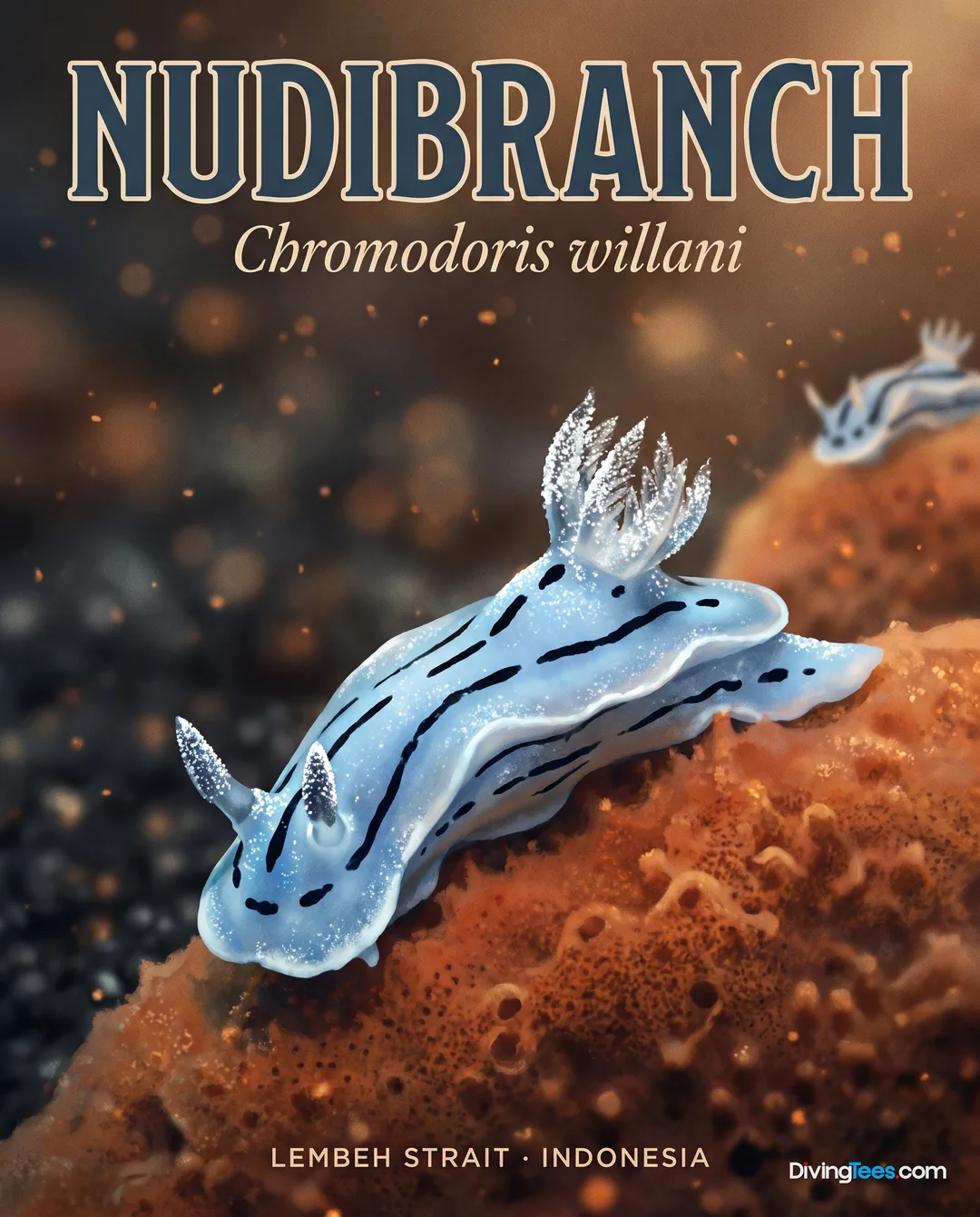
Venturing further on the deeper slope, you might spot larger pelagics such as Napoleon wrasse (Cheilinus undulatus) or barracuda (Sphyraena barracuda) cruising by in the blue. Giant pufferfish (Tetraodontidae family) are also a potential sighting here. For those interested in smaller and more cryptic life, nudibranchs (Nudibranchia order) can be found, particularly on the hard and soft coral gardens, adding to the detailed observation opportunities available.
The overall ambiance of Three Pools is one of tranquility and natural beauty. The site offers opportunities for divers of all experience levels to appreciate the quieter, more intimate aspects of Red Sea diving. The structure, moving from enclosed pools to an open reef, creates a journey through distinct underwater environments, providing varied perspectives on the marine ecosystem within a single dive.
Diving Three Pools is adaptable, whether you are seeking a relaxed, shallow profile or wish to push to the outer reef's deeper sections. The easy entry and generally calm conditions mean divers can focus on their surroundings without the added challenge of strong currents. This balance makes it a site suitable for skill practice or simply an extended, peaceful exploration of the reef's inhabitants and topography.
This site is accessible to all levels, from Open Water Diver through to experienced divers. The maximum depth for recreational diving is typically around 30 metres, though much of the initial exploration occurs between 3 and 22 metres. The current is consistently minimal, often absent, making for calm conditions. Visibility is reliably excellent, enhancing the experience year-round. It is best to plan your entry at high tide for the easiest access from shore.
Plan your shore entry at high tide, when access is easiest. Three Pools offers reliably excellent visibility year-round, so you can enjoy clear views of the coral, pools, and reef in any season. The calm entry and consistently minimal current also support a relaxed start to your dive.
Three Pools is accessible to all levels, from Open Water Diver through experienced divers. The three interconnected shallow coral pools provide a gradual, protected entry, while the reef allows you to choose between a shallow exploration and a deeper venture. Calm conditions also make the site suitable for skill practice.
Three Pools ranges from about 3 to 30 metres. Much of the initial exploration takes place between 3 and 22 metres, while the sloping coral garden extends past 30 metres. The current is consistently minimal and often absent, creating calm conditions for buoyancy work, photography, and unhurried reef exploration.
At Three Pools, you can see three shallow coral pools, table corals, towering pinnacles, and a sloping hard coral garden. Marine life includes anthias, butterflyfish, blue-spotted stingrays, moray eels, octopus, lionfish, and nudibranchs. Deeper sections may bring Napoleon wrasse, barracuda, or giant pufferfish.