
Aqaba Pro Divers
Google 4.9/5 (574 reviews)
1.7 km away as the crow flies
Aqaba · Jordan · Red Sea
Max. depth · 50 mDescend directly from the shore into Yellowstone Reef, exploring its vibrant shallow coral gardens before dropping onto deeper walls and canyons.
For subtitles in English: start the video firstthen click the gearat the top right of the video, select “Subtitles/CC”, then “Auto-translate” and choose “English”.
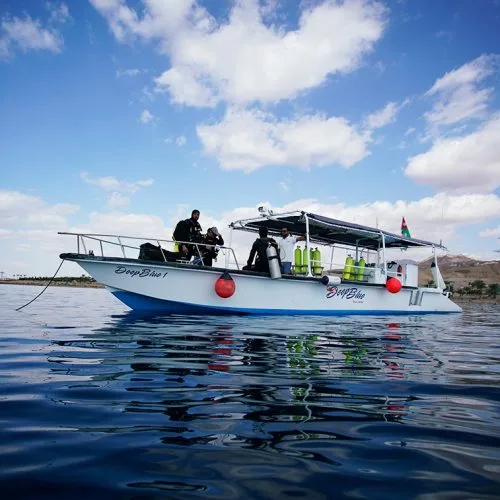
Yellowstone Reef, often referred to as Eel Garden or Kirk’s Forest, provides a distinct dive experience in Aqaba, accessible directly from the shore or by boat. The site is named for a prominent yellowish coral boulder visible from the surface, serving as a natural marker. Your entry from the shore, particularly from Tala Bay, leads you into a gently sloping reef that gradually reveals a more complex topography. This initial section, characterized by shallow coral gardens, allows for a relaxed start to the dive, giving you time to adjust and observe the immediate surroundings before heading deeper.
As you fin out from the entry point, the reef structure transitions from a gentle slope to more pronounced features. The main reef grows on an ancient coral shelf, with its top section giving way to steeper sides. These sides drop sharply from approximately 18 metres down to 30 metres, forming mini-walls and intricate canyon sections. This change in profile offers a varied dive, moving from the brightly lit, shallower areas to the more dramatic, deeper architecture of the reef, where light penetration diminishes and different species begin to appear.
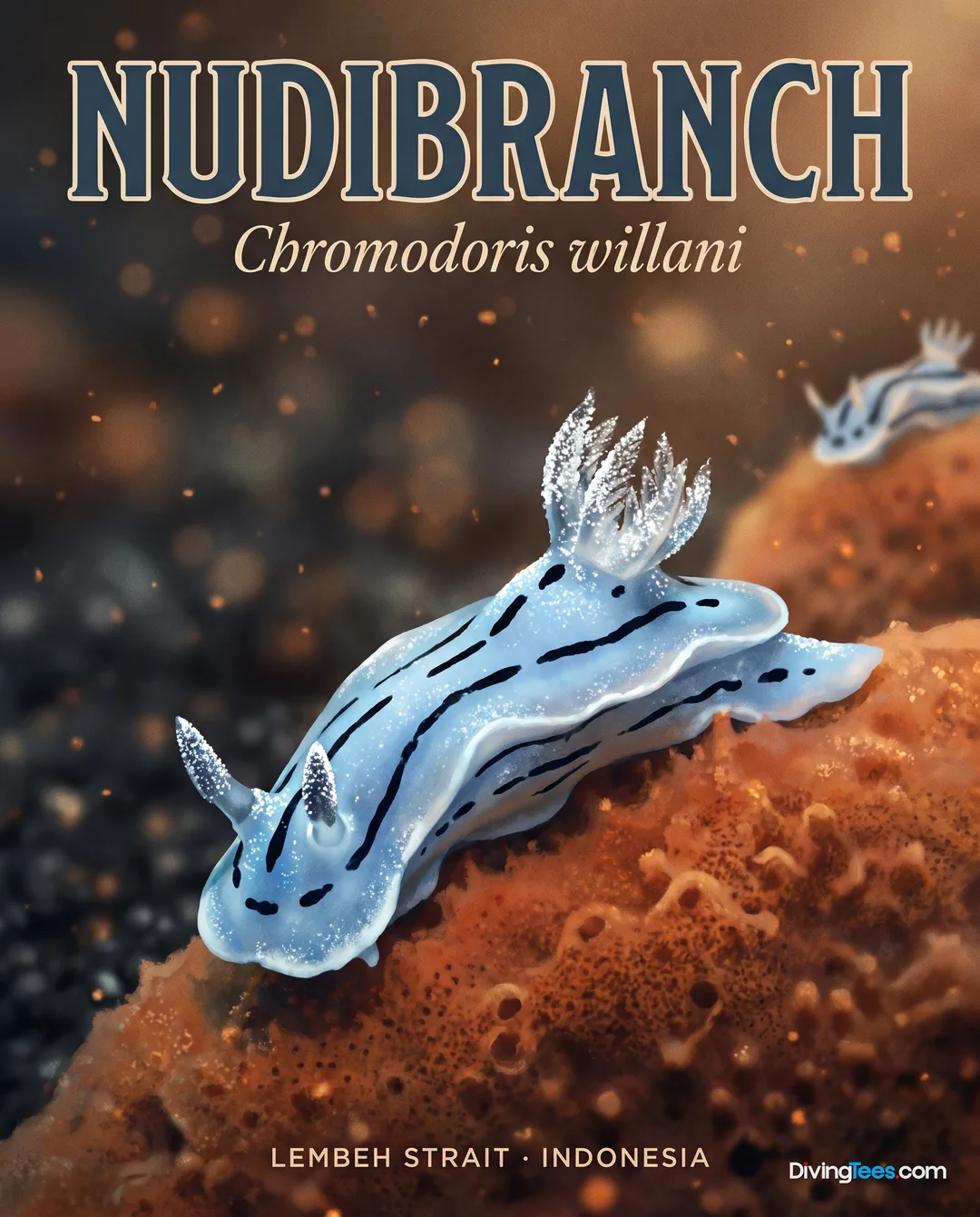
The topography of Yellowstone Reef is a tapestry of hard and soft corals, beginning in the shallows and extending into the deeper sections. Among these formations, you will find a variety of sponges, including striking red sponges, providing shelter and sustenance for smaller reef inhabitants. Keep an eye out for nudibranchs, often camouflaged against the coral, and the resident moray eels (Muraenidae) peeking from their crevices. This intricate coral landscape supports a diverse ecosystem, making it a rewarding site for macro observation as well as wider reef exploration.
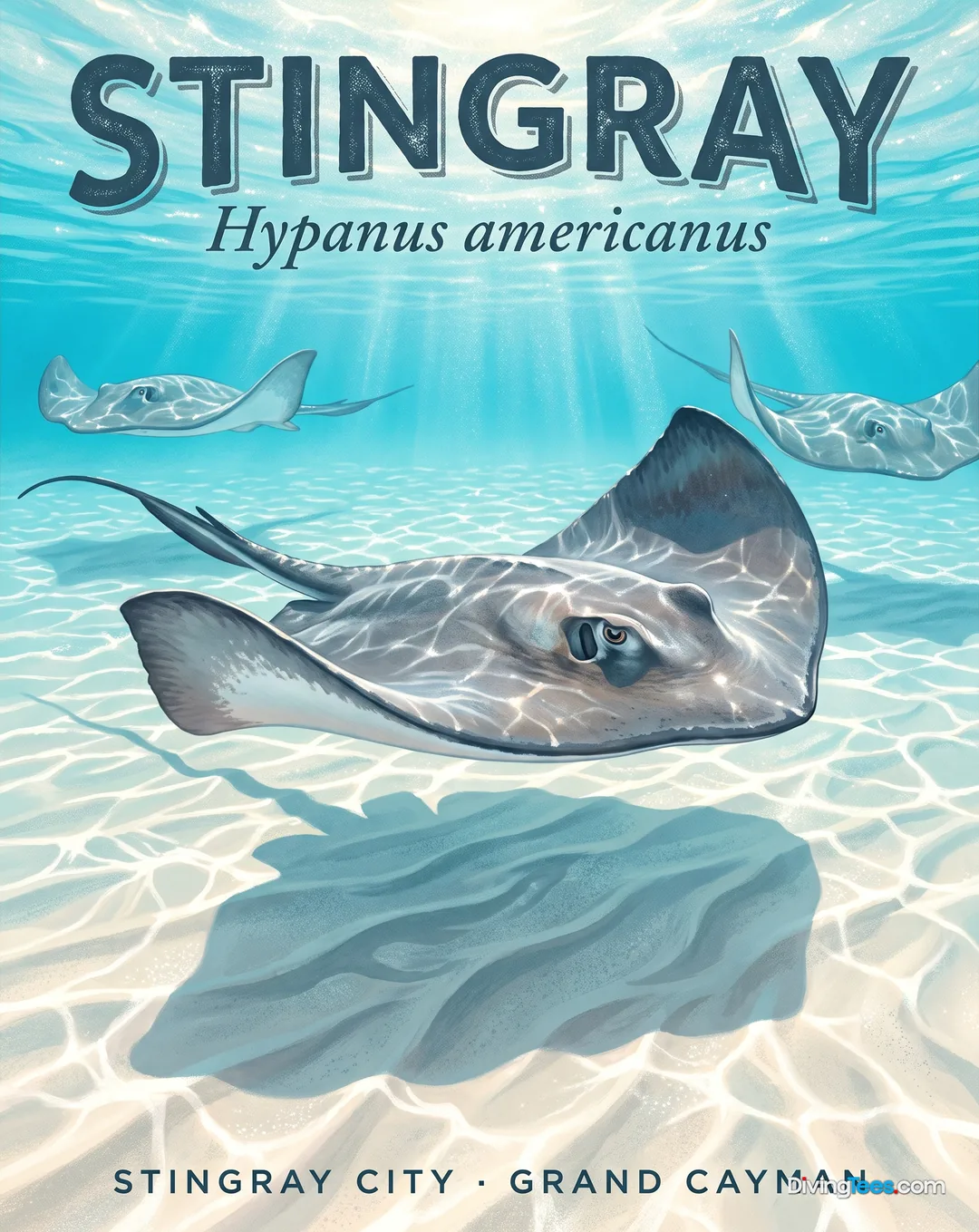
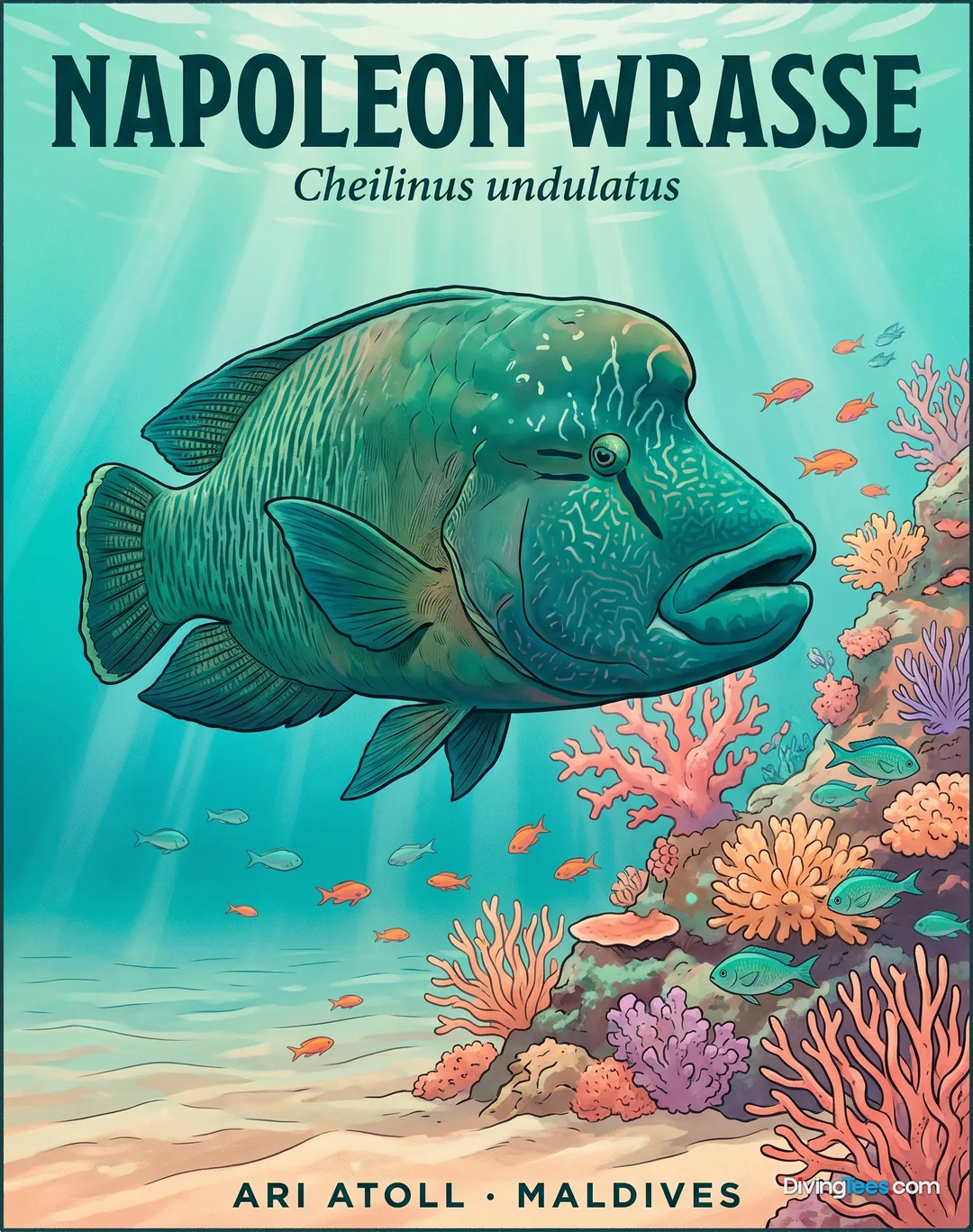
Beyond the reef structure itself, Yellowstone Reef is home to a range of larger marine life. You might encounter stingrays (Dasyatidae) gliding over the sandy patches or resting near the reef base. Napoleon wrasse (Cheilinus undulatus), with their distinctive humped foreheads, are often seen patrolling the reef, while schools of batfish (Platax) and jacks (Carangidae) move through the water column. The presence of black coral (Antipatharia) in deeper sections adds to the site's biodiversity, indicating a healthy and established reef system.
While the current at Yellowstone Reef is generally mild, allowing for unhurried exploration, the site's depth profile extends to 50 metres, requiring careful dive planning. The deeper sections, with their mini-walls and canyons, offer opportunities for advanced and technical divers to explore further. An old oil drum, now heavily colonized by corals, serves as an interesting artificial reef structure, attracting various species and adding another point of interest to the dive. This blend of natural and artificial features contributes to the site's unique character.
The accessibility of Yellowstone Reef, combined with its diverse topography and marine life, makes it a site that rewards repeated visits. The shallow safety stop area, often over the prominent Yellowstone coral, provides a final opportunity to observe the vibrant reef life in good light. Whether you are focusing on the intricate behaviours of nudibranchs in the coral gardens or exploring the deeper walls for larger pelagics like tuna (Thunnus) and squid (Teuthida), the site offers a comprehensive Red Sea diving experience.
The site's reputation as a house reef means consistent conditions for observation, allowing divers to become familiar with its nuances over time. While shore entry is generally straightforward, particularly from Tala Bay, be mindful of sharp rubble and sea urchins near the entry point. The presence of oil-drum markers near the shore route helps guide your way, ensuring a smooth start and end to your dive at this rich and varied Aqaba reef.
Yellowstone Reef offers a dive depth ranging from 5 metres to a maximum of 50 metres. Due to its deeper sections and varied topography, an Advanced Open Water certification is considered a minimum requirement, with technical certification recommended for exploring the full depth range. Visibility typically exceeds 15 metres. The current is generally light, but as with any site with deep sections and varied topography, conditions can shift, and dive planning should always account for potential changes.
You need at least Advanced Open Water certification for Yellowstone Reef because the site includes deeper sections, mini-walls, and canyon-like topography. Technical certification is recommended if you plan to explore the full depth range. Shore entry is generally straightforward, though you should watch for sharp rubble and sea urchins near the entry point.
Yellowstone Reef ranges from 5 metres to a maximum of 50 metres. You can begin in shallow coral gardens before reaching reef sides that drop from approximately 18 metres to 30 metres, with deeper sections beyond. The varied profile includes steep sides, mini-walls, canyons, and deeper areas containing black coral.
The current at Yellowstone Reef is generally mild, supporting relaxed exploration across the coral gardens and deeper reef structure. Conditions can shift around the site’s deep sections and varied topography, so you should plan accordingly. Visibility typically exceeds 15 metres, giving you useful views while moving along the reef.
At Yellowstone Reef, you can look for diverse hard and soft corals, red sponges, black coral, nudibranchs, and moray eels. Stingrays may glide over sandy patches, while Napoleon wrasse, batfish, jacks, tuna, and squid can appear around the reef. An old oil drum colonized by corals adds an artificial reef feature.