
Pousada do Vale
★ 9.7/10 (346 reviews)
less than 1 km away as the crow flies
Dive centre · Fernando de Noronha · Brazil
4.8124 Google reviewsExplore the diverse underwater canyons and rocky walls of Fernando de Noronha aboard purpose-built catamarans.
For subtitles in English: start the video firstthen click the gearat the top right of the video, select “Subtitles/CC”, then “Auto-translate” and choose “English”.
Located in the Vila dos Remédios, Atlantis Divers serves as a gateway to the marine wonders of Fernando de Noronha. The centre works in close collaboration with ICMBio to manage access to the National Marine Park, ensuring that dives respect the local ecosystem while providing access to the island's varied topography.
Whether you are looking to complete your first certification or are a technical diver seeking deeper challenges, the centre provides a structured approach to exploration. The underwater landscape here is defined by dramatic rocky walls, deep canyons, and complex cave systems that showcase the archipelago's unique geological character.
The team at Atlantis Divers is multi-lingual, providing instruction and guidance in English and Spanish. This makes the centre a practical choice for international divers looking to train or explore without language barriers.
As pioneers in technical diving within the region, the instructors are equipped to handle a wide spectrum of expertise. From teaching beginners their first skills to guiding advanced divers through technical profiles, the focus remains on precision and safety in a highly regulated marine environment.
The training programme is extensive, catering to all levels of certification through PADI, SSI, and NAUI. Beginners can start with the Discovery Scuba Diving programme, leading into the Open Water Diver course, which requires a minimum stay of 5 days.
For those looking to progress, the centre offers Advanced Adventurer, Nitrox, and Night Dive Specialty courses. They also cater to the technical community with dedicated Tek Dive training and Divemaster programmes.
The centre operates catamarans for its diving expeditions, providing a stable platform for navigating the Atlantic waters. These vessels are used for morning and afternoon dives, as well as specialised night dive excursions.
On board, you will find water and snacks provided to keep you hydrated and energised between dives. For those seeking a more private experience, the centre also offers private boat charters and mini-cruises.
Atlantis Divers provides a complete range of equipment hire for divers who prefer not to travel with their own kit. This includes regulators, BCDs, wetsuits, fins, and masks.
For night divers, torches are available to ensure you can navigate the reef and observe nocturnal life effectively. Nitrox is available for those looking to extend their bottom time or manage nitrogen loading more efficiently.
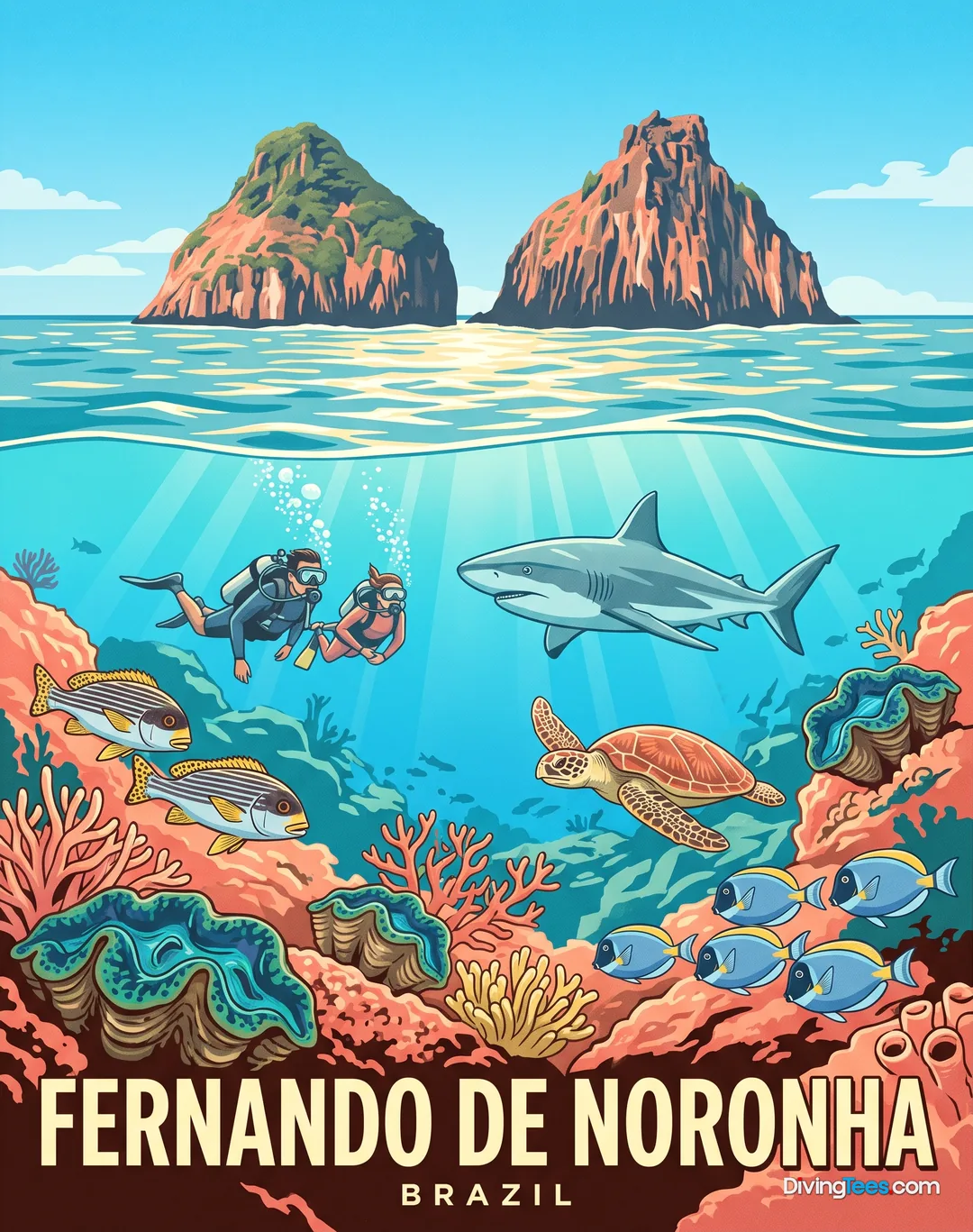
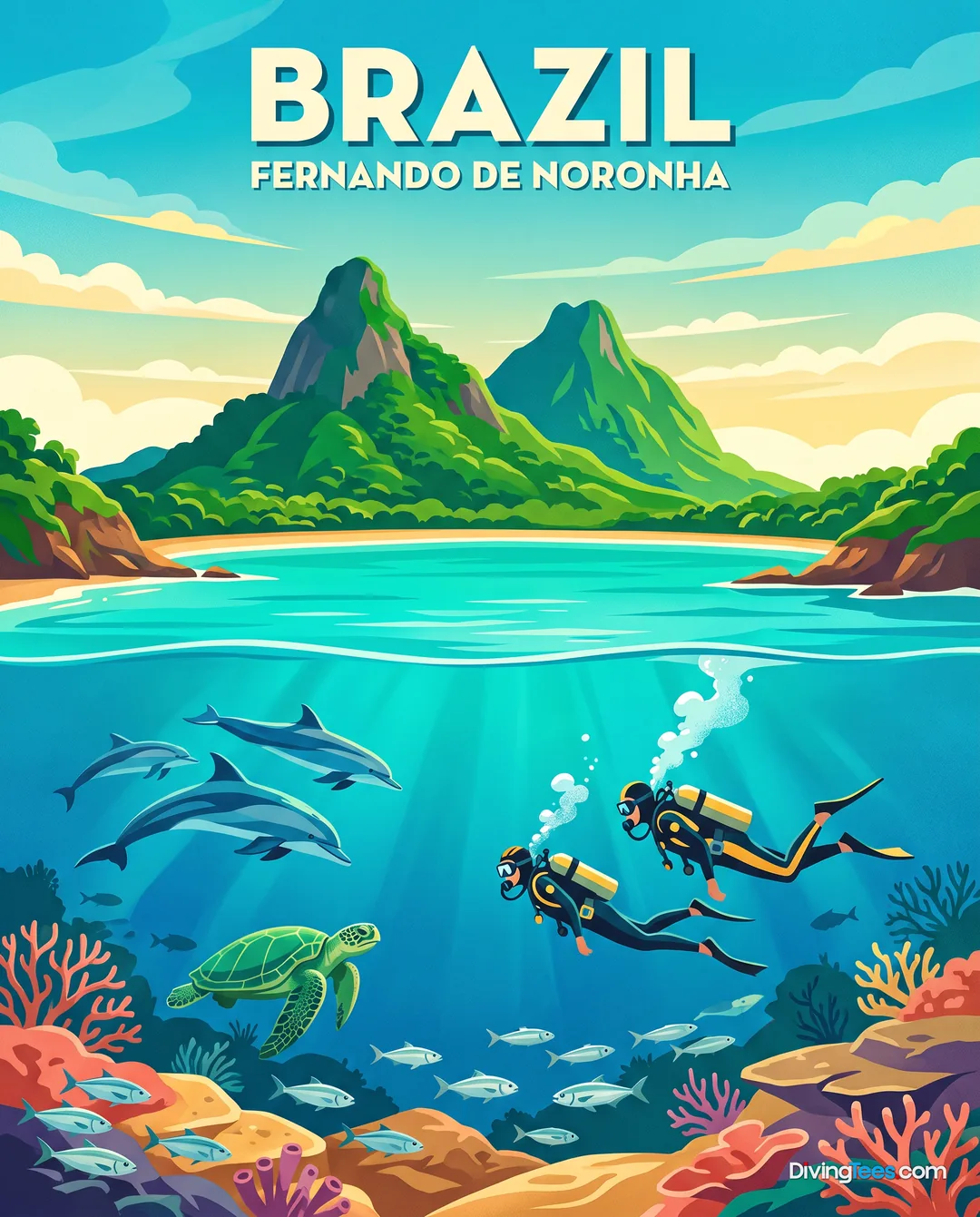
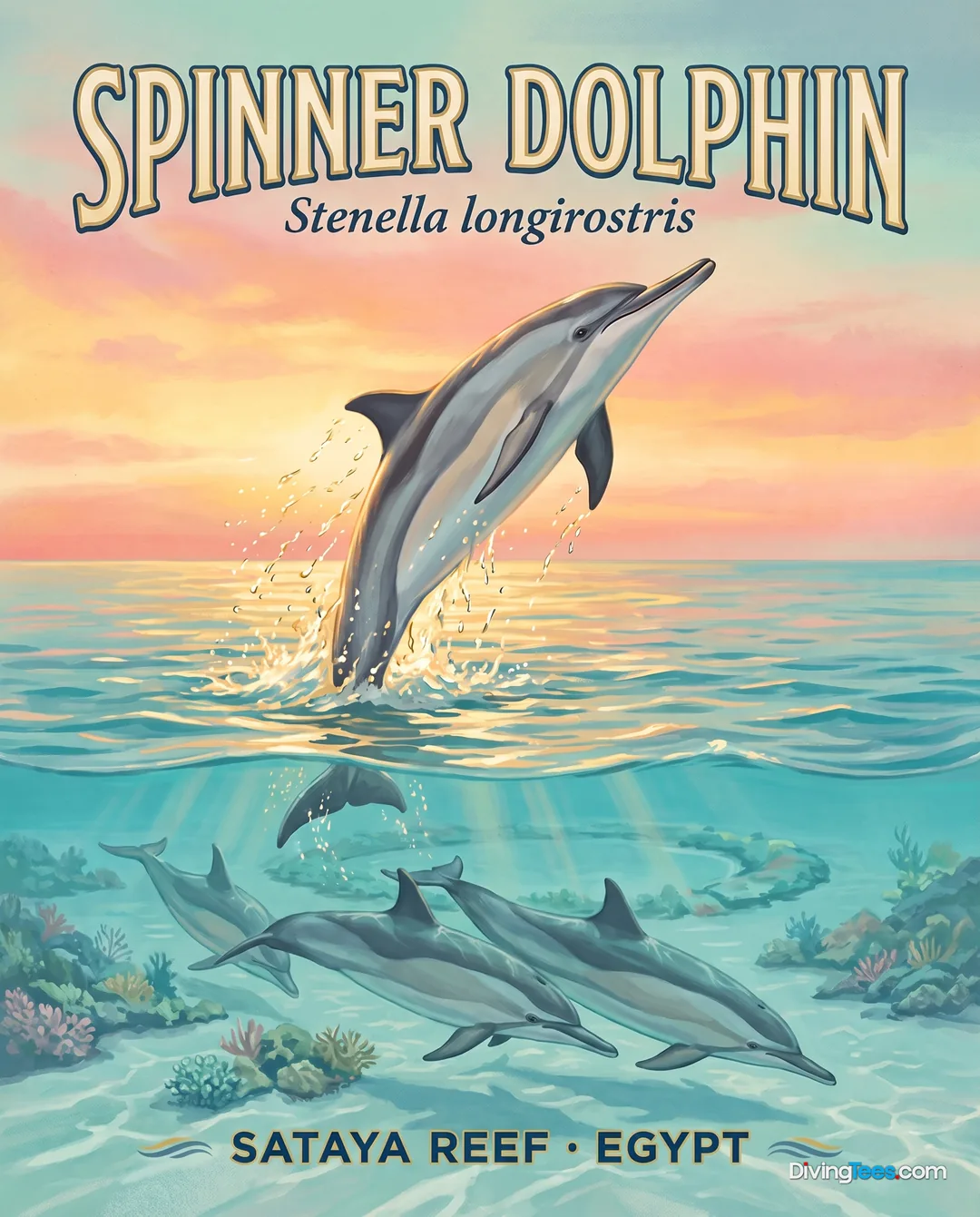
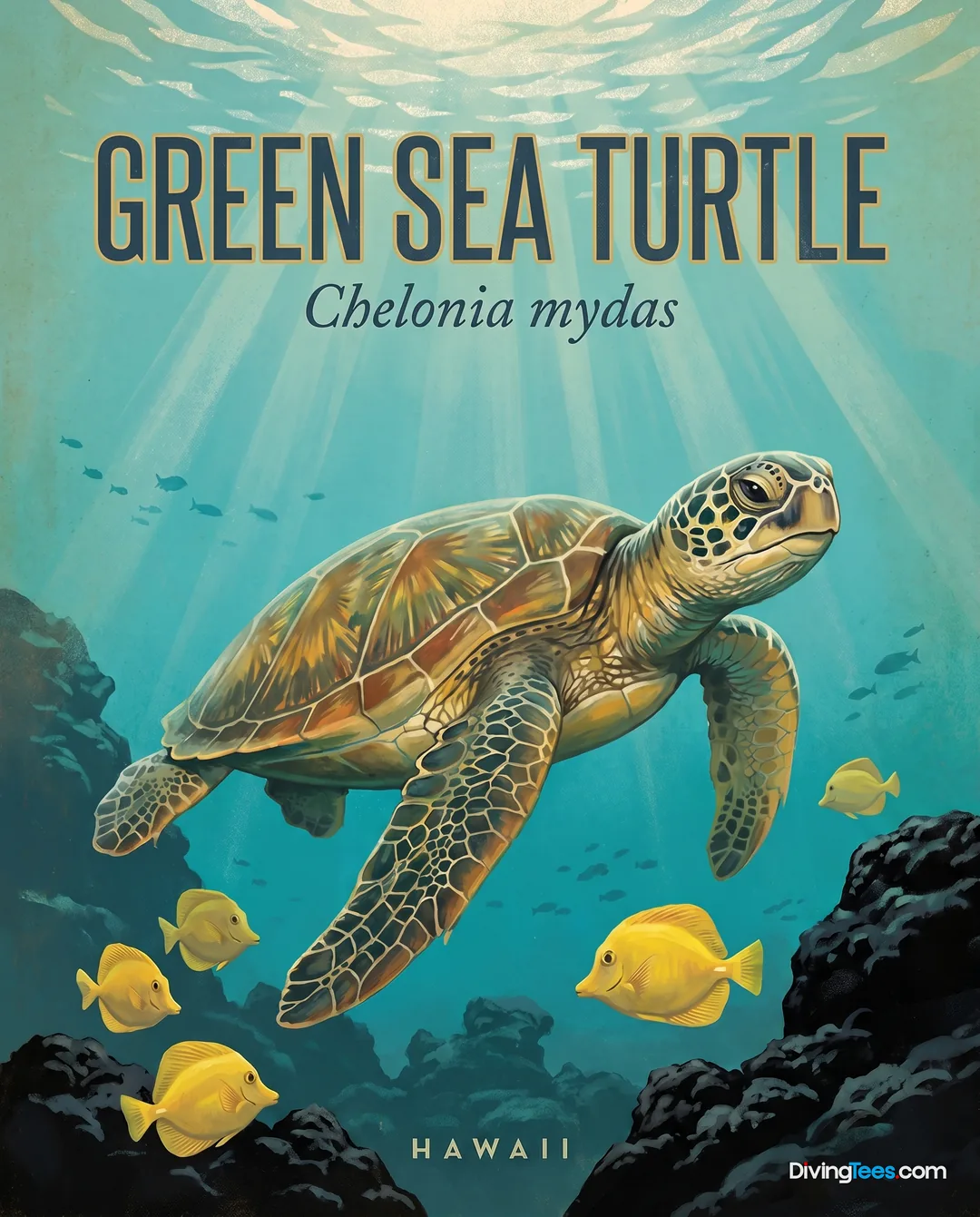
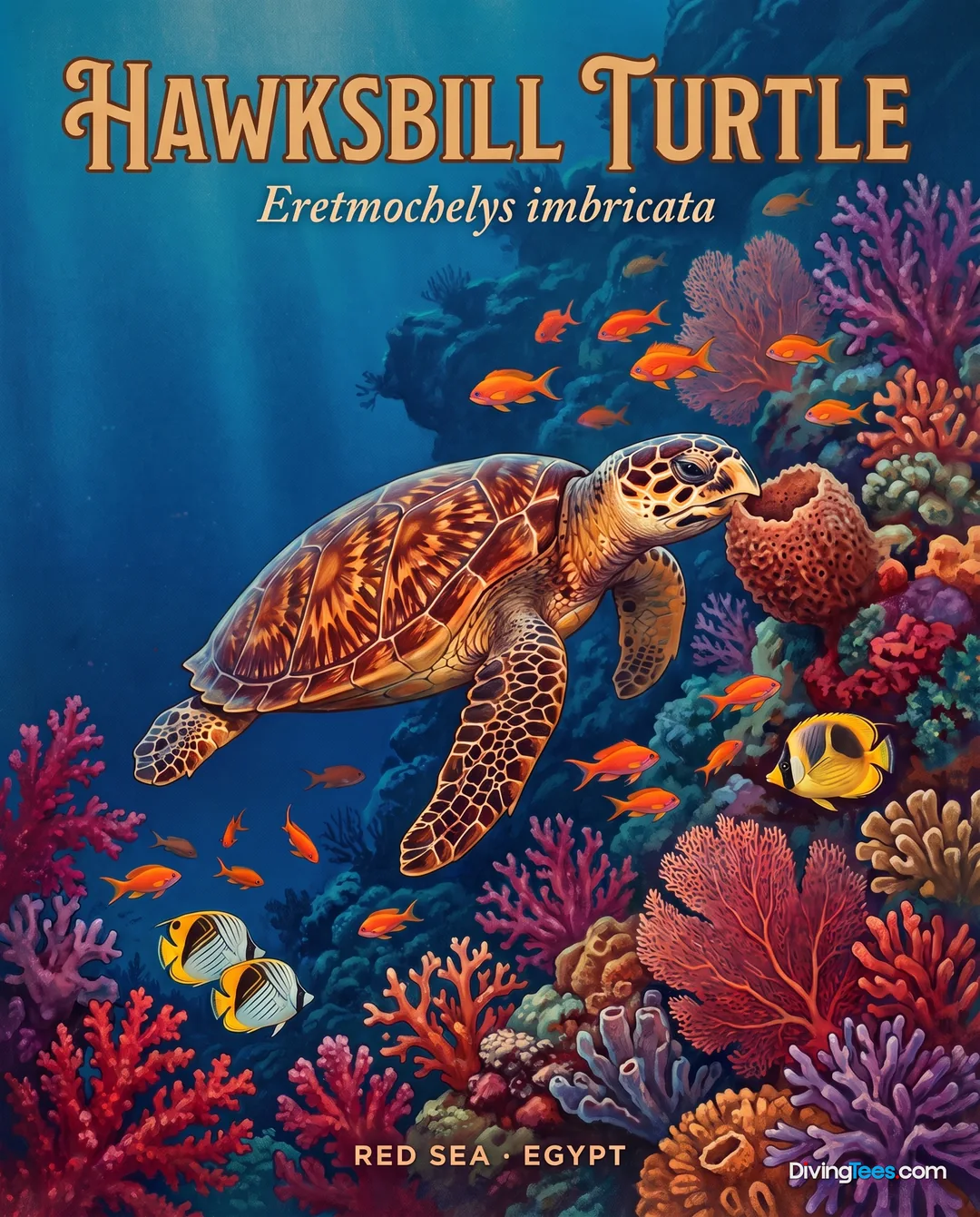
The marine life in this region is exceptionally diverse, with many species appearing year-round. You will encounter a variety of large pelagics and reef residents, including sharks (Selachimorpha), eagle rays (Aetobatus), and various species of turtles (Cheloniidae). Spinner dolphins and rays (Batoidea) are also frequent visitors to the area.
On the reef, the ecosystem is built upon a foundation of brain corals, sponges, and various algae. You can observe many different types of fish, such as angelfish (Pomacanthidae), groupers (Epinephelus), and surgeonfish (Acanthuridae), alongside colourful reef fish and various crustaceans.
Macro enthusiasts will find plenty to observe among the crevices and sandy patches. This includes the coconut octopus, seahorses (Hippocampus kuda), and nudibranchs (Chromodoris willani). You may also spot moray eels (Muraenidae) and lobsters (Homaridae) tucked into the rocky structures.
The best time to visit the island is between March and July, when the sea remains calm on both sides of the island. During this period, you can expect visibility to range between 25 and 40 metres.
It is generally advised to avoid August and September due to increased wind and rougher seas, which can reduce visibility. Similarly, the end of December and January can see rougher conditions in the Mer de Dentro. Between November and March, there is also the possibility of strong swells occurring for a few days a year.
Hello, I'm Marina, DivingDeal.com's AI assistant. I answer in detail about hotels, dive centres and liveaboards.

Thinking about the whole trip and the flights? Talk it over with Edith →
Marina is an AI. Some links are affiliate links: DivingDeal may earn a commission, at no extra cost to you. Bookings are made with the partner.
★ 9.7/10 (346 reviews)
less than 1 km away as the crow flies
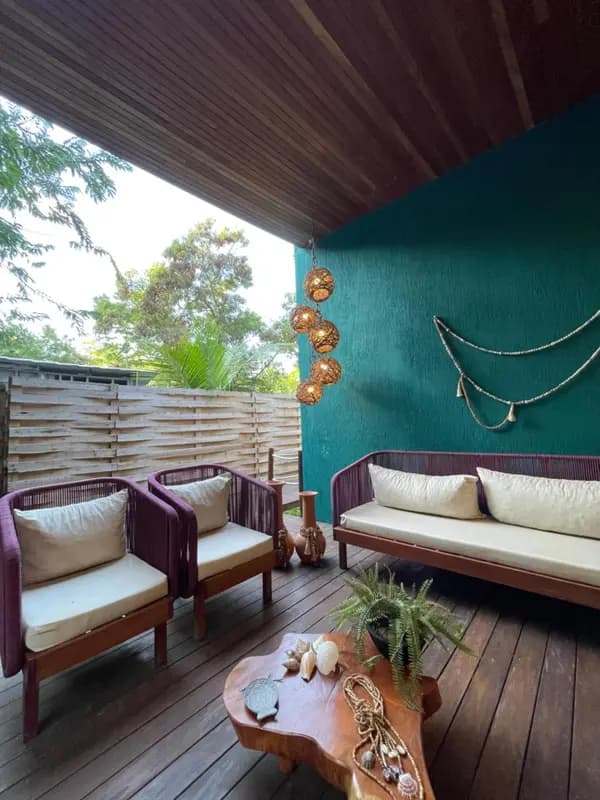
★ 9.4/10 (307 reviews)
less than 1 km away as the crow flies
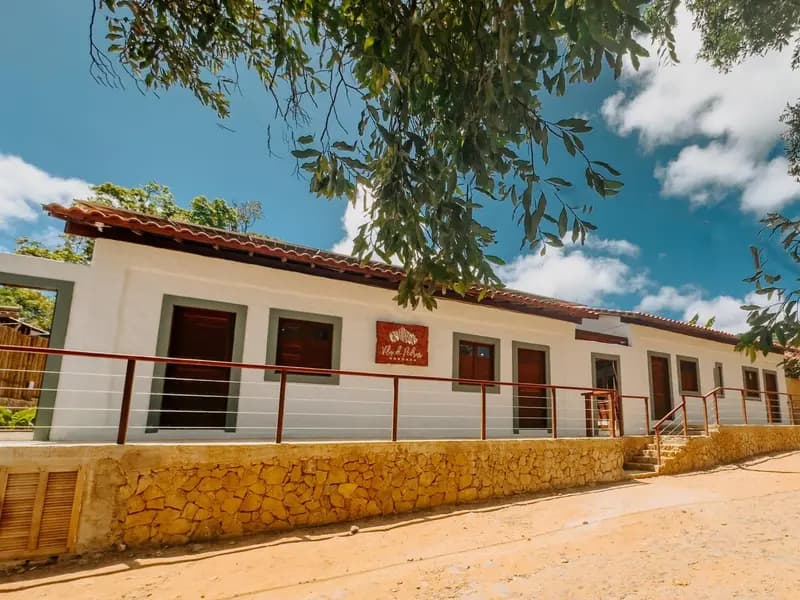
★ 9.3/10 (134 reviews)
less than 1 km away as the crow flies
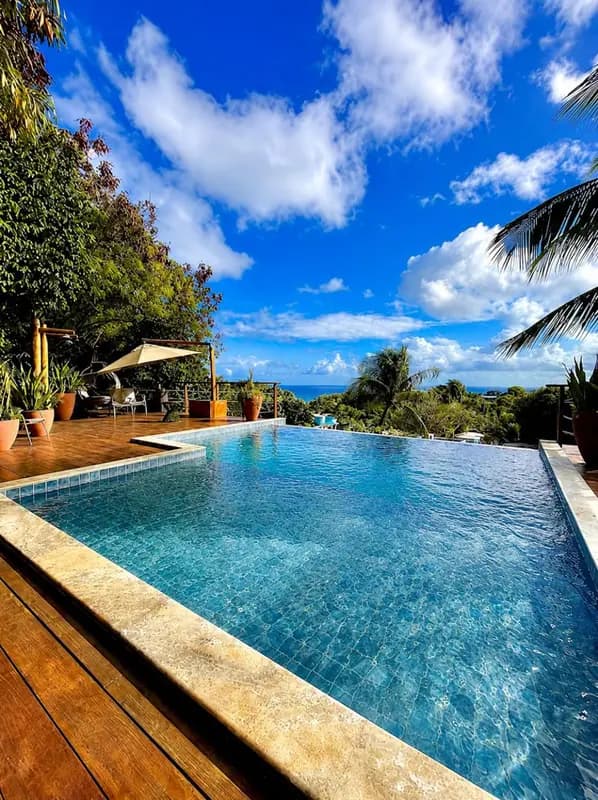
★ 8.8/10 (188 reviews)
less than 1 km away as the crow flies
Your last day stays dry: no diving in the 18-24 hours before a flight the perfect window to see the destination from another angle.
 City
City⏱ 8 h · ★ 5.0 (11 reviews)
from €290
see on Viator ↗
 Culture
⏱ 7 h · ★ 4.3 (16 reviews)
from €105
see on Viator ↗
 Nature
⏱ 3 h · ★ 5.0 (1 reviews)
from €75
see on Viator ↗
 Culture
⏱ 7 h
from €100
see on Viator ↗
Ratings and reviews collected by Viator and Tripadvisor.