Cano Island · Costa Rica · Americas
Max. depth · 35 mDiablo Deep: Caño Island's Pinnacle for Pelagics
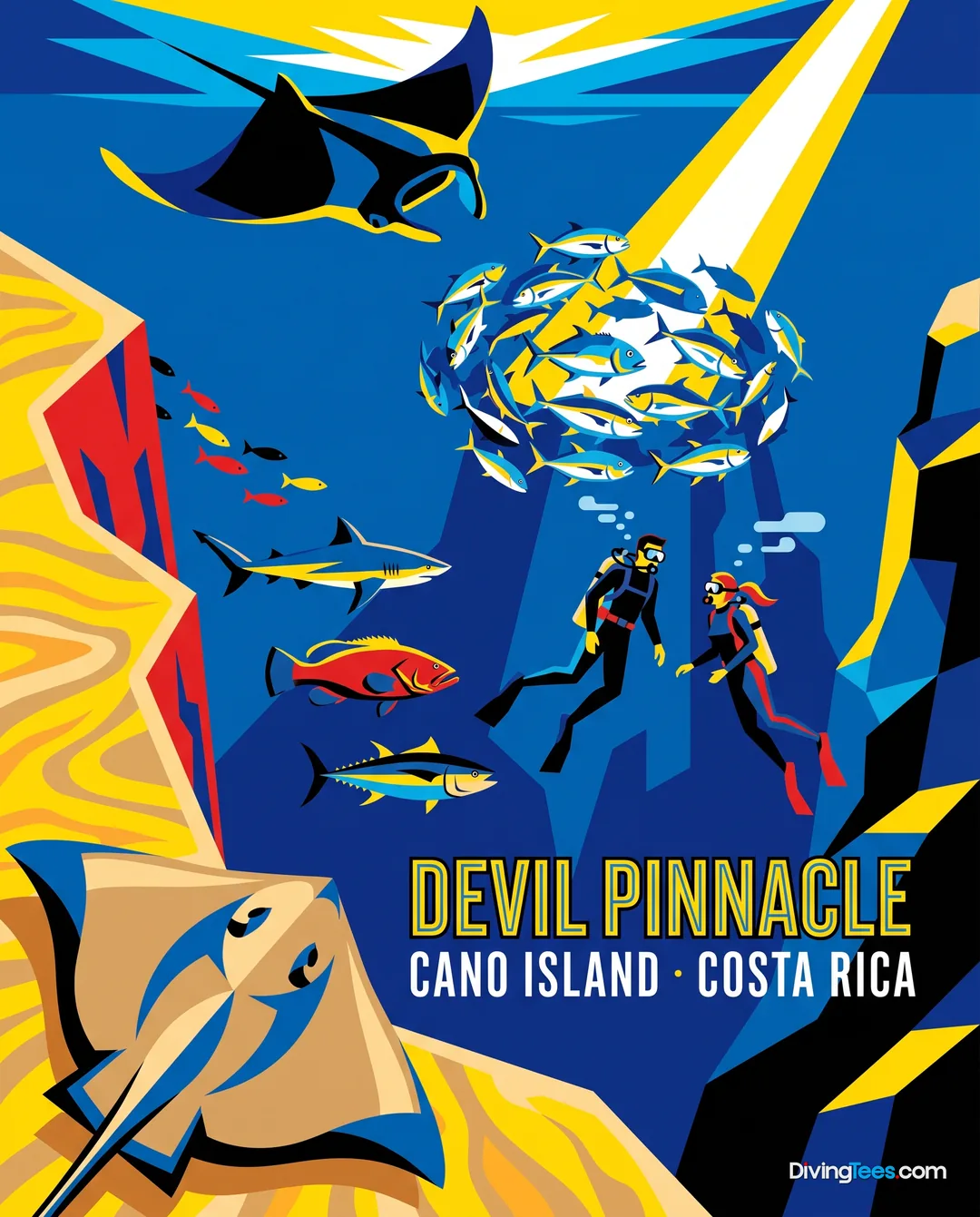
Descend onto Diablo Deep, an offshore pinnacle rising from profound depths, where you can encounter significant pelagic activity, from hammerheads to manta rays.
What makes this site special
- Offshore pinnacle with vertical walls and canyons
- Encounters with whitetip, hammerhead, and blacktip sharks
- Manta rays, mobula rays, and eagle rays frequently sighted
- Large schools of barracuda, jackfish, and tuna
- Excellent visibility, typically 20-30 meters
- Deeper sections attract larger pelagic predators
- Accessible by boat, no shore access
Diablo Deep about the site
Diablo Deep is an offshore pinnacle formation, a series of rock structures that rise dramatically from the deep waters surrounding Caño Island. Unlike shallower reef dives, this site’s topography features vertical walls, carved canyons, and channels, with sandy areas at its base. It’s a larger site than a single, isolated rock, allowing for different dive profiles and approaches depending on the prevailing conditions and what you're looking to explore.
The dive here begins with a descent directly from the boat, dropping onto a structure that immediately brings you into contact with open water. As you follow the contours of the pinnacles, you'll find depths ranging from a minimum of 20 meters, extending down to 35 meters. This depth profile and the exposed nature of the site contribute directly to the type of marine life you're likely to encounter, positioning it as a distinct experience from the more sheltered reef dives of the island.
The currents at Diablo Deep are generally moderate, though they can pick up significantly due to its offshore location and exposure. You'll often feel a stronger push here compared to other Caño Island sites, particularly when tidal flows are active. This current, while requiring attention, is also a key factor in attracting the larger pelagic species that define this dive. Being mindful of your position relative to the pinnacle and the current flow is essential for a safe and controlled dive.
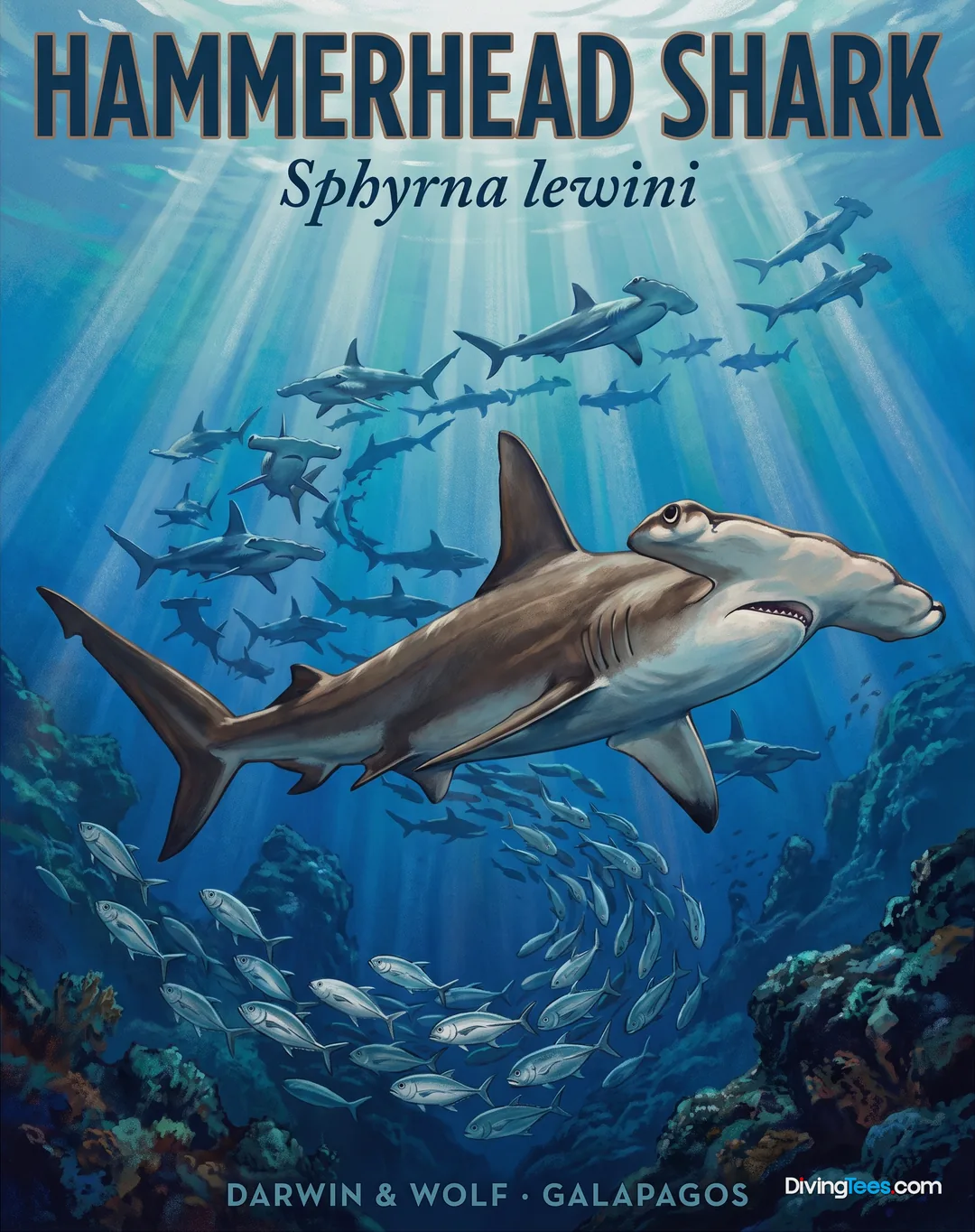
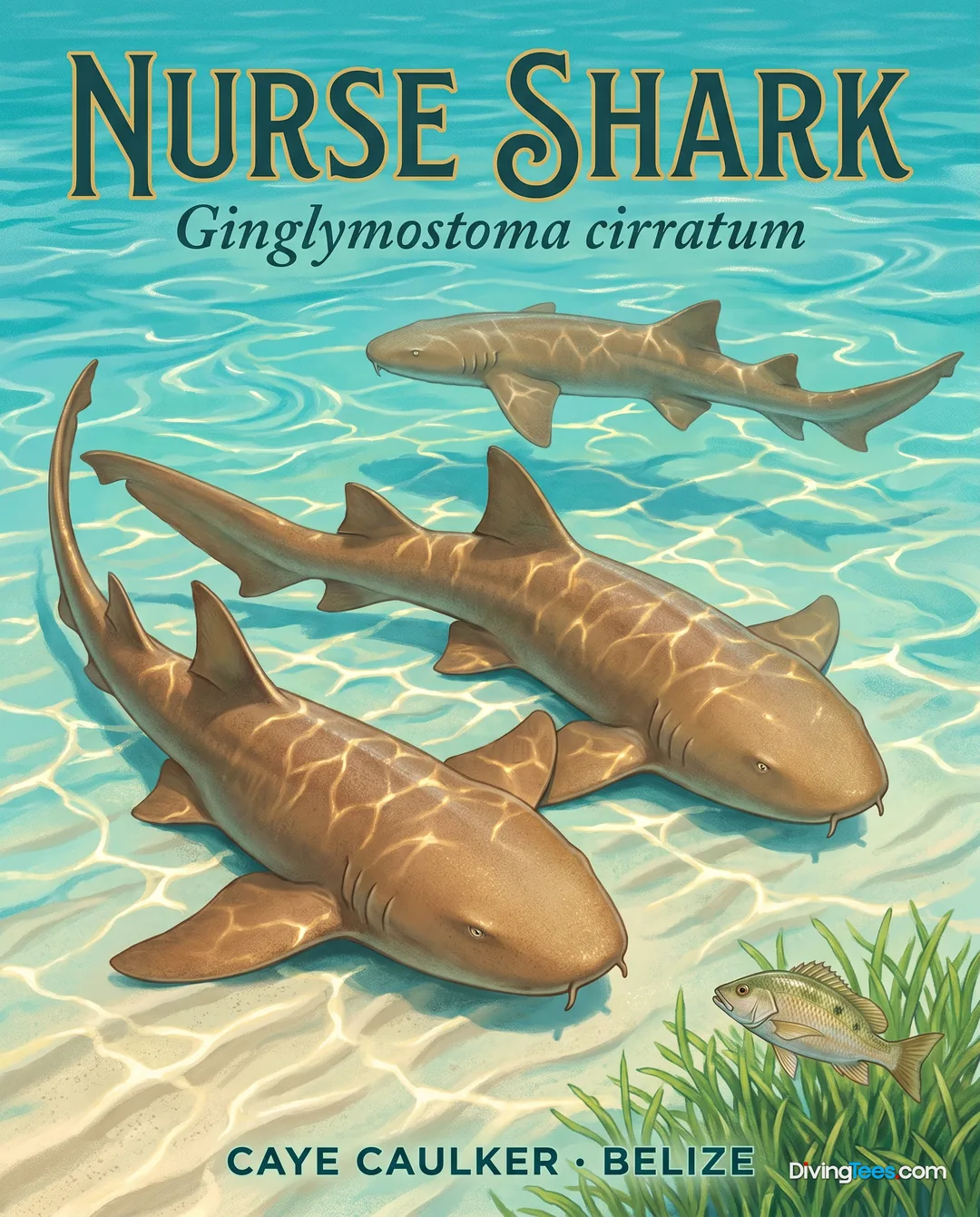
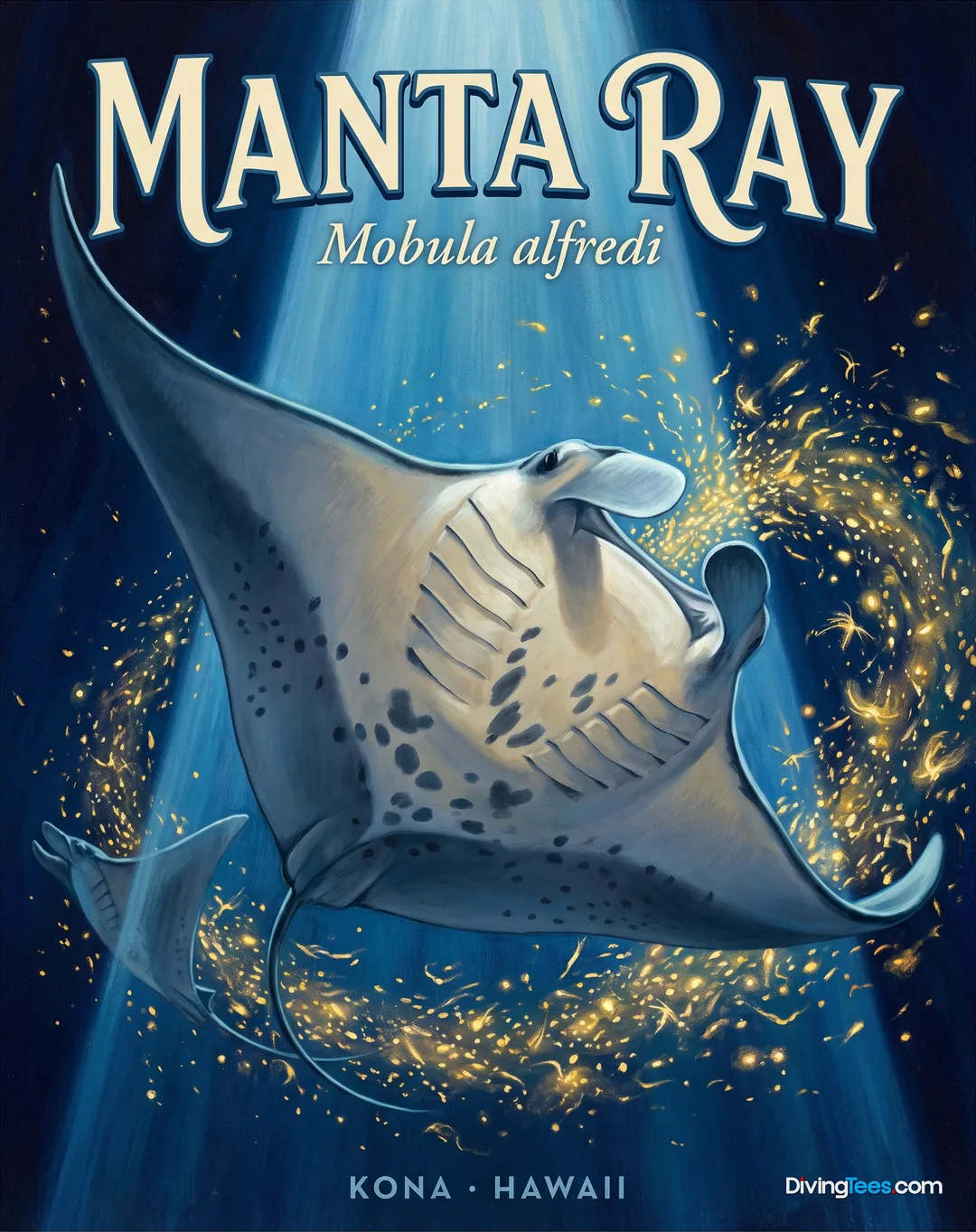
This site is consistently noted for its high probability of large animal encounters. You'll frequently see whitetip reef sharks (Triaenodon obesus) around the rock formations and, depending on the season, hammerhead sharks (Sphyrna lewini) and blacktip sharks (Carcharhinus limbatus) are also reported. Nurse sharks (Ginglymostoma cirratum) can sometimes be found resting in the overhangs or sandy depressions, and the chance of spotting various rays—manta rays (Manta birostris), mobula rays (Mobula spp.), and eagle rays (Aetobatus narinari)—is a significant draw.
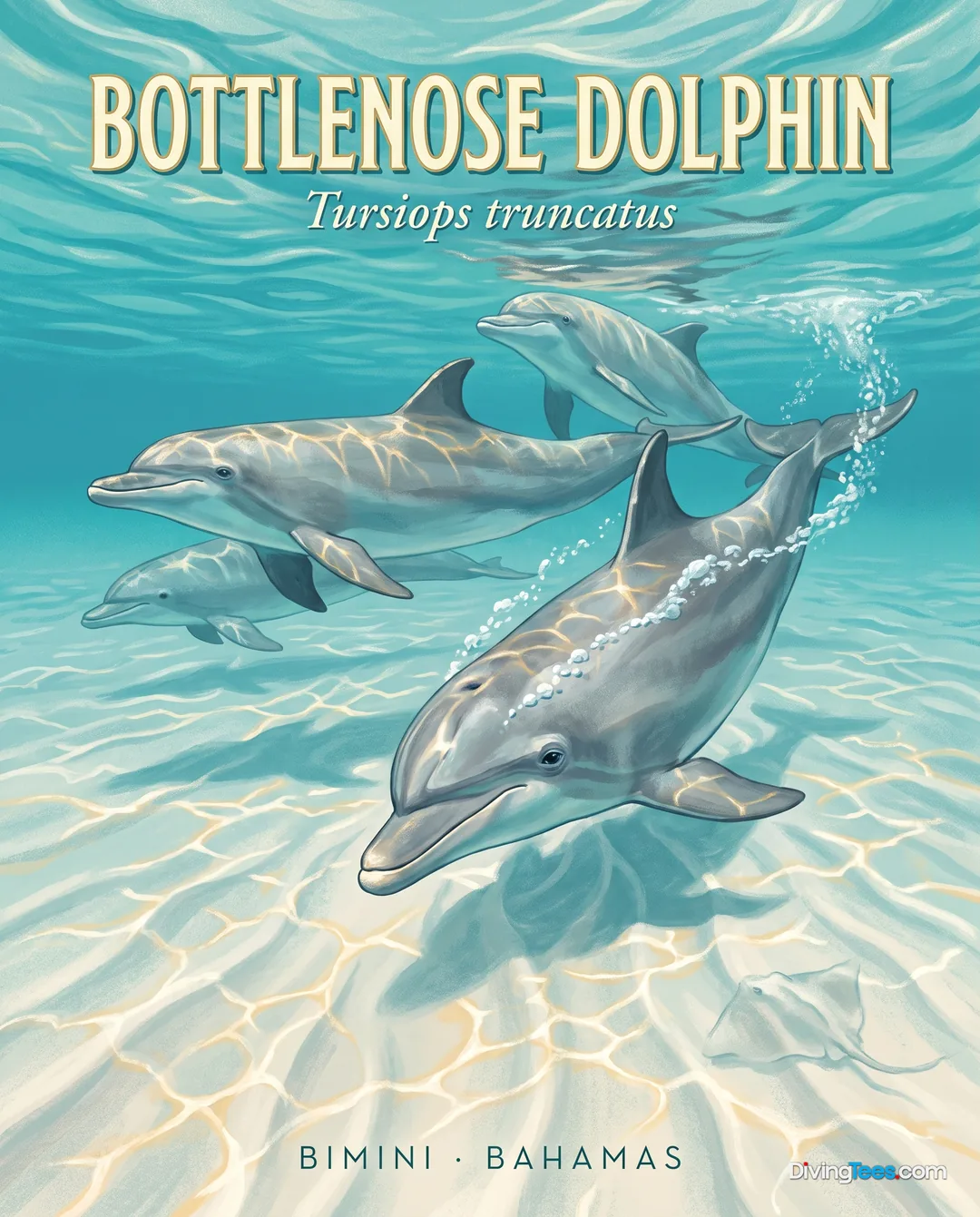
Beyond the sharks and rays, the currents also bring in schools of barracuda (Sphyraena barracuda), jackfish (Caranx spp.), snapper (Lutjanus spp.), tuna (Thunnus spp.), and wahoo (Acanthocybium solandri). These schooling pelagics often form dense aggregations, creating a dynamic environment as they feed in the open water. Keep an eye on the blue during your safety stop, as dolphins and even whales are occasionally sighted in transit, especially during their migratory periods.
Visibility at Diablo Deep typically ranges between 20 to 30 meters, providing clear views of the extensive rock structures and the surrounding open ocean. This excellent visibility is crucial for appreciating the scale of the pinnacle and for spotting the larger marine life that patrols the deeper sections. Moray eels (Muraenidae) and various turtles (Cheloniidae) are also resident here, adding to the diversity of the reef-associated fauna on the pinnacle itself.
What sets Diablo Deep apart from other sites around Caño Island is its sheer scale and the consistent opportunity for close encounters with significant pelagic life. It’s deeper and more exposed, making it a prime location for oceanic sharks and large schooling fish that prefer the open water. This focus on larger predators and pelagic action makes it a signature dive, distinct from the shallower, reef-focused sites in the area, and a reason divers seek it out.
The deeper sections, sometimes referred to as 'Bajo del Diablo Deep,' are where the larger predators are most frequently reported, particularly the hammerheads. Planning your dive to explore these deeper zones, while staying within your no-decompression limits, offers the best chance to witness these apex predators. During the months of December to March, the probability of encountering manta rays increases, while sporadic whale and dolphin sightings are more common from July to November.
Diving Diablo Deep: the marine life you’ll meet
Diving conditions
Dive depth at Diablo Deep ranges from 20 meters to a maximum of 35 meters. This site requires an Advanced certification, and prior experience with currents is strongly recommended due to its exposed nature. Visibility generally holds between 20 to 30 meters. For manta ray encounters and increased hammerhead activity, the best season is typically from December to March. Occasional whale and dolphin sightings are more common between July and November.
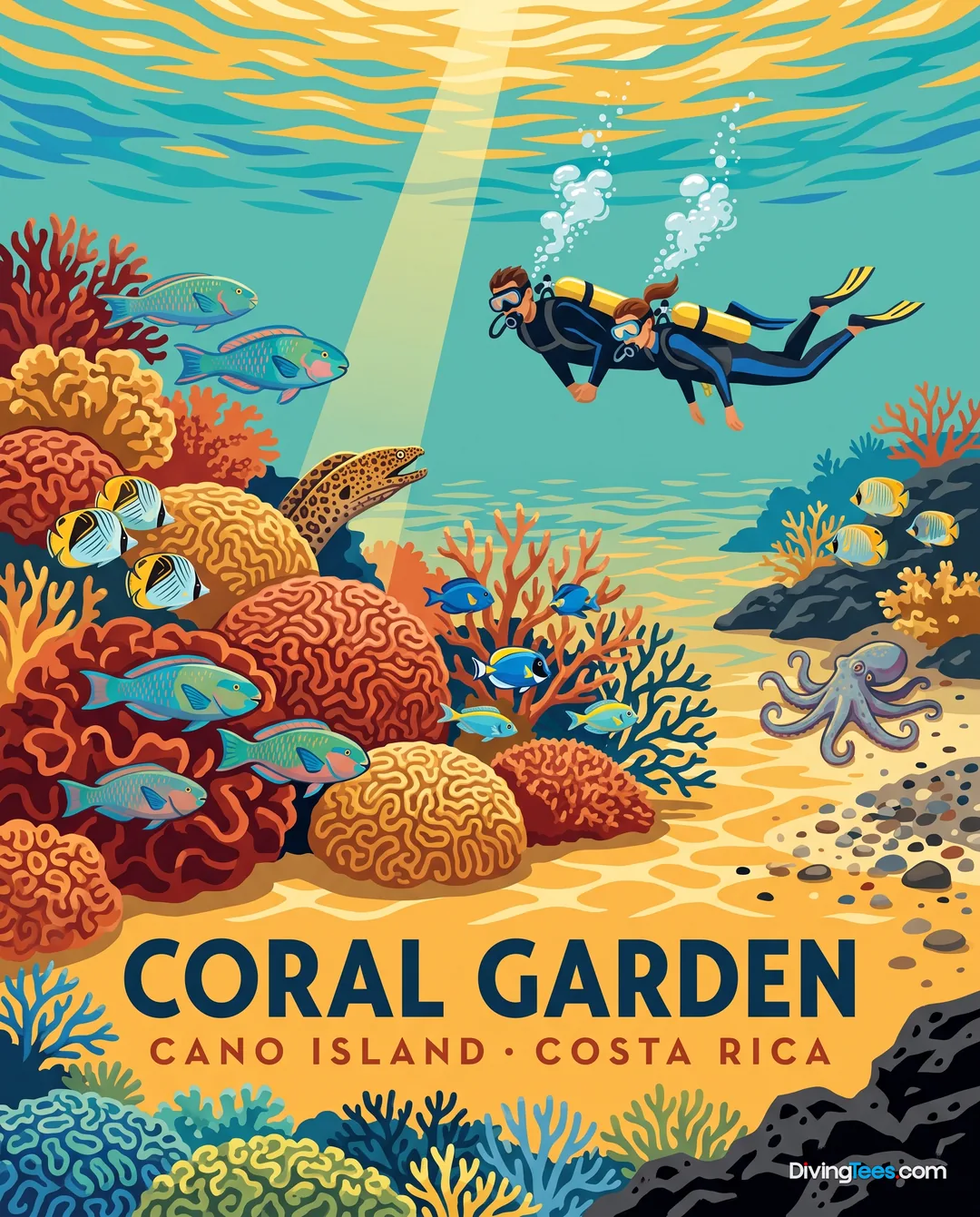
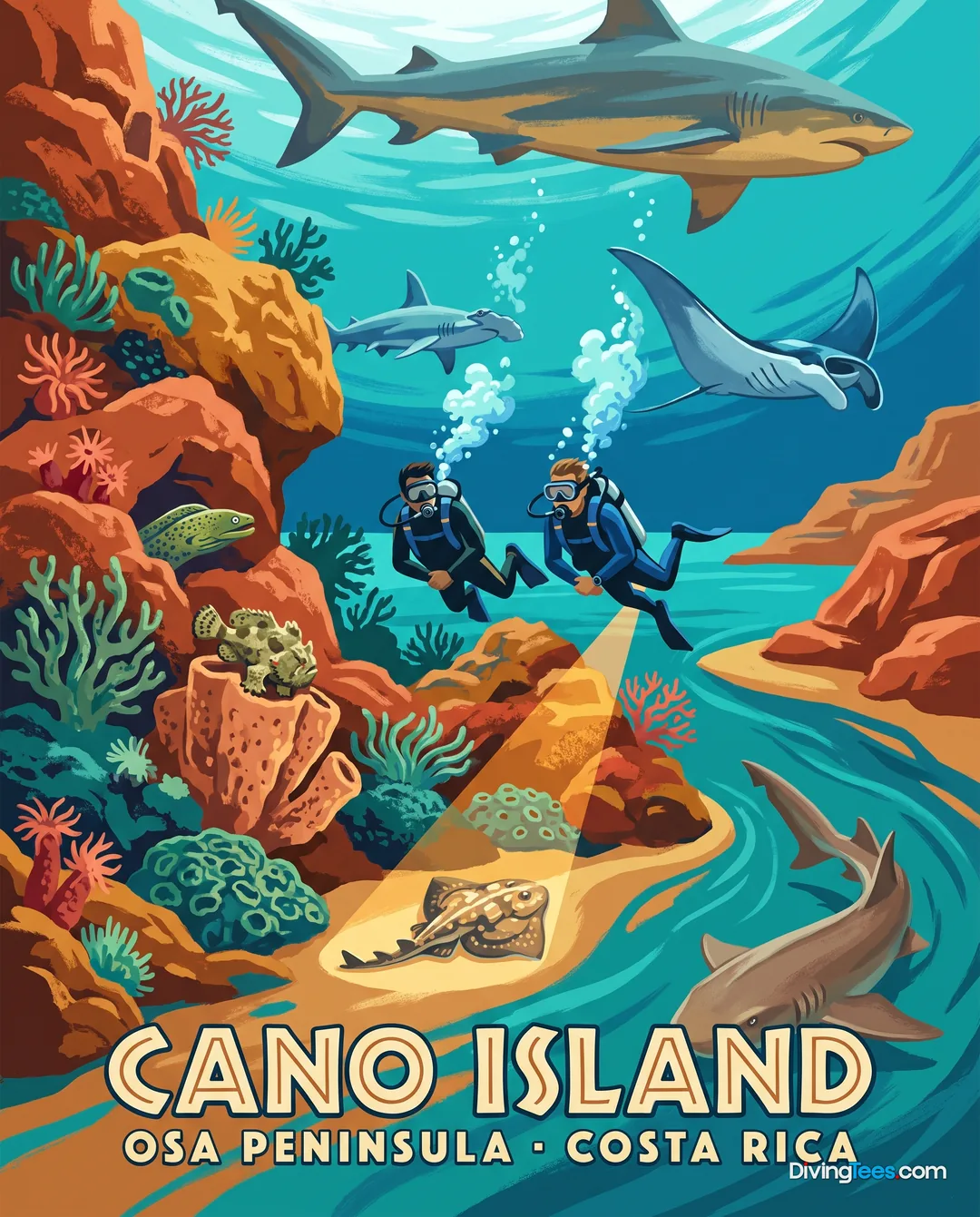
Three dives not to miss
Map of dive sites and dive centres in Cano Island
Frequently asked questions about Diablo Deep
When should you dive Diablo Deep for the main seasonal encounters?
December to March is the season associated with increased manta ray and hammerhead activity at Diablo Deep. From July to November, whale and dolphin sightings are more common. Conditions and encounters can vary, but these periods indicate when particular pelagic animals are more frequently reported at the site.
What certification and experience do you need for Diablo Deep?
Diablo Deep requires Advanced certification. You should also have prior experience with currents, because this offshore pinnacle is exposed and can receive a stronger push than other Caño Island sites. The site is reached by boat and has no shore access, with diving beginning directly from the boat.
How deep is Diablo Deep, and what current should you expect?
Diablo Deep ranges from 20 to 35 meters, with deeper sections around the pinnacle. Currents are generally moderate but can increase significantly because of the site’s offshore exposure, particularly when tidal flows are active. You need to monitor your position relative to the pinnacle and current flow throughout the dive.
What marine life and underwater features can you see at Diablo Deep?
At Diablo Deep, you can explore vertical walls, canyons, channels, and sandy areas around an offshore pinnacle. Sightings include whitetip, hammerhead, blacktip, and sometimes nurse sharks, plus manta, mobula, and eagle rays. Schools of barracuda, jackfish, snapper, tuna, and wahoo are also reported, with moray eels, turtles, dolphins, and occasional whales.