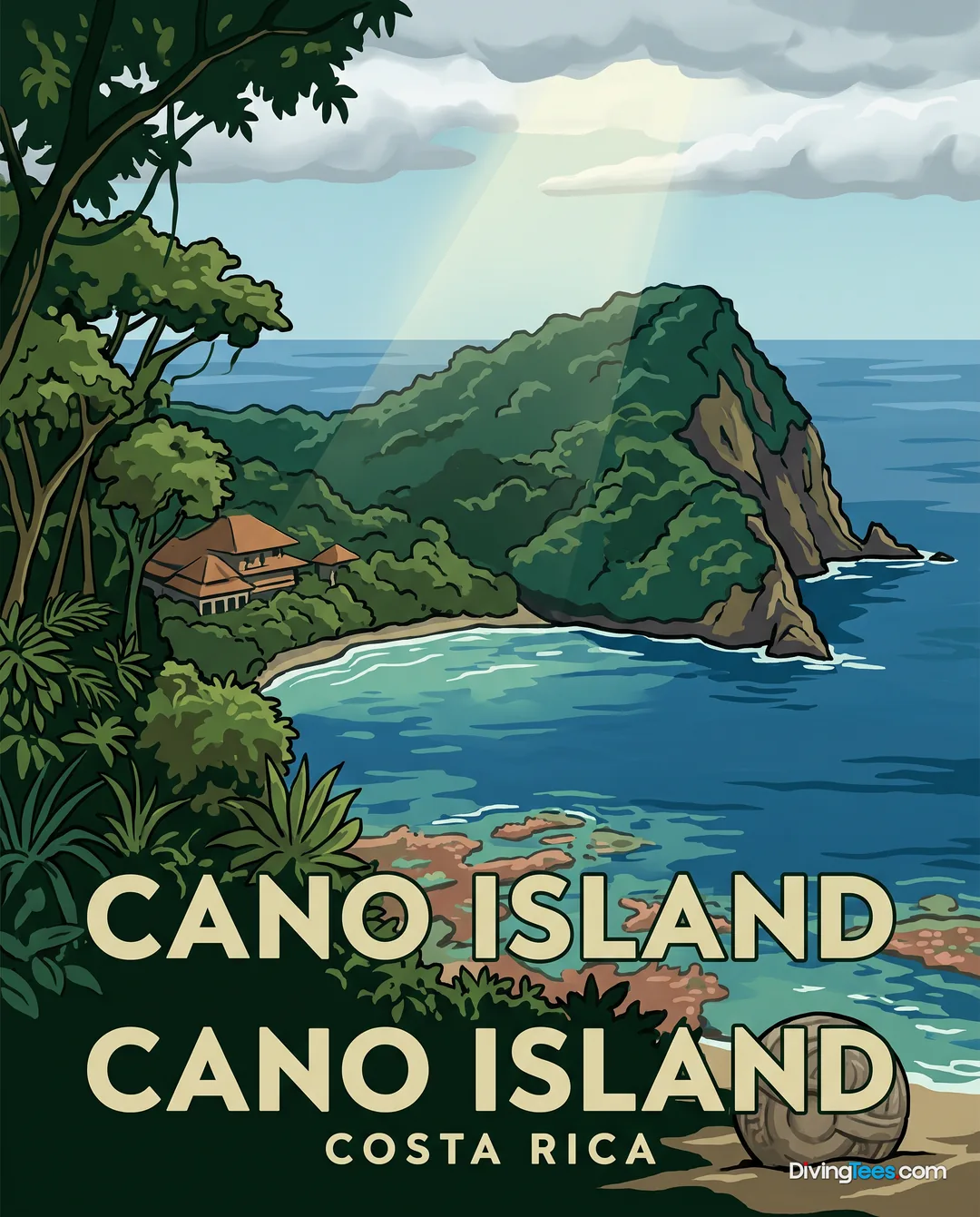
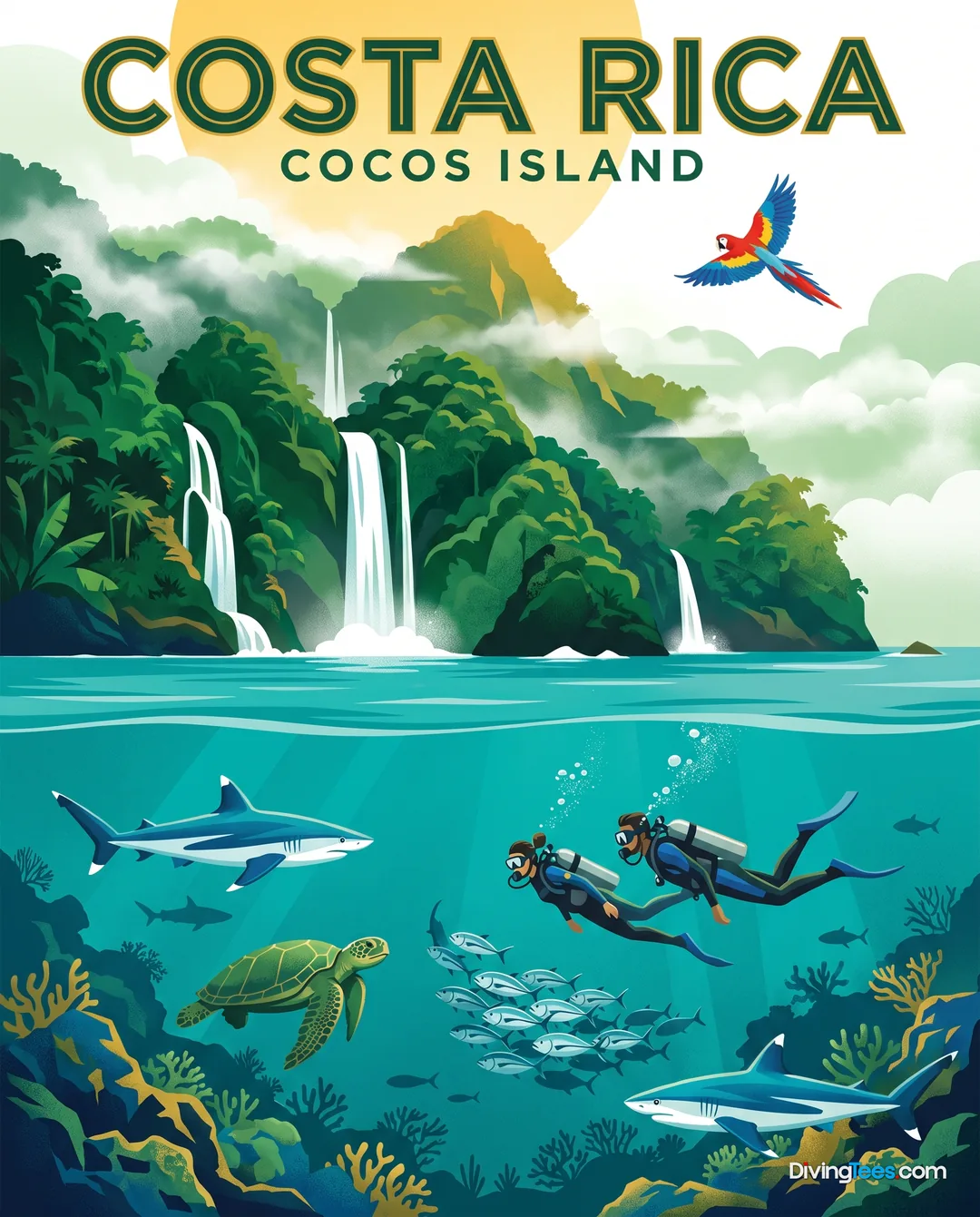
Cano Island · Costa Rica · Americas
Max. depth · 40 mCaño Island, Osa Peninsula: Diving Costa Rica's Marine Reserve
Caño Island offers a dive experience ranging from calm reef exploration to encounters with schooling pelagics and sharks in current-swept channels.
What makes this site special
- Encounters with white-tip reef sharks, bull sharks, and hammerheads.
- Observation of manta and mobula rays.
- Diverse topography from coral gardens to rocky pinnacles.
- Vibrant reef life including moray eels and frogfish.
- Good visibility, generally between 20 and 25 metres.
- Protected marine reserve with strong marine life concentrations.
Caño Island about the site
Caño Island is less a single dive site and more a cluster of distinct experiences within a protected biological reserve. The topography beneath the waves here is a mix of reef slopes, prominent rocky mounds, and sandy areas, all contributing to a vibrant ecosystem. You'll find established coral gardens that shelter smaller reef life, alongside channels and reef edges where the action often picks up. The reserve's layout means you can move from a sheltered, calm reef to a more exposed, current-prone location, all within a short distance, offering varied conditions and marine encounters.
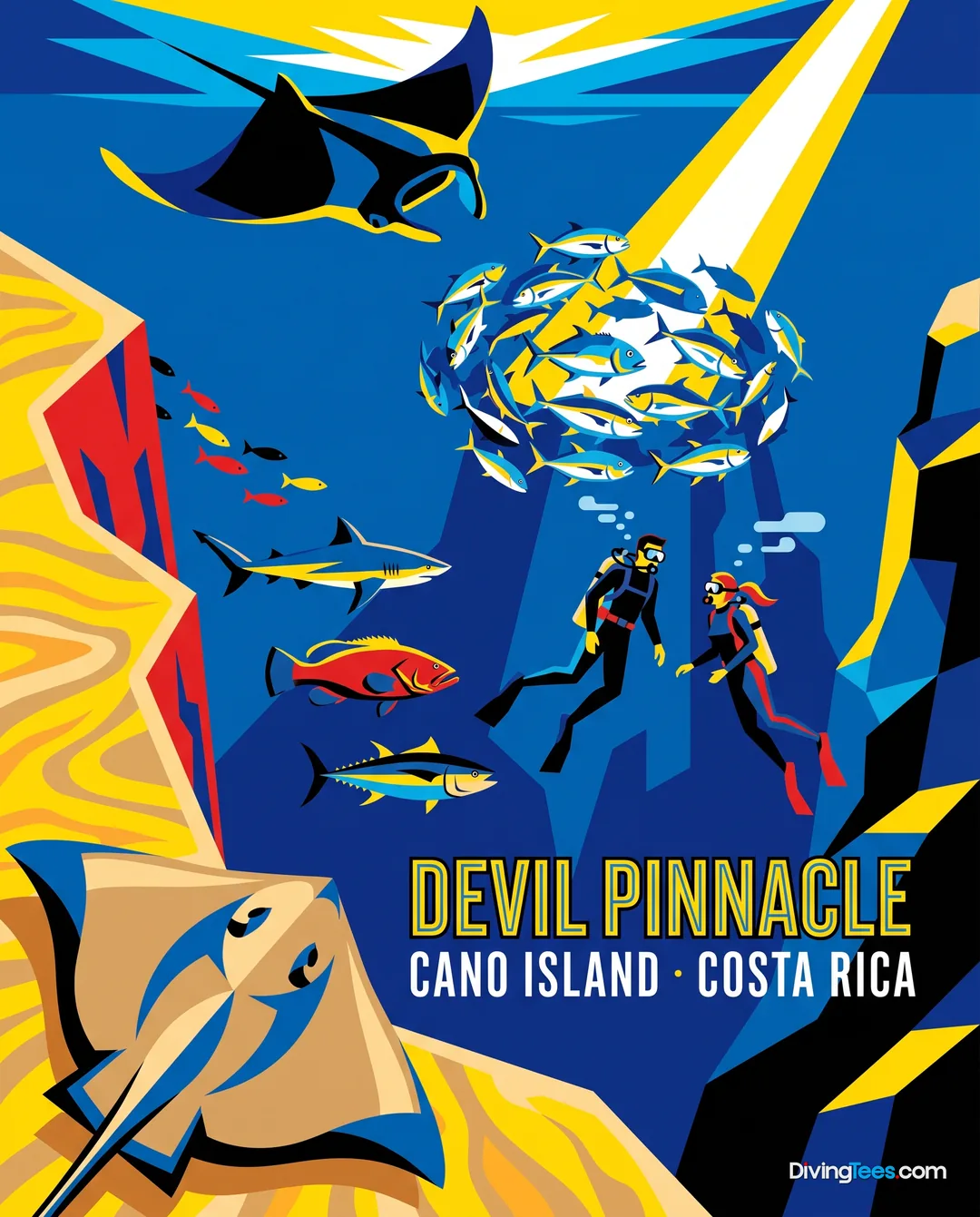
When descending at Caño Island, the dive profile varies significantly depending on the specific location chosen. Some sites offer a gentle slope, perfect for exploring the resident reef fish and finding moray eels tucked into crevices. Other locations, like the well-known Bajo del Diablo or Lighthouse, feature more dramatic topography with pinnacles and walls that drop down towards 40 metres. These deeper sections often serve as a highway for larger pelagics, and you'll find different marine life congregating at various depths, from the shallower reef tops to the sandy bottoms.
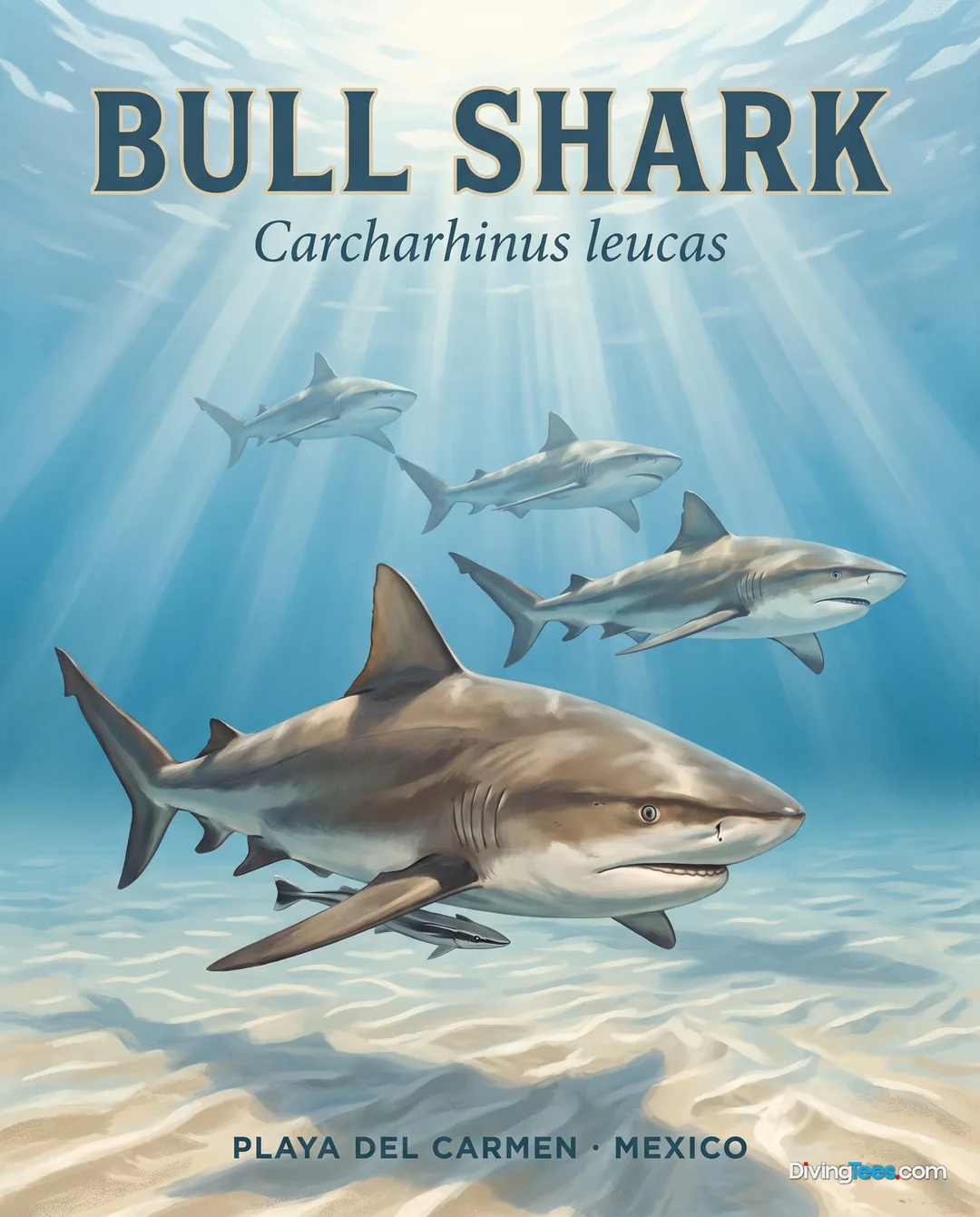
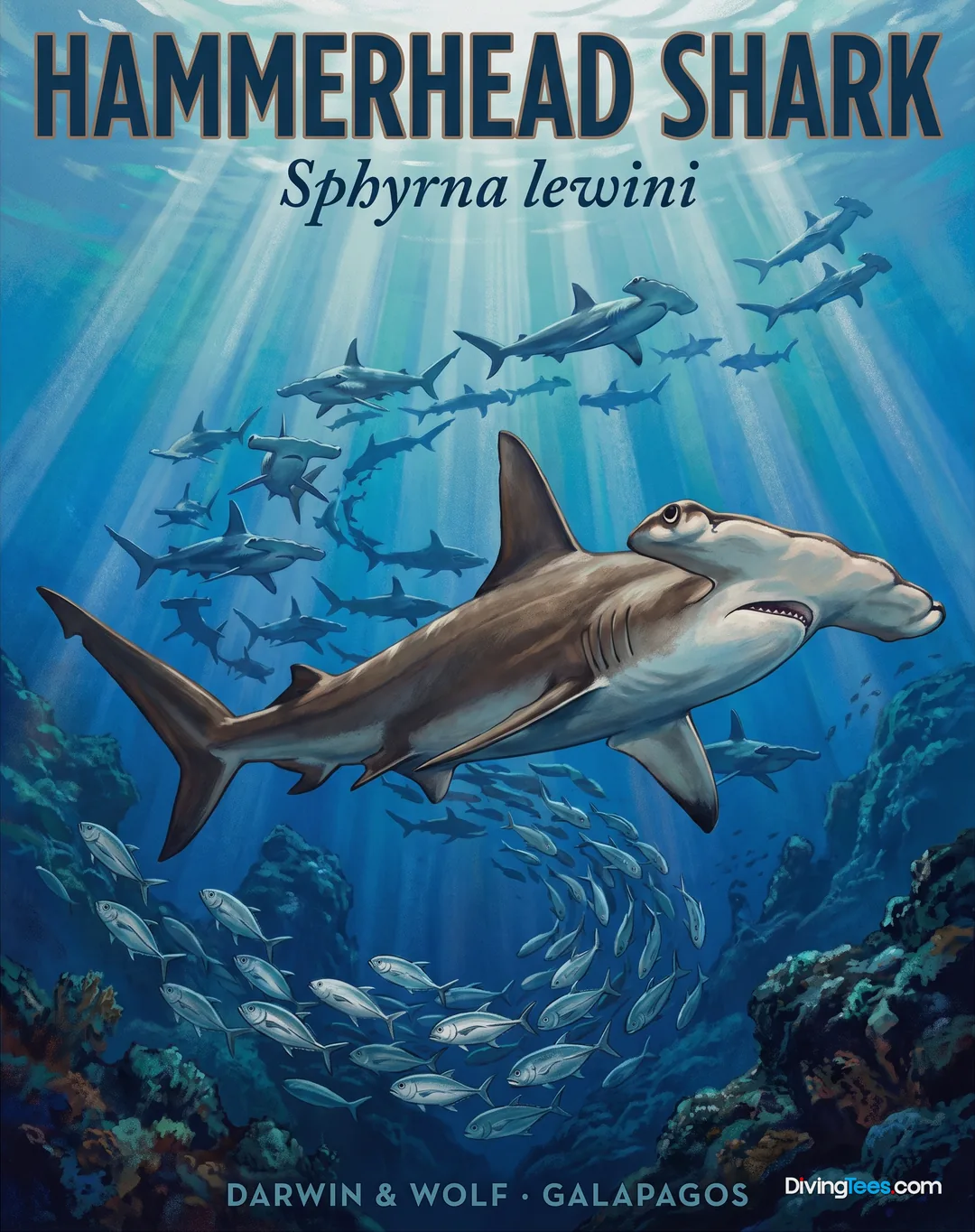
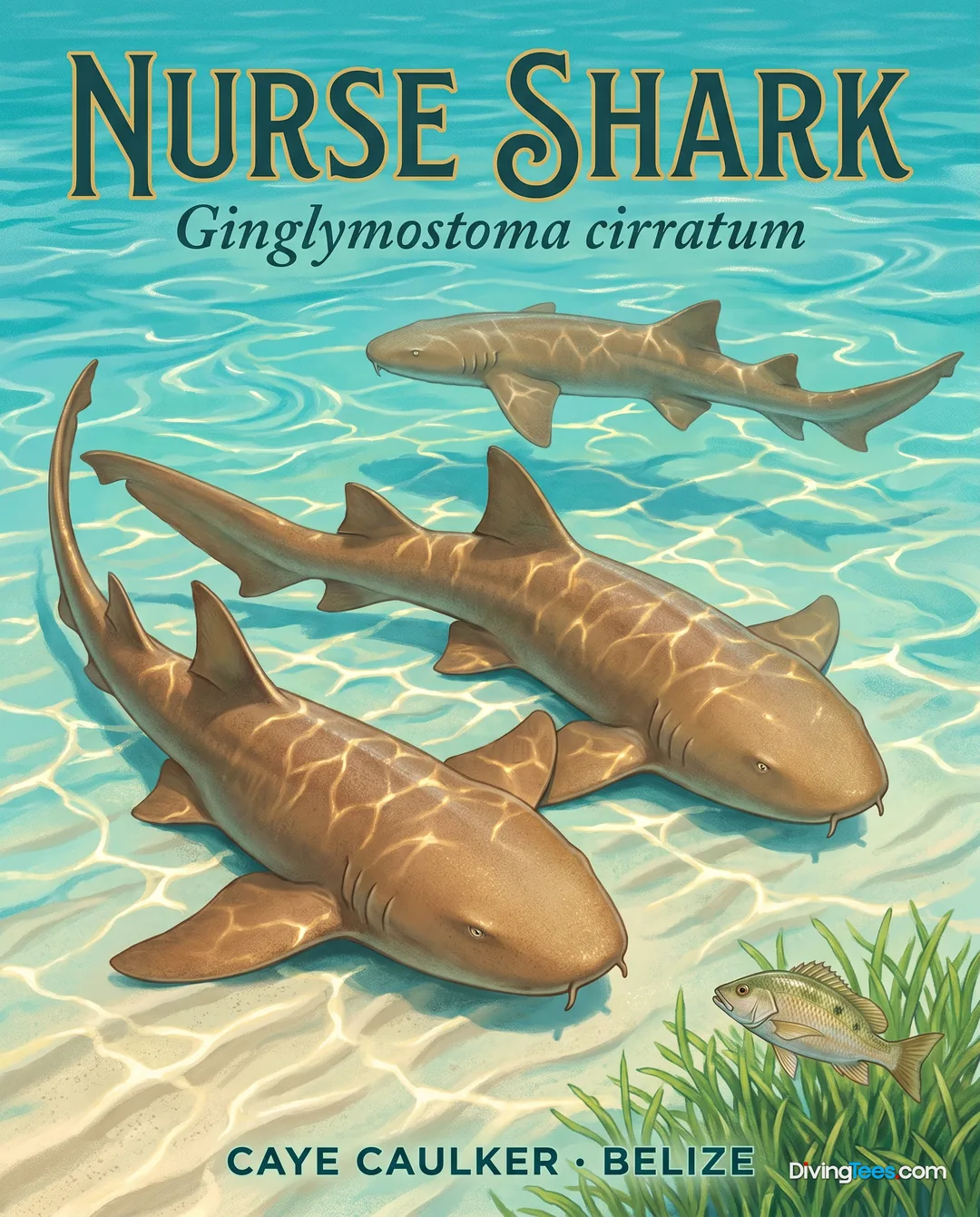
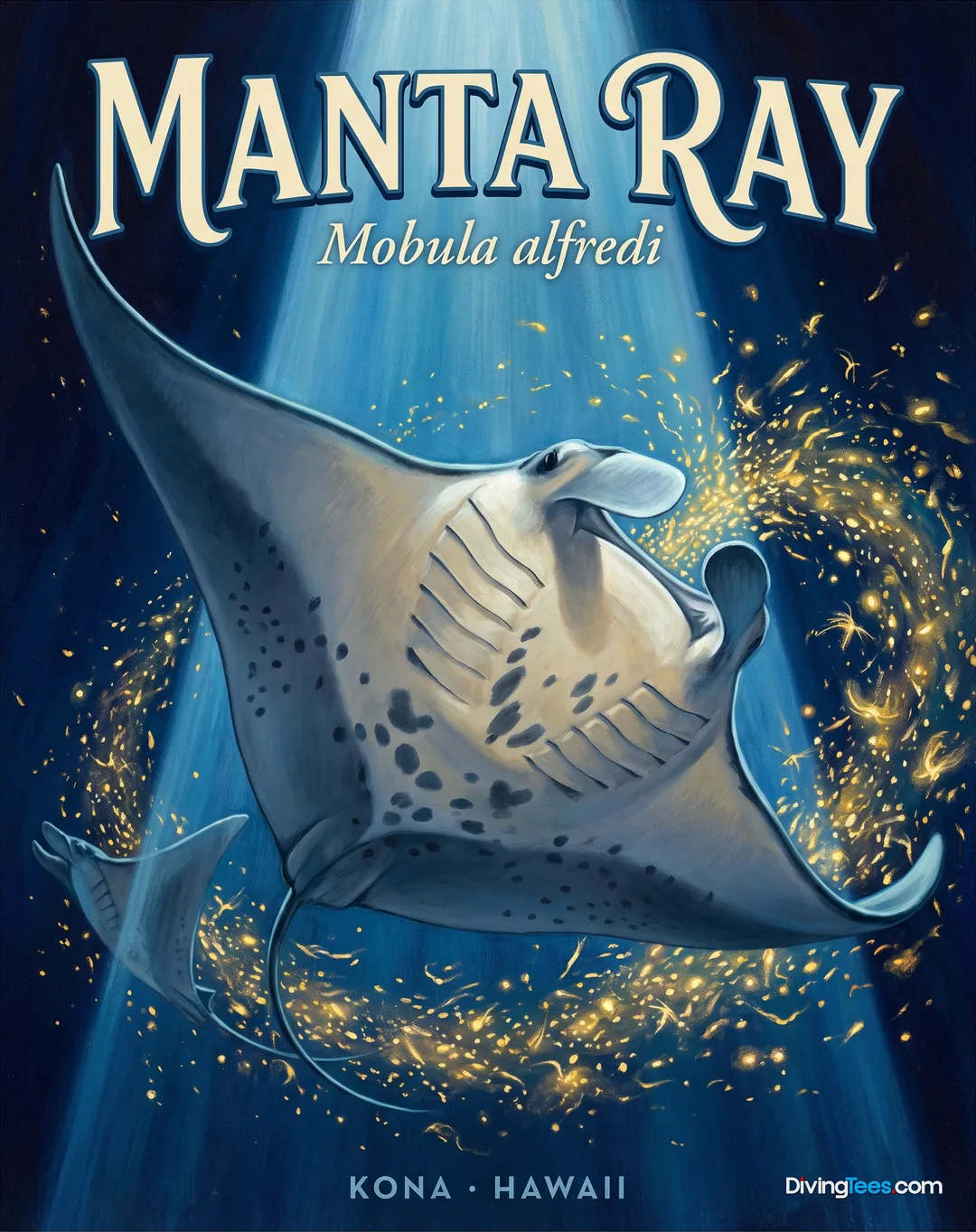
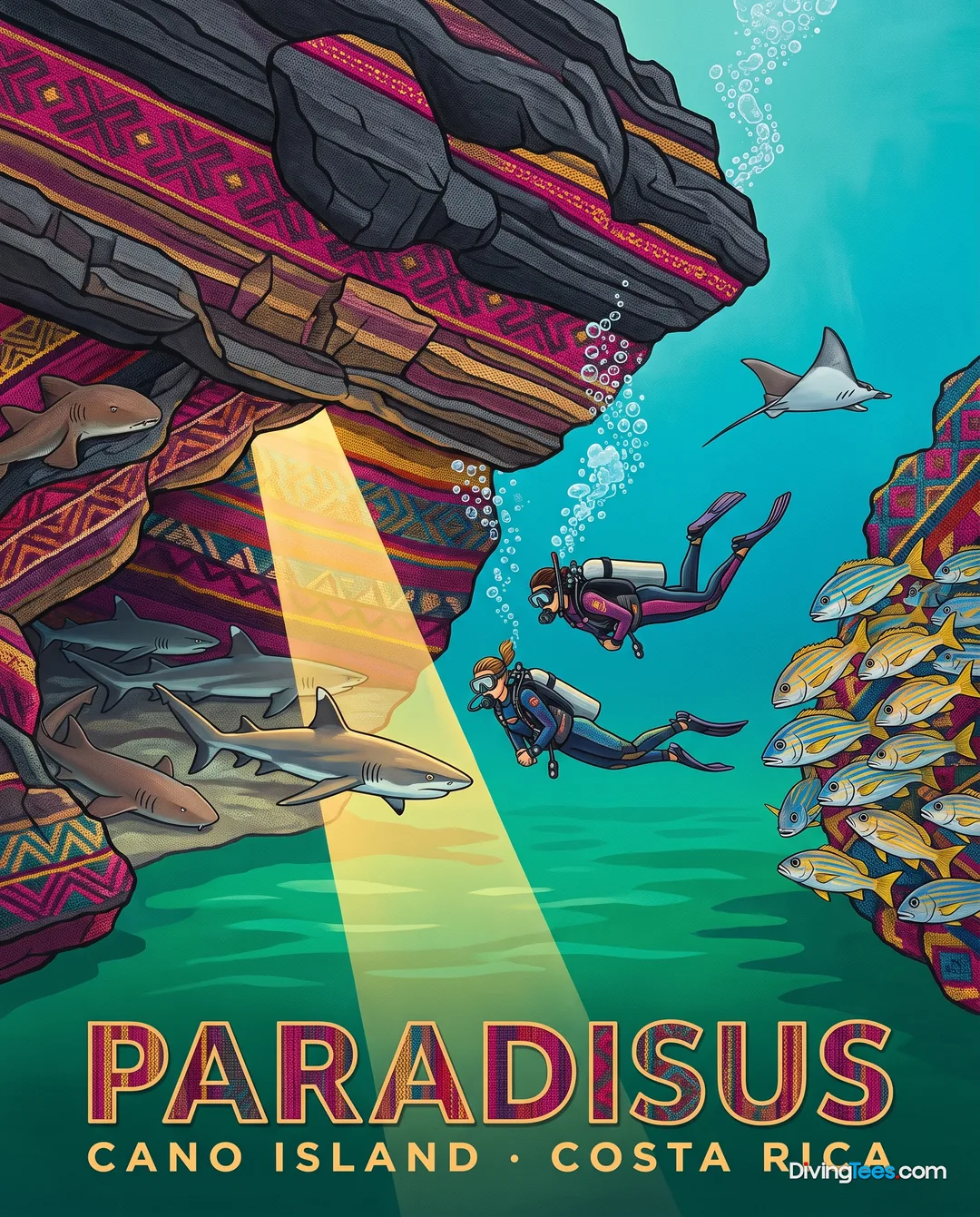
The pelagic encounters at Caño Island are a major draw, with white-tip reef sharks (Triaenodon obesus) a common sight, often resting on sandy patches or cruising the reef edges. Bull sharks (Carcharhinus leucas) are also present, particularly from May through November, and observing them move through their environment is a powerful experience. Scalloped hammerhead sharks (Sphyrna lewini) can appear, especially circling over seamounts or along deeper drop-offs, adding to the thrill of these dives. Mantas and mobula rays glide gracefully through the open water, often making passes overhead.
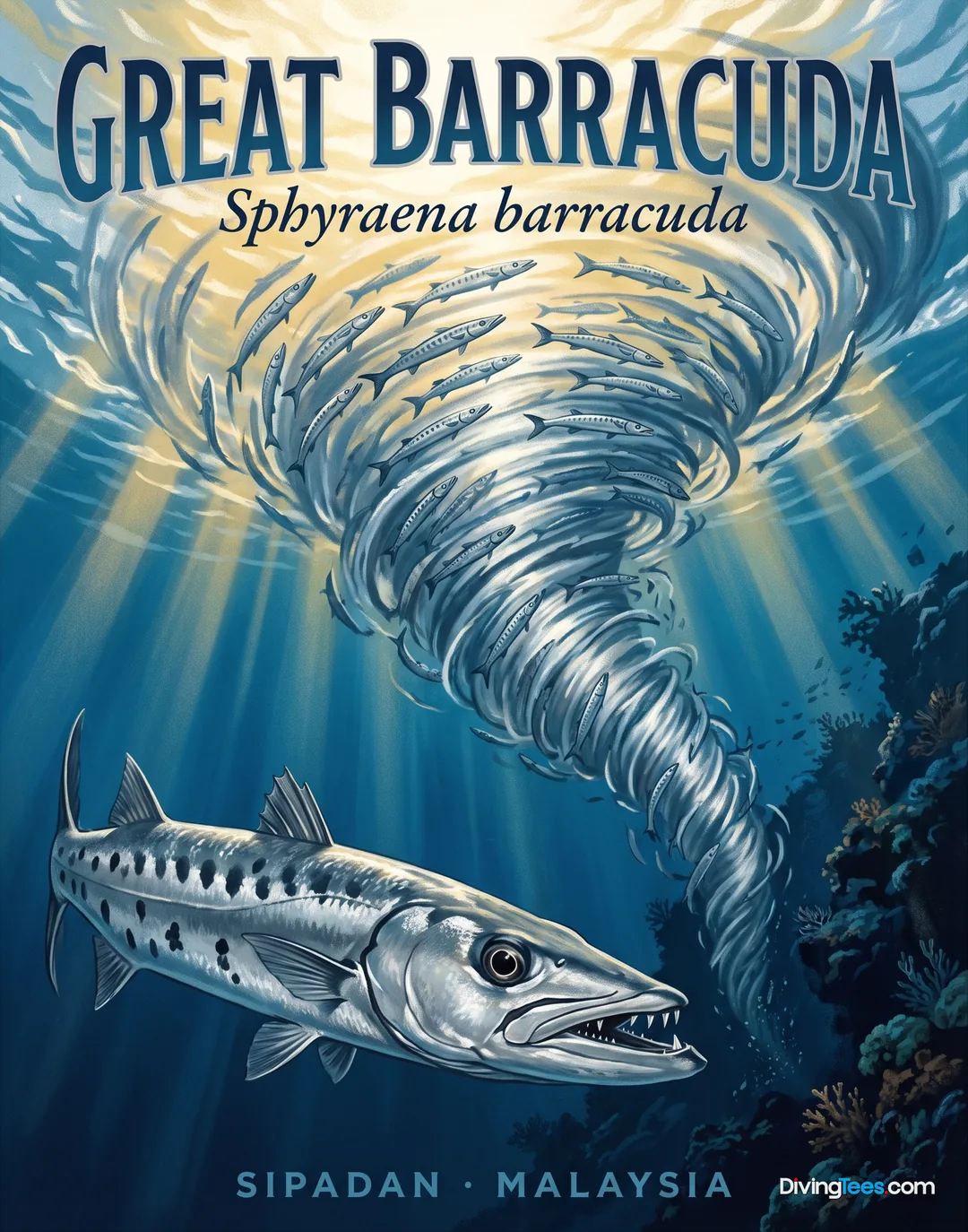
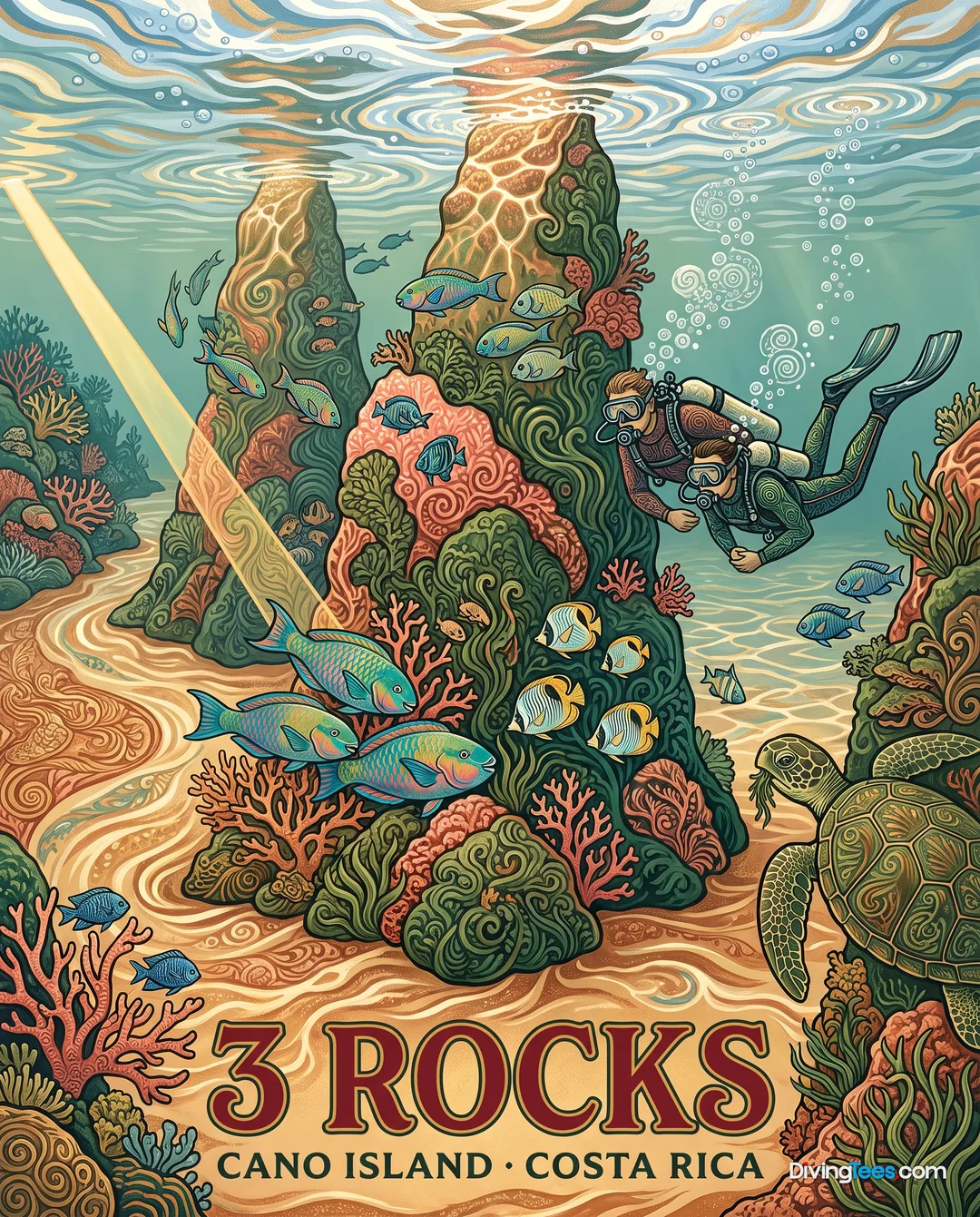
Beyond the larger predators, the resident reef life here is exceptionally rich for Costa Rica's Pacific coast. You'll navigate through schools of jacks and amberjack, with barracuda often hovering mid-water. Keep an eye out for sea turtles foraging on the reef and the colourful parrotfish. Closer inspections of the reef structure might reveal well-camouflaged frogfish and scorpionfish, while garden eels sway rhythmically from their sandy burrows. The presence of these diverse species, from the smallest invertebrates to the largest sharks, paints a complete picture of a healthy marine ecosystem.
Current conditions at Caño Island are quite variable. Many of the reef dives will present little to moderate current, allowing for relaxed exploration of the coral gardens and smaller inhabitants. However, sites like Bajo del Diablo or Lighthouse are known for their stronger currents, which can shift and challenge divers. These currents, while demanding, are also often responsible for bringing in the nutrient-rich water that attracts the larger pelagic species. Understanding the specific site's exposure and planning your dive accordingly is key to a rewarding experience here.
Visibility at Caño Island generally holds between 20 and 25 metres, providing clear views of the dynamic underwater landscape and its inhabitants. This clear water, combined with the island's status as a protected reserve, highlights its significance as a prime location for marine life. The clarity allows for excellent opportunities to observe the intricate behaviours of both the reef residents and the larger visitors, from schooling fish to the more solitary sharks and rays. It helps you take in the full scope of the underwater environment, from the intricate coral formations to distant pelagic activity.
What sets Caño Island apart from other dives in the region is its unique blend of calm, pristine reef environments and exciting, current-driven pelagic encounters. While the Osa Peninsula offers good diving, Caño Island consistently delivers more robust marine life concentrations, particularly when it comes to schooling fish and the variety of shark and ray species. The ability to choose between sheltered, relaxed reef dives and more advanced, current-swept spots ensures there’s something for various experience levels, making it a comprehensive dive destination.
Diving here provides a clear example of why marine protected areas are so vital. The health of the coral, the abundance of schooling fish, and the regular presence of larger predators underscore the effectiveness of conservation efforts. It's a place where you can witness the full food chain in action, from the smallest invertebrates to the apex predators, all in a dynamic and ever-changing environment. Each dive here reinforces the sense of being a guest in a thriving, wild ocean ecosystem, with every turn presenting a new opportunity for discovery.
Diving Caño Island: the marine life you’ll meet
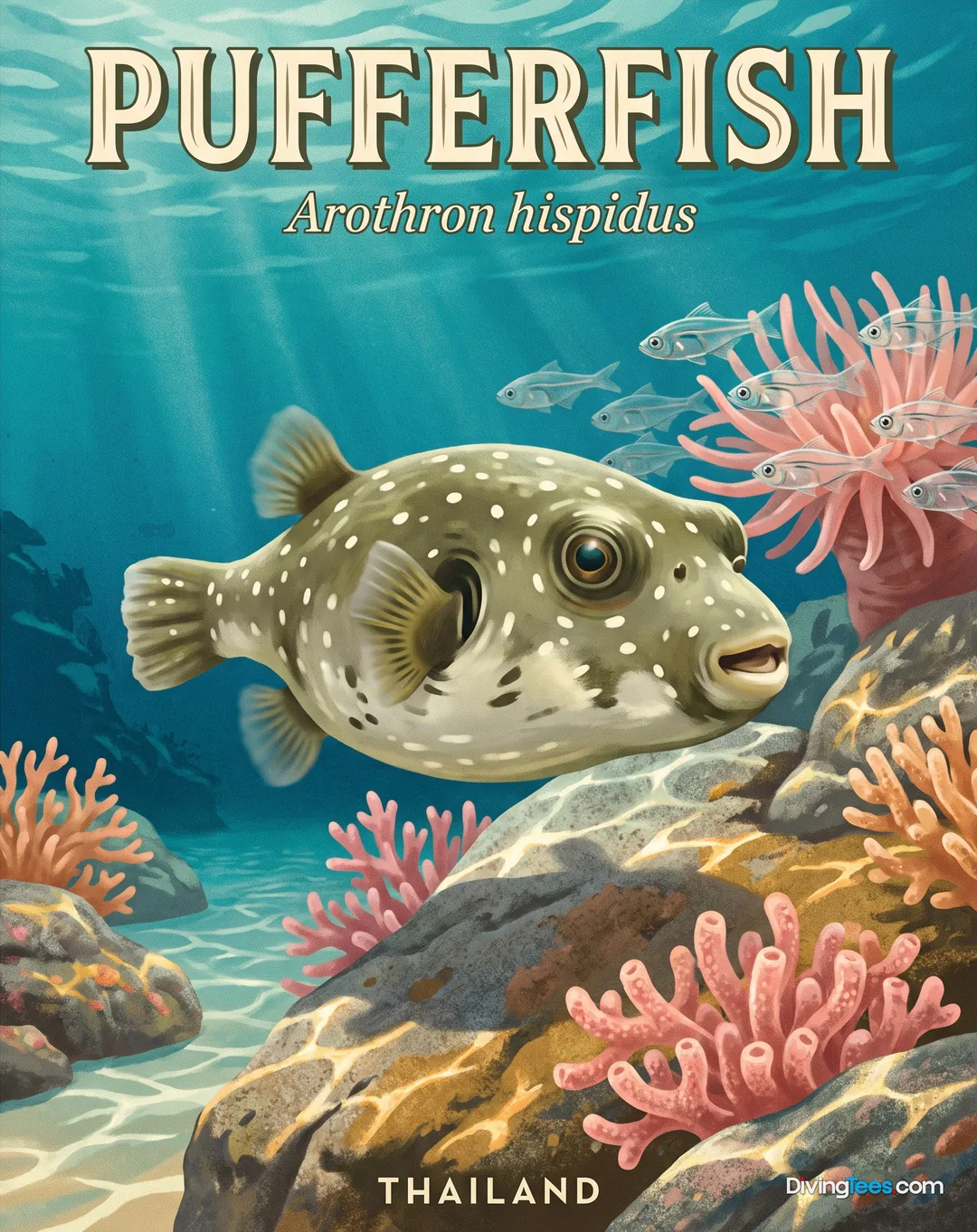
Diving conditions
Depths at Caño Island range from 10 metres on the shallower reef tops down to 40 metres at the base of some pinnacles and walls. While many sites are accessible to Open Water Divers with some logged experience, advanced certification is recommended for the more current-prone locations like Bajo del Diablo and Lighthouse, where conditions can be more challenging. Visibility typically holds between 20 and 25 metres. While diving is possible year-round, you'll find increased shark and manta activity from December to March, with bull sharks more frequently reported between May and November.
Three dives not to miss
Map of dive sites and dive centres in Cano Island
Frequently asked questions about Caño Island
When should you dive Caño Island for the best chance of seeing sharks and rays?
You can dive Caño Island year-round. Shark and manta activity increases from December through March, while bull sharks are reported more frequently from May through November. The protected reserve also offers opportunities to see mobula rays, so seasonal timing can help you focus on particular marine encounters.
What experience and depth should you expect when diving Caño Island?
Caño Island ranges from shallow reef tops at 10 metres to pinnacles and walls reaching 40 metres. Many sites suit Open Water Divers with some logged experience, while advanced certification is recommended for more current-prone locations such as Bajo del Diablo and Lighthouse. Site choice determines the profile and challenge.
What currents can you encounter while diving Caño Island?
Current conditions at Caño Island vary by location. Many reef dives have little to moderate current, supporting relaxed exploration of coral gardens and smaller marine life. Bajo del Diablo and Lighthouse can have stronger, shifting currents that challenge divers. These flows also bring nutrient-rich water that attracts larger pelagic animals.
What marine life and underwater landscapes can you see at Caño Island?
At Caño Island, you can explore coral gardens, rocky pinnacles, walls, reef slopes, channels, and sandy areas. Marine life includes white-tip reef sharks, bull sharks, hammerheads, manta and mobula rays, moray eels, frogfish, scorpionfish, turtles, jacks, amberjack, barracuda, parrotfish, and garden eels.