Cano Island · Costa Rica · Americas
Max. depth · 33 mParadisus Pinnacle: Diving Cano Island's Shark Hotspot
Descend onto a volcanic pinnacle where whitetip reef sharks rest in overhangs and large schools of jacks and snappers flow around the rock structures.
What makes this site special
- Volcanic pinnacle dive site
- Whitetip reef sharks resting in overhangs
- Large schools of blue-striped and spotted rose snappers
- Encounters with horse-eye and amberjacks
- Dynamic and varied currents
- Depths reaching 33 metres
- Habitat for reef sharks and nurse sharks
Paradisus about the site
Paradisus, sometimes referred to as Paradise or Paradiso, is a volcanic pinnacle system off Cano Island, Costa Rica. The site is characterized by an extensive lava formation rather than a flat reef, featuring a central outcrop and surrounding rock structures that create a complex underwater landscape. Your dive here typically explores a broad area between 15 and 33 metres, navigating between layered rock formations and discovering numerous overhangs and ledges.
The topography of Paradisus is defined by its exposed rock faces and significant relief, which interact with the local currents to create a vibrant ecosystem. As you descend, you'll find the main pinnacle dropping off, with deeper sections extending into crevices and undercuts. These formations provide shelter and resting spots for a variety of marine life, making it a dive that rewards careful exploration of its features.
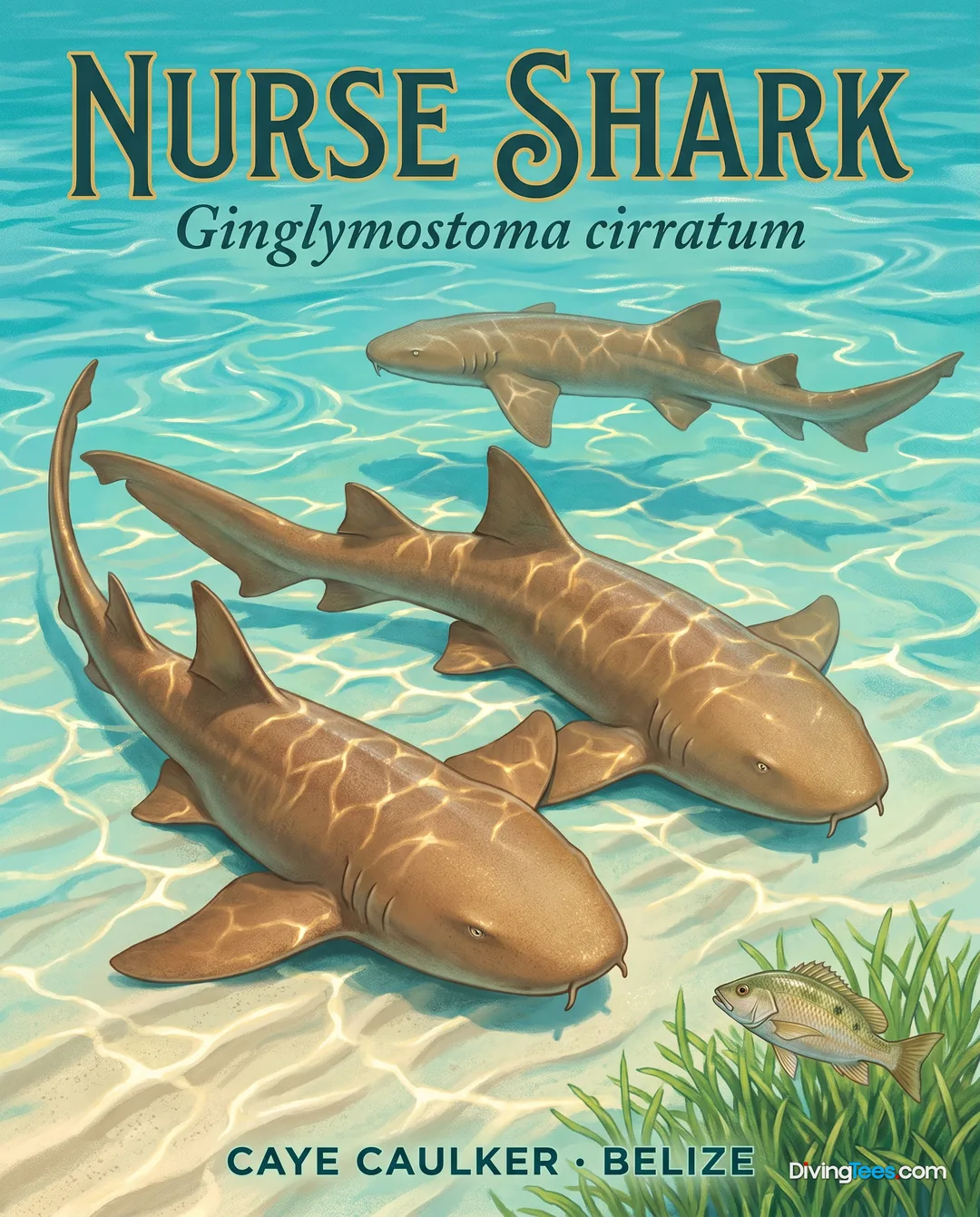
One of the primary draws of Paradisus is the consistent presence of sharks. Whitetip reef sharks (Triaenodon obesus) are frequently encountered, often found resting beneath the rock ledges and in the calmer sections of overhangs. Beyond the whitetips, you might also spot other reef sharks and nurse sharks (Ginglymostoma cirratum) patrolling the deeper contours of the pinnacle, adding a palpable sense of the wild to your dive.
Beyond the sharks, Paradisus is a site for schooling fish. Large groups of blue-striped snappers (Lutjanus viridis), blue and gold snappers (Lutjanus viridis), and spotted rose snappers (Lutjanus guttatus) are common, often forming dense walls of silver and yellow that move fluidly around the rock formations. Horse-eye jacks (Caranx latus) and amberjacks (Seriola dumerili) are also frequent visitors, sometimes swirling in powerful currents that sweep across the more exposed parts of the site.
Visibility at Paradisus can be quite dynamic, ranging from 6 to 30 metres. This variability is often tied to local conditions and the movement of water masses around Cano Island, but when conditions align, the clear waters allow for expansive views of the pinnacle and its resident pelagics. The site's exposed nature means that current can also be variable, presenting a different experience depending on where you are on the formation and the specific conditions of the day.
While the current at Paradisus can be unpredictable and shift, it is a key factor in attracting the larger schools of fish. You might encounter stronger flows on the more exposed outer portions of the pinnacle, which calls for careful buoyancy control and awareness of your position relative to the rock structure. This variability in current, combined with the depth profile, means that the dive requires comfort and experience beyond entry-level certifications.
Paradisus stands out among the Cano Island dive sites for its consistent shark sightings and the sheer volume of schooling fish. The site's unique volcanic geology, with its deep overhangs and layered rock, provides a distinct habitat that supports this rich marine life. It is not just a place to see animals, but to experience the interplay of current, topography, and the behaviour of the ocean's larger inhabitants.
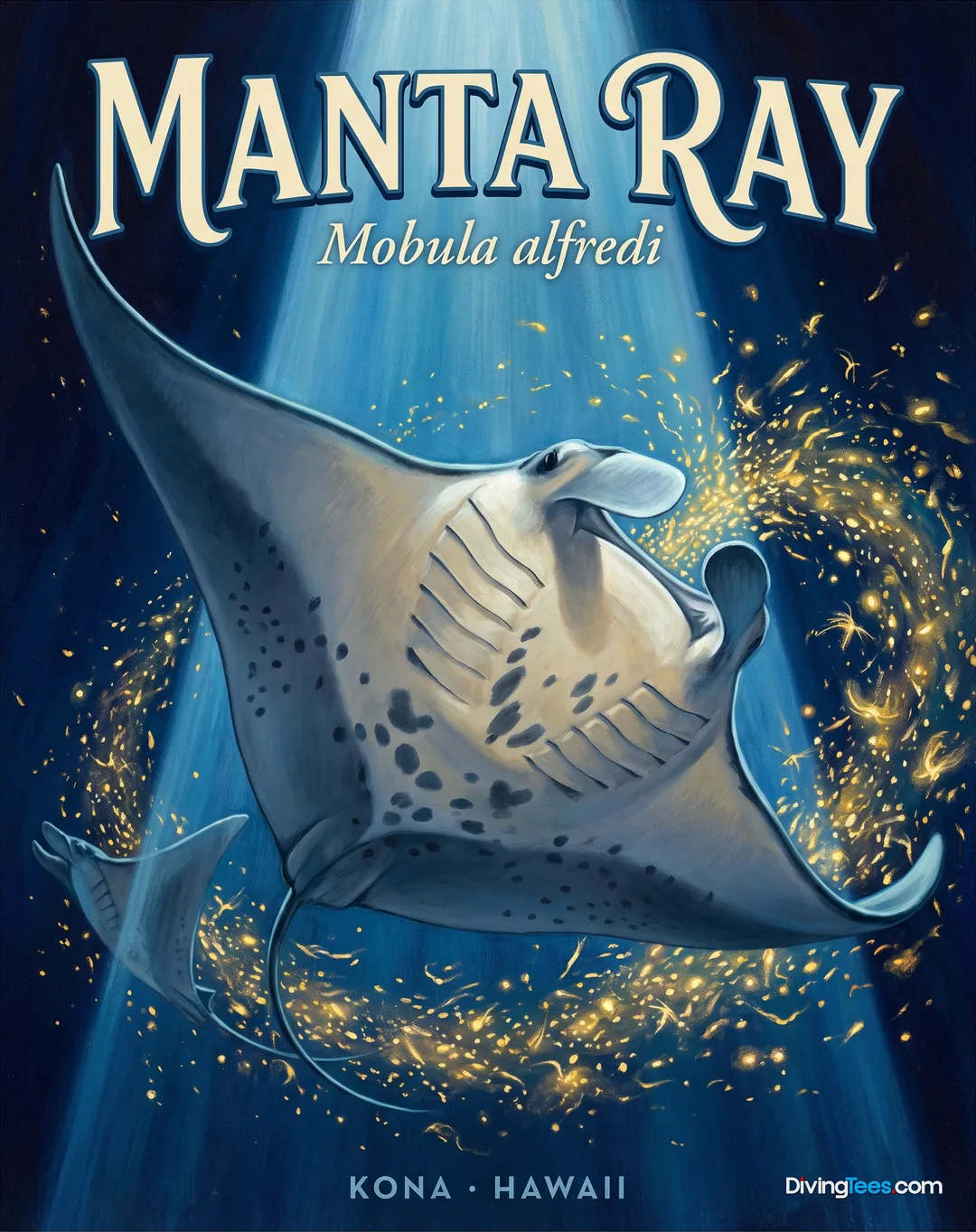
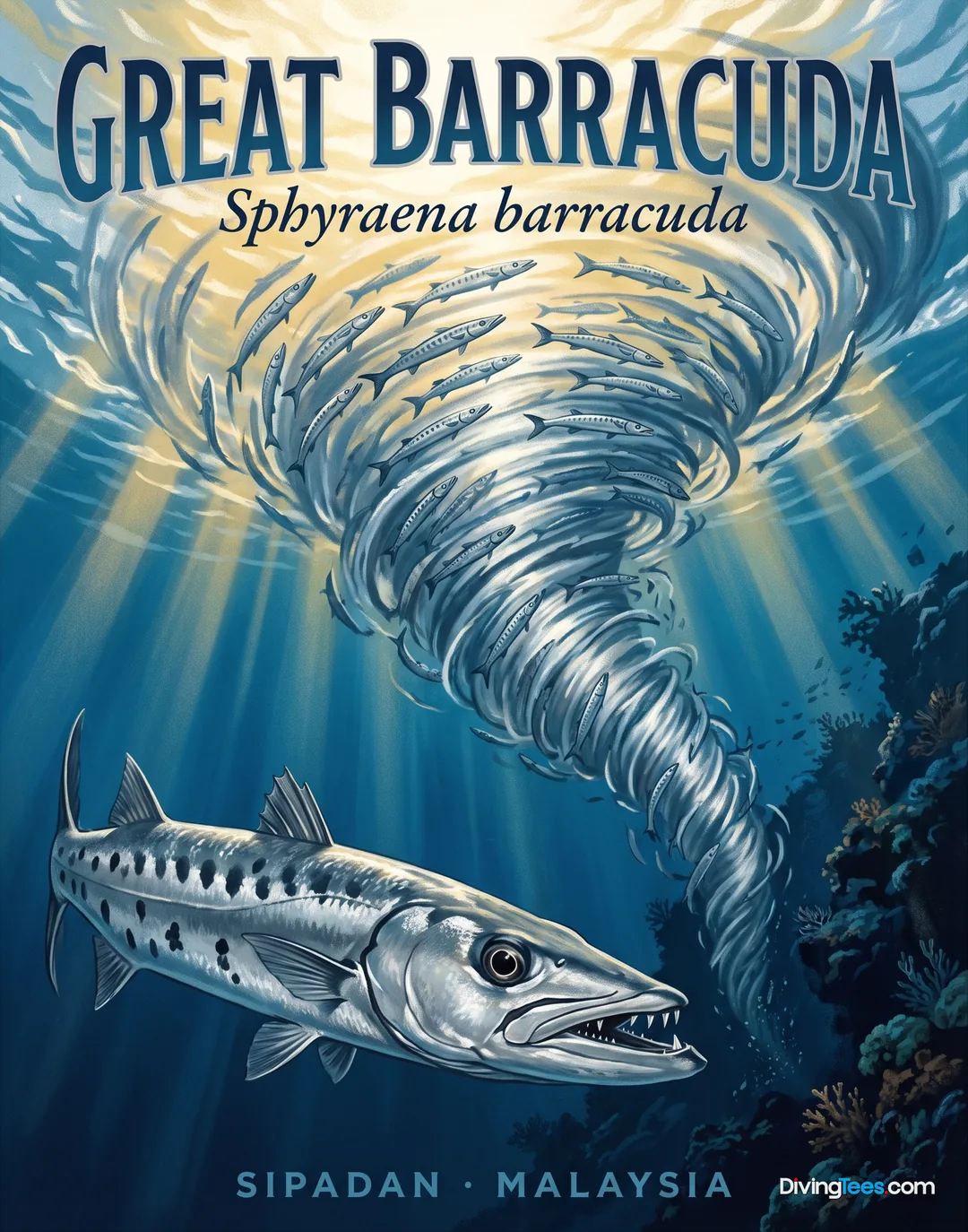
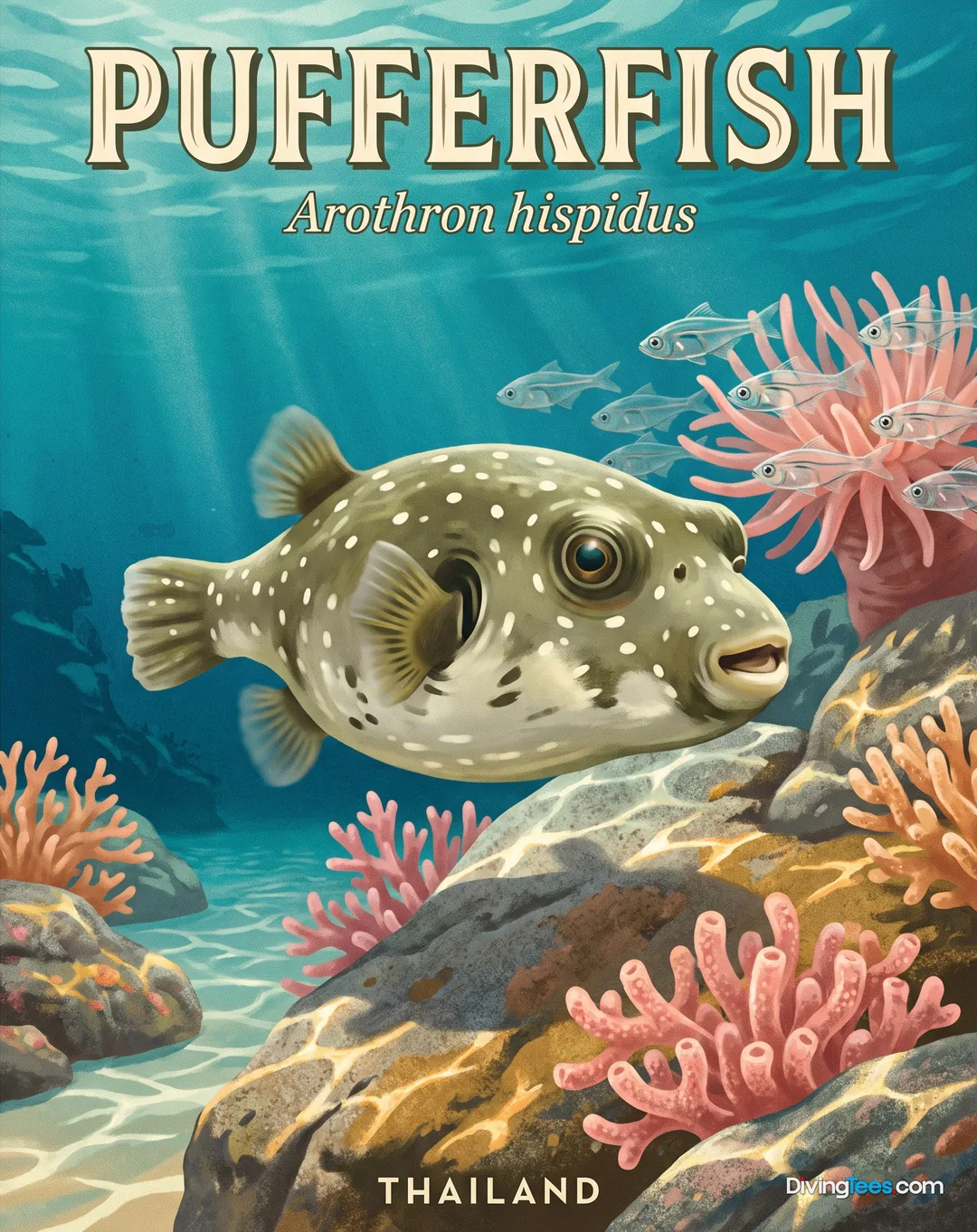
Diving Paradisus: the marine life you’ll meet
Diving conditions
Paradisus is accessible via boat dives and requires an Advanced certification due to its depth range of 5 to 33 metres and variable current. Divers should be comfortable with potential strong currents and proficient in buoyancy control, with at least 50 logged dives recommended for an optimal experience. Visibility typically ranges between 6 and 30 metres, influenced by local conditions.
Three dives not to miss
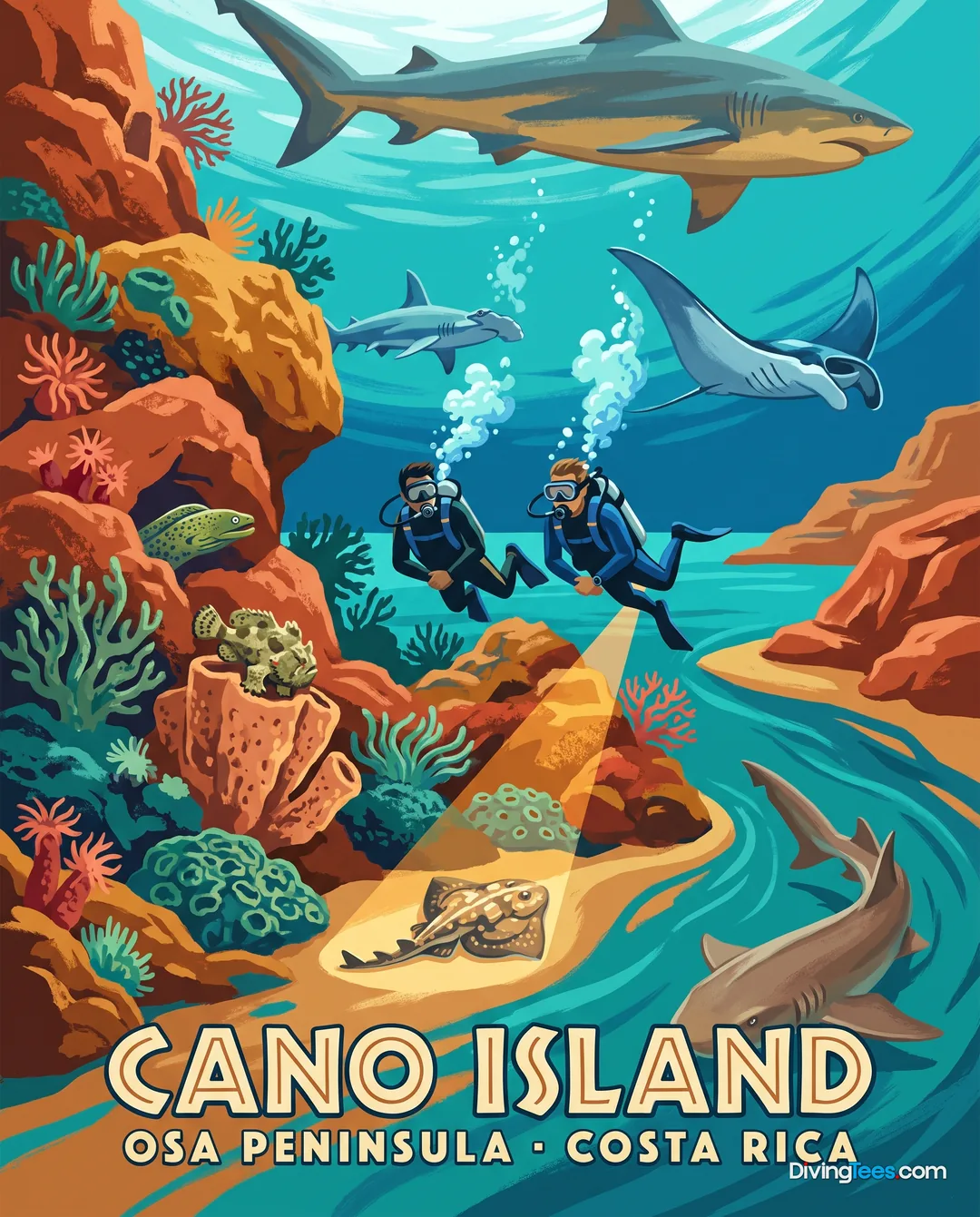
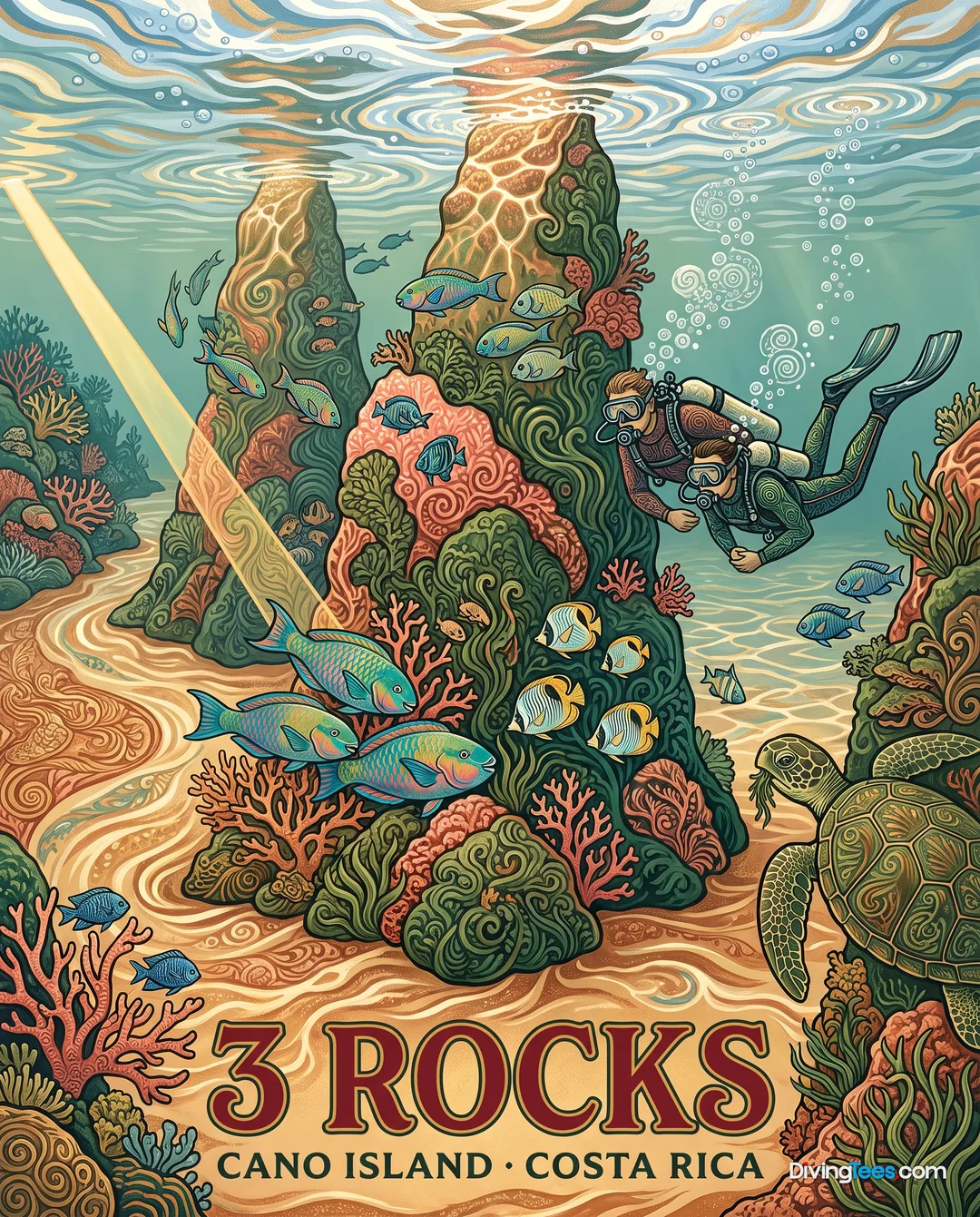
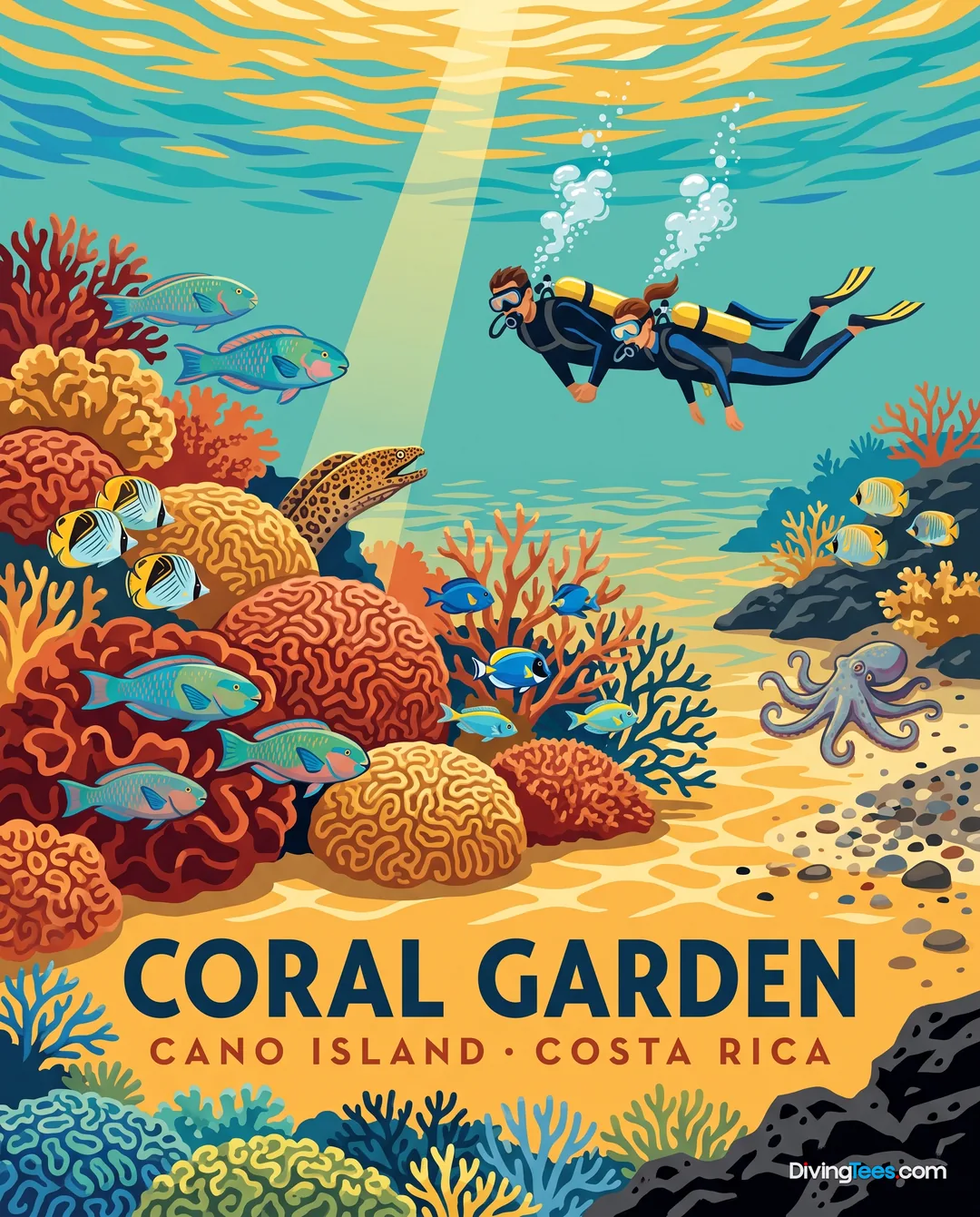
Map of dive sites and dive centres in Cano Island
Frequently asked questions about Paradisus
What certification and experience do you need for Paradisus?
Paradisus requires Advanced certification because the site reaches significant depth and has variable current. You should be comfortable with potential strong currents and proficient in buoyancy control. At least 50 logged dives are recommended for an optimal experience, particularly while navigating the volcanic pinnacle, rock structures, overhangs, and deeper sections.
How deep is Paradisus, and what does the dive profile involve?
Paradisus ranges from 5 to 33 metres, while a typical dive explores a broad area between 15 and 33 metres. You descend around a volcanic pinnacle, then navigate layered rock formations, exposed faces, crevices, undercuts, overhangs, and ledges. Deeper sections extend along the pinnacle’s contours.
What currents should you expect at Paradisus?
At Paradisus, currents are variable and can shift during the dive. Stronger flows may occur around the exposed outer portions of the pinnacle, requiring careful buoyancy control and awareness of your position relative to the rock. These currents attract schooling fish and larger visitors, while calmer overhangs provide shelter.
What marine life and underwater scenery can you see at Paradisus?
At Paradisus, you explore volcanic lava formations, a central outcrop, layered rock, overhangs, and ledges. Whitetip reef sharks often rest beneath them, while other reef sharks and nurse sharks may patrol deeper contours. Large schools of blue-striped, blue and gold, and spotted rose snappers gather around the rocks, with horse-eye jacks and amberjacks also present.