Cano Island · Costa Rica · Americas
Max. depth · 40 mDevil Pinnacle, Caño Island: Costa Rica's big fish seamount
Devil Pinnacle offers a deep, current-swept dive on a submerged seamount known for its significant pelagic action.
What makes this site special
- Submerged rocky seamount with steep walls
- Consistent strong current
- Encounters with white-tip reef sharks and bull sharks
- Seasonal sightings of manta rays and mobula rays
- Schools of barracudas, jacks, and trevallies
- Presence of dogtooth tuna and giant grouper
- Deep dive profile to 40 metres
Devil Pinnacle about the site
Devil Pinnacle is a submerged seamount, a rocky structure rising from the deeper ocean floor to just 5 metres below the surface, offshore from Caño Island. This unique topography means you're diving a vertical environment, often with clear water surrounding the structure. The pinnacle itself is sculpted with channels, sand cuts, and distinctive rock formations, offering multiple potential routes depending on the day's conditions and the guide’s plan.
A typical dive here starts with a drop from the boat directly onto the pinnacle, without a descent line, placing you immediately in the flow. The profile can range from exploring the upper slopes and channels to deeper sections along the steep sides, reaching down to 40 metres. The current is a constant factor; it can be very strong, demanding careful positioning and, at times, the use of a reef hook to hold your position and observe the passing action.
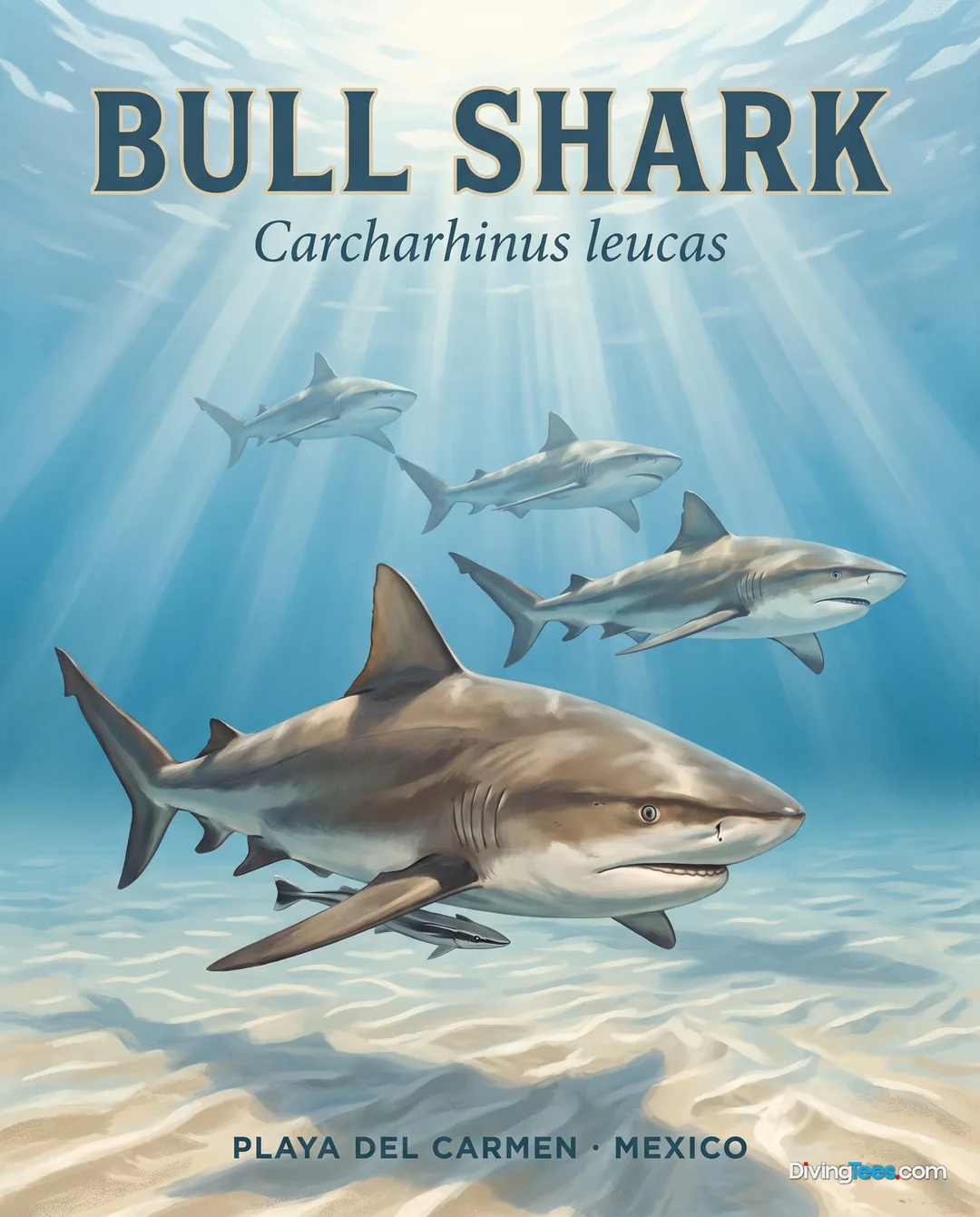
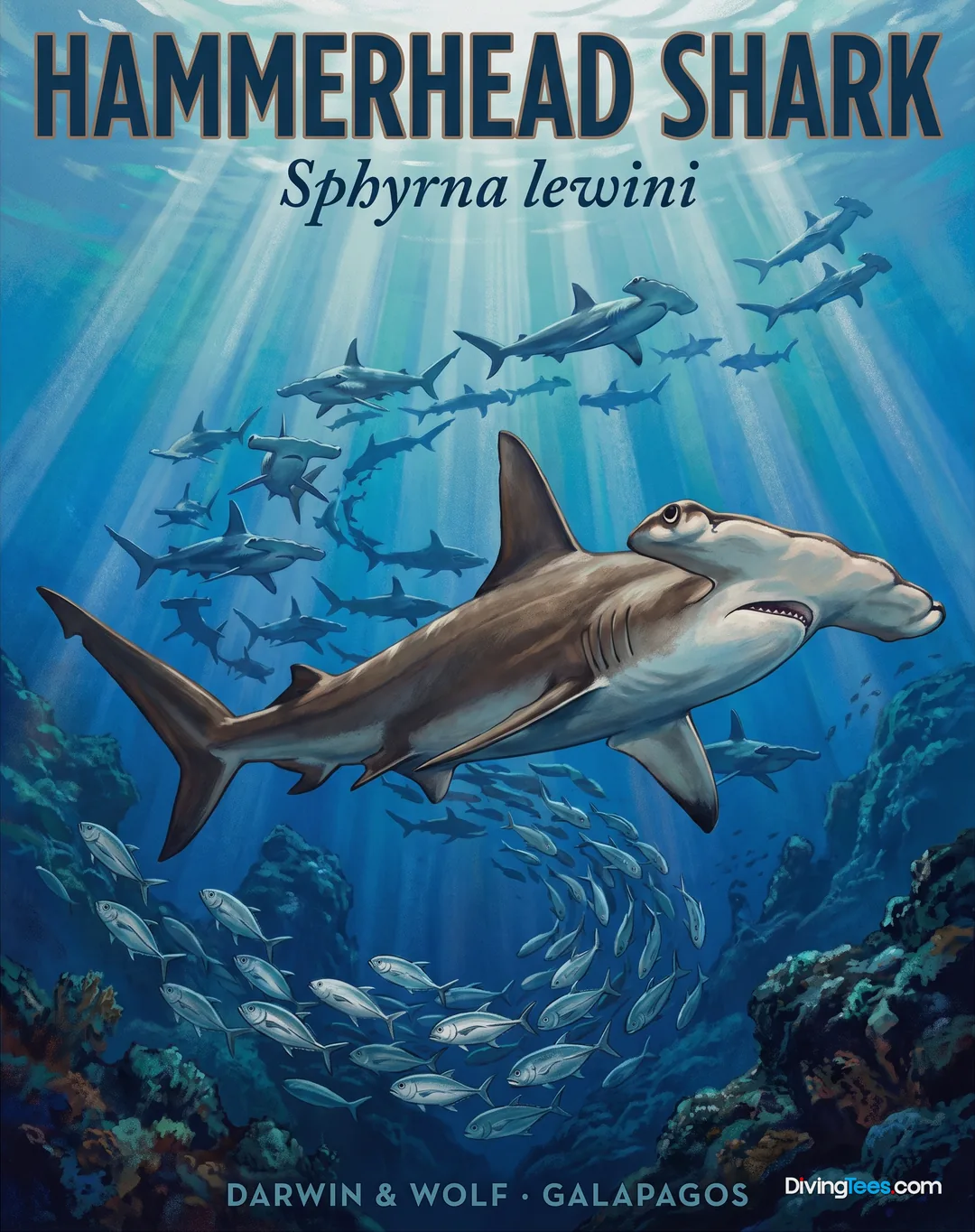
The primary draw to Devil Pinnacle is its reputation as a magnet for large pelagic marine life, largely due to its exposed location and the currents that sweep nutrients past its structure. White-tip reef sharks are common residents, often found resting in crevices or patrolling the deeper ledges. Bull sharks and hammerhead sharks also frequent the deeper edges and surrounding blue, particularly when conditions are favourable.
Beyond the sharks, you'll encounter a range of schooling fish. Barracudas, barred jacks, and various trevallies move in tight formations, often cruising the perimeter of the pinnacle. Dogtooth tuna are sighted here, cutting through schools of smaller fish, while giant grouper hold their territory deeper down. The site's exposure means these encounters are often in the open water, requiring vigilance and an understanding of how to position yourself in the current.
Manta rays are a significant seasonal highlight, particularly from late December to early March, gliding effortlessly through the open water around the pinnacle. Mobula rays also make appearances, adding to the spectacle of large ray species. These interactions are often fleeting, requiring divers to scan the blue and react quickly to opportunities.
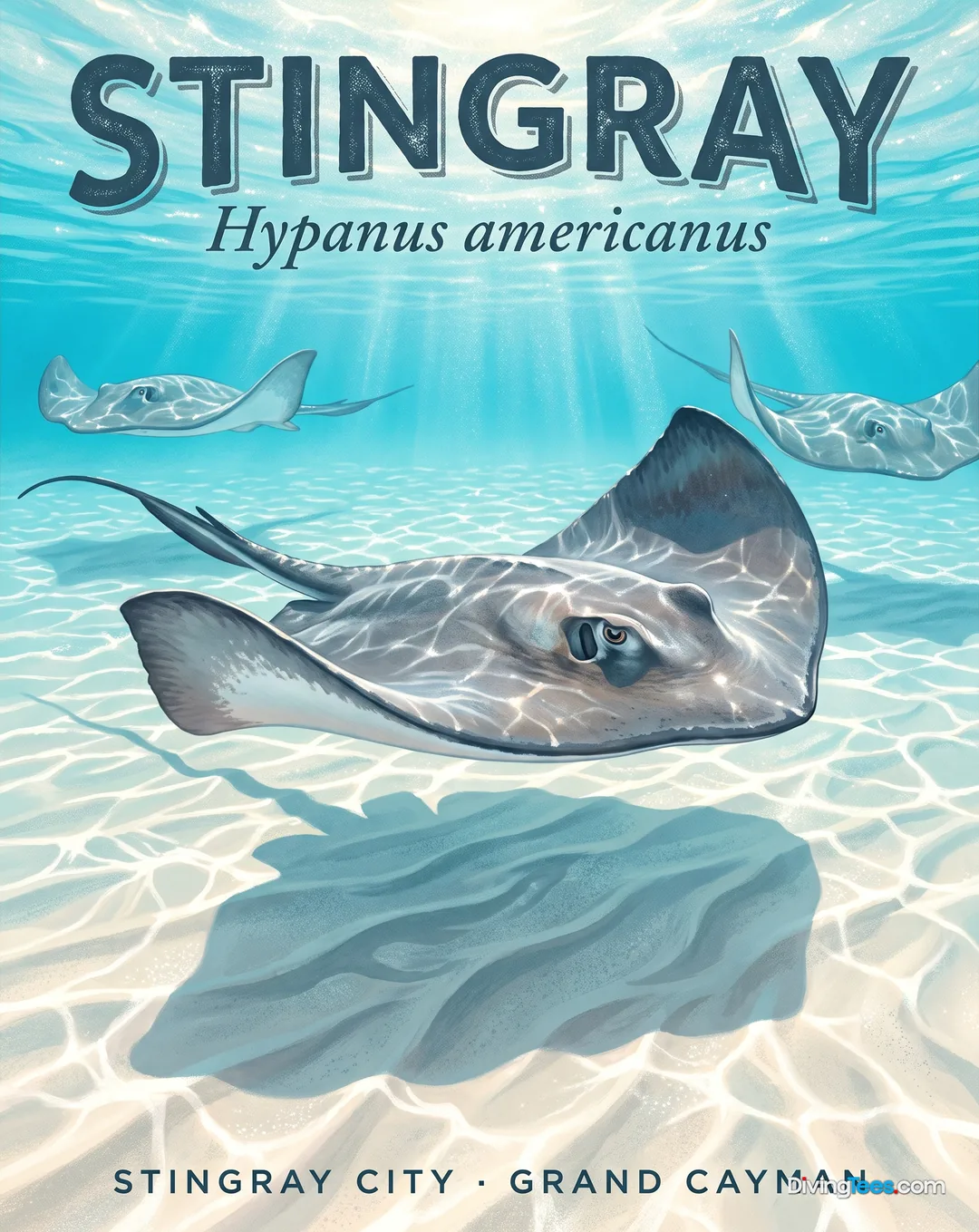
While the focus is often on the larger species, the pinnacle itself holds a variety of smaller, resident marine life within its structure. Moray eels are found in the cracks and crevices, and octopus can be seen camouflaged against the rocks. You might also spot frogfish, camouflaged and waiting, or giant stingrays resting on the sandy patches surrounding the base of the pinnacle.
Visibility here can fluctuate, typically ranging from 12 to 30 metres. Stronger currents can sometimes reduce visibility, especially when they bring thermoclines closer to the surface or stir up sediment. The experience of diving Devil Pinnacle is less about specific coral formations and more about the dynamic interaction with the water movement and the large marine animals that thrive in these conditions.
Given its exposed nature and the consistent strong current, Devil Pinnacle offers a dive that changes significantly with conditions. Your guide’s choice of entry point and dive path will be crucial to maximizing your experience and safely navigating the site. It’s a dive that rewards solid buoyancy control, awareness of your surroundings, and respect for the powerful forces of the ocean.
Diving Devil Pinnacle: the marine life you’ll meet

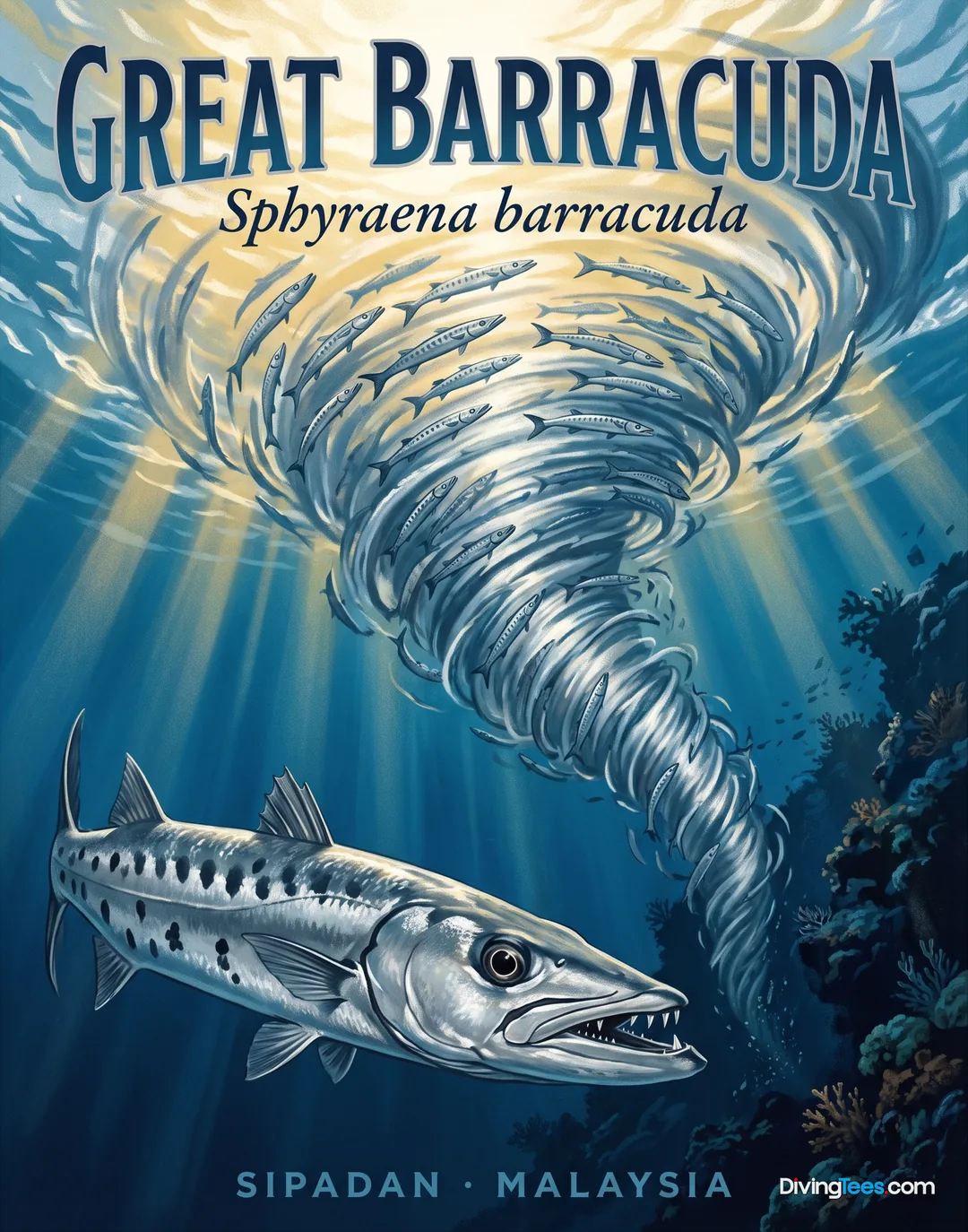
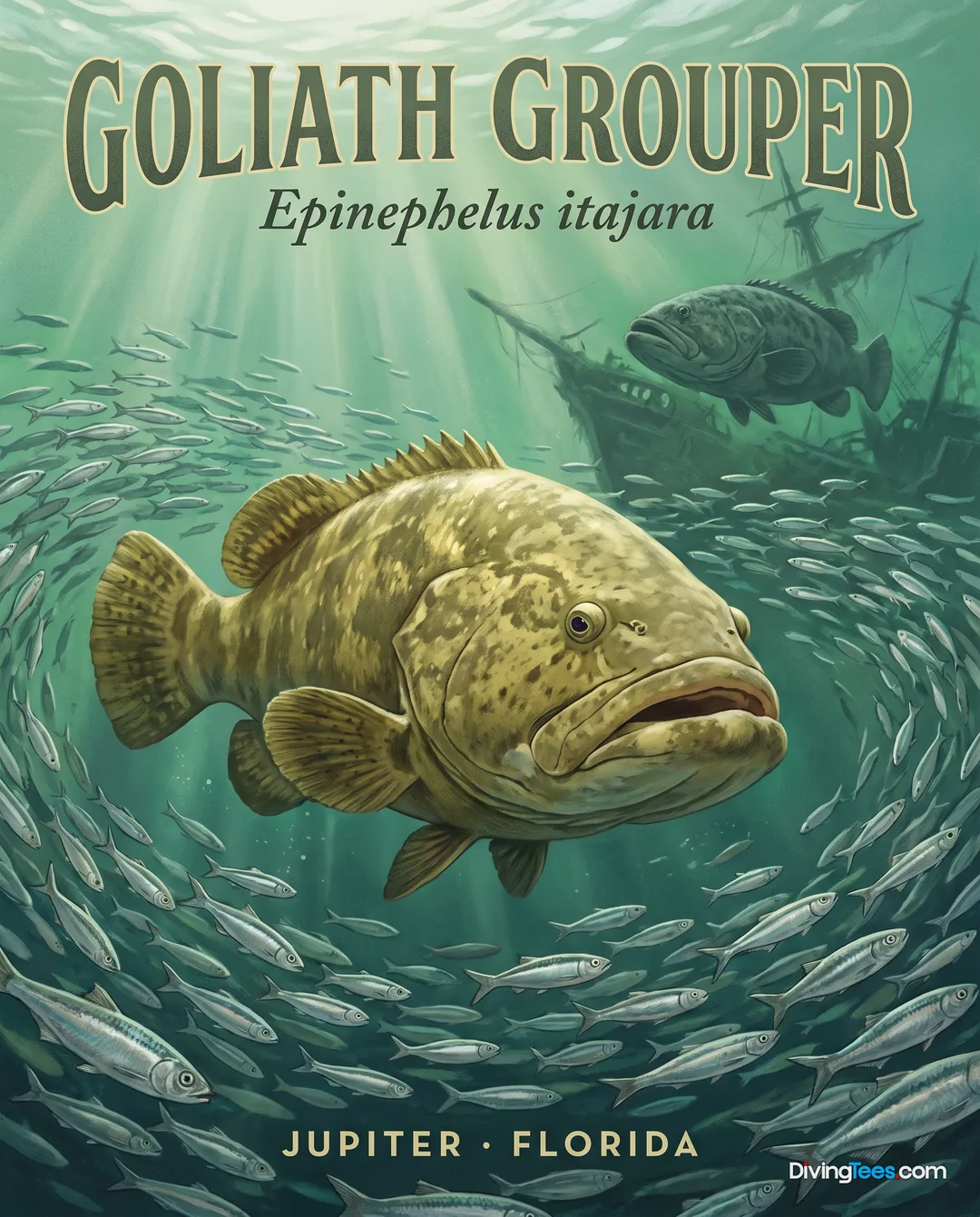
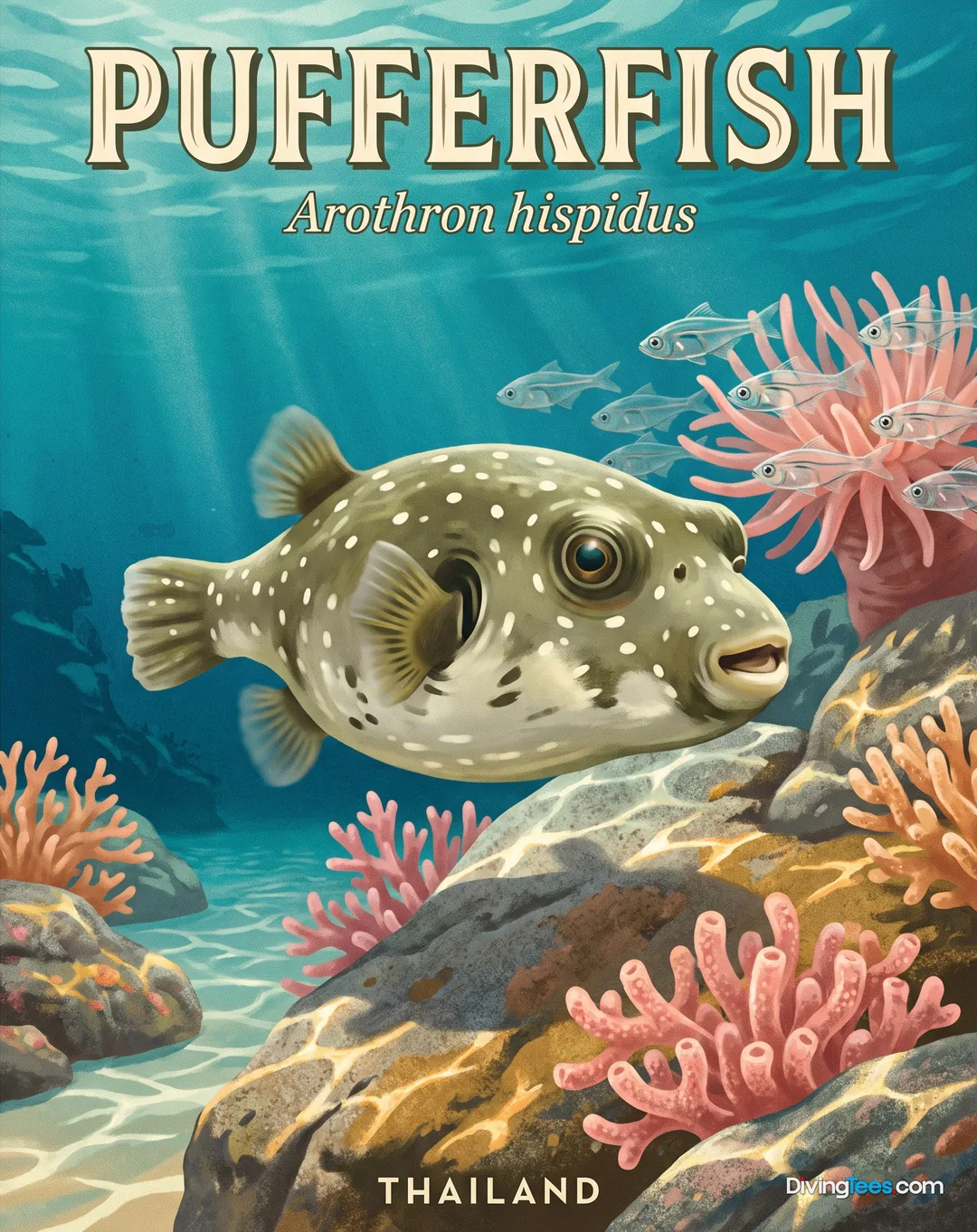
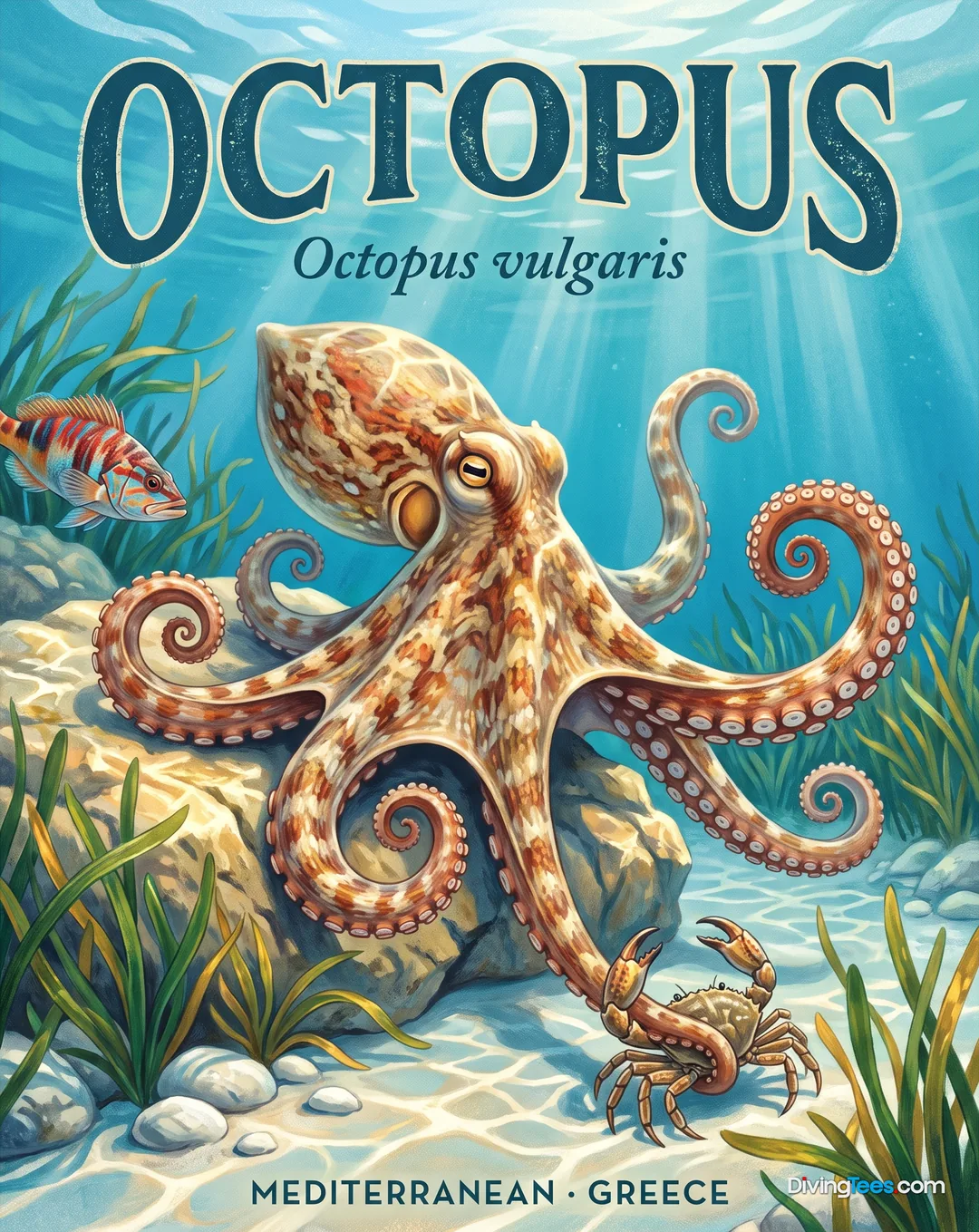
Diving conditions
Dive depth at Devil Pinnacle ranges from 5 metres on the shallowest parts of the pinnacle to 40 metres along its steep sides. This site is for Advanced certified divers with documented experience in strong currents and deeper profiles. Current is consistently strong, demanding proper technique and awareness; you should be prepared to use a reef hook. Visibility typically ranges from 12 to 30 metres. The best season for diving here is generally from January to June, with manta rays often seen late December to early March.
Three dives not to miss
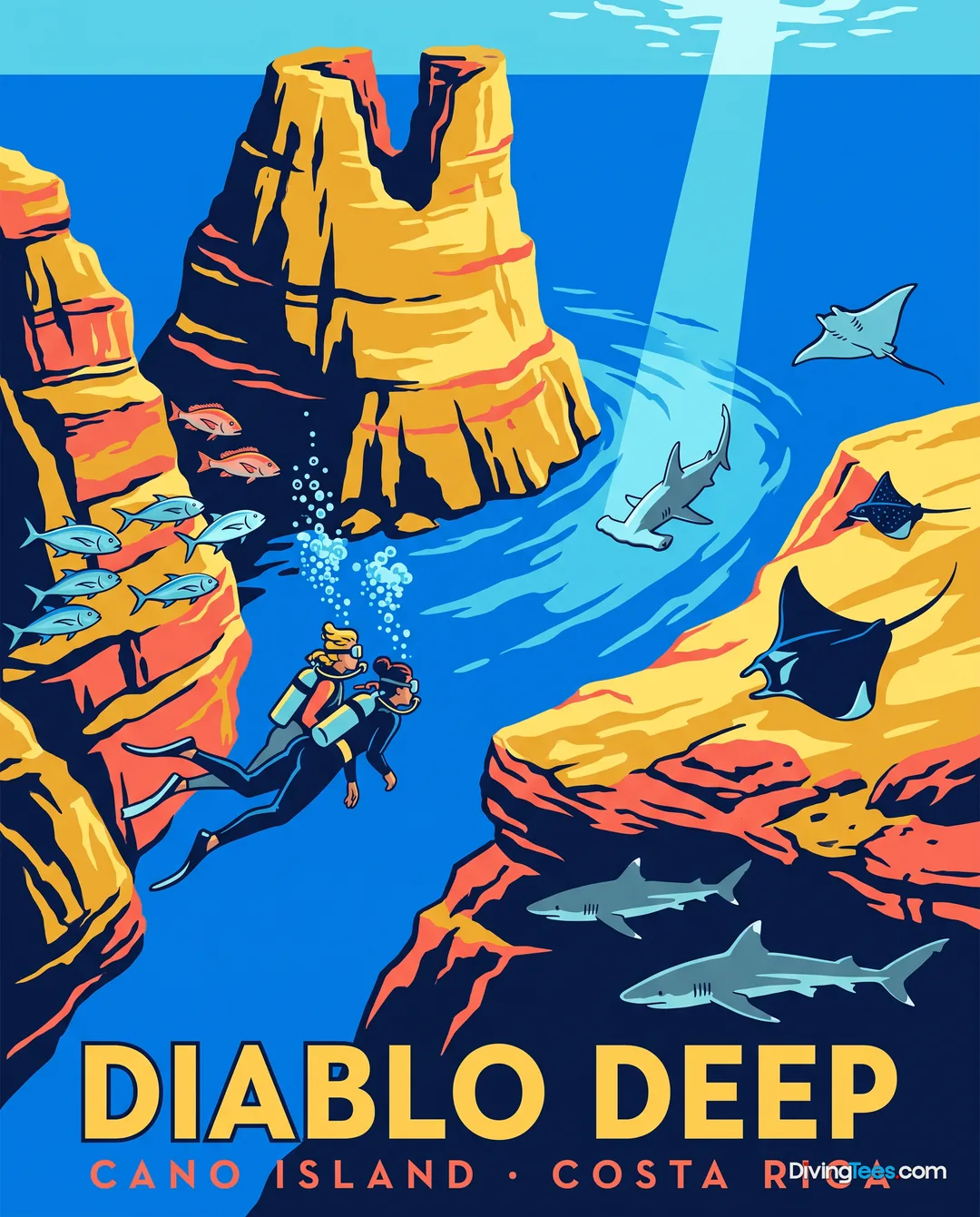
Map of dive sites and dive centres in Cano Island
Frequently asked questions about Devil Pinnacle
When should you dive Devil Pinnacle?
The best season for diving Devil Pinnacle is generally from January to June. Manta rays are often seen from late December to early March, making this period a seasonal highlight. Visibility typically ranges from 12 to 30 metres, although stronger currents can sometimes reduce it by bringing thermoclines closer or stirring sediment.
What certification and experience do you need for Devil Pinnacle?
Devil Pinnacle is for Advanced certified divers with documented experience in strong currents and deeper profiles. You should have solid buoyancy control, maintain awareness of your surroundings, and understand how to position yourself in moving water. The exposed setting and direct drop onto the pinnacle demand careful technique from the start.
How deep is Devil Pinnacle, and what current should you expect?
Devil Pinnacle ranges from 5 metres on its shallowest upper sections to 40 metres along its steep sides. The current is consistently strong and can require proper positioning, careful technique, and use of a reef hook to hold your place. Your guide chooses the entry point and route according to conditions.
What can you see while diving Devil Pinnacle?
At Devil Pinnacle, you may encounter white-tip reef sharks, bull sharks, and hammerhead sharks, along with manta and mobula rays. Barracudas, barred jacks, trevallies, dogtooth tuna, and giant grouper move around the seamount. Moray eels, octopus, frogfish, and giant stingrays can also appear among its rocks and sandy patches.