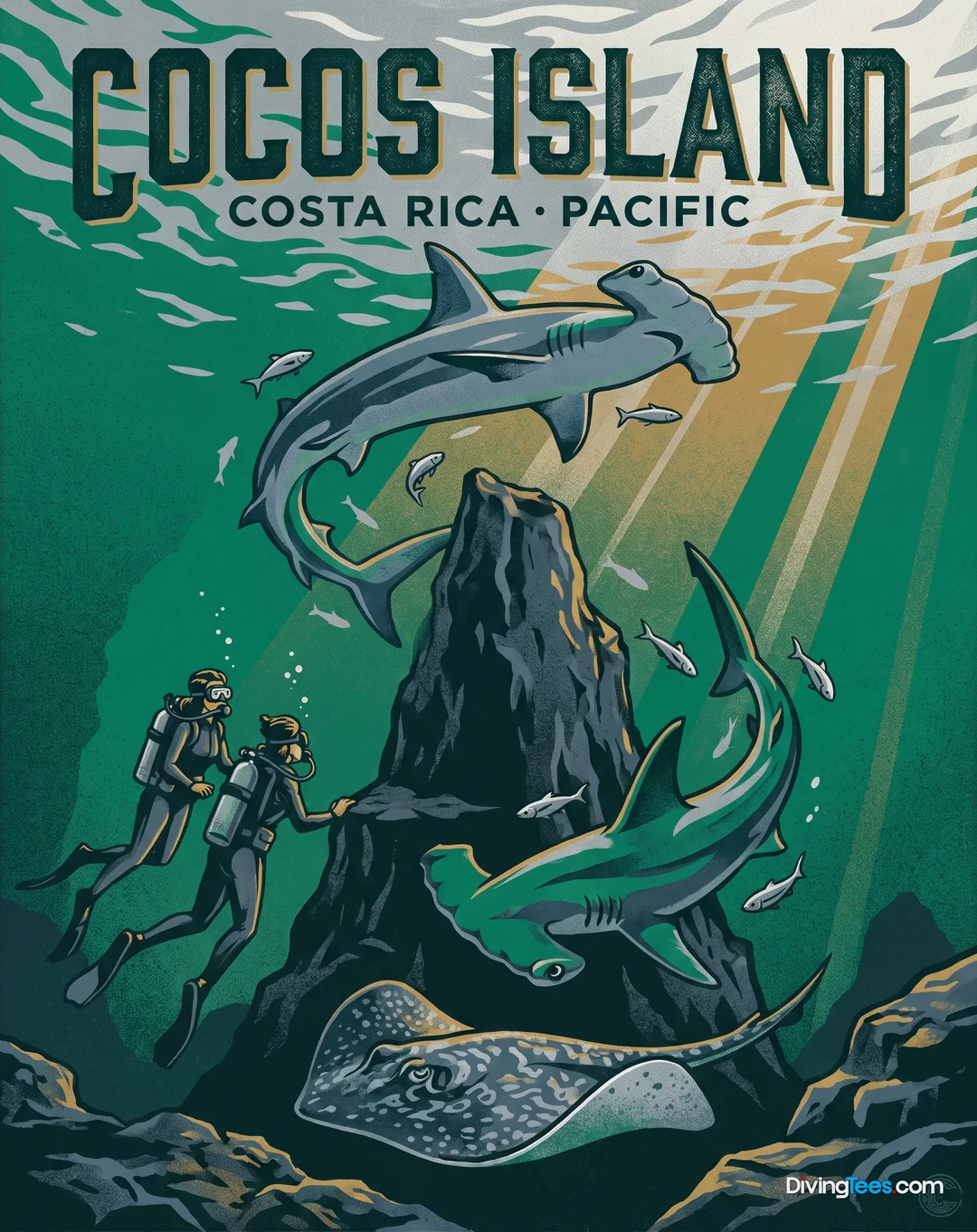
Cocos Island · Costa Rica · Americas
Max. depth · 30 mWafer Bay, Cocos Island: Wall Diving with Hammerheads
Descend along the vertical wall of Wafer Bay, where schooling hammerheads patrol the blue just beyond the reef edge.
What makes this site special
- Vertical wall diving along Cocos Island
- Consistent hammerhead shark encounters in the blue
- Whitetip reef sharks patrolling the wall
- Coconut octopus in the rubble zones
- Strong currents offer dynamic diving
- Marble rays and schooling jacks frequently present
Wafer Bay about the site
Wafer Bay is a true wall dive, dropping vertically into the deep waters off Cocos Island. You'll often find yourself descending directly onto the wall, which acts as a vibrant backdrop for the main event. The topography here isn't about flat reefs; it's a sheer face where life clings and thrives, setting the stage for encounters both large and small as you navigate its contours.
The dive profile typically involves following the wall's edge, where the main action unfolds. While the wall itself teems with smaller inhabitants, keep an eye on the blue: this is a prime spot for pelagic sightings. Hammerhead sharks are frequently seen patrolling in the deeper water just beyond the wall, often at or below the 30-metre mark, moving with the strong currents that characterize this site.
Beyond the dramatic wall, the seafloor at its base offers a different kind of exploration. Here, coral heads and scattered rubble create a complex habitat. This isn't a barren expanse; it's a zone where you'll find smaller creatures seeking shelter or hunting, providing a contrast to the open-ocean encounters. Expect to see species like the elusive coconut octopus making their way across this varied terrain.
Currents at Wafer Bay are a defining feature, often ranging from medium to strong. These conditions are part of what attracts the larger pelagic life, but they also demand attention and experience from the diver. Managing your position along the wall in a two-knot current becomes part of the dive, teaching you to read the water and use the topography to your advantage. This variability can also shift with the seasons, tending to be stronger during the wet season.
Wafer Bay stands out for its blend of wall diving with consistent shark action. Unlike the more exposed seamounts where large schools gather over pinnacles, here you're integrating the wall's structure with the possibility of big pelagics passing through. Whitetip reef sharks are common residents along the wall and among the rubble, while marble rays cruise by, and schools of jacks add to the busy scene. This combination creates a rich, layered dive experience.
Visibility at Wafer Bay can range significantly, typically between 10 and 30 metres. This variability is often tied to the plankton blooms that attract the larger filter feeders and pelagic predators, especially during certain seasons. While 30 metres offers expansive views of the wall and the deep blue, even at 10 metres, the concentrated life along the vertical face provides ample focal points for observation.
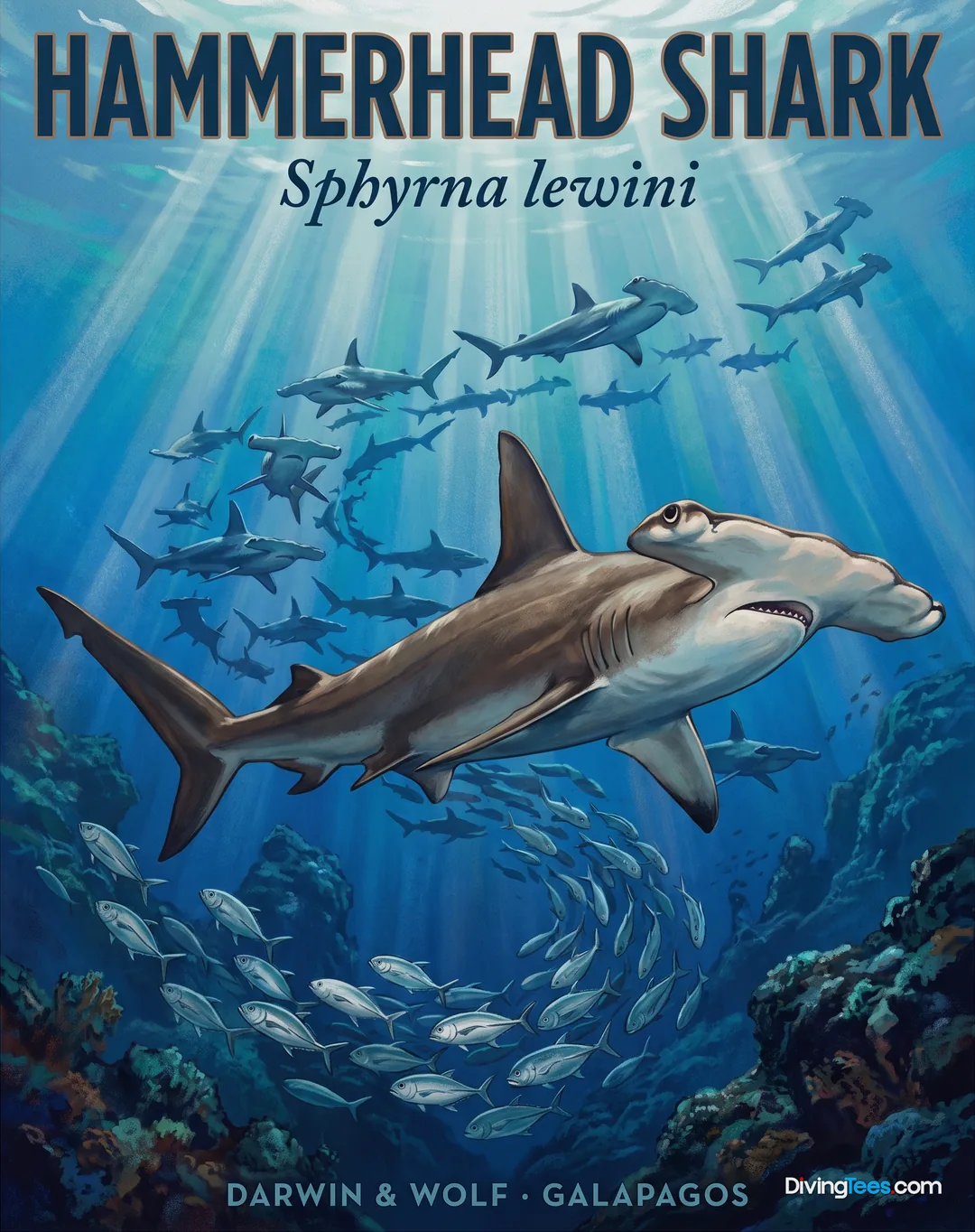
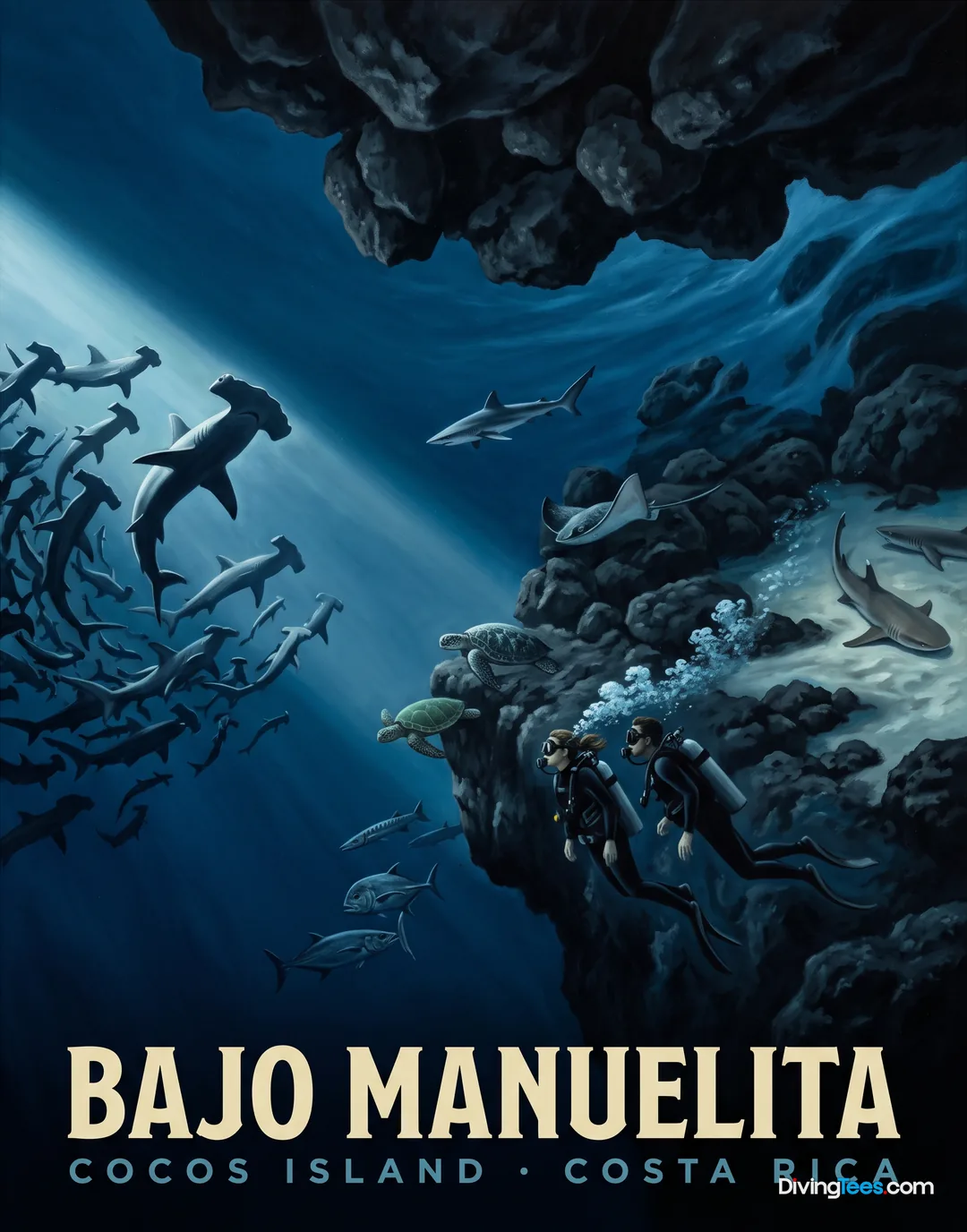
Diving Wafer Bay: the marine life you’ll meet

Diving conditions
Wafer Bay is an advanced dive, and prior experience with strong currents is strongly recommended. Depths range from a minimum of 5 metres down to 30 metres, with much of the action occurring along the vertical wall. Visibility typically ranges from 10 to 30 metres. While January to March generally offers clearer conditions, the months of June to November are known for increased whale shark and larger pelagic activity, often accompanied by stronger currents.
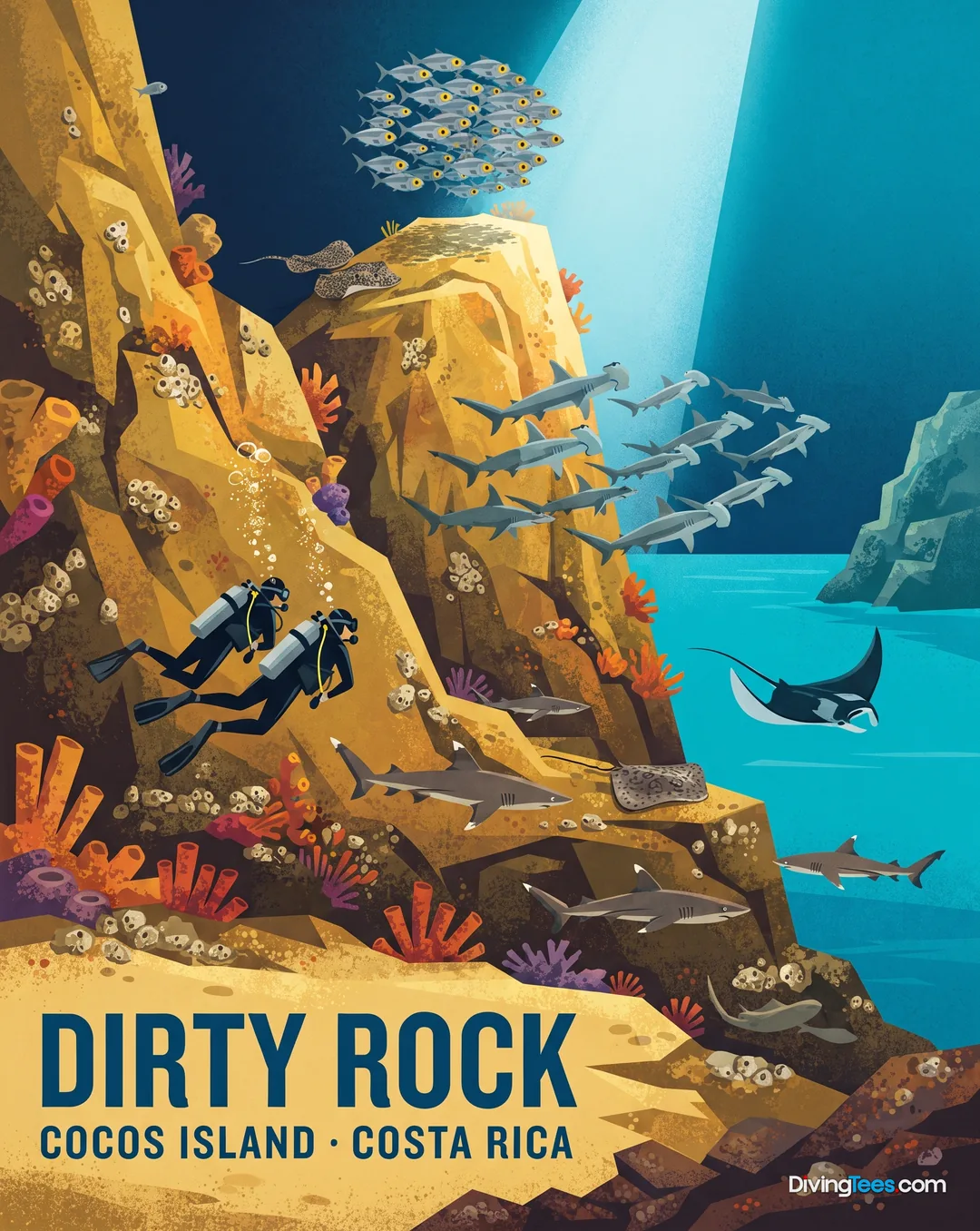
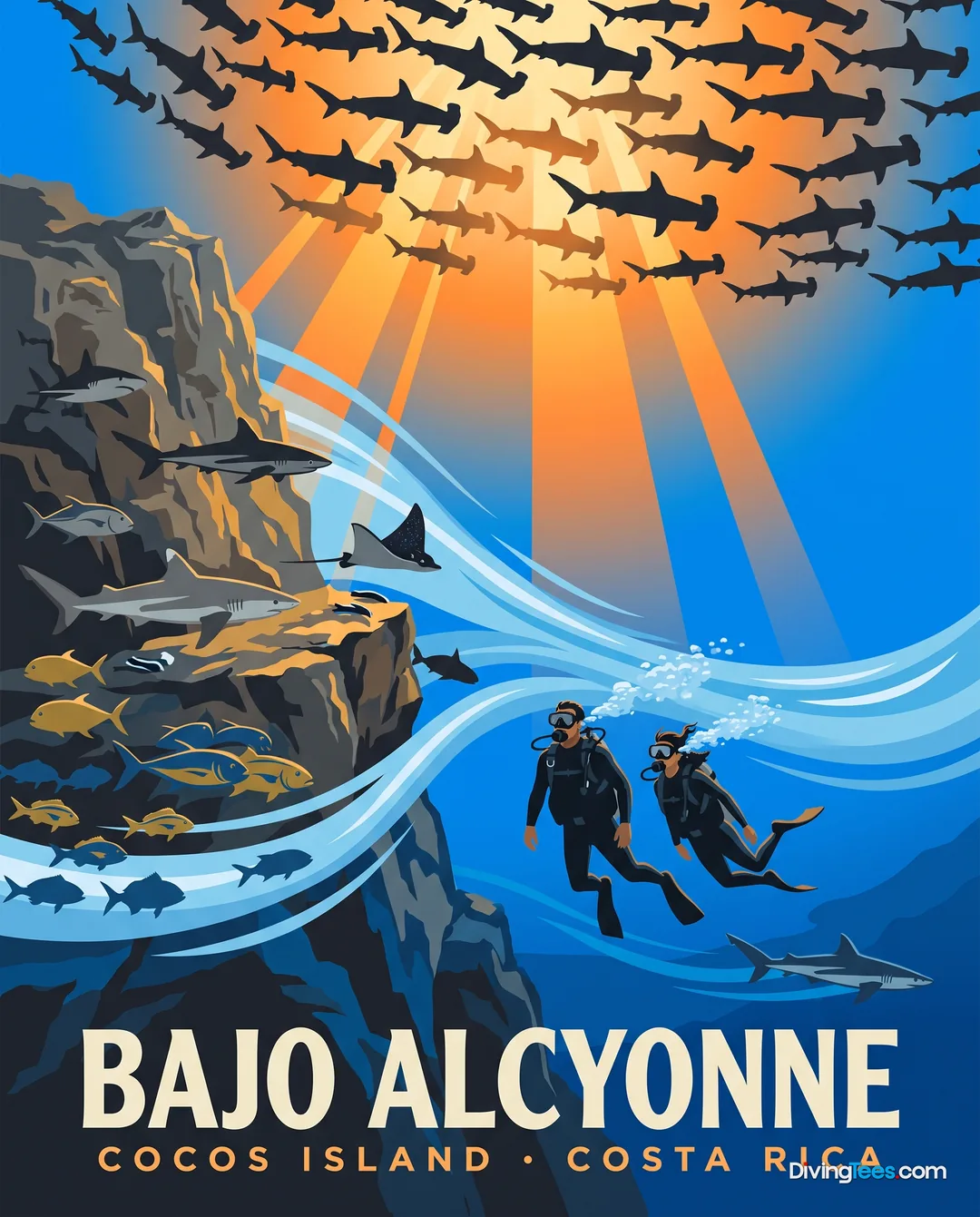
Three dives not to miss
Map of dive sites in Cocos Island
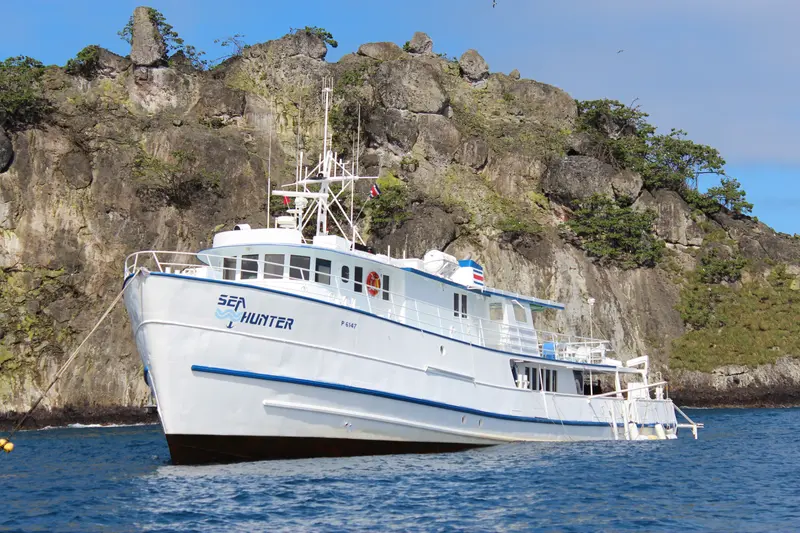
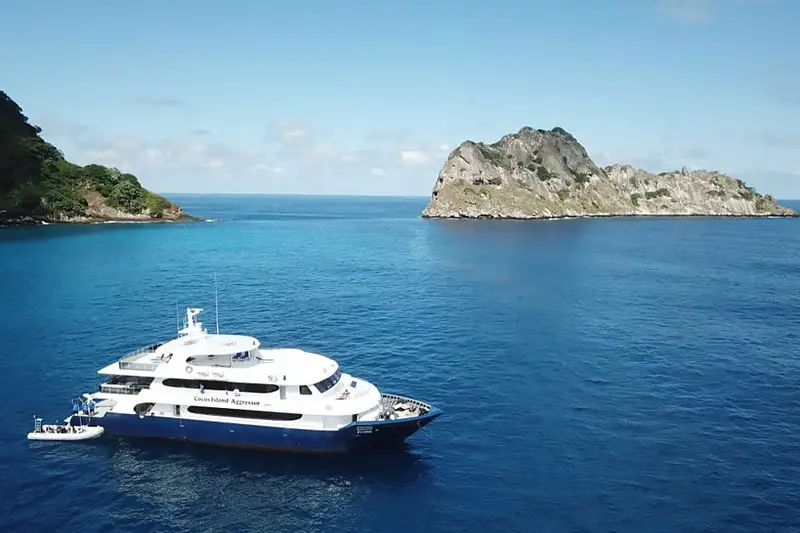
Dive liveaboards Cocos Island
3 liveaboards run trips to Cocos Island.

Frequently asked questions about Wafer Bay
When should you dive Wafer Bay for clearer water or more pelagic activity?
January to March generally offers clearer conditions, with visibility typically ranging from 10 to 30 metres. From June to November, whale shark and larger pelagic activity increases, often alongside stronger currents. Seasonal conditions can also affect the current, with stronger flow tending to occur during the wet season.
What experience level do you need for Wafer Bay?
Wafer Bay is an advanced dive requiring careful attention and experience with strong currents. Prior experience in strong current conditions is strongly recommended. Managing your position along the vertical wall, reading the water, and using the topography to your advantage are important parts of the dive.
How deep is Wafer Bay, and what currents should you expect?
Wafer Bay ranges from 5 to 30 metres, with much of the dive following a vertical wall. Currents are often medium to strong and can reach two knots. They may be stronger from June to November and during the wet season, so maintaining your position along the wall demands experience.
What can you see while diving Wafer Bay?
You can see hammerhead sharks patrolling the blue beyond the wall, often at or below 30 metres, along with whitetip reef sharks near the wall and rubble. Marble rays and schooling jacks may pass by, while coral heads and rubble zones shelter coconut octopus and smaller creatures.