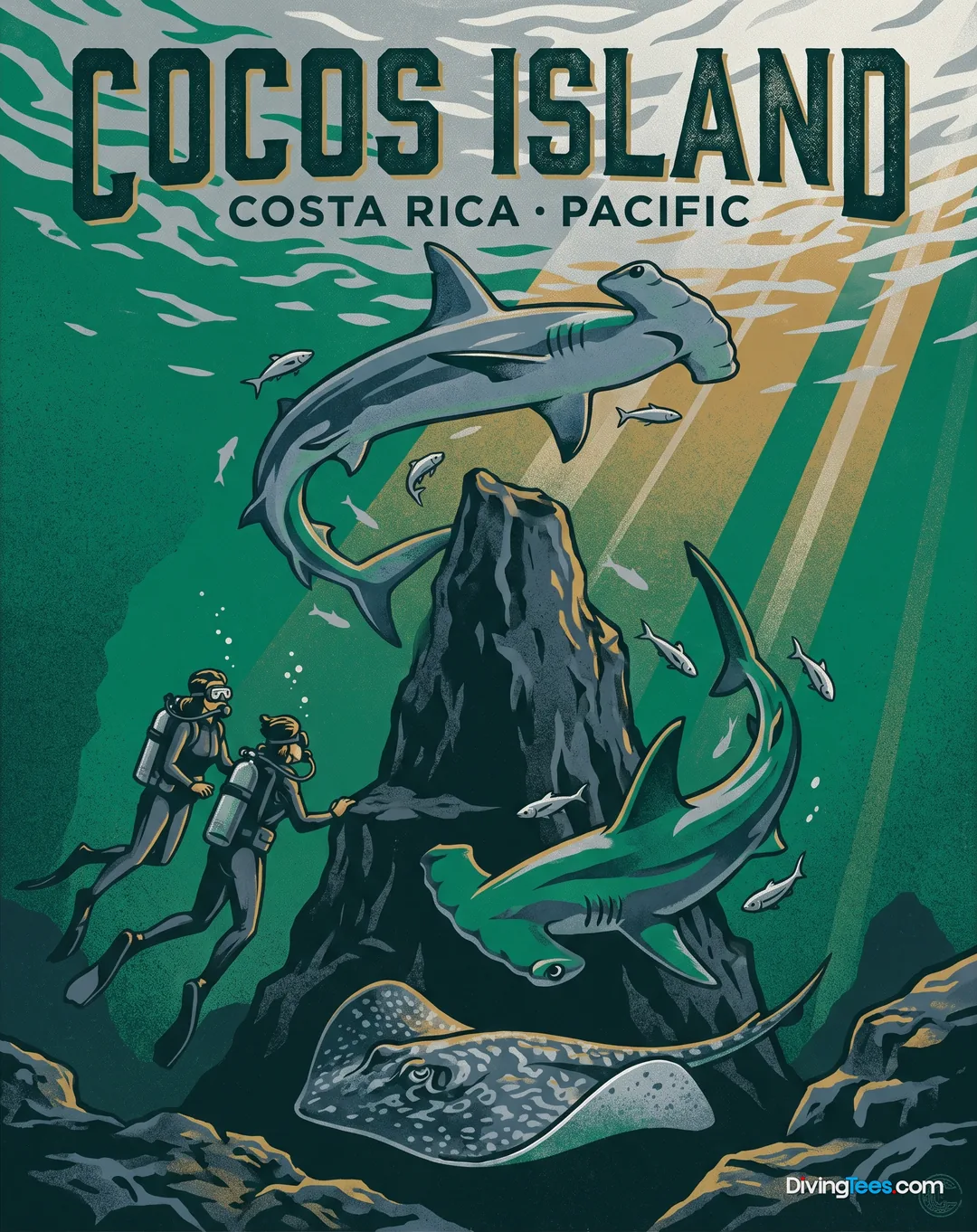
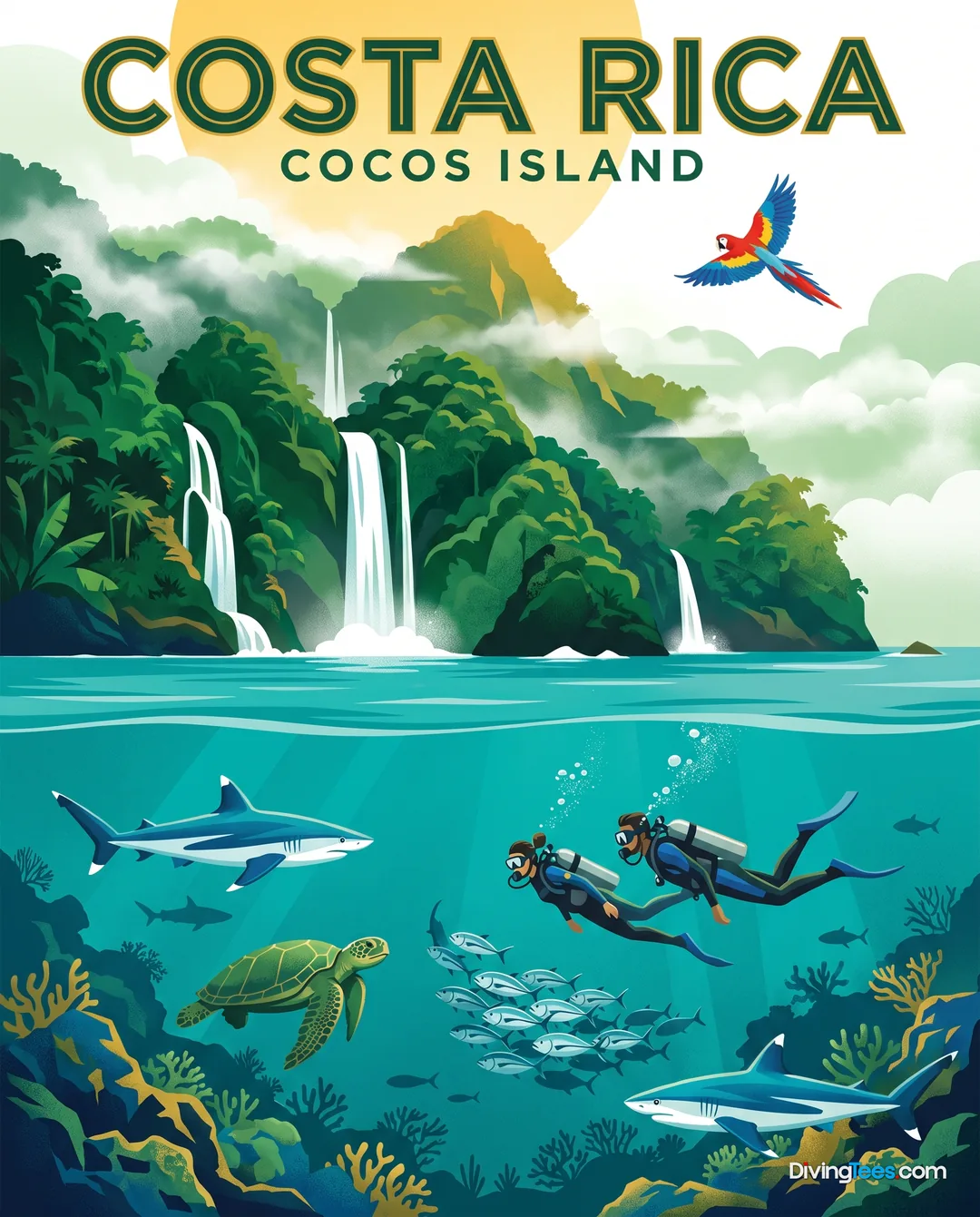
Cocos Island · Costa Rica · Americas
Max. depth · 39 mManuelita Channel, Cocos Island: Shark encounters in currents
Navigate the strong currents of Manuelita Channel to encounter schooling hammerheads and dense aggregations of whitetip reef sharks.
What makes this site special
- Consistent strong currents for drift diving
- High probability of hammerhead shark encounters
- Dense aggregations of whitetip reef sharks
- Sightings of tiger sharks and Galapagos sharks
- Frequent eagle ray and manta ray observations
- Rocky reef and wall topography from 6 to 39 metres
- Channel acts as a natural aggregation point for pelagics
Manuelita Channel about the site
Manuelita Channel carves a path between Cocos Island and Manuelita Island, offering a dive profile that shifts from sheltered coral gardens to an exposed wall. You enter this narrow corridor, where the topography blends rocky reefs, significant boulders, and slopes covered in coral, before transitioning to a more vertical outer section. The terrain allows you to move from the shallow, sunlit reef into deeper water efficiently, guiding your descent as the landscape unfolds below you.
The site effectively presents two distinct diving experiences within a single location. The inner, more sheltered side of the channel features a shallow reef environment, often acting as a cleaning station for various species. Here, you'll observe the intricate ecosystem at closer range, moving through the coral and rubble. In contrast, the exposed outer section plunges along larger rock formations and a reef edge that acts like a wall, drawing in larger pelagic life that thrives in the open current.
Currents are a defining feature of Manuelita Channel. They are consistently described as strong, particularly within the channel itself and along the more exposed outer areas. This is not a static dive; expect to cover ground as you drift, often moving with the flow rather than fighting against it. These dynamic conditions contribute to the site's reputation as a magnet for pelagic species, requiring an awareness of your position and the surrounding water movement.
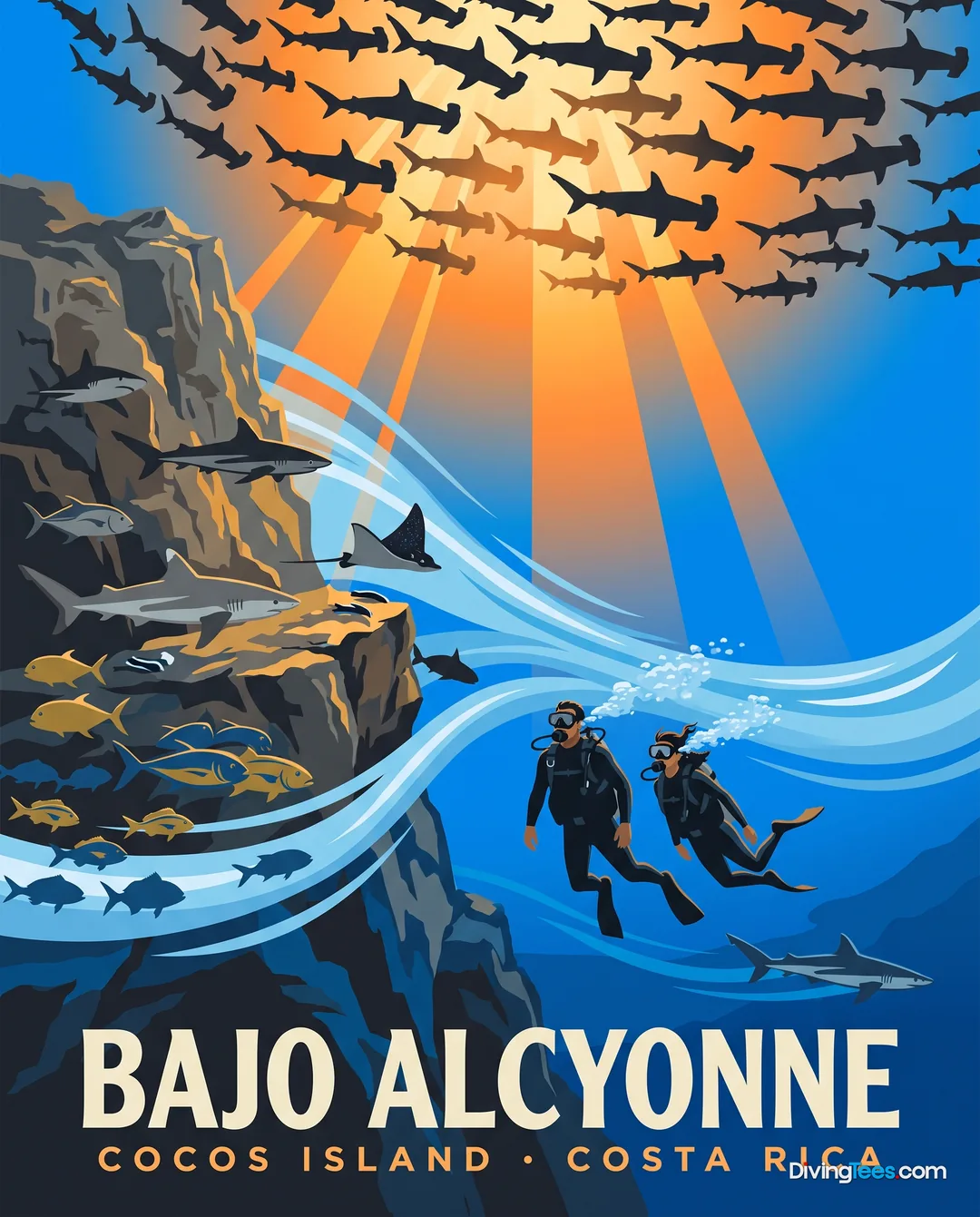
Visibility here typically ranges between 15 and 30 metres, allowing clear views of the abundant marine life even in the stronger currents. As you navigate the channel, you'll encounter numerous whitetip reef sharks, often seen in large aggregations, particularly when resting during the day or becoming highly active at night. This dense shark activity is a hallmark of Manuelita, distinguishing it from other reef dives in the area.
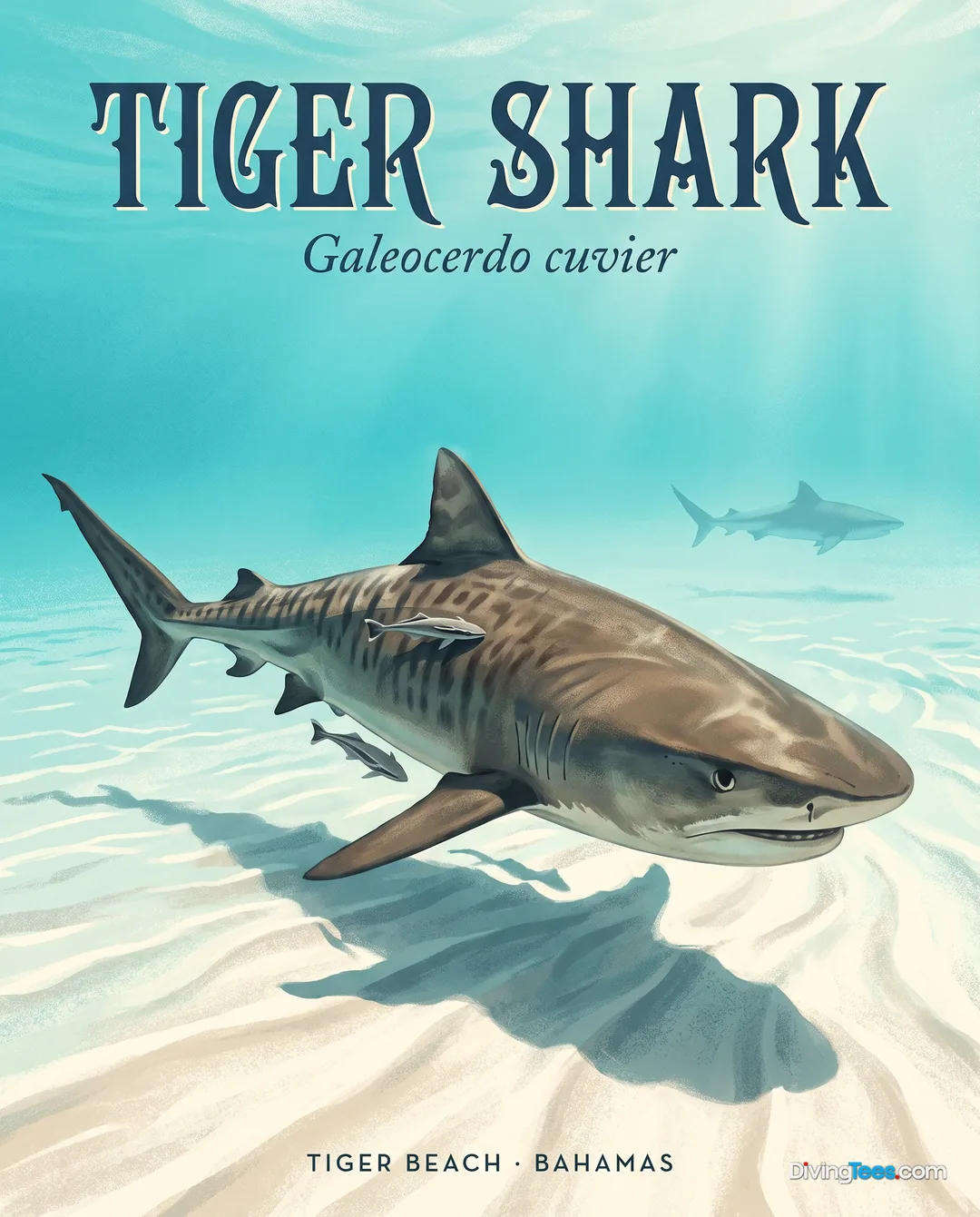
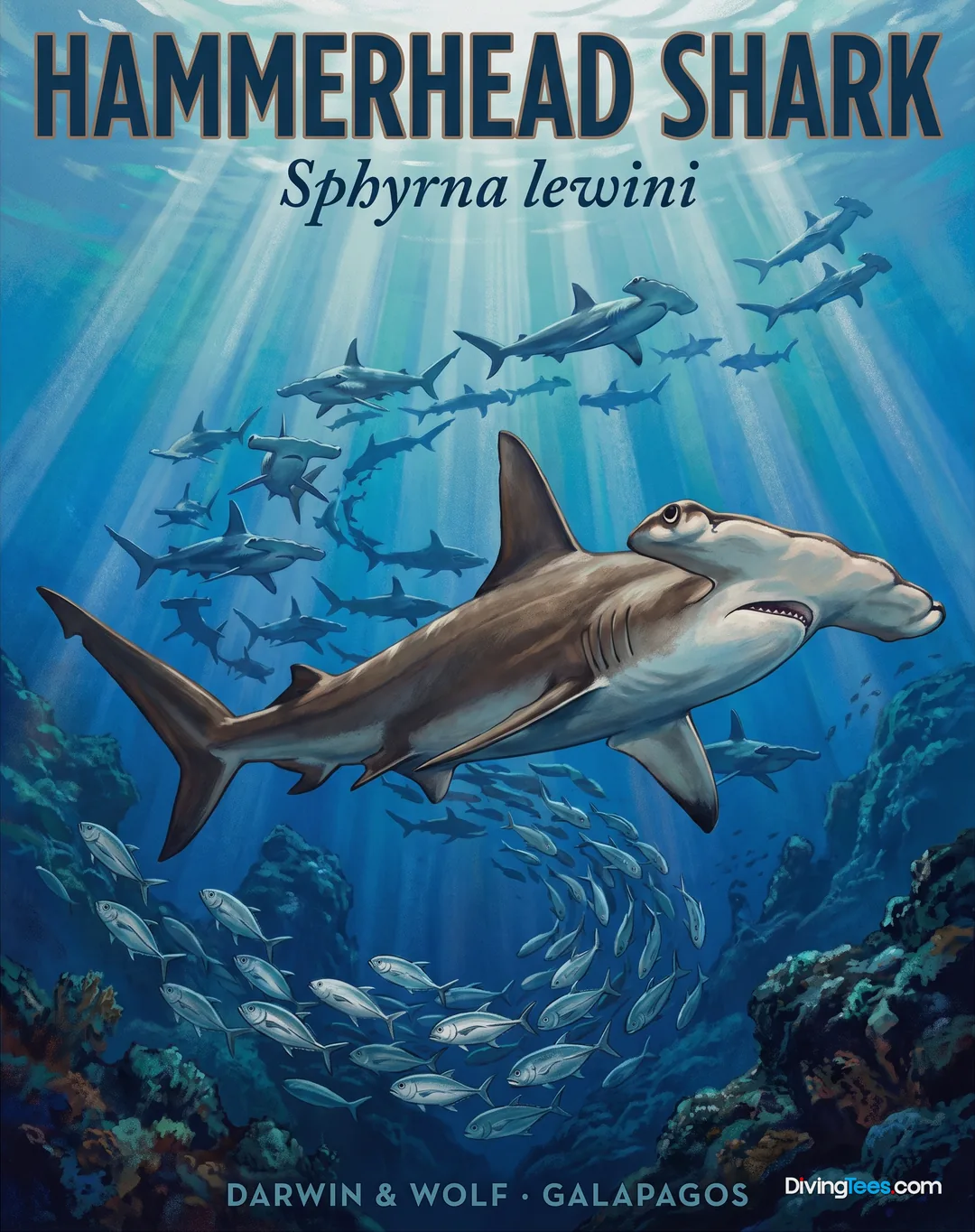
Beyond the resident whitetip reef sharks, Manuelita Channel is renowned for its larger pelagic visitors. Hammerhead sharks are a frequent sight, often schooling in the stronger currents, and you may also encounter tiger sharks patrolling the deeper sections. The presence of these apex predators underscores the rich food chain supported by the channel's dynamic conditions and nutrient-rich waters.
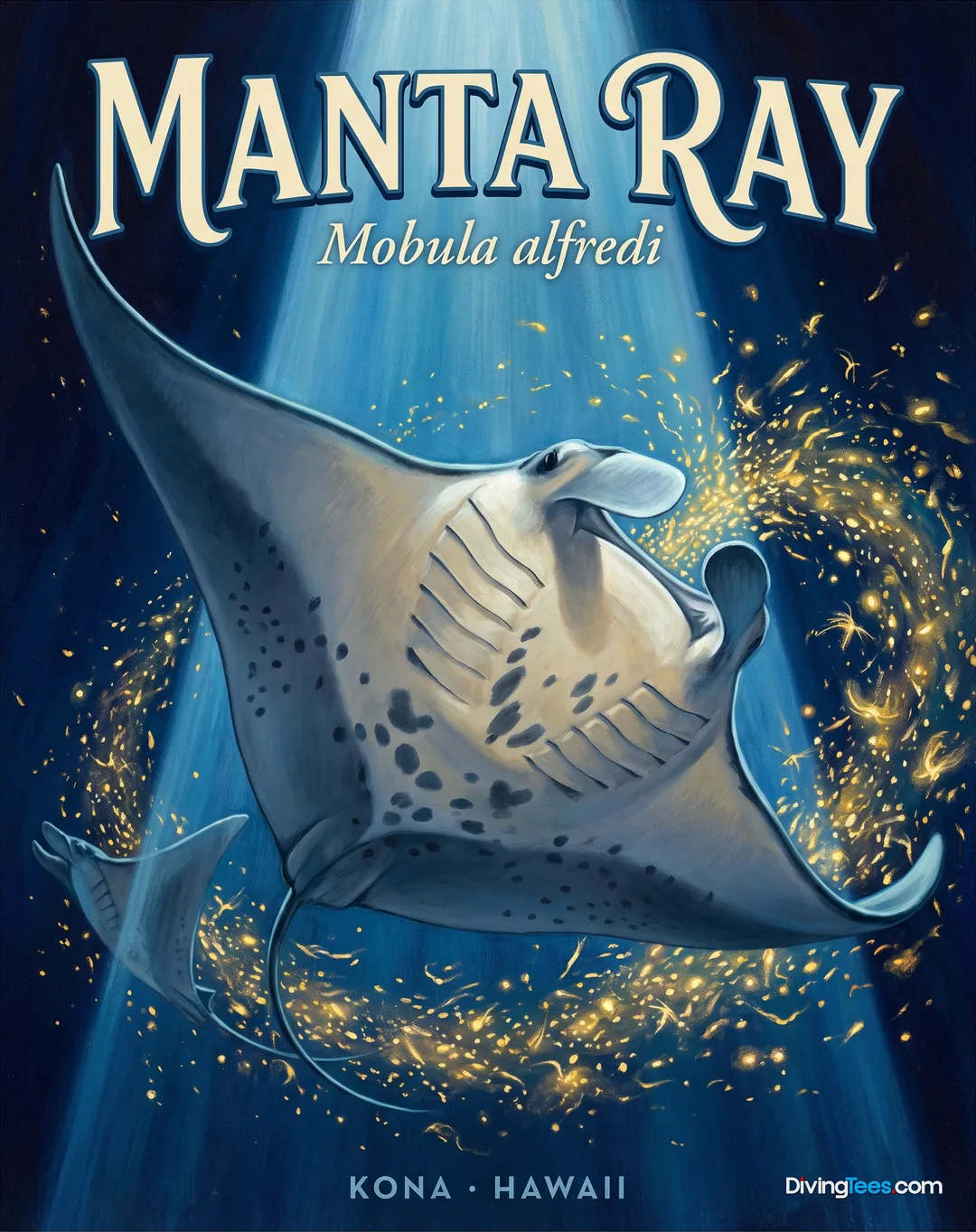
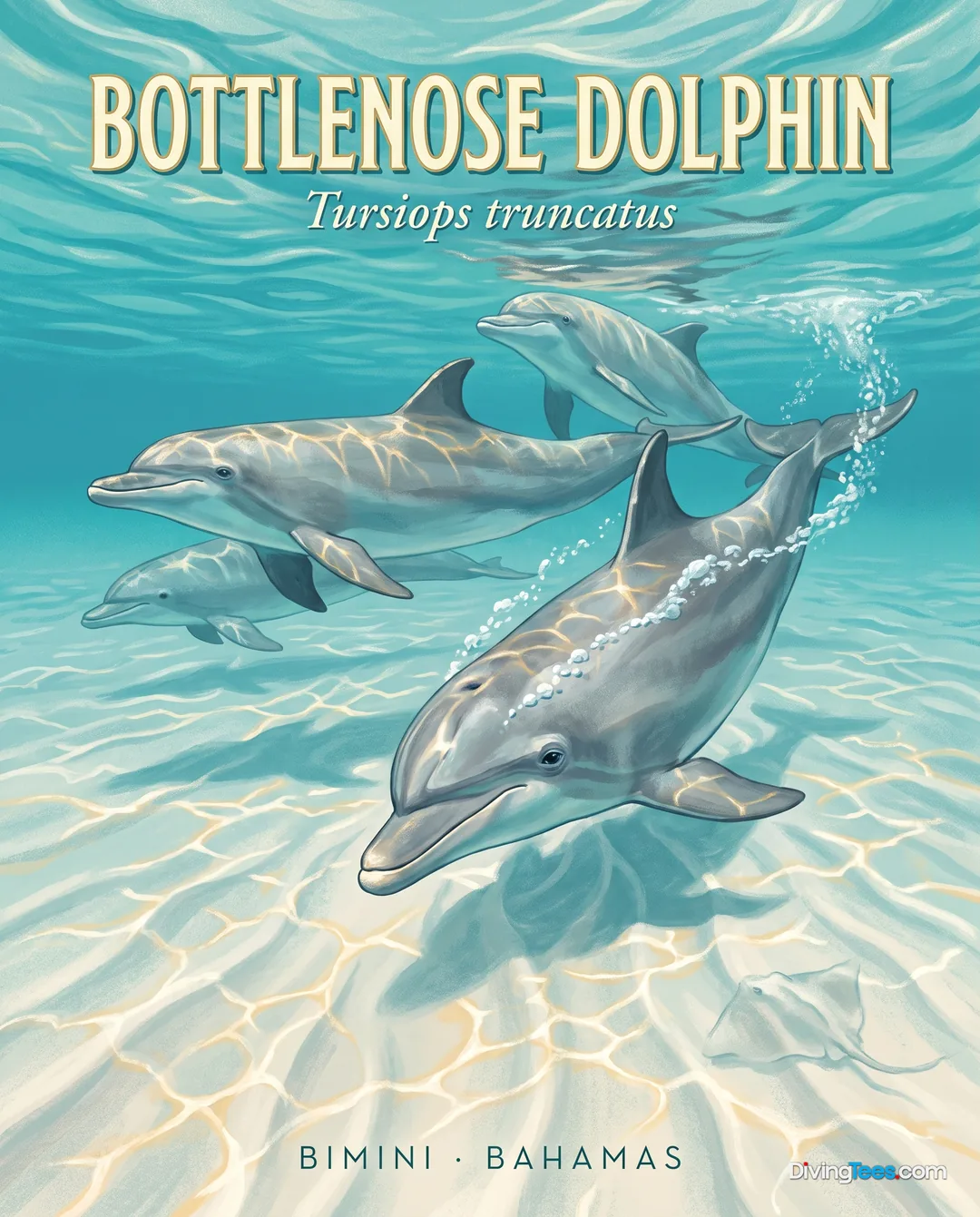
Other large marine species frequently observed include eagle rays and manta rays, gracefully gliding through the currents, alongside the powerful Galapagos sharks. Schools of jack, tuna, and marbled rays also traverse the channel. Look closer into the reef structure and along the boulders, and you'll find moray eels, lobsters, and hawksbill turtles. Spinner dolphins and bottlenose dolphins are also known to pass through, adding another dimension to the pelagic encounters.
Diving Manuelita Channel: the marine life you’ll meet
Diving conditions
This is an Advanced level dive, and prior experience with strong currents is essential due to the consistently powerful flows in the channel. Depths range from 6 metres on the shallow reef to a maximum of 39 metres on the deeper sections. Visibility typically sits between 15 and 30 metres. The best season for hammerhead and general shark activity is from June to November. For calmer seas and potentially clearer visibility, aim for December to May.
Three dives not to miss
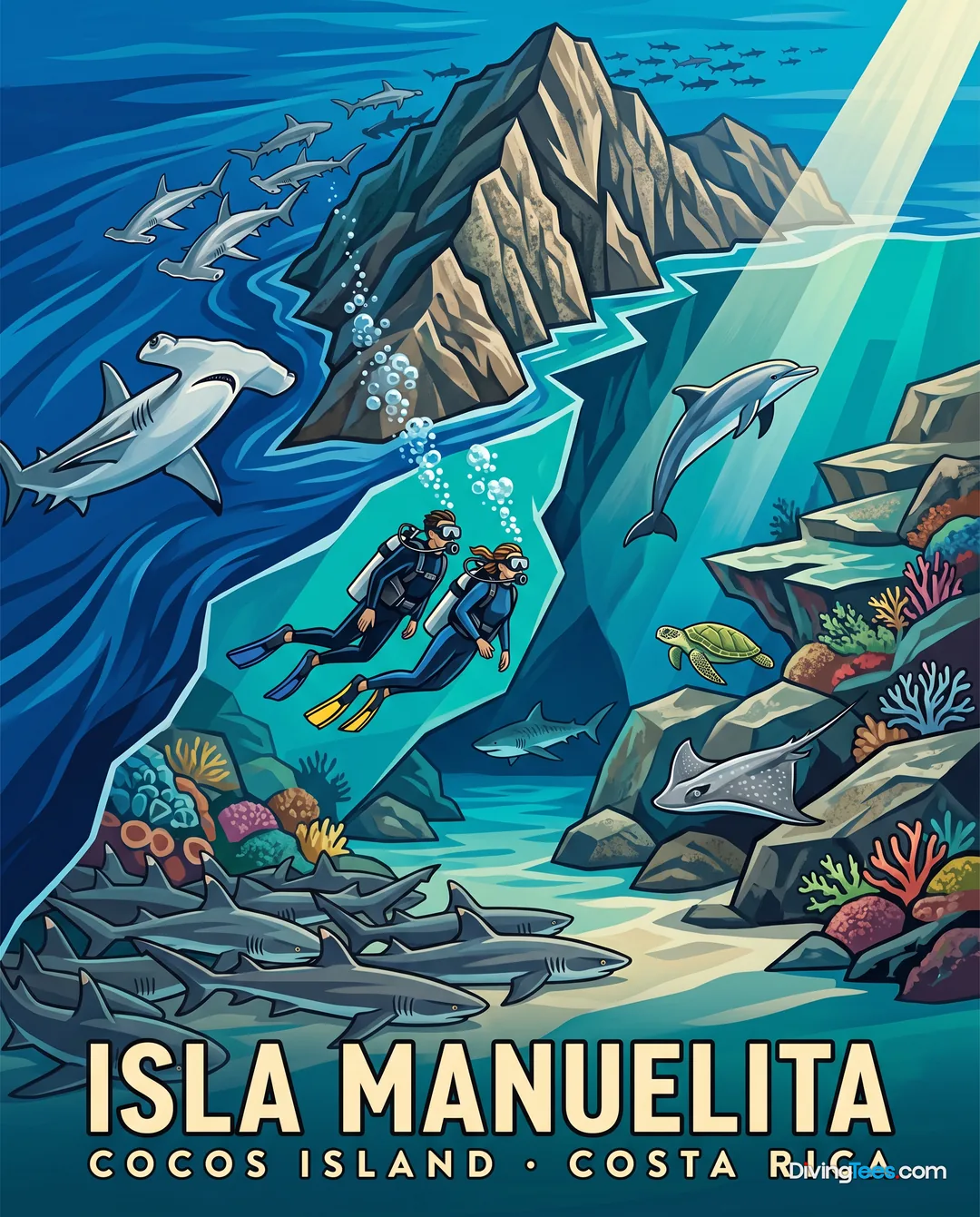
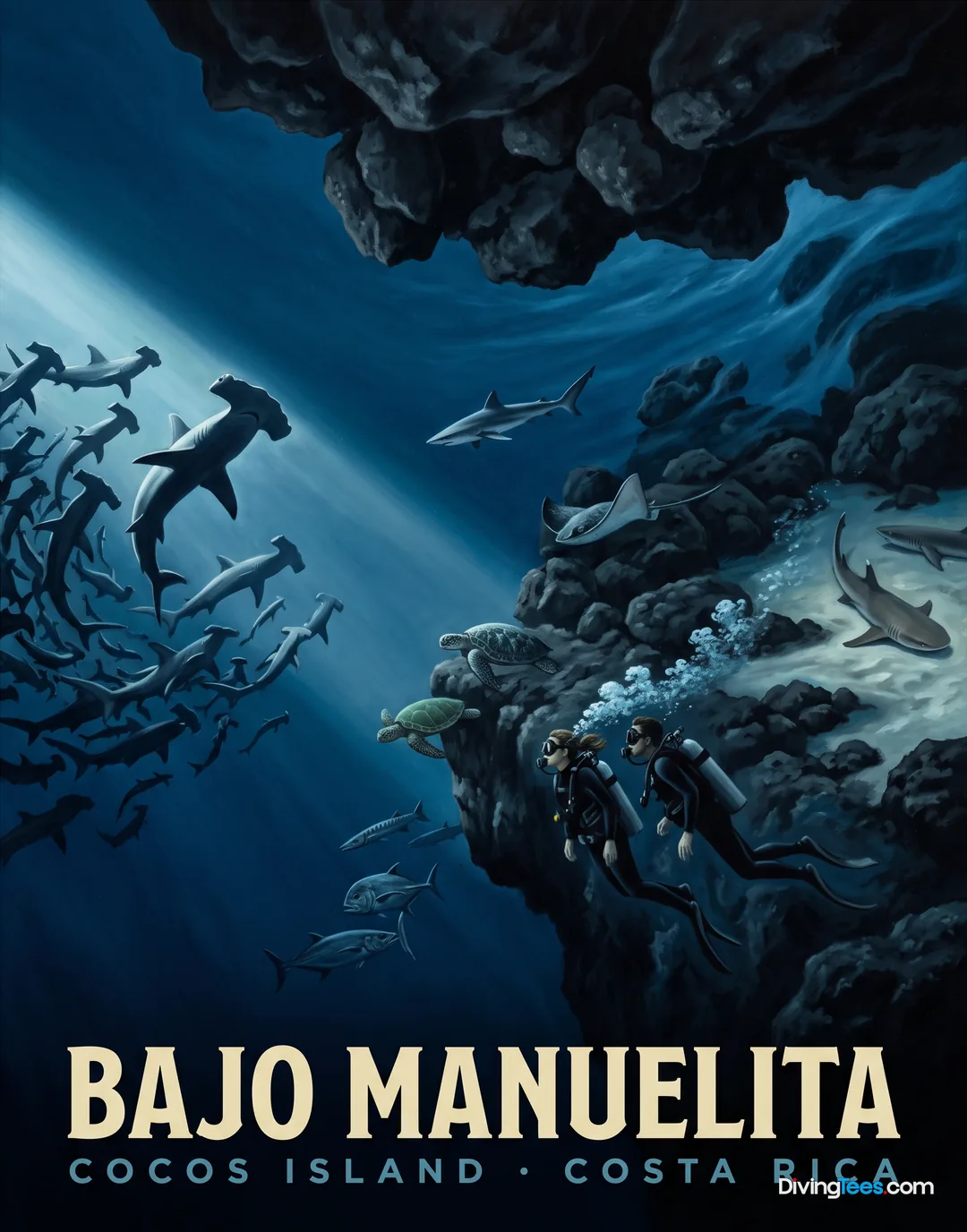
Map of dive sites in Cocos Island
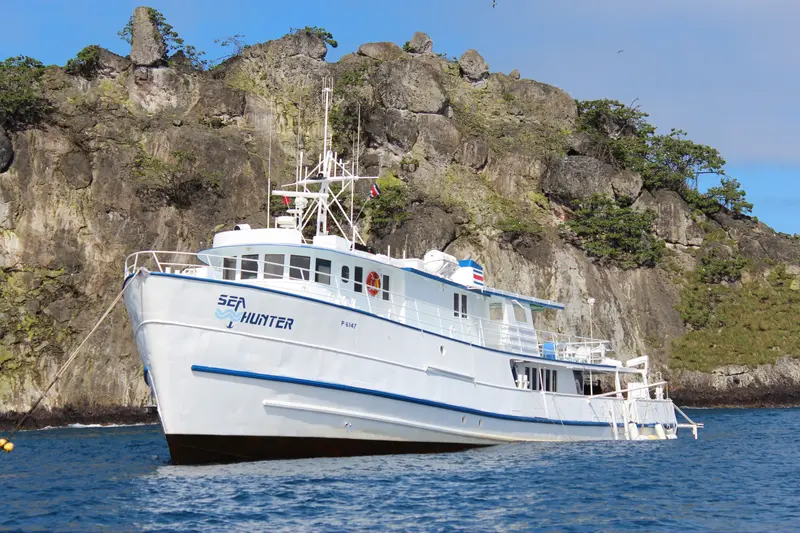
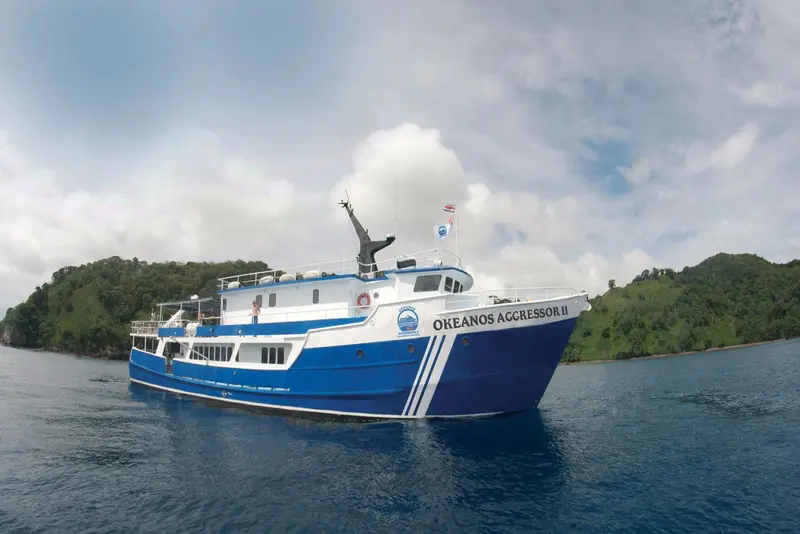
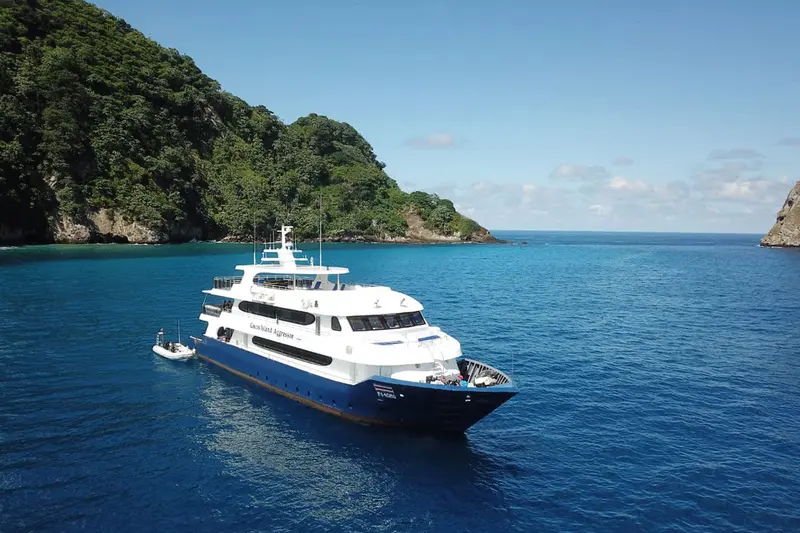
Dive liveaboards Cocos Island
3 liveaboards run trips to Cocos Island.
Frequently asked questions about Manuelita Channel
When should you dive Manuelita Channel for sharks and calmer conditions?
For hammerhead sharks and general shark activity, plan your dive between June and November. If you prefer calmer seas and potentially clearer visibility, December to May may suit you better. Conditions change with the season, while the channel remains known for strong currents throughout the year.
What experience do you need for diving Manuelita Channel, and what are the currents like?
Manuelita Channel is an advanced-level dive requiring prior experience with strong currents. The flow is consistently powerful, particularly inside the channel and along the exposed outer areas. You should expect a drift dive where you move with the current, cover ground, and maintain awareness of your position and surroundings.
How deep is Manuelita Channel, and what visibility can you expect?
Manuelita Channel ranges from 6 metres on the shallow reef to 39 metres in the deeper sections. Visibility typically measures between 15 and 30 metres, allowing you to view the reef and marine life while drifting through the channel, across rocky formations, and along the exposed wall.
What can you see while diving Manuelita Channel?
You may see dense aggregations of whitetip reef sharks, hammerhead sharks, tiger sharks, Galapagos sharks, eagle rays, and manta rays. Jack, tuna, marbled rays, moray eels, lobsters, hawksbill turtles, spinner dolphins, and bottlenose dolphins also occur around the coral gardens, boulders, wall, and open current.