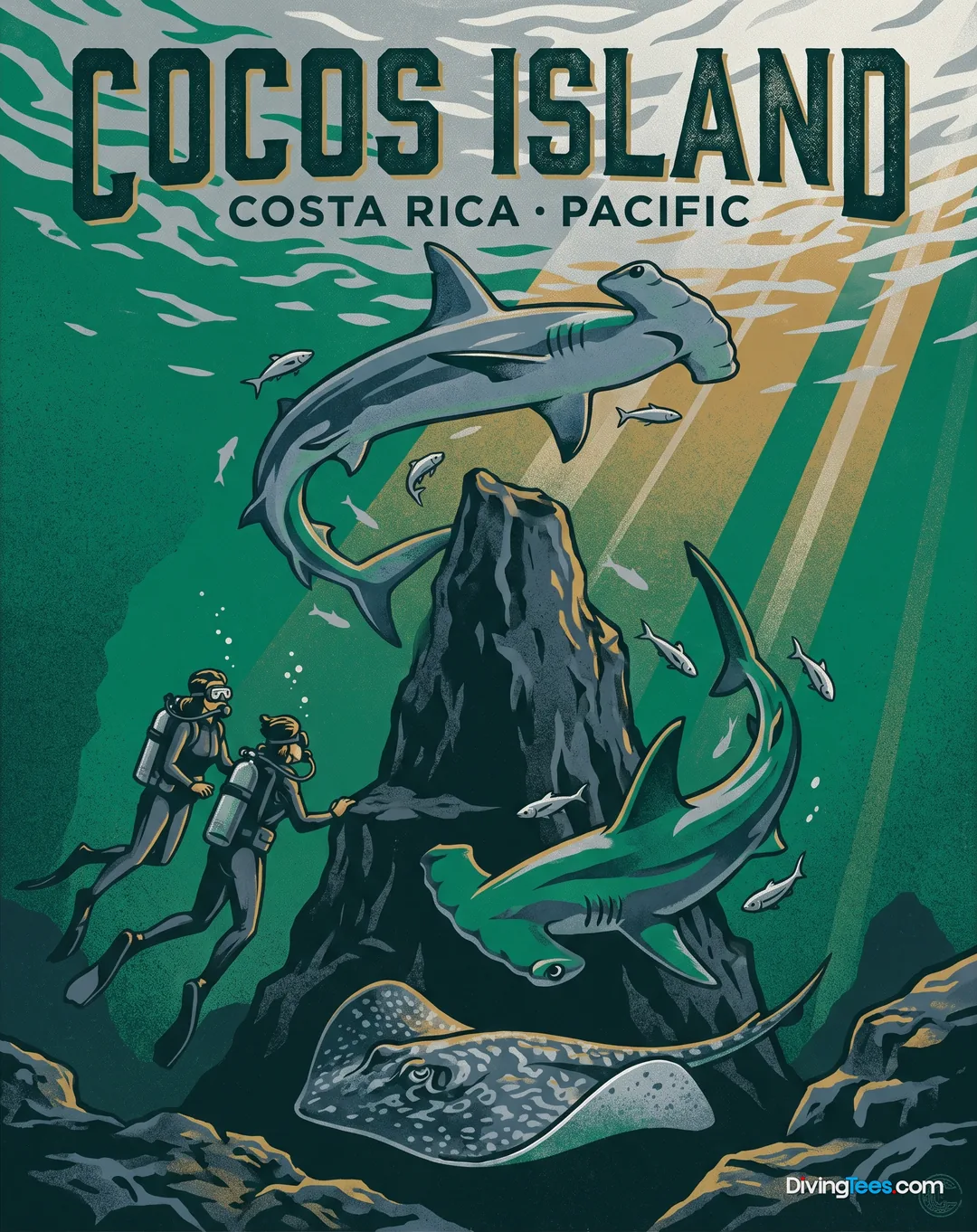
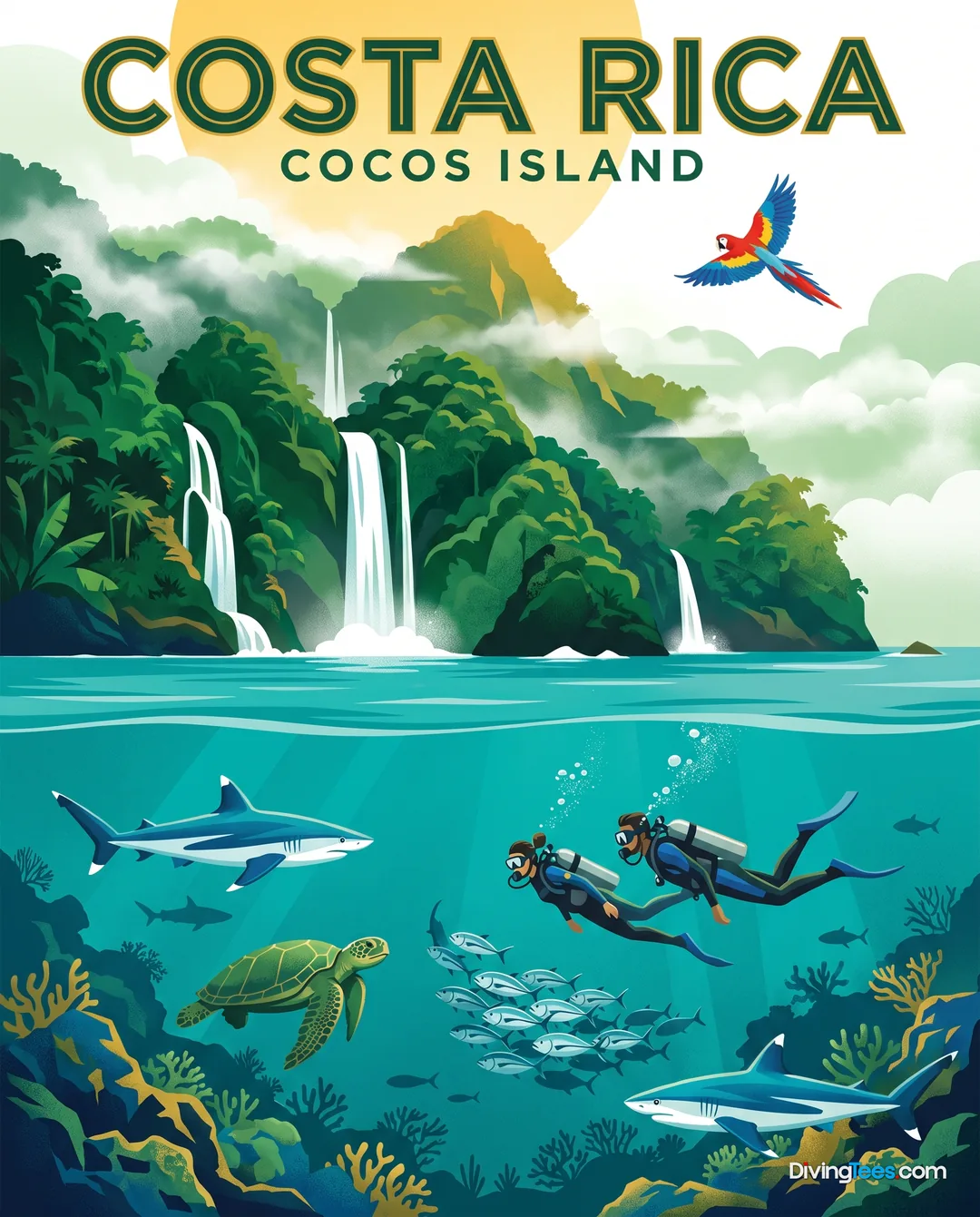
Cocos Island · Costa Rica · Americas
Max. depth · 35 mDirty Rock, Cocos Island: Hammerhead Cleaning Stations
Dirty Rock offers consistent encounters with large schools of scalloped hammerhead sharks, congregating at cleaning stations along its volcanic pinnacles.
What makes this site special
- Large schools of scalloped hammerhead sharks
- Active cleaning stations in mid-20 metre range
- Encounters with Galapagos and whitetip reef sharks
- Presence of marble, eagle, and manta rays
- Green and hawksbill sea turtles
- Large schools of bigeye jacks and yellowfin tuna
- Volcanic pinnacles and sheltered channel topography
- Strong currents providing dynamic drift diving
Dirty Rock about the site
Dirty Rock, known locally as Roca Sucia, is a distinctive volcanic islet that rises from deep water, breaking the surface just enough to mark its presence. Below the waves, the formation plunges to a maximum depth of 35 metres, dominated by an intricate system of boulders and pinnacles. On its western side, a two-tiered pinnacle system ascends from the deeper reaches to about 18 metres, creating a complex underwater landscape. This geological structure is the foundation for one of Cocos Island's most active cleaning station environments.
Your descent at Dirty Rock often begins with a back-roll or giant-stride directly into the blue, or close to the main structure, necessitating a swift drop to the action zone. The site is offshore, meaning you're exposed to the full force of the Pacific, and the current is a constant factor that shapes the dive. This strong, sometimes intense, current means you'll often be holding position or executing controlled drifts, especially through the approximately 100-metre-long sheltered channel that bisects parts of the site.
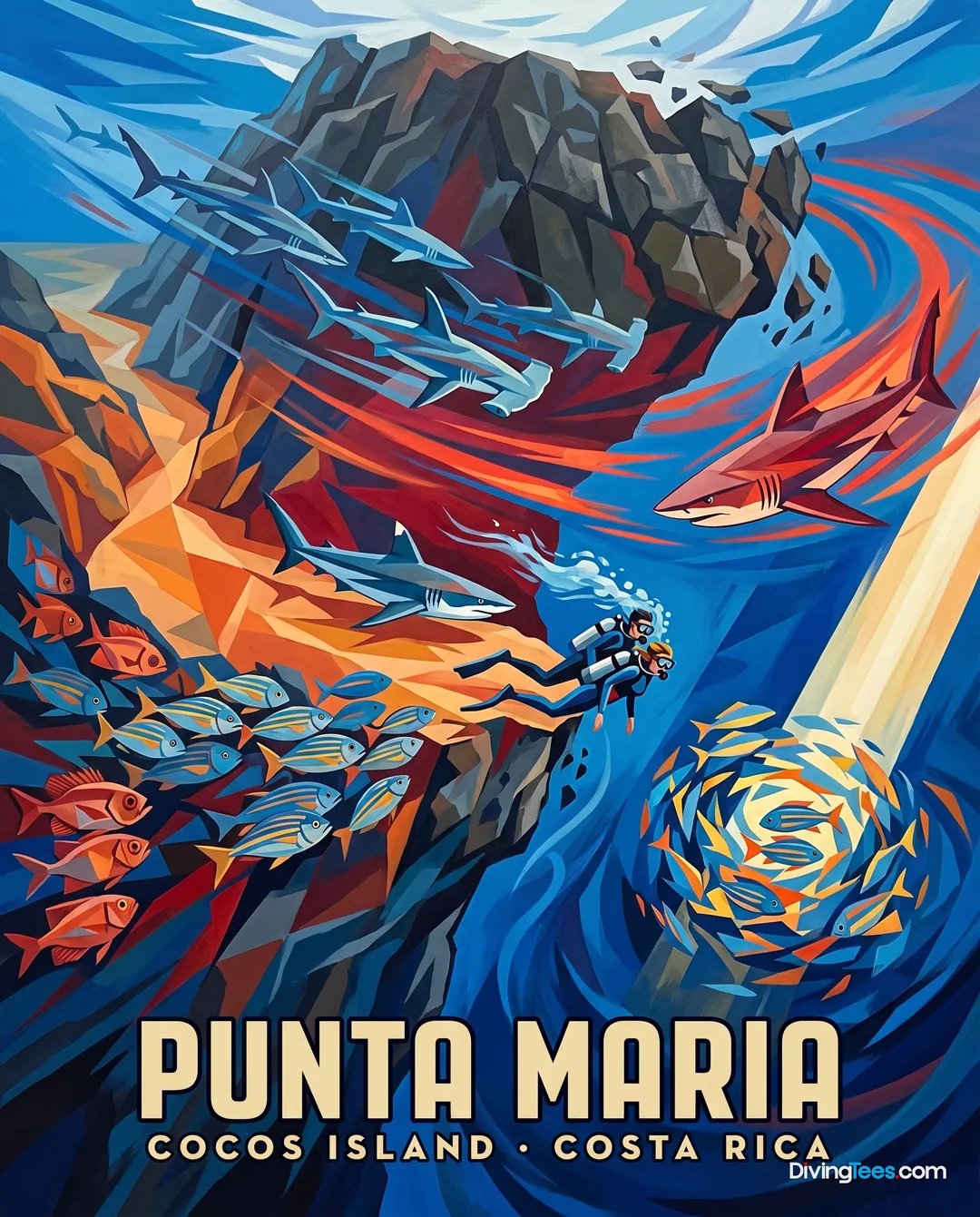
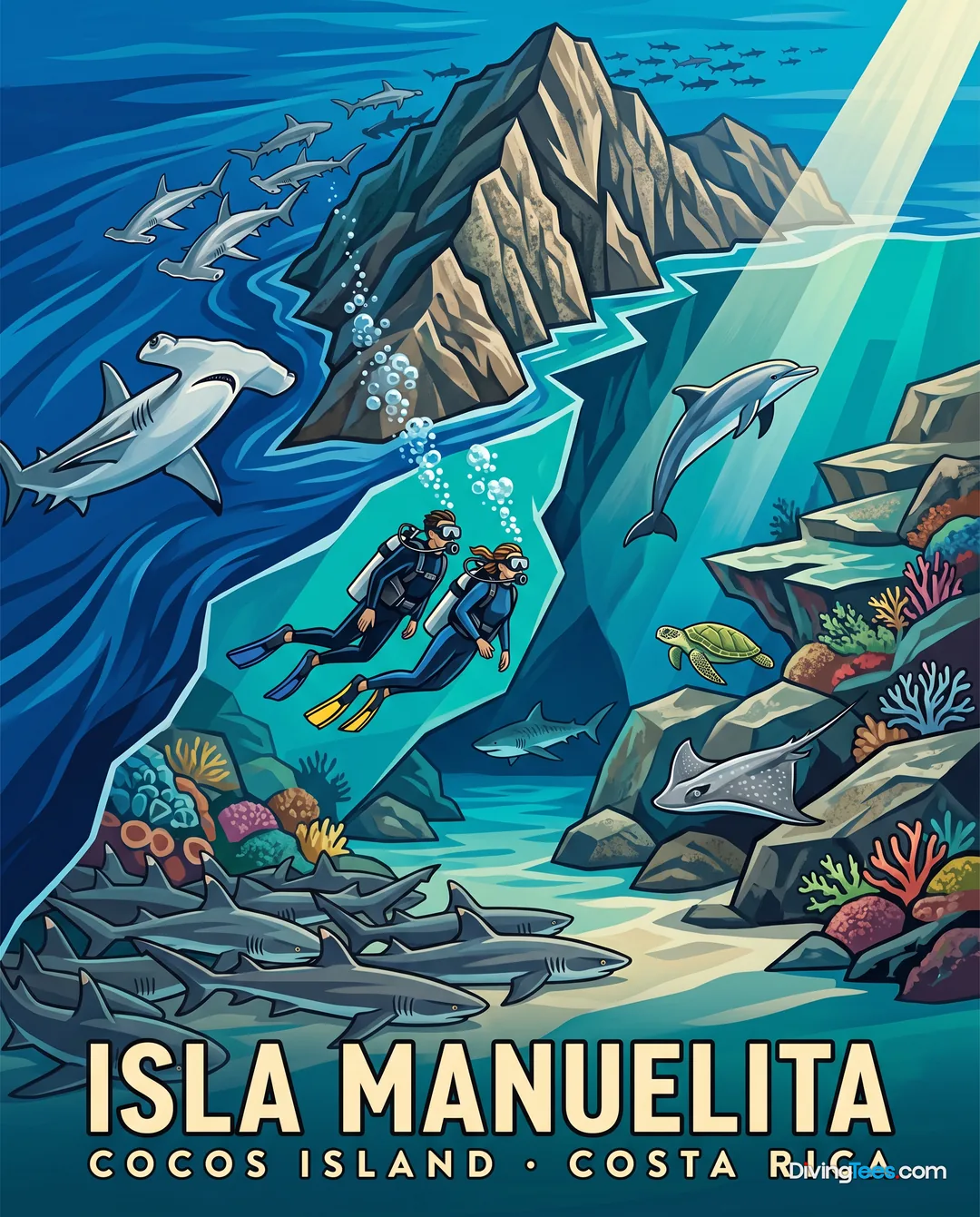
The primary draw to Dirty Rock is the scalloped hammerhead shark (Sphyrna lewini), which schools in significant numbers here. These sharks utilize the site's geology as cleaning stations, particularly along the southern face and around the numerous pinnacles, with activity typically commencing in the mid-20 metre range. Observing these aggregations requires careful buoyancy control and an understanding of how to use the terrain to shelter from the current while remaining still for observation.
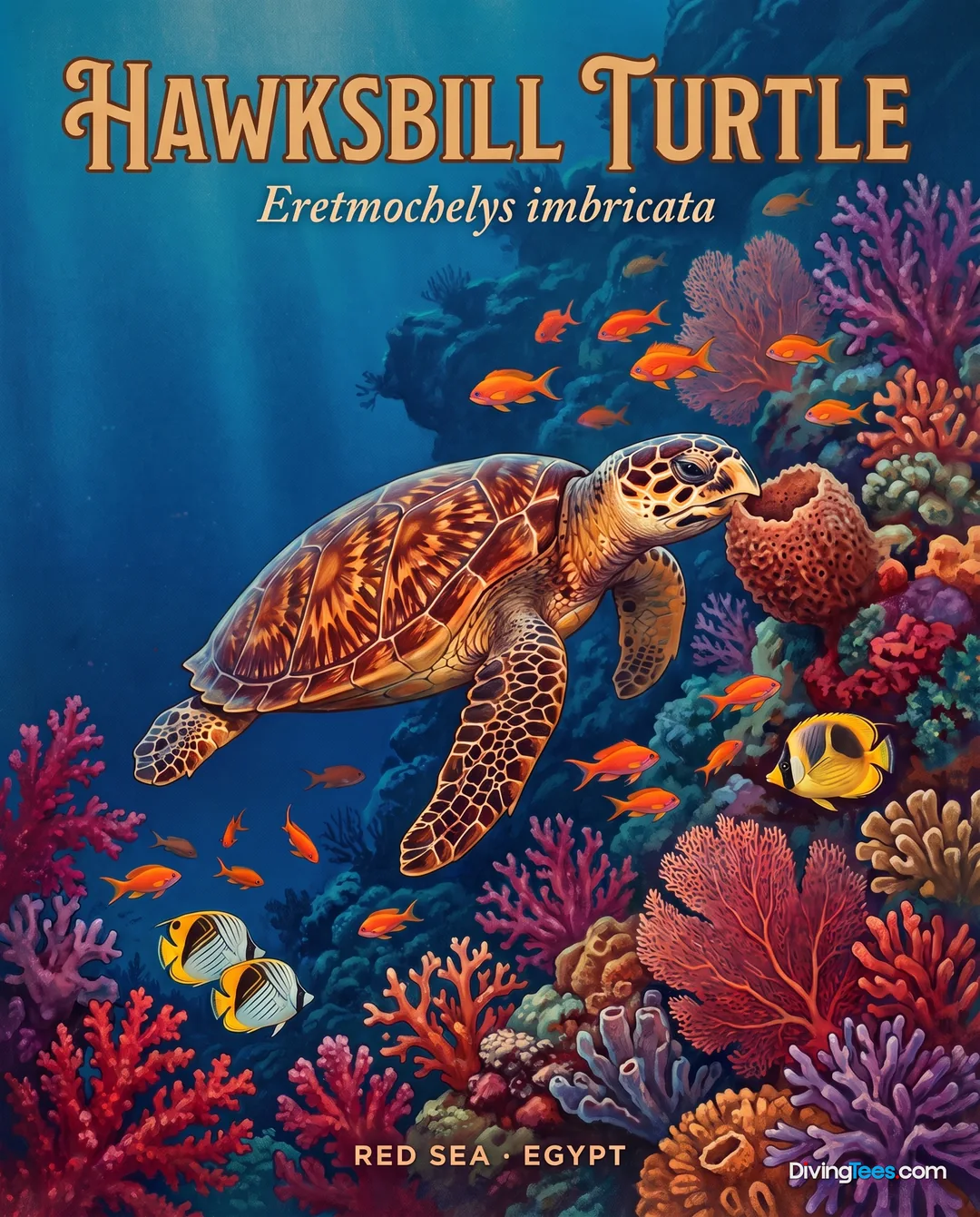
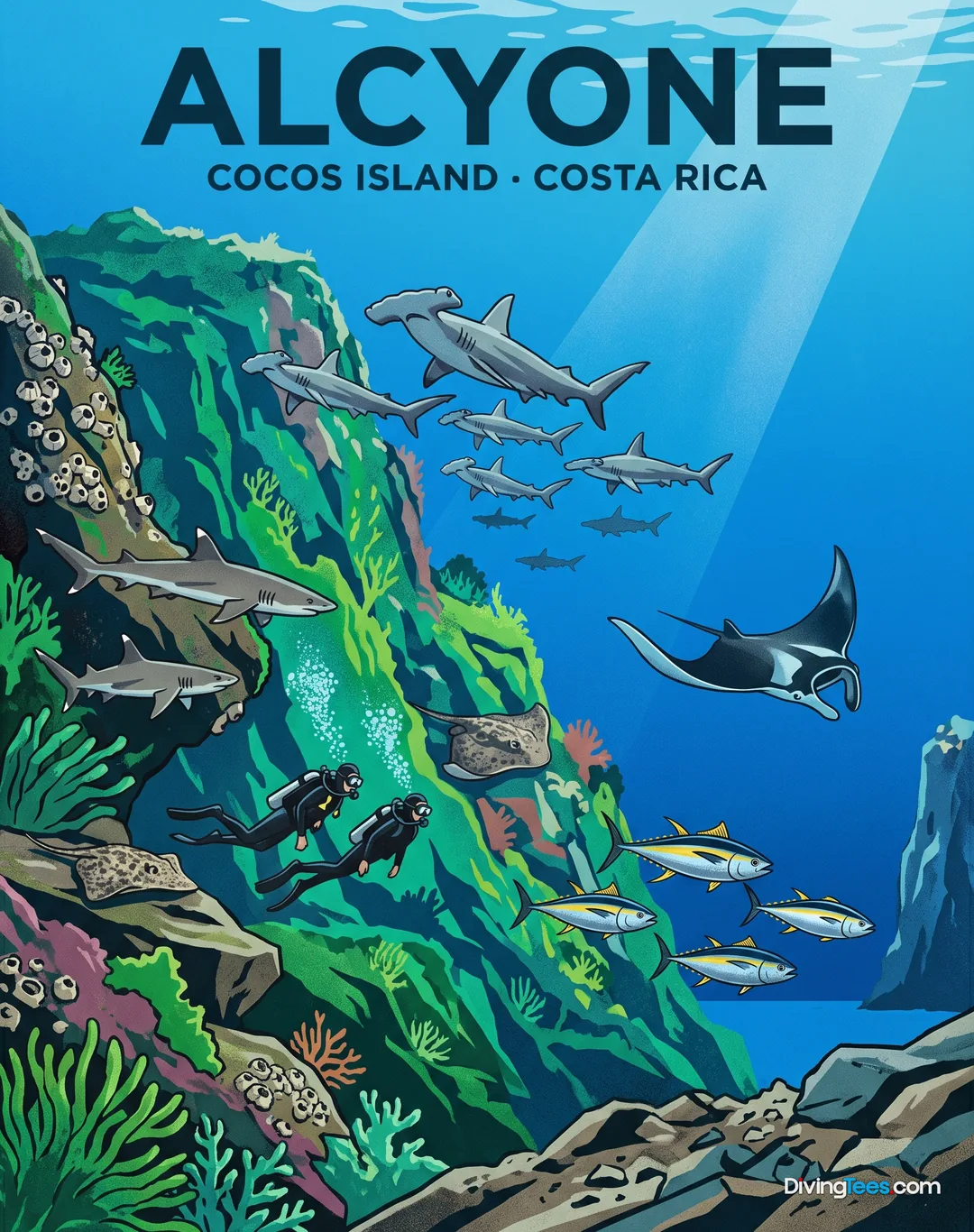
Beyond the hammerheads, Dirty Rock supports a rich pelagic ecosystem. You'll regularly encounter Galapagos sharks, whitetip reef sharks, and an array of rays including marble rays, eagle rays, and manta rays. Green sea turtles and hawksbill turtles are also frequent visitors, often seen navigating the currents or resting on the rocky ledges. The site’s high biomass extends to large schools of bigeye jacks and yellowfin tuna, which contribute to the often-dense aggregations of fish.
The cleaning stations themselves are teeming with barberfish and king angelfish, which service the larger pelagic species. These smaller reef inhabitants play a crucial role in the ecosystem, and their presence indicates a healthy and active reef. While your focus might be on the larger animals, taking the time to observe these interactions at closer range reveals the intricate dynamics of the underwater world here.
Conditions at Dirty Rock are defined by the prevailing oceanic forces. Visibility typically ranges between 20 and 30 metres, offering clear views of the schools and structures, though this can be affected by plankton blooms that attract the larger filter feeders. The light changes as you move deeper, with the sheer density of fish aggregations sometimes partially obscuring the sunlight, creating dramatic visual effects.
Navigating Dirty Rock often involves a guided route that might include a drift across the central channel, using the current to your advantage while conserving air. This approach allows you to cover more ground and observe different sections of the site without excessive exertion. Due to the offshore location and consistently strong currents, managing your air consumption and understanding decompression limits are critical, especially when staying deep for extended observations of shark activity.
Diving Dirty Rock: the marine life you’ll meet
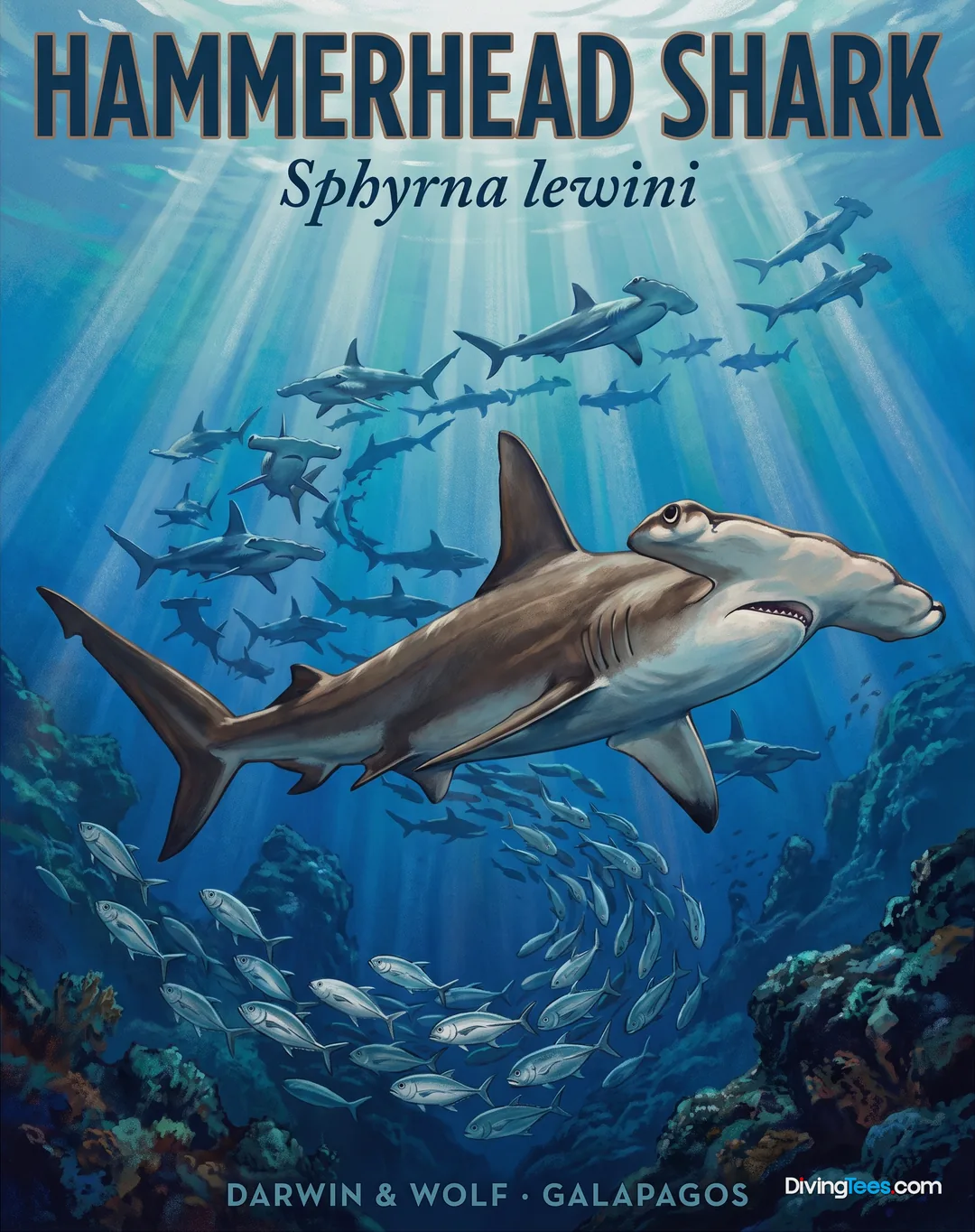

Diving conditions
Diving at Dirty Rock requires an Advanced Open Water certification and a comfort level with strong currents and mid-depth seamount dives; a minimum of 50 logged dives is recommended. Depths range from 20 metres to a maximum of 35 metres. Visibility is typically between 20 and 30 metres, influenced by oceanic conditions. Expect strong currents, which vary with tides, season, and prevailing weather, sometimes necessitating swift descents. While diving is good year-round, schooling hammerheads are a major highlight during the rainy season, approximately June through October.
Three dives not to miss
Map of dive sites in Cocos Island
Dive liveaboards Cocos Island
3 liveaboards run trips to Cocos Island.
Frequently asked questions about Dirty Rock
When should you dive Dirty Rock?
Dirty Rock is suitable for diving year-round. If schooling scalloped hammerheads are your main interest, the rainy season, approximately June through October, is a key period. Visibility typically ranges from 20 to 30 metres, although oceanic conditions and plankton blooms can influence what you see during the dive.
What experience do you need for Dirty Rock?
Dirty Rock requires an Advanced Open Water certification and comfort with strong currents and mid-depth seamount diving. A minimum of 50 logged dives is recommended. You also need careful buoyancy control, particularly when observing shark cleaning stations, and an understanding of how to use the rocky terrain for shelter from the current.
How deep is Dirty Rock?
Dirty Rock ranges from 20 metres to a maximum of 35 metres. Scalloped hammerhead cleaning stations are active in the mid-20 metre range, while the western two-tiered pinnacle system rises to about 18 metres. The site’s boulders and pinnacles descend from the islet into deeper water.
What currents and marine life should you expect at Dirty Rock?
Dirty Rock has strong currents that vary with tides, season, and prevailing weather, sometimes requiring a swift descent. You may hold position or drift through the sheltered channel. Encounters can include scalloped hammerheads, Galapagos and whitetip reef sharks, marble, eagle, and manta rays, turtles, bigeye jacks, and yellowfin tuna.