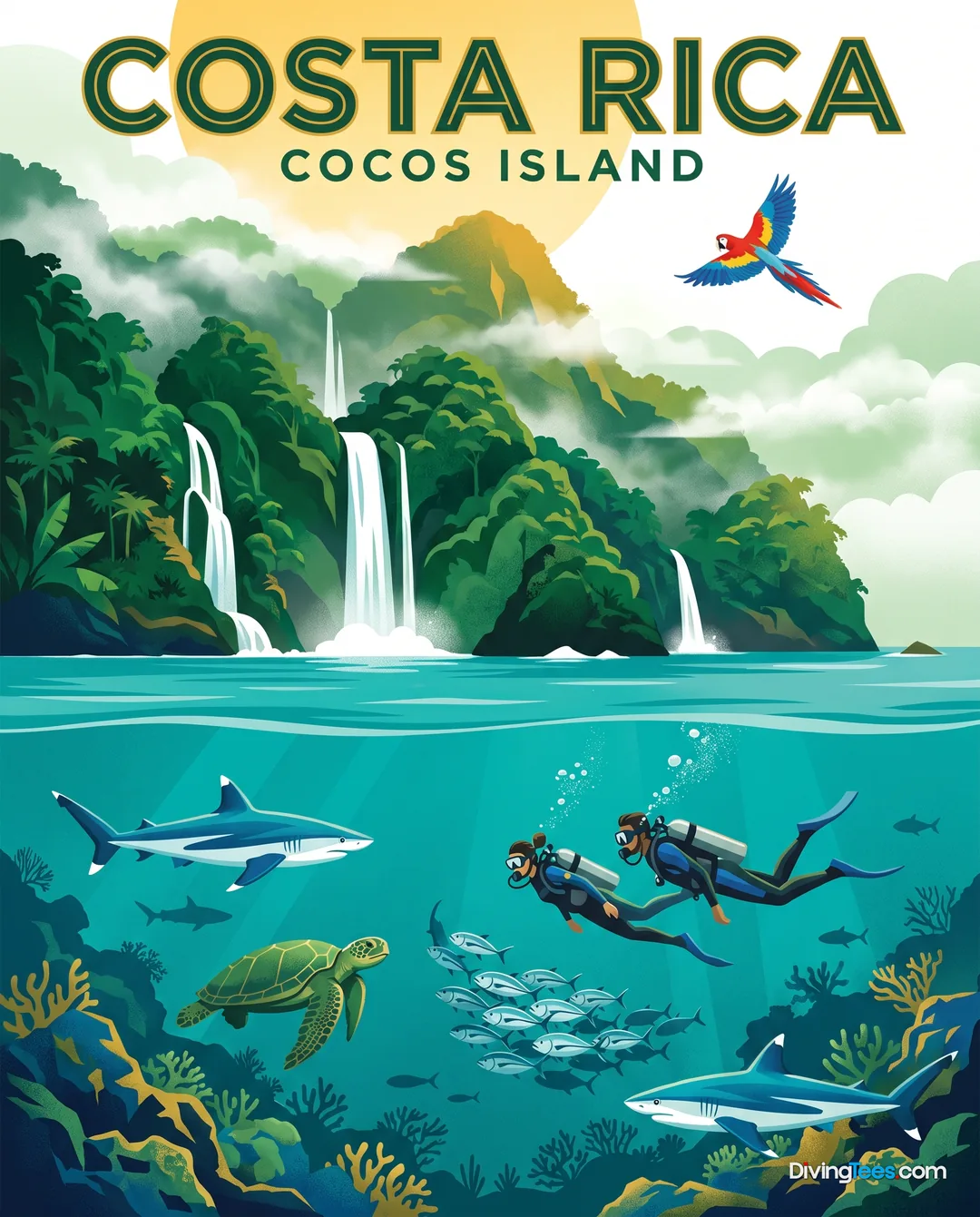
Cocos Island · Costa Rica · Americas
Max. depth · 40 mAlcyone, Cocos Island: Shark Diving on a Submerged Seamount
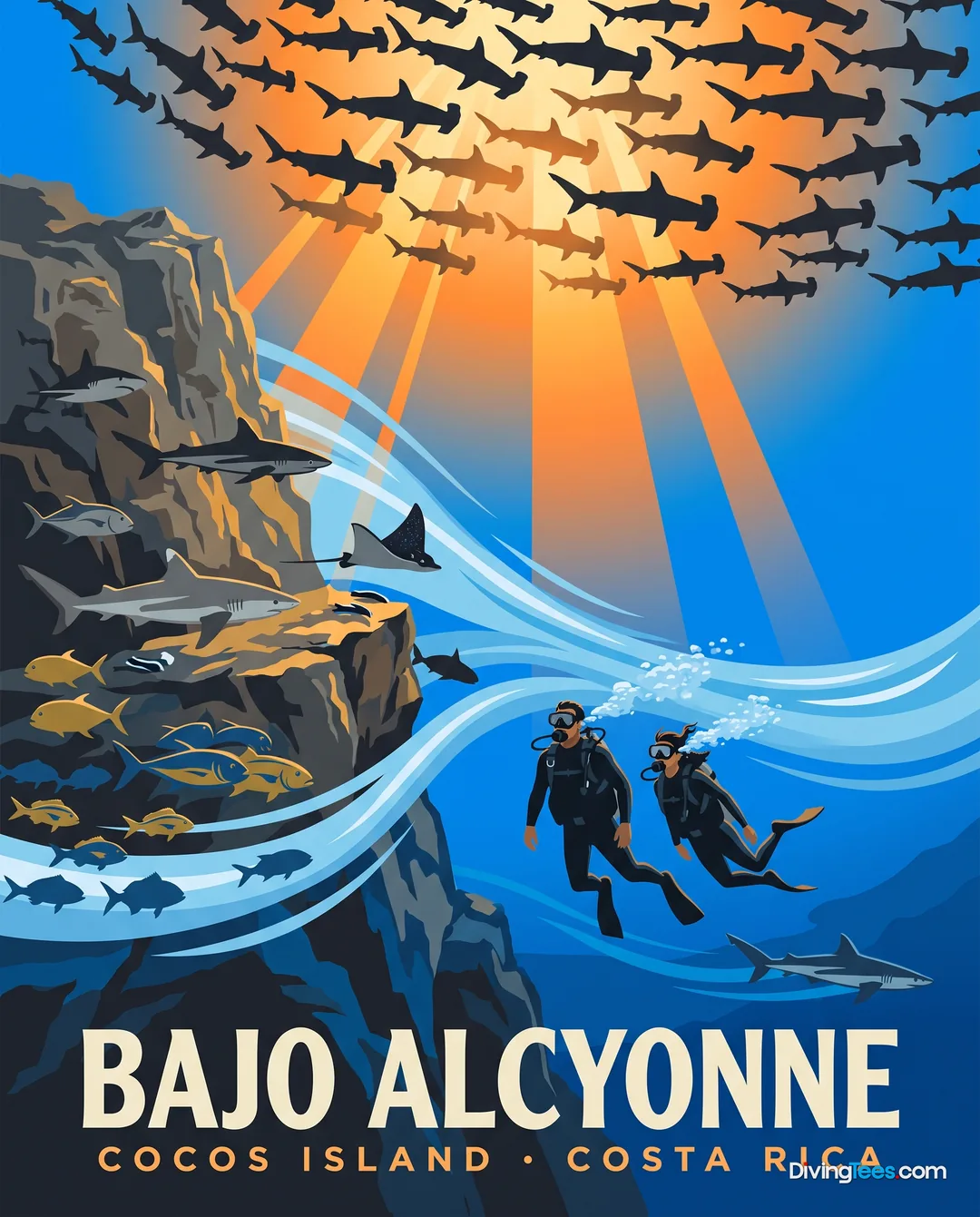
Alcyone offers an unparalleled encounter with large pelagics, especially scalloped hammerhead sharks, gathered around its submerged pinnacle.
What makes this site special
- World-renowned for large schools of scalloped hammerhead sharks.
- Summit at 25m serving as a natural cleaning station hub.
- Frequent encounters with manta, mobula, marble, and eagle rays.
- Presence of whitetip reef, Galapagos, and silky sharks.
- Dynamic conditions with consistent strong currents.
- Submerged seamount topography attracting diverse pelagics.
- Access often via liveaboard or guided boat descent on a mooring line.
Alcyone about the site
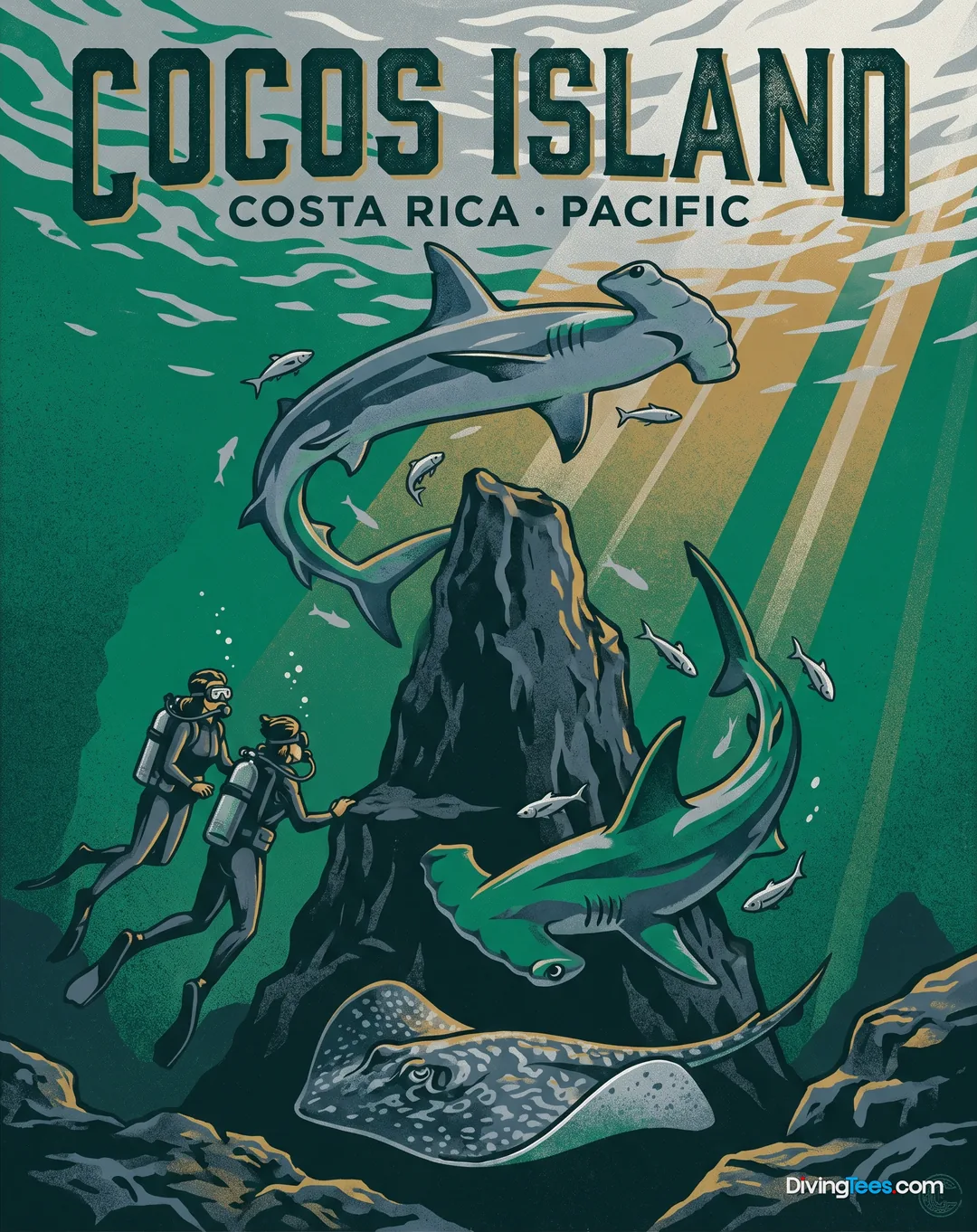
Diving Alcyone means descending onto an isolated seamount, a submerged pinnacle rising from significant depths. The dive begins with a controlled descent along a mooring line, which is often essential due to the consistent presence of strong currents. You'll aim for the flat or slightly rounded top of the seamount, which bottoms out around 25 metres. This summit acts as a focal point, drawing in marine life that congregates around its high points and various cleaning stations established on the structure.
The topography of Alcyone is distinct: a relatively flat summit at 25 metres gives way to steep drop-offs that plunge beyond the typical recreational diving limits. While the main action concentrates on the top and upper slopes, you'll find sandy patches, small cracks, and crevices on the pinnacle's sides, offering shelter and hiding spots for resident species. The seamount is a magnet for pelagic activity, contrasting with the wall or reef profiles of other Cocos sites by concentrating marine life over its defined summit.
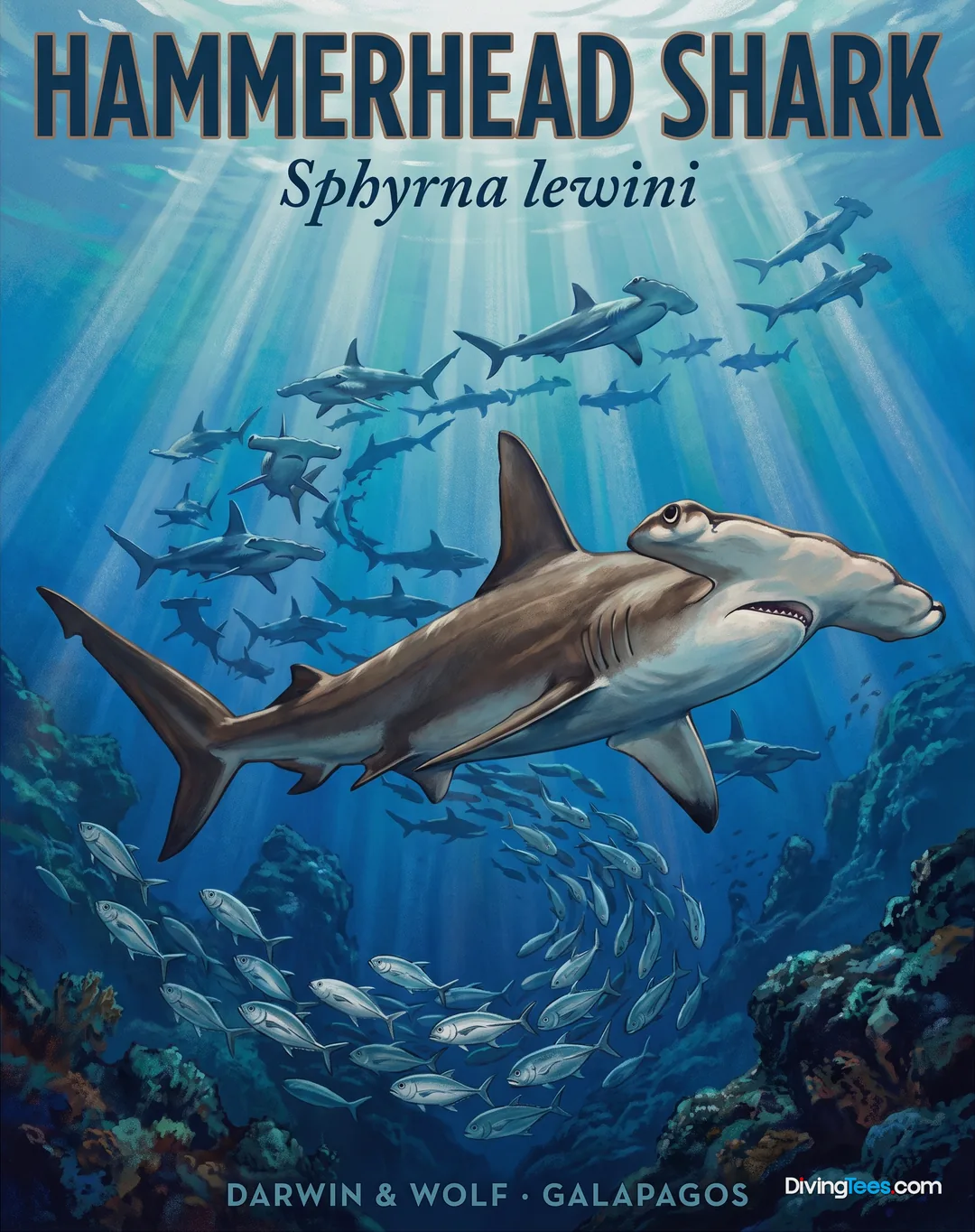
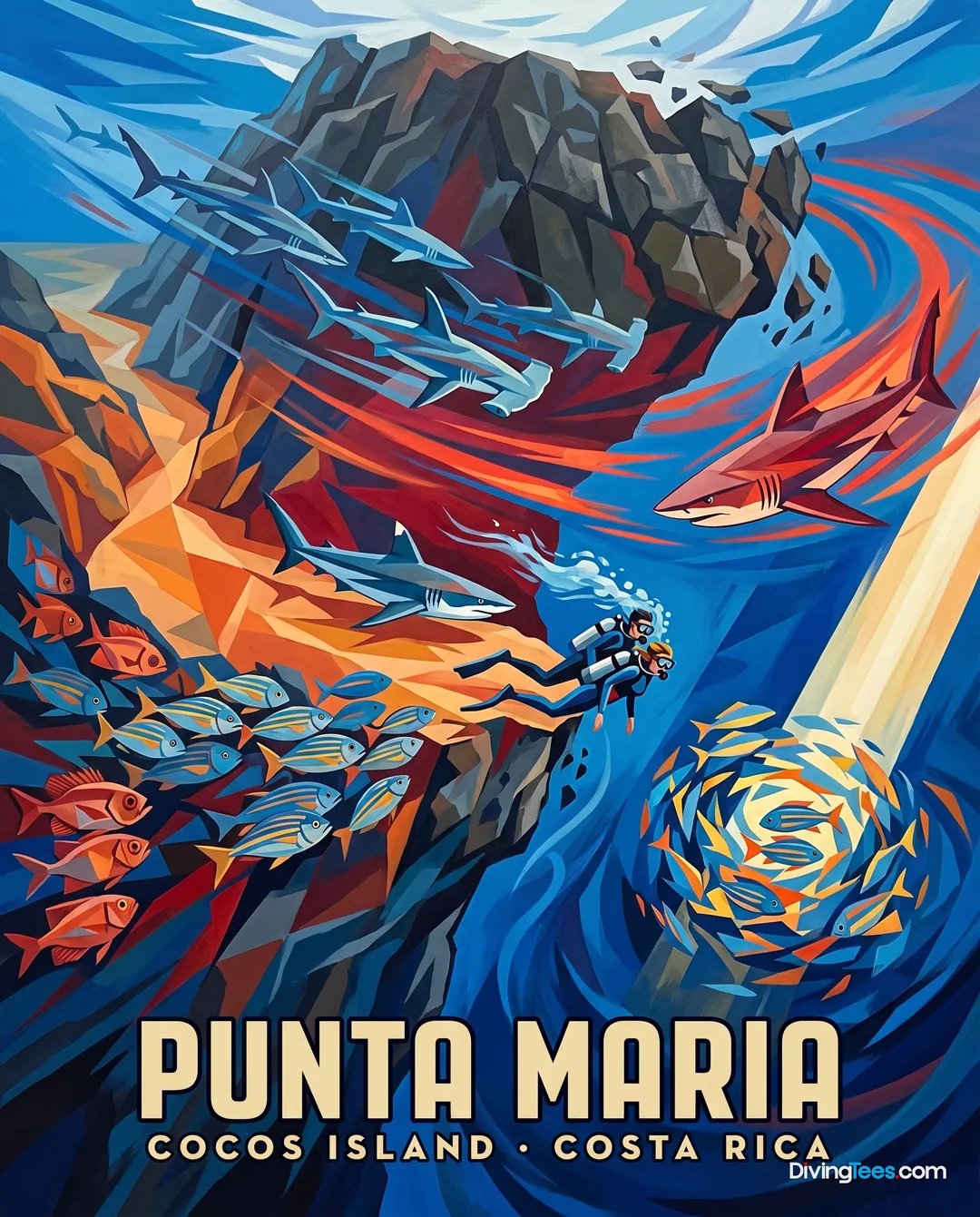
Alcyone is celebrated as the signature shark site of Cocos Island, primarily due to the aggregations of scalloped hammerhead sharks (Sphyrna lewini). These sharks are frequently encountered in large schools, circling the seamount's summit and visiting the cleaning stations. This behaviour makes Alcyone a premier location for observing these iconic pelagics, often in numbers not seen elsewhere in the region.
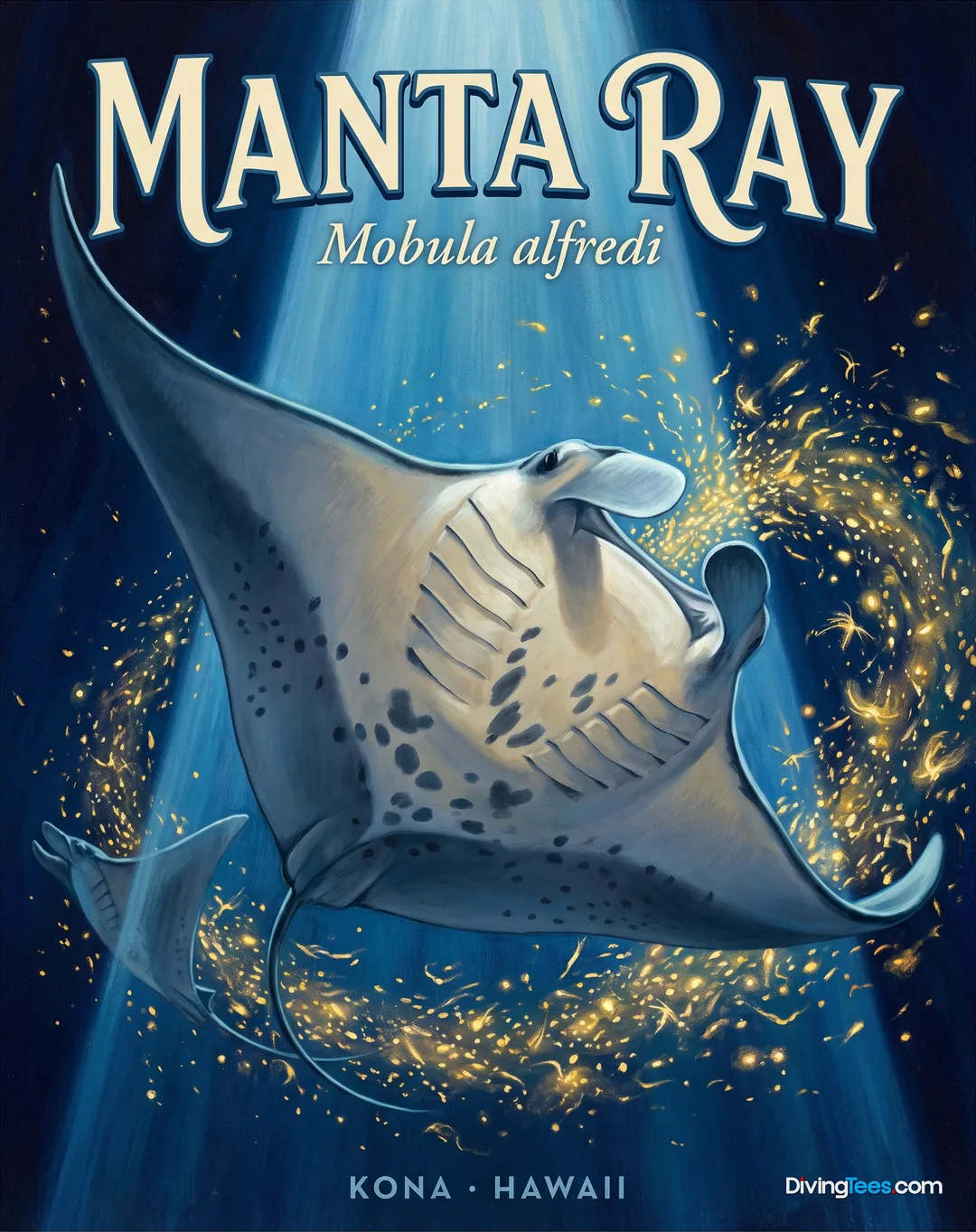
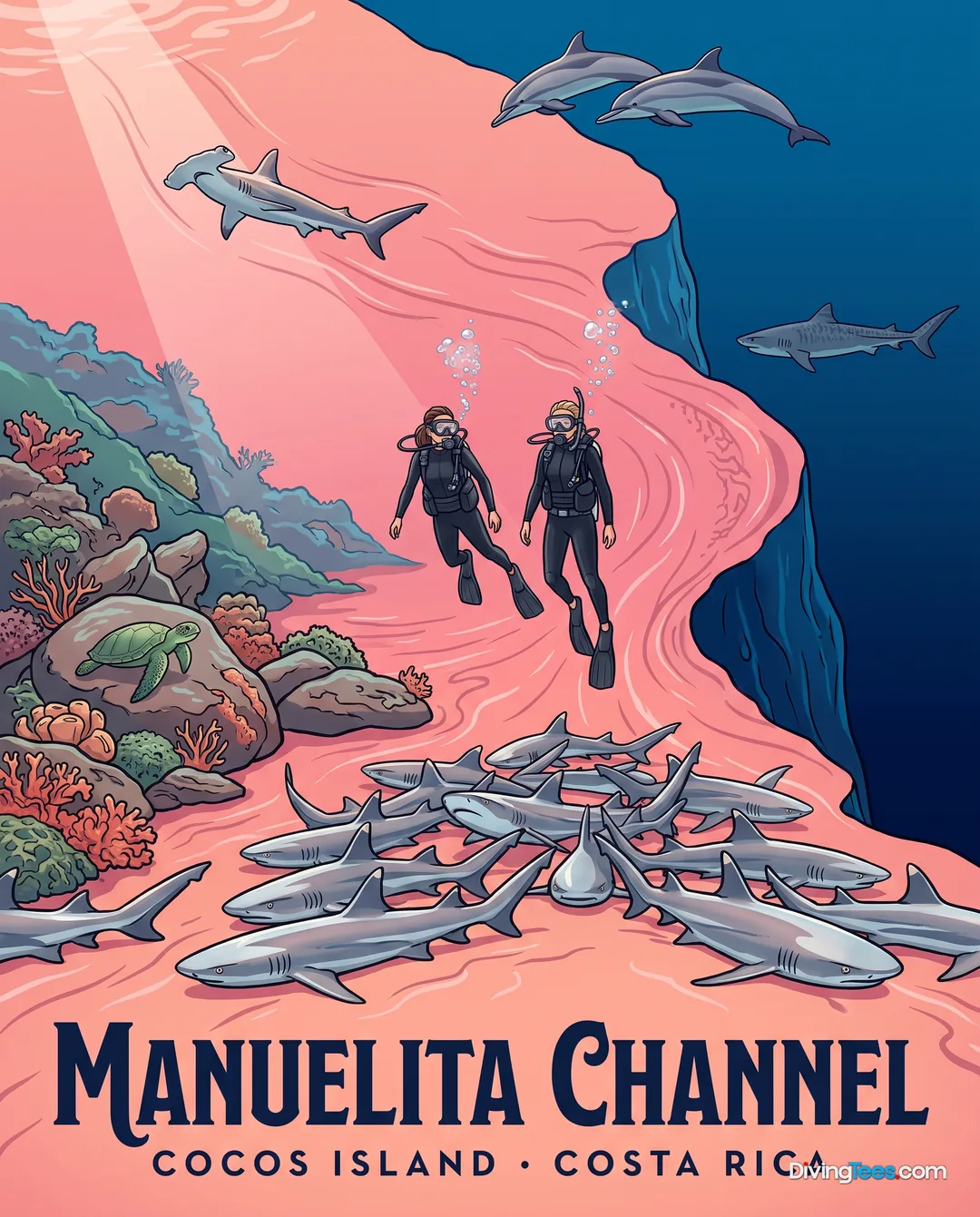
Beyond the hammerheads, the site attracts a diverse array of other pelagic species. You can expect to see various rays, including manta rays, mobula rays, marble rays, and eagle rays, gliding through the currents around the pinnacle. Whitetip reef sharks are also common, often resting in the crevices or patrolling the edges of the seamount. Galapagos sharks and silky sharks are regular visitors, adding to the predatory presence.
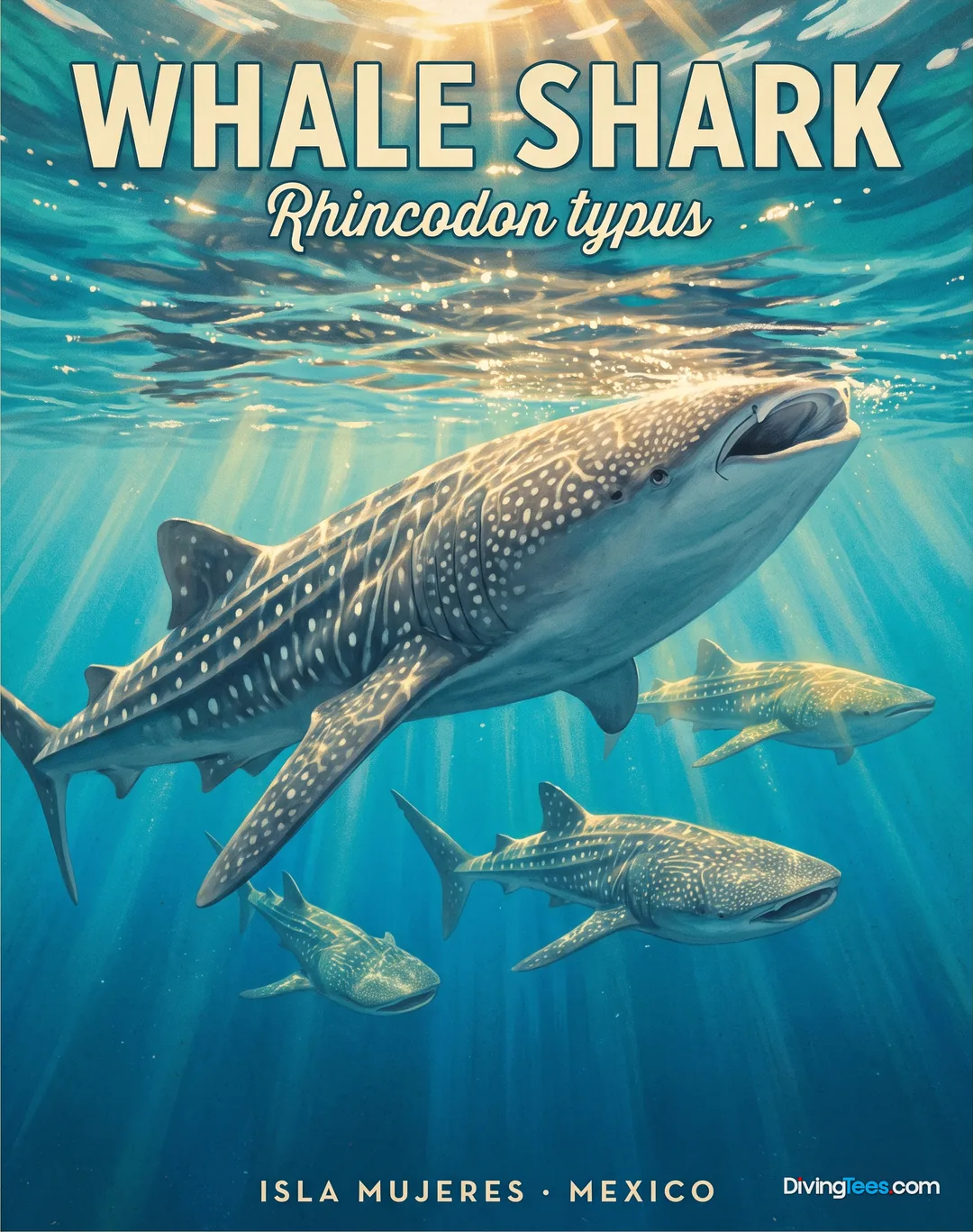
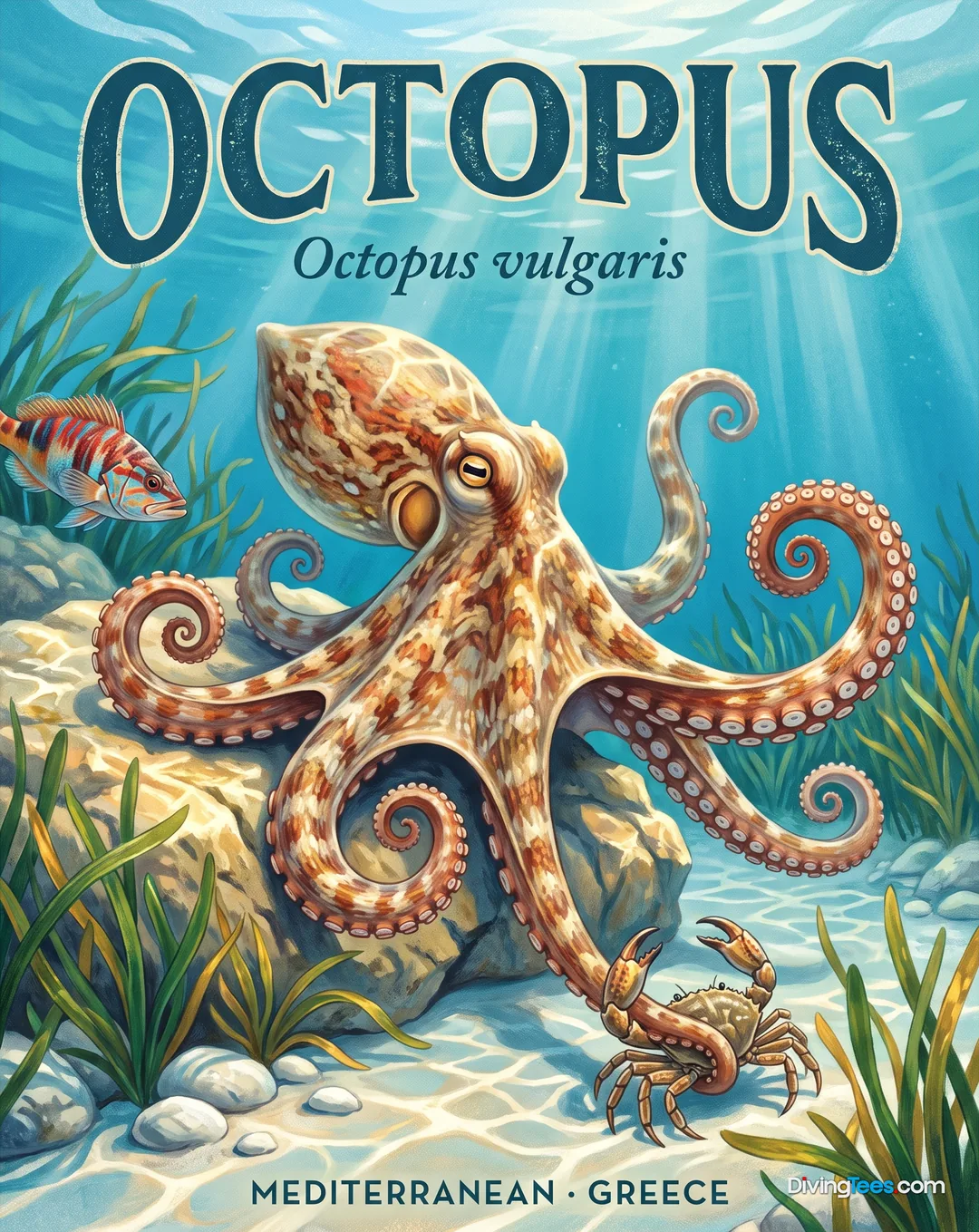
Occasionally, a whale shark may pass through, especially during certain seasons, further diversifying the pelagic encounters. Closer to the seamount's surface, you might spot octopus, moray eels, and schools of blue-stripe snapper. Horse-eye jacks also school around the pinnacle, sometimes forming dense formations that interact with the larger predators passing by.
Currents are a defining feature of Alcyone. They are consistently strong, often described as ripping, and accompanied by surge, requiring divers to be proficient in current diving techniques. These currents, however, are also a primary reason for the abundance of pelagic life, bringing in nutrient-rich waters. Visibility can range significantly, influenced by thermoclines and seasonal upwellings, particularly during the rainy season which often coincides with the peak hammerhead aggregations.
The dynamic conditions mean that every dive on Alcyone presents a unique challenge and opportunity. While the strong currents can make the descent and holding position demanding, the reward is an intense, active marine environment. The sheer concentration of large pelagics, especially the hammerheads at the cleaning stations, sets Alcyone apart as a truly distinct dive site within Cocos Island.
Diving Alcyone: the marine life you’ll meet
Diving conditions
Diving Alcyone requires an Advanced certification and experience with deep diving, coupled with specific current diving proficiency. The operational depth range for recreational diving is between 25 and 40 metres. You should expect strong currents and potential surge, which can vary with thermoclines and seasonal upwellings. Visibility typically ranges from 9 to 30 metres, influenced by these same conditions. While diving is possible year-round, June to October is considered the prime season for observing large hammerhead aggregations.
Three dives not to miss
Map of dive sites in Cocos Island
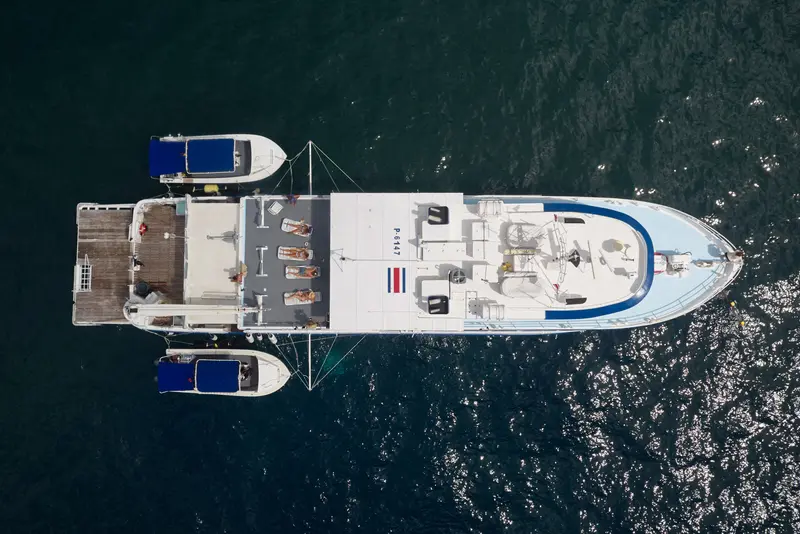
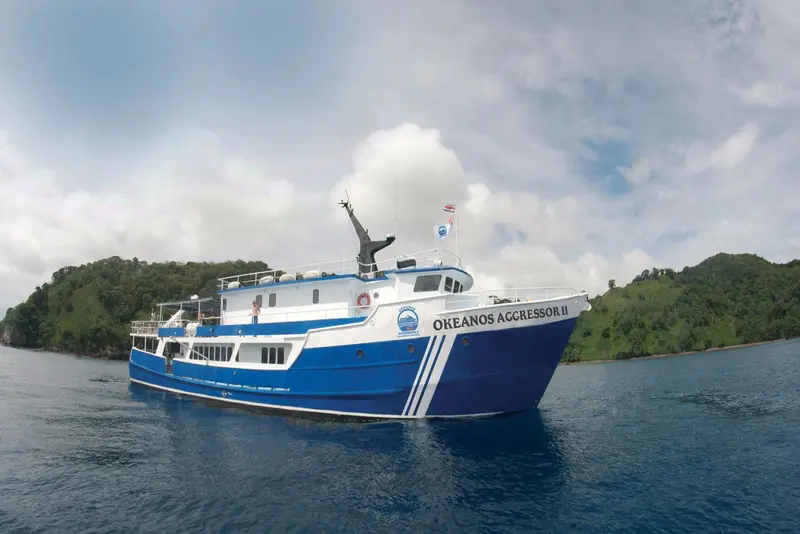
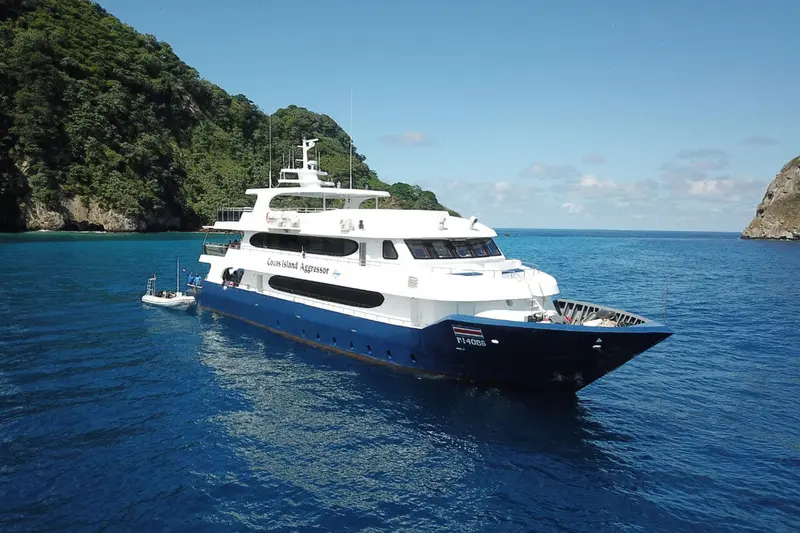
Dive liveaboards Cocos Island
3 liveaboards run trips to Cocos Island.
Frequently asked questions about Alcyone
When should you dive Alcyone for the best chance of seeing hammerhead sharks?
You can dive Alcyone year-round, but June to October is considered the prime season for observing large aggregations of scalloped hammerhead sharks. Seasonal upwellings and thermoclines can influence conditions and visibility, while the rainy season often coincides with peak hammerhead activity around the seamount and its cleaning stations.
What certification and experience do you need for Alcyone?
Alcyone requires Advanced certification, experience with deep diving, and specific current-diving proficiency. You should be comfortable with a controlled descent along a mooring line, strong currents, potential surge, and holding position around a seamount. The dynamic conditions can make both descent and remaining at the site demanding.
How deep is Alcyone, and what conditions should you expect?
The recreational diving range at Alcyone is 25 to 40 metres. The seamount summit sits at 25 metres, with steep drop-offs descending beyond typical recreational limits. Expect strong, sometimes ripping currents and surge. Visibility typically ranges from 9 to 30 metres, influenced by thermoclines and seasonal upwellings.
What can you see while diving Alcyone?
Alcyone is known for large schools of scalloped hammerhead sharks gathering around the summit and cleaning stations. You may also encounter manta, mobula, marble, and eagle rays, plus whitetip reef, Galapagos, and silky sharks. Other sightings include octopus, moray eels, blue-stripe snapper, horse-eye jacks, and occasionally whale sharks.