Cocos Island · Costa Rica · Americas
Max. depth · 35 mBajo Manuelita, Cocos Island: seamount diving with pelagics
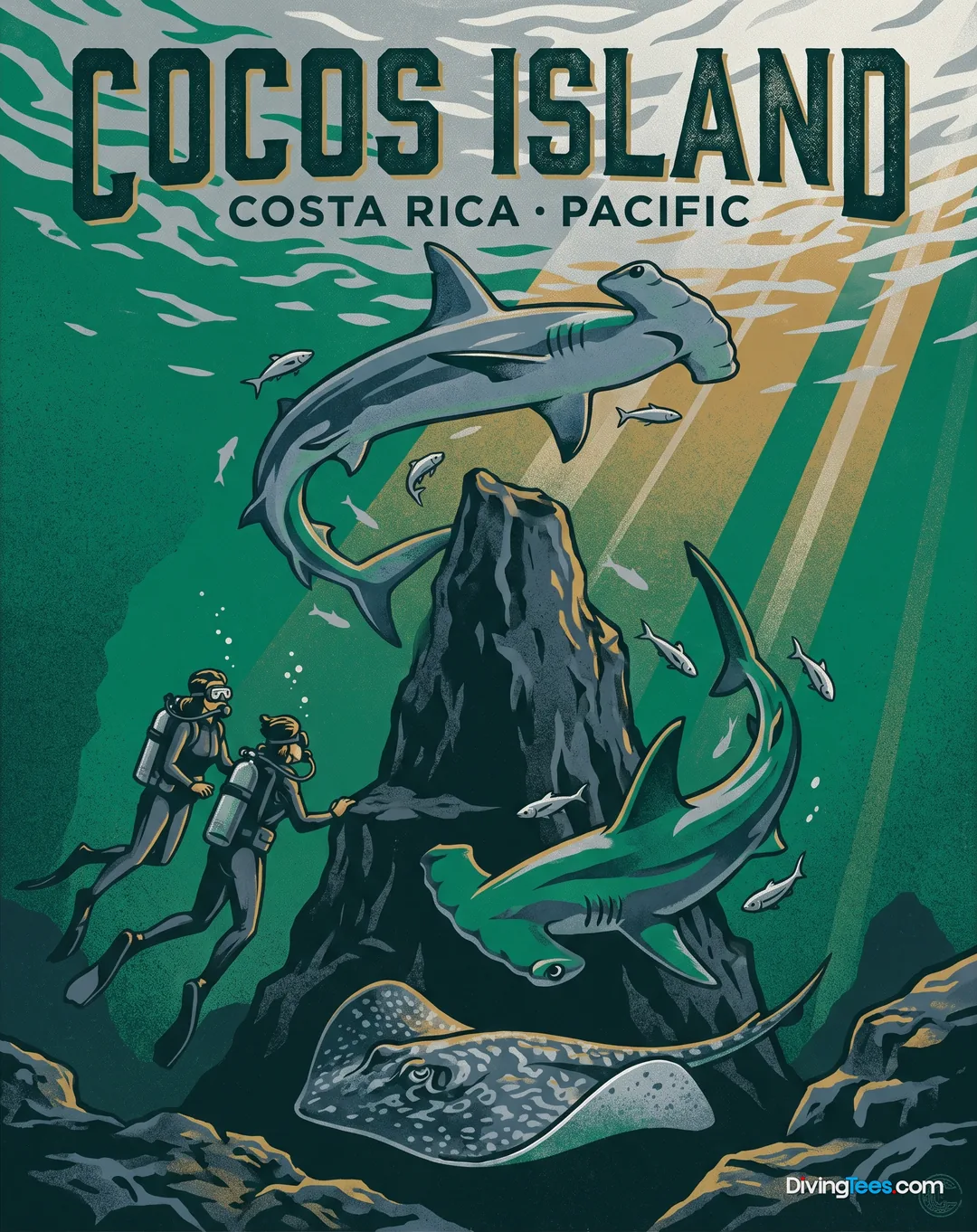
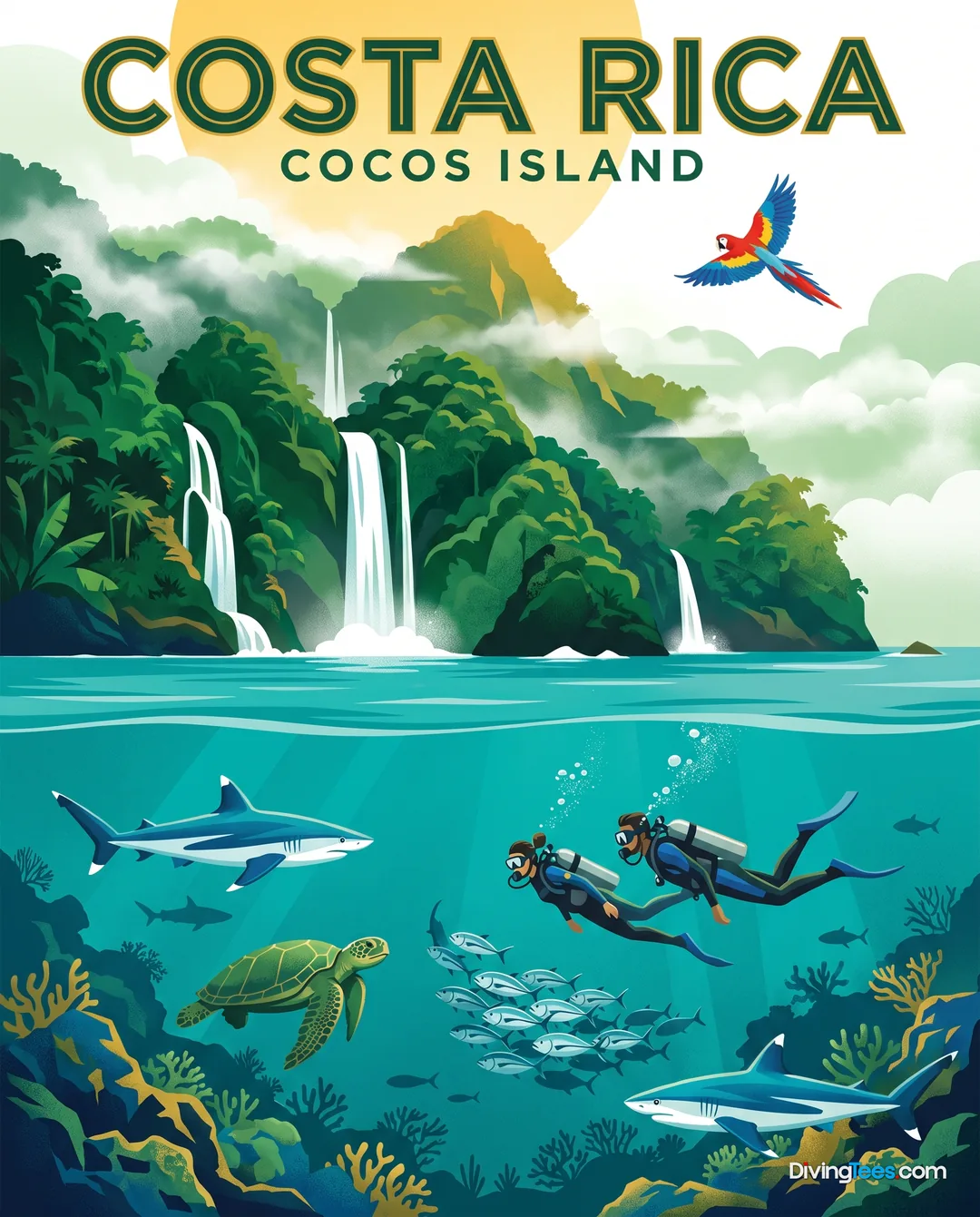
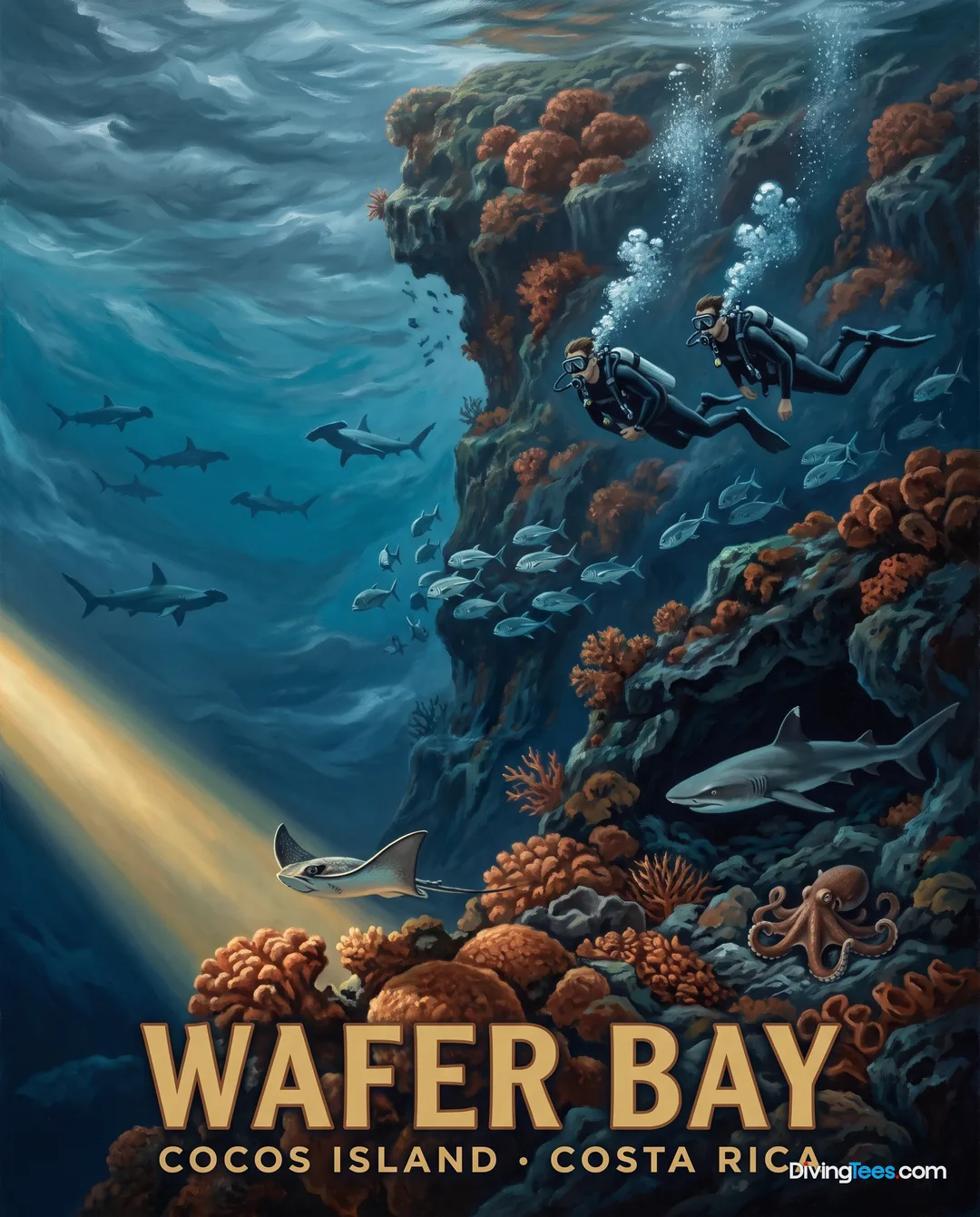
Descend onto Bajo Manuelita, a submerged pinnacle off Cocos Island, where strong currents deliver schooling hammerheads and the inner reef offers close encounters with whitetip sharks.
What makes this site special
- Schooling scalloped hammerhead sharks (Sphyrna lewini) on outer slopes.
- Dense aggregations of whitetip reef sharks (Triaenodon obesus) in sheltered areas.
- Frequent encounters with spotted eagle rays (Aetobatus narinari) and manta rays (Manta birostris).
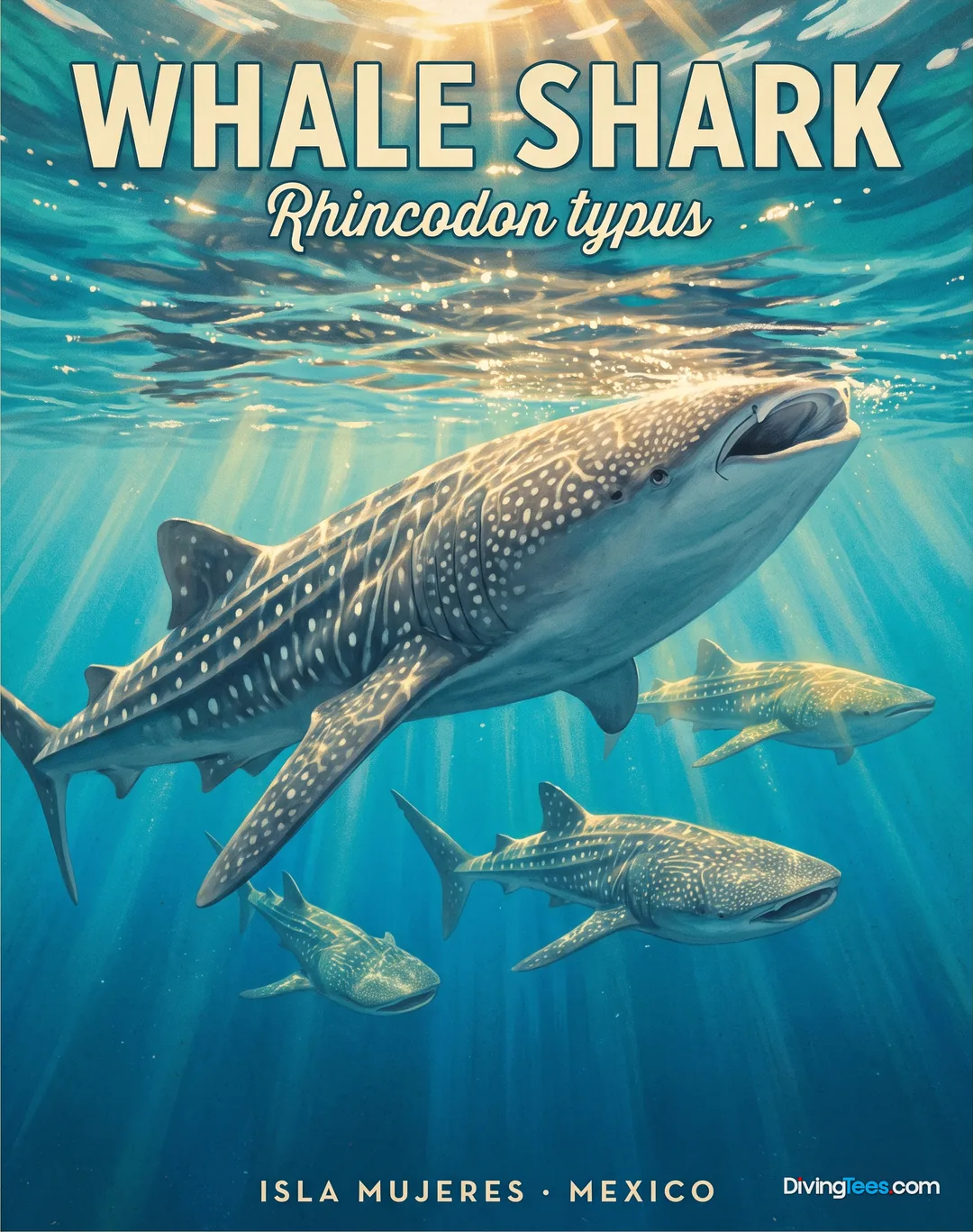
- Potential for whale shark (Rhincodon typus) sightings during specific seasons.
- Steep volcanic walls and basalt ledges providing diverse marine habitats.
- Drift diving over a prominent oceanic seamount.
Bajo Manuelita about the site
Bajo Manuelita is an extensive submerged pinnacle, or seamount, located in the waters surrounding Cocos Island. The site's topography features steep volcanic walls, basalt boulders, and numerous ledges that offer shelter and foraging grounds for a variety of marine life. This seamount rises from the depths to within 15 meters of the surface, creating a prominent landmark that influences currents and attracts pelagic species. Divers typically approach Bajo Manuelita as a drift dive, following the contours of its slopes and pinnacles, often starting with a descent into the open water directly above the seamount's apex.
The site presents two distinct faces to the diver, each offering a different experience. The exposed outer sections of Bajo Manuelita are where the stronger currents are felt, and it is here that you are most likely to encounter the larger oceanic species. These areas are characterized by open water and deeper profiles, creating an environment that attracts transient pelagics. In contrast, the more protected inner side of the seamount offers a calmer diving experience, with coral gardens and sandy patches that provide a different habitat and a chance to observe resident marine life in a less dynamic setting.
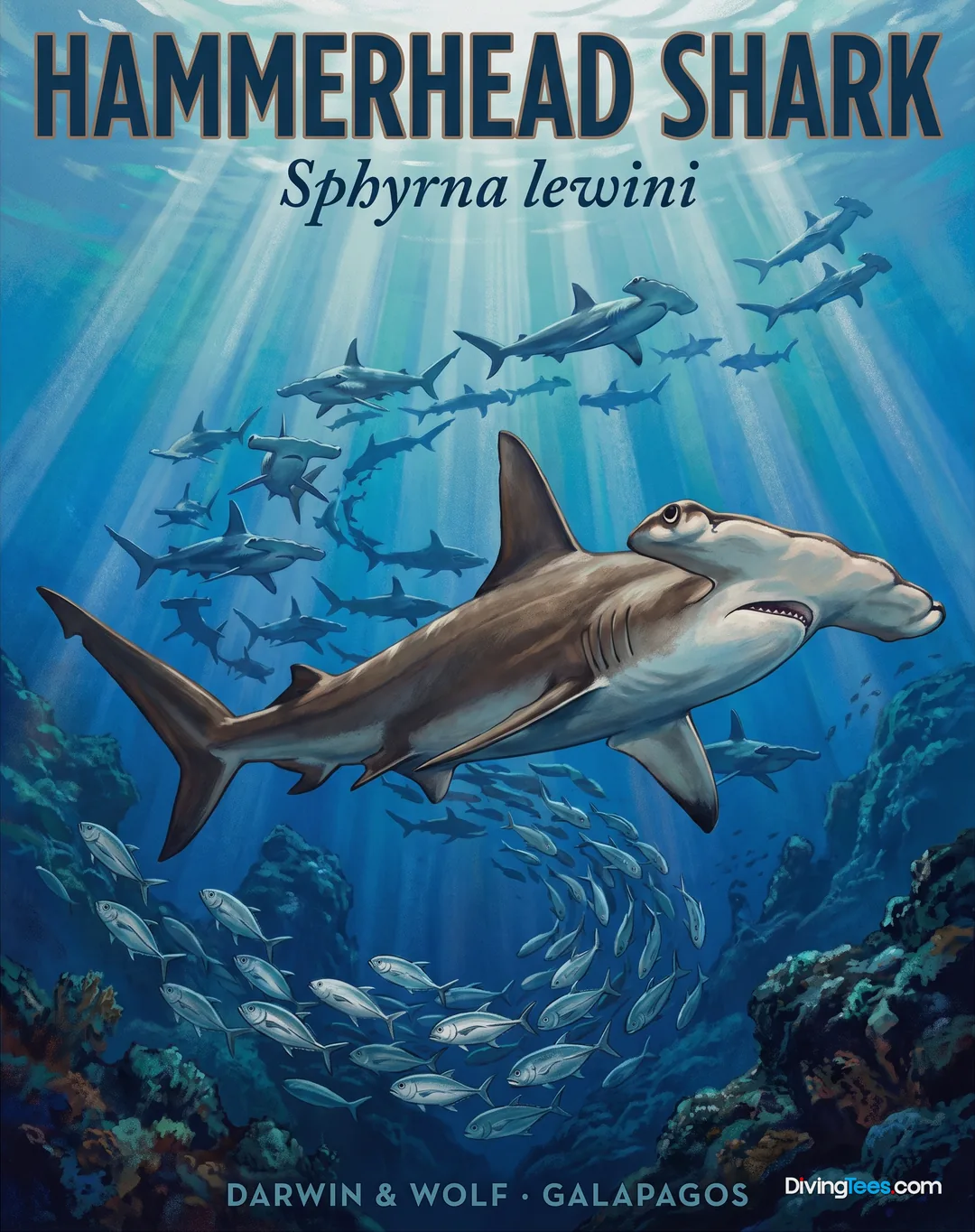
On the exposed outer slopes and along the deeper sections, particularly where the current is strongest, Bajo Manuelita is renowned for its pelagic encounters. Scalloped hammerhead sharks (Sphyrna lewini) are a primary draw, often seen in schooling aggregations, especially during specific seasons. Silky sharks (Carcharhinus falciformis) and Galapagos sharks (Carcharhinus galapagensis) also frequent these exposed areas, moving through the clear waters delivered by the oceanic currents. The anticipation builds during the descent, knowing that these large predators patrol the waters just beyond the seamount's edge.
The more sheltered, inner sections of Bajo Manuelita offer a different, but equally compelling, animal behaviour display. This side of the seamount is particularly known for dense aggregations of whitetip reef sharks (Triaenodon obesus). These sharks can often be observed resting in sandy patches or interacting around cleaning stations formed by specific rock formations. This protected environment allows for closer observation of their natural behaviours, providing a stark contrast to the fleeting encounters with pelagics on the exposed side of the seamount.
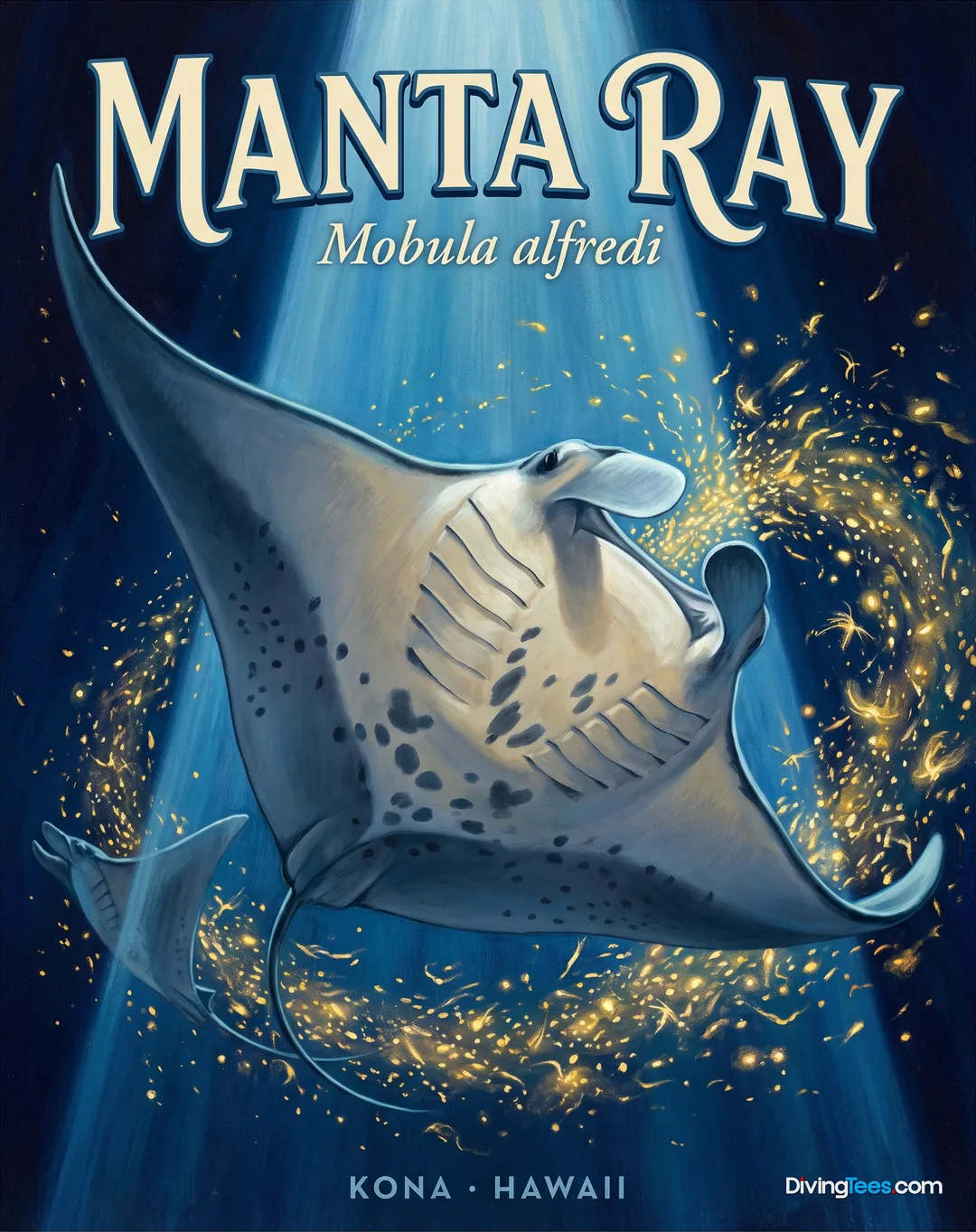
Beyond the sharks, the site hosts a diverse array of other marine life. Spotted eagle rays (Aetobatus narinari) and manta rays (Manta birostris) gracefully glide through the water column, often seen moving between the sheltered and exposed areas. Green sea turtles (Chelonia mydas) forage along the ledges, while marbled rays (Taeniura lymma) might be spotted on the sandy bottoms. The basalt formations themselves are home to moray eels (Muraenidae), lobsters (Nephropidae), and big soldierfish (Myripristis berndti), showcasing the site's rich biodiversity.
Visibility at Bajo Manuelita can range significantly, typically between 10 and 30 meters, influenced by thermoclines and plankton blooms that are common in these nutrient-rich waters. While excellent visibility offers wide-angle views of the seamount and its inhabitants, periods of reduced visibility often coincide with increased plankton, which can attract larger feeders like whale sharks (Rhincodon typus). The interaction of these natural elements shapes each dive, making every descent a unique experience.
The current is a defining feature of Bajo Manuelita, generally strong, especially on the channel and exposed outer sections. This strong flow, coupled with potential surge, is a key factor in attracting the large pelagic schools. However, conditions are variable; the more sheltered inside of the pinnacle can offer calmer periods, even while the outer faces are experiencing significant flow. This variability means divers need to be prepared for dynamic conditions and understand how to manage their position in the water column and around the seamount's topography.
Diving Bajo Manuelita: the marine life you’ll meet
Diving conditions
Diving Bajo Manuelita is suitable for advanced divers with experience in drift diving and deep diving, and a minimum of 50 logged dives is recommended due to the strong and variable currents. Depths for recreational diving typically range between 15 meters and 35 meters. Visibility can vary from 10 to 30 meters, often influenced by thermoclines and plankton. The best season for clearer water is January to March, while June to December offers increased chances for whale shark encounters and more intense hammerhead shark activity.
Three dives not to miss
Map of dive sites in Cocos Island
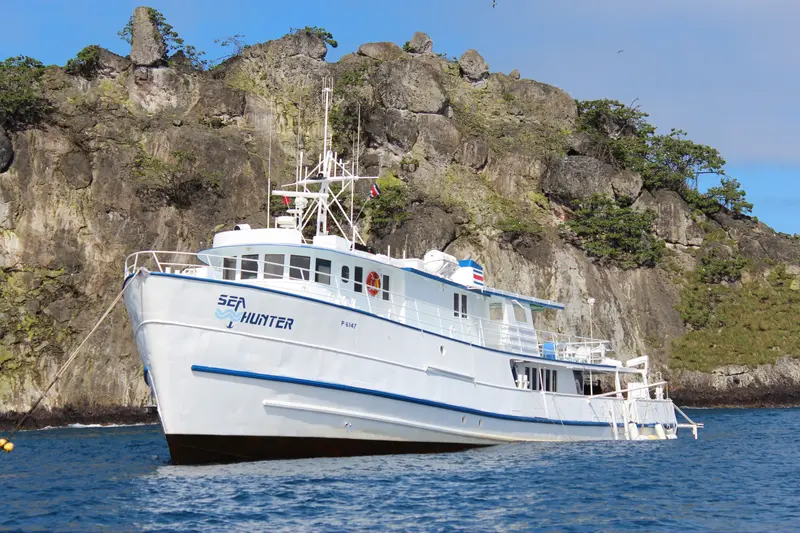
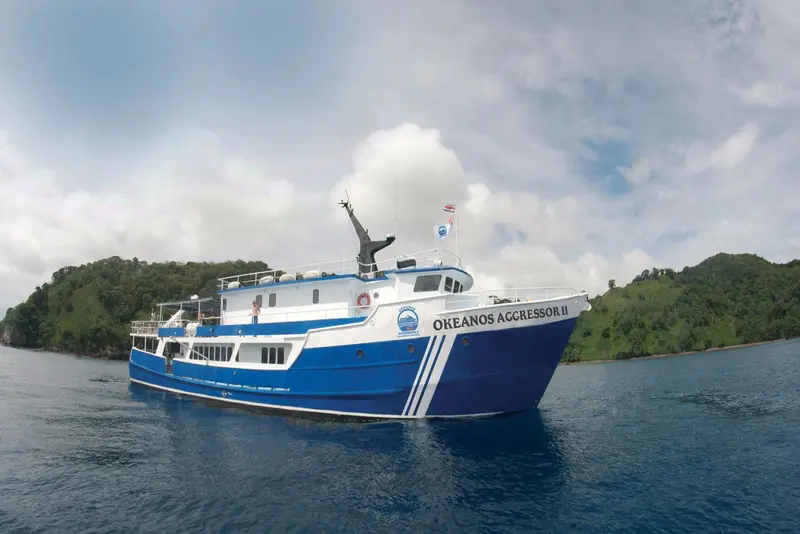
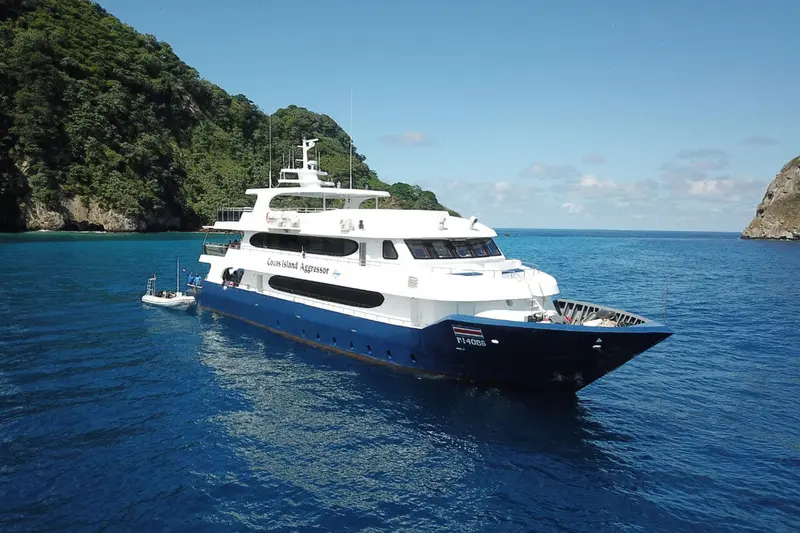
Dive liveaboards Cocos Island
3 liveaboards run trips to Cocos Island.
Frequently asked questions about Bajo Manuelita
When should you dive Bajo Manuelita for clearer water or seasonal encounters?
January to March is the best season for clearer water at Bajo Manuelita. From June to December, you have increased chances of encountering whale sharks and may see more intense hammerhead shark activity. Visibility can vary from 10 to 30 meters, influenced by thermoclines and plankton in these nutrient-rich waters.
What experience and training do you need for Bajo Manuelita?
Bajo Manuelita is suitable for advanced divers with experience in drift diving and deep diving. You should be comfortable managing strong, variable currents and positioning yourself around a seamount’s slopes and pinnacles. A minimum of 50 logged dives is recommended, reflecting the dynamic conditions found on the site.
How deep is Bajo Manuelita, and what currents should you expect?
Recreational diving at Bajo Manuelita typically ranges from 15 to 35 meters. The current is generally strong, particularly on the channel and exposed outer sections, and surge may occur. Conditions can change, while the sheltered inner side may offer calmer periods. You should be prepared for dynamic drift diving.
What marine life and underwater scenery can you see at Bajo Manuelita?
At Bajo Manuelita, you may encounter schooling scalloped hammerheads on the outer slopes, dense groups of whitetip reef sharks in sheltered areas, and spotted eagle rays or manta rays. The seamount features steep volcanic walls, basalt ledges, coral gardens, sandy patches, green turtles, moray eels, lobsters, and soldierfish.