Try Snorkel and Scuba Diving Honolulu
Google 4.9/5 (6,854 reviews)
1.9 km away as the crow flies
Honolulu · United States · Americas
Max. depth · 20 mHorseshoe Reef offers a unique underwater topography near Waikiki, with natural coral formations and an artificial reef component that attracts diverse marine life.
For subtitles in English: start the video firstthen click the gearat the top right of the video, select “Subtitles/CC”, then “Auto-translate” and choose “English”.
Horseshoe Reef lies approximately two miles off the coast of Waikiki, offering a distinct topography that gives the site its name: natural horseshoe-shaped coral formations. This area combines shallow coral ledges with deeper sections. The reef systems here are close to the Ala Moana and Kaka'ako shorelines, near Point Panic, creating a varied environment where you can spend your bottom time exploring different features of the reef.
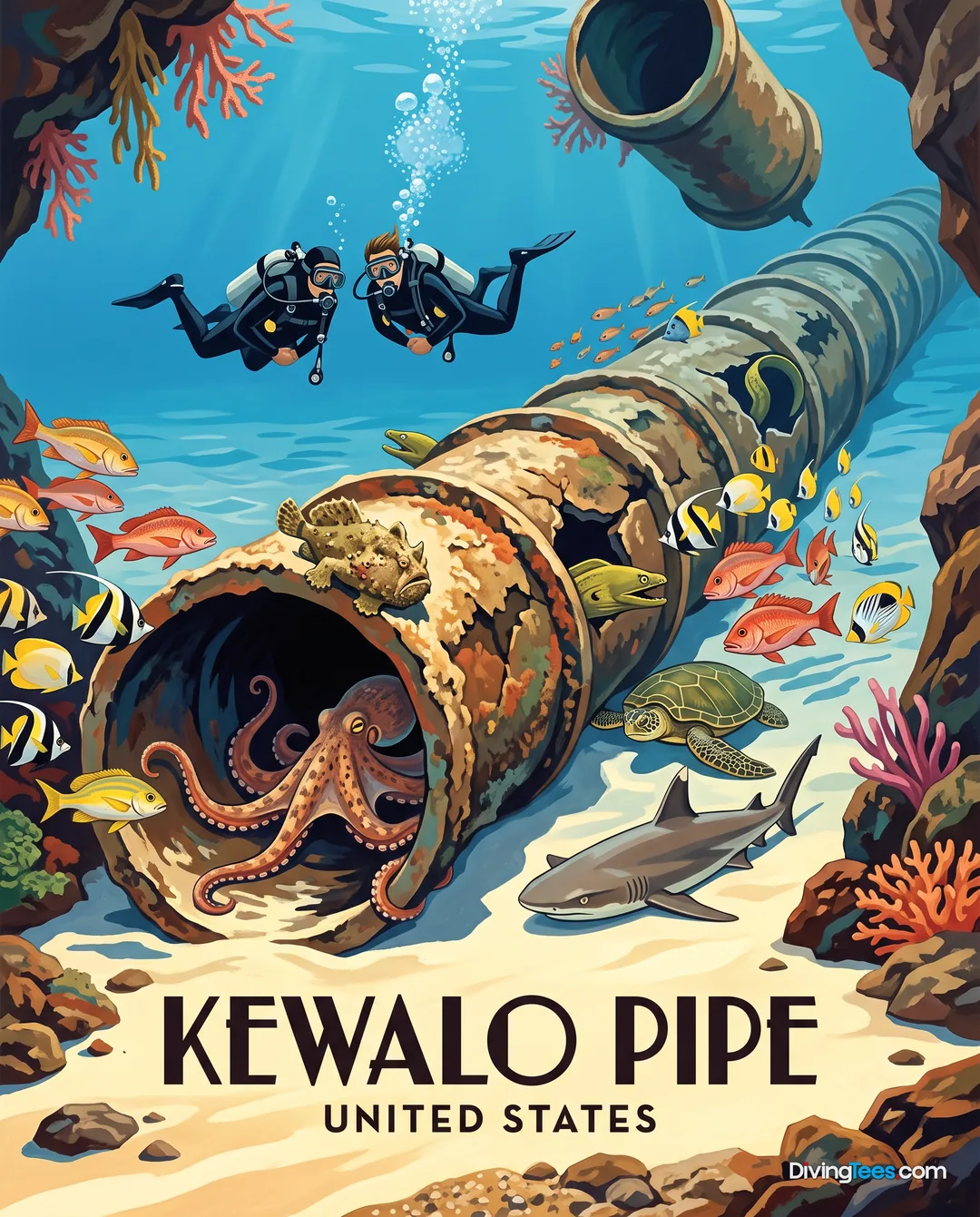
The site features a significant artificial reef component, defined by an underwater steel pipeline, an old storm drain, that extends from the shore to a large coral bed. This pipeline provides structural complexity, creating habitat and shelter for a range of marine species that wouldn't necessarily aggregate in pure natural reef conditions. This blending of natural and artificial elements contributes to the site's biodiversity.
Between these reef structures, you'll find several finger reefs interspersed with sand patches. These sandy areas are worth attention for creatures that blend into the substrate or hide in plain sight. The east side of the site specifically boasts abundant marine life, indicating zones where current patterns or food availability concentrate marine activity, making it a focal point for exploration.
One notable feature is the 'Eye of the Reef,' a natural tunnel-like formation. Navigating through such geological formations requires good buoyancy control and an understanding of your surroundings, offering a different dimension to the dive experience compared to simply traversing an open reef. These features break up the dive, providing distinct exploration points.
Depths at Horseshoe Reef vary, with the shallowest areas starting at 9 to 11 meters and extending down to 20 meters. This depth range allows for varying dive profiles, enabling you to explore shallower coral gardens or descend to the deeper parts of the reef. The moderate current allows for comfortable exploration across these different depth zones, adding to the accessible nature of the dive.
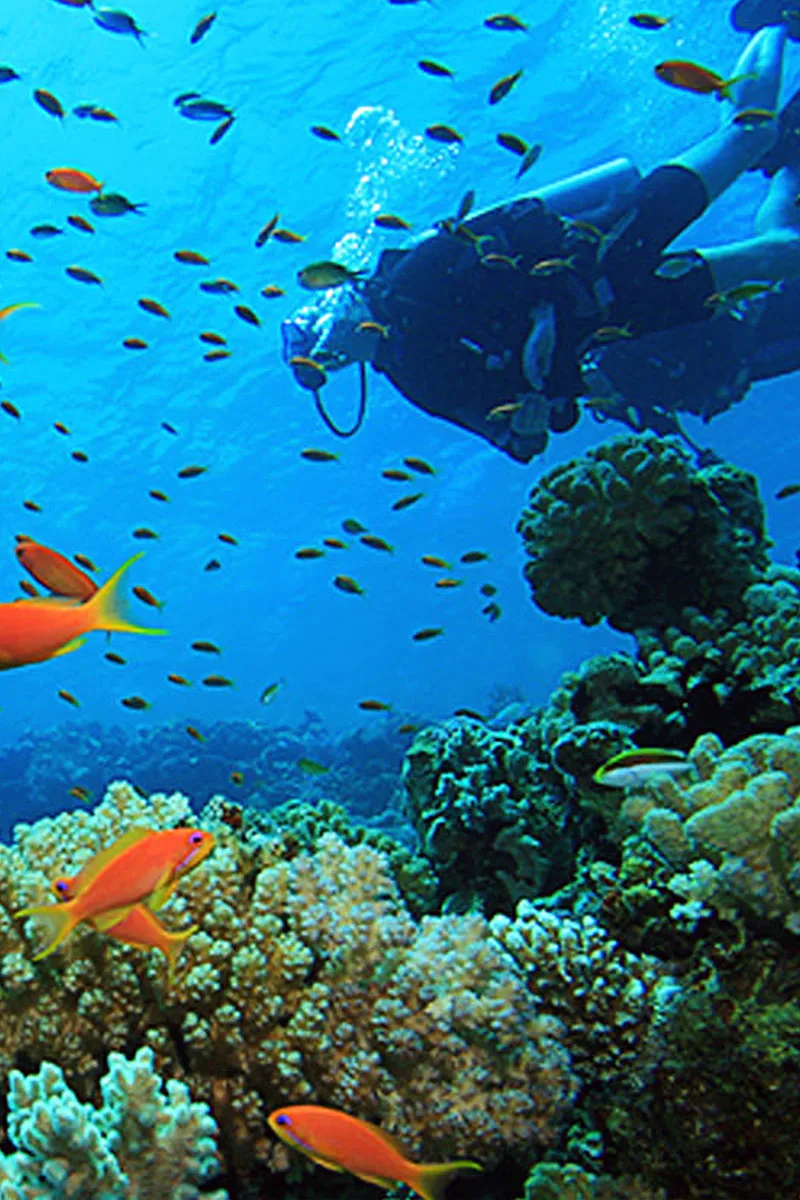
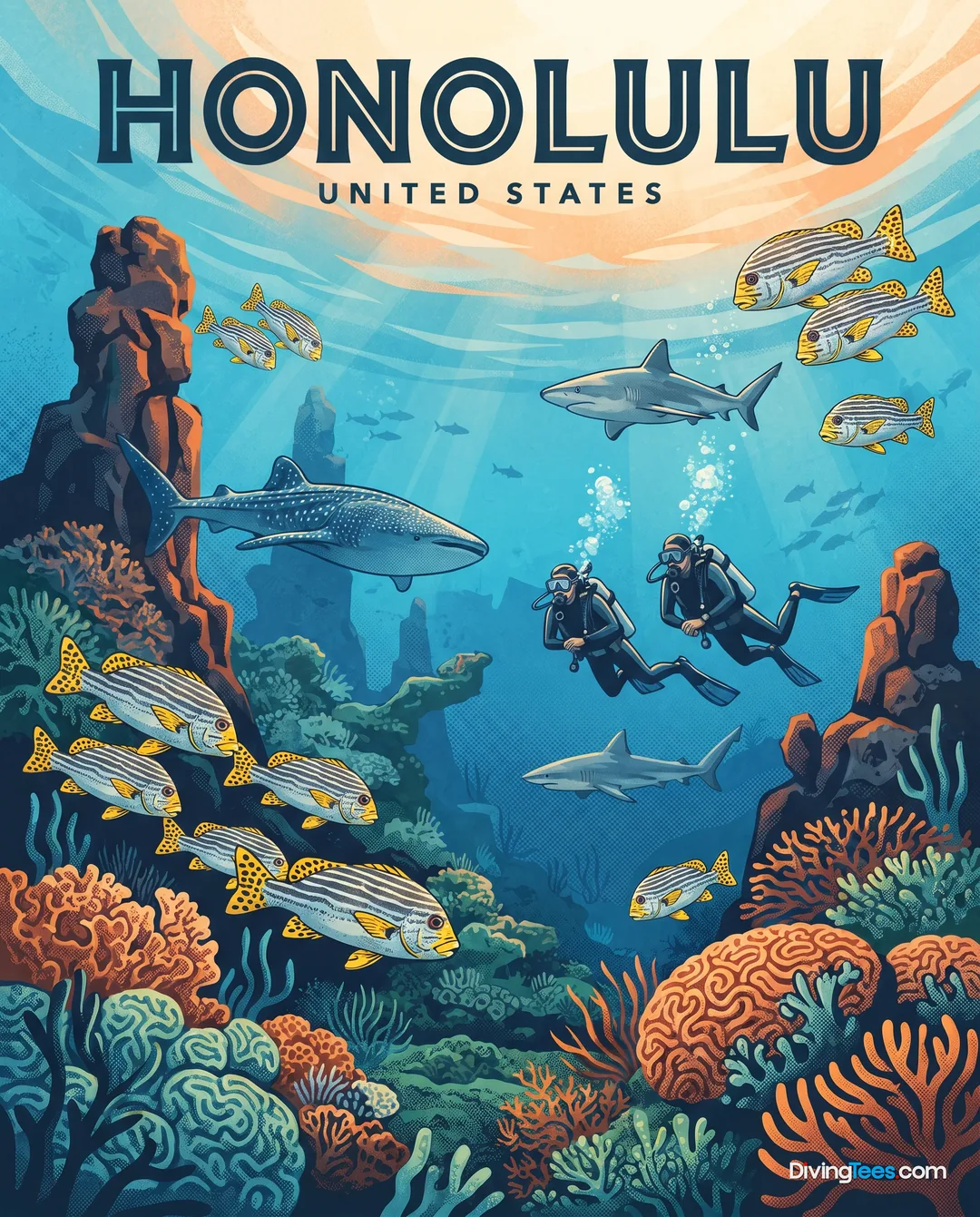
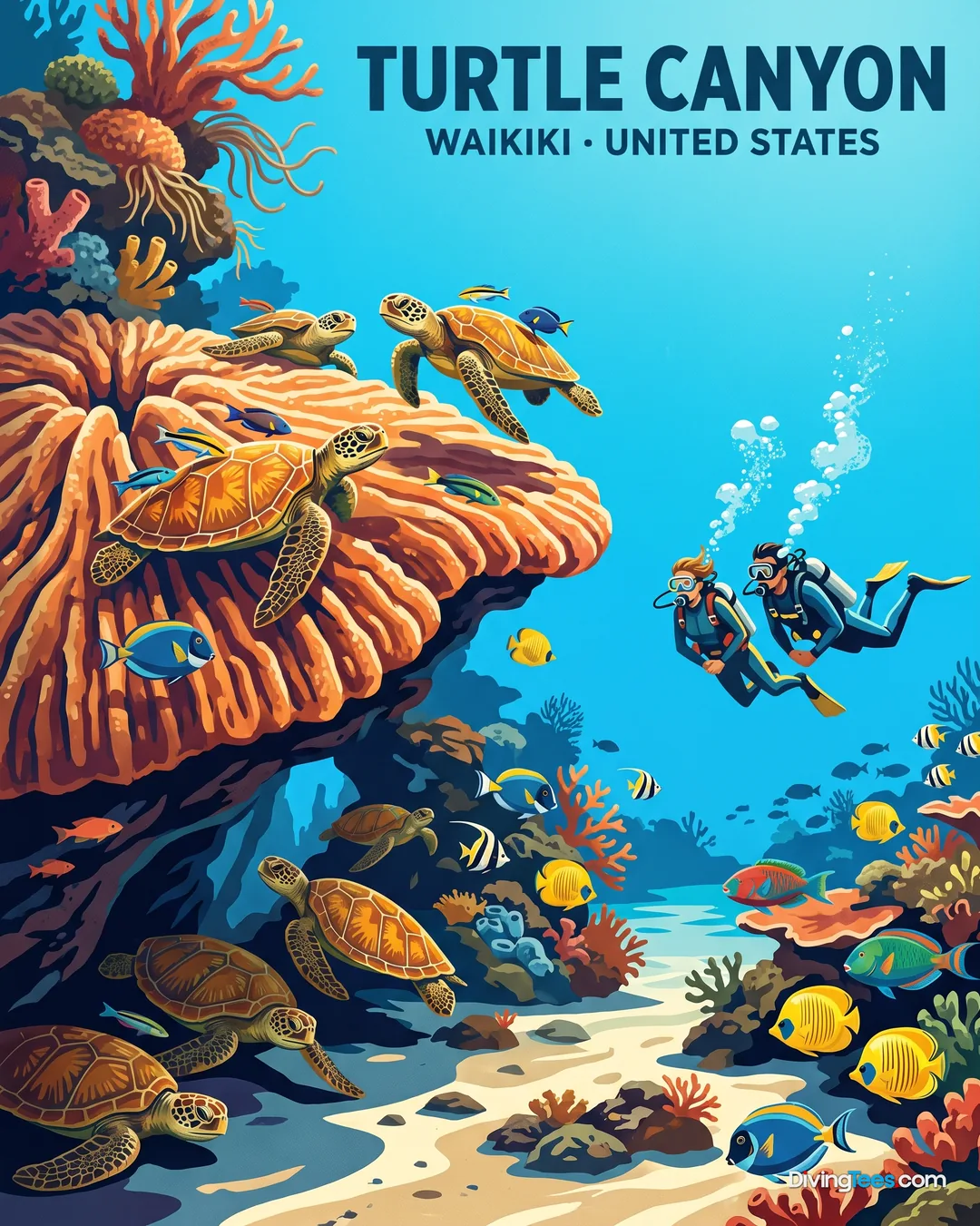
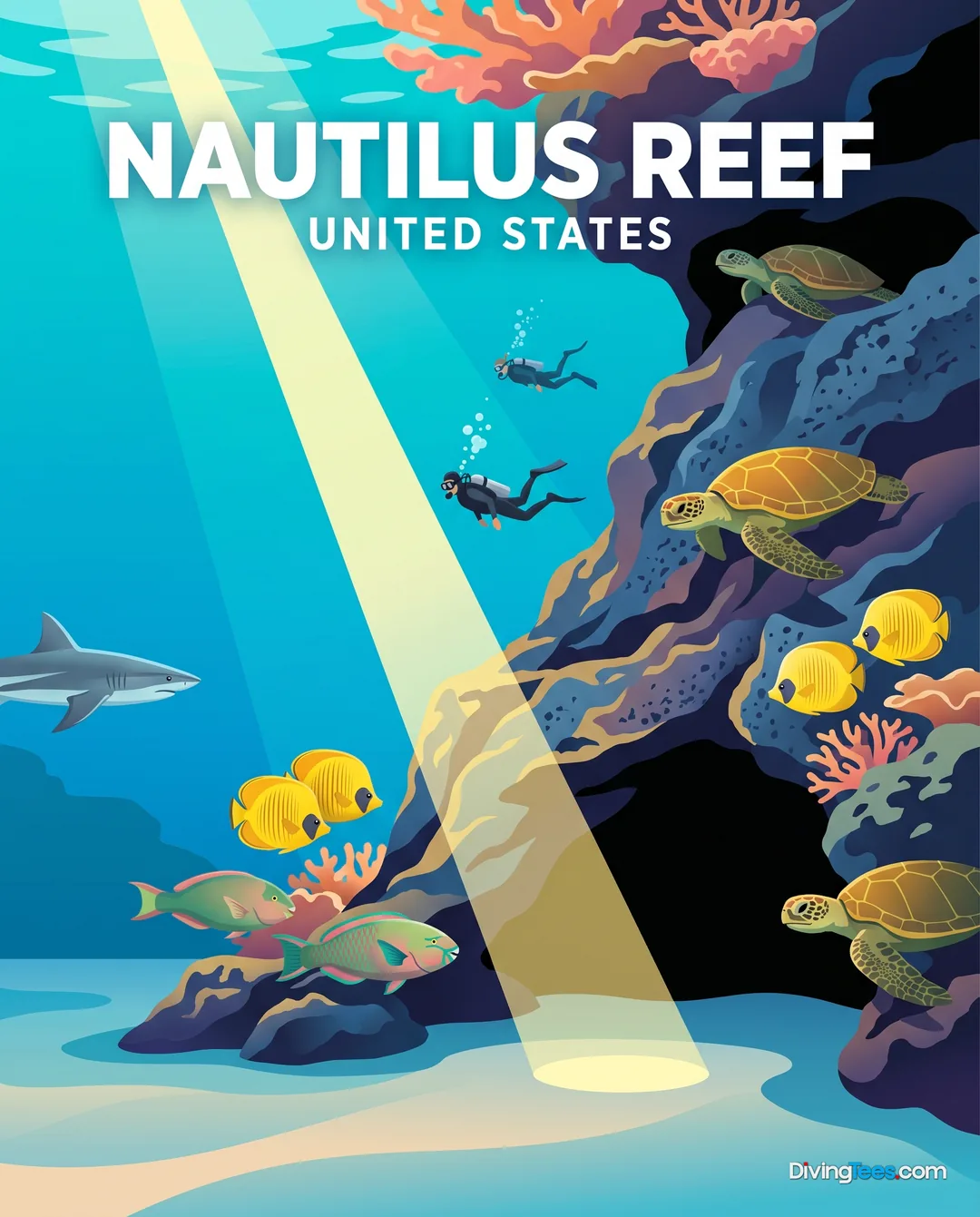
The resident marine life includes butterflyfish, parrotfish, and Moorish idols, common inhabitants of Hawaii's coral reefs, often seen moving in schools or foraging on the coral. Green sea turtles (Chelonia mydas) are frequent visitors, cruising along the reef or resting. You can also spot reef sharks, typically patrolling the edges of the reef or cruising in open water, adding a pelagic element to the dive experience.
Closer inspection of the reef reveals moray eels, often peeking from their crevices, and various invertebrates like sponges and gorgonians attached to the hard substrate. Juvenile wrasses and octopus can be found in the more protected areas or sandy patches. Keep an eye out for leaf scorpionfish and devil scorpionfish, masters of camouflage, usually tucked into coral or rubble. Barracuda are also sighted, often hovering mid-water.
Horseshoe Reef is accessible for all levels, generally from Open Water Diver certification. Depths range from 9 to 20 meters. Visibility at the site typically ranges from 15 to 30 meters, offering clear conditions for underwater observation. Current is moderate, making for a manageable dive experience, though always be aware of local conditions. The site is suitable for diving year-round, with consistent marine activity regardless of the season.
You can dive Horseshoe Reef year-round, with marine activity remaining consistent regardless of season. That makes the site suitable whenever your trip to Honolulu takes you there, while the reef’s natural formations, artificial pipeline structure, and varied depth zones offer features to explore during dives in any season.
Horseshoe Reef is accessible to all levels, generally from Open Water Diver certification. You can explore shallow areas starting at 9 to 11 meters, or descend through deeper sections reaching 20 meters. This range supports different dive profiles across coral gardens, reef structures, finger reefs, and sand patches.
Horseshoe Reef has a moderate current that allows manageable exploration across its different depth zones. You should still remain aware of local conditions during the dive. The current can help shape where marine activity concentrates, including areas such as the reef’s east side, where abundant life is noted.
At Horseshoe Reef, you can see green sea turtles, reef sharks, butterflyfish, parrotfish, Moorish idols, moray eels, octopus, barracuda, sponges, and gorgonians. Look in crevices, rubble, and sandy patches for leaf scorpionfish and devil scorpionfish. You can also explore horseshoe-shaped coral formations, the old pipeline, and the Eye of the Reef tunnel.