Try Snorkel and Scuba Diving Honolulu
Google 4.9/5 (6,854 reviews)
2.1 km away as the crow flies
Honolulu · United States · Americas
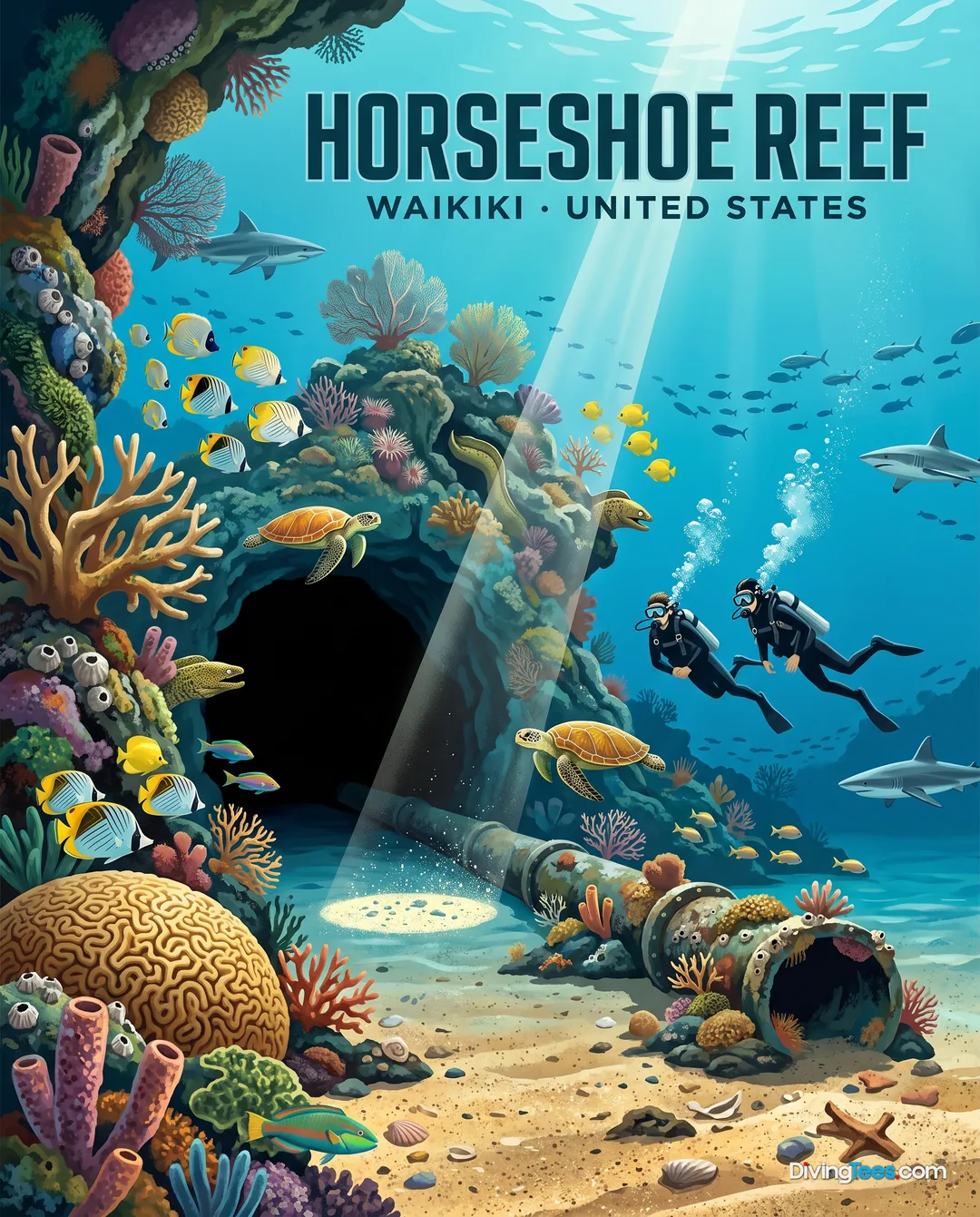
Max. depth · 20 mDescend onto the remnants of an old storm drain pipeline, now a thriving artificial reef hosting octopus and frogfish against the backdrop of Waikiki's coast.
For subtitles in English: start the video firstthen click the gearat the top right of the video, select “Subtitles/CC”, then “Auto-translate” and choose “English”.
Kewalo Pipe, located approximately one mile off the Kewalo Basin Harbor near Waikiki, started its life as a storm drain pipeline. Over time, sections of this infrastructure have broken up and settled on the seabed, creating a fragmented yet cohesive artificial reef. You'll find these pipe sections encrusted with corals, lying amongst sandy patches and interspersed with naturally occurring finger reefs. This structure provides a textured environment where marine life can find shelter and foraging opportunities, making it a site with a well-defined underwater topography.
The dive profile here is relatively shallow, typically ranging from 11 to 20 metres. You'll descend onto this man-made structure, which extends across the sandy bottom. The scattered pipe sections form overhangs and crevices, offering numerous hiding spots for smaller creatures. As you navigate the site, you'll move between these broken pipe remnants, sand channels, and low-lying finger reefs, observing how the marine life adapts to both the artificial and natural structures. The straightforward depth profile allows for ample bottom time, giving you the opportunity to explore the various nooks and crannies.
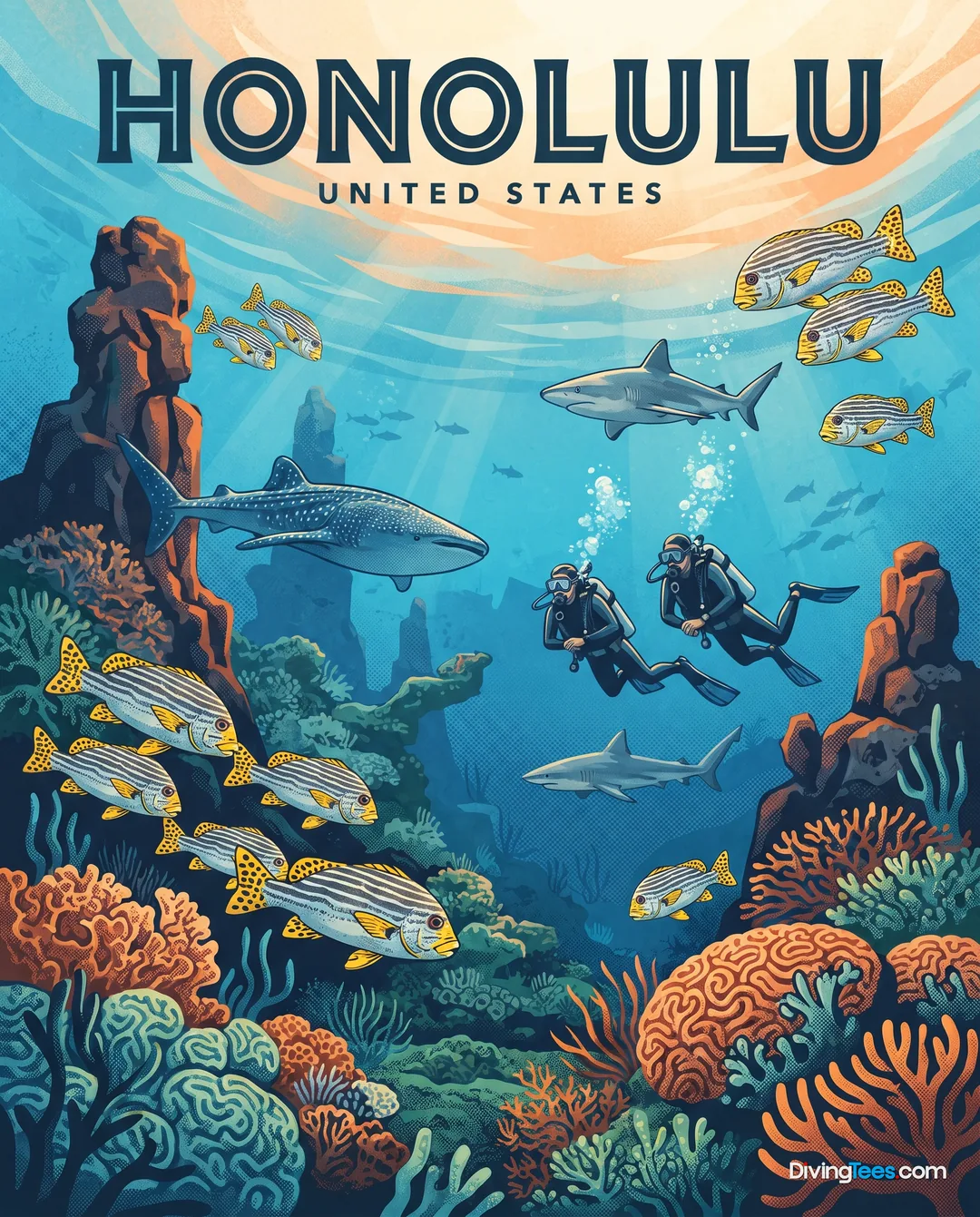
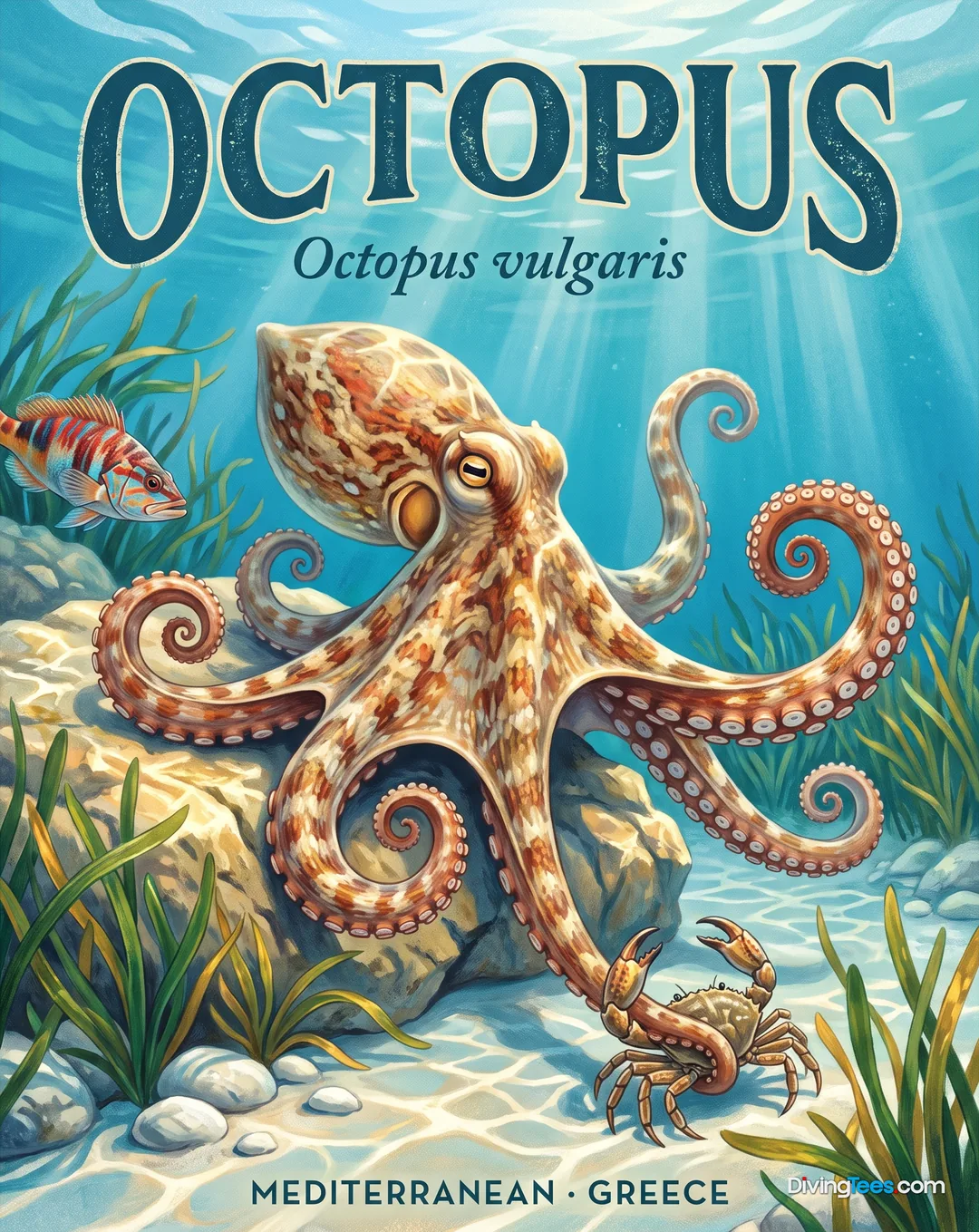
This site is particularly active with benthic life. Keep an eye out for octopus, which you'll often find tucked away in the pipe sections or camouflaged against the surrounding reef. Moray eels also inhabit these crevices, occasionally peering out from their shelters. Frogfish, masters of camouflage, are present and require a keen eye to spot, often blending seamlessly with the corals and encrustations on the pipes. You'll find these sedentary species coexisting with more mobile inhabitants, adding to the site's rich biodiversity.
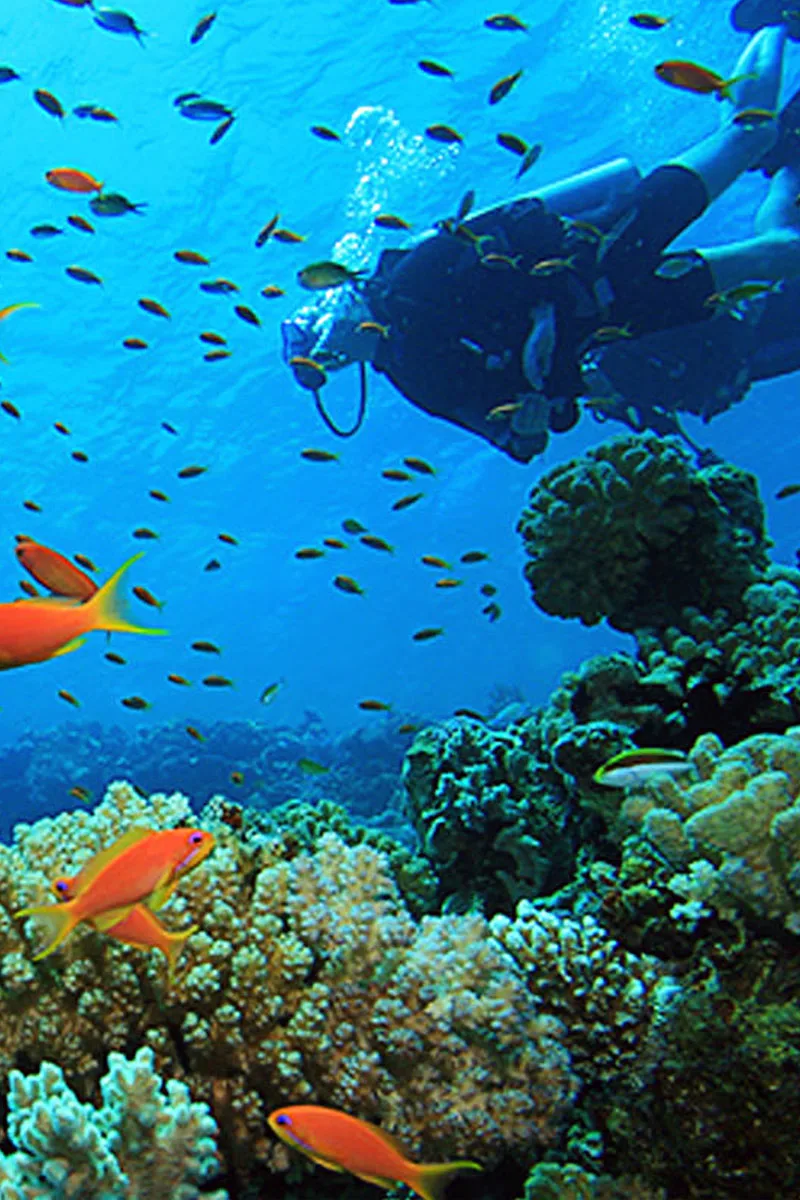
Beyond the pipes themselves, the surrounding reef environment attracts a variety of fish species. Schools of snapper and butterflyfish congregate around the structure, using it as a feeding ground and shelter. You may also encounter juvenile wrasses moving across the sand patches and among the smaller reef formations. Humuhumunukunukuapua'a, the Hawaiian state fish, are also commonly seen, adding colour to the reef scene. These species contribute to the overall vibrancy of the site, making each dive a visual experience.
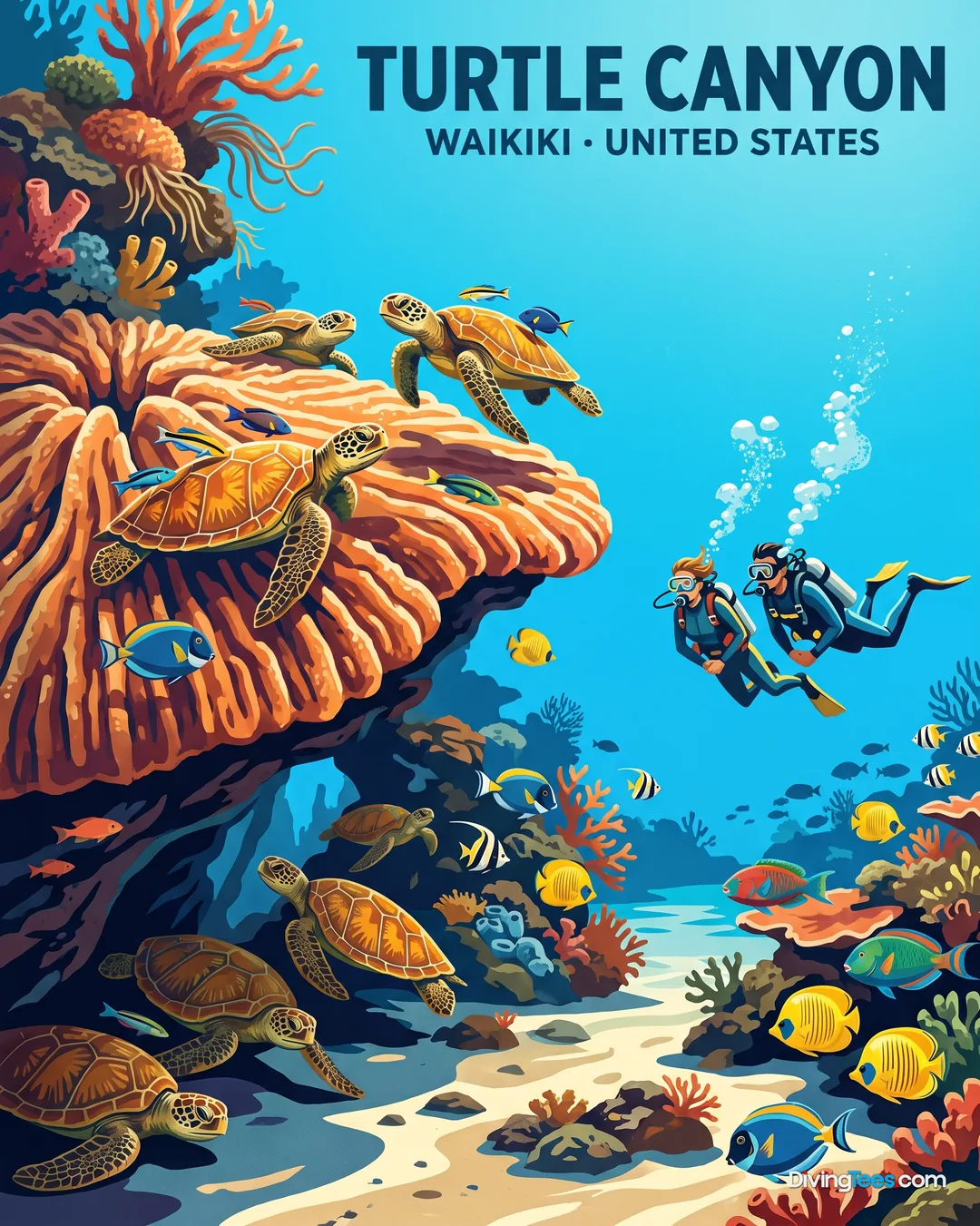
The area is also known to host larger transient visitors. While not a daily occurrence, it is possible to encounter reef sharks, specifically white-tip reef sharks (Triaenodon obesus), cruising along the edges of the reef or resting under ledges. Green sea turtles (Chelonia mydas) are frequent visitors, often seen foraging on algae or resting on the bottom. The presence of these larger animals adds another dimension to the dive, creating moments of significant encounter without being the primary focus of the site.
The Kewalo Pipe dive site is accessible from Open Water Diver level, with depths typically between 11 and 20 metres. Visibility at the site is generally good, ranging from 15 to 30 metres. Current here is usually weak, making for a relaxed dive experience. This site can be dived year-round, offering consistent conditions.
You can dive Kewalo Pipe year-round, with consistent conditions across the seasons. Visibility is generally good, ranging from 15 to 30 metres, so you can explore the artificial reef, sandy patches, and finger reefs throughout the year. The site is approximately one mile offshore from Kewalo Basin Harbor near Waikiki.
Kewalo Pipe is accessible from Open Water Diver level. Its straightforward profile and accessible depth range suit various certification levels, allowing you to explore the broken pipeline sections, sandy channels, and low-lying finger reefs. You can move between overhangs and crevices while observing marine life sheltering around the artificial and natural structures.
Kewalo Pipe typically ranges from 11 to 20 metres, giving you a relatively shallow profile with ample bottom time to explore the reef. The current is usually weak, supporting a relaxed dive experience as you move among fragmented pipeline sections, coral-encrusted surfaces, sand patches, and naturally occurring finger reefs.
At Kewalo Pipe, you can look for resident octopus, frogfish, and moray eels among the pipe sections and crevices. Schools of snapper and butterflyfish gather around the structure, while juvenile wrasses and humuhumunukunukuapua'a move across the reef. Green sea turtles are frequent visitors, and white-tip reef sharks may appear along the edges or under ledges.