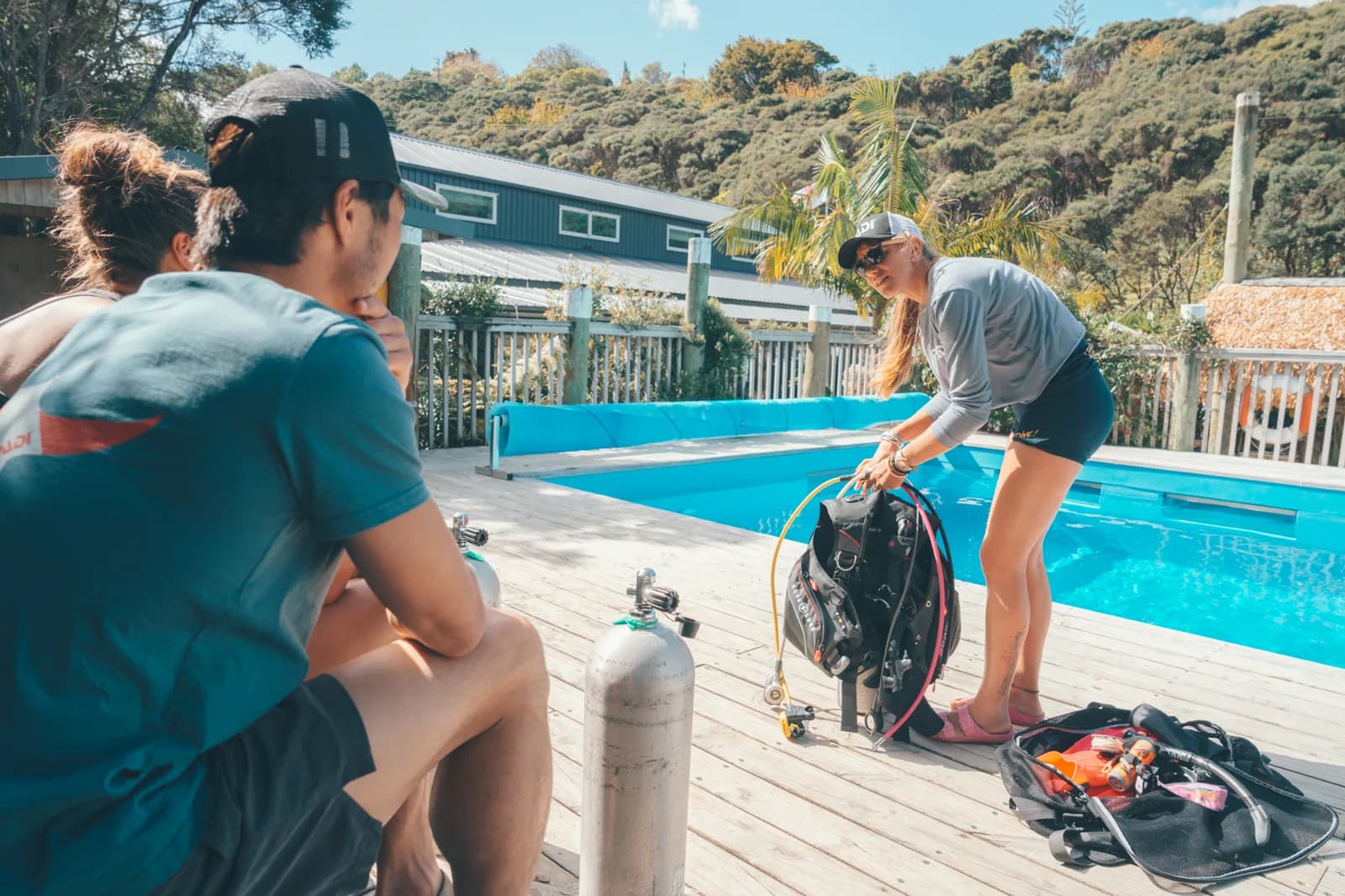

Aussie Divers Phuket
★ 5/5 (1,218 reviews)
41 km away as the crow flies
Phuket · Thailand · Asia
Max. depth · 70 mDescend onto the hidden reef of South Tip, where converging currents bring pelagic life to a vibrant soft coral garden.
For subtitles in English: start the video firstthen click the gearat the top right of the video, select “Subtitles/CC”, then “Auto-translate” and choose “English”.
South Tip, or South Pinnacle, marks the southernmost extension of Racha Noi, establishing itself as a premier dive offering in the region. The site features a series of plateaus at 9, 12, and 18 metres, forming a structure that acts as a natural magnet for pelagic activity. Beyond these shallower sections, the site drops off sharply, forming steep walls that plunge to depths exceeding 70 metres, where the dive profile shifts dramatically.
Approaching South Tip requires an understanding of the prevailing currents, which are often strong and dictate the dive plan. Typically, you will initiate your descent up-current, allowing the flow to guide you toward the hidden reef structure. Maintaining visual contact with your guide is critical during the initial phase of the dive, especially when the current picks up, to ensure a controlled and efficient entry to the main reef. This is not a drift dive where you simply go with the flow; it requires active positioning.
Once established on the shallower plateaus, the immediate reward is a visually vibrant landscape dominated by a thick carpet of colourful soft corals and swaying anemones. These shallower sections serve as a haven for a variety of macro life and reef fish, offering a stark contrast to the dramatic deep water conditions. It’s a space where you can take shelter from the stronger currents and observe the reef’s intricate ecosystem before moving to deeper or more exposed sections.
Beyond the initial reef structure, the edges of the plateaus transform into sheer walls that descend into the darker blue. These deeper sections, reaching up to 50 to 60 metres, cater to experienced and technical divers. Here, the chances of encountering larger pelagic species increase significantly, with sightings of large marbled rays and whitetip reef sharks (Triaenodon obesus) being possible. The deeper environment demands careful attention to gas management and decompression limits.
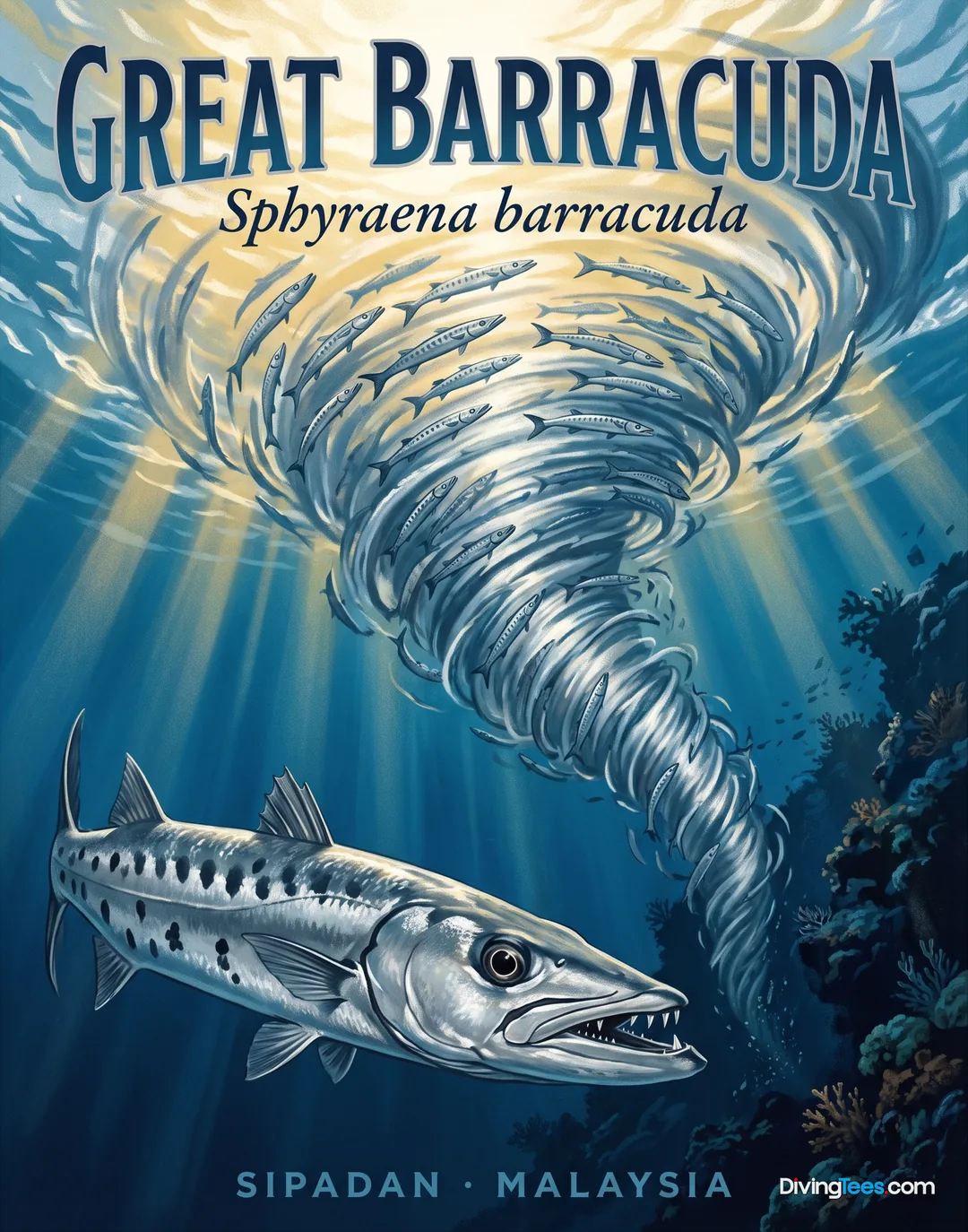
The site is particularly known for its pelagic visitors, with regular sightings of large trevally and barracuda (Sphyraena barracuda) patrolling the currents. These predatory fish often congregate in the stronger flows, making the exposed parts of the pinnacle their hunting grounds. The presence of these larger species adds a dynamic element to the dive, underscoring the rich food chain supported by South Tip’s unique oceanic position.
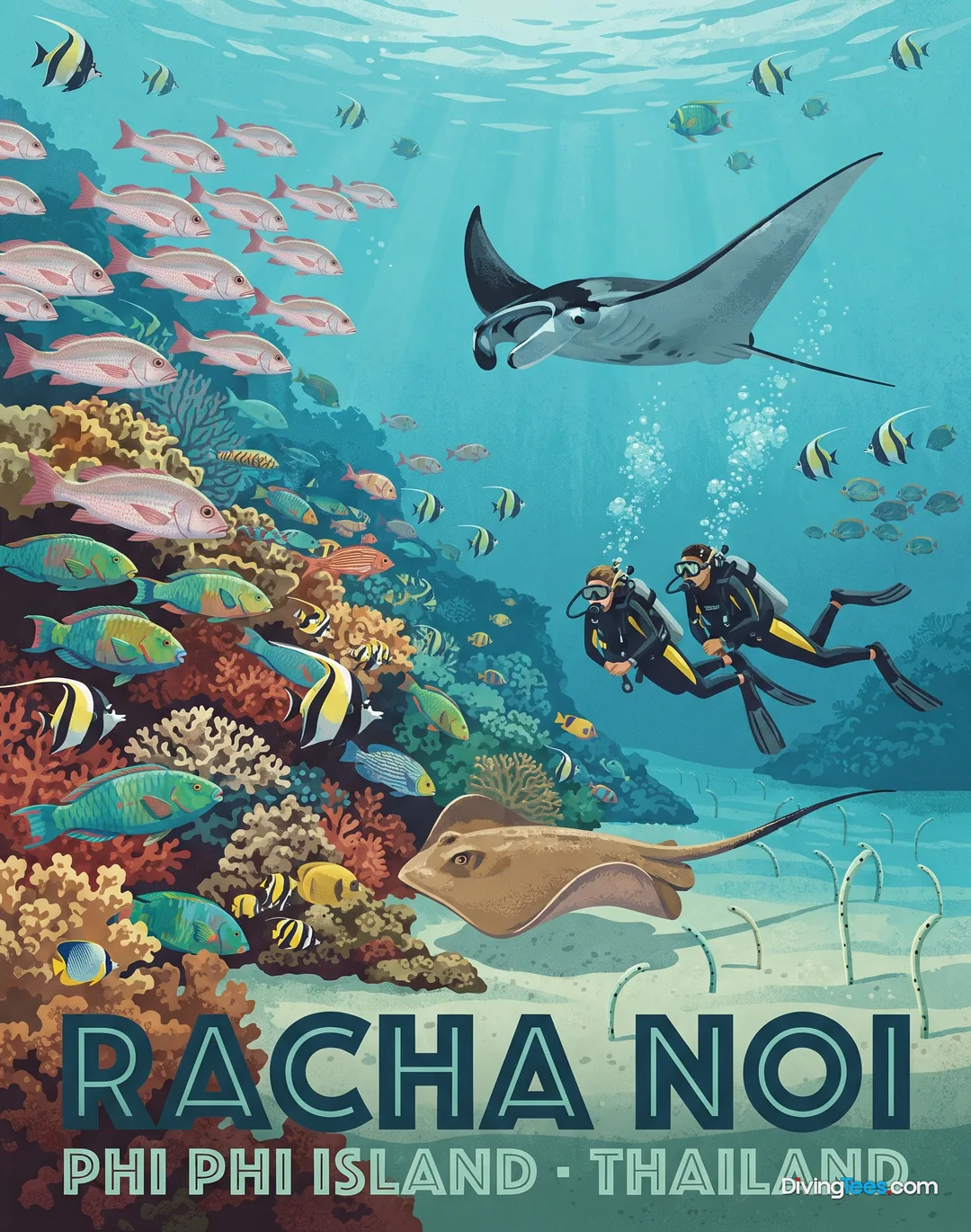
Between October and April, South Tip becomes a reliable location for observing large manta rays (Manta birostris). They frequent the site, often congregating in the shelter of the reef from the stronger current, offering opportunities for meaningful encounters. When operating in strong currents, remember to stay calm and maintain proper trim; it's about holding your position, not fighting the water.
Divers venturing deeper into the 70-metre range should be aware of the potential for downcurrents, which can make ascent challenging if not anticipated. These deeper sections demand specific training and equipment, as the environment shifts from a vibrant reef to a more austere, current-swept deep pinnacle. Planning your ascent profile and safety stops with the current in mind is paramount for a safe dive at South Tip.
South Tip is a site for advanced divers, requiring at least an Advanced Open Water Diver certification and practical experience in strong currents. Depths range from a minimum of 9 metres on the plateaus to over 70 metres for technical diving. Expect strong currents that can be significant, necessitating precise buoyancy and finning techniques. Visibility typically ranges from 5 to 25 metres. The best period for diving here, particularly for encountering manta rays, is from October to April.
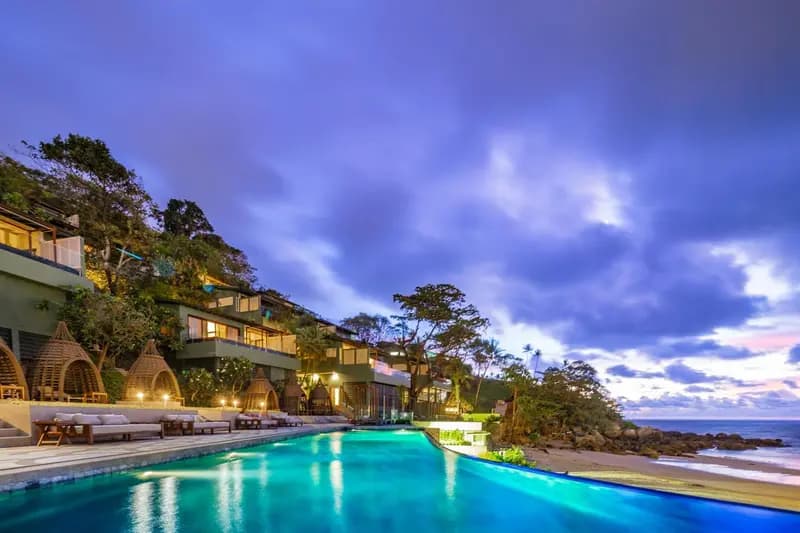
★★★★★
★ 9.3/10 (1,338 reviews)
39 km away as the crow flies
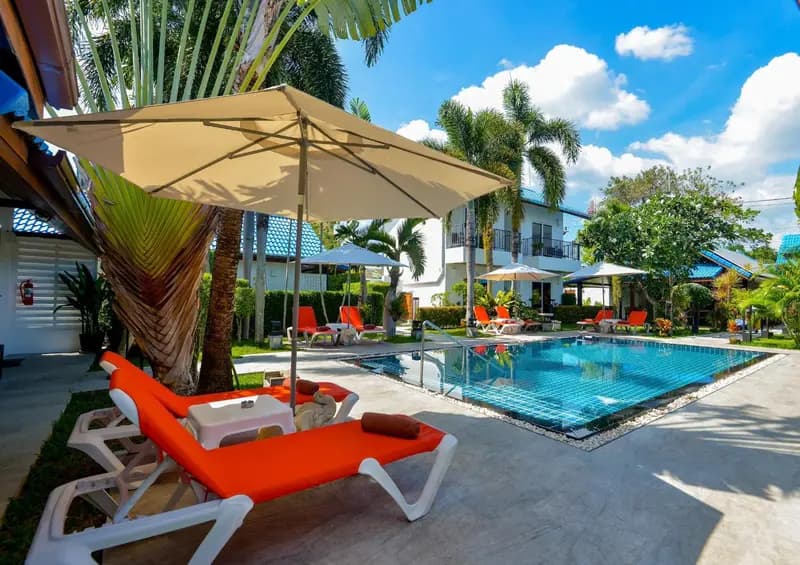
★★★
★ 9.3/10 (1,118 reviews)
72 km away as the crow flies
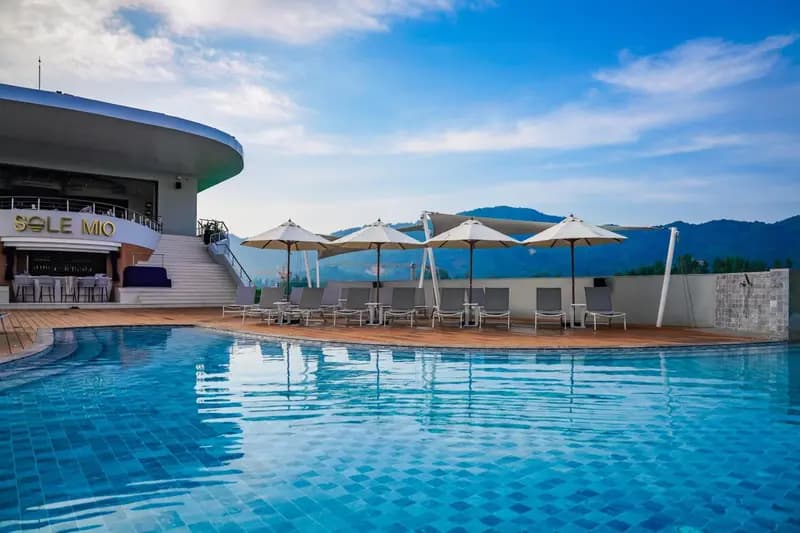
★★★★★
★ 9/10 (1,212 reviews)
60 km away as the crow flies
★★★★★
★ 9/10 (624 reviews)
79 km away as the crow flies
11 liveaboards depart from Phuket another way to explore the region, over several days at sea.

Departing from Chalong
★ 9.4/10 (143 reviews)
from 103 €/day
Discover this boat →

Departing from Chalong
★ 9.2/10 (90 reviews)
from 196 €/day
Discover this boat →

Departing from Chalong
★ 9.1/10 (54 reviews)
from 283 €/day
Discover this boat →

Departing from Chalong
★ 8.6/10 (62 reviews)
from 144 €/day
Discover this boat →