
Cabo Diving Center
Google 4.7/5 (121 reviews)
2.4 km away as the crow flies
Sal · Cape Verde · Atlantic
Max. depth · 25 mA volcanic structure featuring tiered ledges, overhangs, and frequent green turtle encounters between 12 and 18 metres.
For subtitles in English: start the video firstthen click the gearat the top right of the video, select “Subtitles/CC”, then “Auto-translate” and choose “English”.
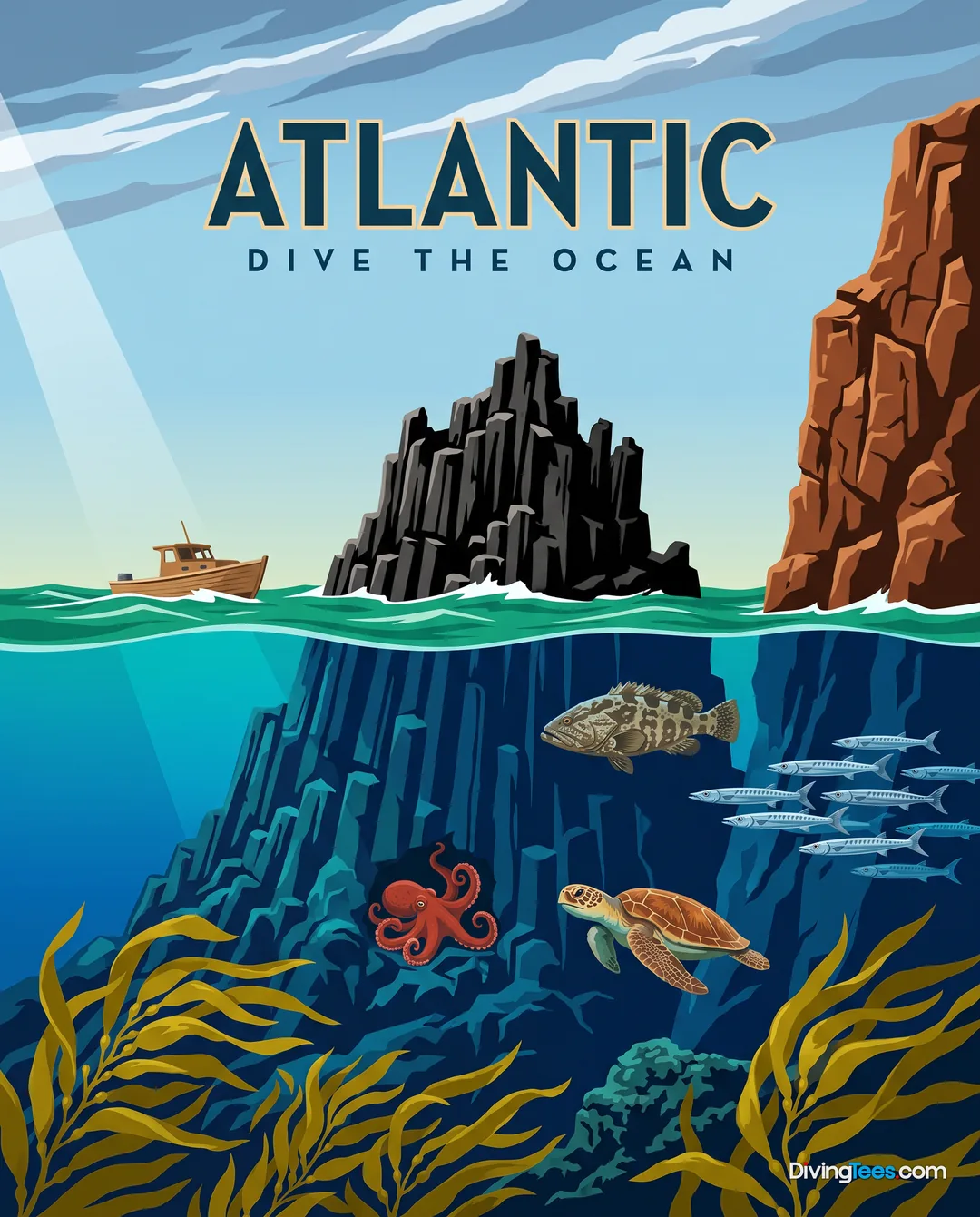
Peridao is defined by its distinct volcanic architecture, presenting a topography of stepped relief rather than a continuous vertical drop. As you descend, you will encounter a series of elongated cornices and rocky ledges that create a complex, multi-layered environment. These volcanic formations include various fractures and small overhangs that break up the profile of the wall. The structure provides numerous nooks and crannies that serve as natural shelters for much of the resident marine life. The wall eventually transitions into a sandy bottom at its base.
The dive profile allows for a gradual exploration of different depth zones, with most of the interesting geological features concentrated in the upper sections. You can expect to find the most activity on the tiered ledges that run along the face of the reef. As you move along the wall, the terrain shifts from these stepped volcanic ridges to more open areas of the slope. The depth typically fluctuates between 8 and 25 metres, making the site accessible for a wide range of experience levels. Following the contours of the rock is the most effective way to navigate the site.
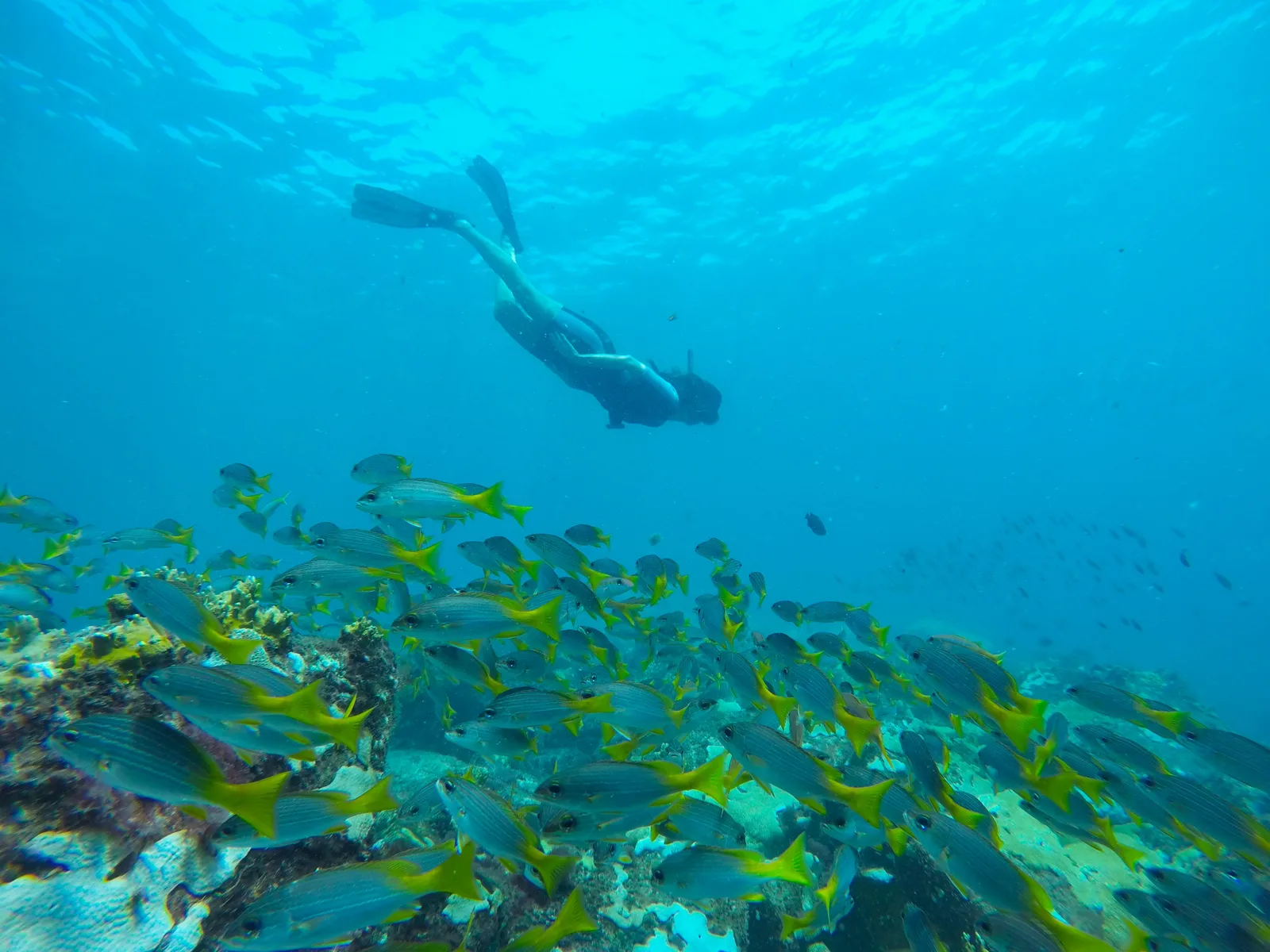
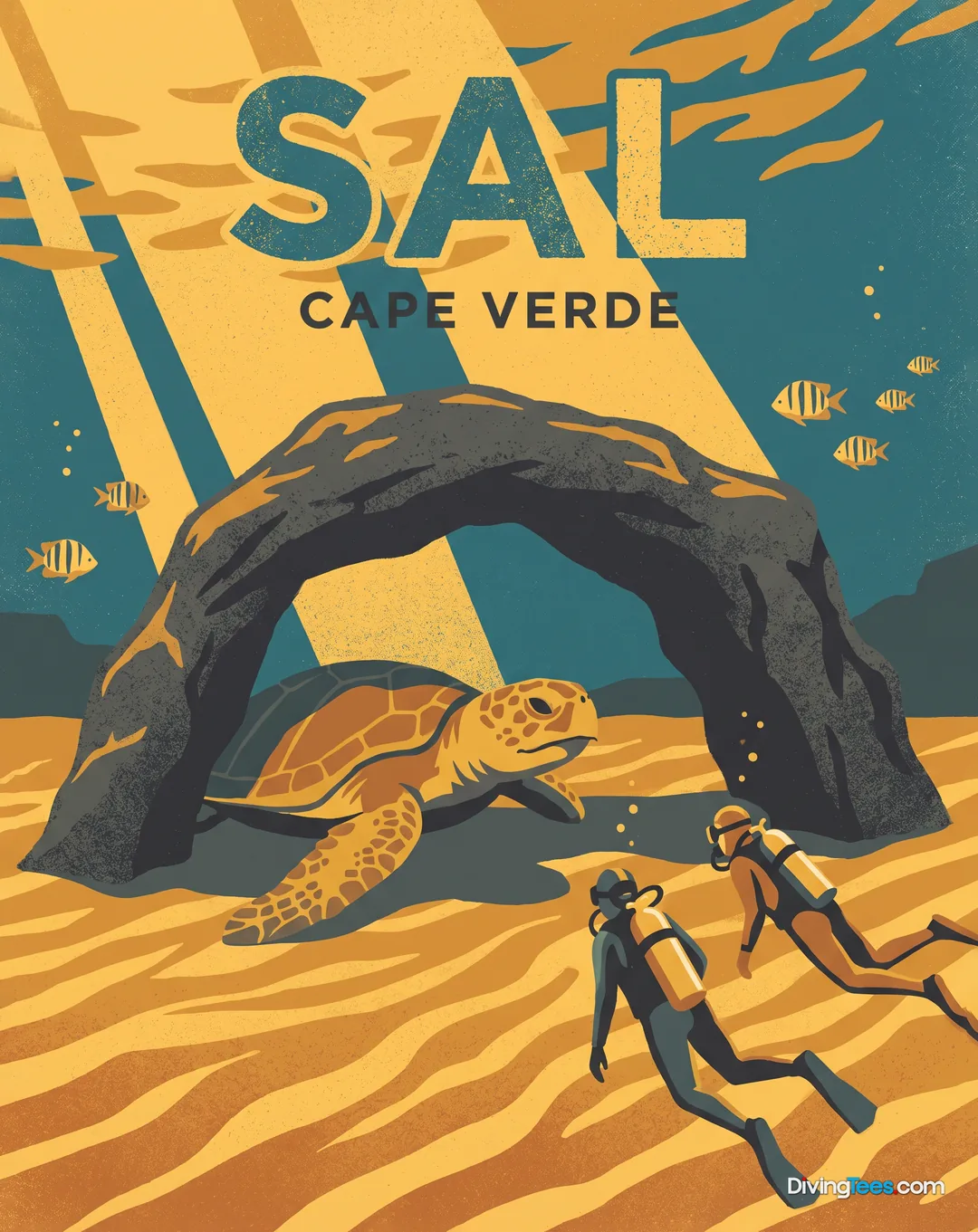
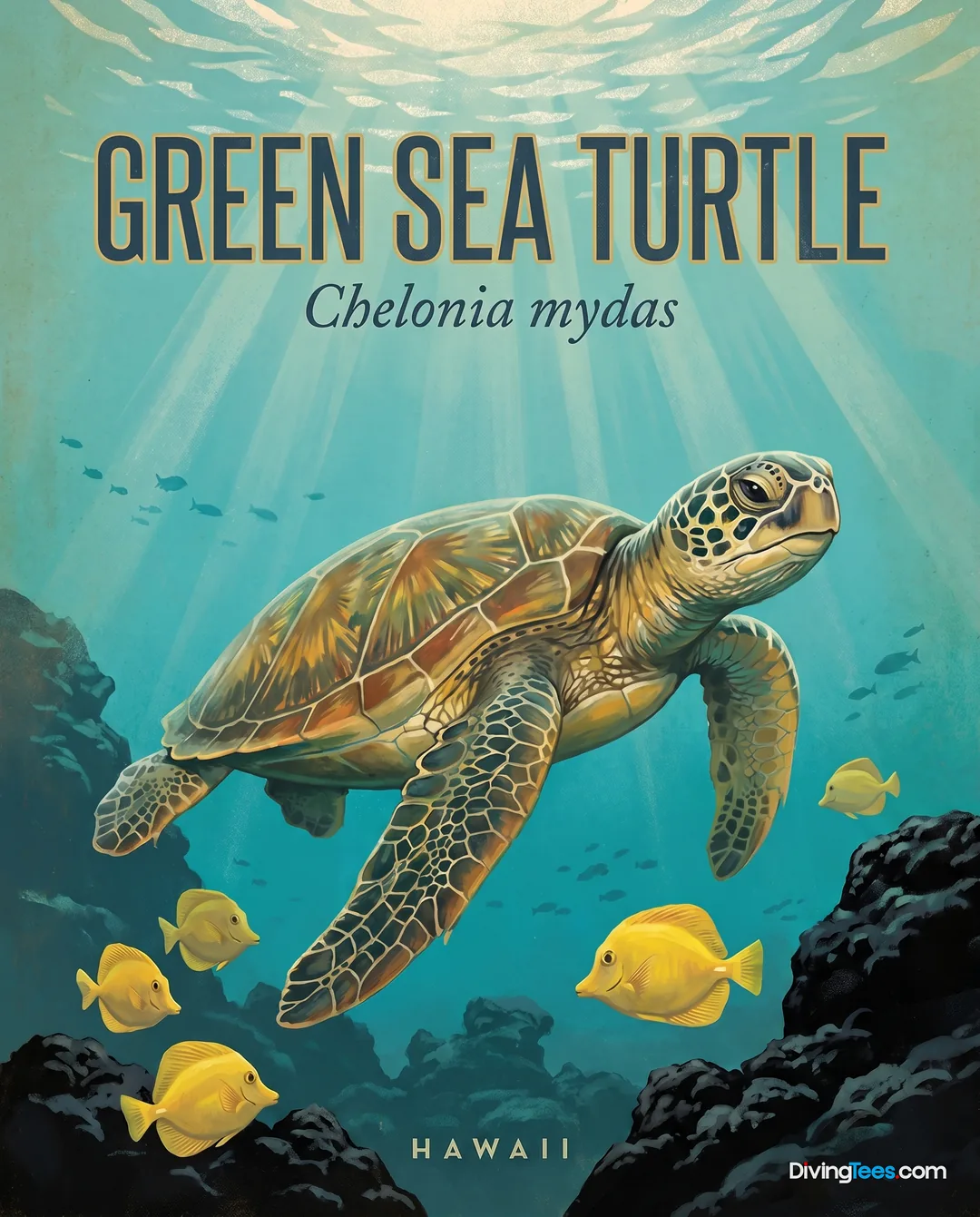
One of the primary reasons divers visit Peridao is to observe the cleaning activity of green turtles (Chelonia mydas). These turtles are often found in the zone between 12 and 18 metres, where the topography provides stable resting points. You will likely see them positioned near specific rocky outcrops, engaging in cleaning behaviour that is a characteristic feature of this site. Observing these animals in their natural habitat, moving slowly along the volcanic ledges, is a central part of the Peridao experience. They are frequently the first residents you will notice as you reach the mid-depths.
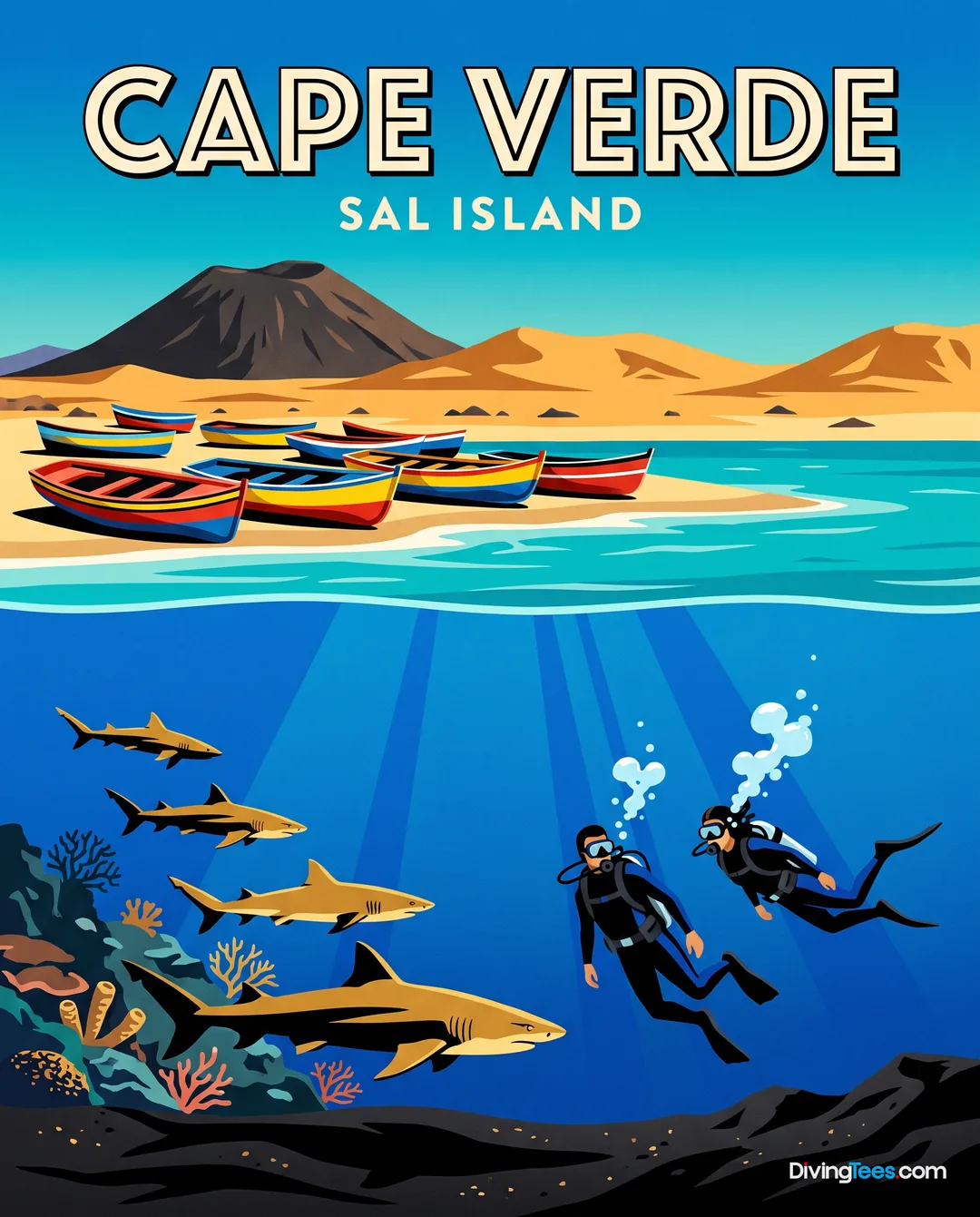
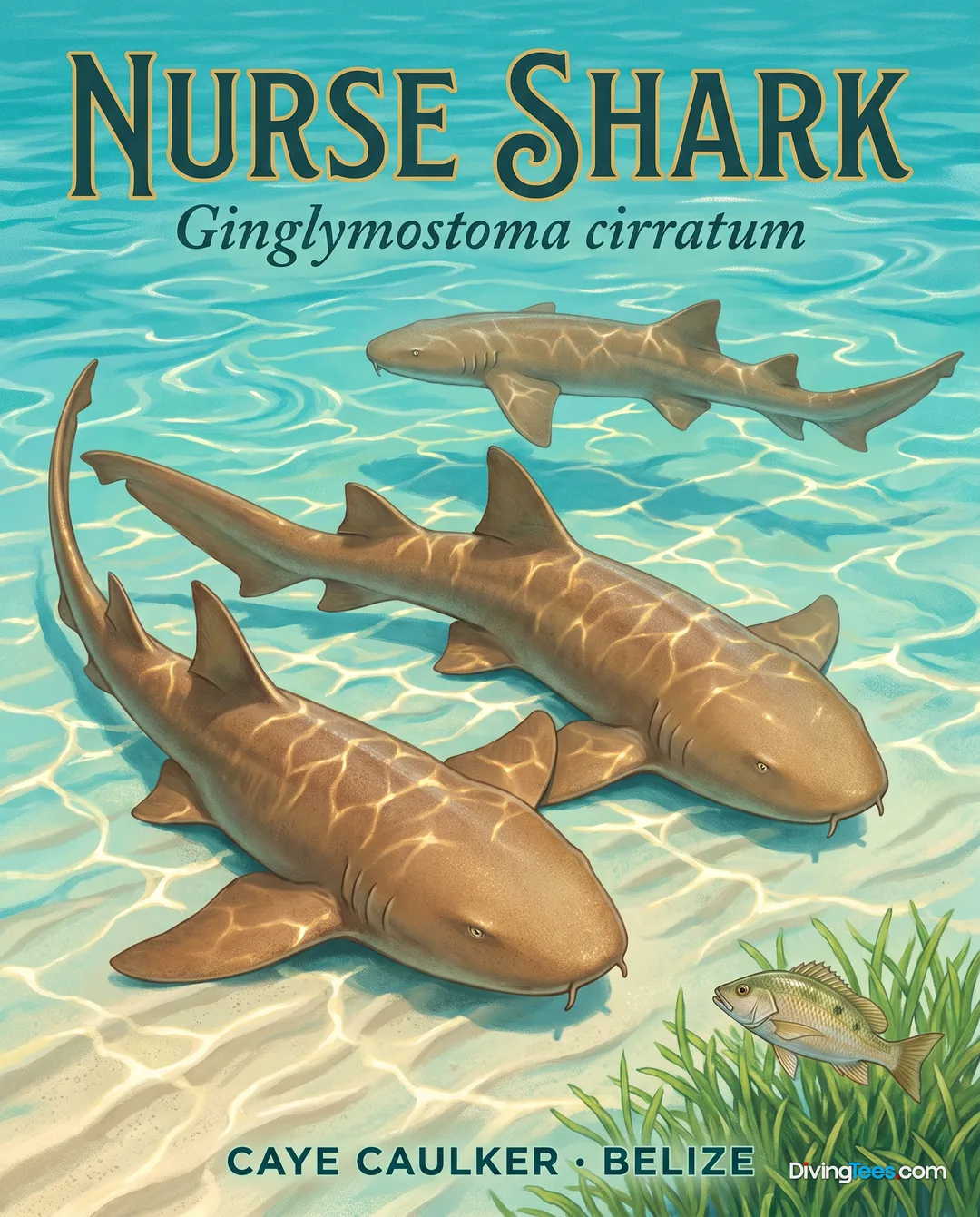
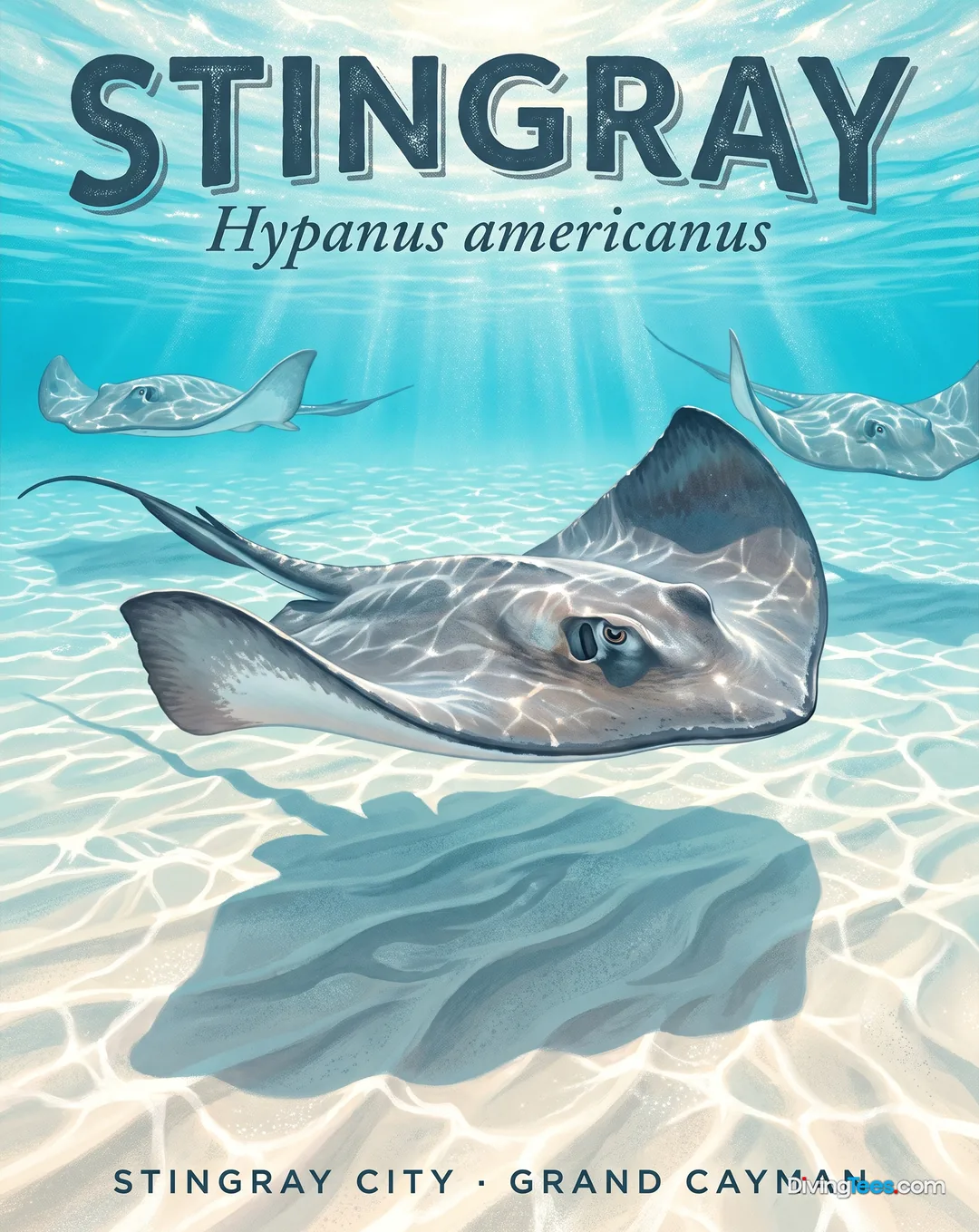
The resident fauna includes various species that utilize the crevices and overhangs created by the volcanic activity. Nurse sharks (Carcharhinus leucas) are commonly reported, often found resting in the sheltered areas of the rockwork or near the bottom. You may also encounter large stingrays patrolling the sandy patches that sit at the foot of the wall. These animals tend to stay close to the protection of the reef structure, moving in and out of the shadows provided by the cornices. The presence of these larger species adds to the biodiversity found along the different tiers of the reef.
Navigation at Peridao is often handled through drift diving, as the site is well-suited for moving along the rocky relief. Depending on the entry, you can follow the line of the wall, using the natural current to glide past the various ledges and overhangs. This method allows you to cover a significant amount of the reef structure without excessive effort. Staying close to the topography helps maintain orientation as you move through the different depth levels. It is important to monitor your buoyancy while navigating these tight volcanic features and ledges.
Visibility at this site is generally good, typically ranging between 15 and 25 metres, which allows for clear sightlines along the wall. This clarity helps in spotting the subtle movements of turtles or sharks tucked into the darker recesses of the volcanic fractures. The light filtering down through the water column highlights the textures of the rocky ledges and the sandy floor below. Good visibility is essential for navigating the tiered structure effectively, especially when following the contour of the reef. The combination of clear water and complex topography makes for a detailed underwater landscape.
The site reaches depths of 8 to 25 metres and is accessible from the Open Water Diver level. Currents are generally light, though conditions can vary based on Atlantic swells, tides, and general sea conditions. Expected visibility ranges from 15 to 25 metres. The best time to dive this site is between April and June.
The best time to dive Peridao is between April and June. Visibility generally ranges from 15 to 25 metres, helping you follow the volcanic wall and see its ledges, fractures, and overhangs. Conditions can vary with Atlantic swells, tides, and general sea conditions, so expect some variation during your visit.
Peridao is accessible from the Open Water Diver level. You can explore its stepped volcanic relief by following the contours of the rock, moving past elongated cornices, ledges, fractures, and small overhangs. Buoyancy awareness is important while navigating these tighter volcanic features and maintaining your position along the reef.
Peridao typically ranges from 8 to 25 metres, with geological features concentrated in the upper sections and green turtles often found between 12 and 18 metres. Currents are generally light, although Atlantic swells, tides, and general sea conditions can change them. The site also suits drift diving along the reef wall.
At Peridao, you can see stepped volcanic terrain with rocky cornices, ledges, fractures, and overhangs leading toward a sandy bottom. Green turtles are frequently active between 12 and 18 metres. You may also encounter nurse sharks resting near the rockwork and large stingrays moving across sandy patches at the wall’s base.