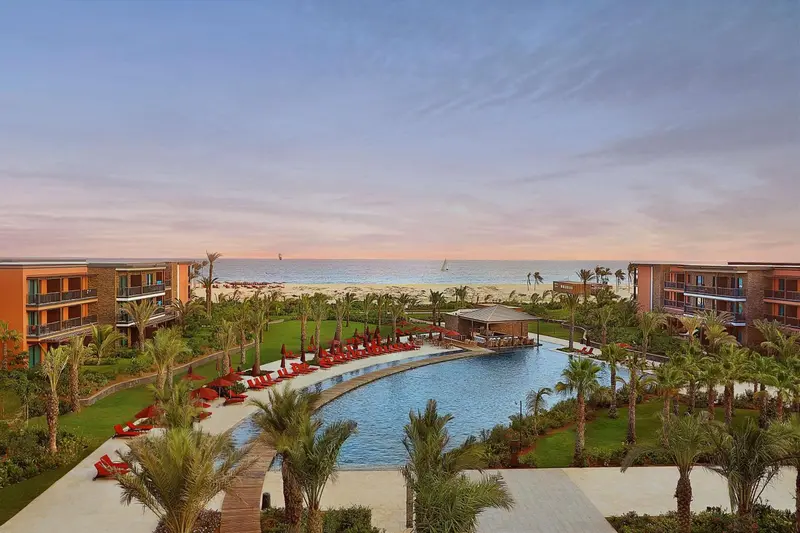

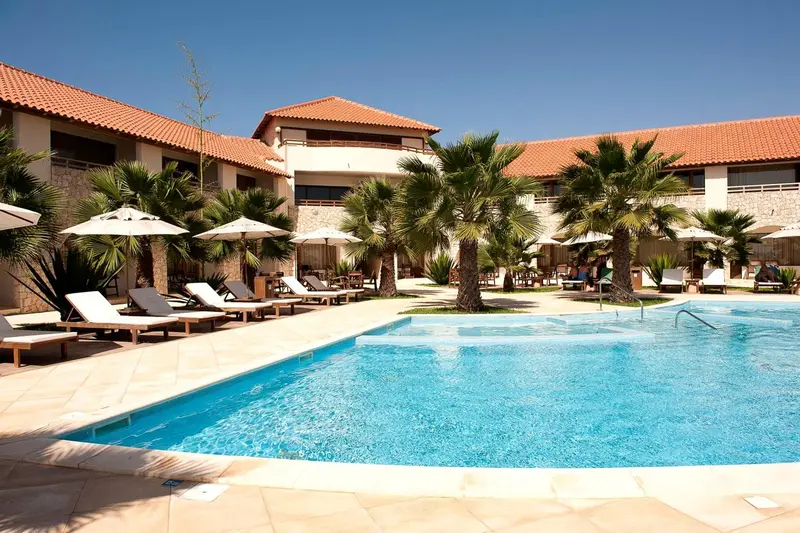
 Dive centre in the hotel
Hotel Morabeza
★★★★
Google 4.6/5 (859 reviews)
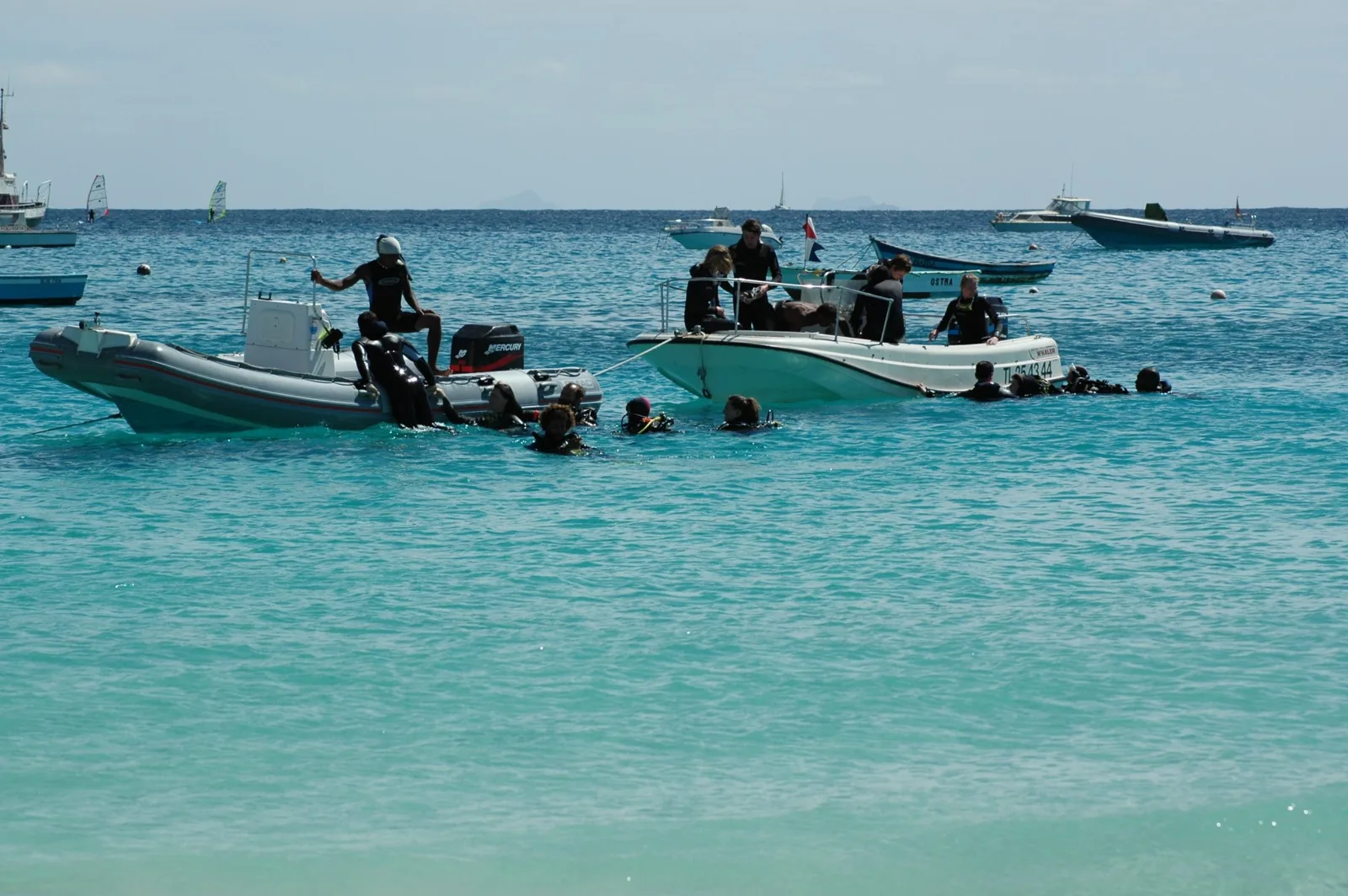
The dive centre
Scubateam
PADI
Google 4.5/5 (174 reviews)
Dives: Buracona, Palmeira – Olhos Azuis, Lagosta Verde
Cape Verde · Atlantic
Cargo wrecks, volcanic walls, sand dunes and occasional manta rays define Sal’s boat diving, where wind and swell remain part of every day’s calculation.
For subtitles in English: start the video firstthen click the gearat the top right of the video, select “Subtitles/CC”, then “Auto-translate” and choose “English”.
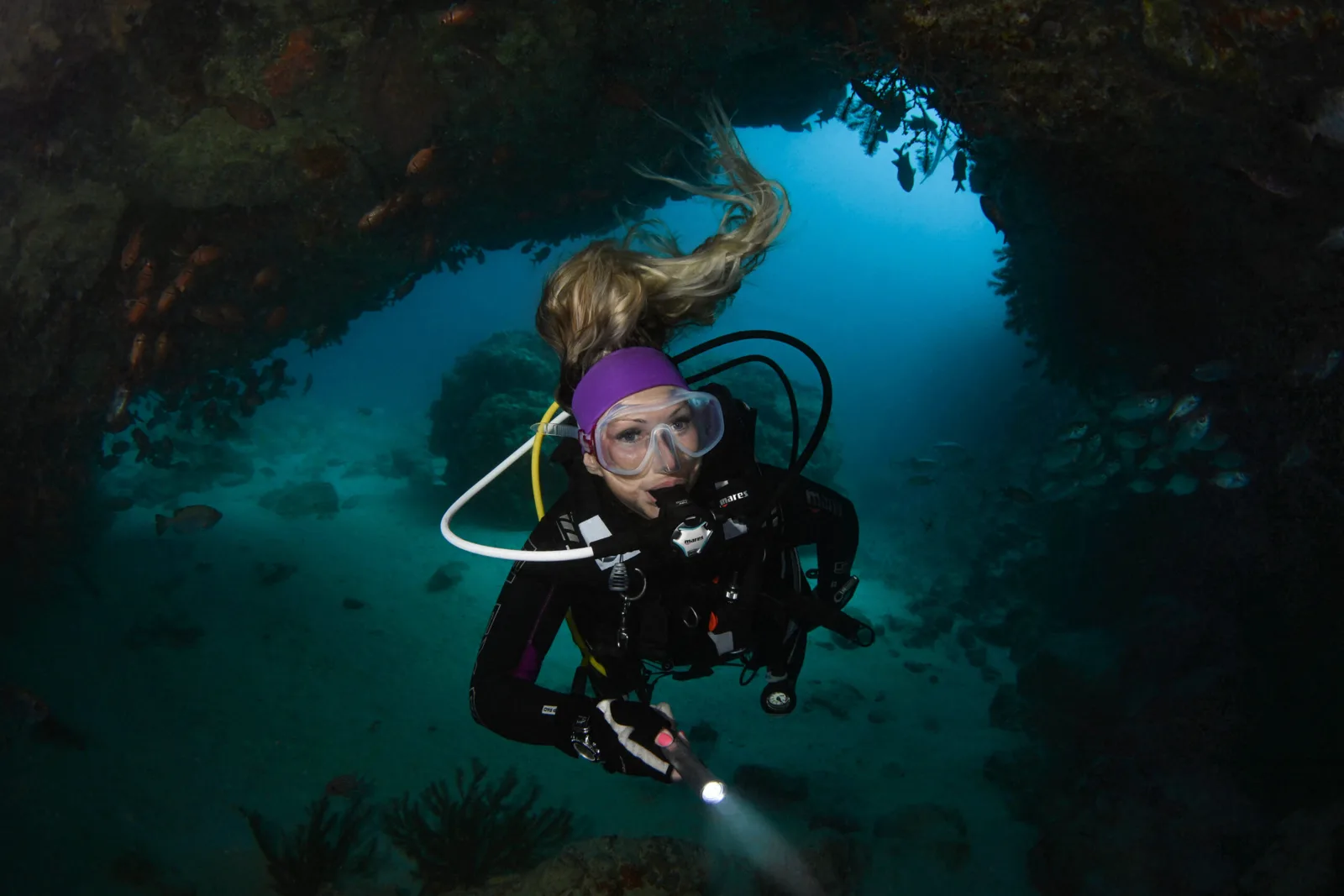
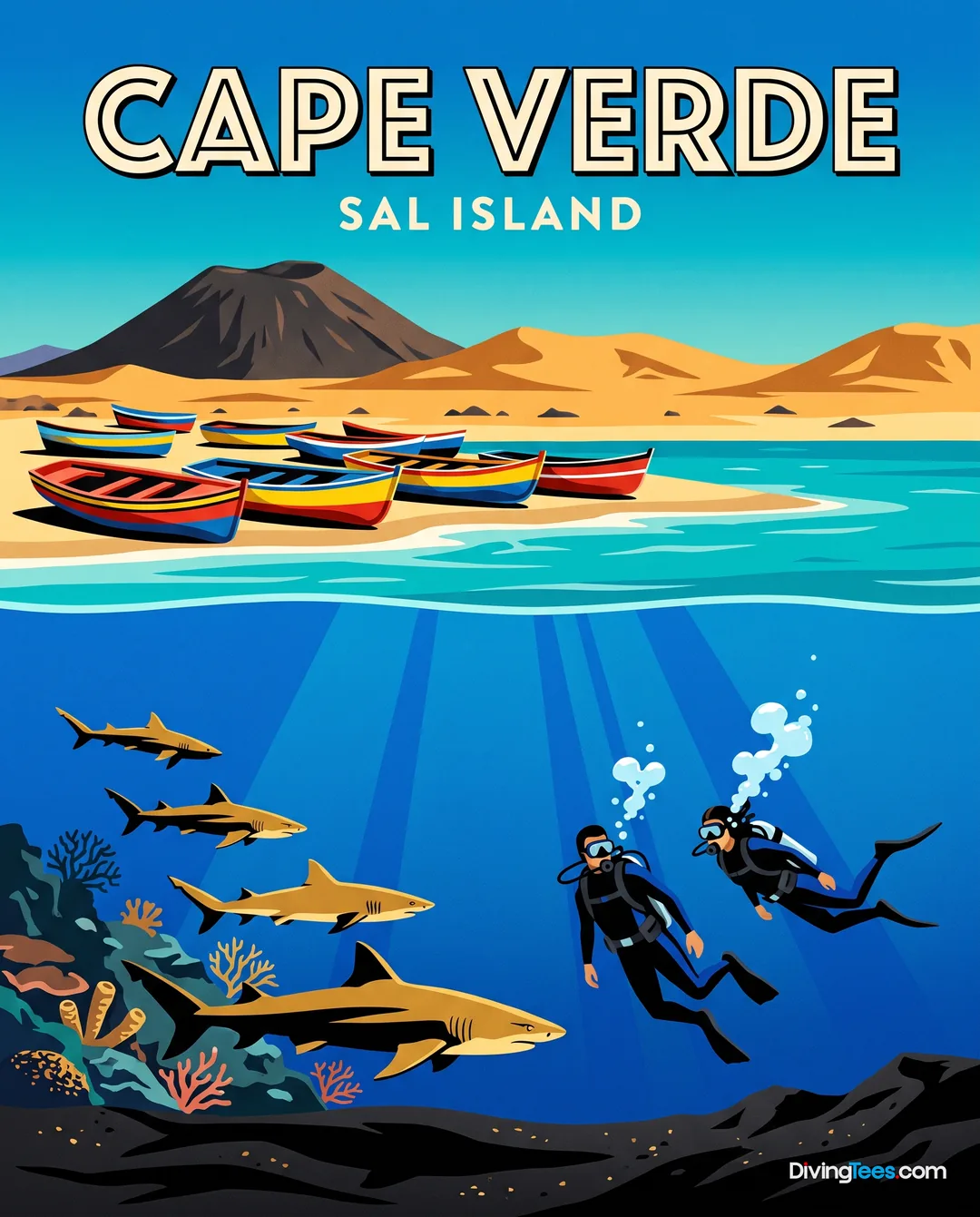
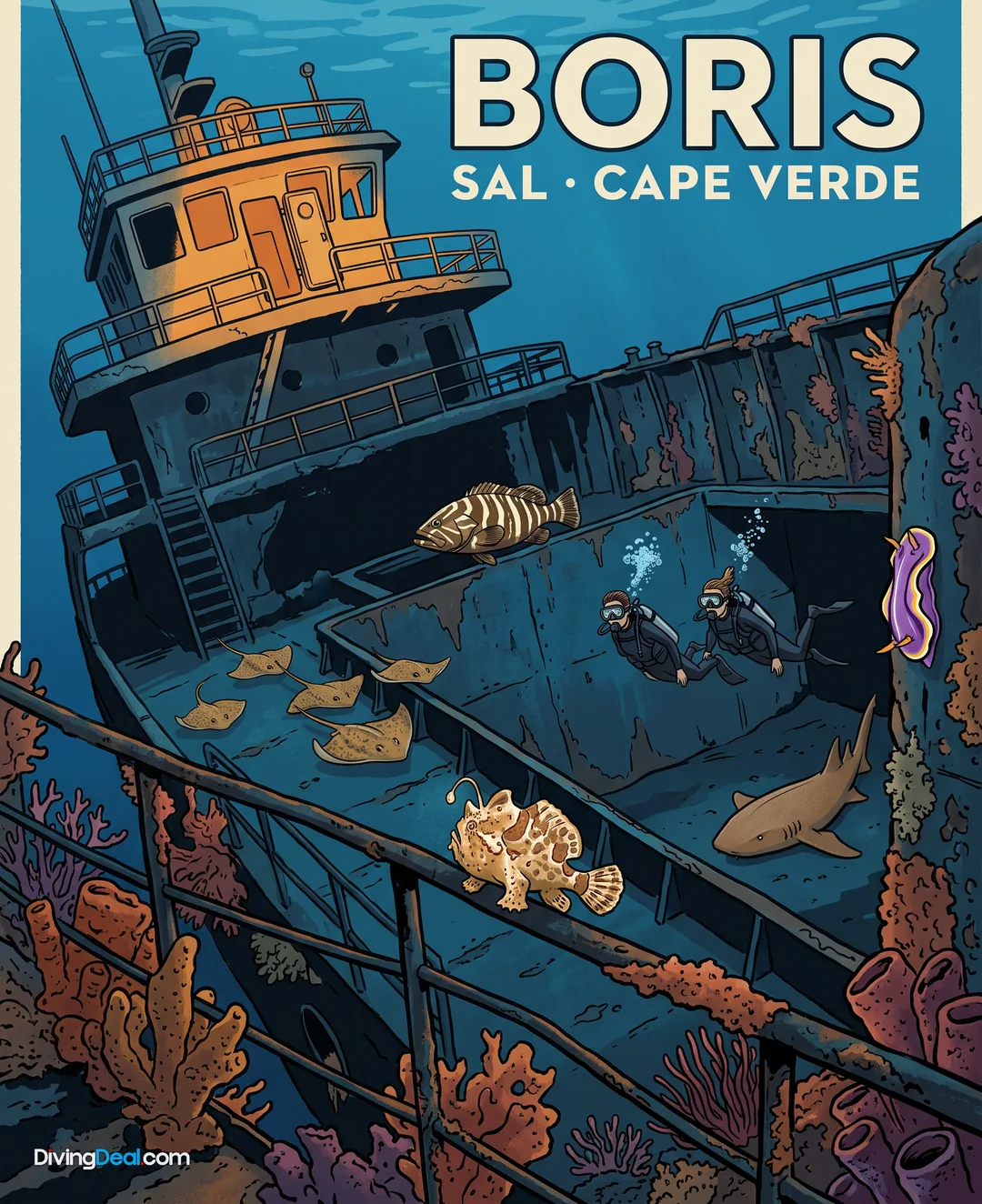
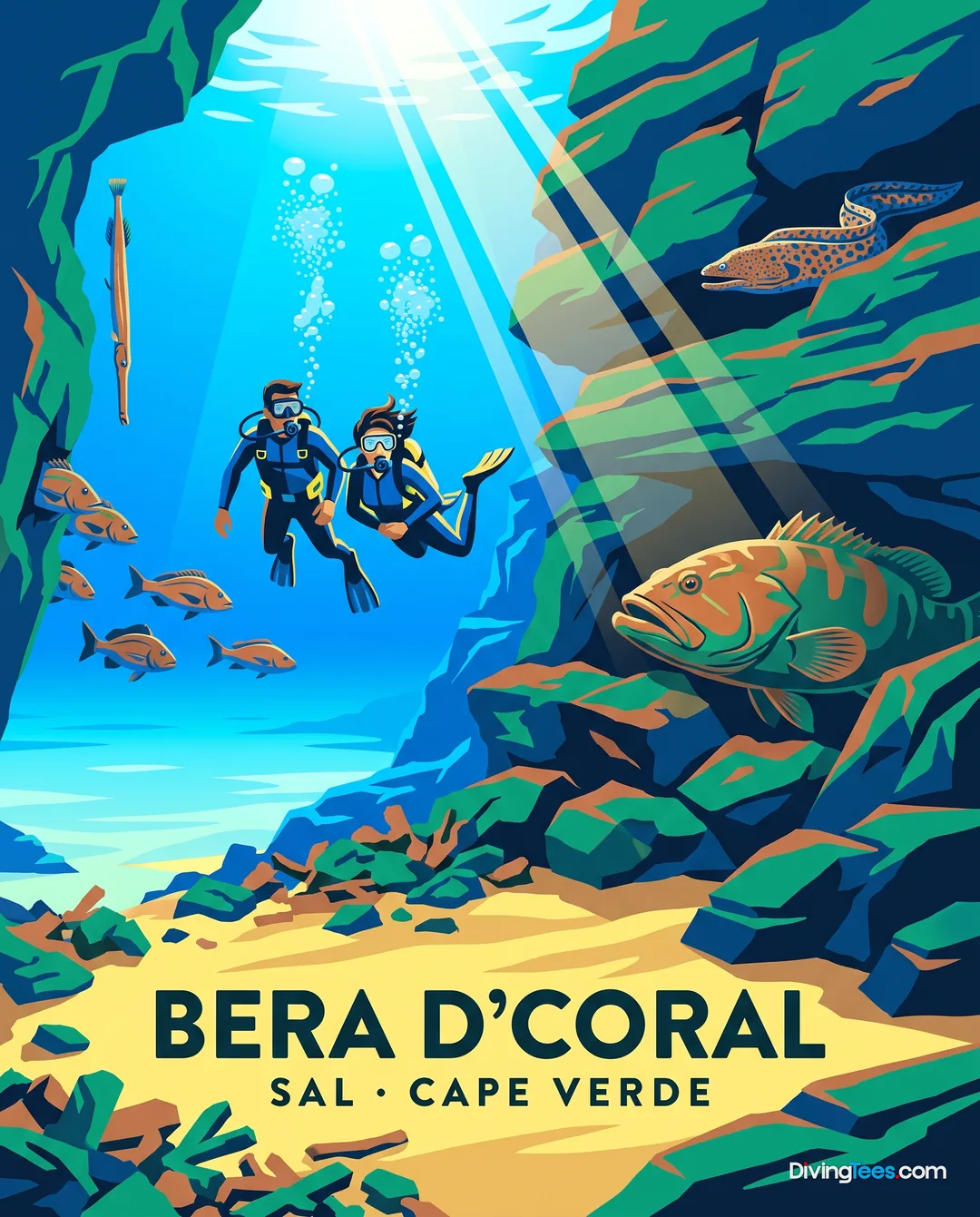
Sal’s diving is built around boat trips to volcanic reefs, walls, arches, sandy areas and wrecks rather than an extensive shore-diving network. Antao gives an easy introduction, with a cargo wreck lying in three broken sections at twelve to fourteen metres. Dunas changes the scene to underwater sand dunes and a small wall, while Bera D’coral offers a wall dropping towards sand. The island suits divers who value variety and flexibility more than a polished, resort-style operation.
The underwater landscape is mostly volcanic: walls, ledges, arches, sandy bottoms and isolated wreck structure. At Antao, the broken cargo ship rests in twelve to fourteen metres, making it a straightforward dive around steel, schooling fish and open sand. Bera D’coral follows a wall from roughly eighteen to twenty metres, with some deeper sections and the possibility of moderate to strong current around tidal changes. Dunas runs from five to twenty metres, combining shifting sand with a small wall and bottom-dwelling life. Current is variable rather than a constant feature, but swell and wind can affect both the boat journey and underwater visibility. Local site reports give ten to twenty metres at Antao and up to twenty to thirty metres at Dunas; conditions can change quickly. These are organised boat dives, with the day’s plan sensibly adjusted to the sea state.
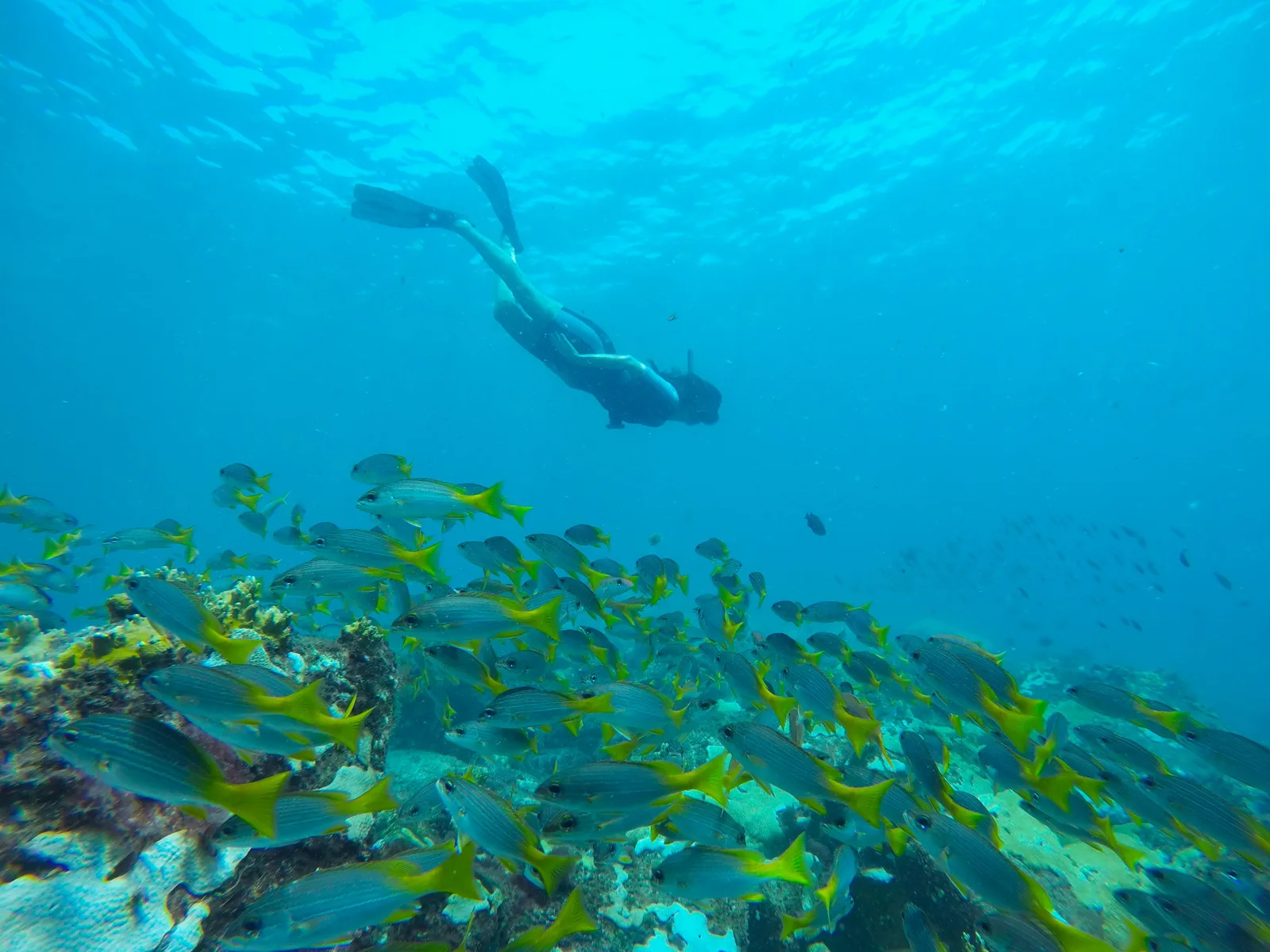
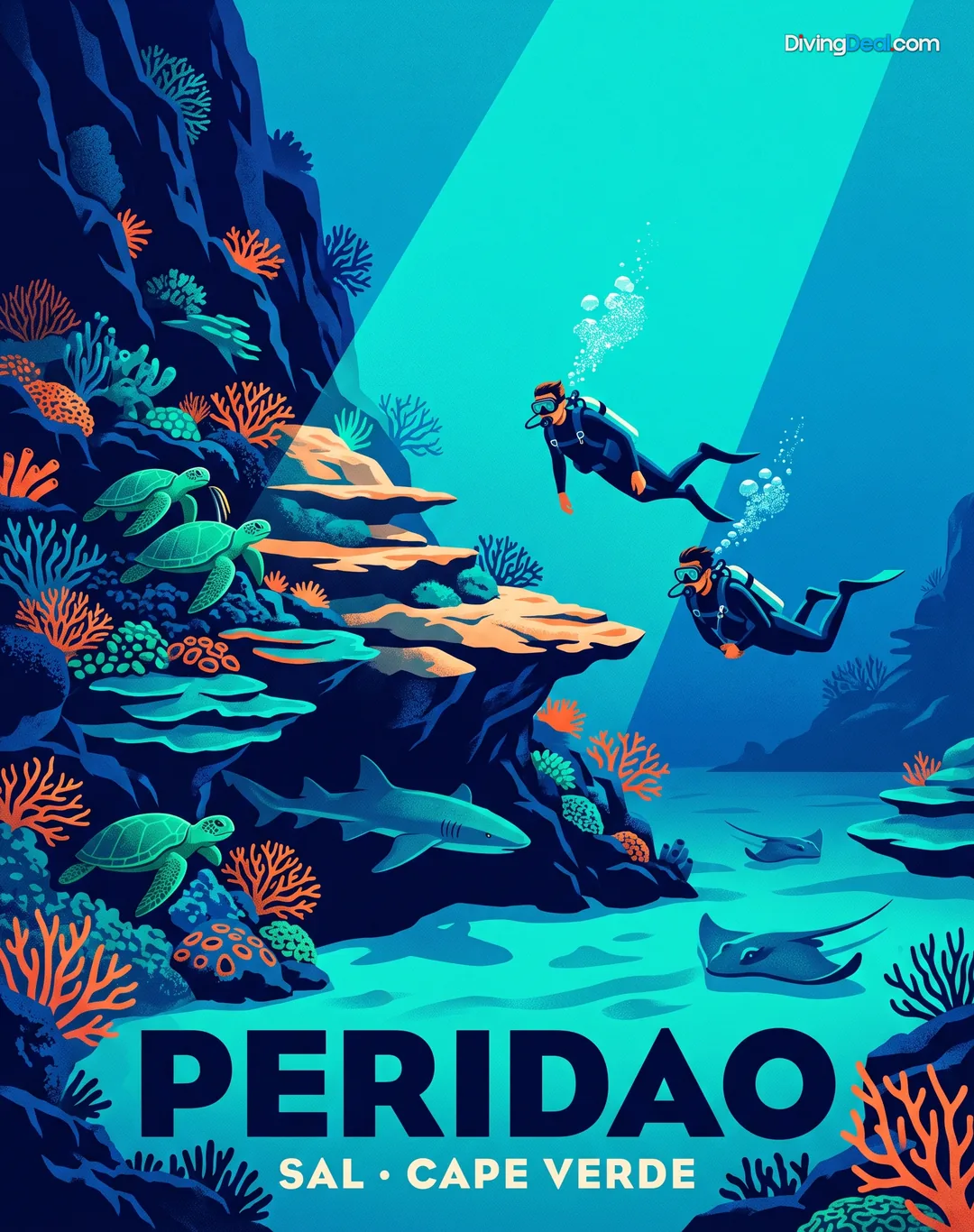
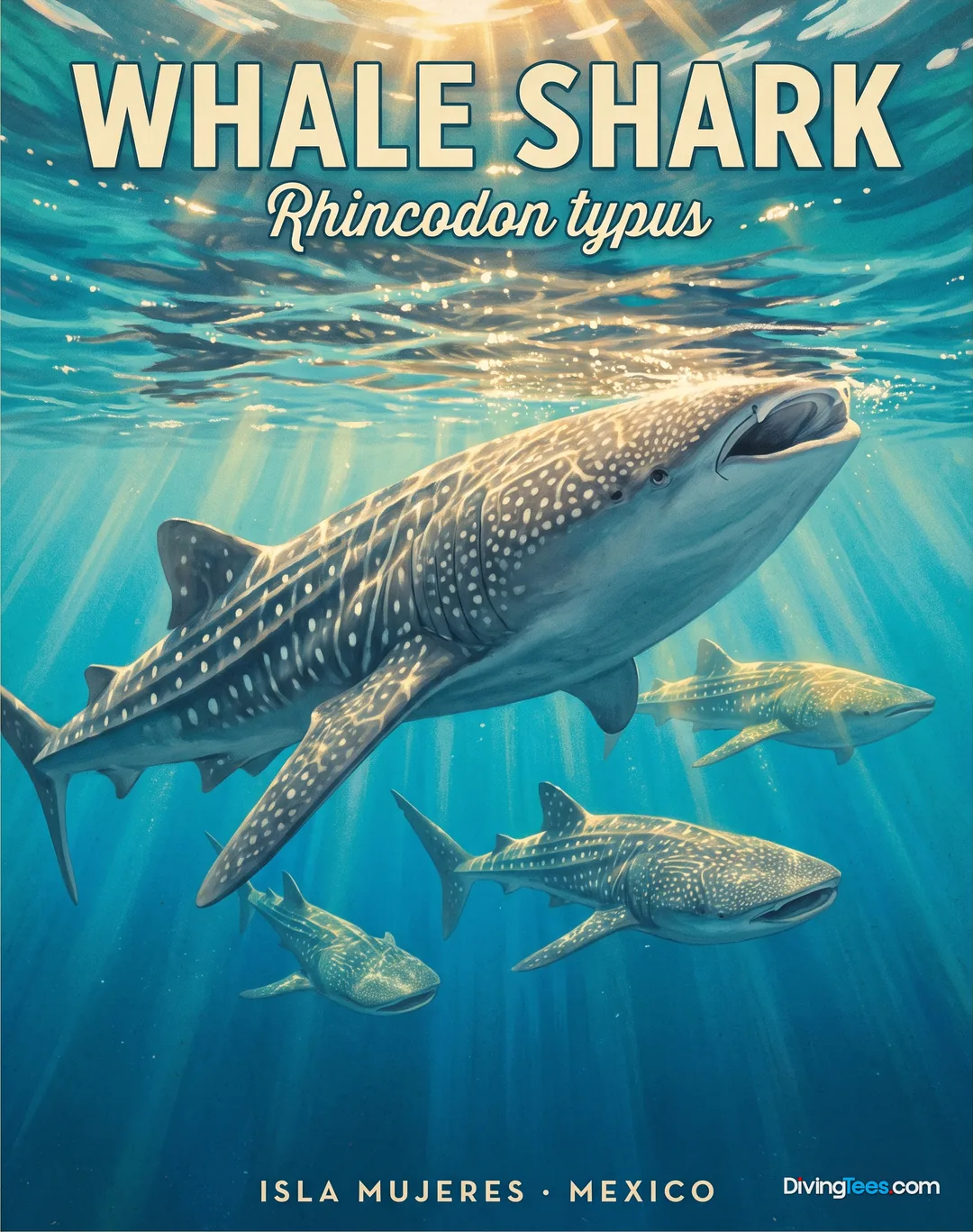
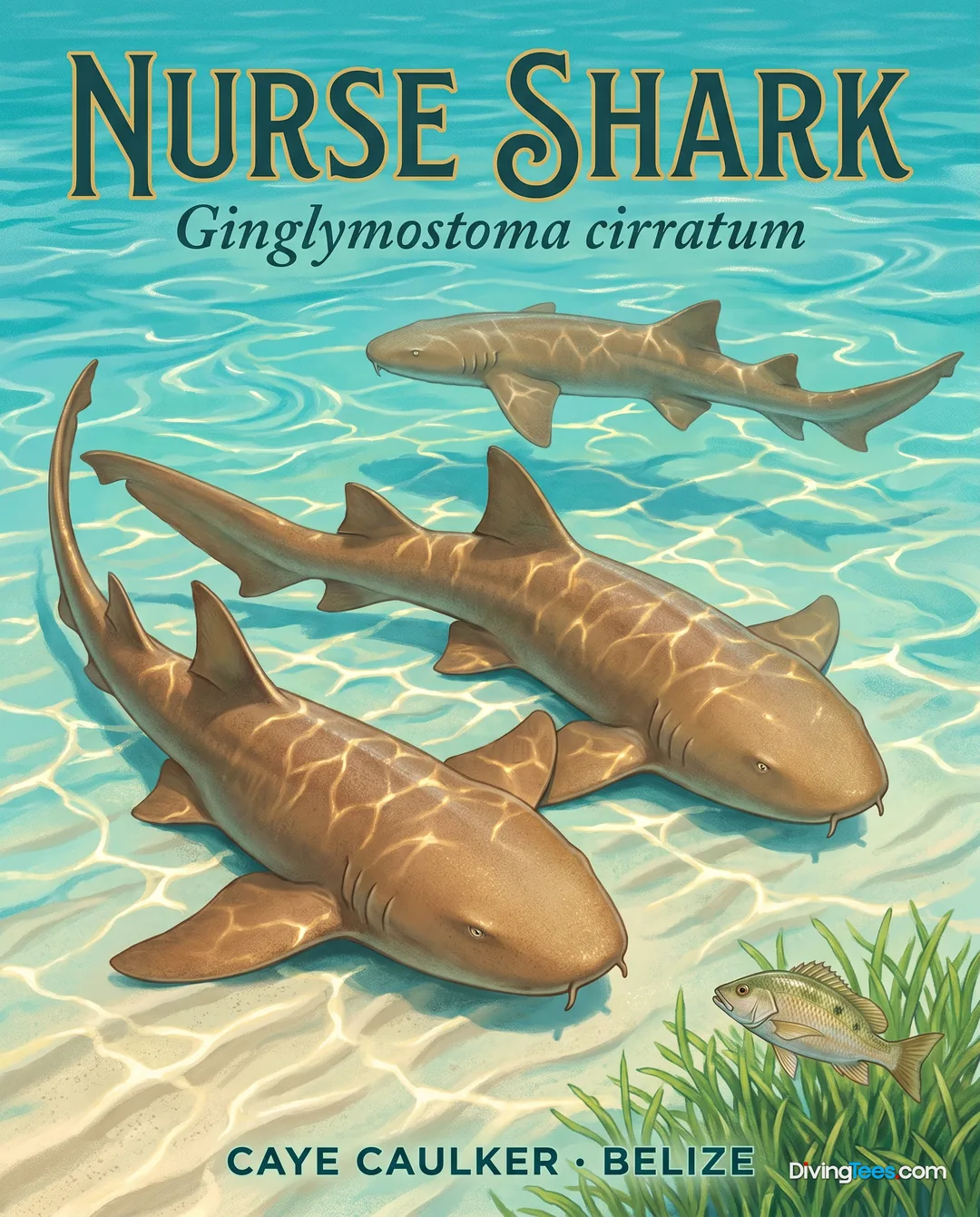
Antao’s wreck acts as an artificial reef, with schools of fish around the broken cargo ship and occasional visits from larger pelagics such as manta rays and nurse sharks. Turtles are a regular possibility around Sal, particularly at Dunas, where they are more present between June and December and the site is associated with the nesting season. Rays and small reef sharks also feature in the local encounters. A whale shark would be a rare sighting rather than a realistic basis for planning a trip, while manta rays are occasional. The practical appeal is therefore the mix: look into crevices and along wall ledges, scan the sand at Dunas, and keep an eye into open water around the wreck. Encounters remain wildlife encounters, not scheduled appointments.
The measured pattern places the calmest sea and the strongest overall diving window between May and November. That fits the local picture: Sal is highly exposed to wind, and a more workable surface makes boat departures and exposed sites easier to manage. The broader favourable periods also include October, November, December and May to July, while January to March is more prone to wind and formed sea. June to December is the more useful period for turtle encounters at Dunas. The sensible choice is a five- to seven-day stay, giving the weather room to change without making every dive depend on one calm morning.
Sal can suit Open Water divers, especially on Antao and the shallower sections of Dunas and Bera D’coral. It is not a destination where certification alone removes the environmental variables: current, swell and a changing boat plan still matter. Advanced Open Water is useful for deeper wall sections and for keeping more options open when conditions vary. Nitrox can also be worthwhile for a run of boat dives. Divers with a BSAC qualification should bring their normal certification evidence and describe their logged experience clearly, particularly if the group may meet current or deeper water.
From London Heathrow, Gatwick or Manchester, Sal is reached by air through the island’s international airport. Depending on the departure city and the season, the journey may be direct or involve a connection, so the useful preparation is to check the complete timetable rather than assume daily availability. No ferry is needed to reach the dive sites: once on the island, centres operate locally and transfers are by road. Accommodation near the main tourist area may allow a walk to the diving operation; elsewhere, a taxi or local transfer is the practical solution. Because boat departures depend on wind and sea conditions, it is wise to leave some slack in the itinerary rather than build a tightly linked onward journey around a particular diving day.
Treat the sea state as the organising principle of the holiday. Put several dives early in the stay, so a favourable window is not lost to a late change in wind. Keep a surface marker buoy and a small safety light if the equipment provision is uncertain; they are useful additions on boat dives, particularly when a diver becomes separated from the group. Ask for a site suited to the group’s actual experience rather than assuming every day can deliver the planned wreck or wall. Antao and Dunas provide sensible alternatives when a more exposed site is unsuitable, but the plan may still become a sheltered dive or a no-dive day. If wind sports are part of the trip, use the windiest days for them and reserve calmer windows for diving. Sal rewards this flexibility; it disappoints when treated like a protected reef destination with guaranteed access.
A five- to seven-day land-based stay gives enough time to make daily boat trips without forcing every dive into one weather window. Days normally revolve around a local departure, with equipment and transfers arranged on the island and the programme adjusted to the sea. Non-divers have beaches, coastal walks and wind sports, although the wider land-based offer remains simple. That makes Sal a practical shared holiday for people happy with an informal rhythm rather than a resort timetable.
Hello, I'm Marina, DivingDeal.com's AI assistant. I guide you through destinations, areas and countries.
Thinking about the whole trip and the flights? Talk it over with Edith →
Marina is an AI. Some links are affiliate links: DivingDeal may earn a commission, at no extra cost to you. Bookings are made with the partner.
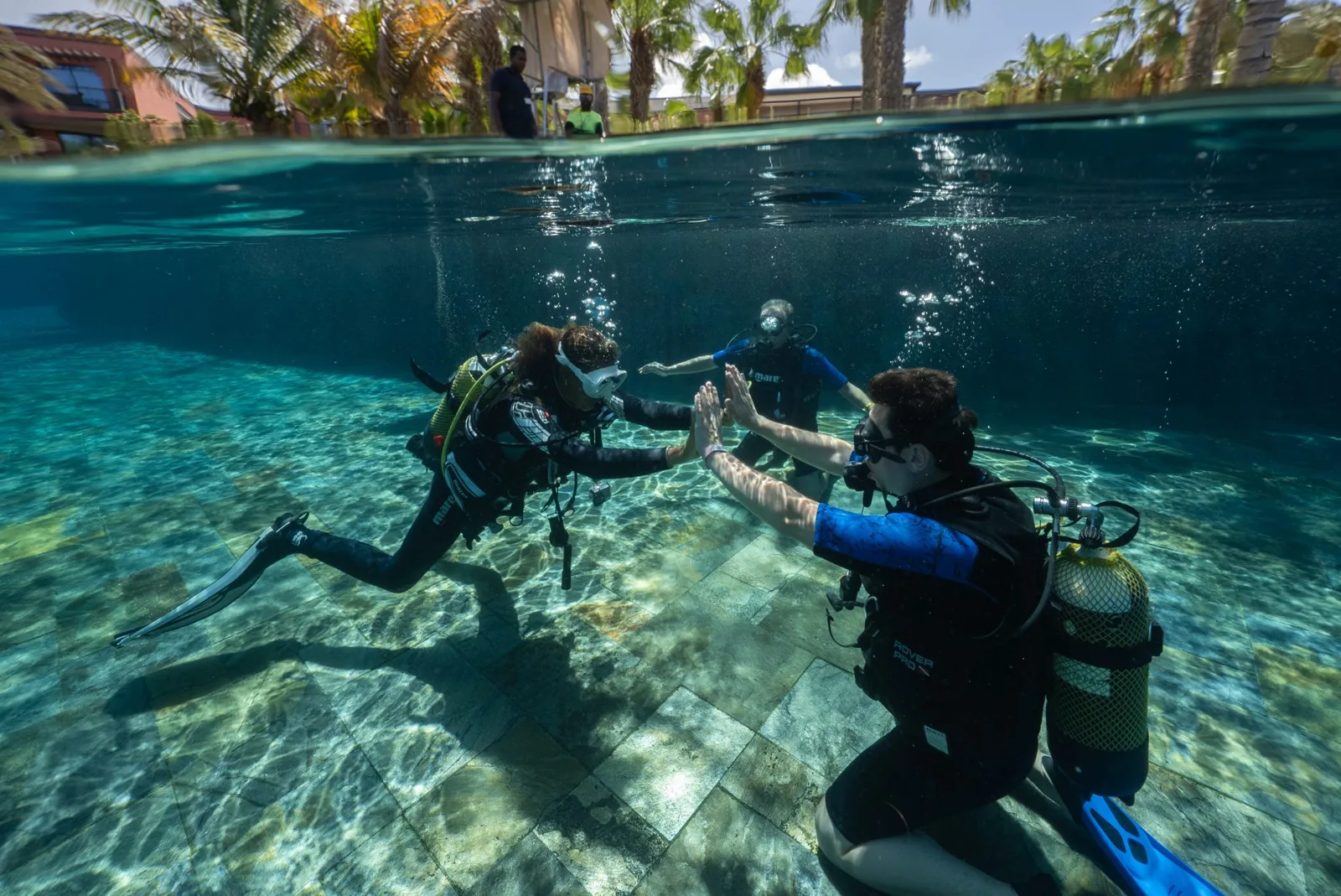
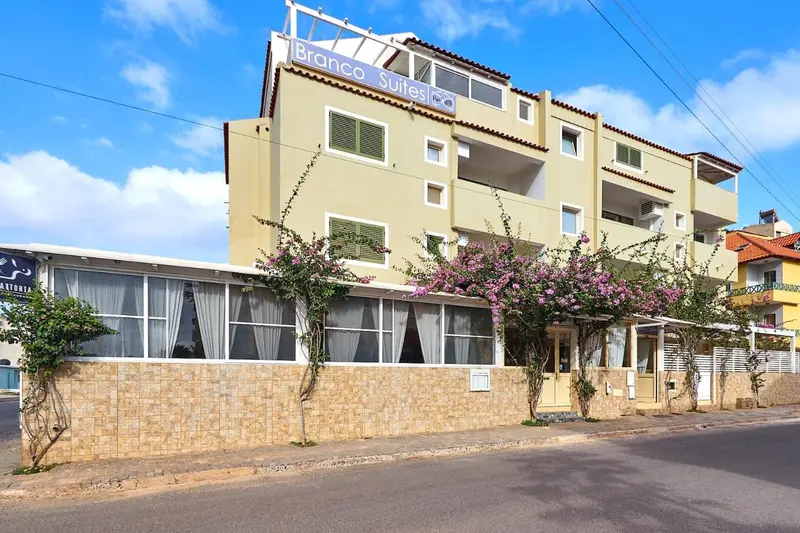
In each one, the dive centre is inside the hotel: step out of your room and go diving.
Dive centre in the hotel★★★★
Google 4.6/5 (859 reviews)
The dive centre
Scubateam
PADI
Google 4.5/5 (174 reviews)
Dives: Buracona, Palmeira – Olhos Azuis, Lagosta Verde
Your last day stays dry: no diving in the 18-24 hours before a flight, the perfect window to see the destination from another angle.
 Culture
⏱ 4 h · ★ 5.0 (34 reviews)
from £218$291€260
see on Viator ↗
 Culture
⏱ 8 h · ★ 5.0 (14 reviews)
from £100$133€119
see on Viator ↗
 Desert
⏱ 4 h · ★ 5.0 (101 reviews)
from £75$101€90
see on Viator ↗
 Nature
⏱ 5 h · ★ 4.5 (8 reviews)
from £42$56€50
see on Viator ↗
Ratings and reviews collected by Viator and Tripadvisor.
You will generally find the calmest sea and most workable diving conditions from May to November, when wind and swell are easier to manage for boat departures and exposed sites. June to December is also the more useful period for turtle encounters around Dunas. January to March is more prone to wind and formed sea.
You can dive Sal as an Open Water diver, particularly at Antao and the shallower parts of Dunas and Bera D’coral. Advanced Open Water is useful for deeper wall sections and changing conditions. Current, swell and boat plans remain environmental factors, so you should describe your logged experience clearly to the dive centre.
You can explore volcanic walls, ledges, arches, sandy bottoms and the Antao cargo wreck, which lies in broken sections and attracts schooling fish. Dunas combines underwater sand dunes with a small wall and may offer turtles during nesting season. Rays, small reef sharks and occasional manta rays are also possible encounters.
Plan a flexible, land-based stay of several days around local boat trips, with transfers and equipment arranged on the island. Put dives early in your visit and leave space for wind or swell to change the programme. Antao and Dunas can provide alternatives, but a sheltered dive or no-dive day may still be needed.