
Cabo Diving Center
Google 4.7/5 (121 reviews)
7.4 km away as the crow flies
Sal · Cape Verde · Atlantic
Max. depth · 35 mA broad volcanic plateau rising from the deep, offering high-energy drift diving and seasonal encounters with large pelagics.
For subtitles in English: start the video firstthen click the gearat the top right of the video, select “Subtitles/CC”, then “Auto-translate” and choose “English”.
Choclassa is distinguished from the closer, more sheltered sites around Sal by its massive offshore volcanic structure. This submerged plateau creates a significant topographical shift, rising from the deep ocean to form a complex landscape of rocky ledges and basaltic boulders. As you descend, you move across a terrain defined by volcanic ridges and valleys that carve through the seabed. The plateau does not simply drop off; it presents a series of undulating features that provide both shelter and exposure to the open Atlantic.
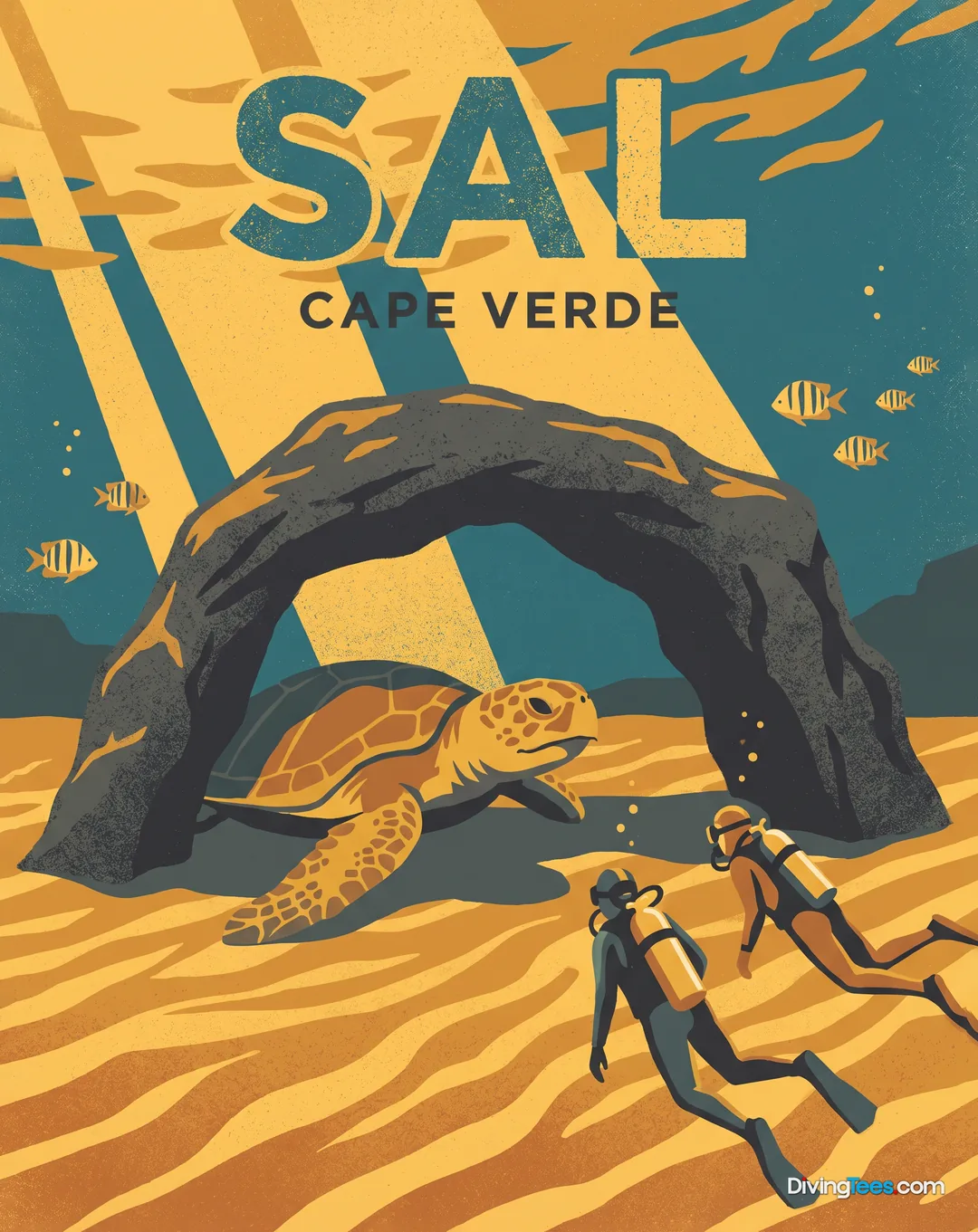
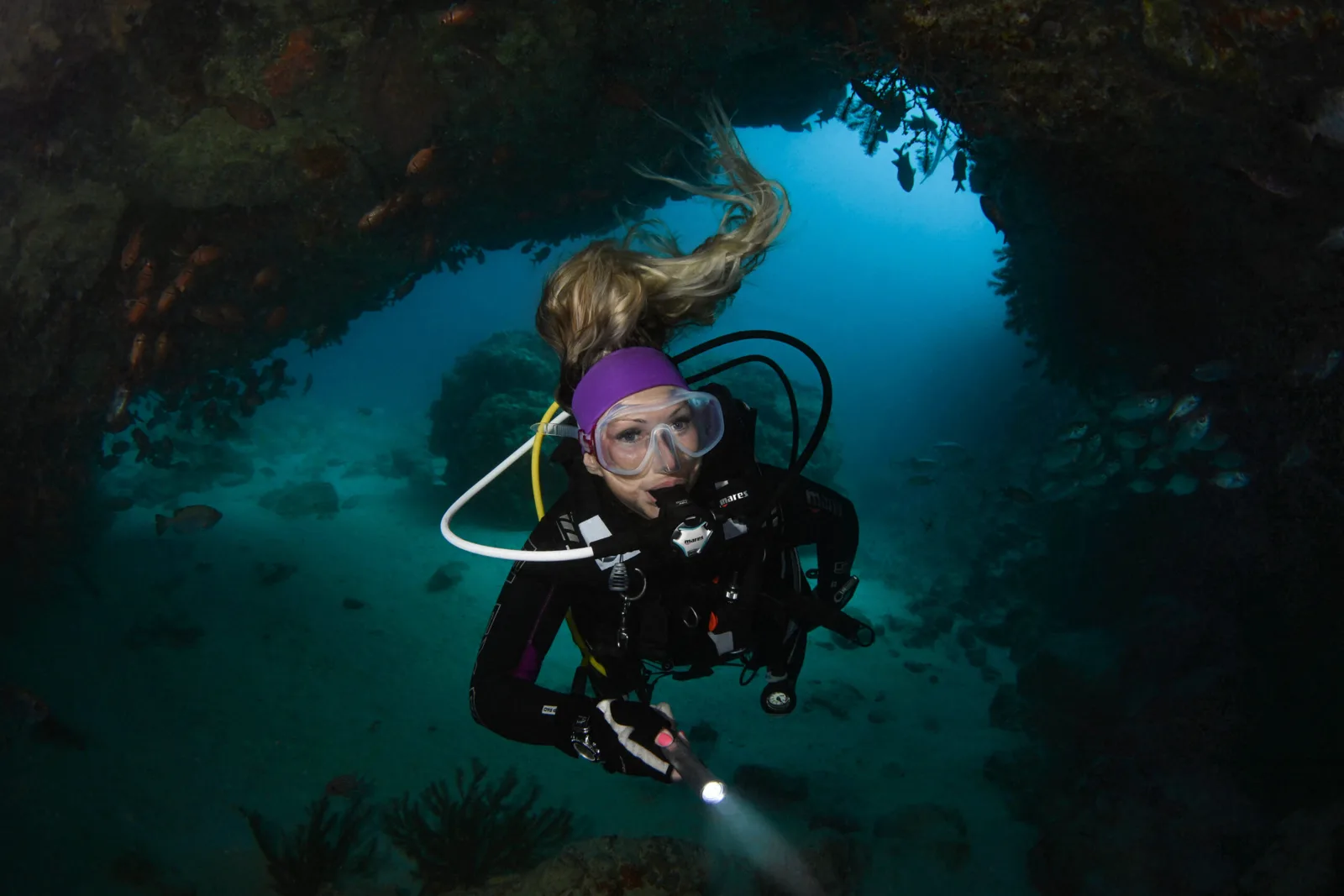
The dive profile typically begins on the upper reaches of the plateau, where the depth sits around 13 metres. From here, the topography becomes increasingly intricate, with numerous overhangs and crevices formed by the volcanic activity that created the site. You will navigate through a labyrinth of basaltic formations, often finding natural arches that bridge different sections of the ridge. The descent allows you to move from the sunlit upper layers into more shadowed, textured environments where the reef structure provides significant complexity for exploration.
One of the primary reasons to dive Choclassa is the presence of large pelagic species that frequent these offshore waters. The interaction between the plateau and the surrounding deep currents creates a nutrient-rich environment that attracts tuna and Atlantic sailfish. These species are often seen cruising the perimeter of the plateau or passing through the deeper channels. Observing their movement against the backdrop of the volcanic ridges provides a sense of the scale and energy of the open ocean at this location.
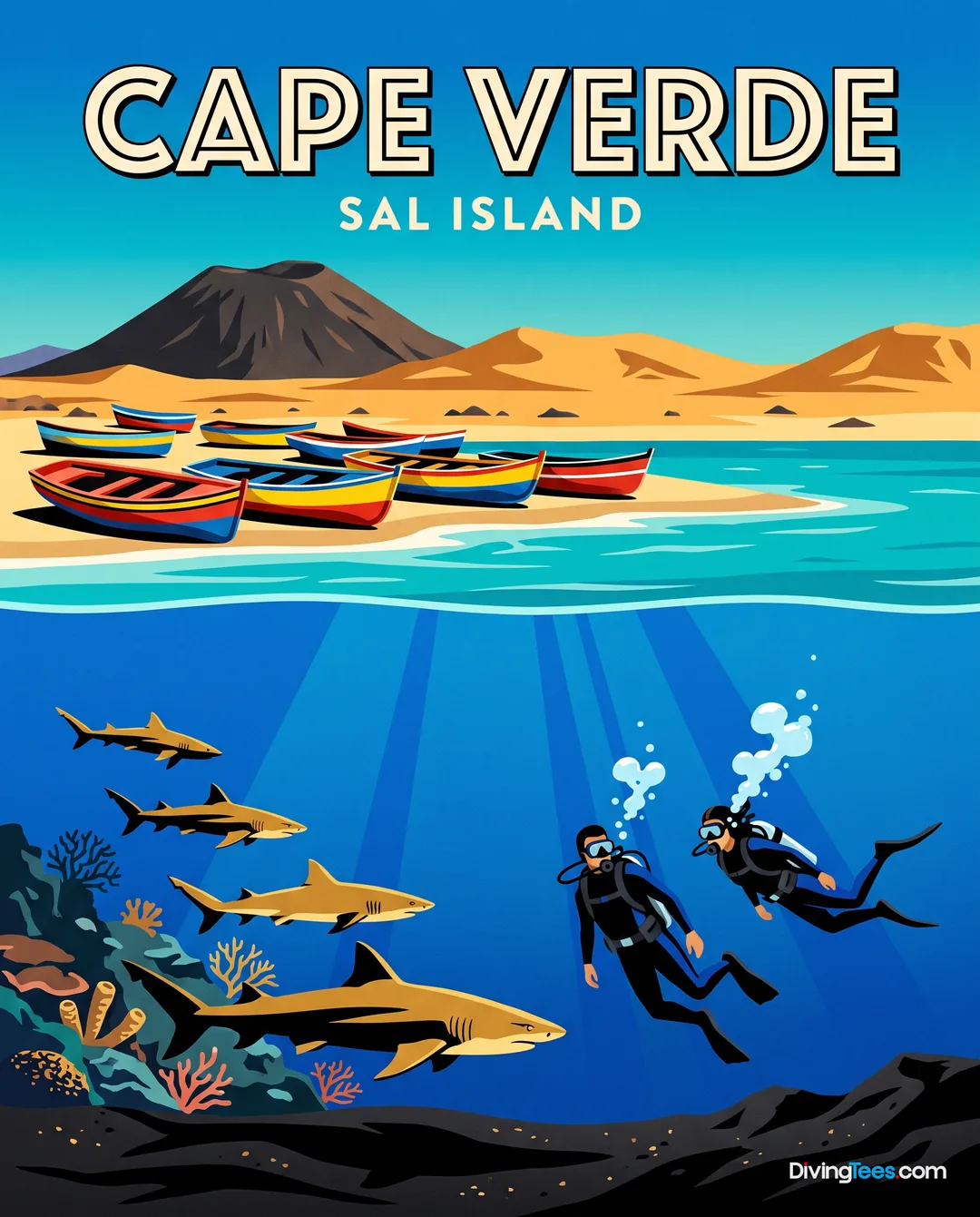
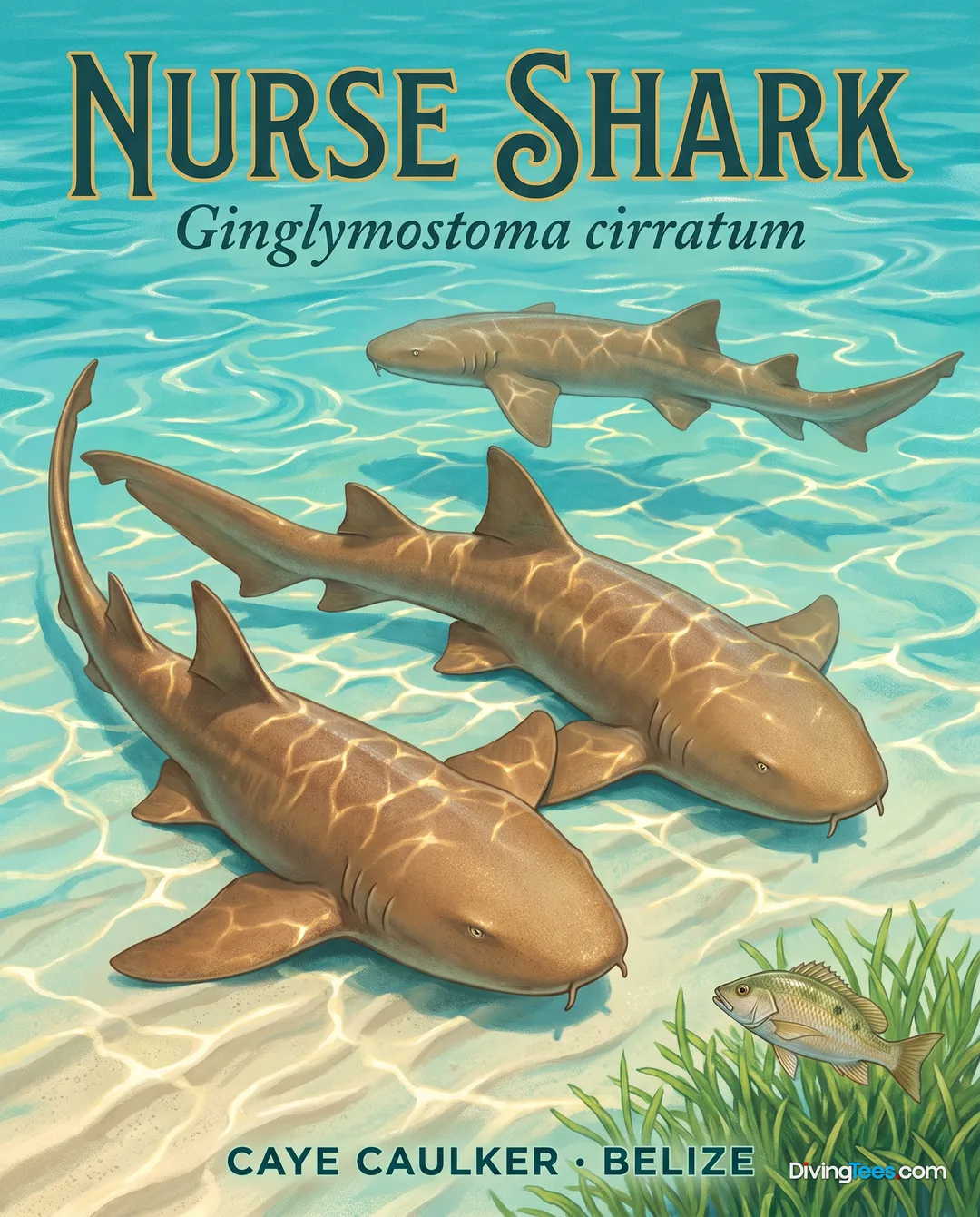
The site is also a regular meeting point for various shark species. Nurse sharks are frequently encountered resting in the crevices or moving slowly across the sandy patches between the boulders. Depending on the season, the presence of larger sharks can change the dynamic of the dive. The open nature of the plateau means that these encounters often happen in high-visibility conditions, allowing you to track their movement across the landscape as they navigate the currents and the terrain.
For those looking for more specific reef dwellers, the intricate structure of the plateau provides ideal habitats. You will find spiny lobsters tucked into the deeper cracks of the basaltic rocks, often remaining well-hidden until you are directly above them. Moray eels are also resident in the many overhangs and holes that define the plateau's edges. Sea turtles and stingrays are common sights on the flatter, more sandy areas of the plateau, often gliding just above the seabed as they move through the water column.
The topography is not limited to just the floor; the verticality of the ledges and the existence of steep slopes add a three-dimensional layer to the experience. You can spend a significant portion of the dive transitioning between the shallower ledges and the deeper sections that descend toward 35 metres. This depth range allows for a varied recreational profile, where the light and temperature can shift as you move through the different zones of the volcanic structure. The complexity of the site ensures that no two lines through the ridges are exactly the same.
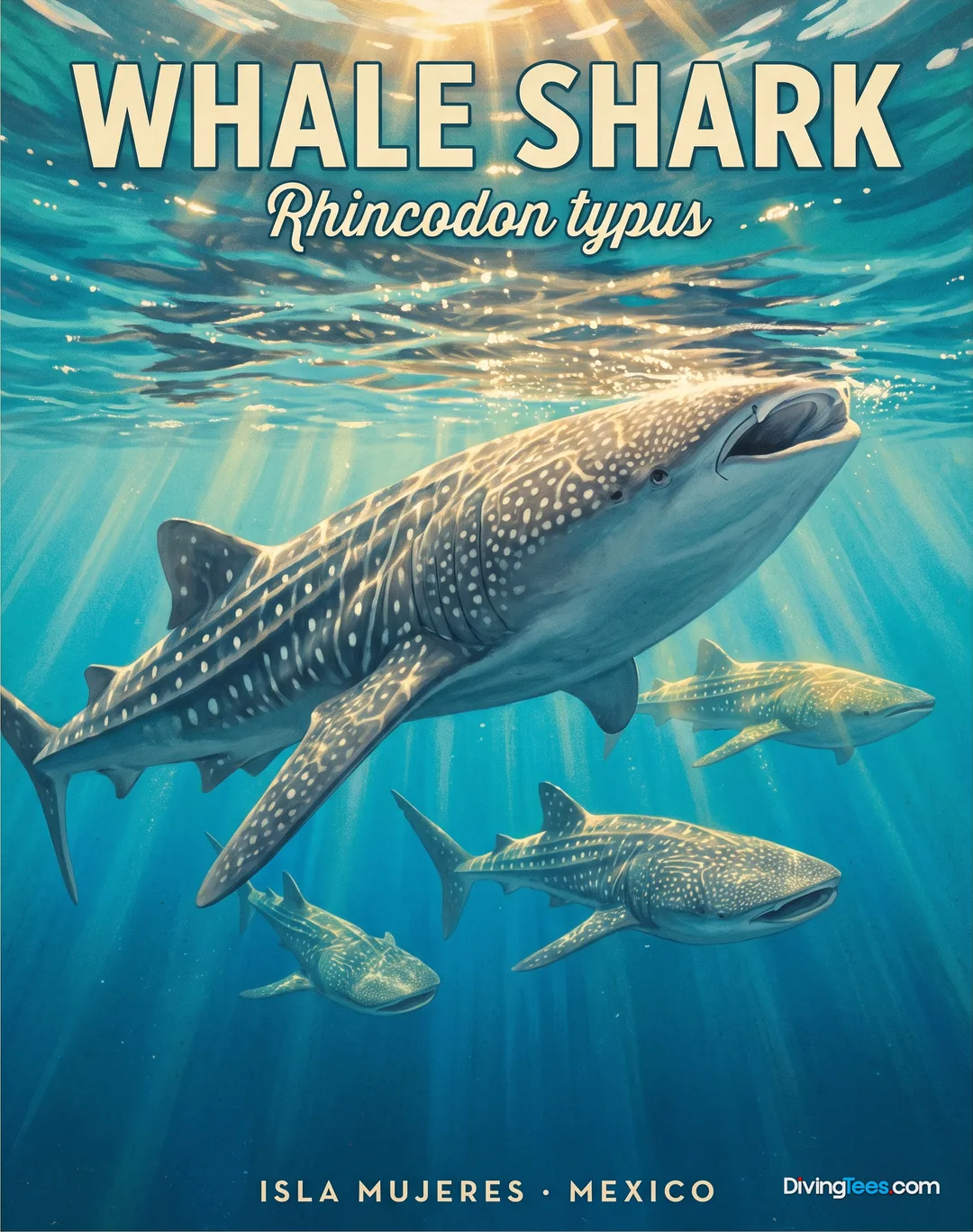
Seasonal changes play a significant role in the character of Choclassa, particularly regarding the megafauna. Between April and November, the site becomes a focal point for larger oceanic visitors. This window includes the possibility of encountering whale sharks, which move through these offshore waters. The presence of these animals, combined with the constant activity of pelagics like sailfish and tuna, makes the mid-year period the most active time for observing the site's full biological potential.
Navigating Choclassa requires an understanding of how the offshore position affects the water movement. Because the plateau is exposed to the open sea, the currents can become a defining factor of the dive. The transition from the calmer upper sections to the more exposed edges can be sudden. Managing your buoyancy and position among the boulders and ledges is essential, especially when the drift begins to pull you along the volcanic ridges toward the deeper edges of the plateau.
The site reaches depths between 13 and 35 metres. An Advanced level of certification is required due to the offshore exposure and the potential for moderate to strong currents. Visibility is typically between 20 and 35 metres. The best period to dive Choclassa is from April to November.
The best period to dive Choclassa is from April to November. During this window, the offshore waters may bring seasonal encounters with whale sharks, while tuna and Atlantic sailfish frequent the plateau. Visibility is typically between 20 and 35 metres, helping you observe the volcanic landscape and passing marine life.
Choclassa requires an Advanced level of certification because its offshore position brings exposure to the open Atlantic and potential moderate to strong currents. Water movement can change suddenly between the calmer upper sections and exposed edges. You need to manage your buoyancy and position around boulders, ledges, and deeper plateau sections.
Choclassa ranges from 13 to 35 metres. You typically begin on the upper reaches of the volcanic plateau before moving across ridges, valleys, arches, overhangs, and deeper sections. The profile shifts from sunlit upper layers to more shadowed formations, with steep slopes and ledges creating a varied underwater route.
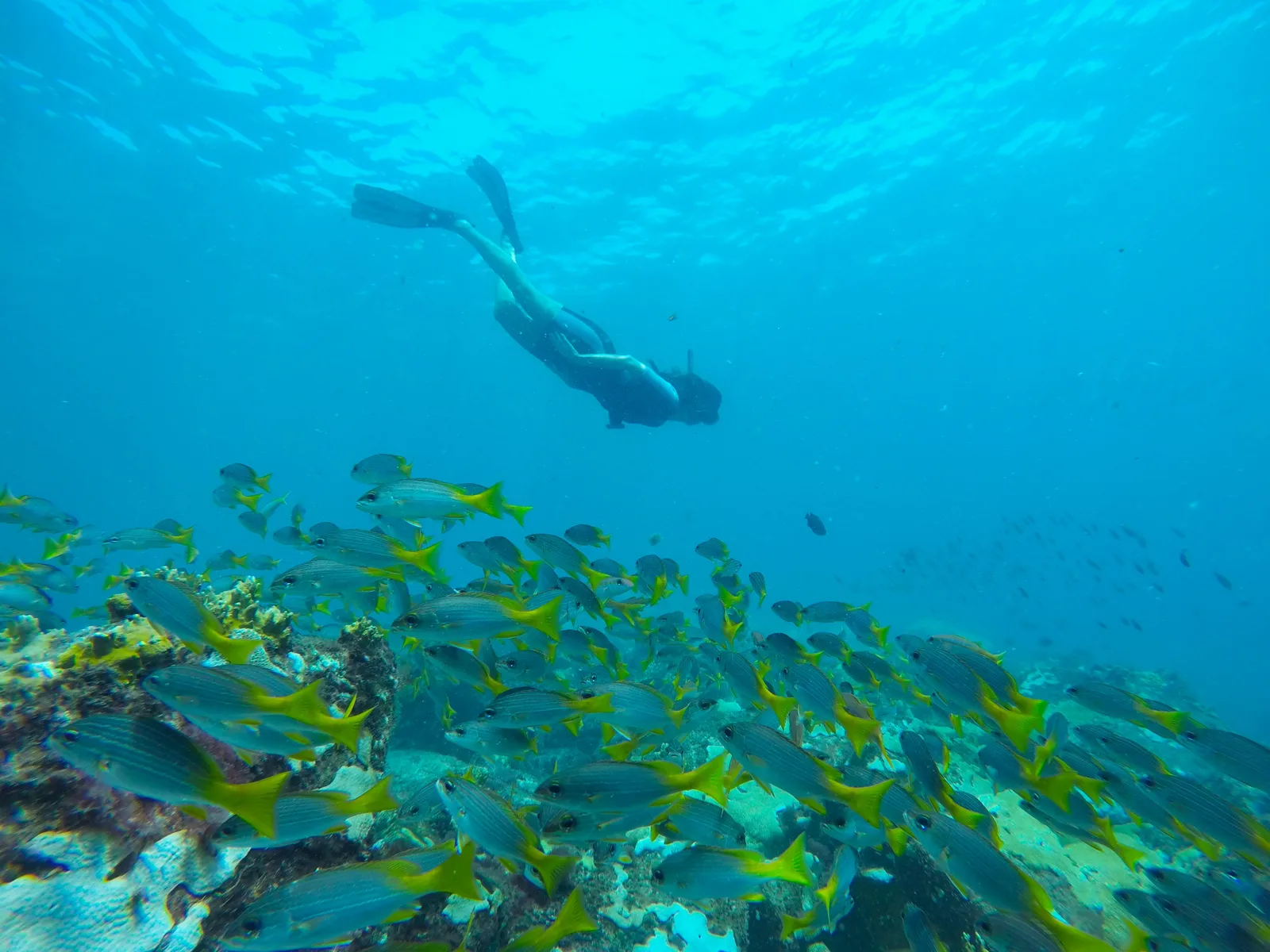
At Choclassa, you can explore basaltic boulders, volcanic ridges, valleys, arches, and overhangs while looking for tuna, Atlantic sailfish, and nurse sharks. Moray eels inhabit holes and crevices, while spiny lobsters shelter in cracks. Sea turtles and stingrays are common over sandy areas, and whale sharks may appear seasonally.