

Riamar Diving Center
Google 4.6/5 (170 reviews)
Cape Verde · Atlantic
Volcanic pinnacles, a shallow fishing wreck, nurse sharks, rays and a 35-metre wall shape Boa Vista’s distinctly Atlantic diving.
For subtitles in English: start the video firstthen click the gearat the top right of the video, select “Subtitles/CC”, then “Auto-translate” and choose “English”.
Boa Vista suits divers who prefer a straightforward island stay to a liveaboard, with boat dives running along exposed volcanic coastlines. Underwater, the island offers rock formations, walls, pinnacles, sandy channels and small local wrecks rather than a classic tropical reef landscape. A diver might make a gentle return-to-water dive on Tiliarte, then move on to Shark Bow or Tchal Ket as confidence and conditions allow. The appeal lies in changing scenery, open Atlantic character and the possibility of turtles, sharks and rays.
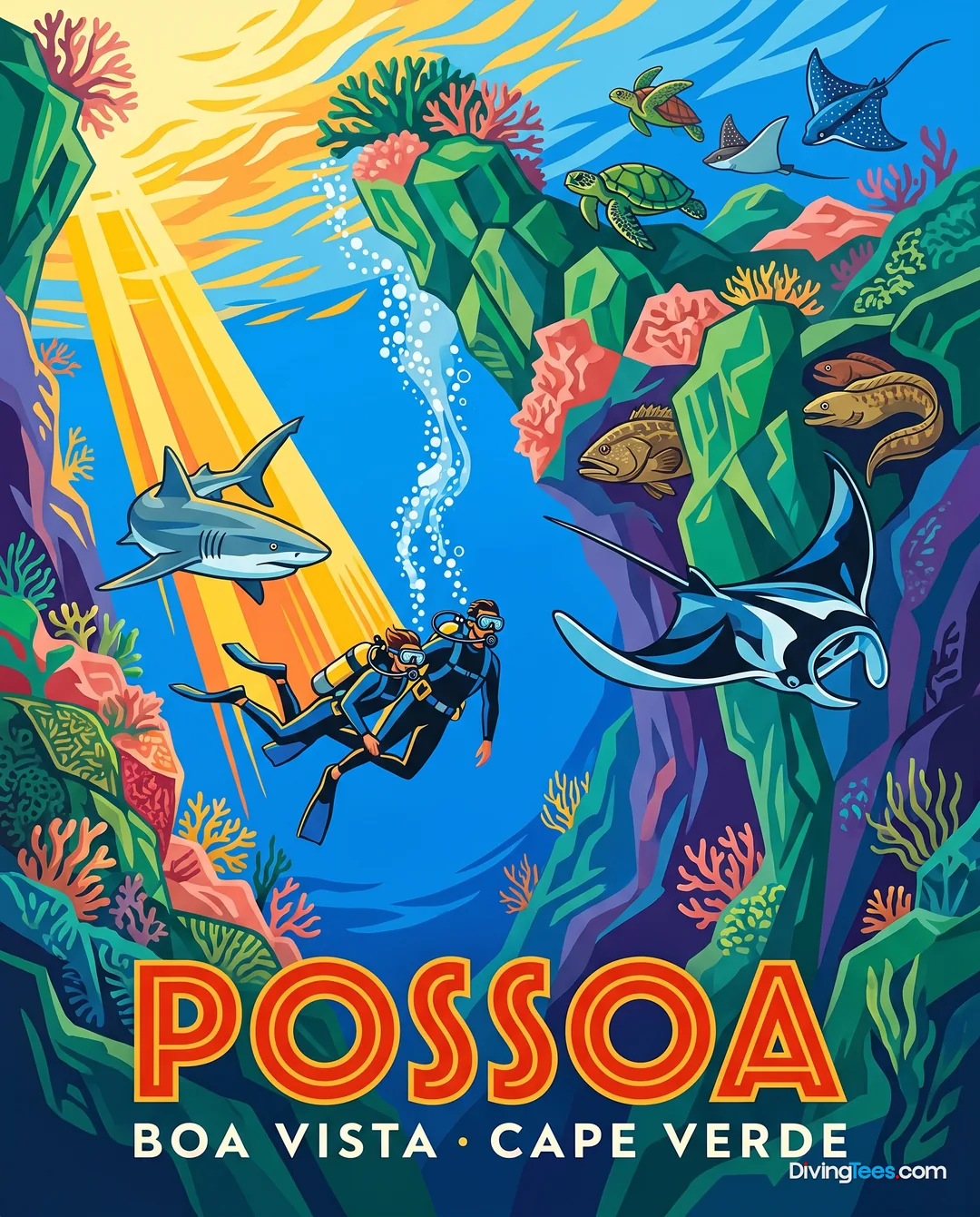
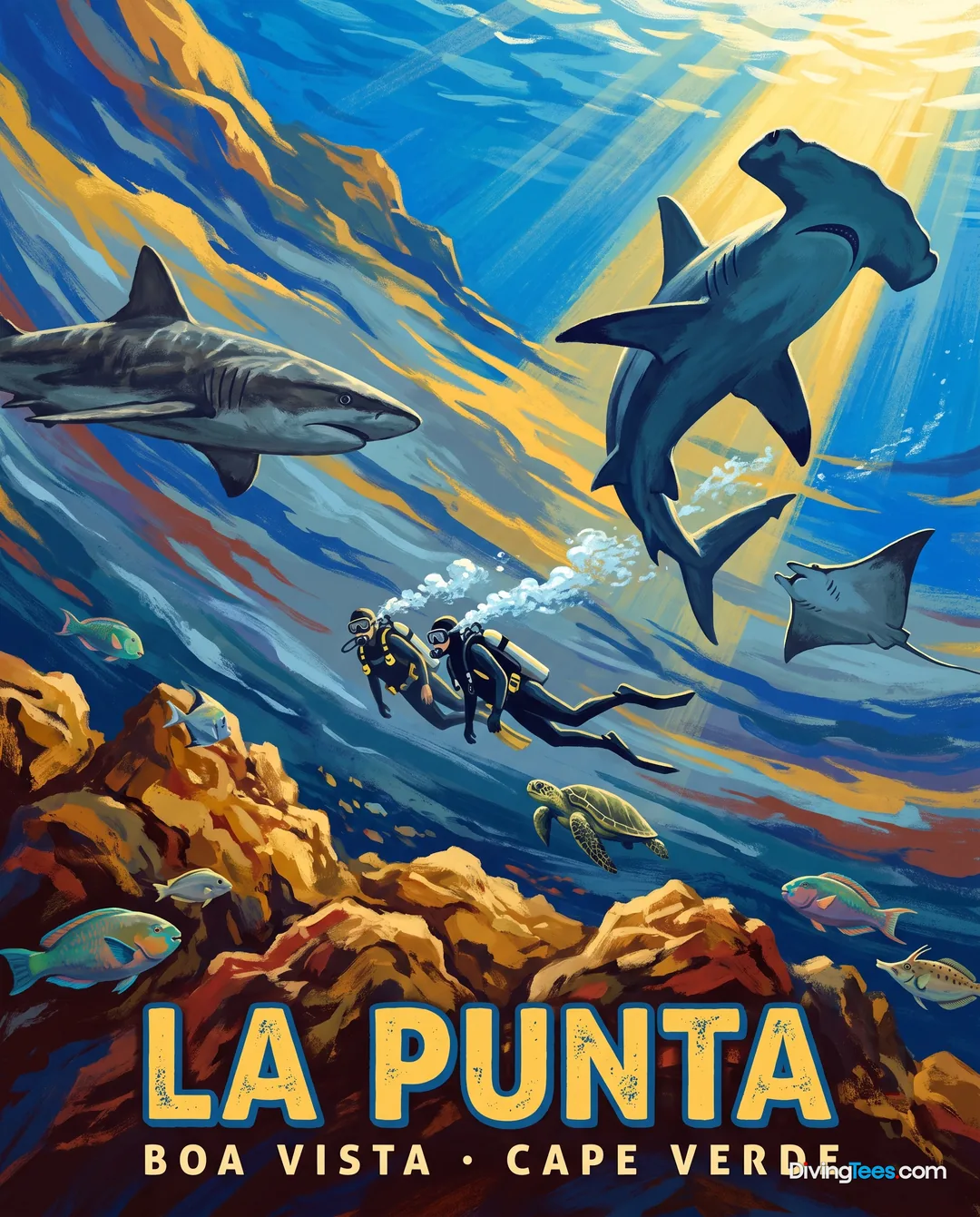
Most diving is by boat, with the sea deciding which part of the coast is practical on a given day. Volcanic rock dominates: Possoa rises through pinnacles from eight to 30 metres, while Tchal Ket offers terraces and walls down beyond 35 metres. Shark Bow adds a recognisable arch and swim-through between 20 and 27 metres. At the gentler end, Tiliarte lies in six to ten metres and Bodega De Tchoko reaches 14 metres over sand. Currents are variable, and exposed sites can turn into drift dives; the bow at Shark Bow can concentrate water movement. Visibility is reported at roughly 15 to 40 metres on La Punta and Possoa, with late summer sometimes clearest, but conditions are not uniform across the island.
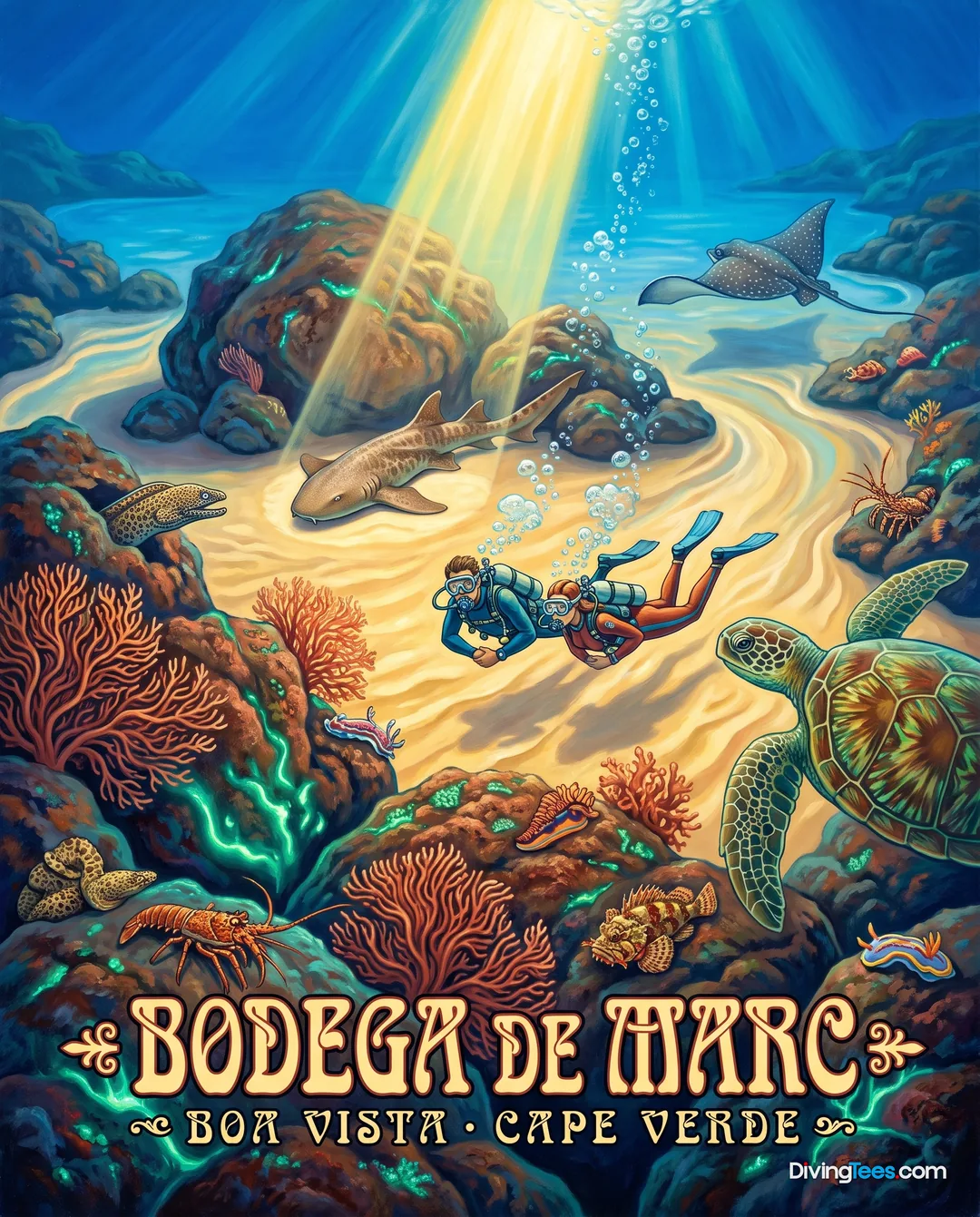
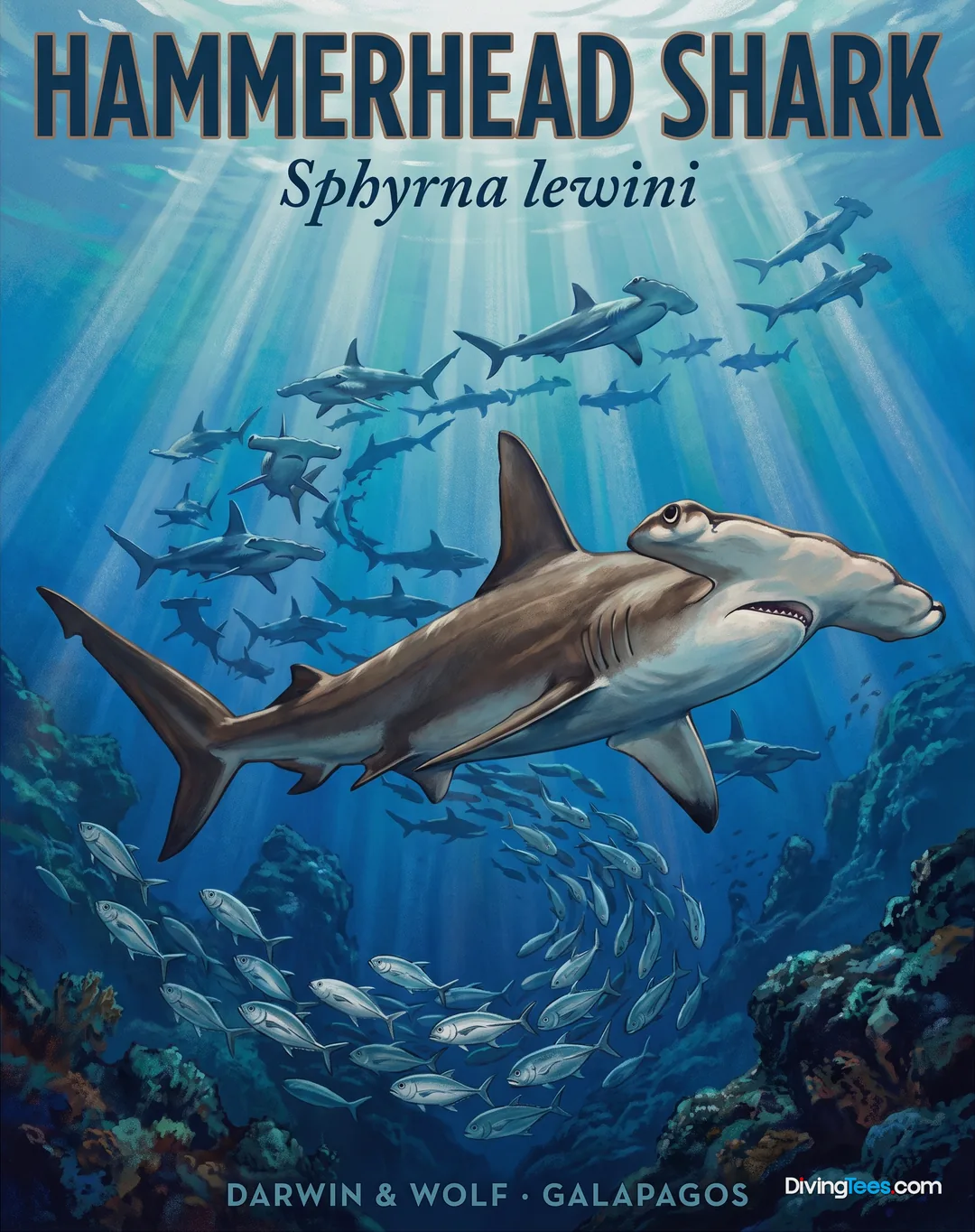
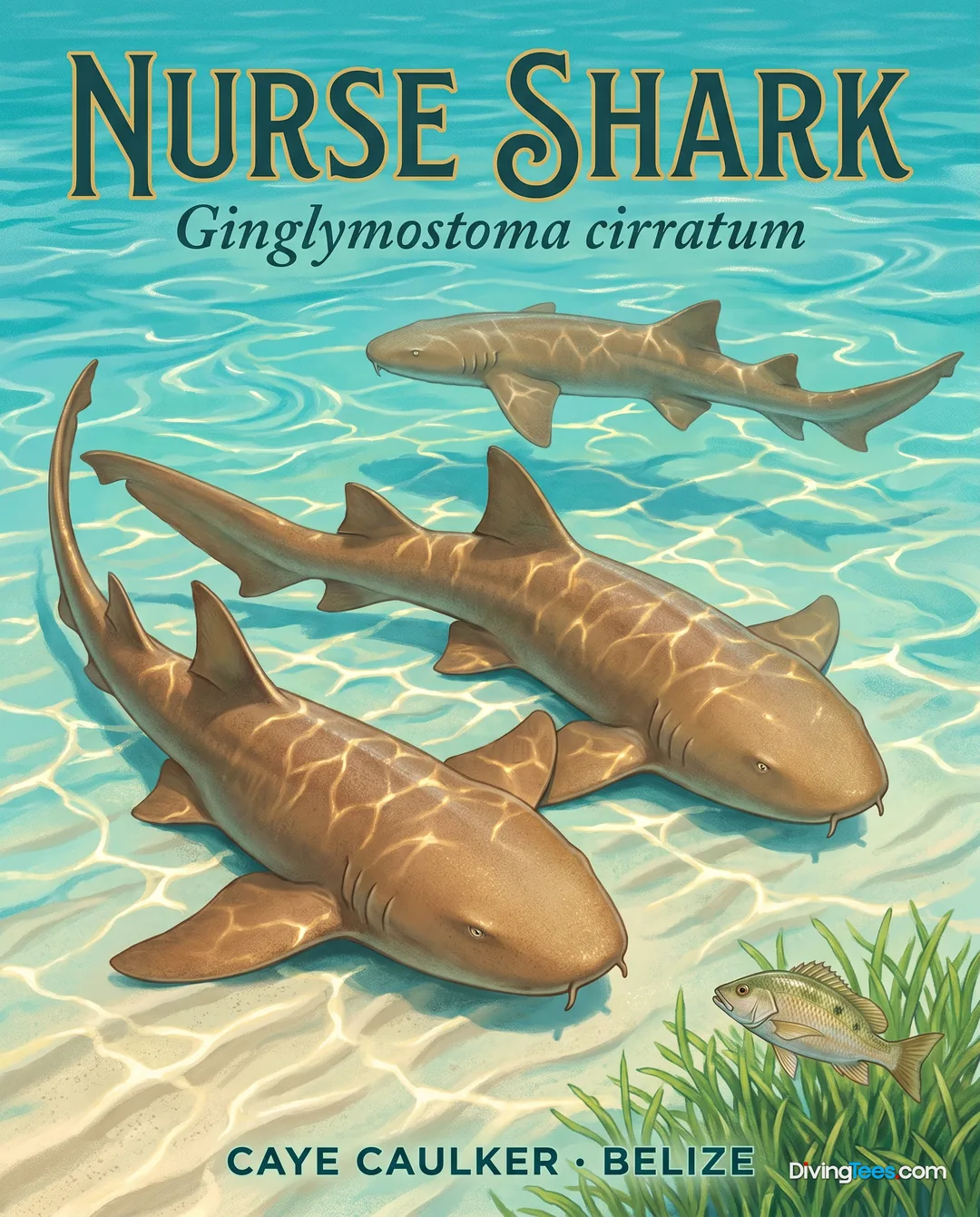
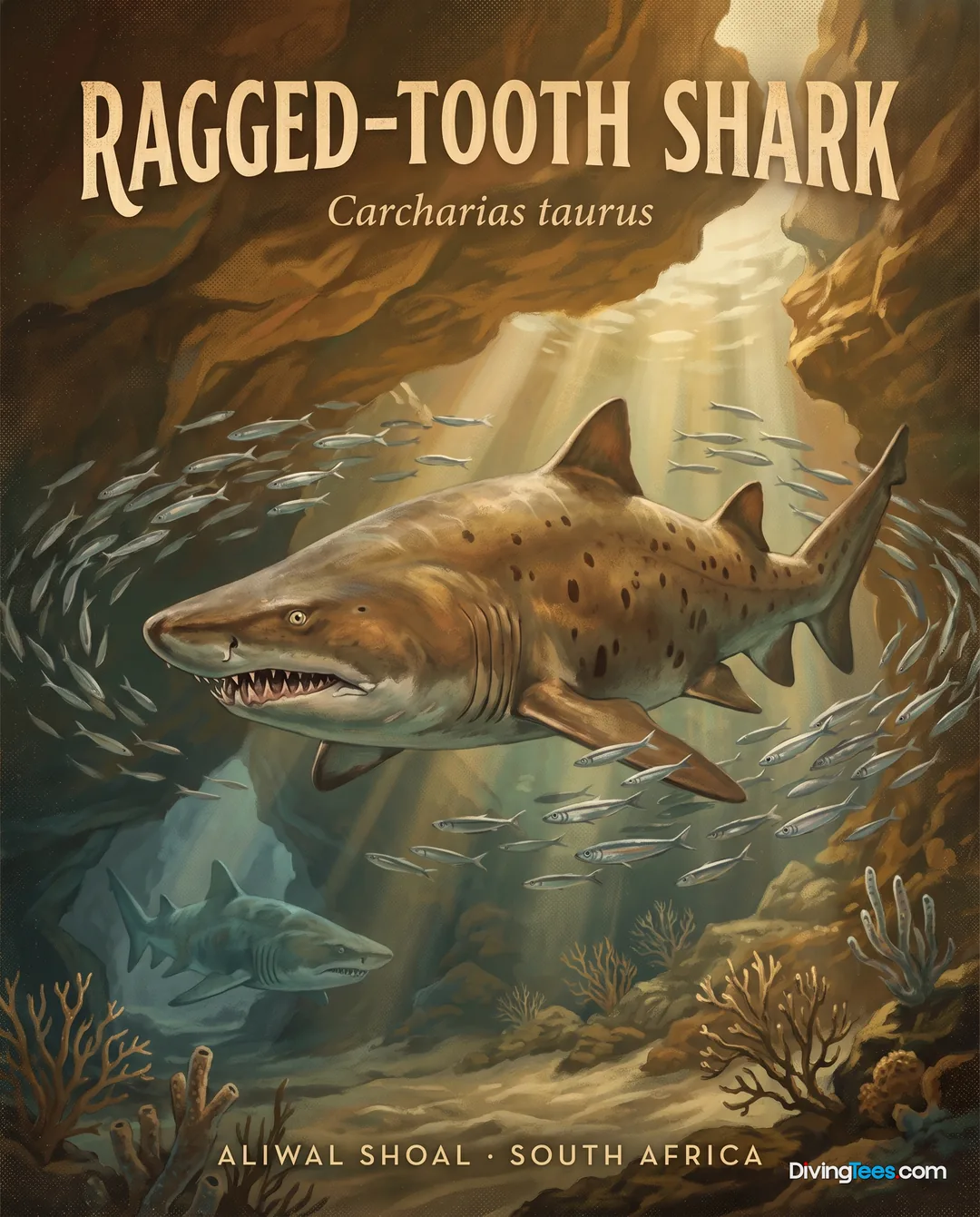
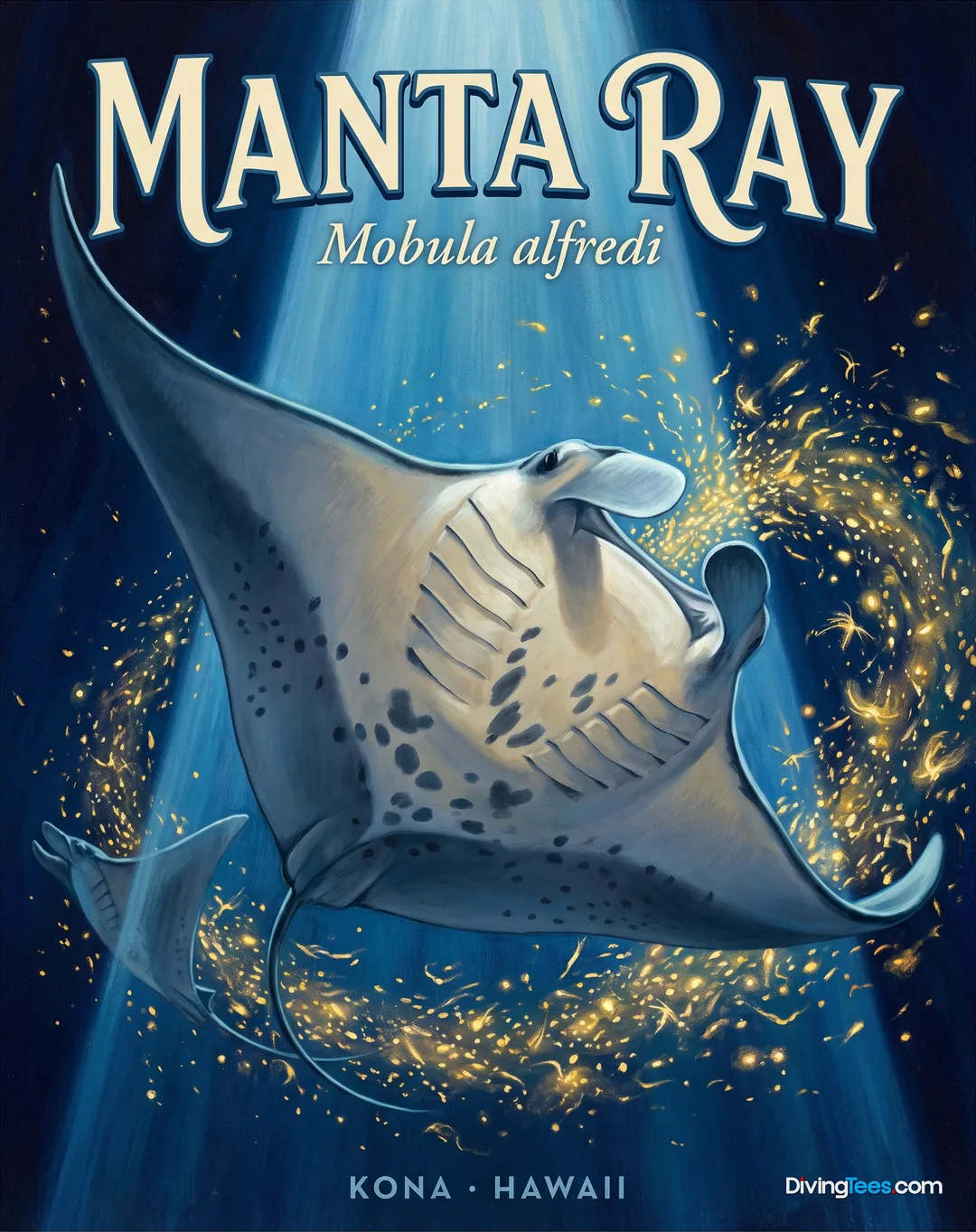
Boa Vista’s wildlife is best treated as a possibility built into the dive, not a timetable. Nurse sharks and rays are regular features in the site descriptions, particularly around Shark Bow and the shallow, sandy Bodega De Tchoko. Bodega De Marc’s rock formations and sand channels are associated with Green sea turtles, nurse sharks and smaller reef life. Possoa’s pinnacles act as a route for larger marine animals, while La Punta’s current-swept reef can bring sharks and rays close to experienced divers. Moray eel, grouper, sea bream, guinean grunt, damselfish, scorpionfish, spiny lobster and nudibranchs add detail to the rock. Eagle ray, grey reef shark, sand tiger shark and manta ray are occasional possibilities, with sightings depending on season and conditions.
The measured window from May to October combines the calmer sea with the most workable boat-diving conditions, making it the sensible period for a diving holiday. Rainfall is lowest from March to July, so May to July offers a useful overlap between drier weather and calmer water. August and September can produce especially clear water at Possoa, although late-summer clarity should not be assumed across every site. Winds and Atlantic swell remain the practical variables: a good forecast can open exposed reefs, while a rough spell may shift the programme towards protected bays or shallow wreck diving.
Boa Vista can suit Open Water divers, particularly at Bodega De Tchoko, Bodega De Marc and the shallow Tiliarte wreck. The qualification is only part of the decision: swell, boat entries, changing current and exposed coastlines may demand more composure than the depth alone suggests. Advanced Open Water, BSAC equivalent experience or a sound background in drift and deeper diving is useful for La Punta, Shark Bow and Tchal Ket. Nitrox is also practical for a multi-day boat-diving schedule, provided the diver is comfortable with the relevant procedures.
From London Heathrow, London Gatwick or Manchester, Boa Vista is reached by air, using available direct seasonal services or connections through the Canary Islands or Lisbon. The exact routing depends on the departure airport and time of year, so the journey needs checking as an island itinerary rather than assumed as a daily mainland link. Once on Boa Vista, local road transfers connect the airport area, accommodation and boat departure points. The diving itself starts from those local embarkation points, not from a ferry crossing. Allowing some flexibility around the flight connection and the first road transfer is sensible, because the island’s diving programme remains tied to local sea conditions.
Leave room in the itinerary for a rough-weather day. Boa Vista is exposed to Atlantic wind and swell, and a short two- or three-day diving visit can lose a meaningful part of its programme before the diver has had a chance to adapt. A seven- to ten-day stay gives the boat schedule more room to work. Spread the dives across the holiday rather than placing every important outing at the beginning; that keeps the better weather windows useful if the first sea day is lost. Ask before boarding how the chosen site handles wind, swell and current, especially at La Punta, Shark Bow and Tchal Ket. Do not arrive expecting coral-garden diving: volcanic rock, sand, walls and pinnacles are the main visual language. Keep the deeper and more repetitive plans flexible, and treat sharks, rays, turtles and pelagic animals as welcome encounters rather than guaranteed appointments.
A week or more works better than a compressed diving break, allowing the boat programme to absorb changing Atlantic conditions. The stay is based ashore, with local dives combined with beach time, coastal walks and excursions across sandy and dune-covered areas. Less demanding activities are useful before the return flight, particularly after several boat days. Non-diving companions should find enough shoreline and inland scenery for a mixed holiday, while the diver can vary the rhythm between shallow wrecks, protected bays and more exposed volcanic sites.
Hello, I'm Marina, DivingDeal.com's AI assistant. I guide you through destinations, areas and countries.
Thinking about the whole trip and the flights? Talk it over with Edith →
Marina is an AI. Some links are affiliate links: DivingDeal may earn a commission, at no extra cost to you. Bookings are made with the partner.
Your last day stays dry: no diving in the 18-24 hours before a flight, the perfect window to see the destination from another angle.
 Nature
⏱ 4 h · ★ 5.0 (10 reviews)
from £50$67€60
see on Viator ↗
 Culture
⏱ 4 h · ★ 5.0 (6 reviews)
from £50$67€60
see on Viator ↗
 Culture
⏱ 5 h · ★ 5.0 (5 reviews)
from £75$101€90
see on Viator ↗
 Desert
⏱ 4 h · ★ 5.0 (101 reviews)
from £75$101€90
see on Viator ↗
Ratings and reviews collected by Viator and Tripadvisor.
May to October generally brings calmer seas and more workable boat-diving conditions. May to July combines calmer water with lower rainfall, while August and September can offer especially clear water at Possoa. Winds and Atlantic swell still influence the programme, so exposed reefs may give way to protected bays or shallow wreck diving.
Boa Vista can suit Open Water divers at Bodega De Tchoko, Bodega De Marc and the shallow Tiliarte wreck. Swell, boat entries, changing currents and exposed coastlines may require composure. Experience equivalent to Advanced Open Water, BSAC training, drift diving or deeper diving is useful for La Punta, Shark Bow and Tchal Ket.
You can explore volcanic pinnacles, walls, terraces, sandy channels, hard coral formations and small local wrecks. Tiliarte offers a shallow fishing wreck, while Shark Bow has an arch and swim-through. Nurse sharks, rays and Green sea turtles are possible, alongside moray eels, groupers, sea bream, lobsters and nudibranchs.
Base yourself ashore and allow flexibility for Atlantic wind, swell and changing boat schedules. A week or more gives the programme room to absorb a rough-weather day. Spread dives across the holiday, ask how conditions affect each site, and combine diving with beach time, coastal walks or excursions across sandy and dune-covered areas.