
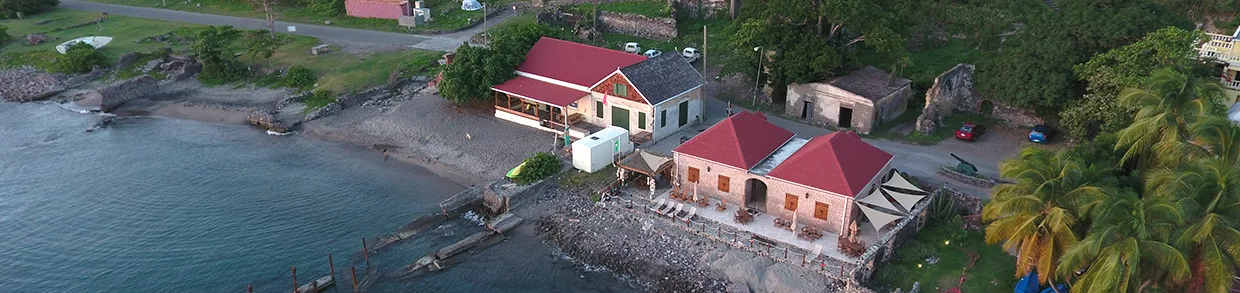

Scubaqua
Google 4.7/5 (107 reviews)
2.9 km away as the crow flies
St Eustache · Sint Eustatius · Caribbean
Max. depth · 24 mThe Chien Tong, a 52-meter Taiwanese trawler, rests upright at 24 metres, providing a vibrant artificial reef experience, especially for night diving.
For subtitles in English: start the video firstthen click the gearat the top right of the video, select “Subtitles/CC”, then “Auto-translate” and choose “English”.
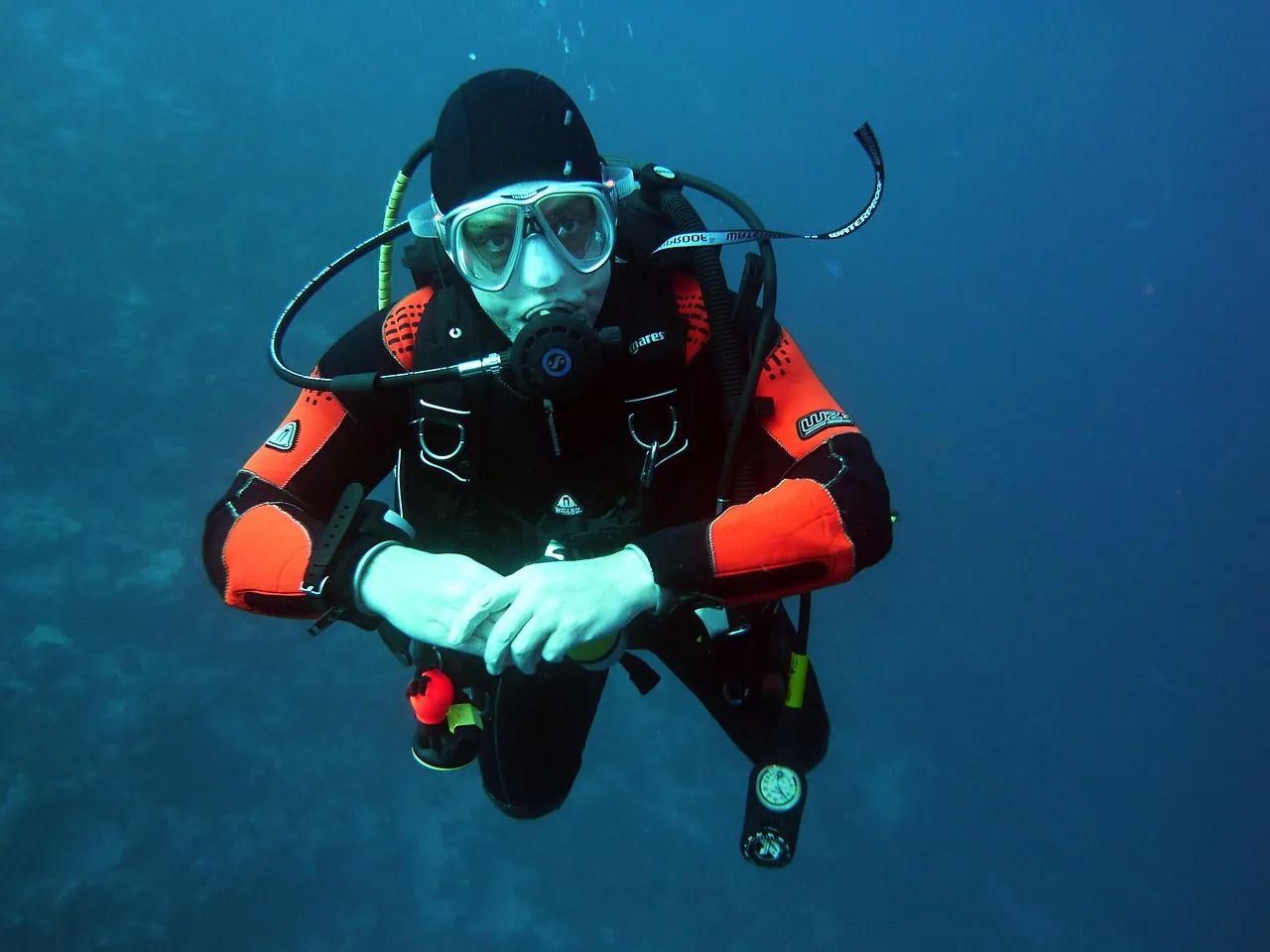
Descending onto the Chien Tong Wreck, you'll find the 52-meter former Taiwanese trawler lying perfectly upright on the seabed at a maximum depth of 24 metres. Sunk in 2004, the vessel has had ample time to transform into a thriving artificial reef, providing structure and shelter in an otherwise sandy environment. The upright position allows for clear orientation and easy exploration of the deck and superstructure, offering a full profile of the vessel as you approach from above.
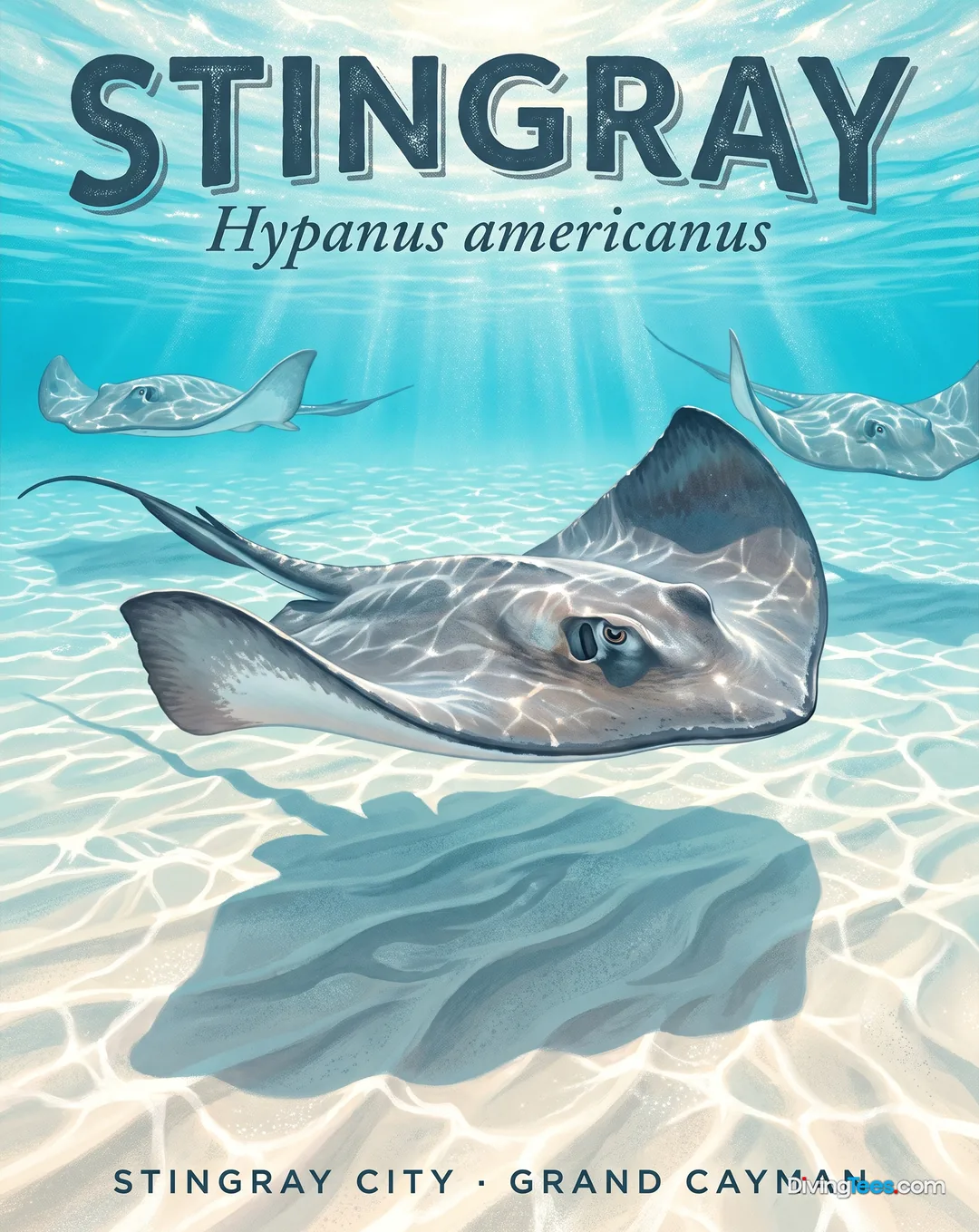
The wreck acts as a magnet for larger pelagic species, often schooling around the mast and bridge structures. You'll frequently encounter bigeye trevally (Caranx sexfasciatus) circling the upper parts of the wreck, while barracudas (Sphyraena barracuda) patrol the perimeter. Southern stingrays (Hypanus americanus) are commonly found resting on the sand surrounding the hull, occasionally joined by spotted eagle rays (Aetobatus narinari) gracefully gliding overhead in the bluer water.
During the day, the wreck's many crevices and overhangs offer refuge to a variety of benthic creatures. Keep an eye out for red-leg partridge crabs (Percnon gibbesi) scuttling along the metal hull and sponge crabs (Dromia dormia) camouflaging themselves with attached sponges. Slipper lobsters (Scyllarides aequinoctialis) are also frequently spotted tucked into sheltered spots, especially as you explore the lower decks and internal structures.
The Chien Tong truly comes alive after sunset, making it a prime location for night dives. As light fades, the orange cup corals (Tubastraea coccinea) that encrust much of the wreck open their polyps, creating a striking spectacle of vibrant colour against the dark steel. This nightly transformation attracts a different cast of characters, providing a completely altered perspective of the site.
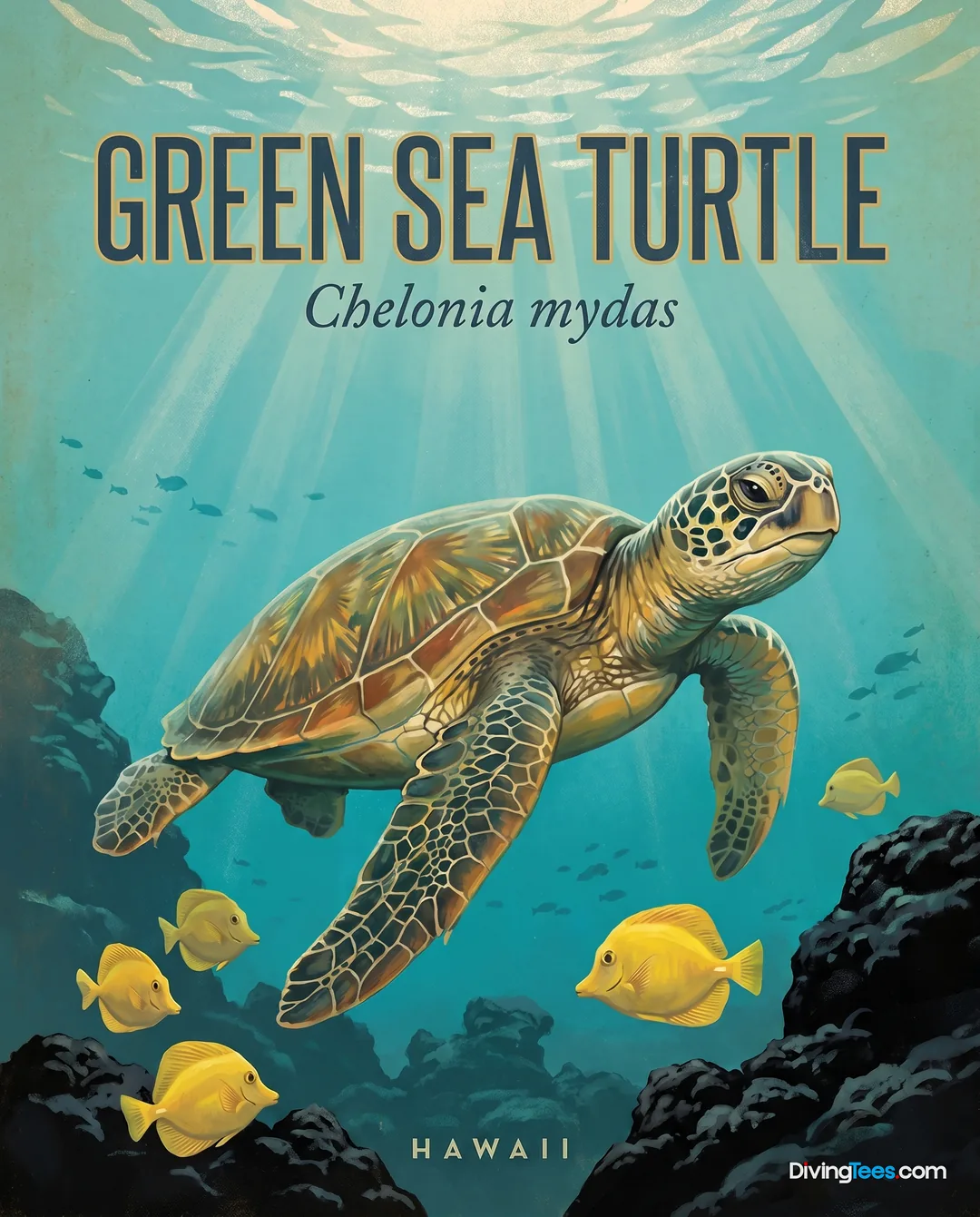
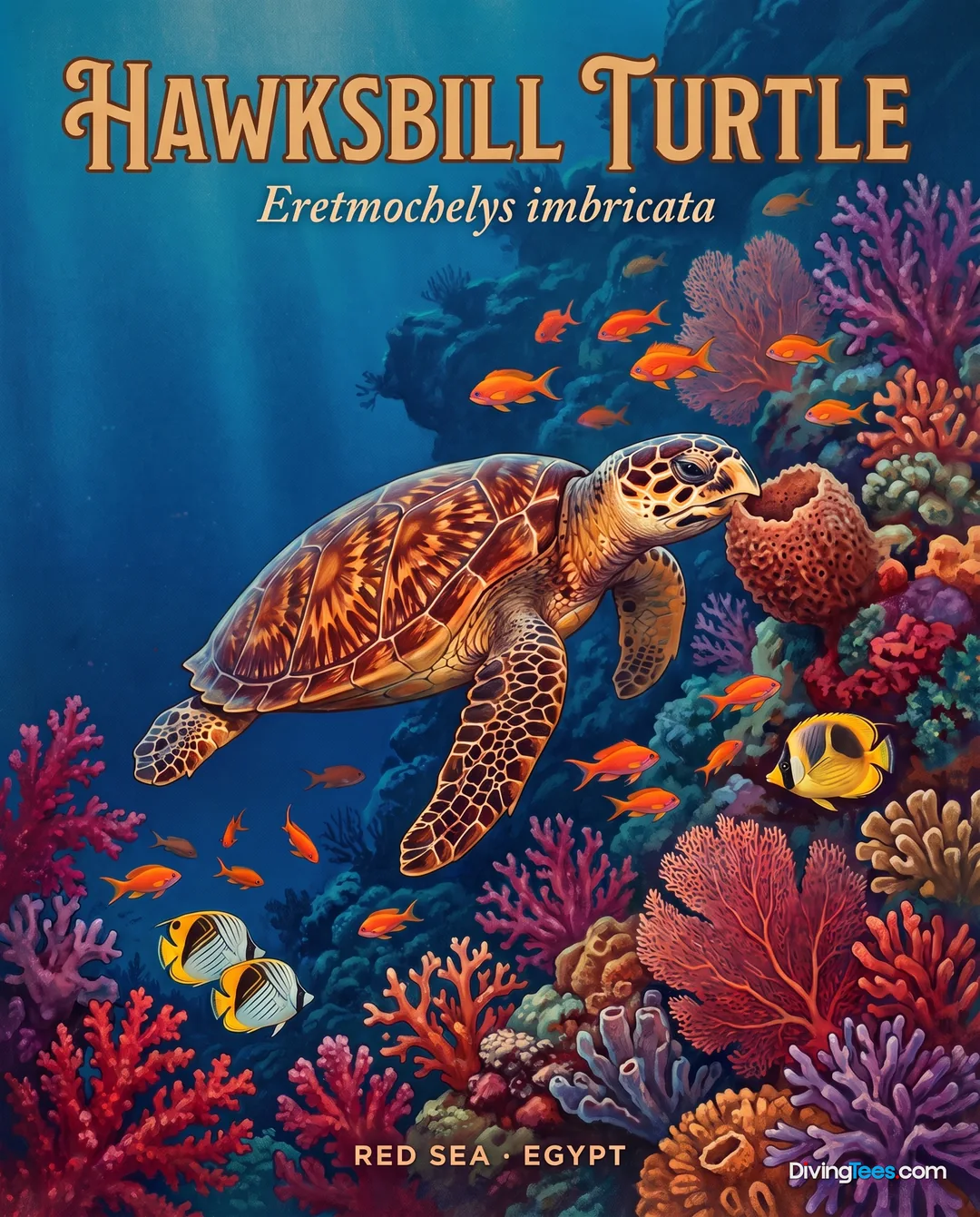
Night diving on the Chien Tong offers unique encounters with sleeping marine life. Giant green sea turtles (Chelonia mydas) and hawksbill turtles (Eretmochelys imbricata) often use the wreck as a nocturnal resting place, found tucked into larger openings or resting on deck. The transition from day to night reveals the intricate predatory and scavenging activities that define the nocturnal reef environment, a contrast to the daytime schooling behaviour.
This site is accessible to Open Water Divers, reaching a maximum depth of 24 metres. The current is generally mild, allowing for comfortable exploration of the wreck, though conditions can vary. Visibility is typically good, offering clear views of the entire 52-meter vessel. September should be avoided due to hurricane season and boat maintenance schedules.
You can dive Chien Tong Wreck during the day or after sunset. Night diving reveals orange cup corals opening across the wreck, while giant green and hawksbill turtles may rest in openings or on deck. Avoid September because hurricane season and boat maintenance schedules can affect access and diving conditions.
Chien Tong Wreck is accessible to Open Water Divers and reaches a maximum depth of 24 metres. The 52-metre Taiwanese trawler lies upright on the seabed, helping you stay oriented while exploring the deck, superstructure, lower decks and internal structures within the available depth.
The current at Chien Tong Wreck is generally mild, allowing you to explore the wreck comfortably, although conditions can vary. Visibility is typically good, giving you clear views of the entire 52-metre vessel. The upright position also helps you follow the wreck’s full profile as you approach from above.
At Chien Tong Wreck, you can see bigeye trevally schooling around the mast and bridge, barracudas around the perimeter, and southern stingrays on the surrounding sand. Spotted eagle rays may pass overhead. Look for red-leg partridge crabs, sponge crabs and slipper lobsters, plus orange cup corals and resting turtles at night.