
The Dive Master
Google 4.9/5 (3,632 reviews)
3 km away as the crow flies
Havelock · India · Indian Ocean
Max. depth · 25 mDescend along the gentle slope of the Lighthouse reef, observing schools of bannerfish and angelfish against a backdrop of varied corals before reaching the sandy bottom.
For subtitles in English: start the video firstthen click the gearat the top right of the video, select “Subtitles/CC”, then “Auto-translate” and choose “English”.
Lighthouse lies near a small, prominent white lighthouse on Havelock Island, providing a clear landmark for boat access to the site. This reef stretches out, presenting a distinct dive profile that begins in very shallow water and gradually slopes down to a sandy bottom at 25 metres. The accessibility of the shallows makes it an ideal spot for introductory dives and certifications, yet the deeper sections hold enough interest to keep experienced divers engaged for a full bottom time.
Upon entry, you'll find yourself over a vibrant coral garden starting as shallow as one metre, a rare feature that allows for extensive exploration in sunlit zones. As you follow the reef's gentle slope seaward, the hard corals transition into a richer mix of soft corals, providing shelter and foraging grounds for a wide array of reef fish. This gradual change in substrate and depth encourages a diverse ecosystem, making each section of the dive distinct.
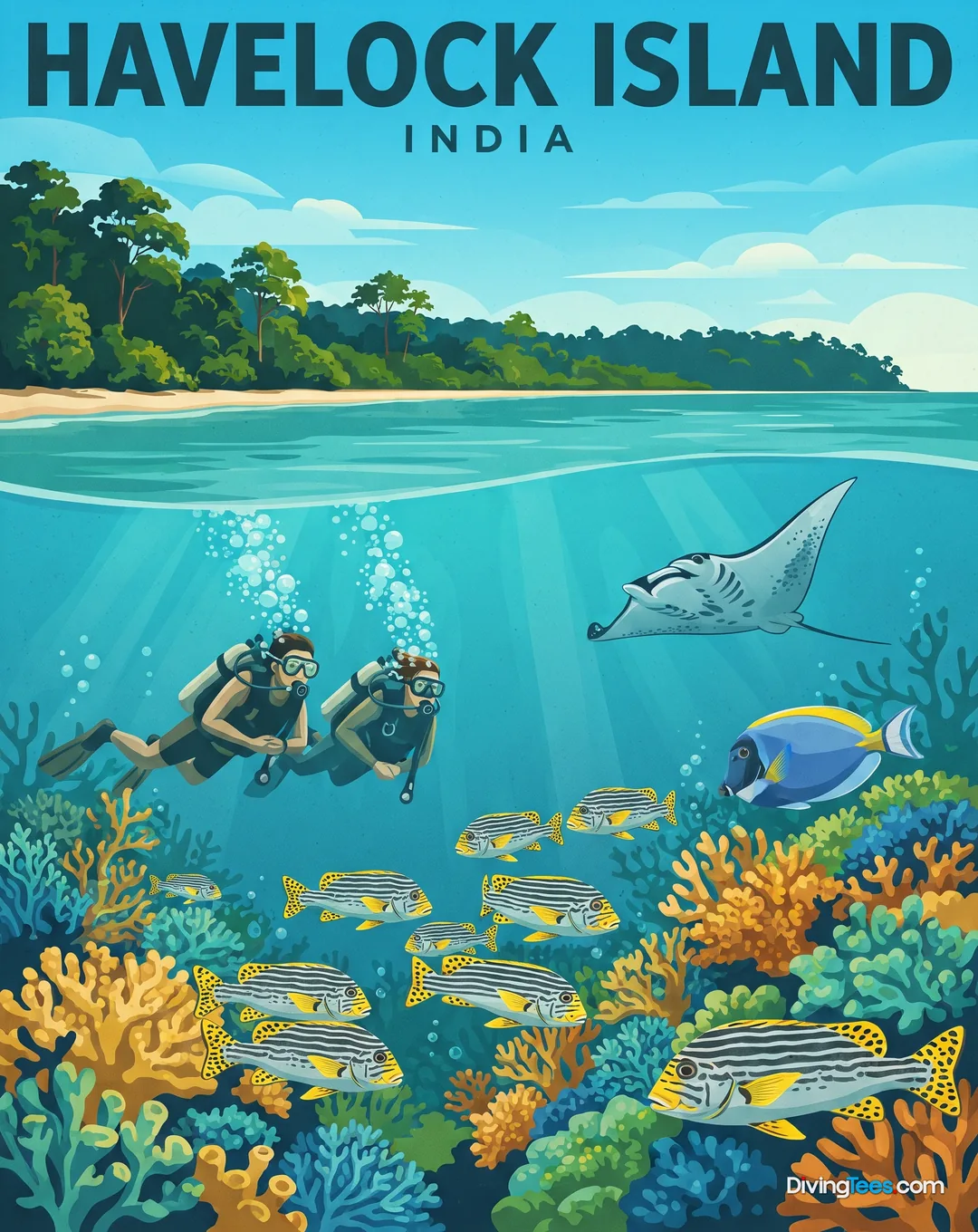
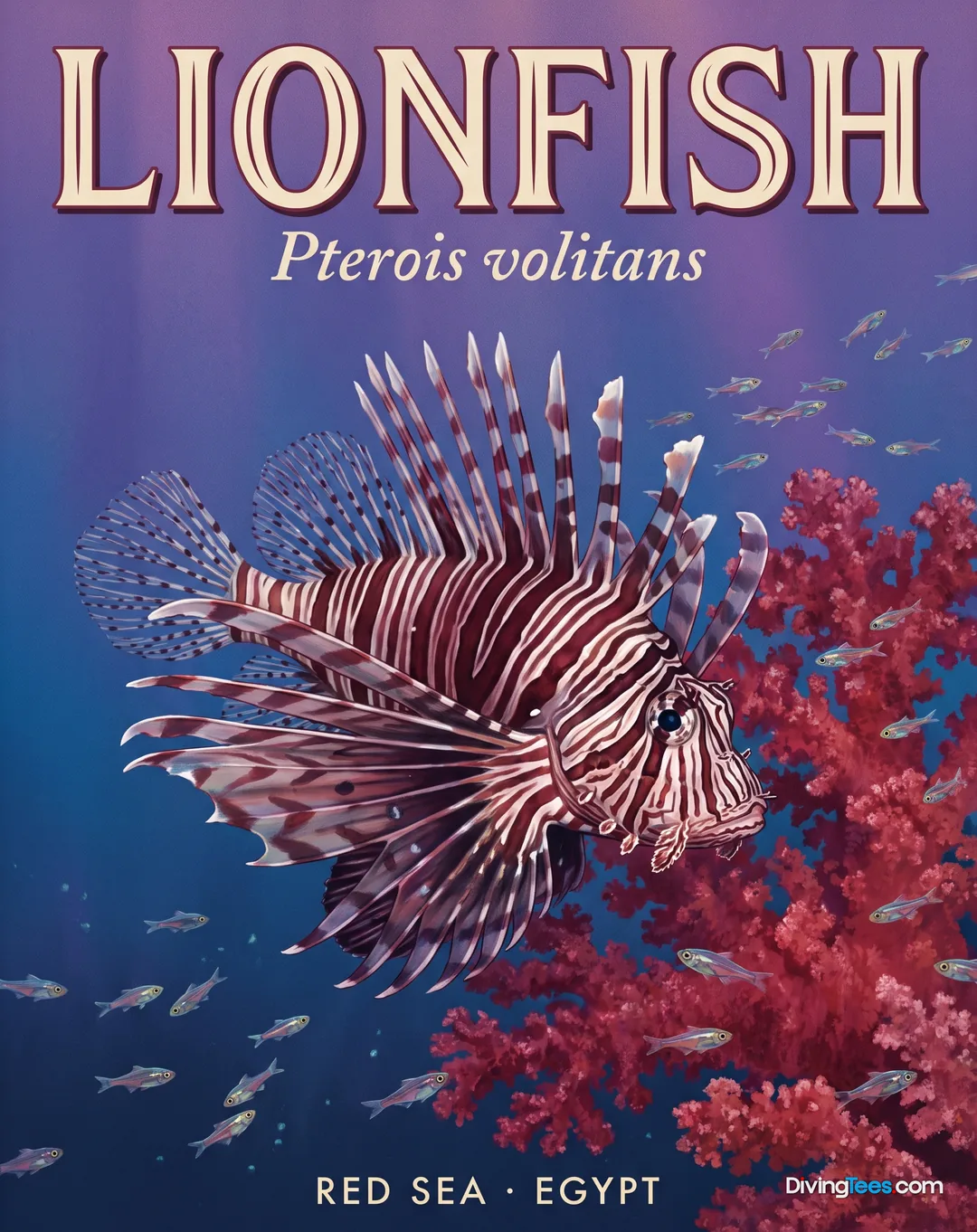
As you descend further down the slope, the density of bannerfish (Heniochus acuminatus) and angelfish (Pomacanthidae family) becomes evident, often seen navigating through intricate coral structures. Large schools of fusilier (Caesionidae family) often pass overhead, particularly in the mid-depths, creating a dynamic visual experience. Near the sandy fringes at the deepest points, you might encounter lionfish (Pterois miles), often camouflaged against the contours of the reef.
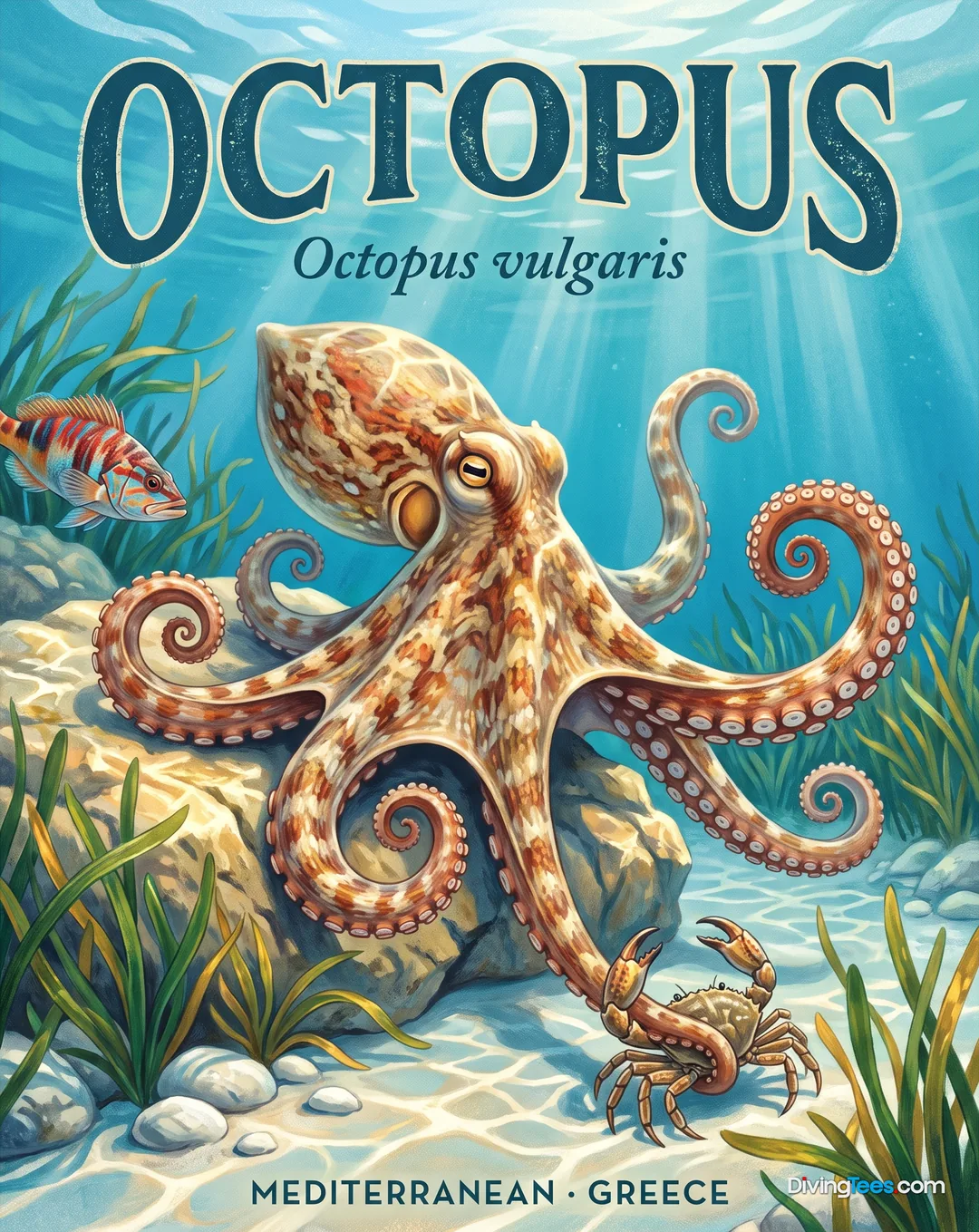
Closer inspection of the reef structure, especially at night or during a slower daytime drift, often reveals octopus (Octopus vulgaris) and lobsters (Palinuridae family) hidden within crevices and under ledges. The site also hosts bumphead parrotfish (Bolbometopon muricatum), which can be seen grazing on coral, contributing to the reef's natural processes. These interactions offer a different pace of diving, inviting careful observation.
The overall topography of Lighthouse supports a range of experiences, from drift dives along the coral slopes to more stationary explorations of specific coral bommies. Its protected nature means currents are generally mild, making it a comfortable environment for extended bottom times and photography. Visibility here is consistently excellent, often exceeding 20 metres, which enhances the appreciation of the reef's colours and the abundant marine life.
The site's versatility extends to its suitability for various dive types. While an excellent choice for Open Water Diver training due to its depth profile, it also offers compelling night diving opportunities. Under the cover of darkness, you observe a shift in the reef's activity, with nocturnal species emerging and the colours of the corals becoming more pronounced under the beam of your dive light, revealing aspects unseen during the day.
The Lighthouse dive site offers a maximum dive depth of 25 metres, starting from as shallow as 1 metre, which accommodates all certification levels, including Open Water Diver training. Current is generally mild at this location. Visibility is consistently excellent, often reaching 20 metres or more. The best time to dive here aligns with the general regional season, from October to May, when marine conditions are most favourable.
Plan your dive at Lighthouse during the regional season from October to May, when marine conditions are most favourable. You can also choose a night dive, when nocturnal species emerge and coral colours become more pronounced under your dive light, revealing reef activity that differs from daytime exploration.
Lighthouse accommodates all certification levels, including Open Water Diver training. The reef begins at one metre and gradually slopes to a sandy bottom at twenty-five metres, giving you shallow areas for introductory dives and certifications while offering deeper sections that can keep experienced divers engaged.
At Lighthouse, the current is generally mild, creating a comfortable setting for extended bottom times, photography, drift dives, and slower reef exploration. Visibility is consistently excellent, often reaching twenty metres or more, so you can observe the coral formations and marine life clearly across the gradual slope.
At Lighthouse, you can see diverse hard and soft corals, bannerfish, angelfish, fusiliers, lionfish, octopus, lobsters, and bumphead parrotfish grazing on coral. During night dives, nocturnal species emerge from reef crevices and under ledges, while the coral colours become more pronounced under your dive light.