
Blue Corals Dive
Google 4.9/5 (2,398 reviews)
16 km away as the crow flies
Havelock · India · Indian Ocean
Max. depth · 24 mMinerva Ledge offers expansive coral gardens that drop into deeper waters, attracting schooling reef fish and larger pelagic species, particularly when the currents are running.
For subtitles in English: start the video firstthen click the gearat the top right of the video, select “Subtitles/CC”, then “Auto-translate” and choose “English”.
Minerva Ledge is located off the northeast side of Havelock Island in the Andaman Sea. This site is a substantial rock and coral formation, too vast to fully explore in a single dive. It's best approached as a series of distinct dive zones, each offering a different perspective on the topography and marine life. The primary feature is a large, shallow ledge, covered in vibrant reef ecosystems, gradually sloping into deeper oceanic waters.
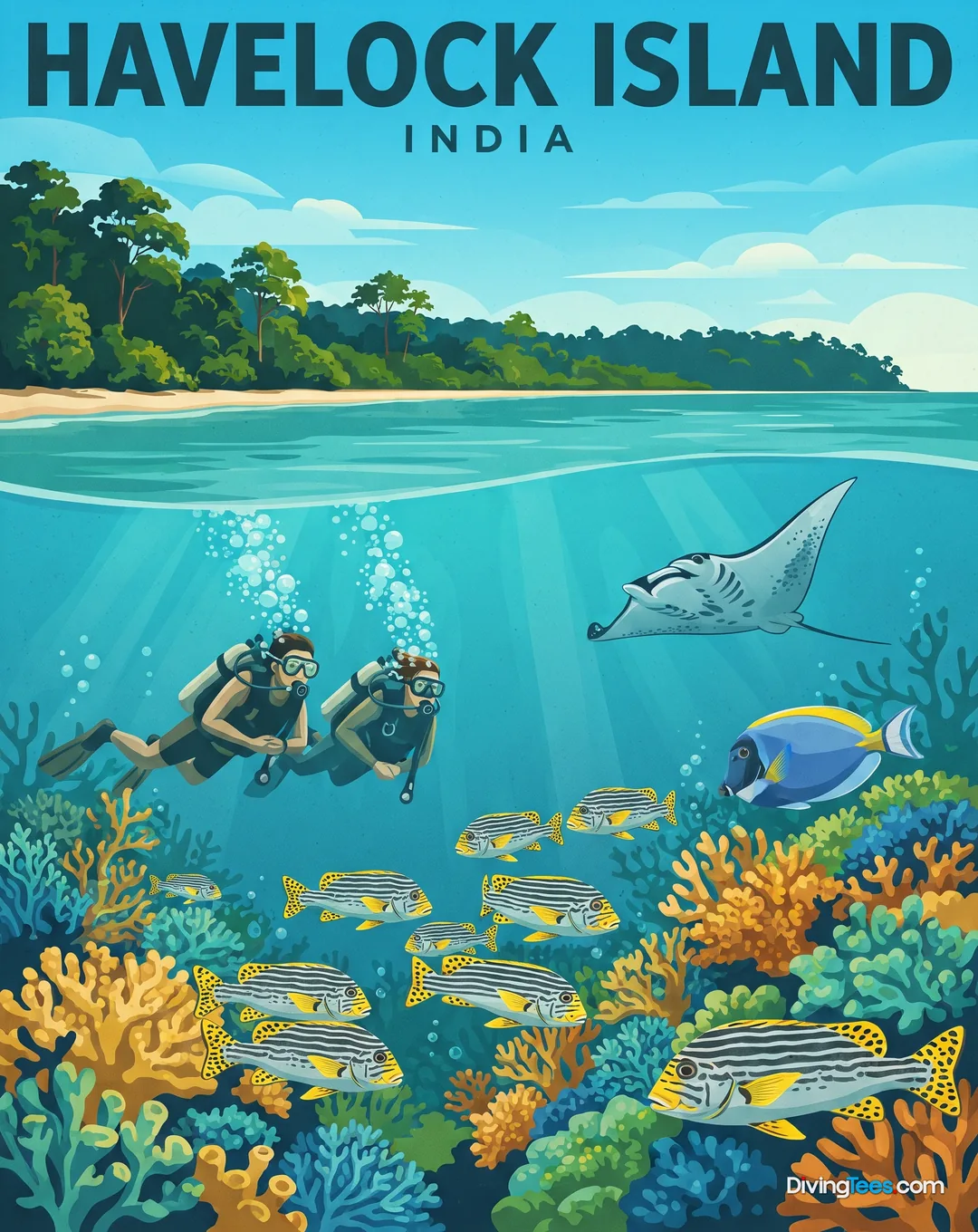
The topography here provides a diverse environment for marine life, transitioning from wide, flat coral gardens to rocky overhangs. As you descend, the reef structure offers shelter to a variety of communal species. You will consistently encounter schools of fusiliers (Caesionidae), surgeonfish (Acanthuridae), and various snapper species (Lutjanidae) patrolling the reef. These aggregations are a constant presence, feeding on the rich plankton brought in by the currents.
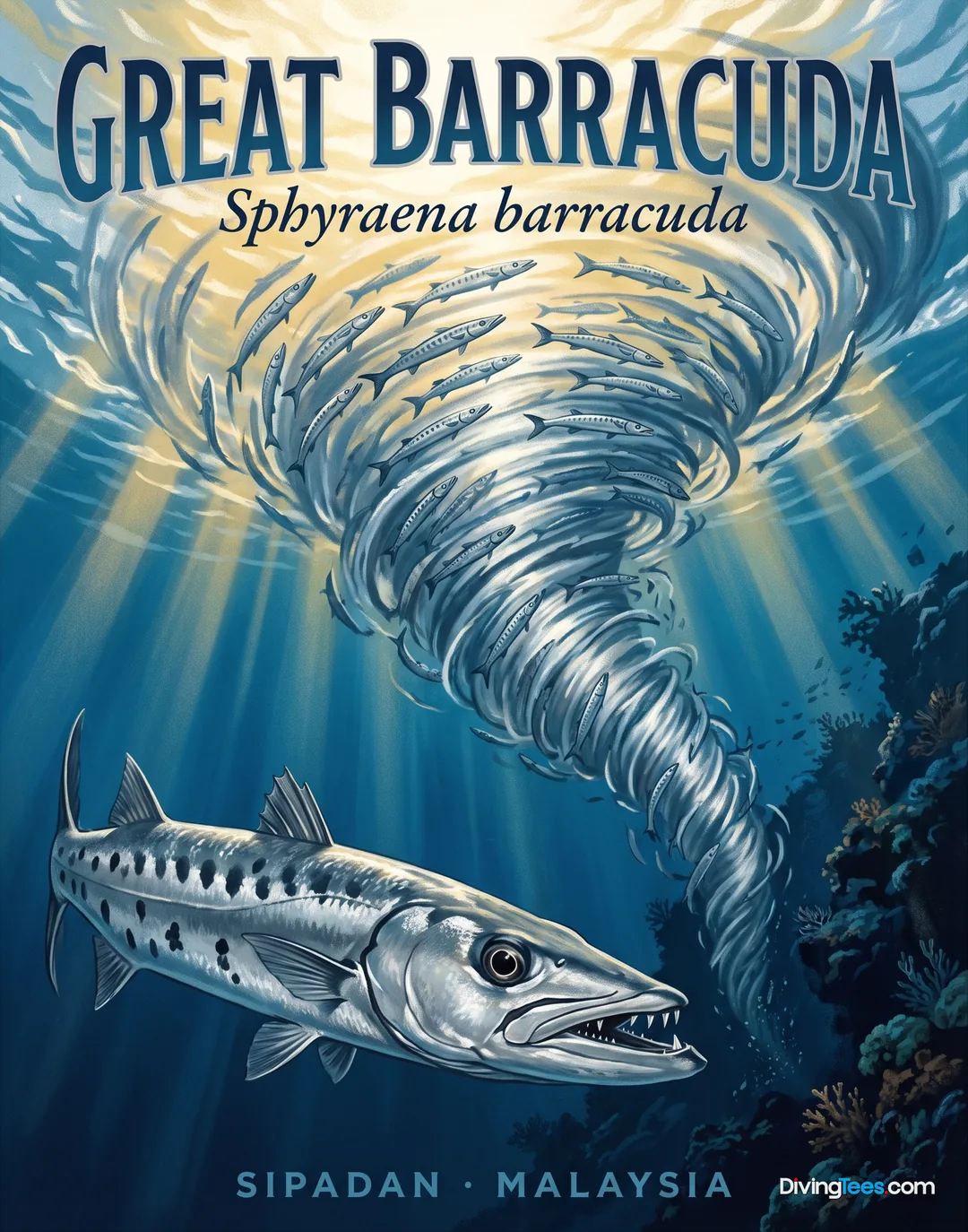
Moving eastward, the ledge tapers into deeper sections, where the encounter rate for larger pelagic species increases significantly. Here, the reef dynamics shift, and the focus moves from the smaller reef inhabitants to more transient visitors. It is in these deeper, exposed areas that you are most likely to find robust barracudas (Sphyraena barracuda), tuna (Thunnus), and the marbled whipray (Himantura undulata) moving along the currents.
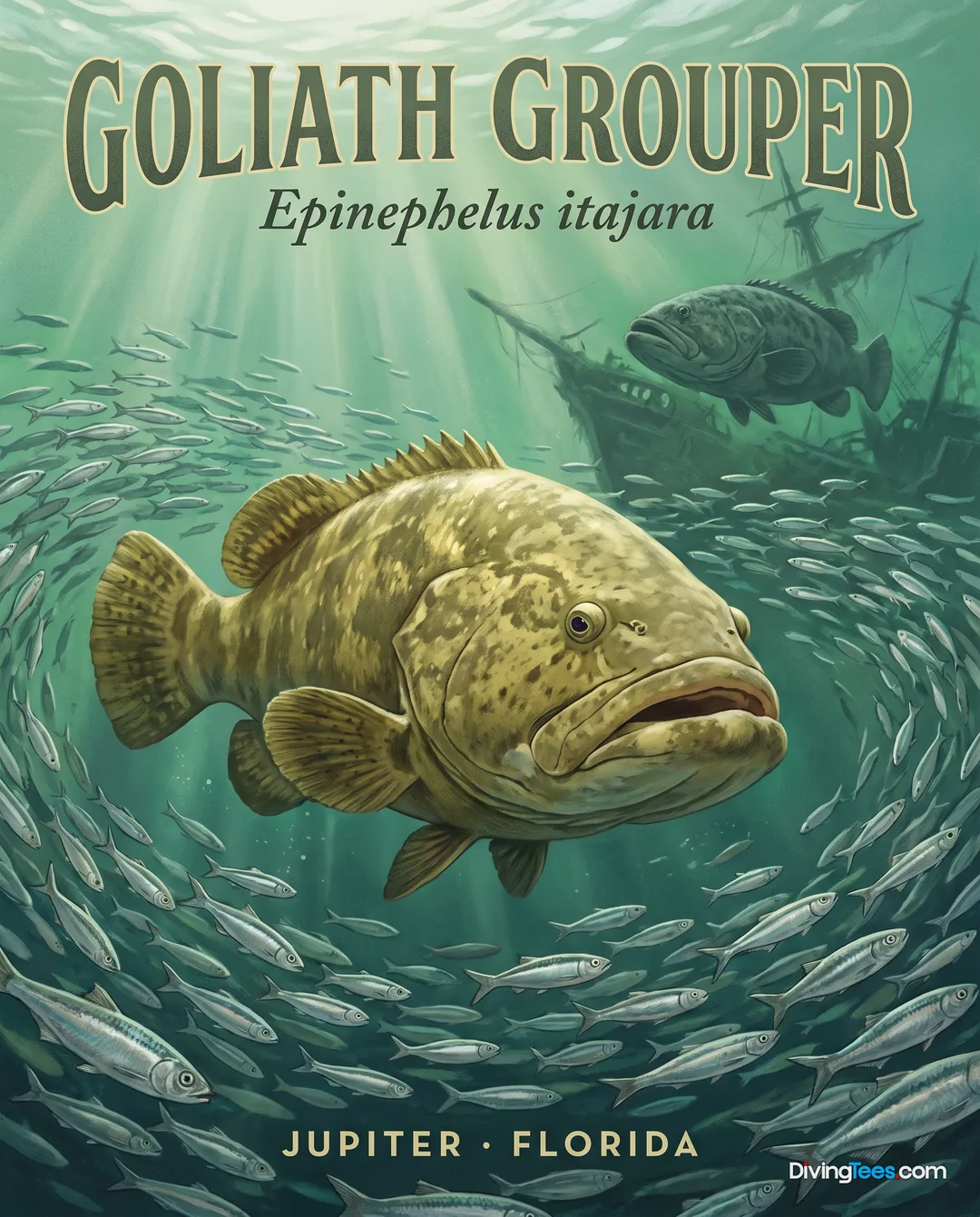
The site benefits from a diverse resident population, making it a reliable spot for certain sightings. Underneath the rocky affleurements across the ledge, you'll frequently find moray eels (Muraenidae), particularly giant moray eels (Gymnothorax javanicus), and various species of groupers (Epinephelinae), including giant groupers (Epinephelus lanceolatus). Keep an eye out for these residents, often tucked away in crevices or patrolling their immediate territory.
Visibility at Minerva Ledge is often quite good, allowing for clear views of the extensive coral gardens and distant pelagics. This clarity, coupled with varied current conditions, shapes the diving experience. The best time to experience the site's full potential for clear water and active marine life runs from October through May, with peak conditions from November to February.
The currents at Minerva Ledge are a defining feature. They can range from calm to strong, and often shift, making for variable conditions. When the current is running, it creates an ideal environment for drift diving, especially along the deeper eastern edge where pelagic species are more common. You need to be prepared for these shifts and for active diving, particularly if exploring the more exposed parts of the ledge.
The site supports a healthy ecosystem, with soft and hard corals covering the ledger's surface. These coral gardens are home to many smaller reef fish. You'll observe parrotfish (Scaridae), angelfish (Pomacanthidae), and butterflyfish (Chaetodontidae) navigating the coral formations. Occasional sightings of sea turtles (Chelonioidea) are also common, gracefully moving over the reef, offering a different pace to the faster pelagic encounters.
Minerva Ledge is best suited for advanced divers due to the potential for strong and varying currents. While some sections are accessible to divers with an Open Water certification and comfort with current, navigating the entire site and its deeper eastern parts requires experience. Depths range from a minimum of 8 metres on the plateau to a maximum of 24 metres. The optimal diving season runs from October to May, with November to February typically offering the clearest visibility and higher chances for encounters with pelagic life. Plan for potential drift diving conditions, especially in spring, and be prepared for shifts in flow.
Plan your dive at Minerva Ledge between October and May. November to February typically brings the clearest visibility and higher chances of encountering pelagic life. During spring, prepare for potential drift diving conditions and changes in the flow, as currents may shift while you explore the ledge.
Minerva Ledge is best suited to advanced divers because currents can be strong and variable. Some sections are accessible to Open Water divers who are comfortable in current, but exploring the entire site, including its deeper eastern areas, requires experience and preparation for active diving.
Minerva Ledge ranges from eight metres on the shallow plateau to twenty-four metres in depth. Its broad coral gardens occupy the shallower area, while the ledge slopes into deeper oceanic water. The eastern sections are deeper and more exposed, with changing conditions and greater access to pelagic encounters.
At Minerva Ledge, you can explore coral gardens with fusiliers, surgeonfish, snappers, parrotfish, angelfish and butterflyfish. Rocky overhangs shelter giant moray eels and groupers, while reef sharks and occasional sea turtles occur across the site. Along the deeper eastern ledge, barracudas, tuna and marbled whiprays move with the currents.