
The Dive Master
Google 4.9/5 (3,632 reviews)
3.6 km away as the crow flies
Havelock · India · Indian Ocean
Max. depth · 55 mDescend Havelock's Wall, a dramatic vertical drop-off teeming with life, where strong currents bring pelagics past colourful gorgonian gardens.
For subtitles in English: start the video firstthen click the gearat the top right of the video, select “Subtitles/CC”, then “Auto-translate” and choose “English”.
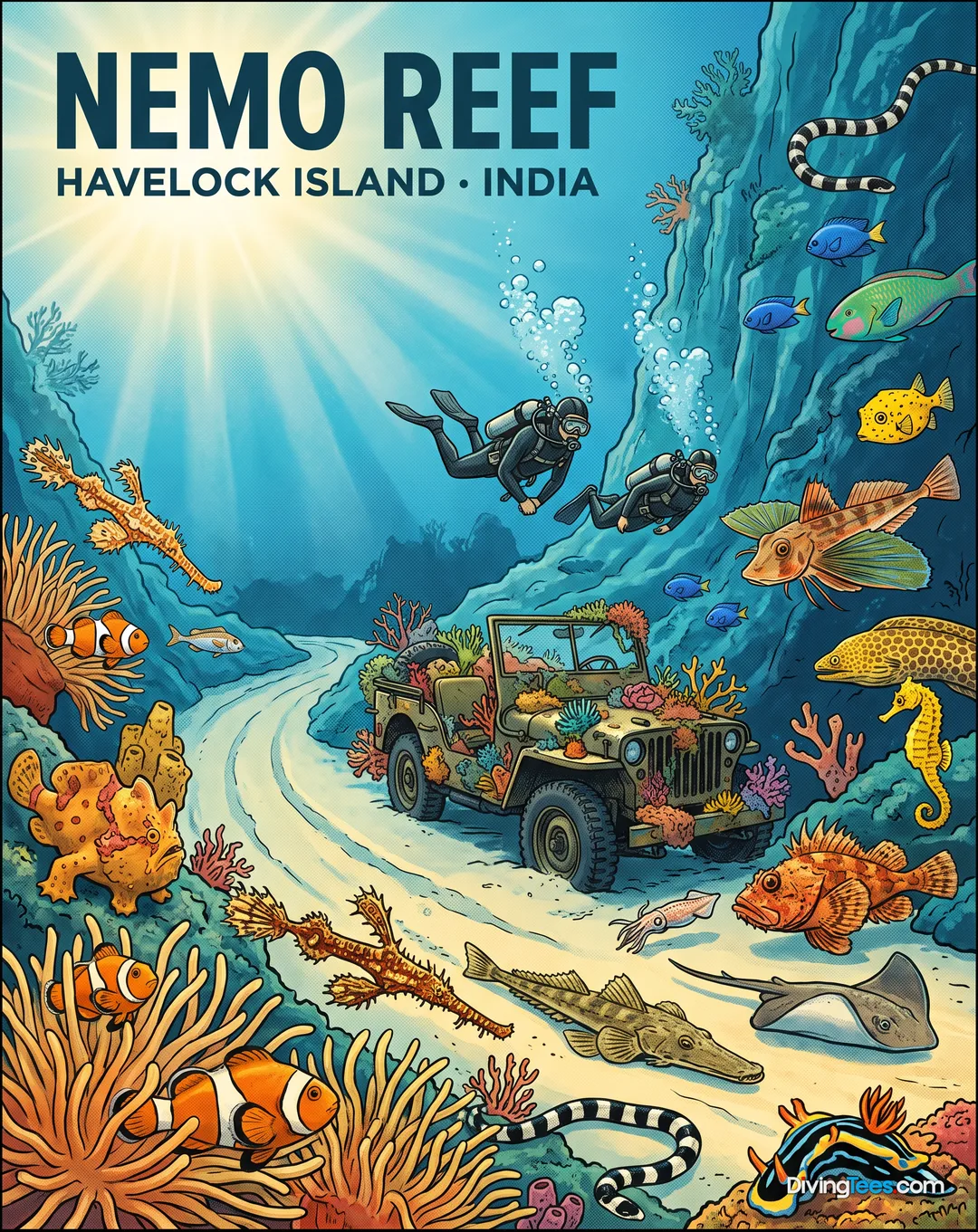
The Wall is a defining dive site off Havelock Island, marking the edge of a natural shipping channel between Havelock and Peel Island. It begins as a plateau around 10 metres deep, then drops off from 10 to 15 metres, transforming into a dramatic vertical face that plunges to depths exceeding 50 metres. This transition from a shallow reef to a deep wall creates distinct ecological zones, offering varied experiences depending on your dive profile. The upper sections of the wall are particularly rich, with light penetration fostering dense coral growth.
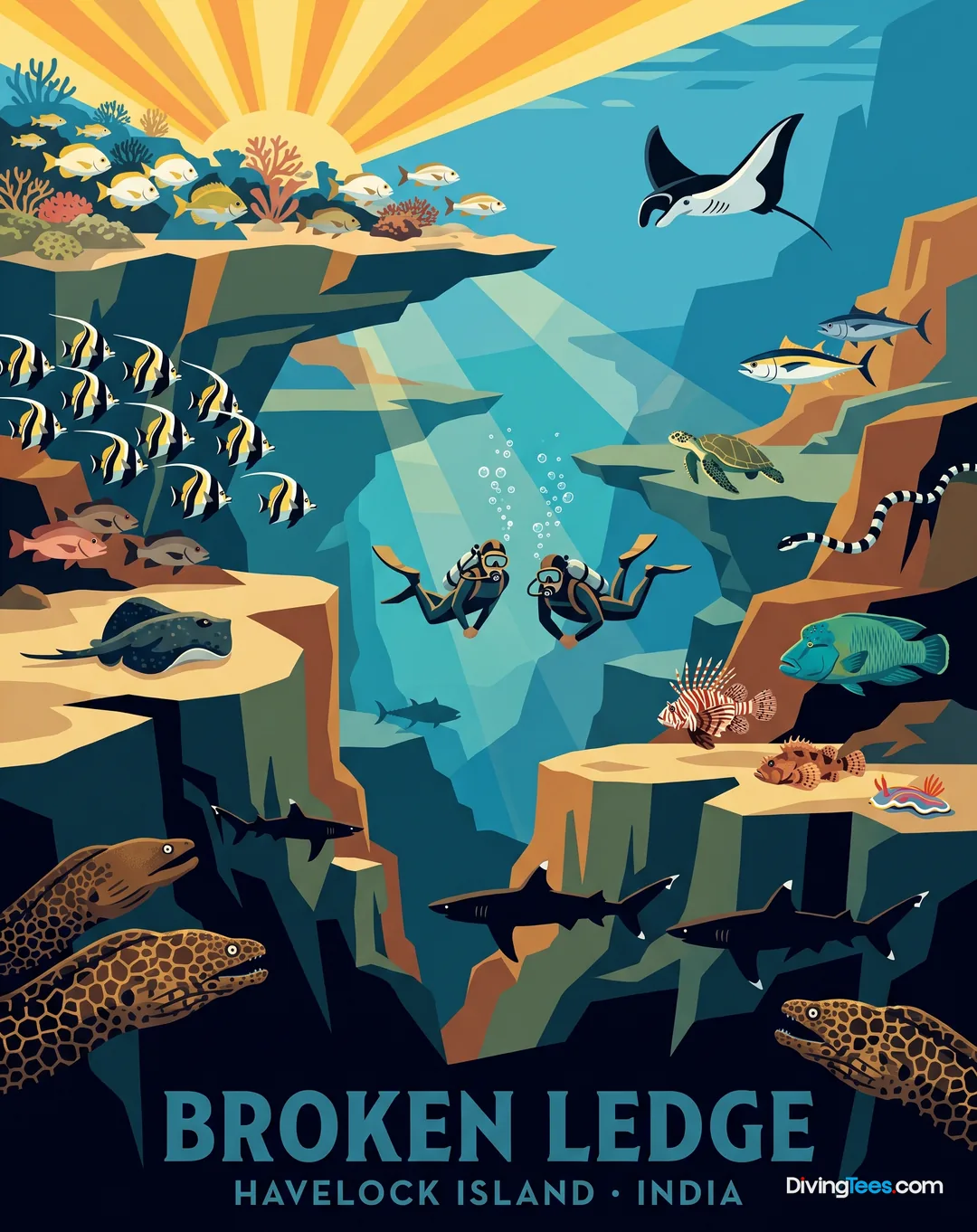
As you descend along the wall, notice the change in topography from a gentle slope to a sheer vertical face. This drop-off is not uniform; there are ledges and overhangs that provide shelter and hunting grounds for a diverse array of reef fish. You'll find yourself gliding past vast areas covered in gorgonian corals, their delicate structures swaying in the current, creating a living curtain that stretches along the face of the drop. Deeper sections reveal dark caves and crevices, hinting at continued exploration below.
The currents here are a key feature, often ranging from moderate to strong, especially with tidal shifts in the channel. These nutrient-rich currents are the reason for the site's vibrant ecosystem, attracting numerous fish species. Look out for schools of carangues (Trevally) actively hunting over the deeper sections, often in groups of hundreds, making for compelling viewing as they sweep through the water column. This dynamic environment means you need to be aware of your position and buoyancy, using the wall's topography to your advantage.
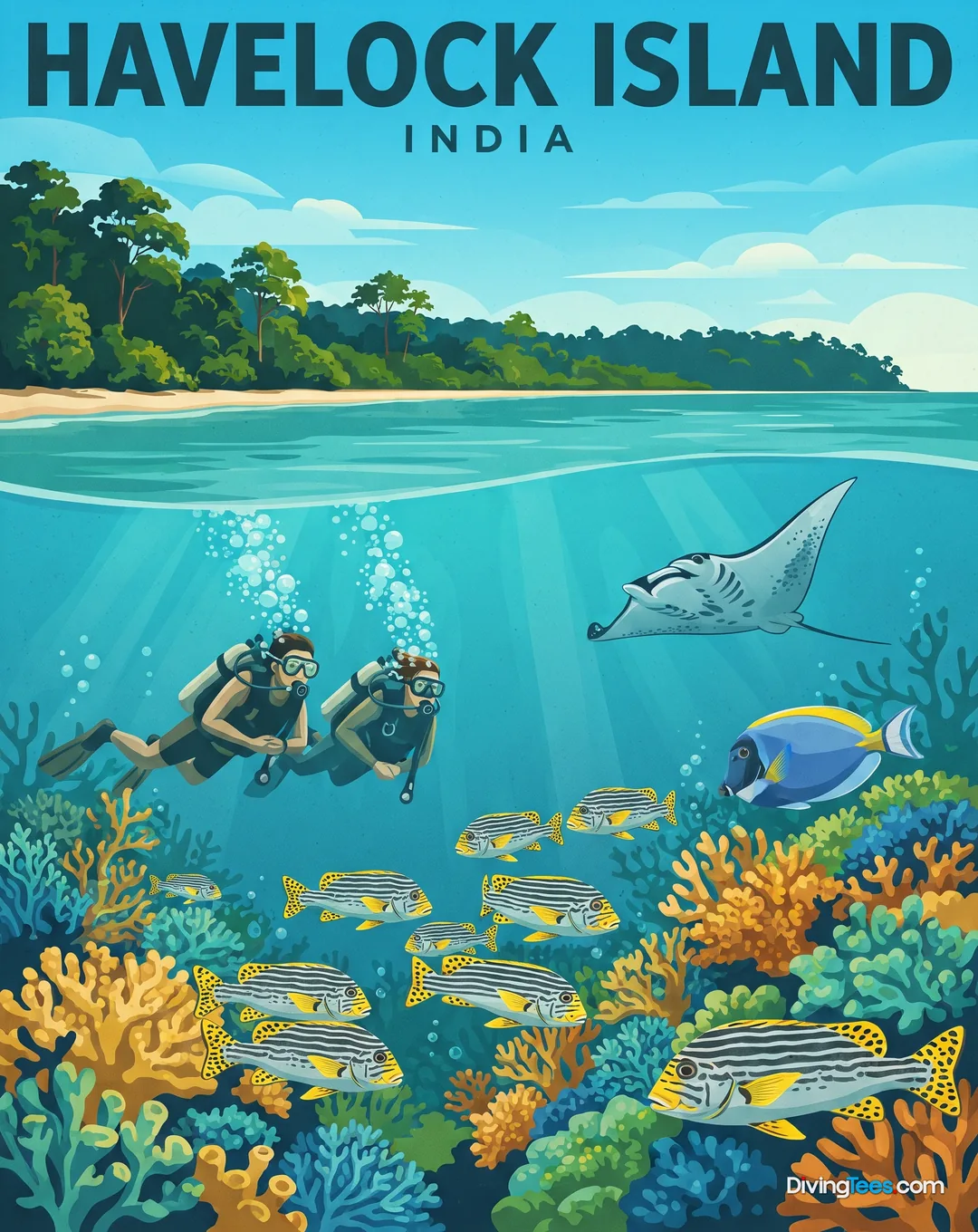
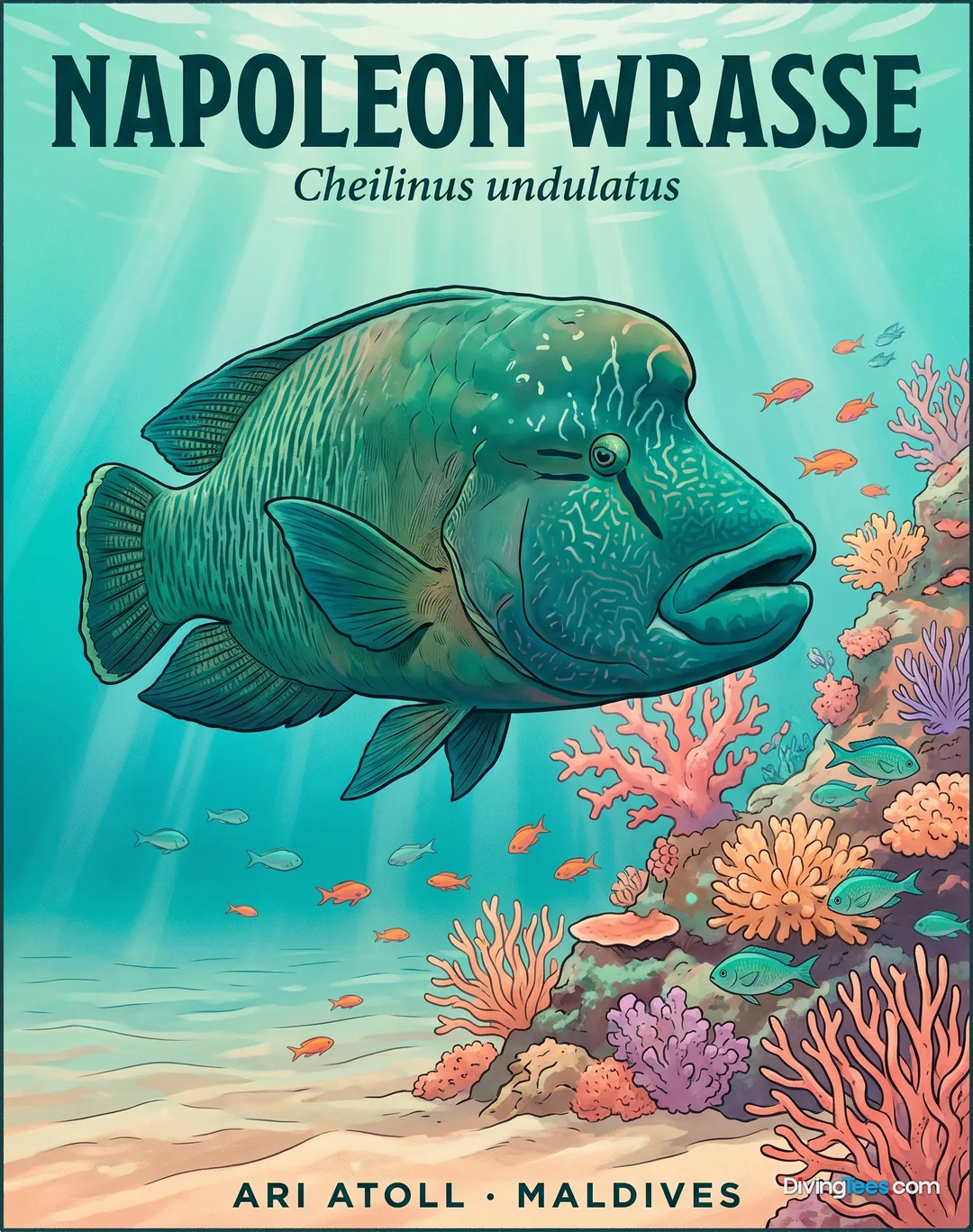
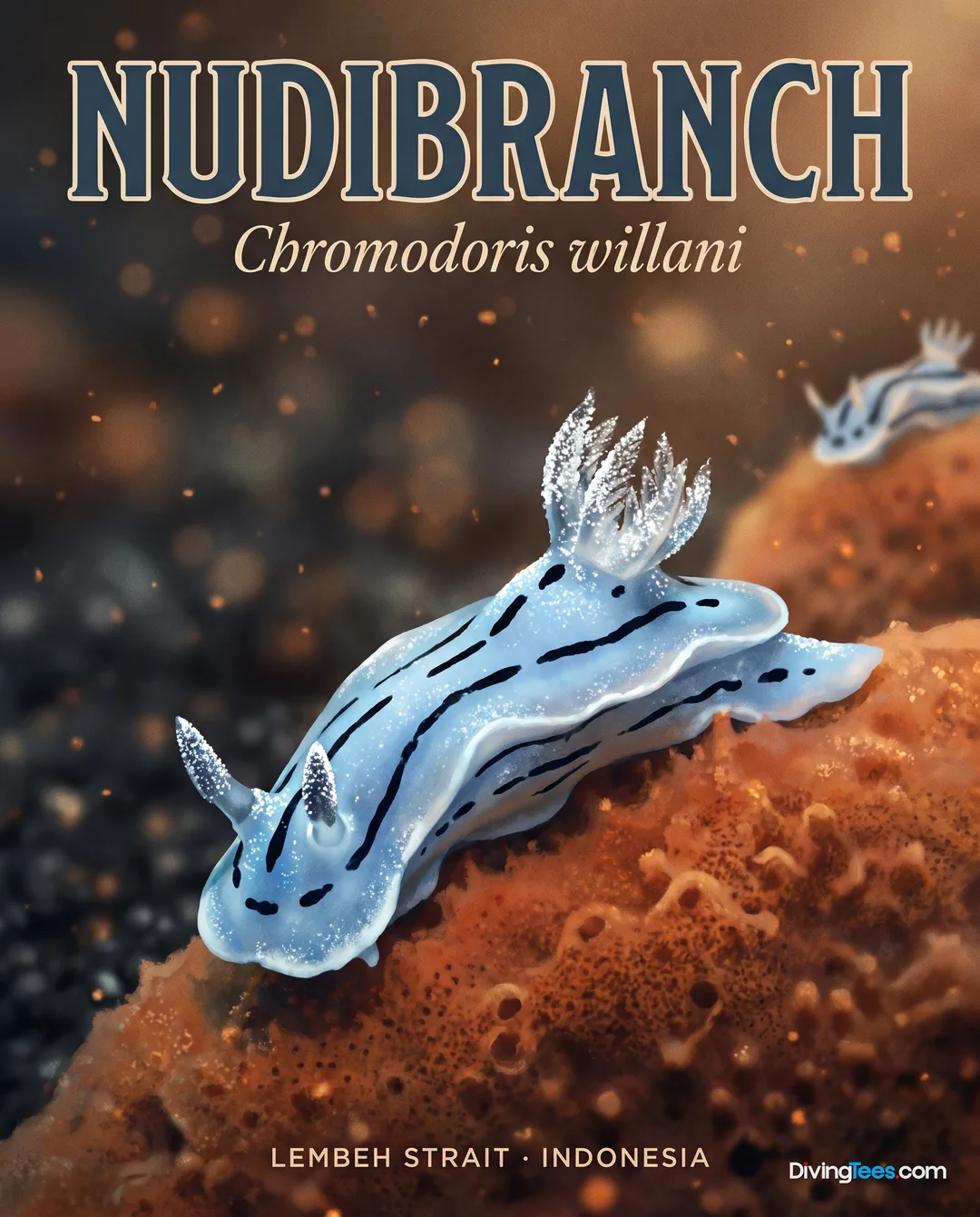
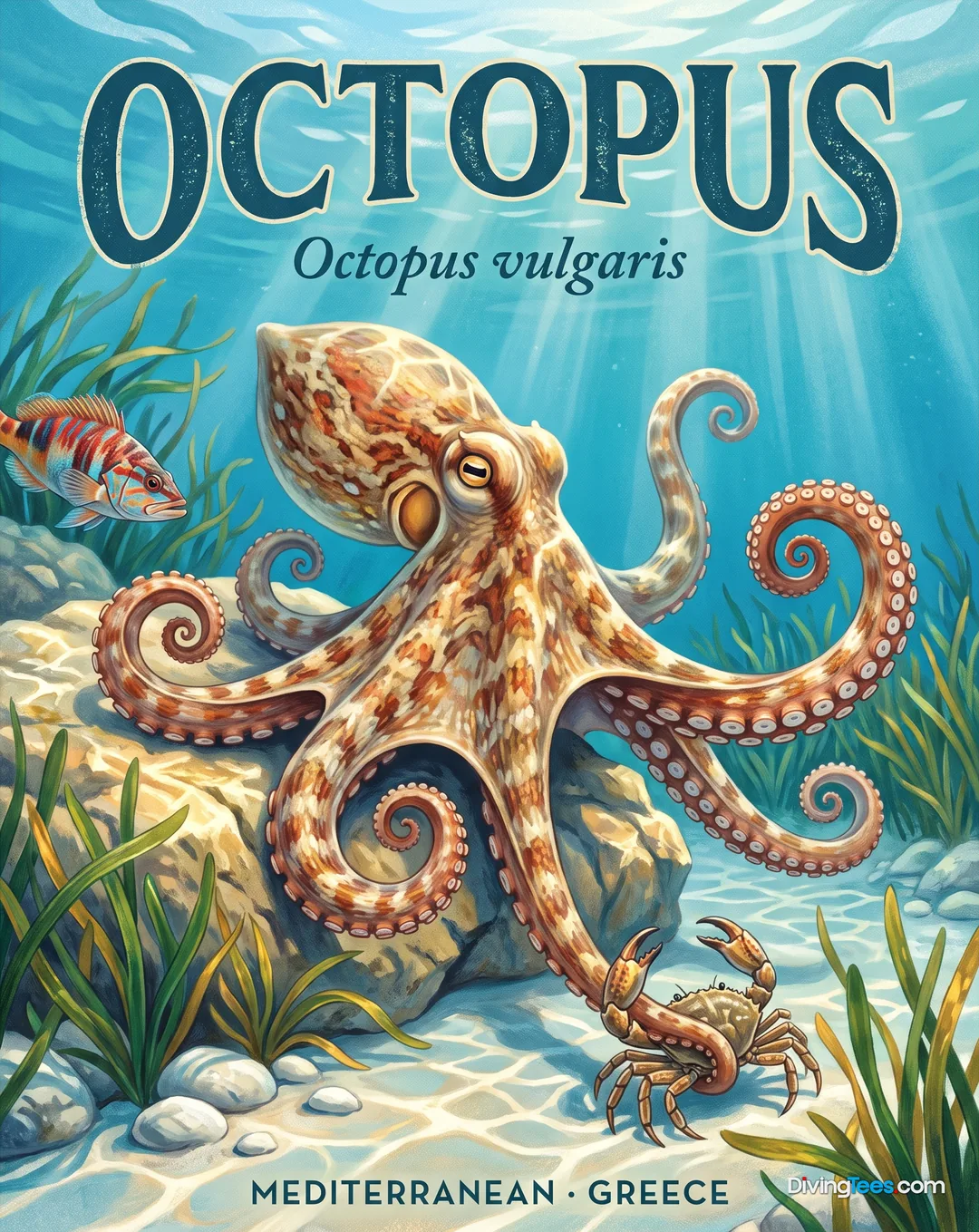
The diverse marine life at The Wall is extensive. Beyond the schooling pelagics, you'll encounter Napoleon wrasse (Cheilinus undulatus), groupers (Epinephelinae), and snapper (Lutjanidae) sheltering within the coral gardens. Resident octopus (Octopus vulgaris) and scorpionfish (Scorpaena scrofa), along with smaller invertebrates like nudibranchs, are often camouflaged among the corals, rewarding a slow, observant approach. The wall also hosts cleaner shrimp (Palaemon serratus) and crabs (Brachyura) in its nooks, adding to the detailed macro life.
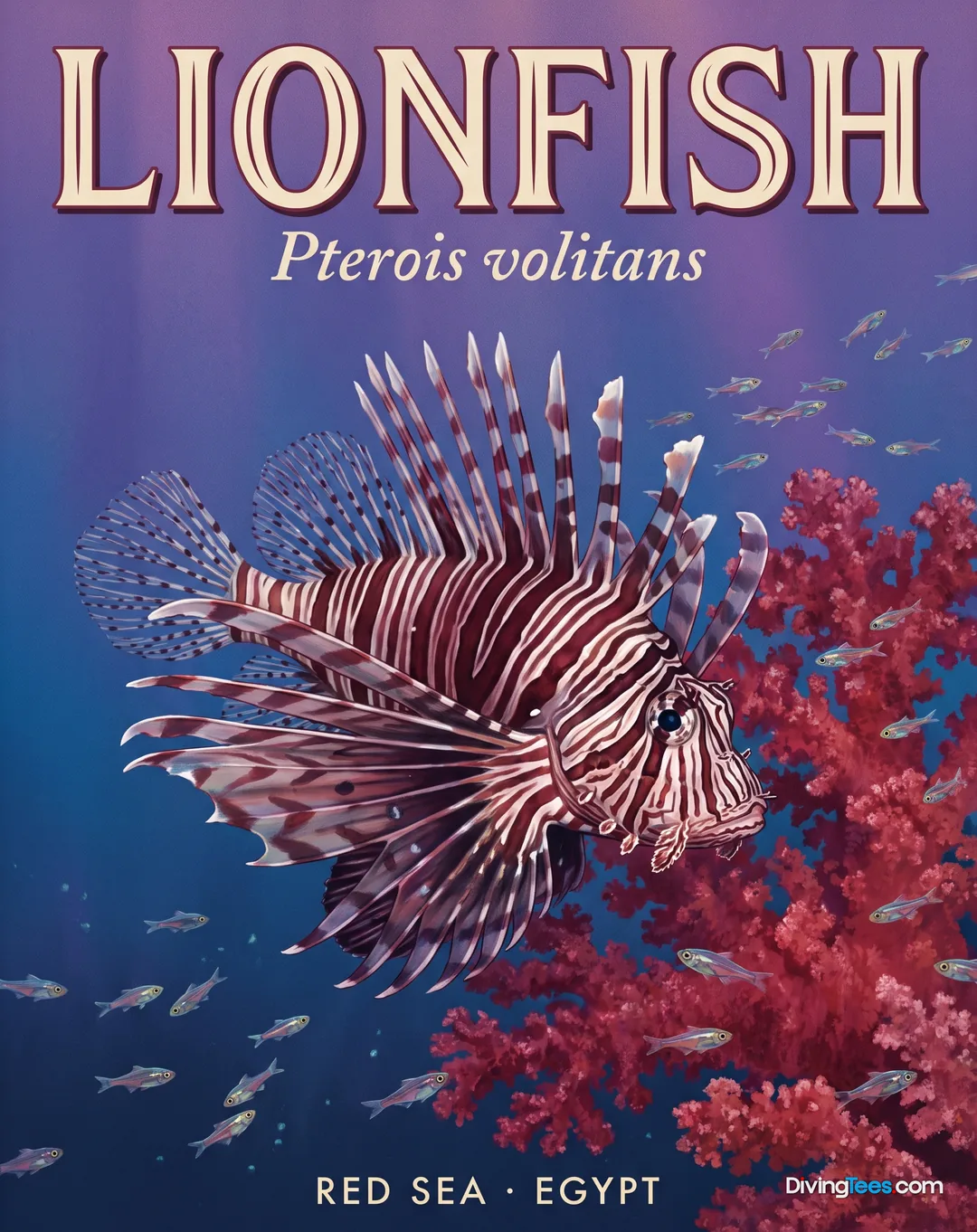
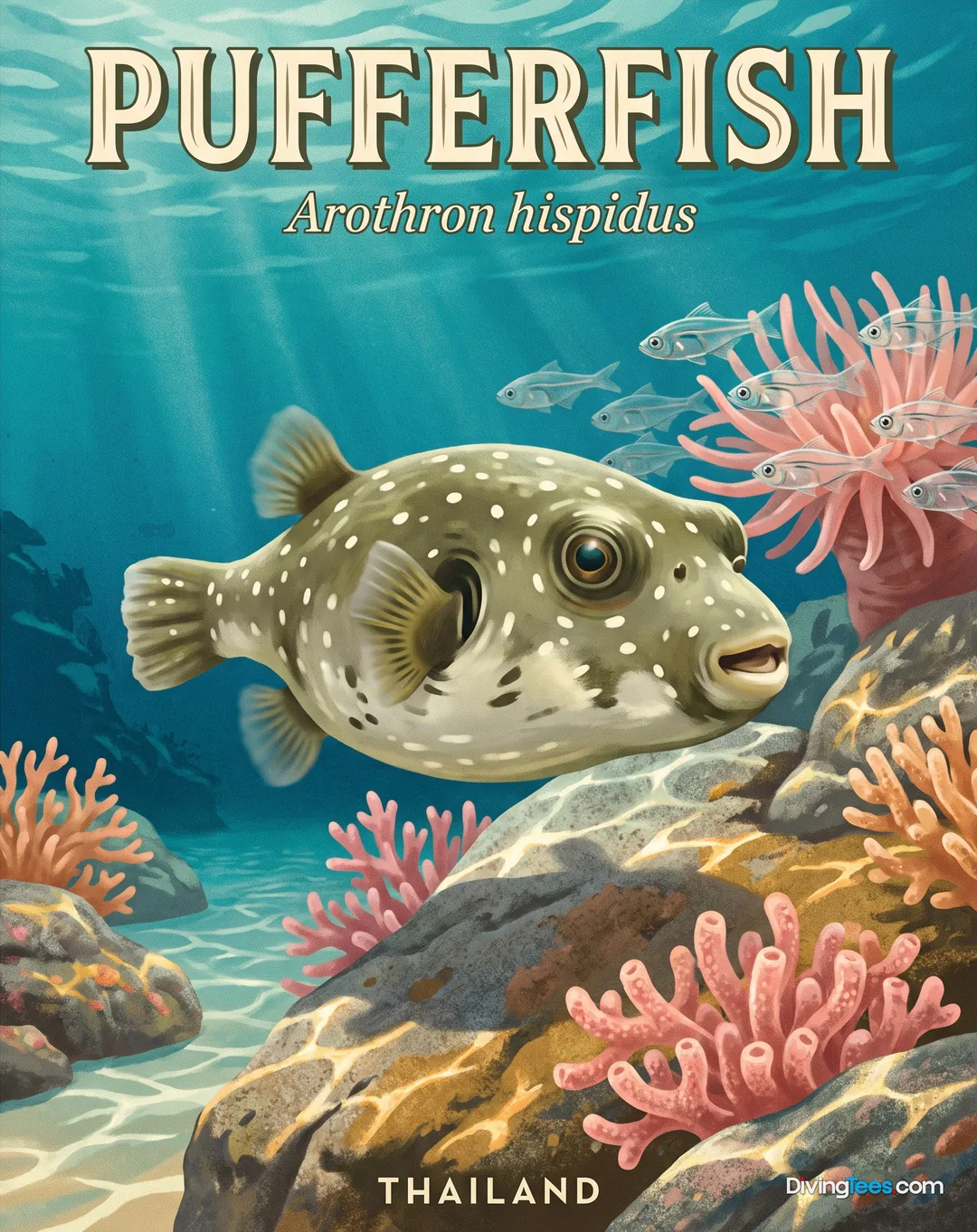
Soft corals dominate the wall face, especially the vibrant purple varieties, along with fan corals and hydroids, painting the vertical landscape in rich colours. These coral gardens provide shelter and feeding areas for many species, including lionfish (Pterois miles), pufferfish (Tetraodontidae), and angelfish (Pomacanthidae). The structure of the wall, with its various ledges and mini-canyons, creates a complex habitat where both macro and meso fauna thrive, promising new discoveries on each dive.
One particular highlight is the presence of Kulh's stingray (Neotrygon kuhlii), often found resting on sand patches at the base of the shallower sections or gliding along the deeper stretches. While less frequent, manta rays (Manta birostris) have been sighted along the wall, typically in areas where currents converge. Keep an eye on the blue for larger pelagic visitors like barracuda (Sphyraena barracuda) and various species of shark (Carcharhinidae), which are drawn to the rich hunting grounds of the channel.
The Wall is a site that evolves with depth and current, rewarding divers who appreciate dynamic environments. Its varied topography — from the shallow plateau to the 50-metre drop-off — allows for different dive profiles and experiences. Whether you're focused on the teeming reef life of the shallower corals or observing pelagic activity in tighter currents along the vertical face, the site offers continuous engagement and highlights the rich biodiversity of the Andaman Sea.
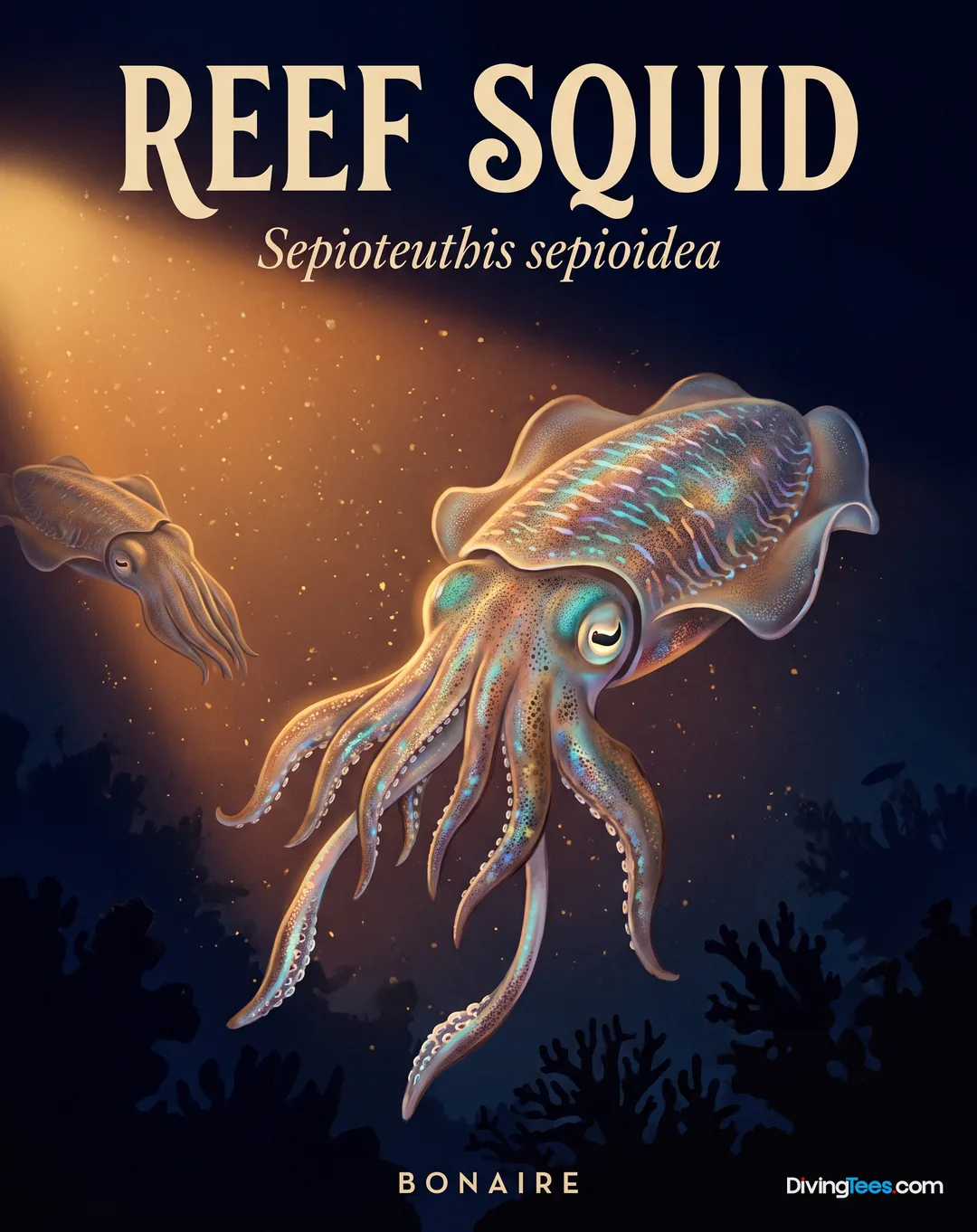
Night dives here offer a completely different perspective, as nocturnal species emerge and the bioluminescence of the plankton can create a magical atmosphere. The same crevices and corals that hide reef fish by day become active hunting grounds for octopus and cuttlefish (Sepia officinalis), while Moray eels (Muraenidae) leave their daytime shelters. The transformation of the site under the cover of darkness reveals behaviors and creatures not seen during daylight hours.
The Wall is accessible from 9 to 55 metres, offering varied profiles for different certifications. However, due to potentially moderate to strong currents, especially with tidal shifts, it is best suited for Advanced Open Water divers and above, or Open Water divers with significant experience. Visibility typically ranges between 20 and 30 metres. The best period to dive The Wall is from October to May, with peak visibility conditions from November to February.
You can dive The Wall from October to May. Visibility typically ranges between twenty and thirty metres, with peak visibility from November to February. The site also offers a different experience at night, when octopus, cuttlefish and moray eels become active and plankton may create bioluminescence.
The Wall offers varied profiles from the shallow reef to the deep wall, but moderate to strong currents can occur, especially with tidal shifts. You should be an Advanced Open Water diver or above, or an Open Water diver with significant experience and good awareness of position and buoyancy.
The Wall ranges from five to fifty-five metres. It begins on a plateau around ten metres, drops between ten and fifteen metres, then becomes a vertical face exceeding fifty metres. Ledges, overhangs, caves and crevices create different environments as you descend along the wall.
You can see abundant gorgonian, soft, fan and purple corals, along with reef fish, groupers, snapper, lionfish, pufferfish and angelfish. Schools of trevally hunt near Napoleon wrasse, while octopus, nudibranchs, stingrays and other invertebrates occupy the reef. Manta rays, barracuda and sharks are occasional visitors.