
The Dive Master
Google 4.9/5 (3,632 reviews)
Havelock · India · Indian Ocean
Max. depth · 17 mDescend into a shallow, protected reef system where numerous clownfish guard their anemones and a dedicated nursery offers a macro photographer's delight.
For subtitles in English: start the video firstthen click the gearat the top right of the video, select “Subtitles/CC”, then “Auto-translate” and choose “English”.
Nemo Reef, often called Beach No. 2, offers a unique entry straight from the shore, transitioning into a calm, almost pool-like environment. This setup makes for an easy descent, opening into shallow waters hovering between 1 and 3 metres, before gradually slanting to the main reef system. This initial serene zone, with its white sand, acts as a natural training ground, setting the tone for a relaxed dive irrespective of your experience level. Beyond this immediate entry, the site splits into two extensive fringing reefs, providing ample space to explore.
The topography here presents a gentle sandy slope that bottoms out around 17 metres, making it accessible for a range of dive plans. You'll navigate a dual reef system, ensuring that even with multiple groups, there’s always something new to discover. Keep an eye out between 6 and 8 metres for the artificial 'Ghost Jeep', a distinctive landmark that adds an additional point of interest and congregates various reef inhabitants. This structure serves not only as a navigational point but also as a concentrated habitat for several species.
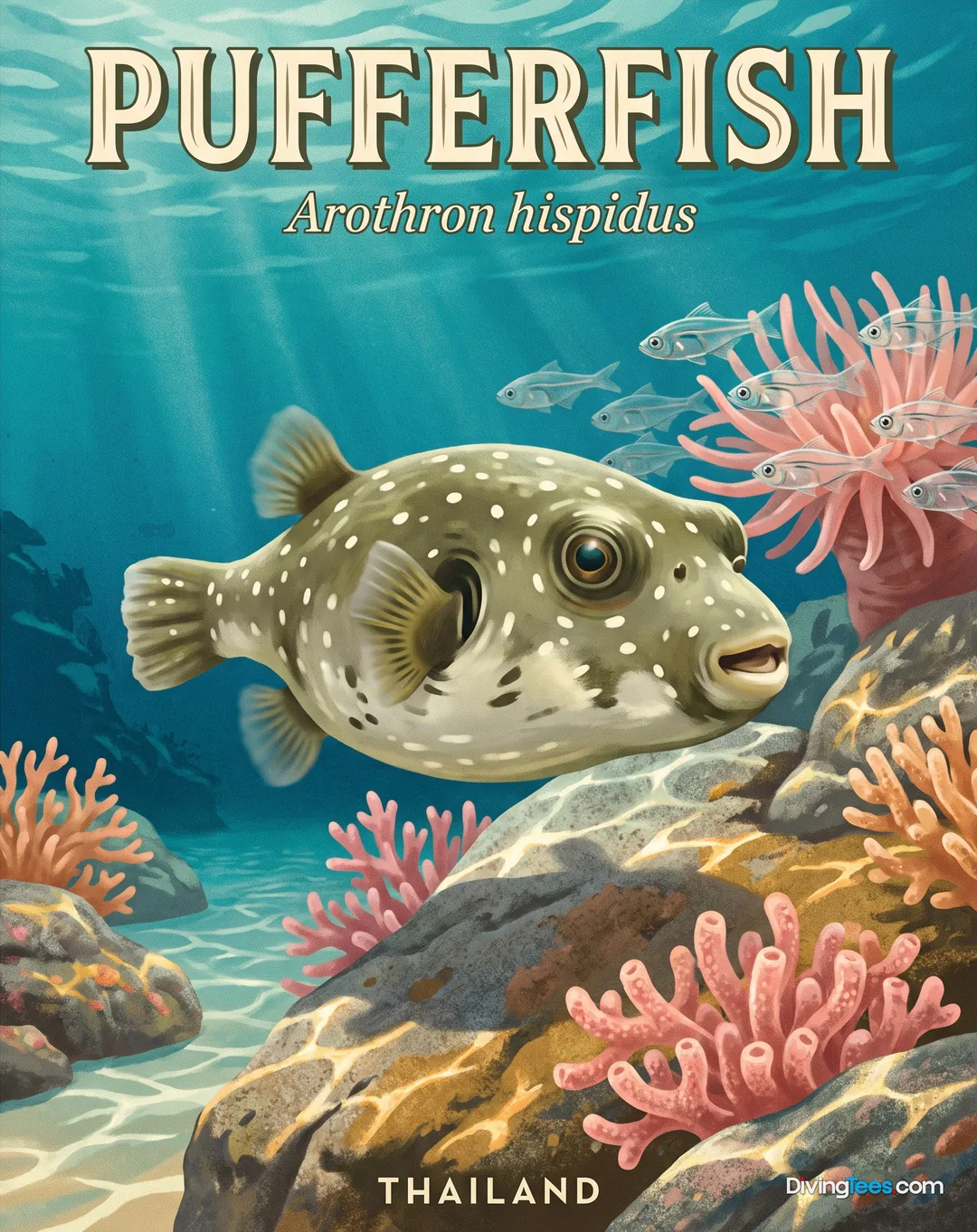
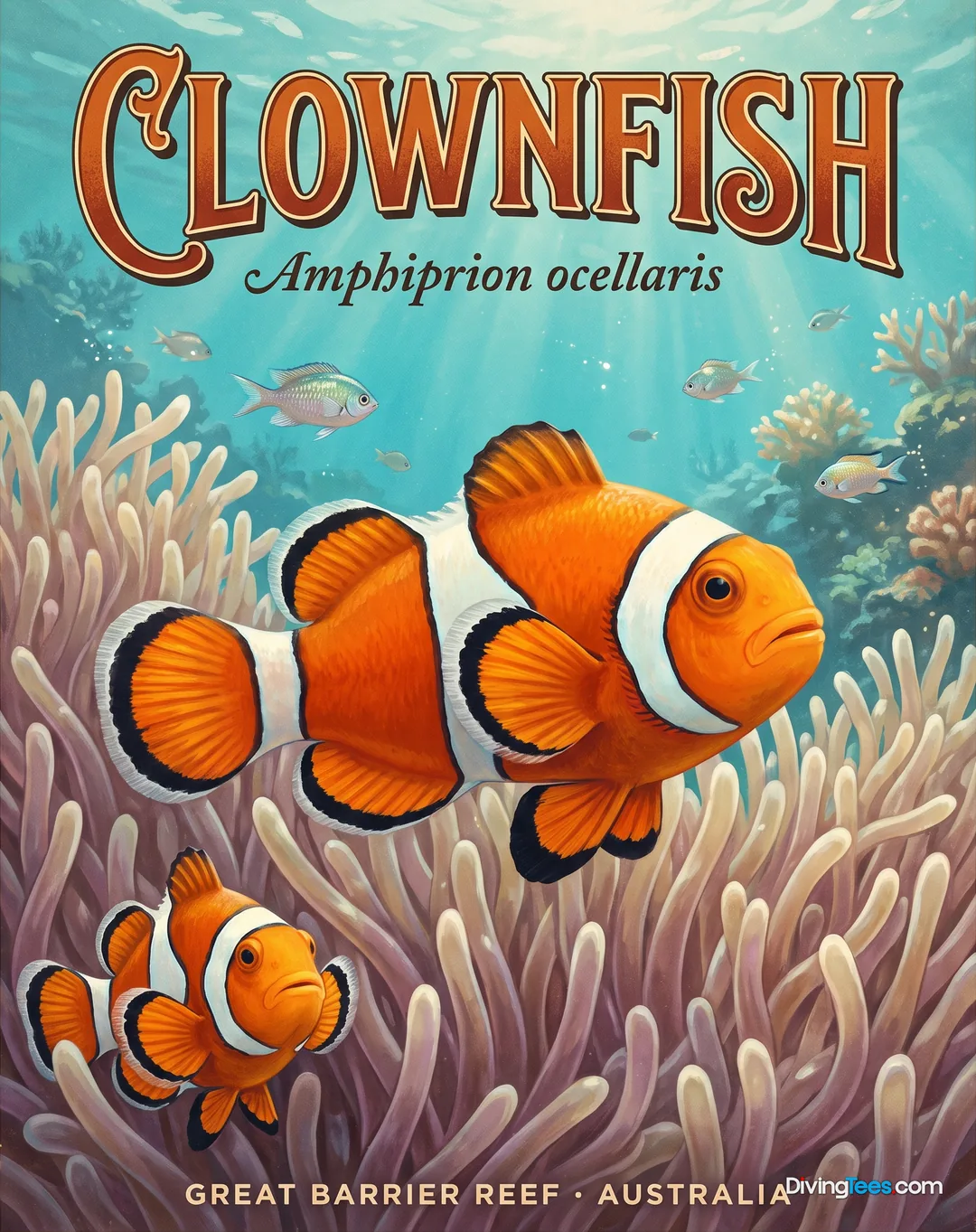
Below the surface, Nemo Reef showcases a vibrant biodiversity, particularly noteworthy for its clownfish colonies. You'll find multiple species of these anemonefish (Amphiprioninae) dwelling within their host anemones, often in familial groups. Beyond these charismatic residents, the reef is home to a varied population of surgeonfish (Acanthuridae), pufferfish (Tetraodontidae), and parrotfish (Scaridae). Moray eels, such as the honeycomb moray (Gymnothorax favagineus), are commonly seen peering from their crevices, adding to the character of the reef structure.
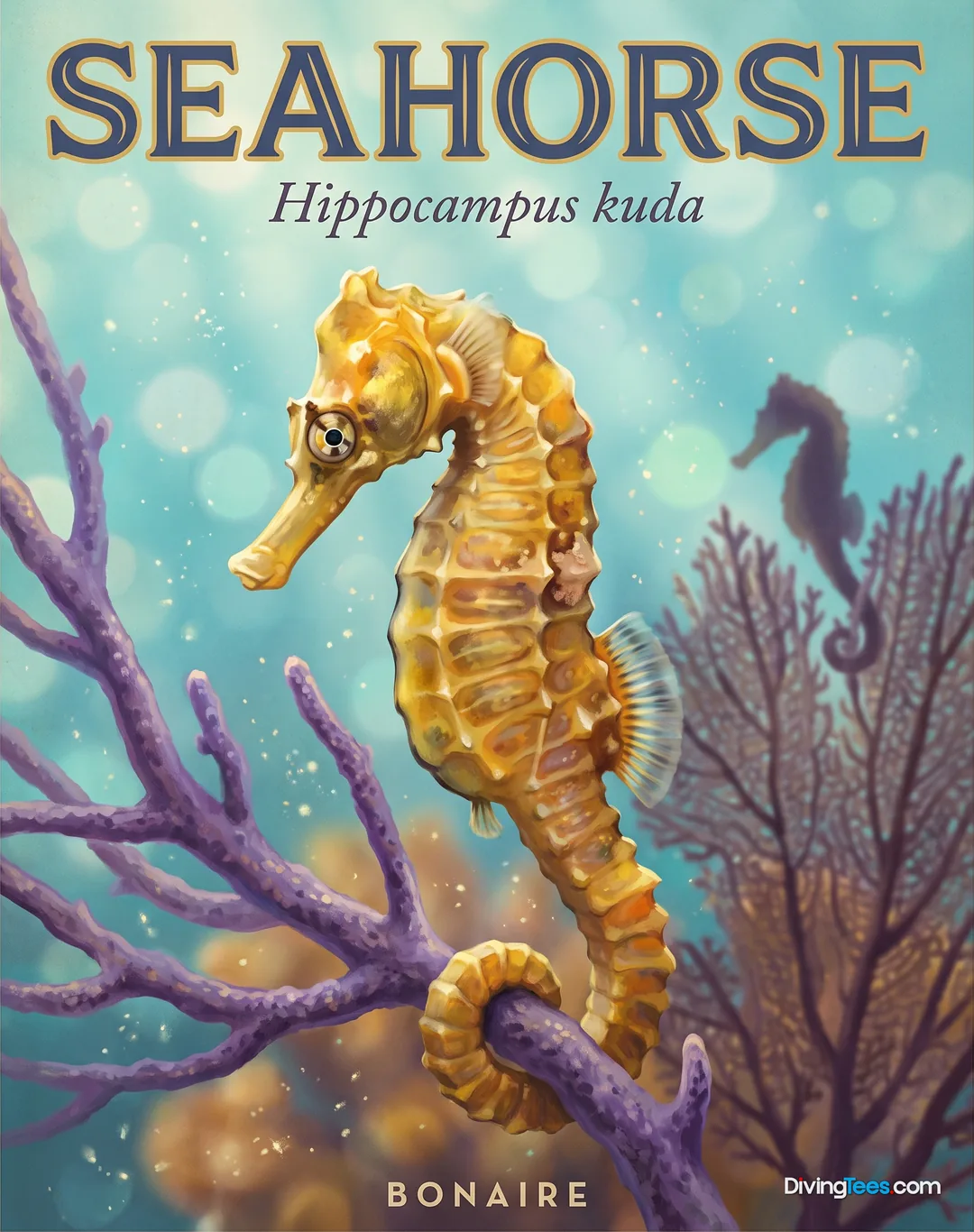
For those with an eye for the smaller things, Nemo Reef serves as a true macro haven. Its nursery areas are particularly rich, featuring pipefish (Syngnathinae), seahorses (Hippocampus), and various juvenile species preparing to join the larger reef ecosystem. Look closely among the coral and sand patches for frogfish (Antennariidae), baby squids, and the intriguing ghost pipefish (Solenostomidae), both the ornate and robust varieties. You might also spot Kuhl’s stingrays (Neotrygon kuhlii) resting on the sandy bottom, or the unique flying gurnards (Dactyloptena orientalis) extending their pectoral fins.
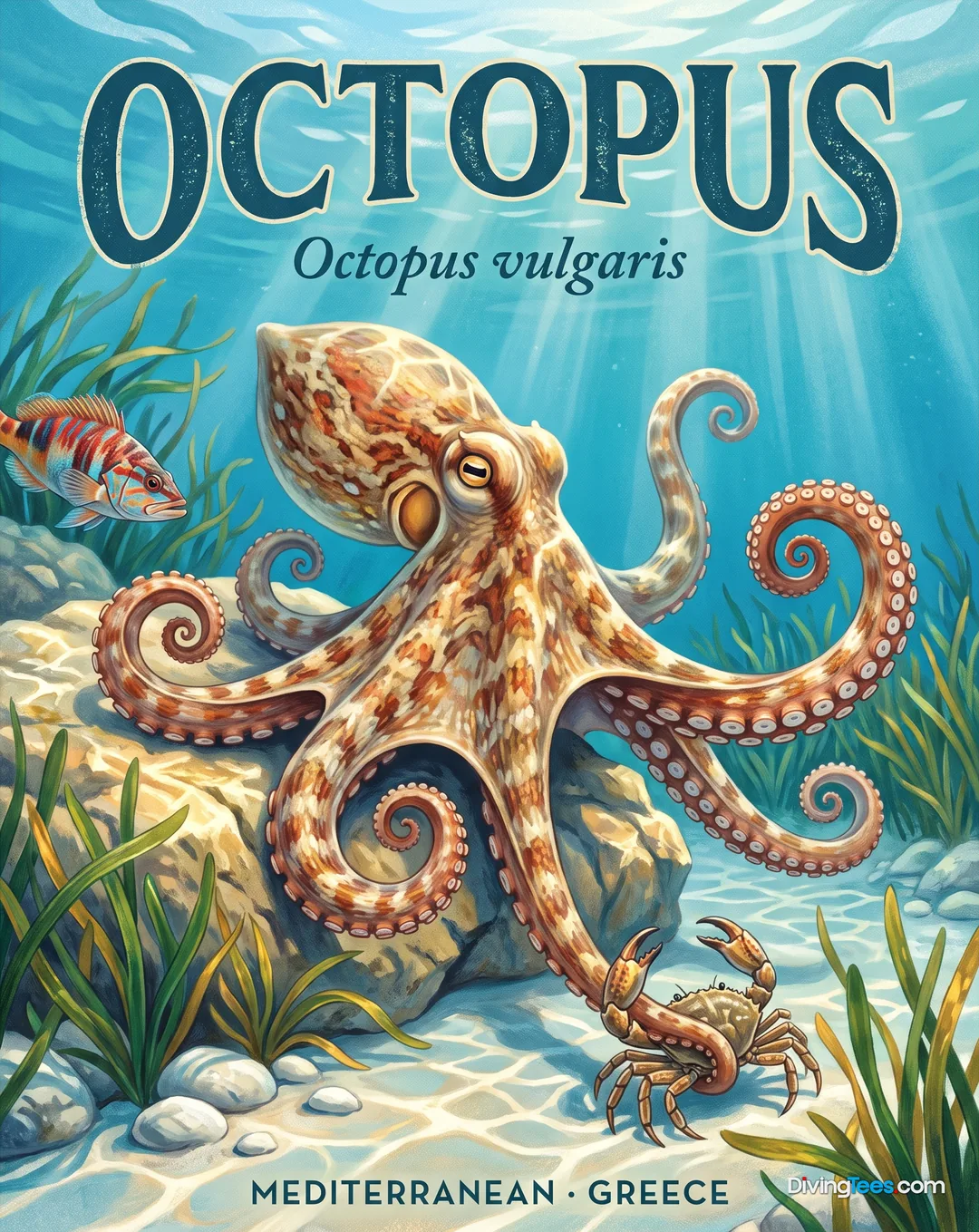
The site also hosts a range of less common encounters. You may observe banded sea kraits (Laticauda colubrina) and estuarine file snakes (Acrochordus granulatus navigating the reef, alongside various cephalopods including octopus (Octopoda) and cuttlefish (Sepiida). The quiet conditions here allow for a closer observation of these creatures, often revealing behaviours you might miss in more current-swept locations. This mix of common reef fish and distinctive macro and reptilian life creates a constantly engaging dive profile.
Visibility at Nemo Reef is consistently good, often ranging from 10 to 30 metres depending on the season, with the calmer months offering the clearest conditions. This allows for excellent light penetration through the shallow water, enhancing the vibrant colours of the corals and marine life, especially in the optimal months from November to February when biomass is at its peak. The almost non-existent current further contributes to a low-stress dive, enabling divers to take their time to explore every crevice and sandy patch without constant effort.
Nemo Reef is accessible down to 17 metres, making it suitable for all levels, including those on discovery dives. As a shore entry site with consistently calm to no current, it is particularly well-suited for beginners and offers relaxed diving even for non-swimmers. Optimal diving conditions typically run from October to May, with the clearest visibility (20-30 metres) and calmest seas experienced between December and February.
Nemo Reef is generally suitable for diving from October to May. The clearest visibility and calmest seas are typically experienced between December and February, when visibility can reach 20 to 30 metres. These conditions also provide good light through the shallow water, helping reveal the reef’s colours and marine life.
Nemo Reef suits all experience levels, including discovery divers. You enter directly from the shore through shallow water, with the initial area between 1 and 3 metres before the sandy slope leads toward the main reef. The site reaches 17 metres and is also described as suitable for non-swimmers.
Nemo Reef has a gentle shore entry and consistently calm to no current, creating a relaxed environment for your dive. The entry begins over white sand in shallow water and feels almost pool-like before continuing toward the two fringing reefs. Minimal current lets you explore without constant effort.
At Nemo Reef, you can see abundant clownfish colonies in their anemones, surgeonfish, pufferfish, parrotfish and moray eels. Look for pipefish, seahorses, frogfish, baby squids and ghost pipefish in nursery areas, along with octopus, cuttlefish and Kuhl’s stingrays. The artificial Ghost Jeep lies between 6 and 8 metres.