
Blue Corals Dive
Google 4.9/5 (2,398 reviews)
19 km away as the crow flies
Havelock · India · Indian Ocean
Max. depth · 35 mBroken Ledge offers a fascinating topography of fractured rock formations and canyons, attracting both resident reef fish and larger pelagic species.
For subtitles in English: start the video firstthen click the gearat the top right of the video, select “Subtitles/CC”, then “Auto-translate” and choose “English”.
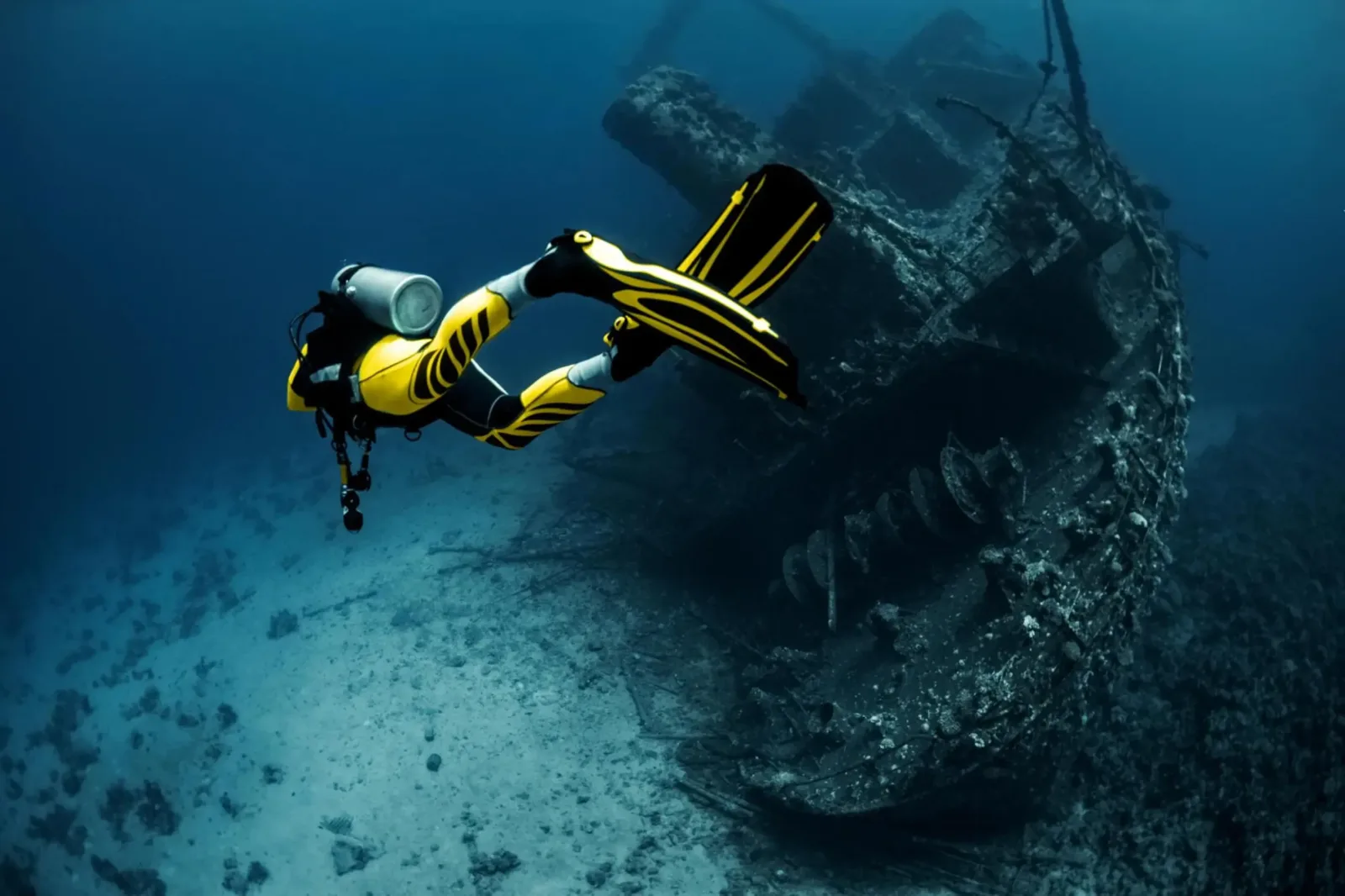
Broken Ledge is defined by its unique topography: low rock outcrops emerging from the sandy bottom, forming a complex series of broken ledges, rifts, and mini-canyons. These formations, sometimes compared to a crashed flying saucer with one side buried, create a varied terrain that promises new discoveries with each dive. The structure itself drops from 9 to 30 metres, offering different depth zones to explore, from shallower plateaus to deeper sections with more pronounced rock walls and crevices. The site was first charted in 2010.
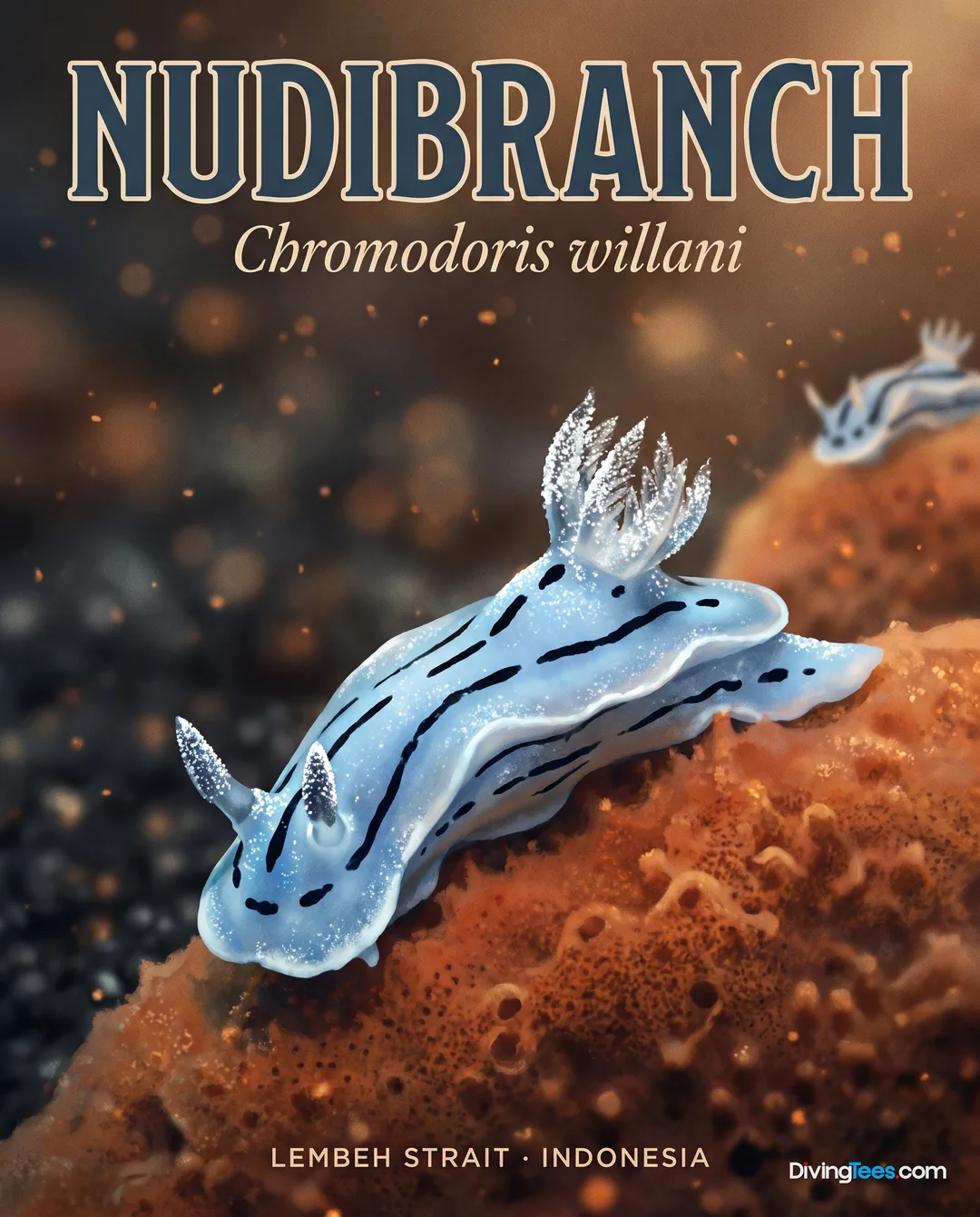
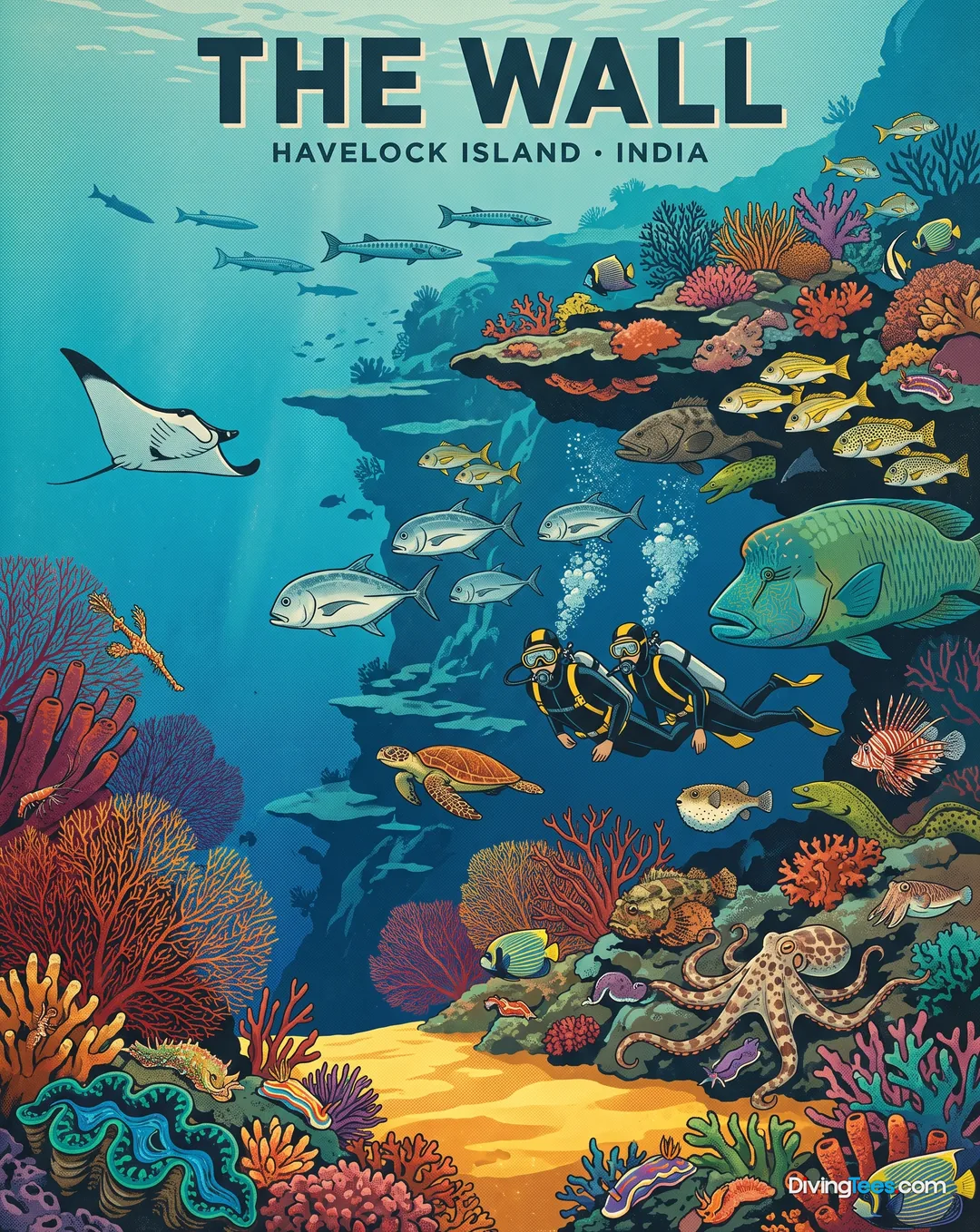
Navigating Broken Ledge often involves exploring these hidden canyons and overhangs. Within these sheltered spaces, you will discover giant moray eels (Gymnothorax javanicus) peering from their rocky hideouts, alongside other benthic life such as lobsters and shrimp. The intricate architecture of the site provides ample opportunities for close inspection, allowing you to observe the smaller inhabitants that thrive in these protected environments. Keep a close eye on the crevices, as you may also find octopus (Octopus vulgaris) and nudibranchs (Nudibranchia) tucked away.
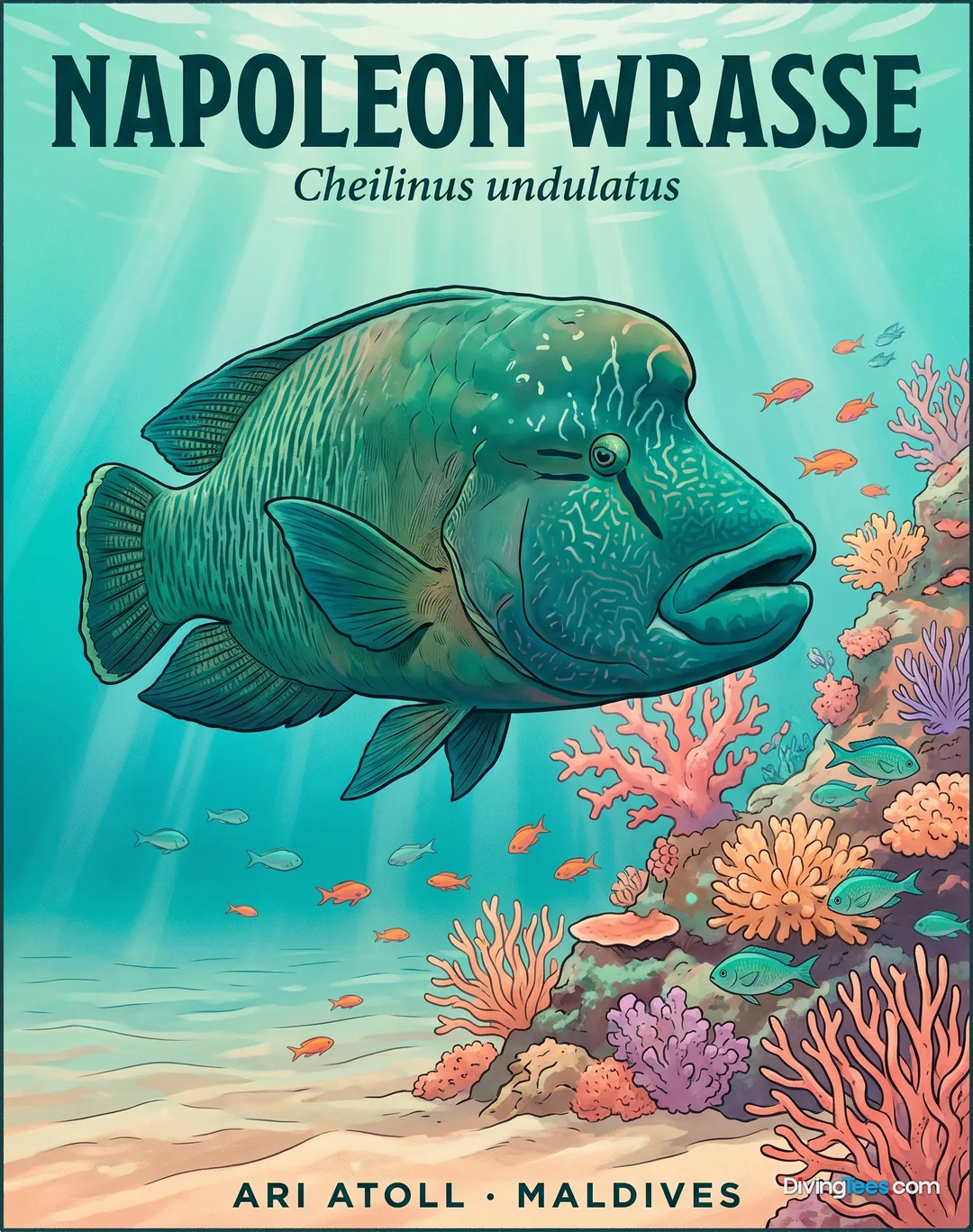
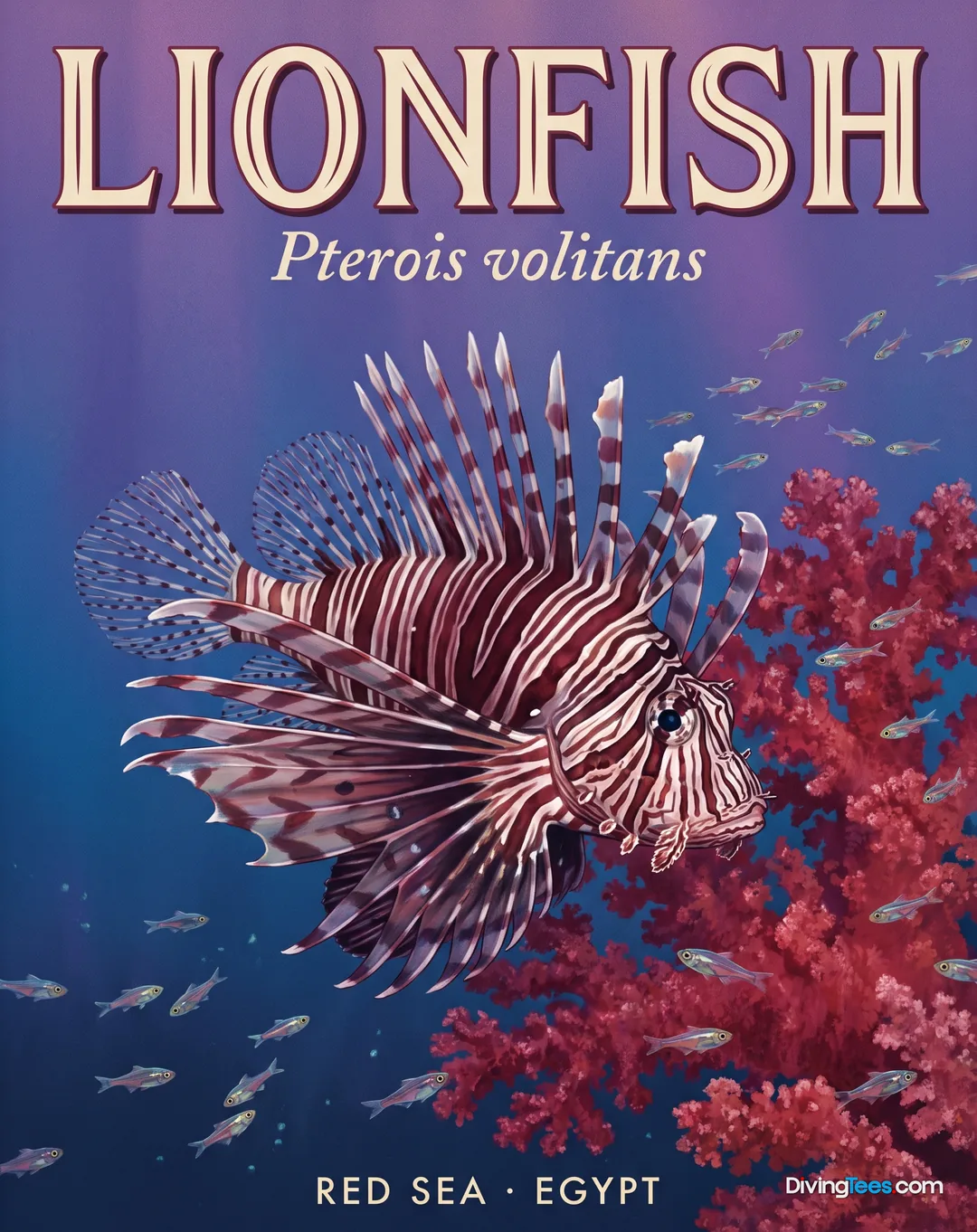
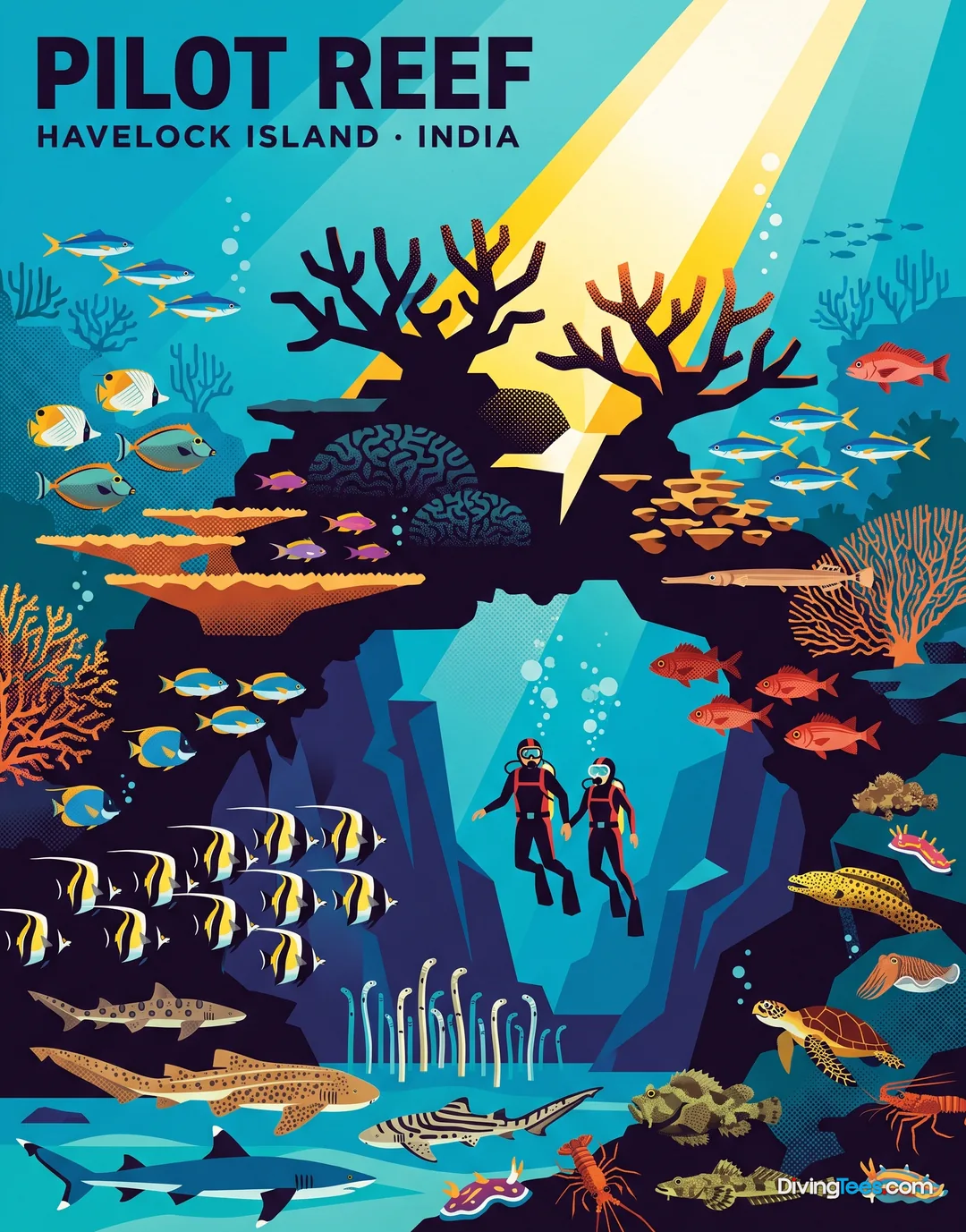
The rocky formations of Broken Ledge are teeming with an incredible density of resident reef fish. Swarming around the ledges and through the open water columns are vast schools of longfin bannerfish (Heniochus acuminatus) and snappers (Lutjanidae). You'll also encounter the distinct patterns of marbled groupers (Epinephelus merra), lionfish (Pterois miles), and large Napoleon wrasses (Cheilinus undulatus) moving gracefully across the reef. These populations form a vibrant backdrop to the more transient visitors.
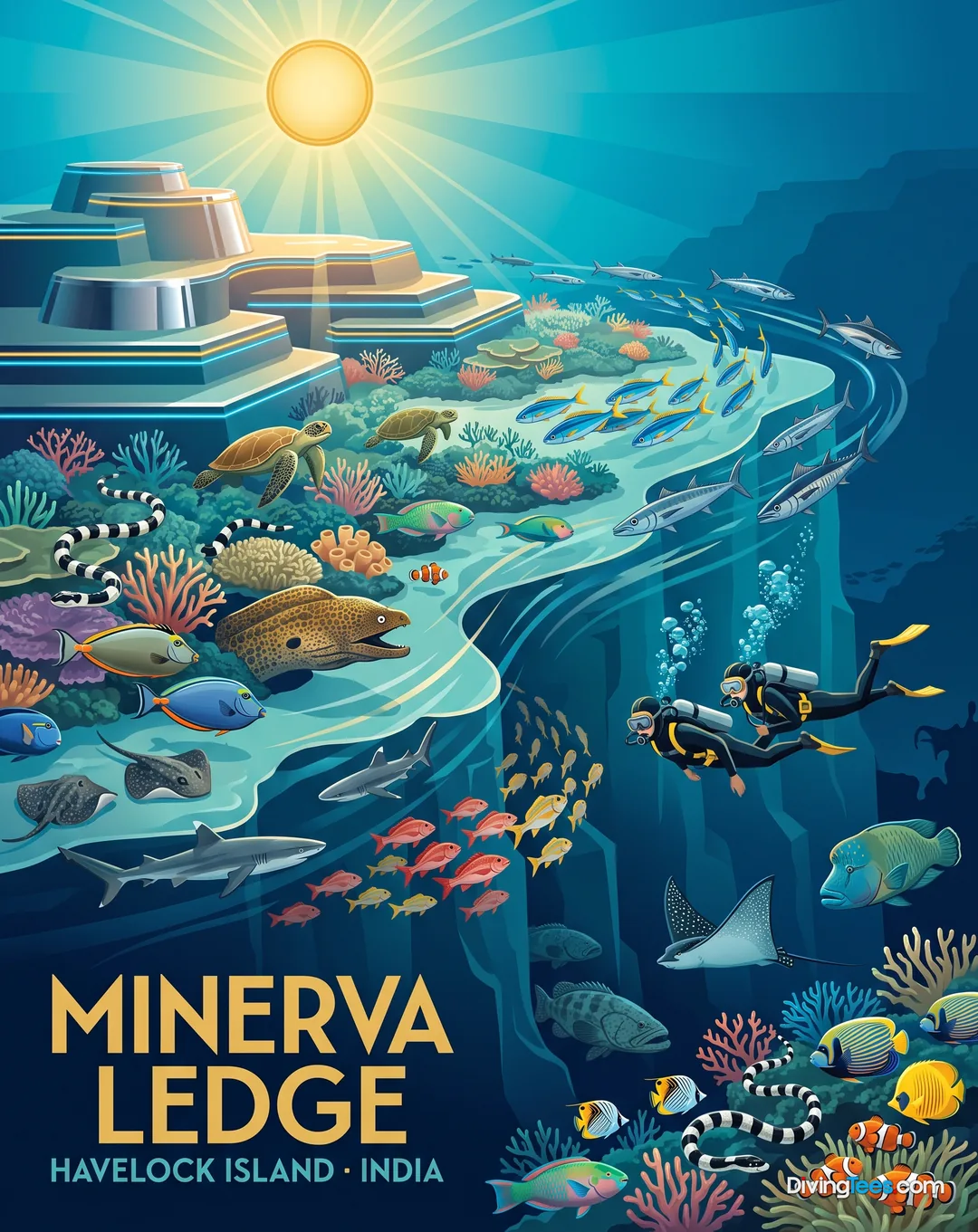
Beyond the immediate reef life, Broken Ledge is a known location for pelagic encounters. White-tip reef sharks (Triaenodon obesus) are frequently spotted patrolling the deeper sections of the site, often resting on the sandy bottom or cruising along the reef edge. Large schooling fish, including dogtooth tuna (Gymnosarda unicolor) and yellowfin tuna (Thunnus albacares), are regular visitors, indicating the site's connection to deeper, open-ocean currents. These encounters add a dynamic element to the dive, encouraging regular scanning into the blue.
You can also expect to encounter larger rays at Broken Ledge. Marbled rays (Taeniura meyeni) are sighted here, often gliding along the sandy stretches adjacent to the main reef structure. During the season from November to May, manta rays (Mobula birostris) are known to visit, passing by the ledges, making for impressive moments in the blue. Keep an eye out for these graceful giants as you explore, especially away from the immediate rock formations.
Sea turtles (Cheloniidae) are a consistent presence at Broken Ledge, often seen navigating the rifts and gaps within the rocky terrain. Their calm demeanor allows for observational approaches, and you might spot them foraging amongst the corals or resting in sheltered spots. Sea kraits (Laticauda colubrina) also make an appearance, particularly exploring the cracks and deeper crevices of the ledges, adding another dimension to the site’s diverse ecosystem.
Broken Ledge is accessible for Open Water Divers, with the majority of the site ranging from 9 to 25 metres. However, some sections extend down to 30 metres, making it more comprehensively explored by Advanced Open Water Divers or those with similar experience, particularly given the potential for moderate currents. While generally calm, currents can pick up to moderate levels. The best diving season is from October to May, with November to February offering optimal underwater visibility.
You can dive Broken Ledge from October to May. Underwater visibility is considered optimal from November to February. Manta rays are known to visit during the season from November to May, so this period may add the possibility of seeing them while exploring the ledges, sandy stretches, and open water.
Broken Ledge is accessible to Open Water Divers, with most of the site between 9 and 25 metres. Some sections reach 30 metres, so Advanced Open Water Divers or divers with similar experience can explore the deeper areas more comprehensively. The site’s structure drops from shallow plateaus to deeper rock walls.
Broken Ledge is generally calm, but currents can increase to moderate levels. You should be prepared for changing conditions while moving around the broken ledges, rifts, mini-canyons, and deeper reef edges. These currents also connect the site with open water, where dogtooth tuna, yellowfin tuna, and white-tip reef sharks may appear.
At Broken Ledge, you can explore canyons, overhangs, and crevices containing giant moray eels, lobsters, shrimp, octopus, and nudibranchs. Schools of bannerfish and snappers surround the reef, while turtles, sea kraits, marbled rays, white-tip reef sharks, tuna, and seasonal manta rays add larger encounters around the formations and sandy bottom.