
Blue Corals Dive
Google 4.9/5 (2,398 reviews)
21 km away as the crow flies
Havelock · India · Indian Ocean
Max. depth · 36 mJackson's Bar is a prominent rock formation in Havelock, drawing pelagic species and challenging divers with its consistent, strong currents.
For subtitles in English: start the video firstthen click the gearat the top right of the video, select “Subtitles/CC”, then “Auto-translate” and choose “English”.
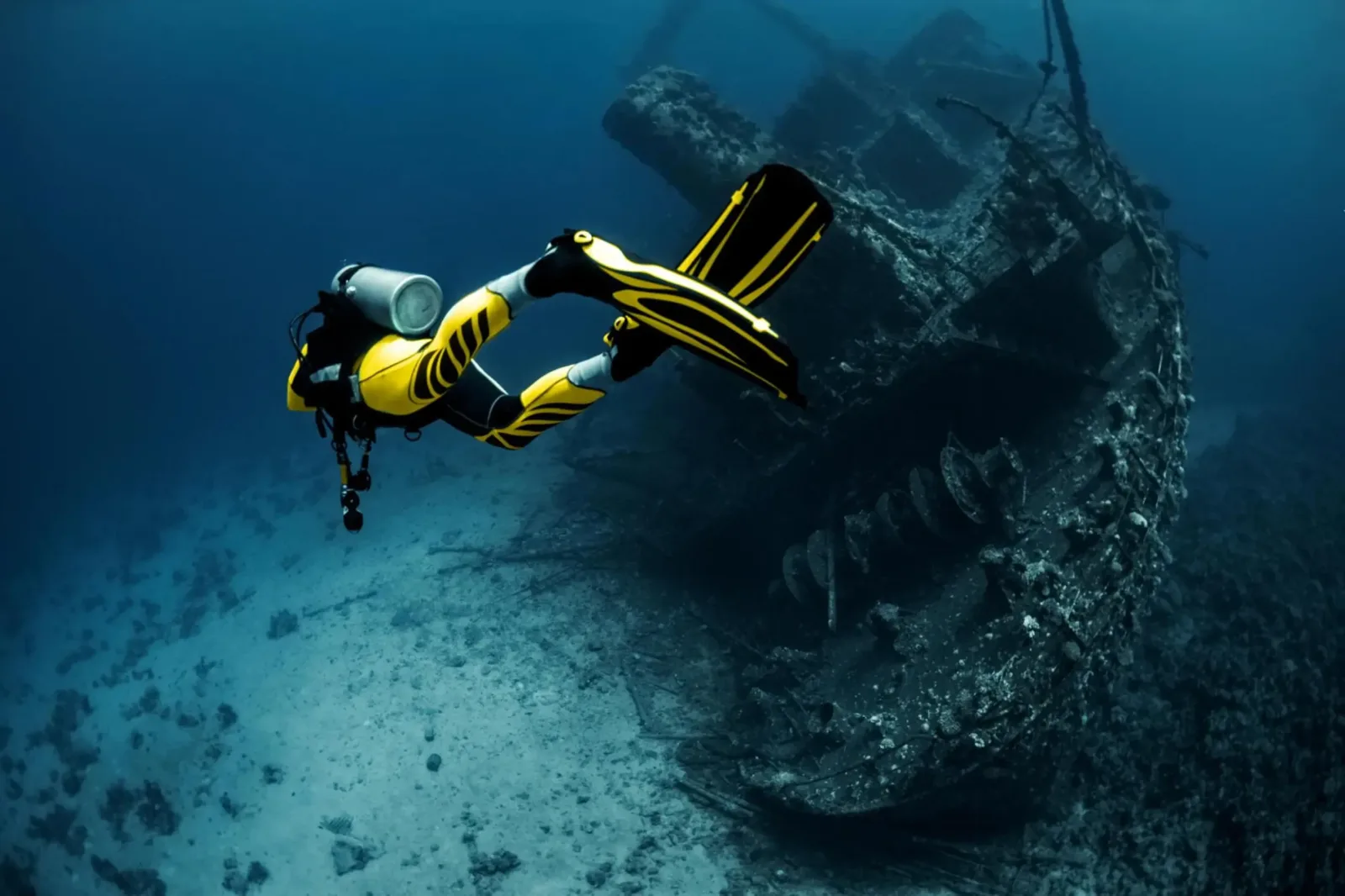
Jackson’s Bar presents as a substantial rocky reef, extending horizontally and then sloping down to a sandy bottom that sits around the 20 to 30-metre mark. From this sand, a prominent rock band rises, defining the site’s topography. You’ll find dramatic soft corals and large barrel sponges adhering to the surfaces, especially in areas sheltered from the direct force of the water movement. The interplay of this structure and the regular strong currents creates an environment rich in nutrients and diverse marine life, making the site feel alive from the moment you descend.
The dive profile at Jackson’s Bar usually starts with a descent onto the upper sections of this rocky shelf, where the depth averages around 25 metres. As you move along the structure, the rock band protrudes further from the sea bed into the 30-metre range, creating ledges and overhangs. These features offer refuge for various species and provide a base for observation as the stronger currents often dictate a drift along the site. Maintaining positional awareness and depth control is paramount here, especially when navigating around the more exposed rock faces.
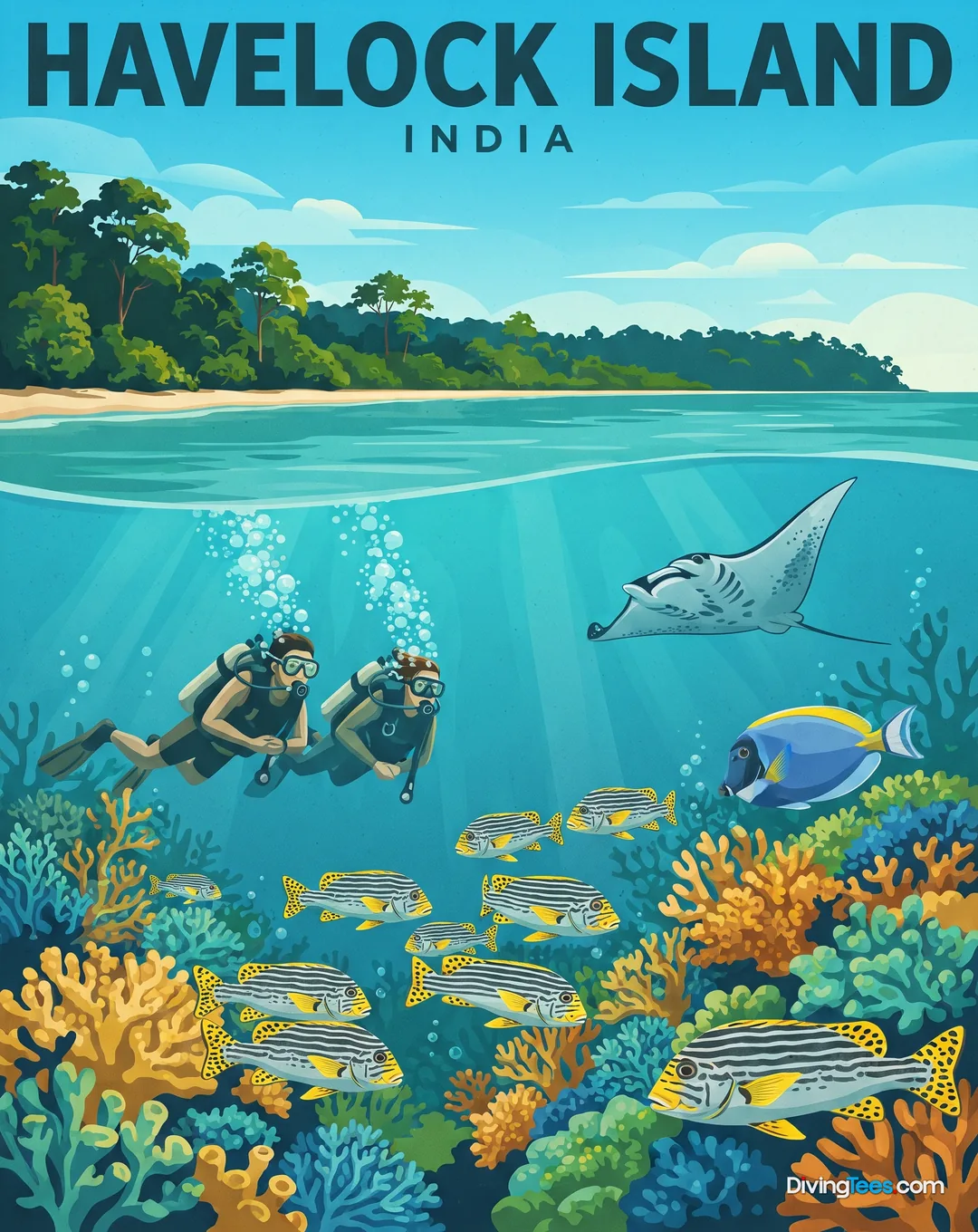
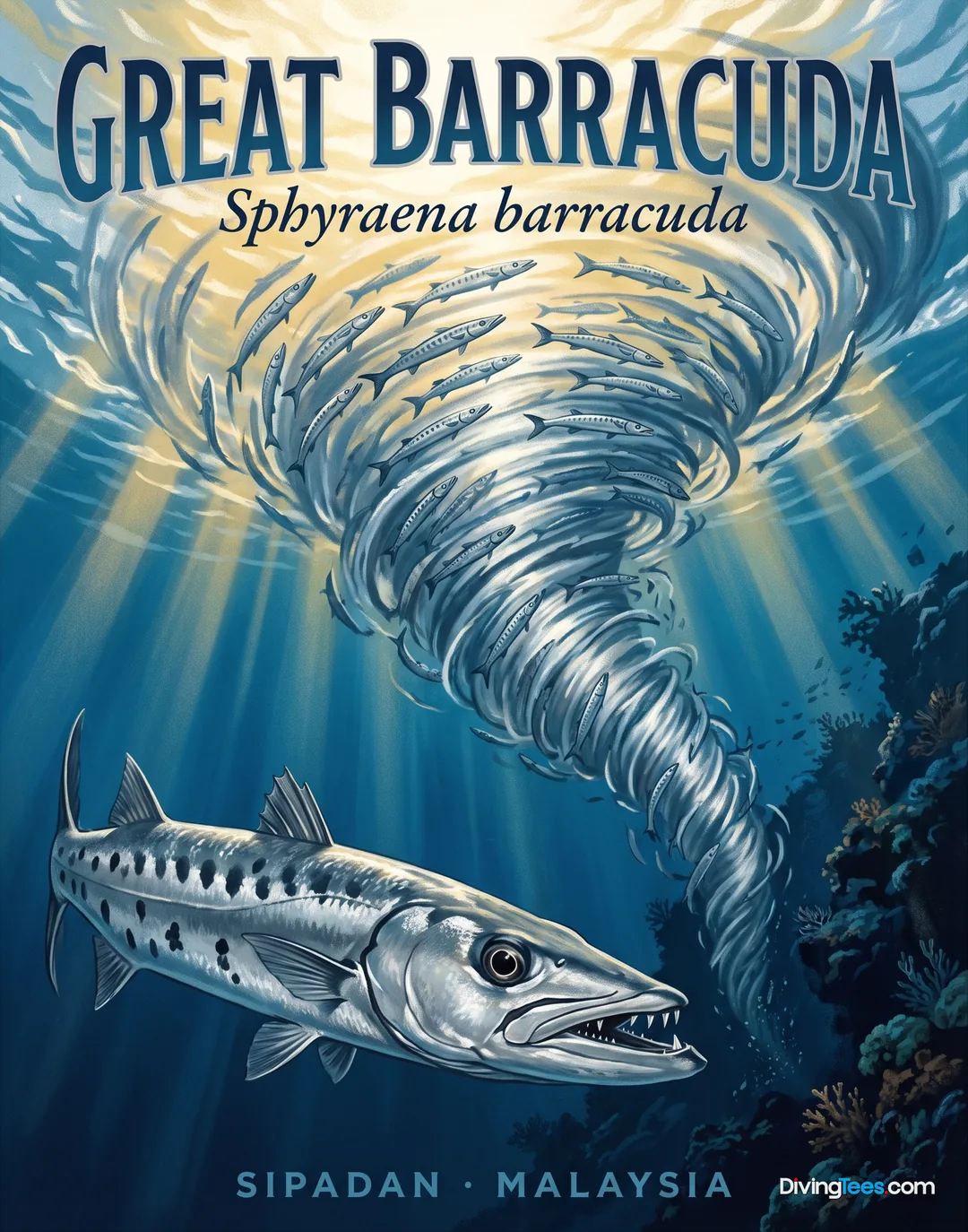
The constant, strong currents are a defining characteristic of Jackson’s Bar and are the primary reason for the aggregation of pelagic species. Schools of Bengal snapper (Lutjanus bengalensis) often form dense clouds against the current, and you’ll regularly see fusiliers (Caesionidae) and sweetlips (Plectorhinchus spp.) moving through the water column. Thuna and barracuda pass by in the open water, keeping pace with the flow, while larger groupers often station themselves closer to the bottom, using the rocky outcrops for cover as they hunt.
Below the 25-metre mark, near the bottom, giant potato groupers (Epinephelus tukula) are often encountered, surveying their territory from sheltered positions. The overhangs and crevices within the rock formation provide excellent habitat for a range of smaller, more sedentary creatures. Here, you might spot Java morays (Gymnothorax javanicus) peering from their lairs or observe ringed sea snakes (Laticauda colubrina) twisting through the coral, undisturbed by the sweeping currents above.
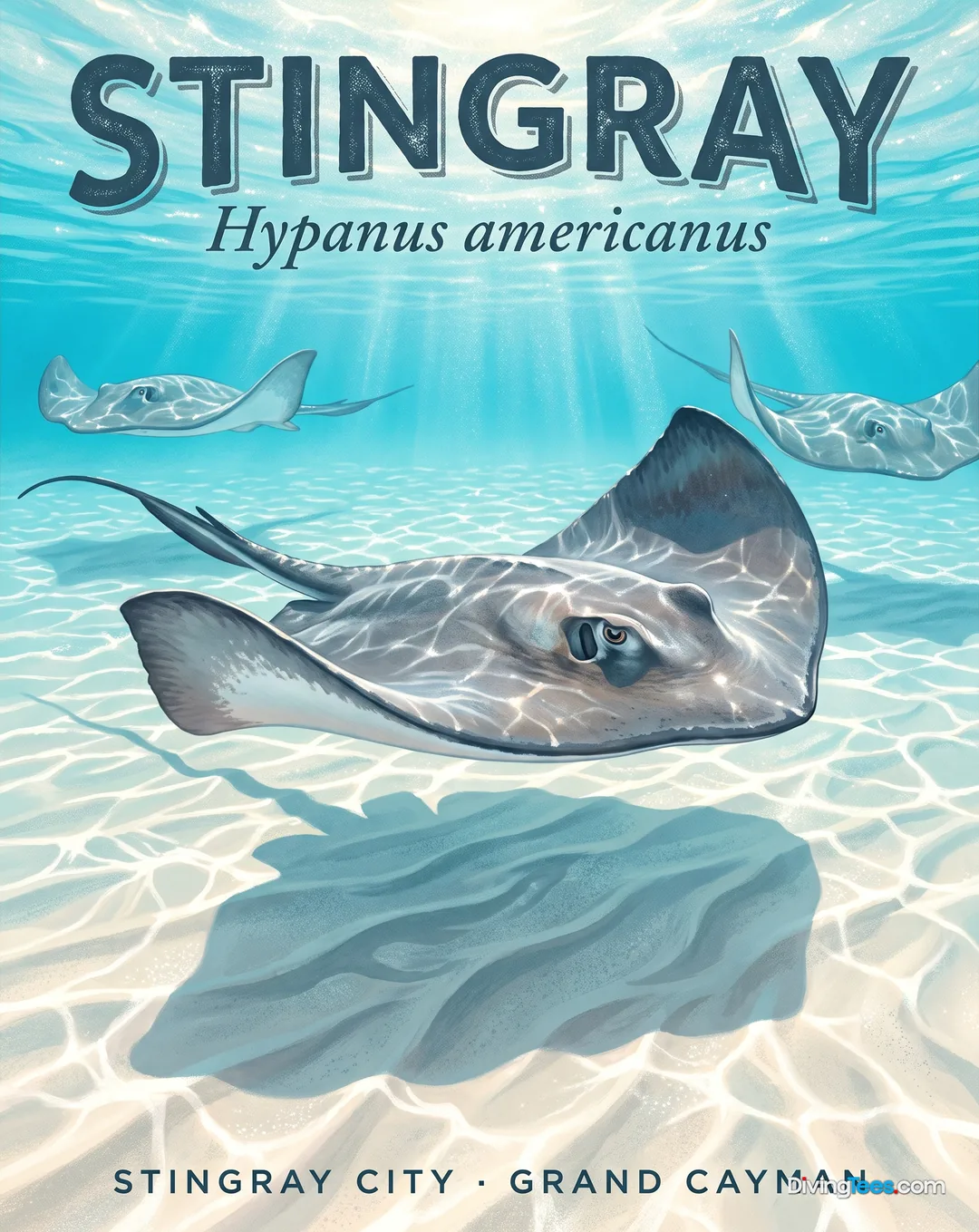
Beyond the schooling fish, Jackson’s Bar is a known magnet for larger marine visitors. Eagle rays (Aetobatus narinari) and stingrays can be seen gliding gracefully over the flatter rocky sections, often foraging for food. During the seasonal window from November to May, manta rays (Manta birostris) are also known to frequent the site, alongside white-tip reef sharks (Triaenodon obesus), which might approach the cleaning stations dotting the reef. These encounters underscore the site's importance as a dynamic oceanic outpost.
The conditions at Jackson’s Bar, particularly the strong currents, necessitate careful dive planning. Your approach will often be dictated by the direction and strength of the flow, with an emphasis on safe entry and exit procedures. The light penetration at 20-30 metres remains good, highlighting the vibrant colours of the soft corals and sponges. This consistent water movement ensures a healthy, nutrient-rich environment, supporting the extensive food web that thrives here.
What sets Jackson's Bar apart is its reputation as a consistent pelagic draw, a direct consequence of its offshore location and the strong currents that scour the site. Unlike more sheltered reefs, the exposed nature of this rock band acts as a natural aggregation point for larger species moving through the Andaman Sea. This makes it a site where the focus shifts from intricate reef details to the grander spectacle of oceanic life, provided you're comfortable managing the elements.
Diving Jackson’s Bar requires an Advanced Open Water certification, with practical experience in strong currents being crucial. Depths typically run from 20 metres down to 30 metres. You should expect strong currents continuously at this site, a primary factor in its rich pelagic life. Visibility is generally good year-round, with the best diving conditions, including higher chances of encountering seasonal pelagics, observed from November to May.
You can dive Jackson’s Bar year-round, with generally good visibility. From November to May, conditions include higher chances of encountering seasonal pelagics, including manta rays. This period is also associated with seasonal visits from white-tip reef sharks, while the site’s strong currents remain a defining feature throughout the year.
You need an Advanced Open Water certification to dive Jackson’s Bar. Practical experience in strong currents is crucial because the site has continuous, strong water movement. Careful dive planning, safe entry and exit procedures, positional awareness, and depth control are important while navigating its exposed rocky structure and drift conditions.
Jackson’s Bar generally ranges from 20 to 30 metres, with the site extending to 36 metres. The dive commonly begins around 25 metres, while rock bands, ledges, and overhangs reach into the 30-metre range. You should expect continuous, strong currents that may dictate a drift along the reef.
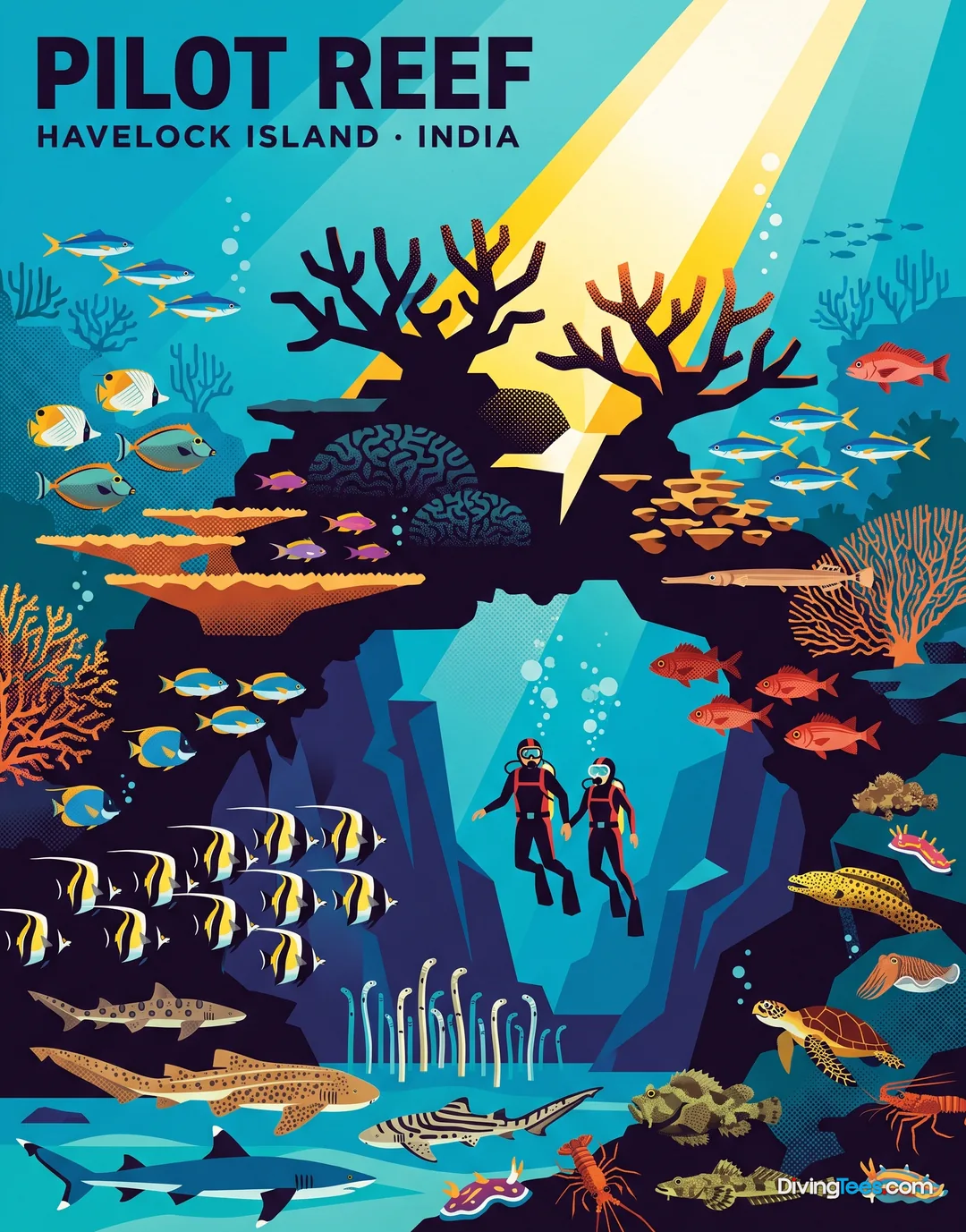
At Jackson’s Bar, you can see dense schools of snapper, fusiliers, and sweetlips, along with thuna, barracuda, eagle rays, stingrays, giant potato groupers, moray eels, soft corals, and barrel sponges. From November to May, seasonal manta rays may visit, and white-tip reef sharks may approach reef cleaning stations.