

The Dive Master
Google 4.9/5 (3,632 reviews)
20 km away as the crow flies
Havelock · India · Indian Ocean
Max. depth · 50 mDescend along the distinct white-polyped black coral walls of White House Rock, where pelagic hunters patrol the depths and barracudas chase fusiliers.
For subtitles in English: start the video firstthen click the gearat the top right of the video, select “Subtitles/CC”, then “Auto-translate” and choose “English”.
White House Rock stands as a substantial underwater formation, rising from the seabed to near the surface. The site is a large block of hard corals that create a striking visual contrast, particularly from the distinct black corals covered in glimmering snow-white polyps. As you approach, the sheer scale of the rock becomes clear, presenting a complex topography that invites exploration along its varied contours and depths.
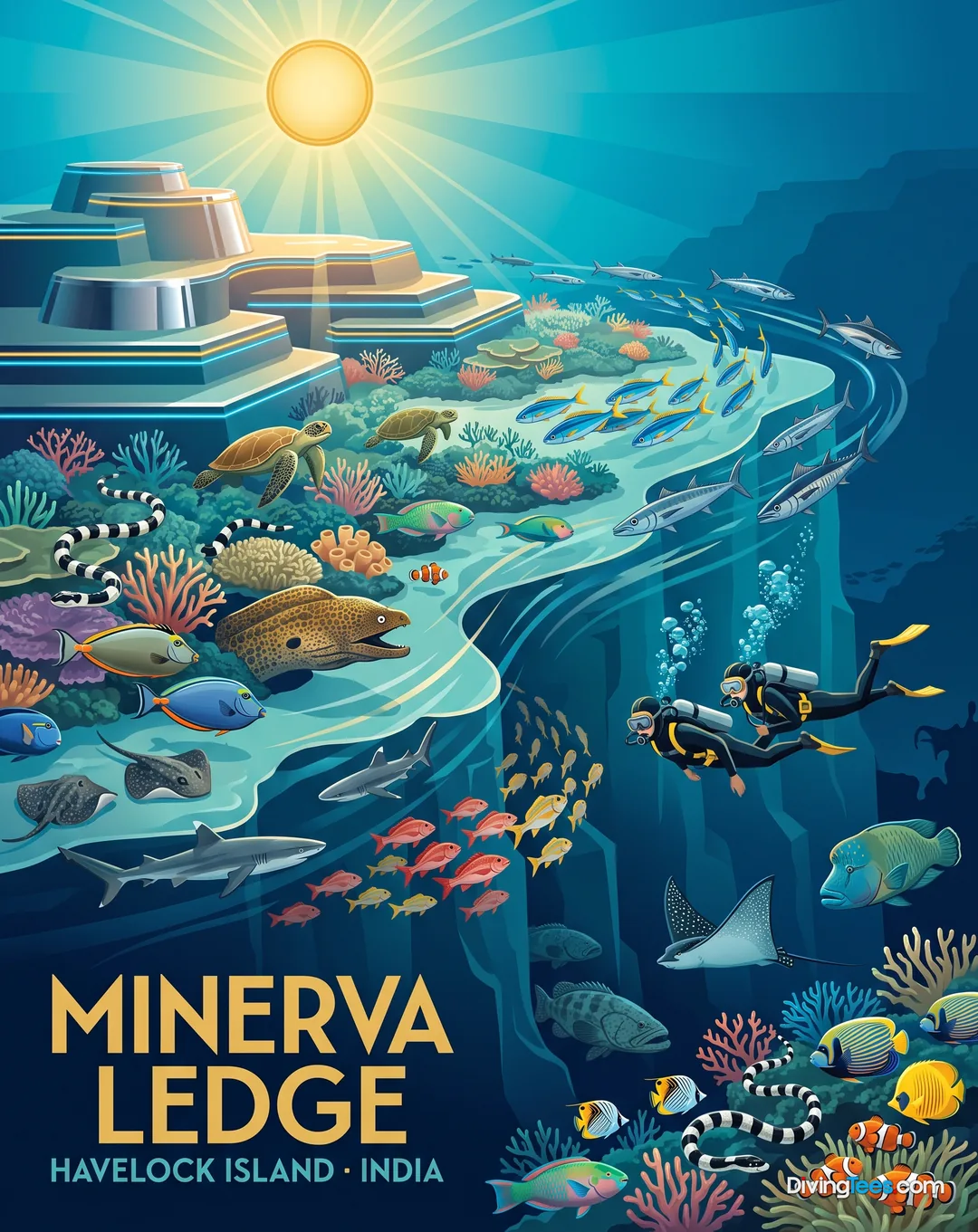
The dive profile for White House Rock offers a descent along both a vertical wall and a more gradual slope. On one side, a straight drop-off plunges from 10 metres down to 50 metres, providing a dramatic deep wall experience. The other side unfolds as a 60-degree slope, adorned with gorgonian fans, inviting a different pace of exploration where you can meander through coral gardens and observe reef inhabitants.
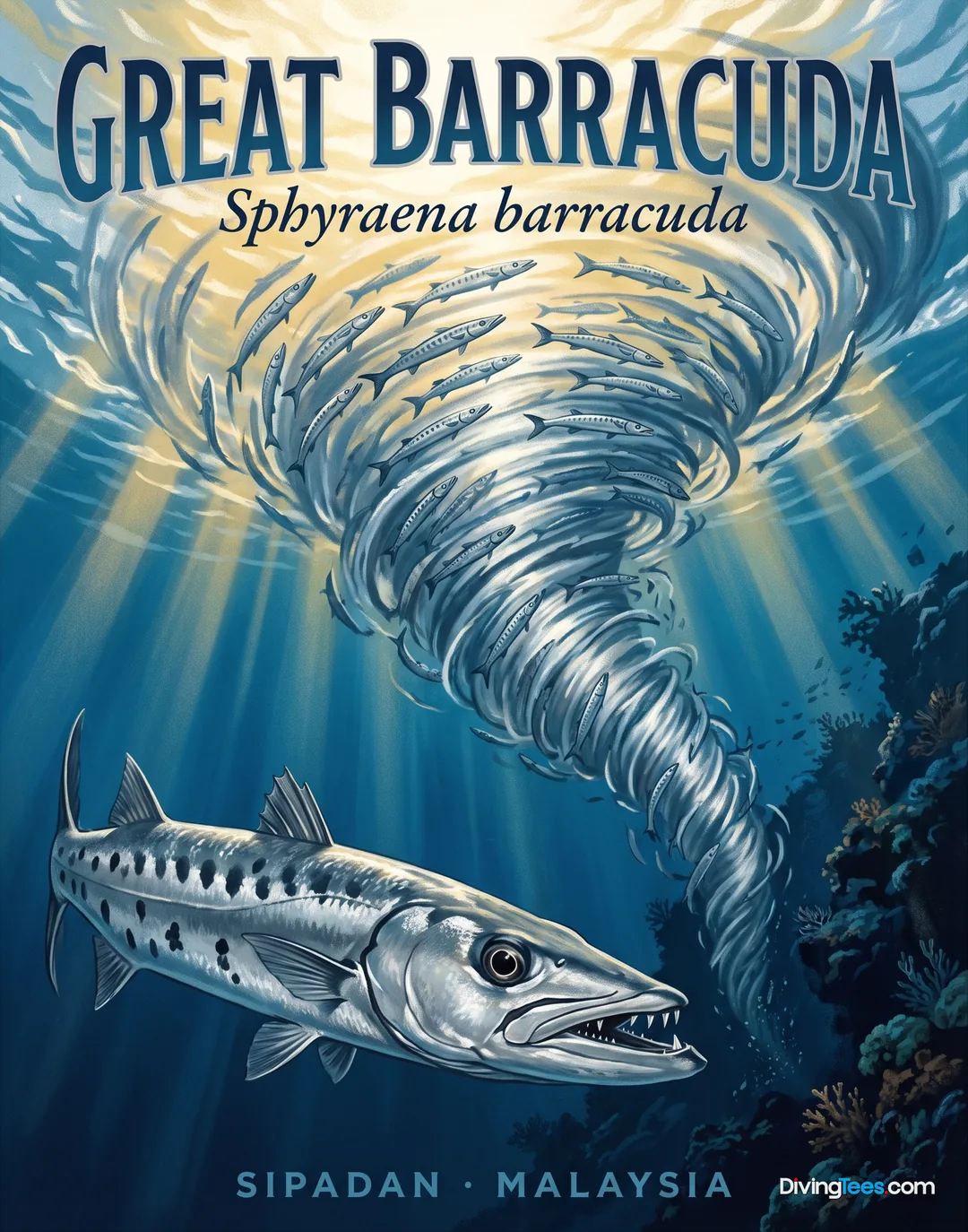
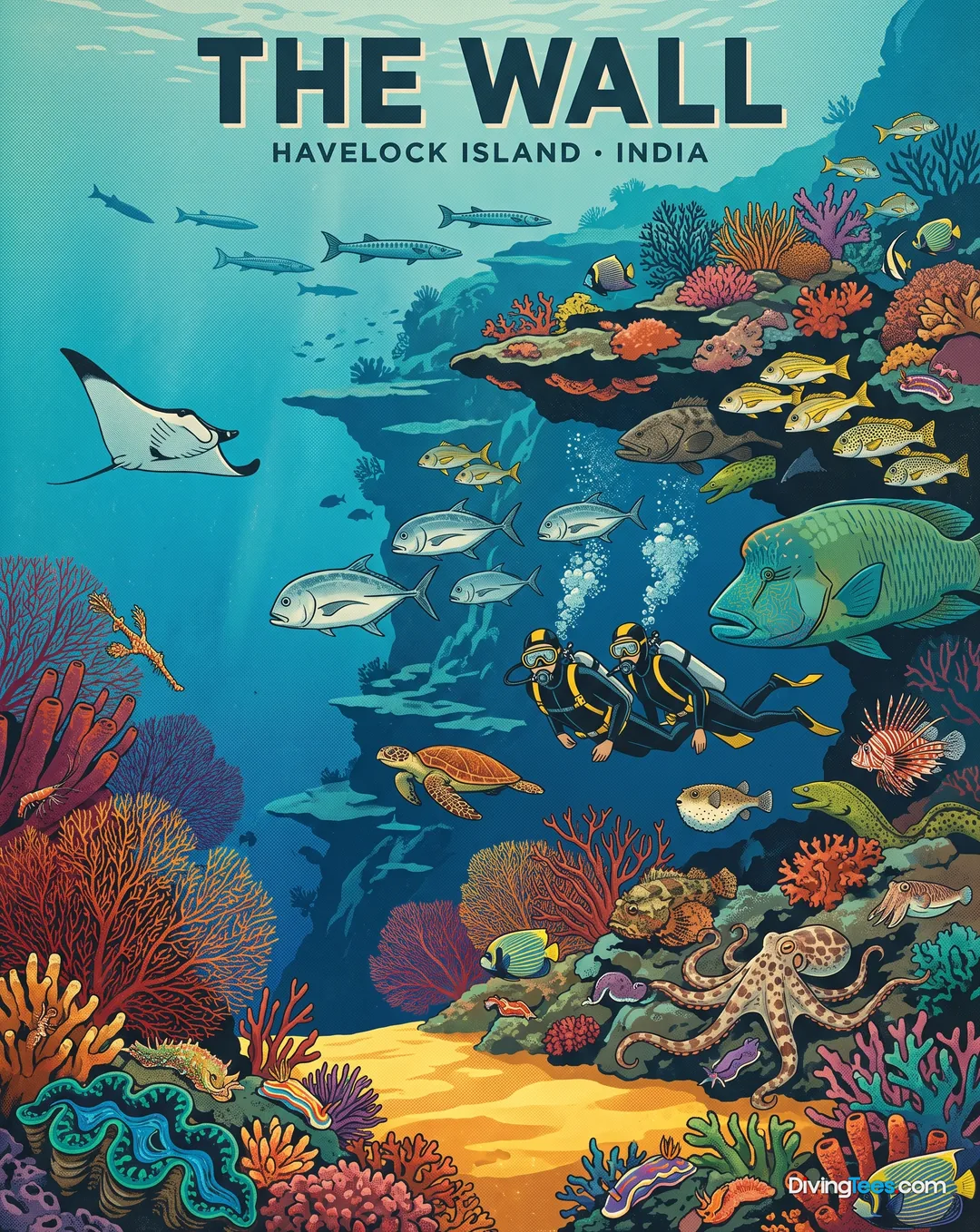
Throughout the site, you'll encounter a rich biomass of fish. Schools of barracudas and fusiliers are common sights, often engaged in active hunting scenes. Snapper and sweetlips congregate in the area, offering a constant backdrop of vibrant reef activity. Observing these interactions, like trevallies chasing fusiliers, gives you a clear sense of the food chain in action right before your eyes.
Sharks are frequent visitors to White House Rock, adding a significant pelagic element to the dive. Reef sharks, including reef sharks (Carcharhinus amblyrhynchos) and white tip reef sharks (Triaenodon obesus), cruise the deeper sections. These encounters are a consistent feature of a dive here, reinforcing the site's reputation as a location for larger marine life.
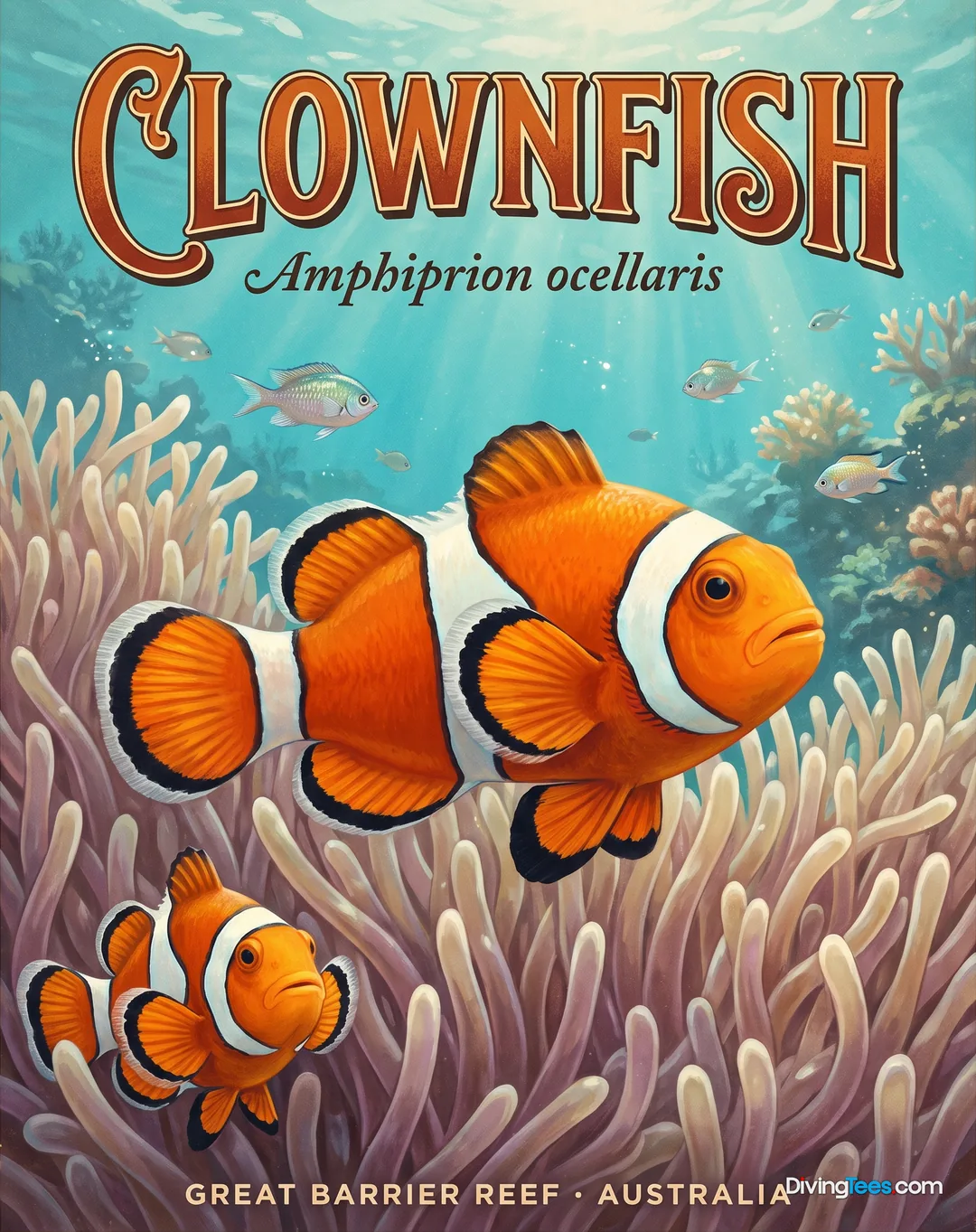
Beyond the pelagics, the rock formation itself is home to a variety of resident species. Scorpionfish excel at camouflage among the intricate coral structures, requiring a keen eye to spot them. Anemones host clownfish, while moray eels can be found tucked into crevices, and sea turtles are seen navigating the reef. The density of marine species here makes every part of the dive rewarding.
The distinctive white coral growth, which is actually black coral supporting a dense cover of white polyps, defines much of the topography. This unique coral cover creates an environment that shelters a wide array of smaller creatures and provides a breeding ground for many fish species. The interplay of light on these corals as you descend adds an aesthetic depth to the exploration.
While currents can be strong at White House Rock, particularly on tide changes, they also contribute to the site’s vitality, bringing nutrients that support such a dense ecosystem. These currents also explain the frequent encounters with pelagic species, as the flow attracts predatory fish. Understanding how the current behaves here is key to planning your dive and appreciating the abundance it sustains.
White House Rock is a deep dive, with maximum depths reaching 50 metres. It is classified as an advanced dive, suitable for experienced divers. Visibility is consistently clear, typically reaching 20 to 30 metres. Current can be strong, requiring careful management; divers should be comfortable with dynamic conditions. The optimal period for diving here is from October to May, offering the calmest seas and most consistent conditions.
You can dive White House Rock from October to May, when the seas are calmest and conditions are most consistent. Visibility is typically clear at 20 to 30 metres during this period. Planning your visit within these months gives you the stated seasonal conditions for exploring the formation and its marine life.
White House Rock is classified as an advanced dive for experienced divers. You should be comfortable with dynamic conditions and able to manage potentially strong current. The site combines a deep profile with a vertical wall and a gradual slope, so it calls for confident, careful diving rather than a beginner approach.
White House Rock ranges from 8 to 50 metres, with a wall dropping from 10 metres to 50 metres and another side forming a 60-degree slope. Currents can be strong, particularly during tide changes, so you should be comfortable managing flow while exploring its varied depths and contours.
At White House Rock, you can see black coral covered with bright white polyps, gorgonian fans, reef sharks and white tip reef sharks. Schools of barracudas and fusiliers may be hunting, alongside snapper, sweetlips, sea turtles, moray eels, scorpionfish, clownfish and other reef inhabitants.