
Scuba Nosy Be
Google 4.8/5 (195 reviews)
13 km away as the crow flies
Nosy Be · Madagascar · Indian Ocean
Max. depth · 24 mNavigate three distinct arches carved into a coral pinnacle, leading to a vibrant plateau teeming with life off Nosy Sakatia.
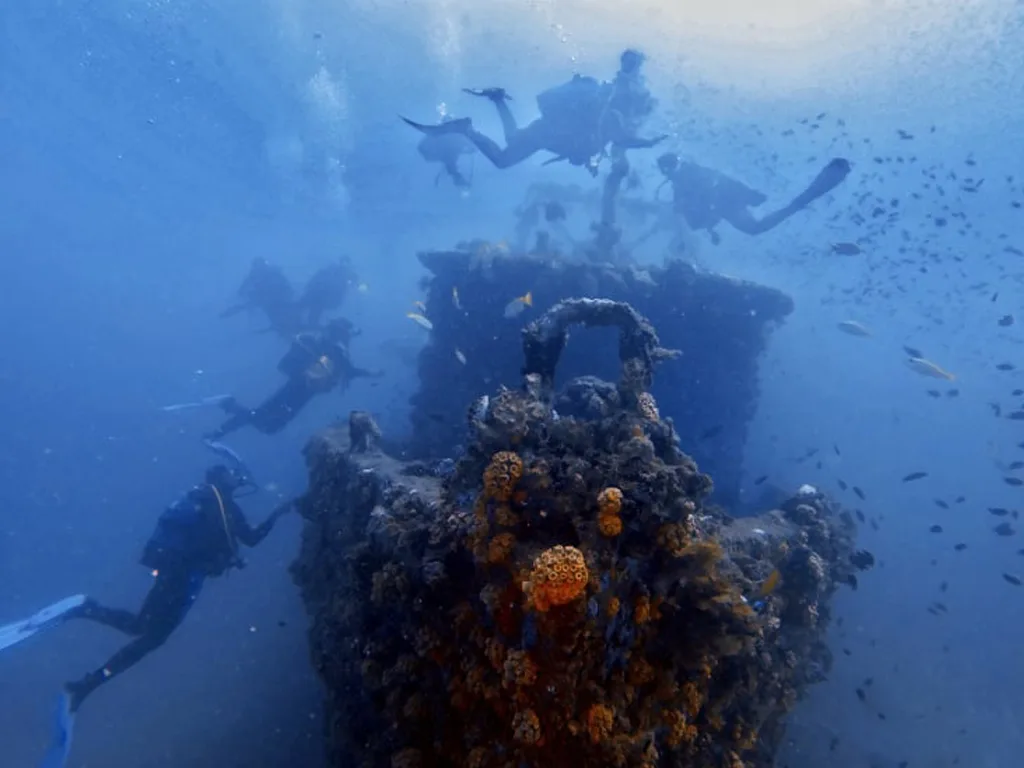
Approaching The Sakatia Arches, you'll find a substantial coral pinnacle rising from a flat sandy bottom at approximately 27 metres. The main structure forms a striking base, with its summit reaching up to 18 metres. This natural formation, located west of Nosy Sakatia, serves as a clear reference point throughout your dive, guiding your exploration of its unique features. The site's topography includes extensive coral formations, sponges, and large gorgonians, creating a complex and rich environment.
The defining characteristic of this site, as its name suggests, are the three distinct arches carved into the rock. These natural gateways invite you to pass through, offering a sense of architectural grandeur underwater. Each arch presents a unique passage, leading you deeper into the pinnacle's structure and providing excellent opportunities for framing photographs. Beyond their aesthetic appeal, these arches also create sheltered passages and hiding spots for various reef inhabitants.
Beyond the arches, the dive opens up to a vibrant plateau, which begins at 15 metres and rises to a minimum depth of 13 metres. This shallower area contrasts with the deeper sections, bathed in more ambient light and often bustling with activity. Moving between the shadowy arches and the well-lit plateau allows for a varied dive profile, showcasing different faunal assemblages and light conditions across the site. This transition highlights the diverse ecosystems supported by the pinnacle.
The varied depths and structures at The Sakatia Arches create ideal conditions for underwater photography. You can frame wide-angle shots within the arches, capture the vibrant colours of the plateau, or focus on the intricate details of the macrofauna found throughout the formation. The interplay of light and shadow, combined with the rich coral growth and diverse marine life, offers both wide-angle and macro potential, appealing to photographers of all levels.
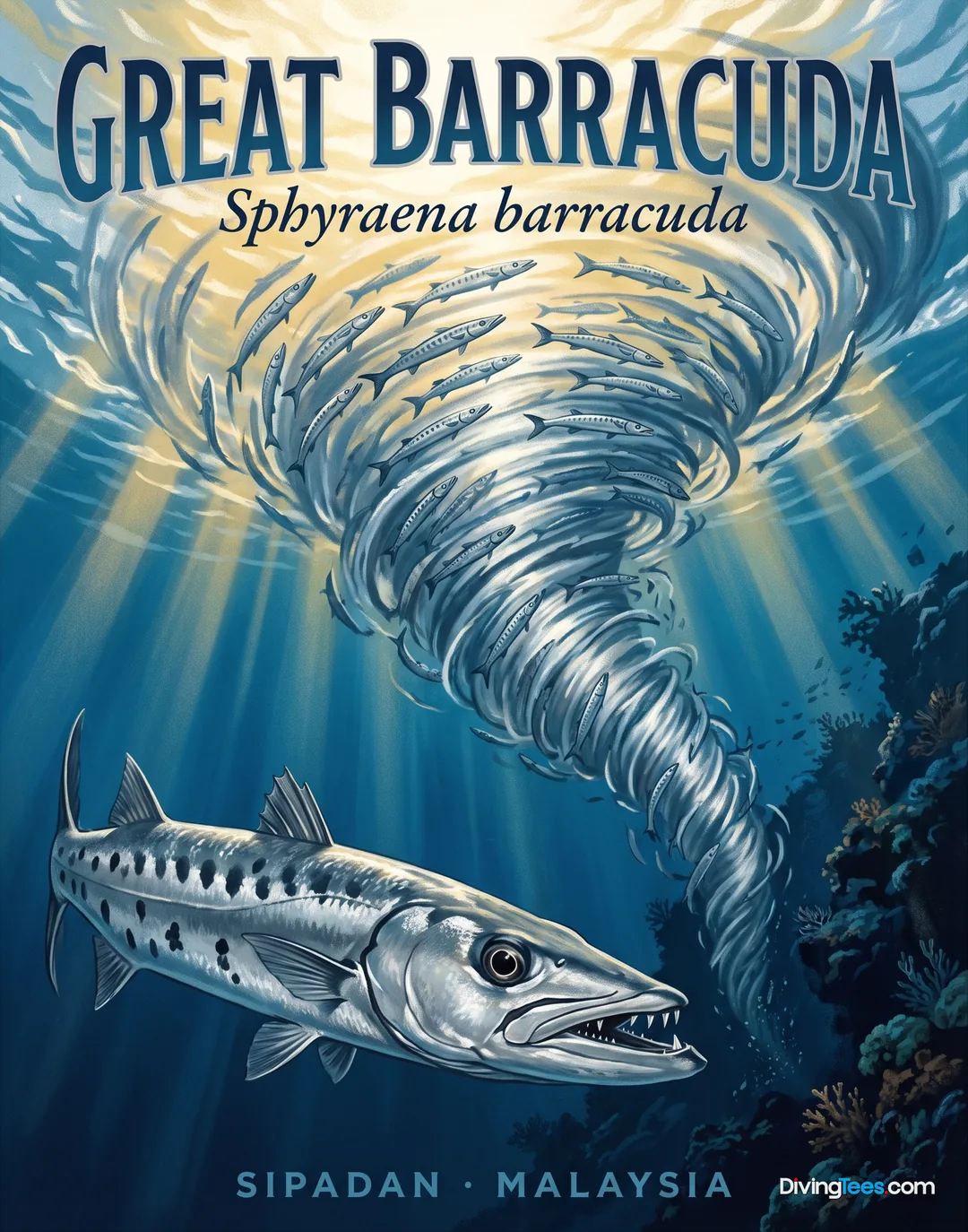
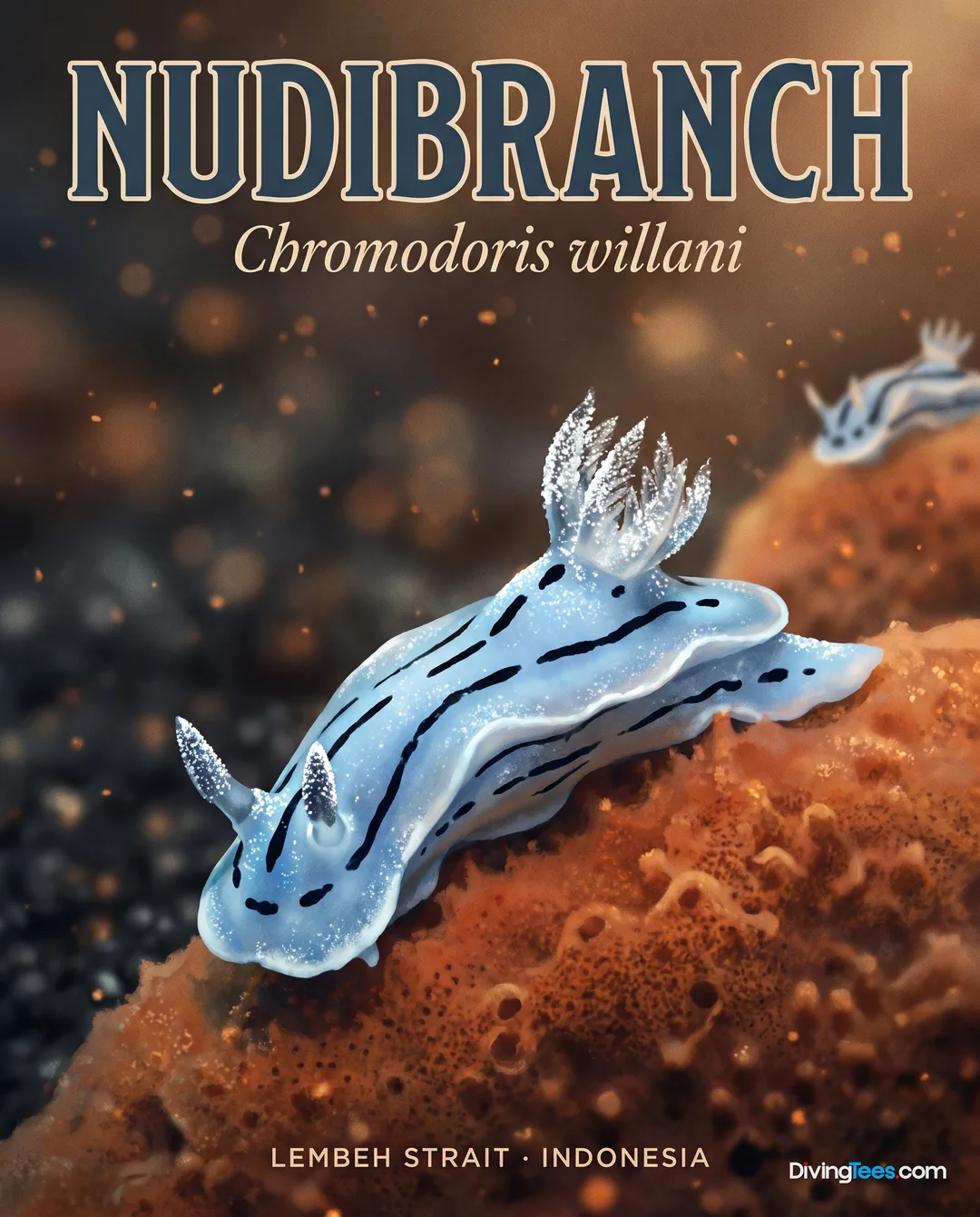
While exploring the arches and plateau, keep an eye out for the resident marine life. You may encounter groupers (Serranidae), jacks (Carangidae), and barracudas (Sphyraena) patrolling the deeper sections. Batfish (Ephippidae) and angelfish (Pomacanthidae) are common around the coral formations, while crocodile fish (Cymbacephalus beauforti) and scorpionfish (Scorpaenidae) blend into the reef. The site is also home to nudibranchs (Nudibranchia) and leaf fish (Taenianotus triacanthus), particularly within the sheltered areas.
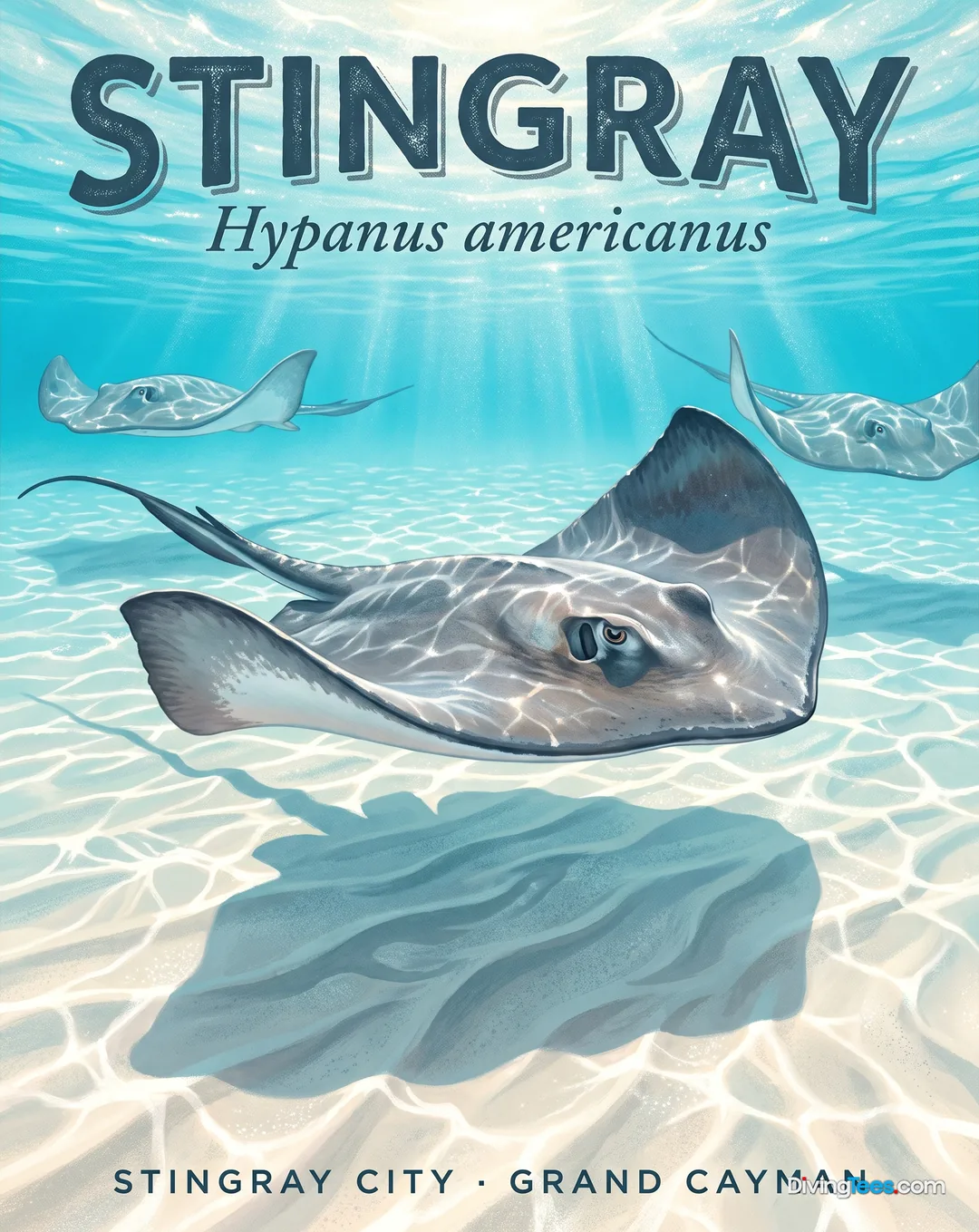
The sandy bottom surrounding the pinnacle and the deeper sections of the reef are good places to spot stingrays (Dasyatidae) and guitarfish (Rhinobatidae). Blue-spotted stingrays (Neotrygon kuhlii) are frequently observed resting on the sand. Moray eels (Muraenidae) can be found in crevices, and titan triggerfish (Balistoides viridescens) are often seen around the coral. Sea turtles (Chelonioidea) are also regular visitors to the site, often grazing on the sponges and algae.
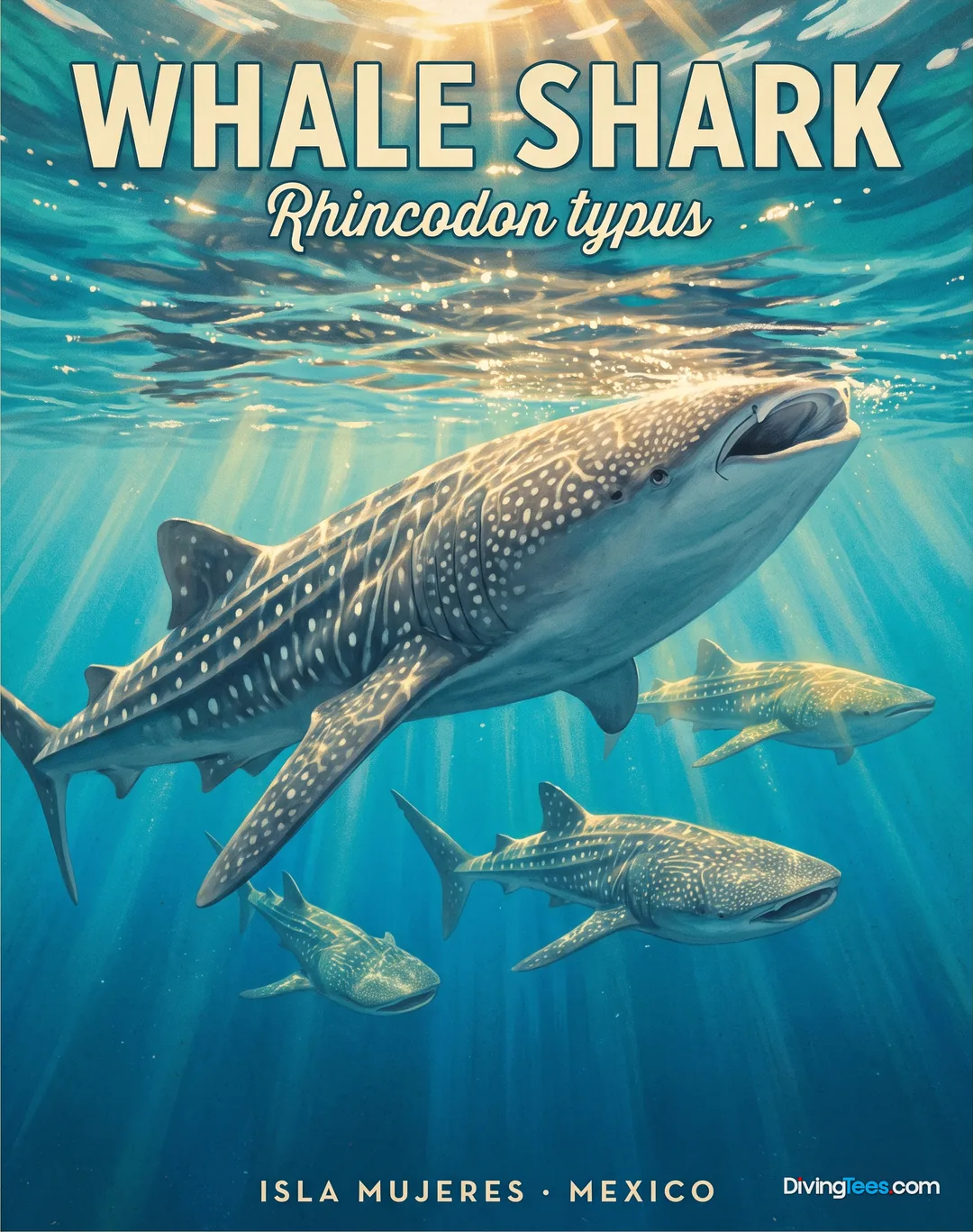
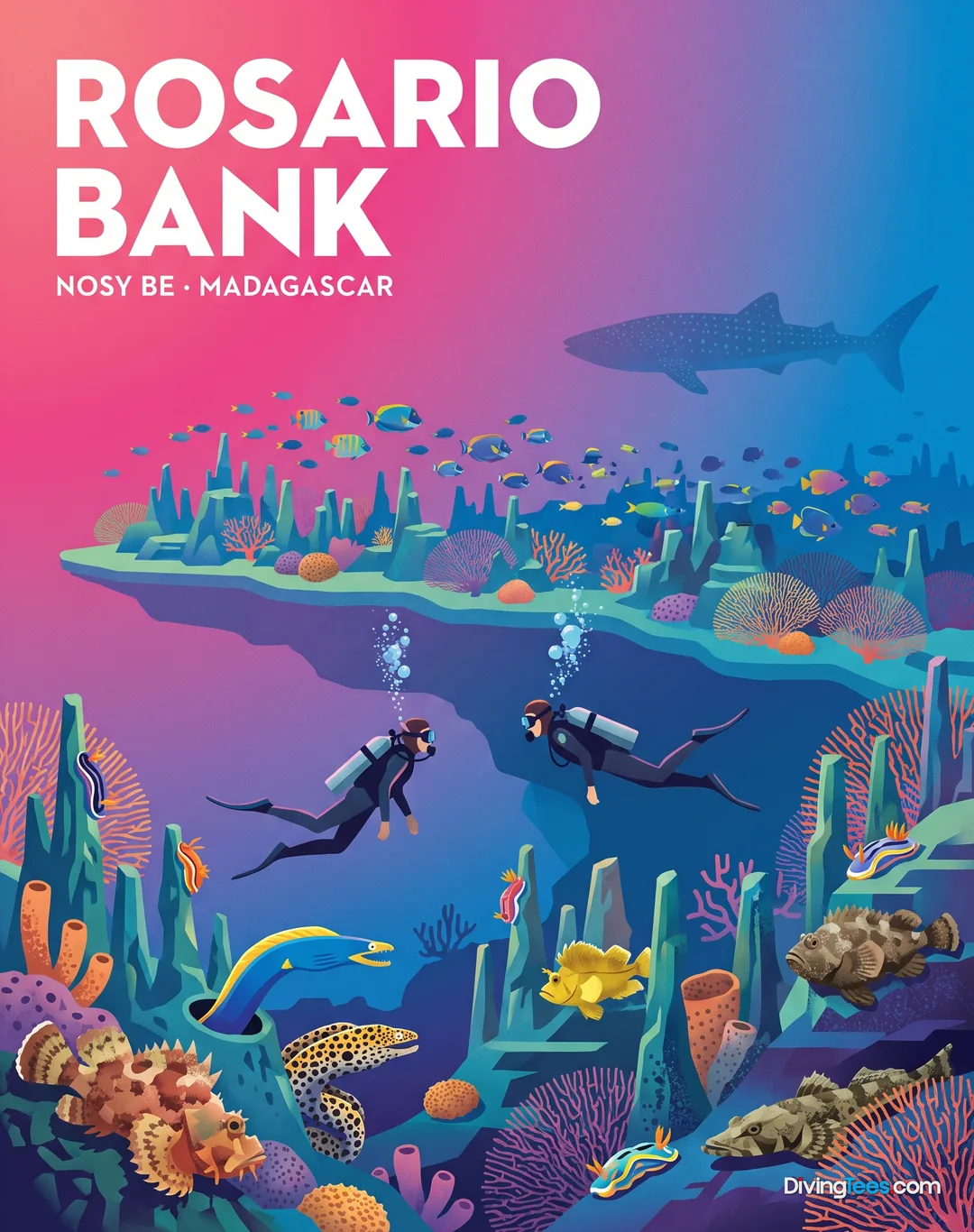
The Sakatia Arches are also known for seasonal pelagic encounters. White-tip sharks (Triaenodon obesus) are present, and during October and November, the area around Nosy Sakatia sees seasonal appearances of whale sharks (Rhincodon typus). While not guaranteed on every dive, these larger visitors add another dimension to the site, particularly for those diving during the peak season for these gentle giants.
The Sakatia Arches are accessible to divers from Open Water Diver level, with depths ranging from a minimum of 13 metres to a maximum of 27 metres. The site is generally sheltered with light current, though conditions can vary with the tide. Visibility is typically good. The optimal time to dive here is between April and November, avoiding the rainy season from January to March.
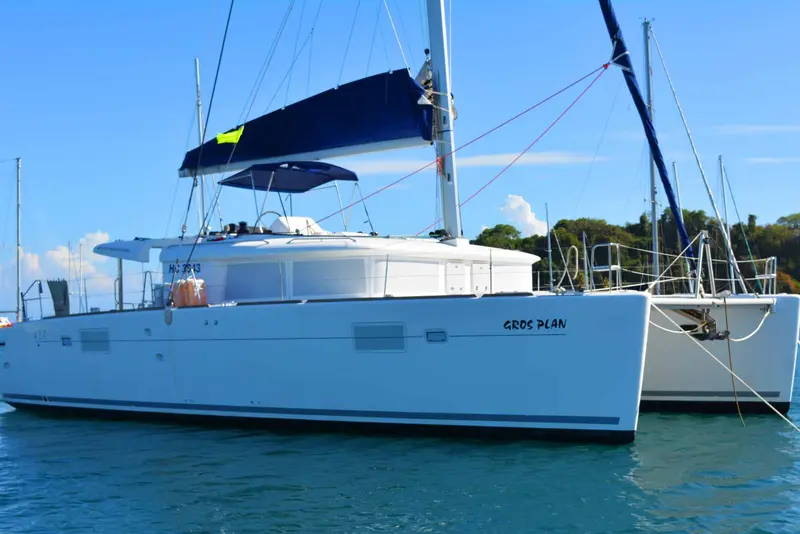
1 liveaboard departs from Nosy Be another way to explore the region, over several days at sea.
You can dive The Sakatia Arches throughout the year, but the optimal period is from April to November. You should avoid the rainy season from January to March. October and November may bring seasonal whale shark sightings around Nosy Sakatia, adding a pelagic possibility to dives during those months.
You can explore The Sakatia Arches from Open Water Diver level. The site ranges from 13 to 27 metres, with the pinnacle rising from a sandy bottom at approximately 27 metres. The coral plateau lies at 13 to 15 metres, while the main structure reaches about 18 metres.
You can generally expect sheltered diving and light current at The Sakatia Arches. Conditions may vary with the tide, so you should account for tidal changes when planning your dive. Visibility is typically good, allowing you to explore the three arches, coral formations, sponges, and large gorgonians.
At The Sakatia Arches, you can explore three natural archways, a coral pinnacle, and a vibrant shallow plateau. Marine life includes nudibranchs, leaf fish, groupers, jacks, barracudas, batfish, angelfish, stingrays, moray eels, turtles, and white-tip sharks. Whale sharks appear seasonally around Nosy Sakatia in October and November.