Ataraxis Grand and Spa Fuvahmulah
★★★
★ 9.5/10 (85 reviews)
less than 1 km away as the crow flies
Dive centre · Fuvahmulah · Maldives
5.026 Google reviewsExperience guaranteed encounters with Tiger sharks year-round in the unique breeding grounds of Fuvahmulah.
For subtitles in English: start the video firstthen click the gearat the top right of the video, select “Subtitles/CC”, then “Auto-translate” and choose “English”.
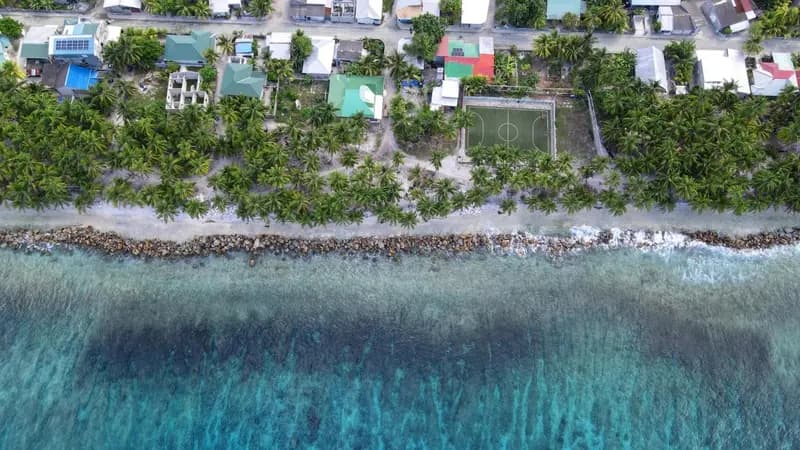
Fuvahmulah is a unique geological anomaly in the Maldives, an isolated island in the Gnaviyani Atoll that sits where the reef meets the deep Indian Ocean. This positioning creates a direct interface between the coastline and the high seas, making it one of the most productive areas for large pelagic species in the region.
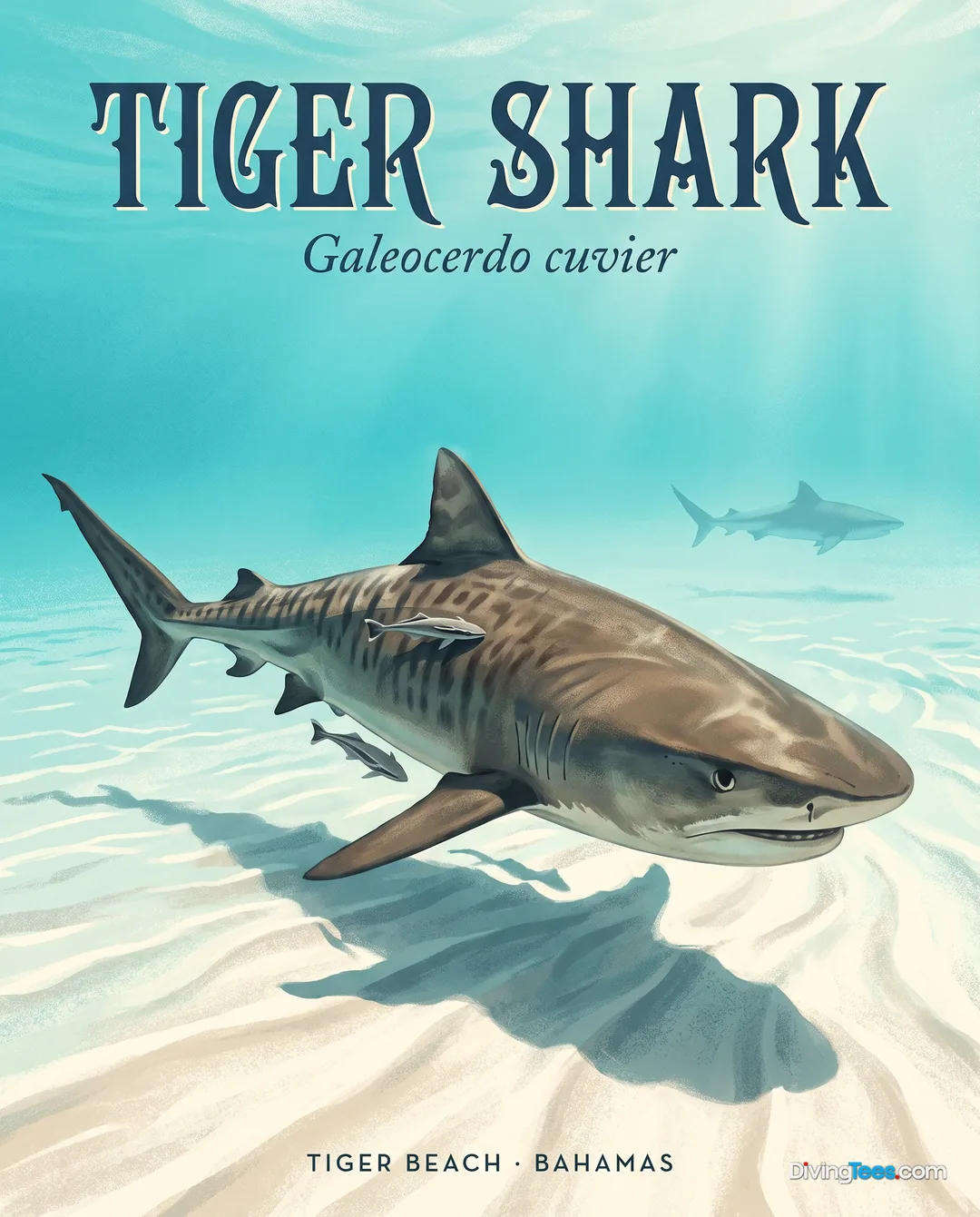
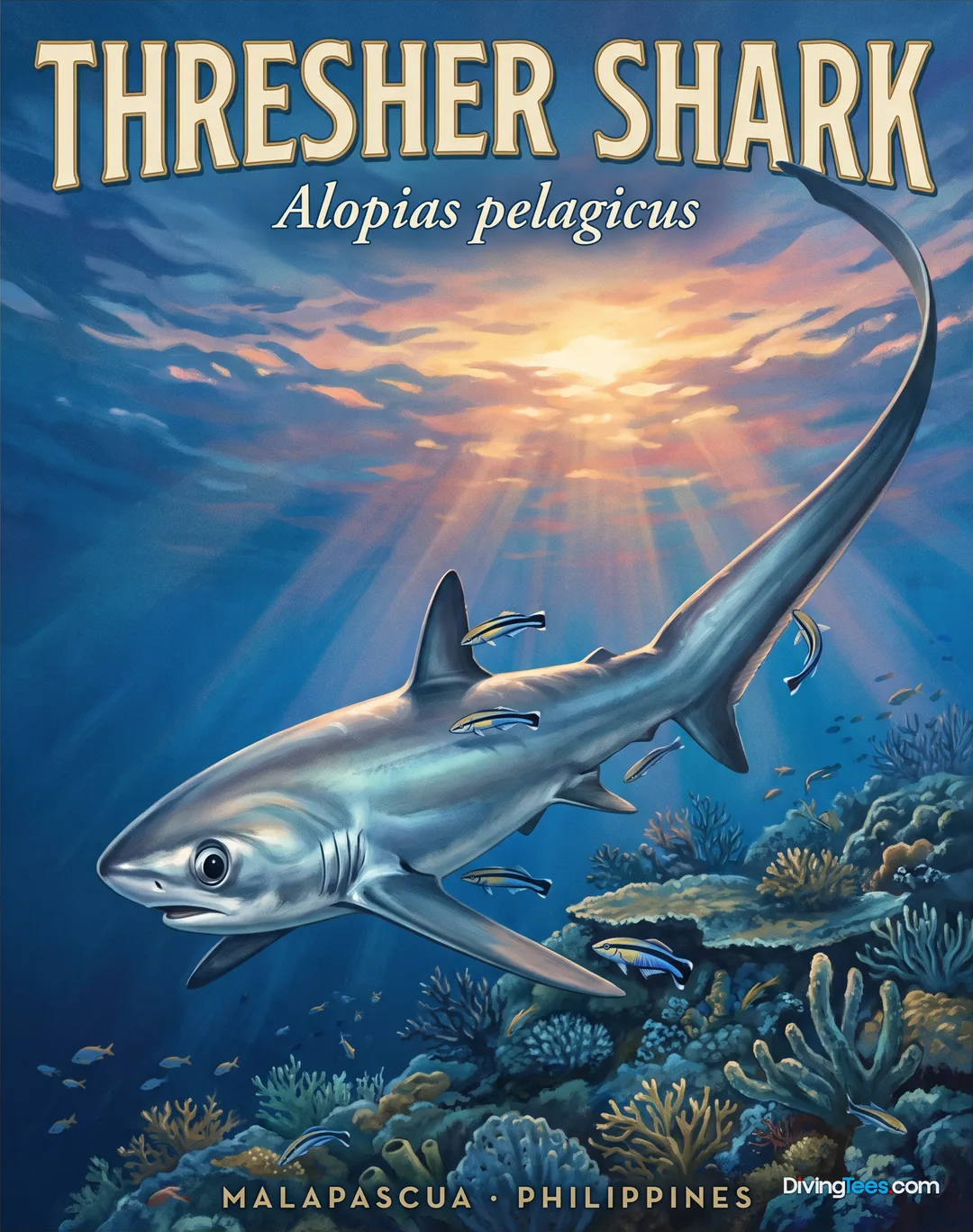
The island is globally recognised as a primary breeding ground for both Tiger sharks (Galeocerdo cuvier) and Thresher sharks. Because of this, the area offers a level of big-animal photography and observation that is difficult to find anywhere else in the archipelago.
Dive Point Maldives operates through a carefully selected partnership with local dive centres on Fuvahmulah to ensure high standards of safety and local expertise. The organisation handles the logistical coordination of your trip, from domestic flight transfers to managing stays with local guesthouses.
Safety is a core component of the operation, with boats equipped with oxygen, radios, satellite phones, GPS, and compasses. The team focuses on providing detailed briefings, particularly regarding the conduct and interaction protocols required when diving alongside large predators like Tiger sharks without the use of a cage.
A wide range of SSI training is available on the island, catering to everyone from those taking their first breaths underwater to professional candidates. The course catalogue includes Open Water Diver, Advanced Open Water Diver, and specialised training such as Deep Diving, Night & Limited Visibility, and Waves.
For those looking to advance their skills or career, the centre offers Stress & Rescue, Divemaster, and the Instructor Training Course (ITC). More technical or niche skills, including the use of underwater scooters, are also available.
The centre offers full equipment hire for those not travelling with their own kit. This includes high-quality regulators, BCDs, fins, masks, snorkels, and wetsuits.
For those requiring specific items, individual components such as masks and fins can be rented separately. The centre also provides daily shuttle services between the local guesthouses and the dive facilities to ensure smooth logistics.
Tiger Shark Point (also known as Shark Tank) is a shallow site at the harbour entrance with depths around 10 metres. It offers calm conditions with little to no current, providing a controlled environment to observe Tiger sharks up close.
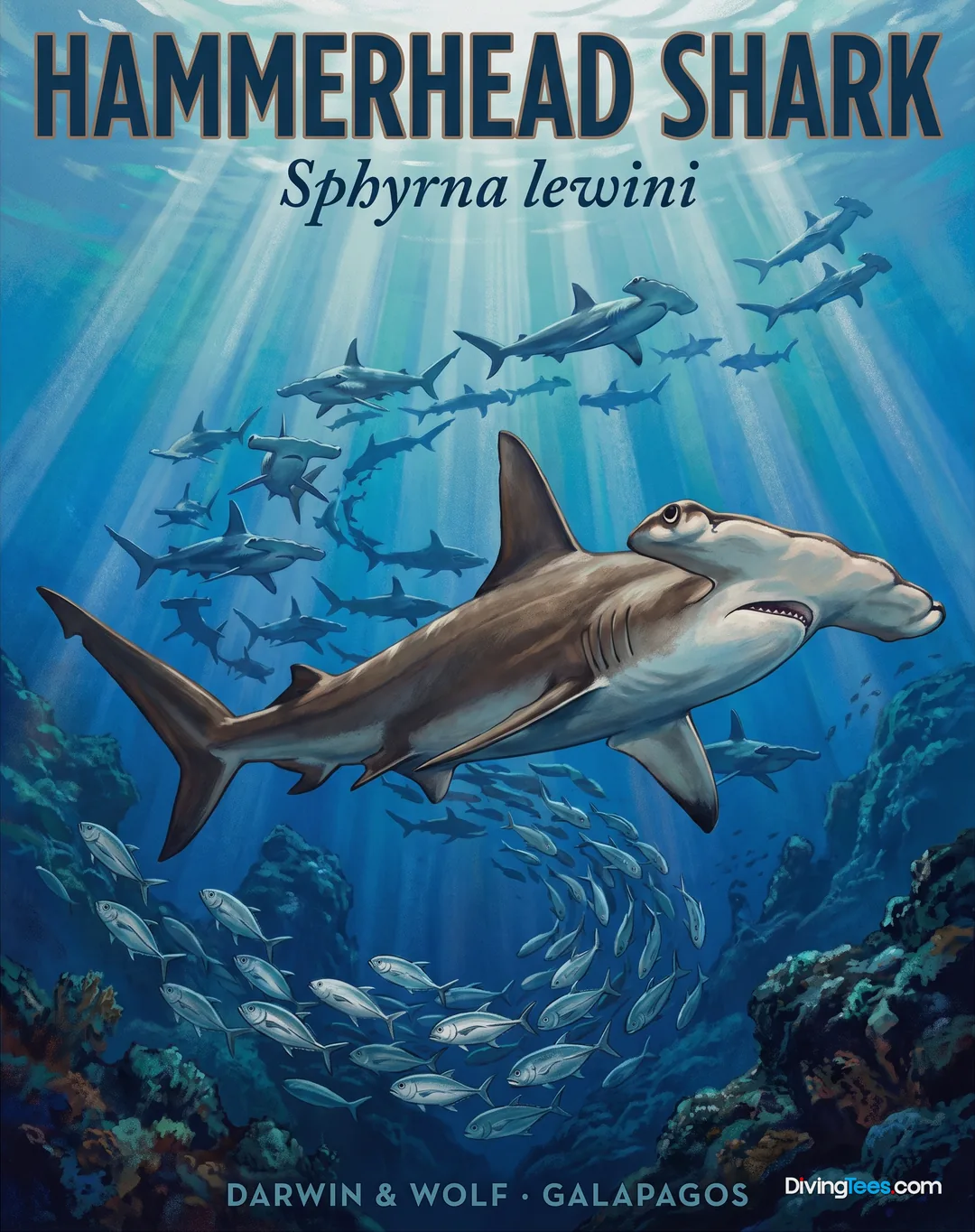
Blue Water Dive focuses on the cleaning plateaus, typically visited during the first dive of the day. These offshore sites are prime locations for spotting Manta rays, Hammerhead sharks, and Thresher sharks in the open water.
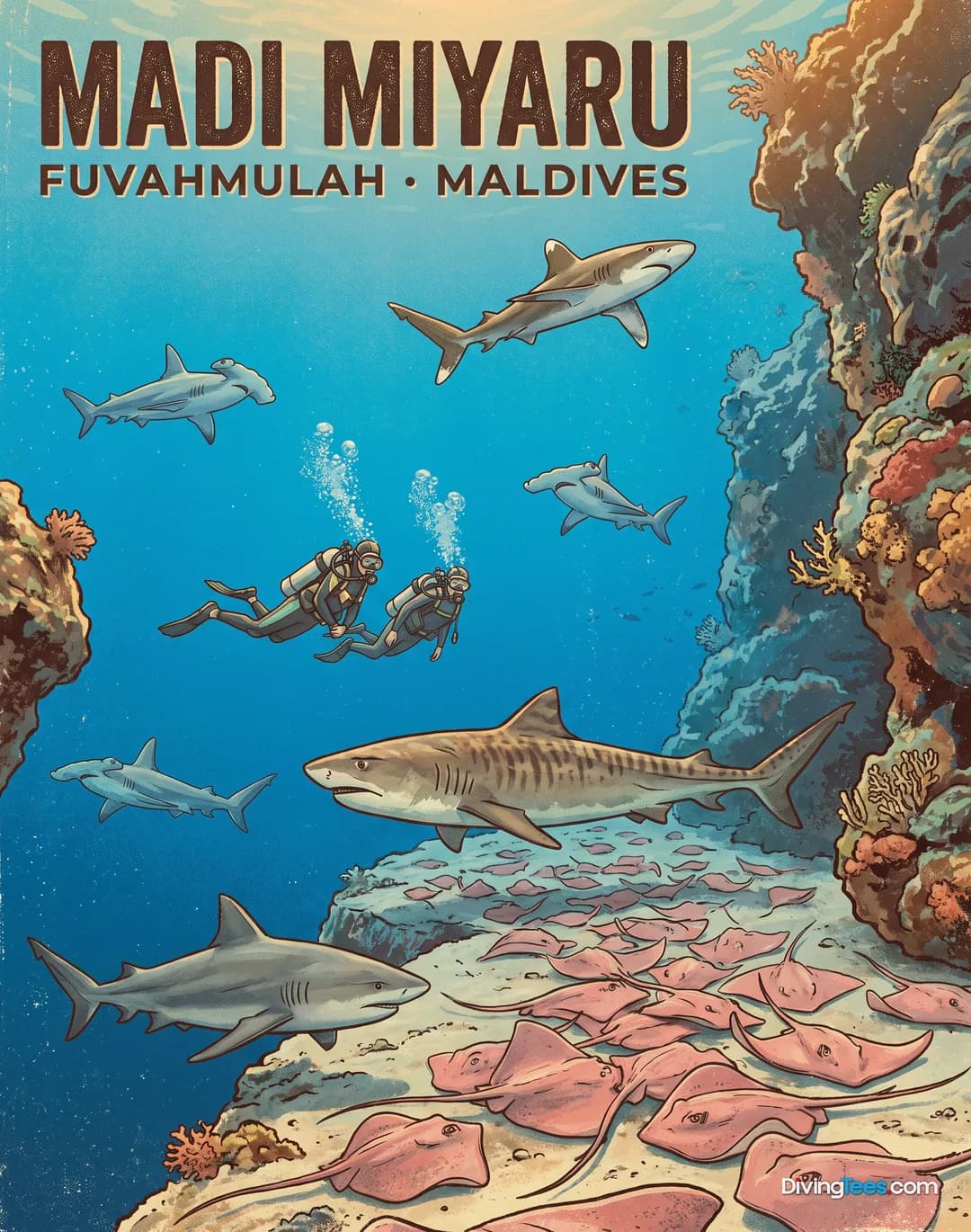
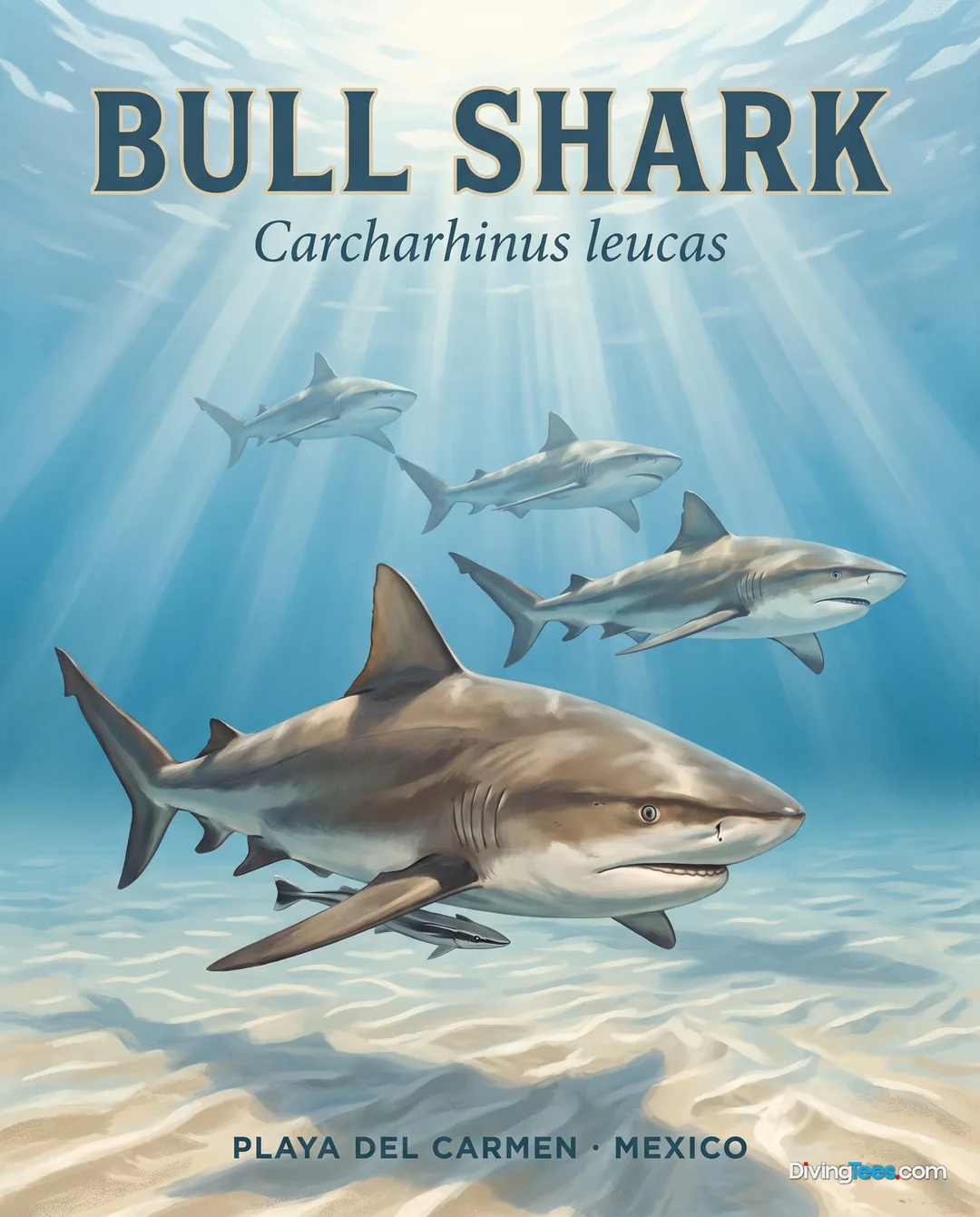
Madi Miyaru Kanmathi is a deeper site ranging from 25 to 30 metres that functions as a significant drop-off. It is a high-activity zone where you can encounter a massive variety of species, including Bull sharks (Carcharhinus leucas), lemon sharks, and hundreds of Southern stingrays (Hypanus americanus).
And some of the dive sites the centre runs.
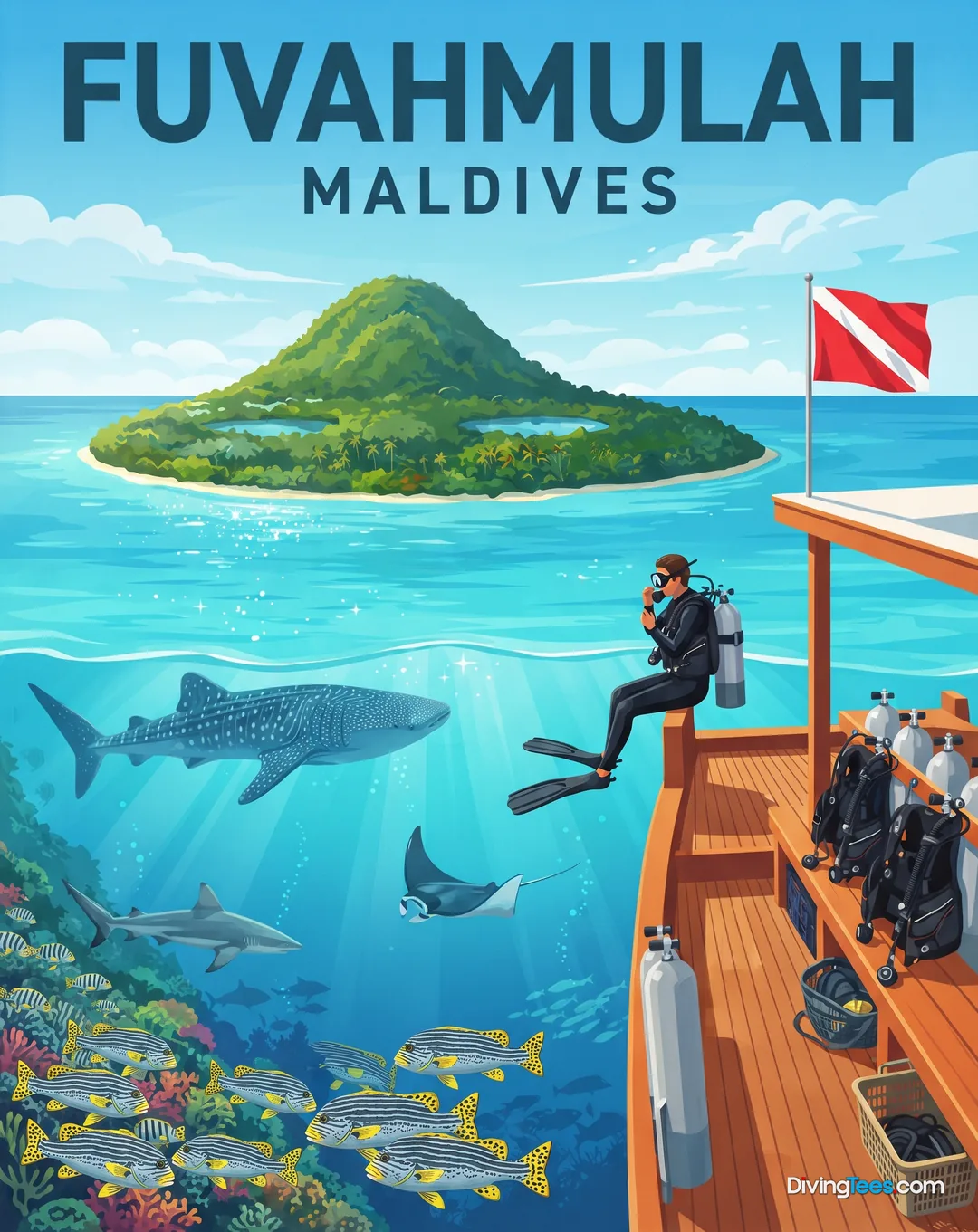
The marine life here is dominated by large pelagics. You can expect to see Tiger sharks (Galeocerdo cuvier), Thresher sharks, Hammerhead sharks (Sphyrna lewini), and Bull sharks (Carcharhinus leucas). Other frequent visitors include silvertip sharks, lemon sharks, guitarfish sharks, and Grey reef sharks, alongside oceanic whitetip sharks and various species of sharks such as zebra sharks.
In the blue water, the variety is immense. You may encounter oceanic manta rays, whale sharks, and Mola mola. The presence of large predators is often accompanied by schooling fish like giant trevally, tuna, and various Snapper (Lutjanus) species, as well as eagle rays and mobulas.
The reef ecosystem is supported by a healthy population of reef fish, including Napoleon wrasse, grouper, and various species of butterflyfish, angelfish, and parrotfish. You will also see turtles and dolphins moving through the area.
Between May and December, the presence of Manta rays is particularly notable in the region.
Fuvahmulah is an exposed island, which means the diving environment can be quite dynamic. You should be prepared for strong currents and significant swell, as waves can hit the island directly depending on the weather.
Because of its isolated location in the Indian Ocean, weather conditions play a major role in daily dive planning. This is an area best suited for experienced divers who are comfortable managing the elements of an open-ocean environment.
Hello, I'm Marina, DivingDeal.com's AI assistant. I answer in detail about hotels, dive centres and liveaboards.

Thinking about the whole trip and the flights? Talk it over with Edith →
Marina is an AI. Some links are affiliate links: DivingDeal may earn a commission, at no extra cost to you. Bookings are made with the partner.