Liveaboards · Maldives
Felicity — a modern Maldives liveaboard built around serious diving
Deal on this boat
Per person
£2,090$2,794€2,496 £1,367$1,828€1,633
Discount calculated by us, against the boat's usual price for a trip of the same length.
See all discounted dates ↓What makes this boat unique
- Built in 2021, Felicity carries up to 26 guests in 13 air-conditioned cabins with private bathrooms.
- A dedicated 18-metre dive dhoni takes divers to the sites, with free nitrox and DIN tanks or INT adapters.
- The route reaches sites across Baa, Ari, Haa Dhaalu and Meemu Atolls, including Hanifaru Bay and Hakuraa Express.
- Three meals a day, snacks, night dives, airport transfers and Wi-Fi are included; kayaks and paddleboards are optional.
For subtitles in English: start the video firstthen click the gearat the top right of the video, select “Subtitles/CC”, then “Auto-translate” and choose “English”.
The invitation
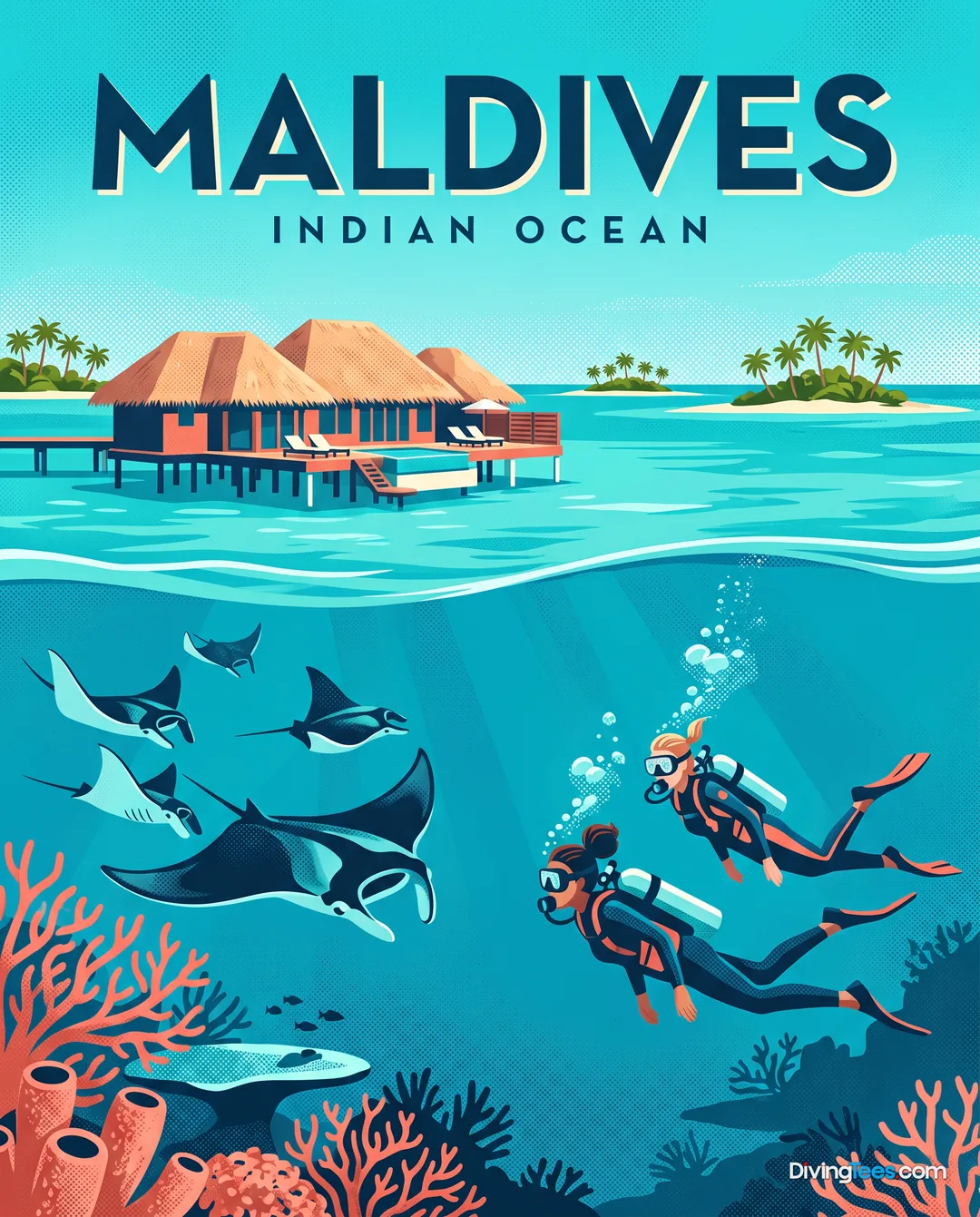
Felicity suits divers who want a modern boat without losing the working logic of a Maldives safari. The reason to choose it is the combination: a clean, recent vessel for the hours above water, and a separate dive dhoni that does the real transport and water-entry work. The routes reach Hanifaru Bay, Ari Atoll pinnacles and Maldivian channels where mantas, reef sharks and schooling fish gather. The boat also welcomes snorkellers and non-divers, so a mixed group does not leave one half of the party stranded between dives. Come for the sites, not the jacuzzi. The jacuzzi, outdoor lounges and generous sun decks simply make the surface intervals easier to live with.
Boarding
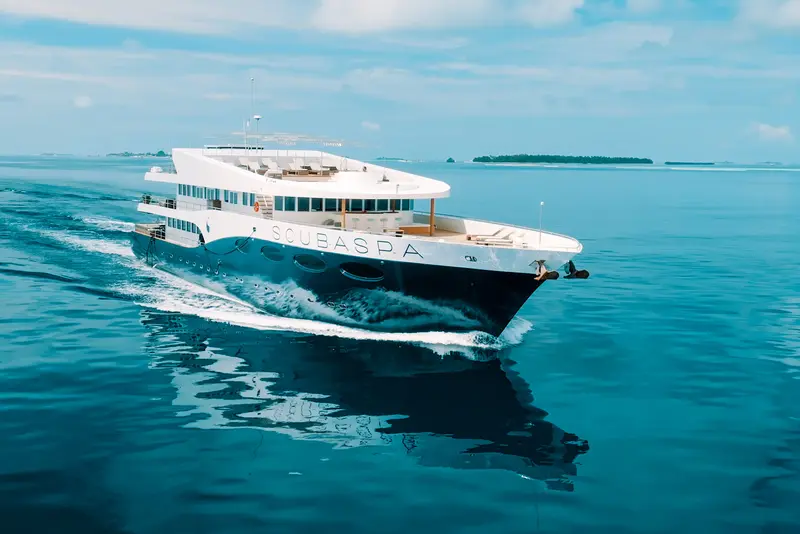
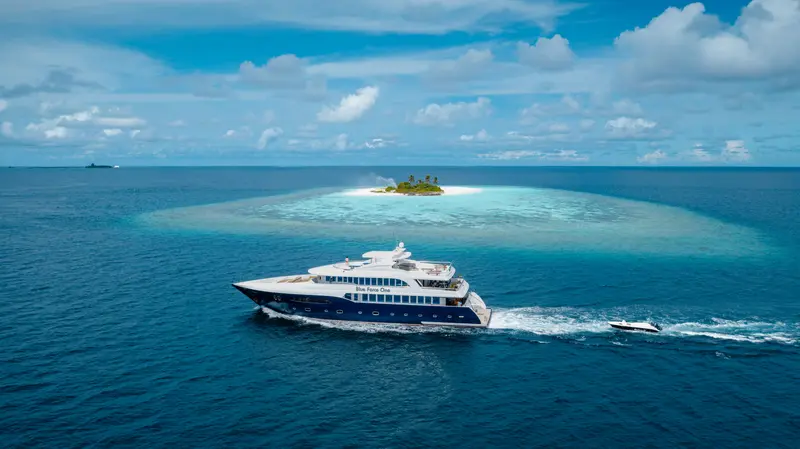
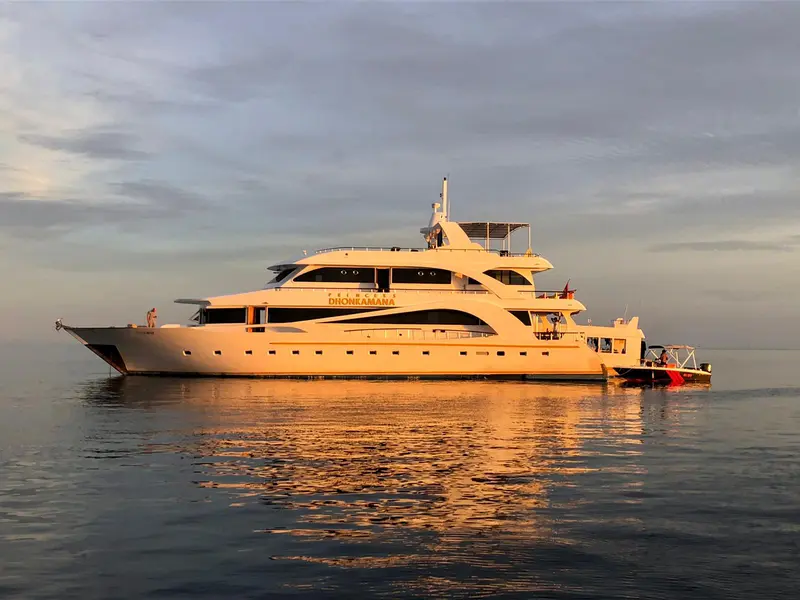
Felicity makes a clean first impression: a recent 2021 build, modern finishes and the orderly feel of a boat designed for guests rather than adapted from another life. The main salon, restaurant and bar sit inside, while the upper levels open into lounges, sun beds and a jacuzzi. Movement between the cabin areas and the social spaces is straightforward, and the boat has room to separate a quiet coffee from a louder post-dive conversation. The engine is a 720hp diesel, so this is not a silent sailing vessel; underway, the machinery is part of the background. A crew of 13 keeps the operation moving, from meals and cabin care to dive preparation. The strongest impression is practical modernity: less romance of an old coaster, more reliable space for a week of diving.
The atmosphere on board
Felicity has the feel of a boat where the crew is visible throughout the day. Guides brief, launch and recover divers, while the rest of the team keeps cabins, meals and transfers from becoming distractions. Passengers describe the diving as well managed and the food as a real strength, with guides who look after people carefully in the water. The reservation is equally useful: dive groups have reached six divers to one guide, and that ratio feels less generous on current-heavy sites or for divers who need close supervision. English is the working language. By the middle of a week, the social pattern is easy to recognise: divers compare sightings over breakfast, disappear to the dhoni, then regroup around the bar, salon or outdoor tables after dinner. The crew's role is not theatrical. It is to make four demanding days in a row remain manageable.
The sites you’ll dive
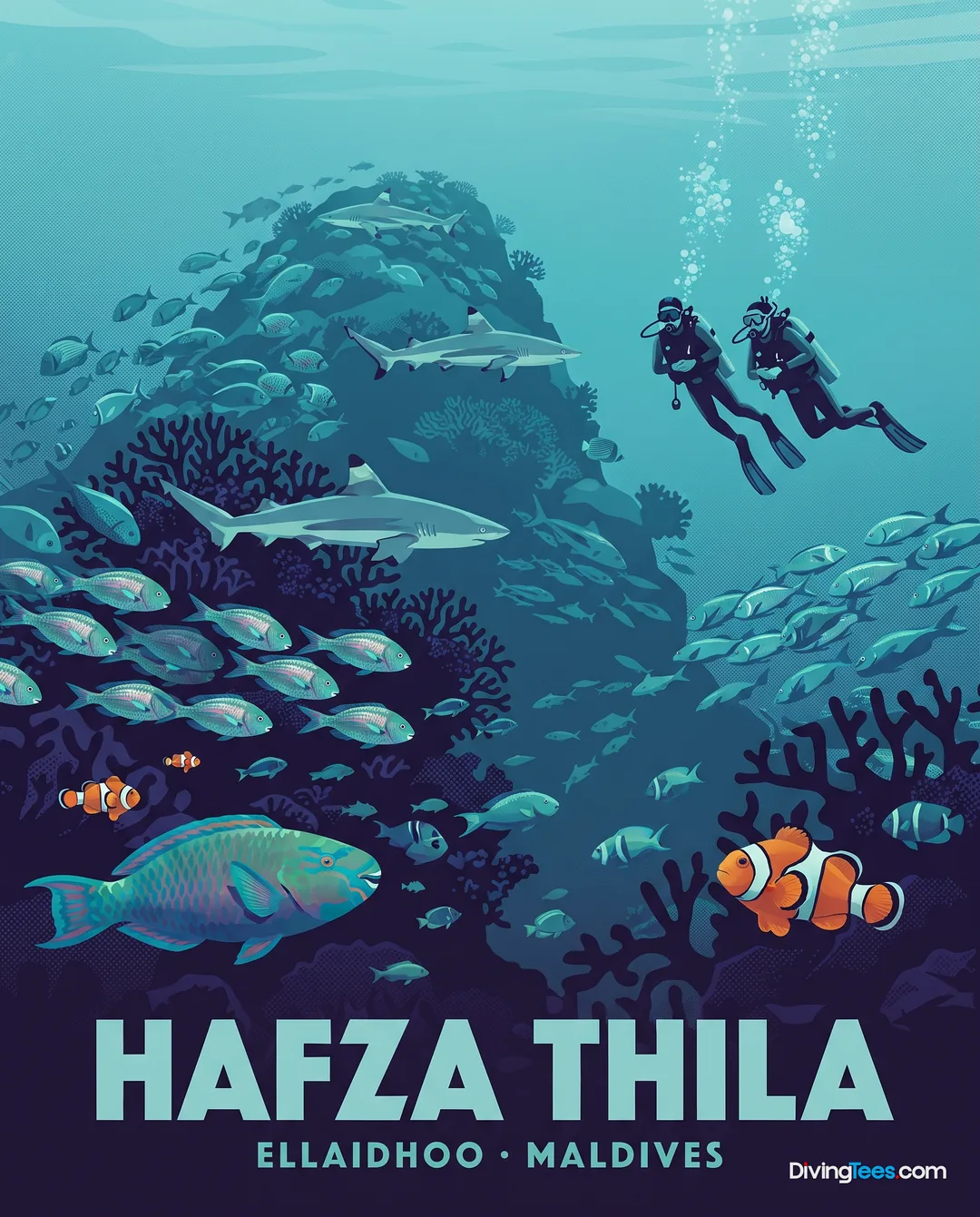
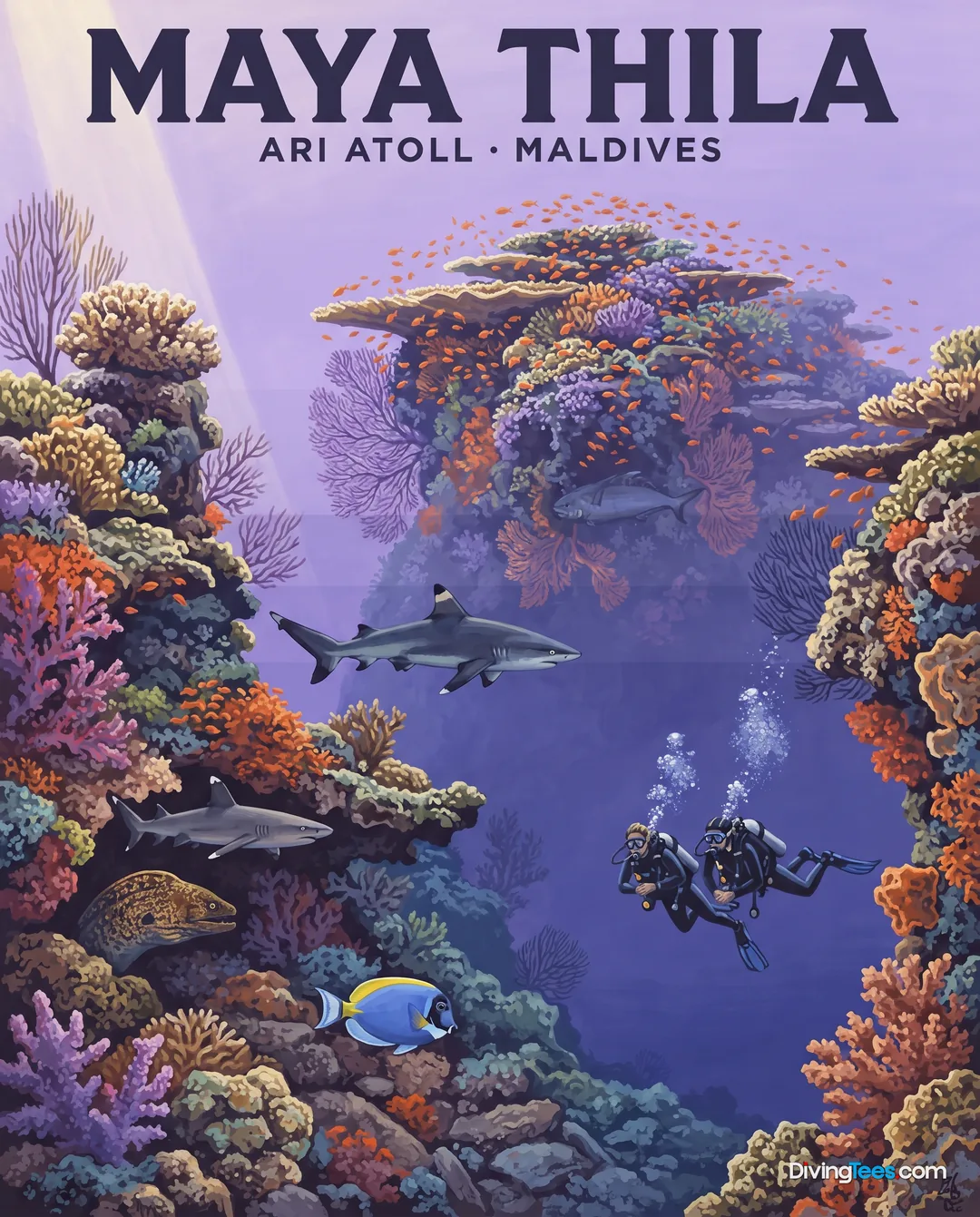
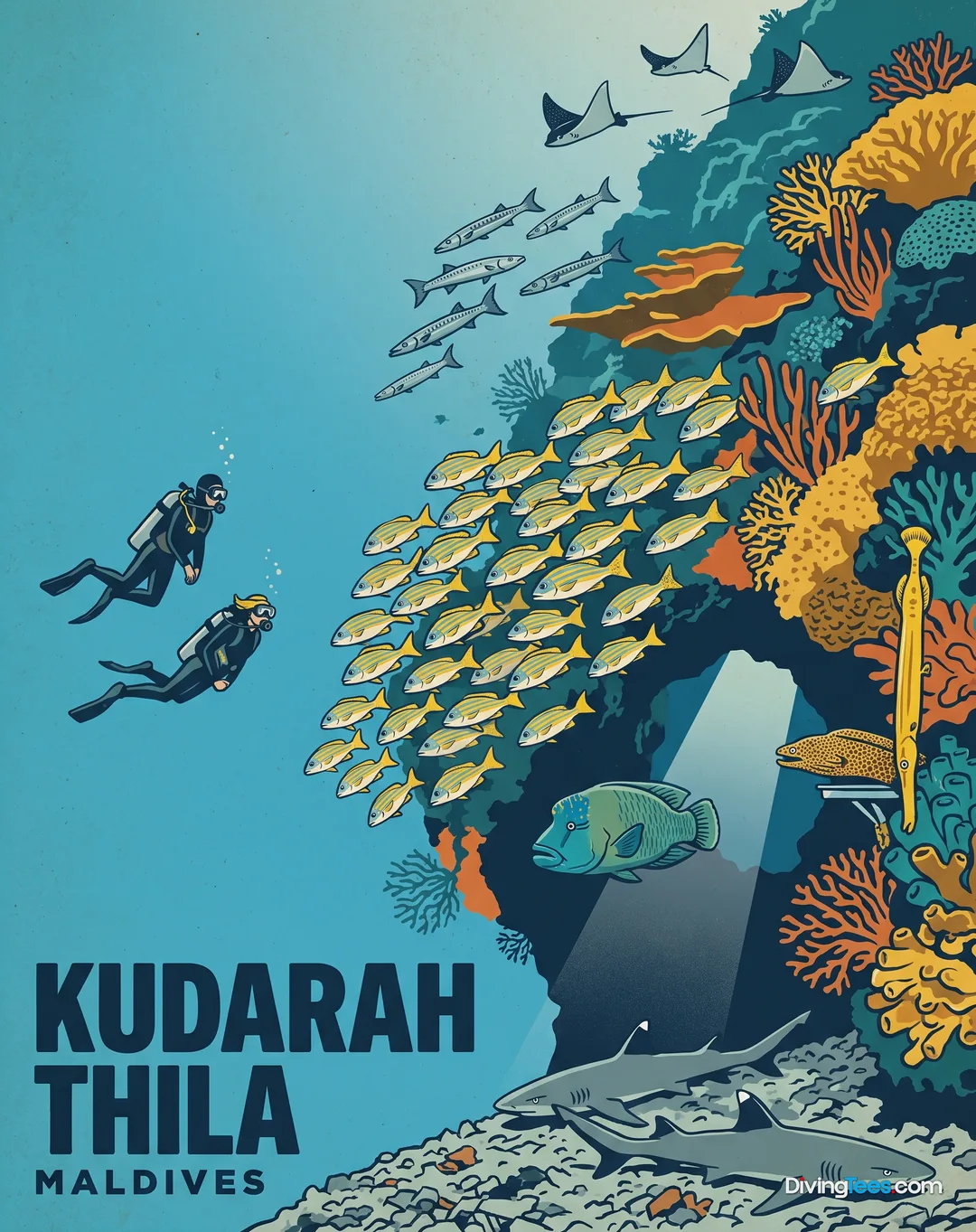
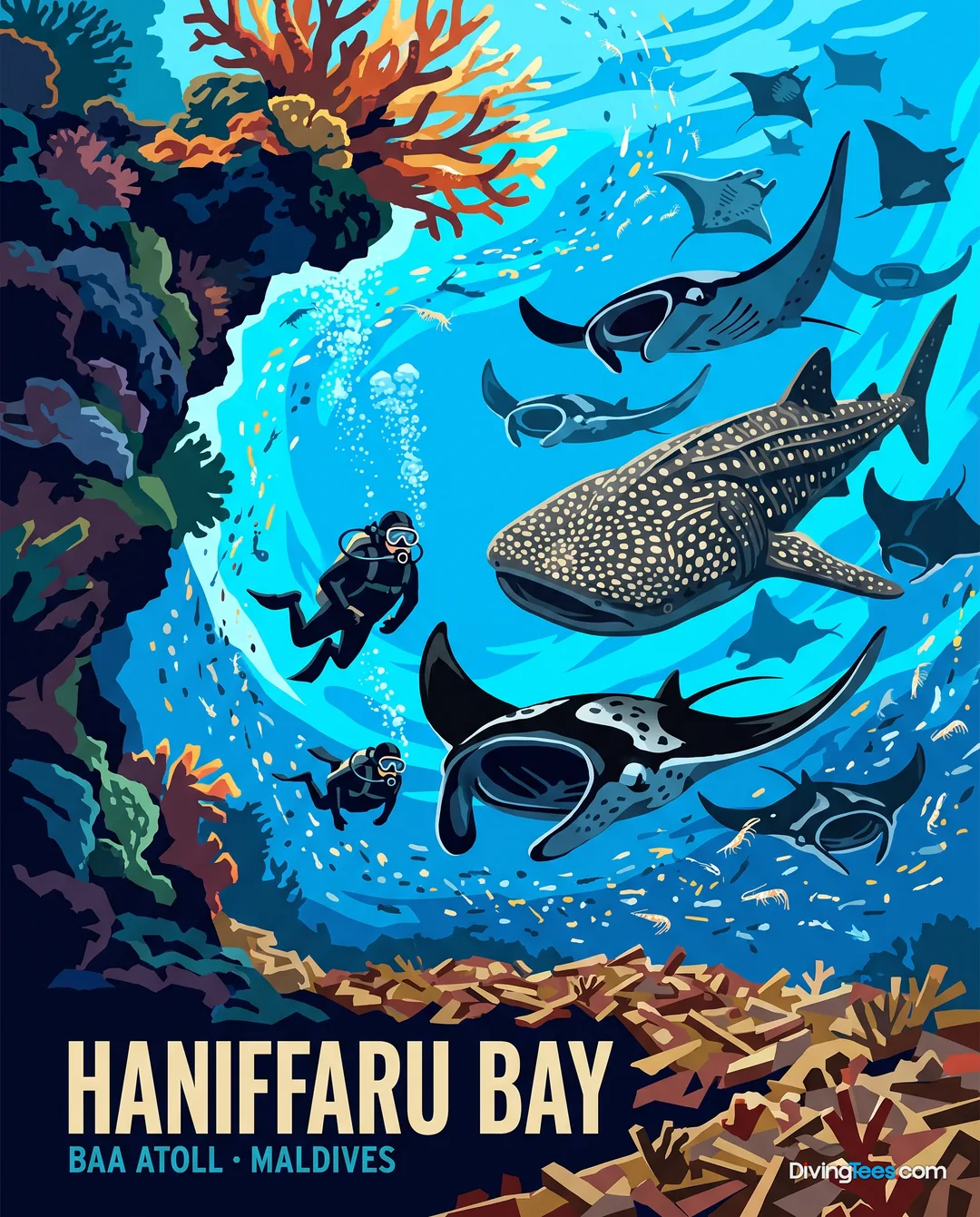
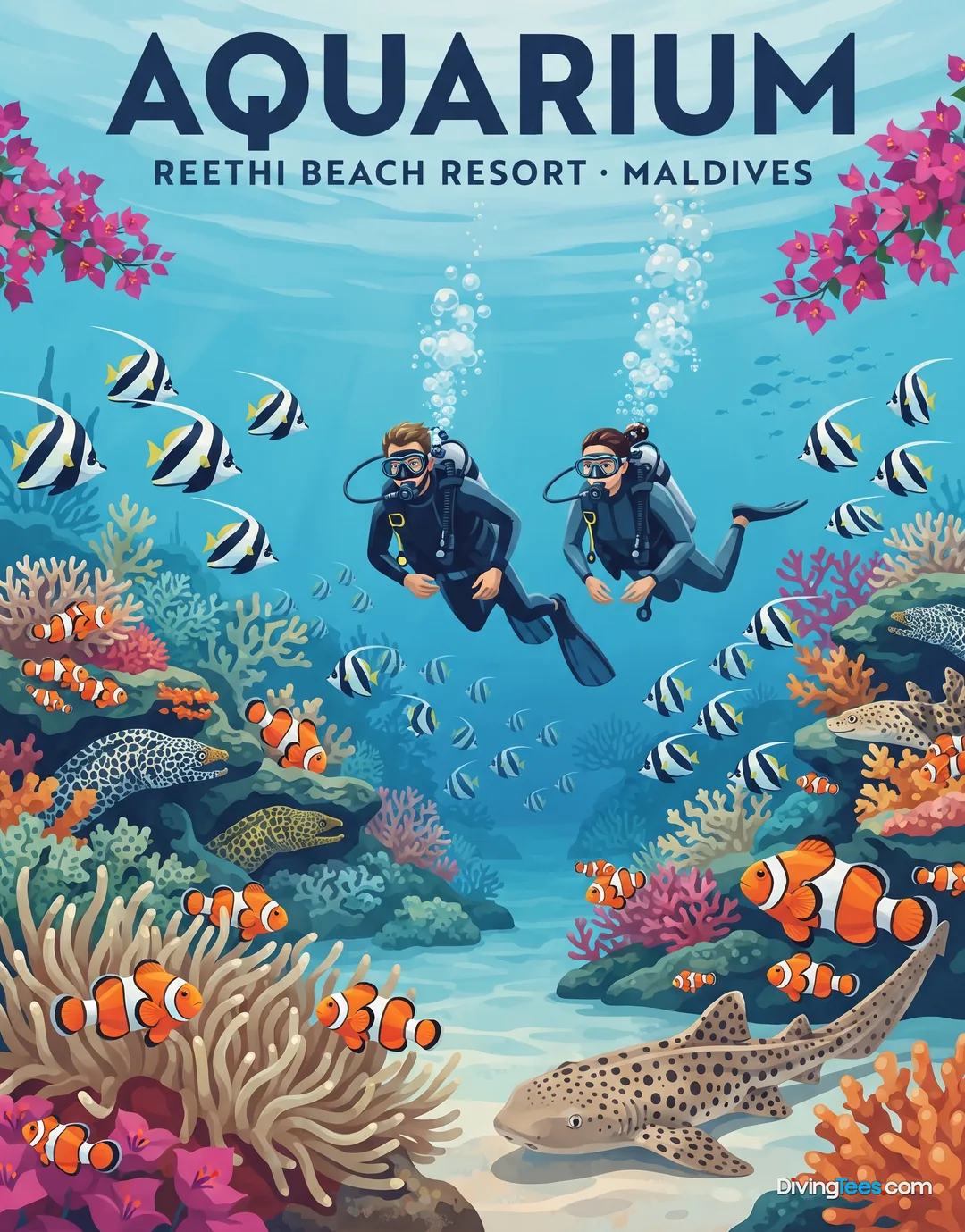
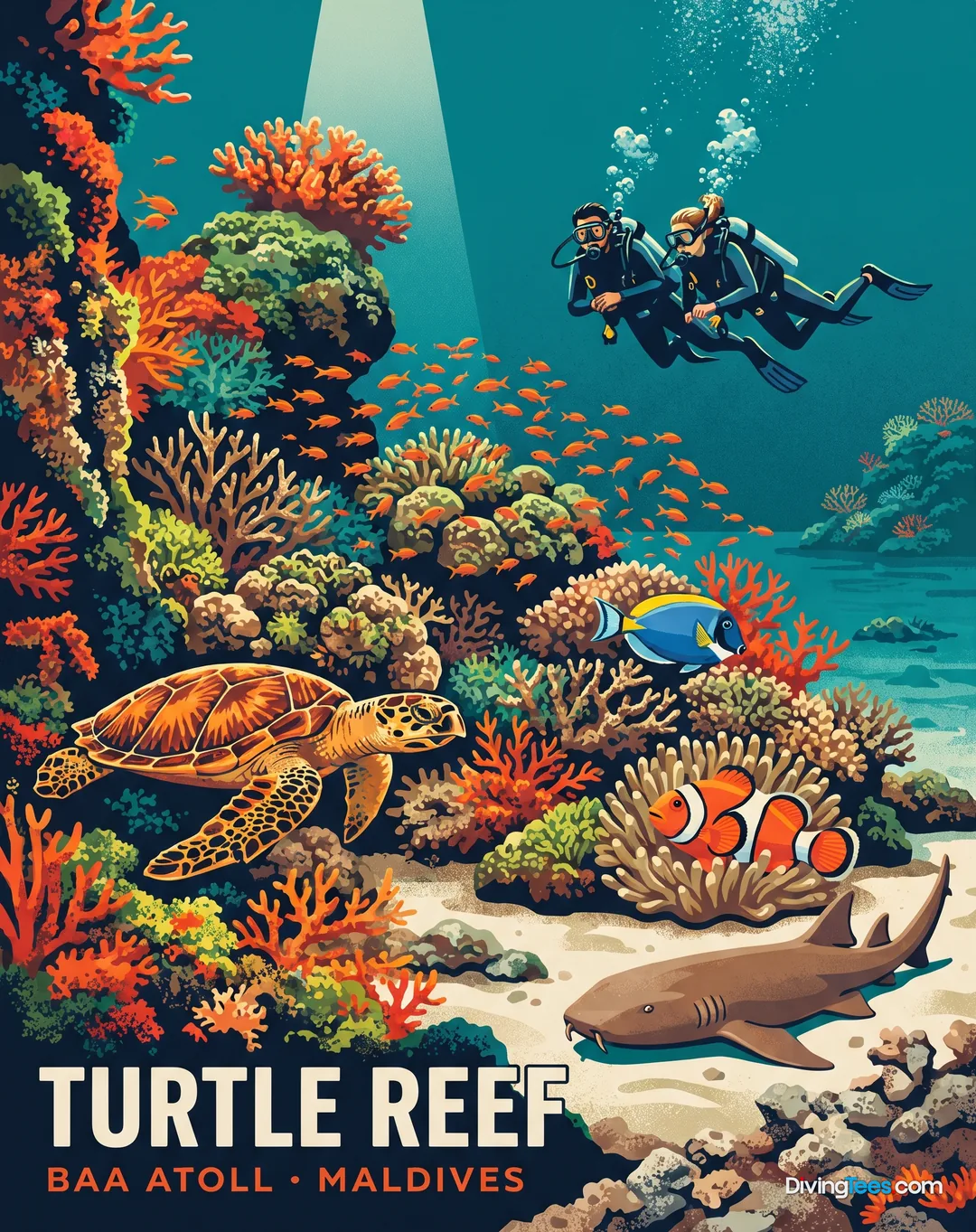
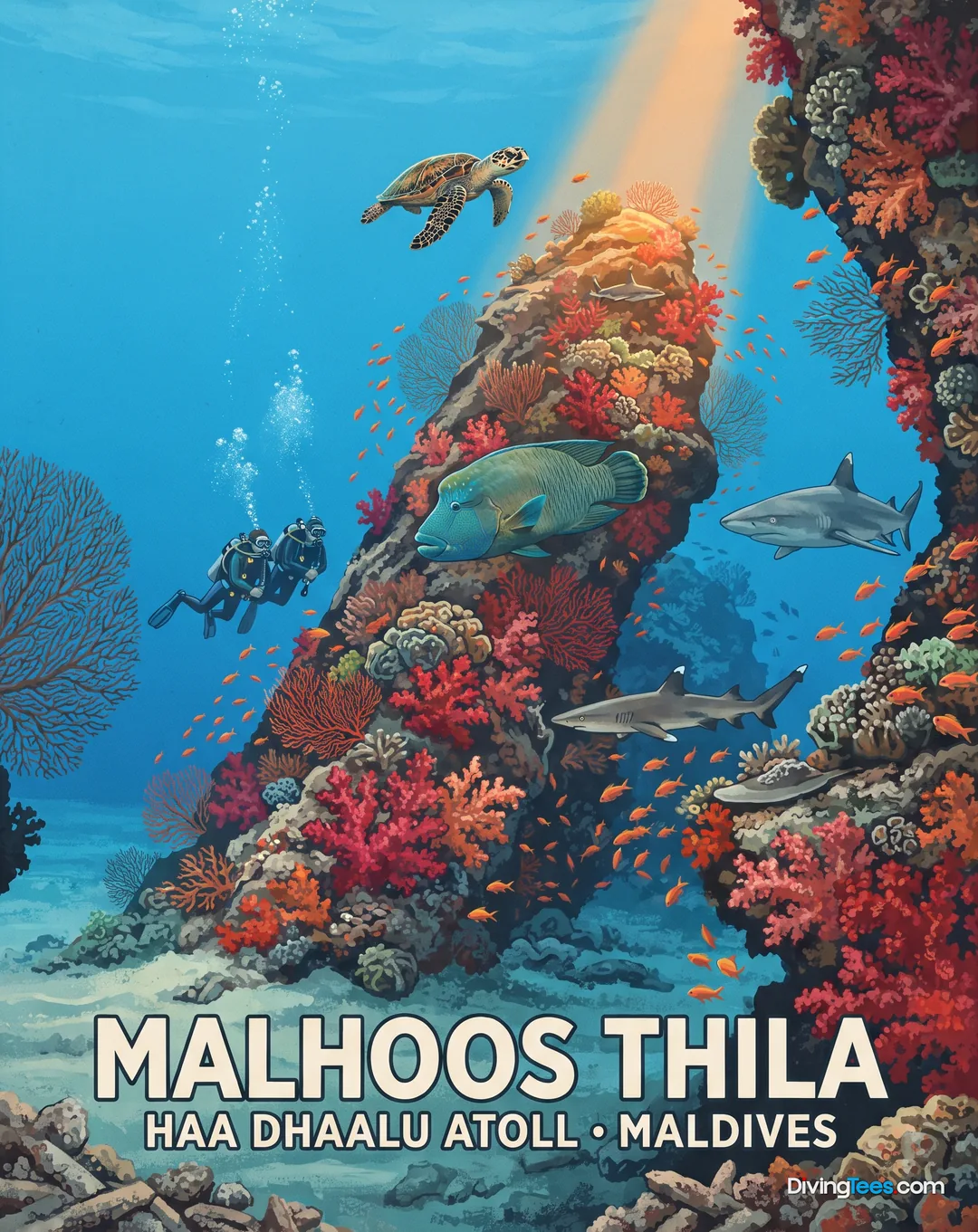
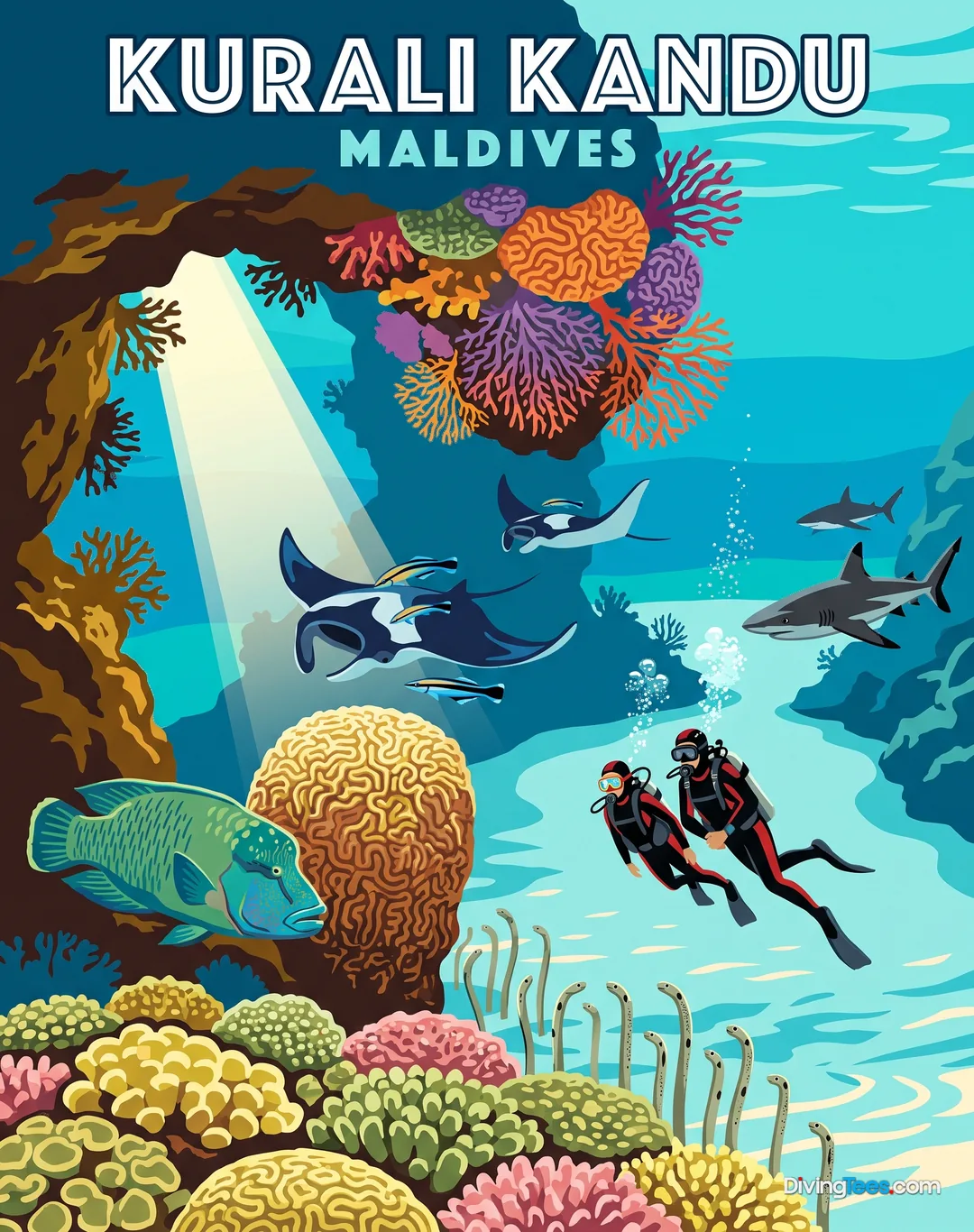
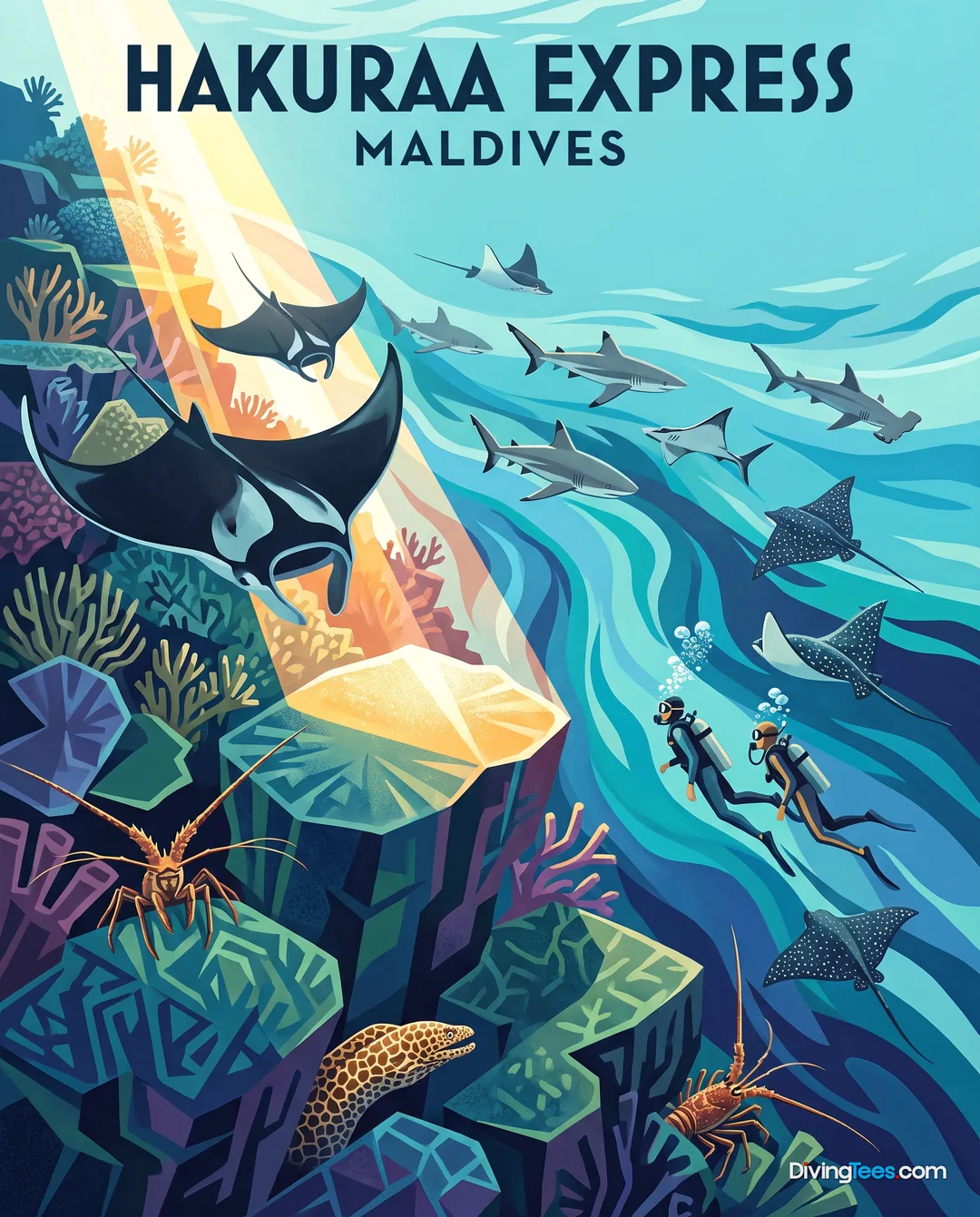
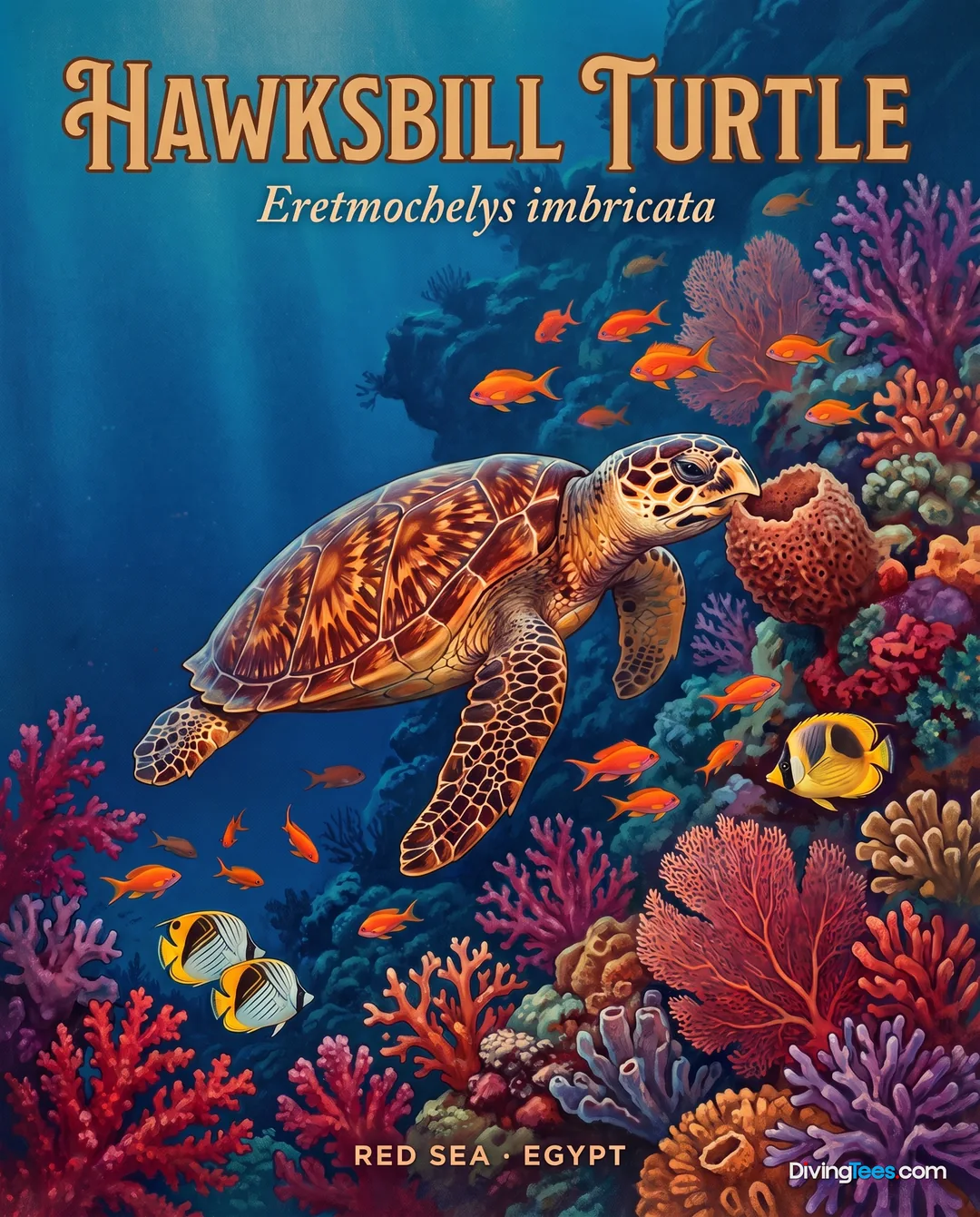
The recorded eight-day/seven-night routes run from Male to Male, with the Baa Atoll Hanifaru–North and South Ari–South Male itinerary covering the broadest spread; an Explore Maldives version is also offered in seven days and six nights. In Ari Atoll, Hafza Thila drops to a maximum of -35m on a submerged pinnacle where grey reef sharks patrol black coral and dense fish schools. Maya Thila is a dark, torch-lit hunt with whitetip reef sharks and stingrays. Kudarah Thila reaches -25m, its blue-striped snapper schools often hiding the reef itself. Baa Atoll changes the scale: at Hanifaru Bay, hundreds of reef manta rays can feed in cyclone formation, while Aquarium brings bannerfish, morays and the possibility of leopard sharks. Turtle Reef reaches -22m among hard corals and green and hawksbill turtles. Further north, Malhoos Thila reaches -30m through overhangs and pinnacles. In Meemu Atoll, Kurali Kandu is a shallow channel to -17m with manta cleaning stations and garden eels; Hakuraa Express is known for grey reef sharks gathering as the day ends. Exact sites can change with weather, regulations and the captain's decision.
Itineraries, dates and prices
Prices per person. Each month shows its lowest price: click a month, or pick an itinerary.
Next departures · 53 departuresfrom £1,367$1,828€1,633
November 2026
December 2026
February 2027
March 2027
April 2027
Green dot: a discounted departure that month. Discount calculated by us, against the boat's usual price for a trip of the same length.
See dates and prices
If you click these links and make a purchase on the partner site, DivingDeal may earn a commission, at no extra cost to you.
Dates and prices taken from Divebooker and liveaboard.com, updated 26 October 2026
What you’ll meet underwater
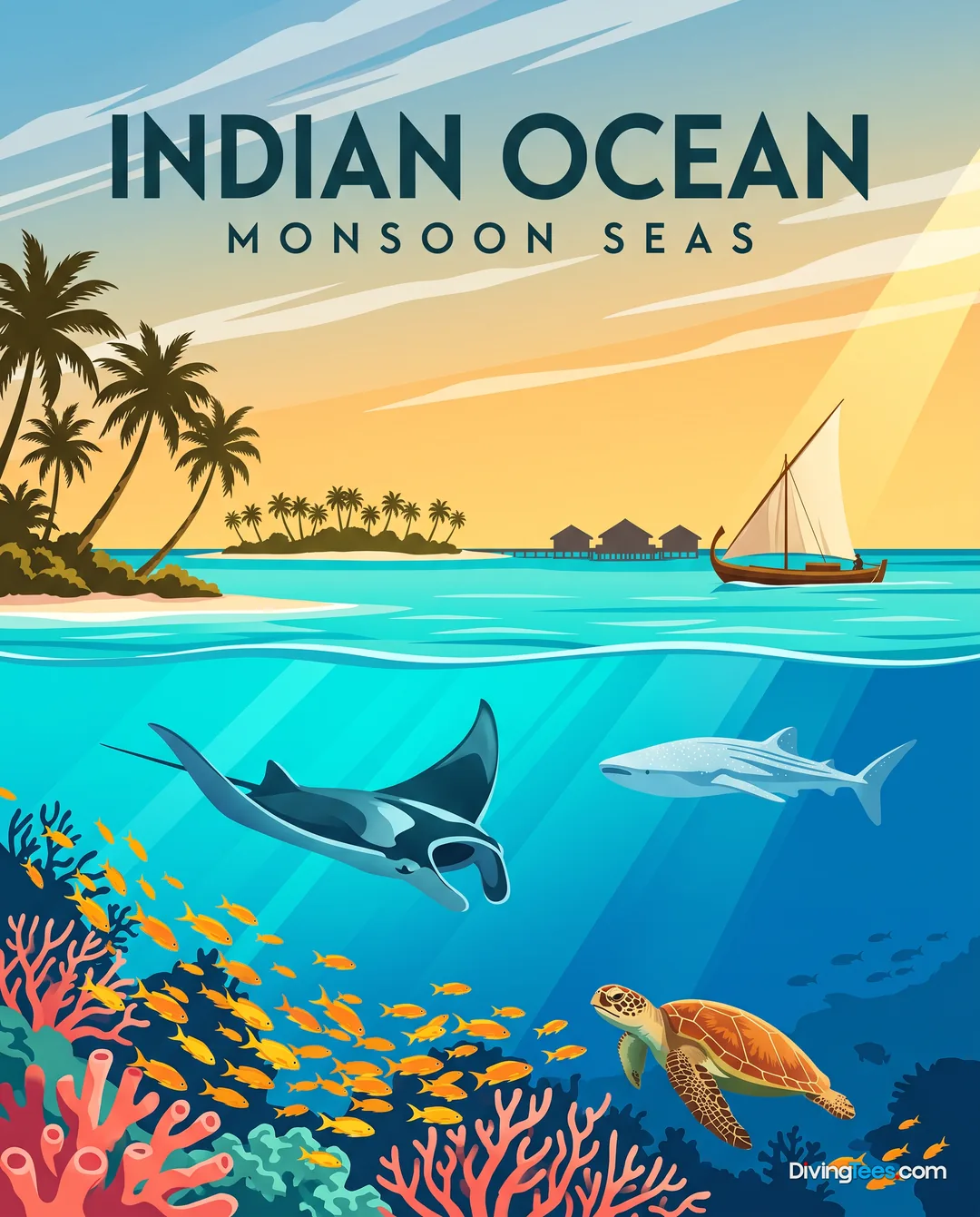
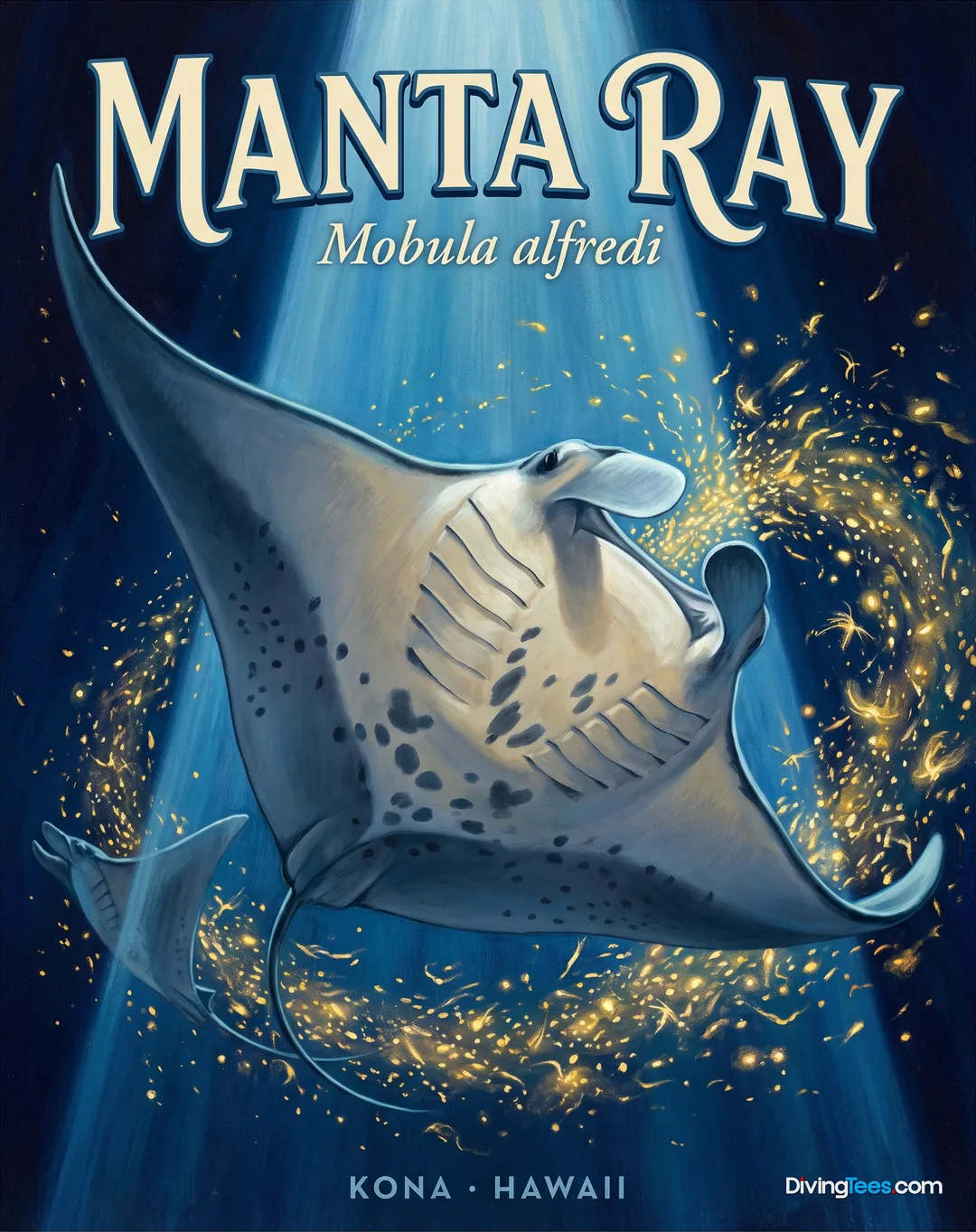
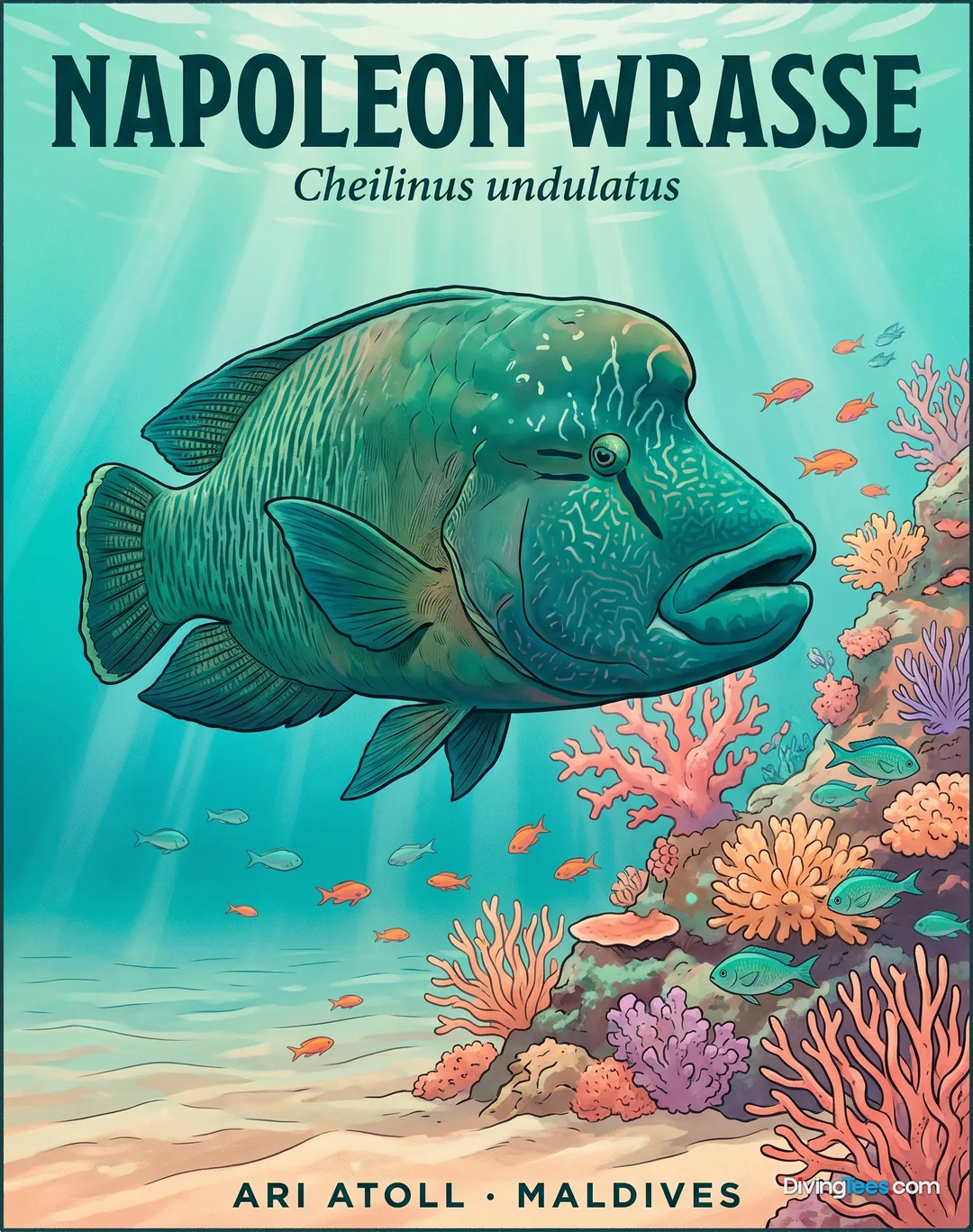
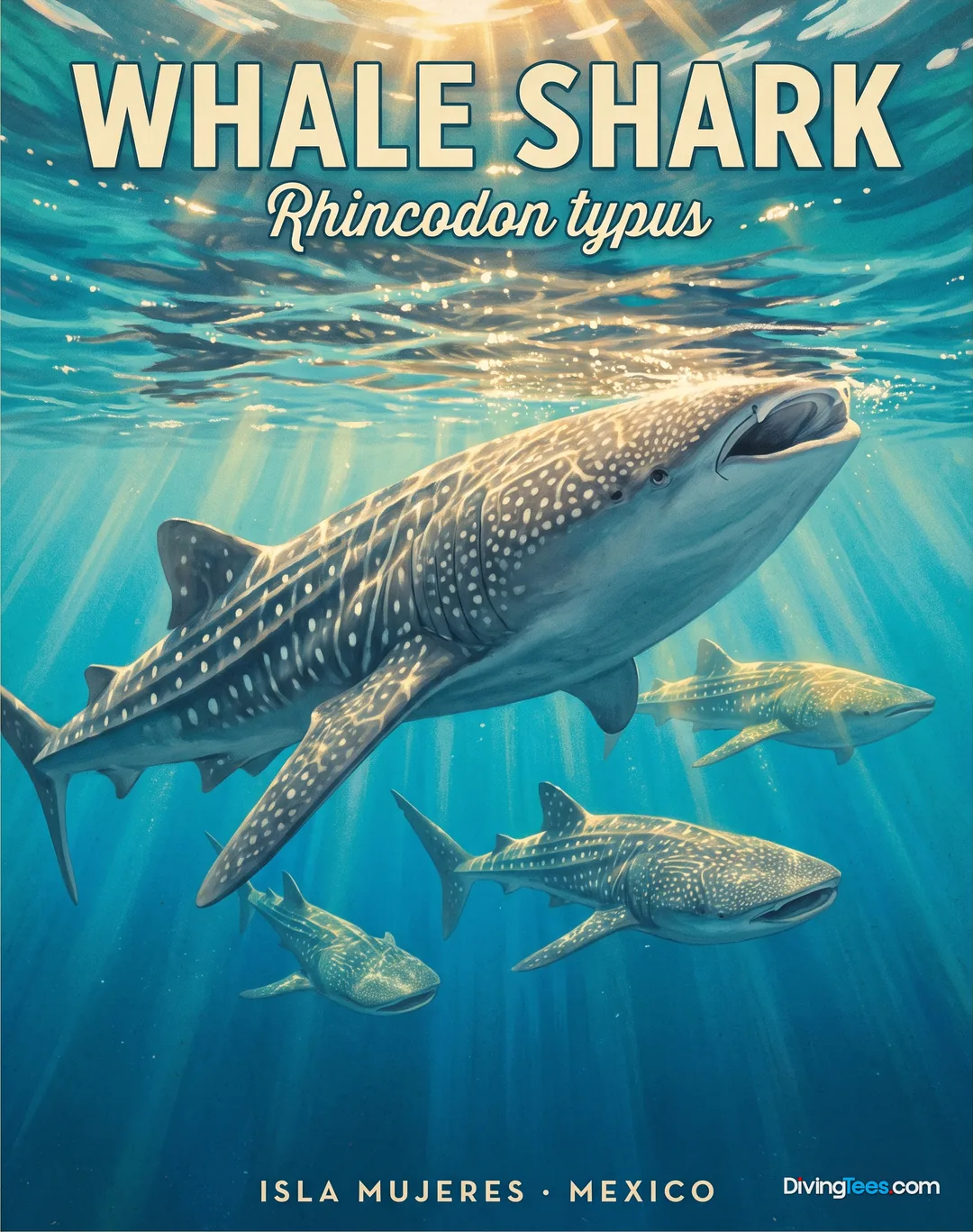
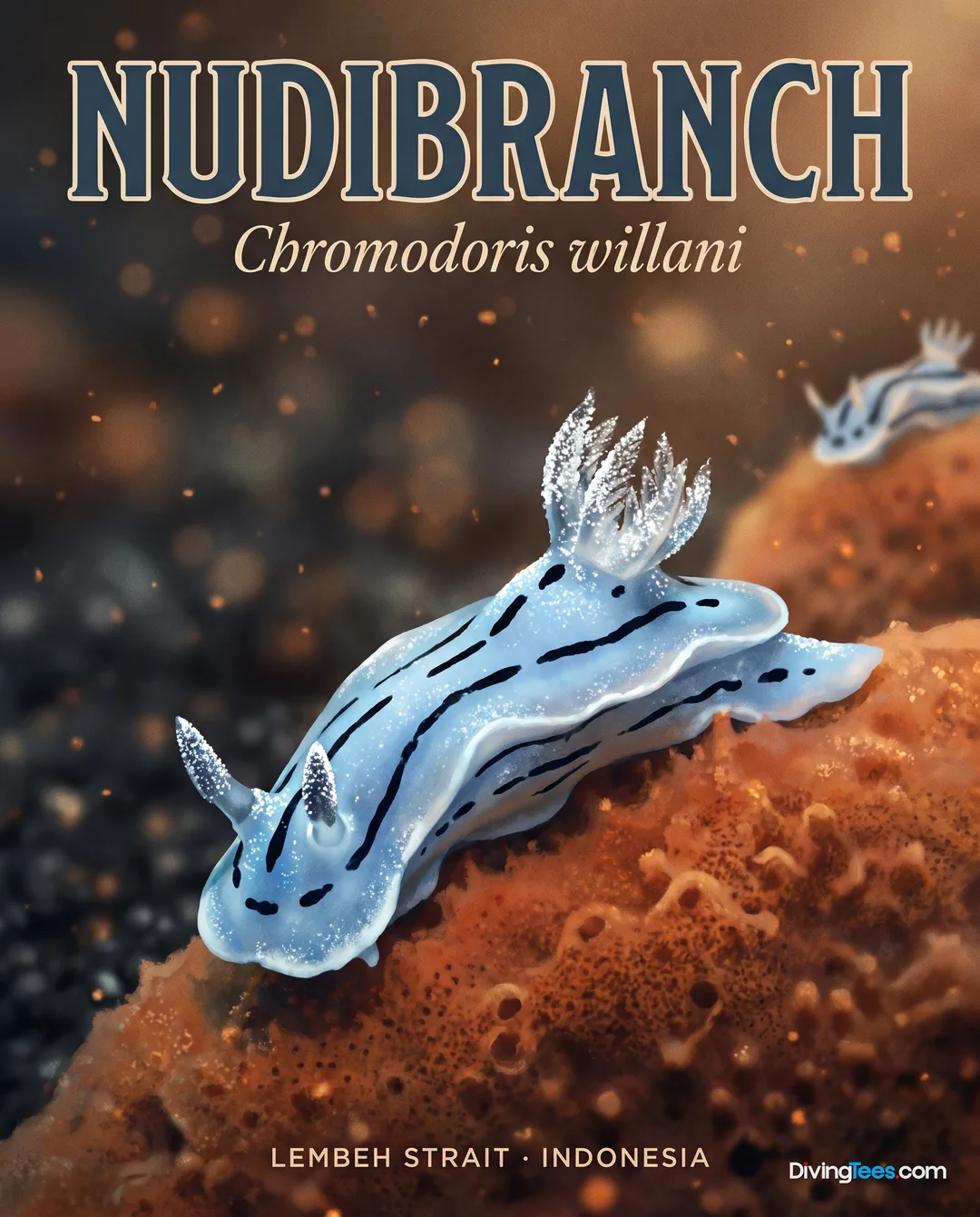
Mantas and eagle rays are the recurring promise of this route, with tuna, whitetip and grey reef sharks, Napoleon wrasse, turtles, morays and giant trevally appearing across several sites. Channels and cleaning stations are where the route earns its reputation: Kurali Kandu brings mantas to cleaning stations above garden eels, while Hanifaru Bay can gather hundreds of reef manta rays in a feeding cyclone. The large animals are not the whole show. Dense fish can erase the reef at Kudarah Thila, and schools of trevally fill the pass at Tamala Thila. The site-specific encounters give the week its sharp edges: leopard sharks at Aquarium, whale sharks at Hanifaru Bay, green turtles and batfish at Turtle Reef, and lobsters at Hakuraa Express. Kudarah Thila is also the place listed for frogfish and nudibranchs; Tamala Thila offers the route's recorded shrimp encounter. These are possibilities tied to habitat and conditions, not guarantees.
Who puts you in the water
The diving team includes a PADI dive instructor and at least three guides working from the dhoni. Briefings come before every dive and cover the site, current and exit plan; divers buddy up, with solo guests paired by the guides. English is the language spoken by the crew. The route includes channels, drift dives and current-exposed pinnacles, so comfort in current matters on demanding dives. Groups may be organised at up to six divers per guide. Oxygen, first-aid kits, fire equipment, GPS, radar, depth sounder, VHF/DSC/SSB radio, satellite communication and emergency flares are carried. Night dives are part of the programme.
The dive deck and the gear
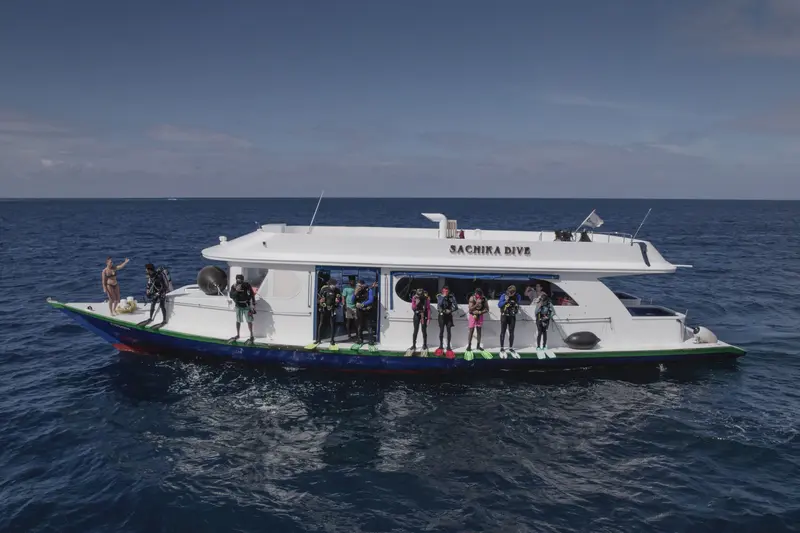
The diving is run from a dedicated 18-metre dhoni rather than from the guest boat. Divers kit up there, receive the site briefing and enter from its dive platform; the dhoni then follows the group for pickup after the dive. Felicity carries 11.5-litre and 13.5-litre tanks, with 15-litre steel tanks available as a paid extra. DIN tanks are available, and INT adapters are carried on board. Two Bauer high-pressure compressors handle filling. Nitrox, usually 32%, is free; divers should tell the guide in advance, and a nitrox course can be taken during the cruise. Weights, belts, SMBs for buddy teams and reef hooks are available, while rental equipment must be pre-booked. The main boat has a separate camera rinse tank and charging station, so wet cameras do not have to share space with masks and fins. The equipment list also asks every diver to carry an SMB, computer and torch for night dives.
Between dives
Between dives, Felicity gives guests several places to disappear for an hour. The air-conditioned salon has comfortable seating, a bar, a library and audio-video entertainment; outside, the upper decks provide sun beds, shaded lounges and a view over the atolls. The jacuzzi is for calm, stationary periods only, and the crew asks to be told before it is used. Surface time can be as simple as rinsing a mask, charging a camera at the battery station or lying flat until lunch. Kayaks and paddleboards are available as optional activities, alongside fishing, wakeboarding and other towable water toys. When the boat is moving between atolls, the useful luxury is space to do nothing. A day without a dive can instead lead to a local island visit or a beach barbecue when conditions permit.
A day on board
A typical dive day starts before dawn with coffee, tea and something light, followed by the first briefing and dive. Breakfast comes after divers are back on board; a second dive follows later in the morning, lunch breaks the day, and an afternoon dive sends everyone back to the dhoni before tea and snacks. The published schedules place dinner in the evening, with night dives included when the route calls for them. Across a week, the standard programme offers about 17 dives, generally two or three a day, while some itinerary descriptions schedule a fourth depending on tank filling, cruising and weather. Day one is different: boarding, introductions and equipment setup come before the long crossing toward the first check dive. On the final day, breakfast and check-out lead directly to the airport transfer. The last dive is planned on the penultimate day.
What you eat aboard
The galley serves three chef-prepared meals a day in buffet style, with snacks between them. The cooking combines local and Western dishes, and vegetarian and vegan options can be arranged when requested before boarding. Water, tea and coffee are available throughout; beer, wine, cocktails and other drinks are handled separately. On a dive boat, the useful measure is not how elaborate one meal sounds, but whether food arrives when divers need it. Breakfast follows the first dive, lunch sits between the middle dives, and afternoon tea fills the gap before dinner. There is also the possibility of a beach barbecue when the route and weather allow. The table is therefore part of the dive system: fast enough to support the next briefing, substantial enough to make the fourth day feel as good as the first.
Nights at sea
The cabins are divided between lower-deck rooms, main-deck sea-view cabins and upper-deck sea-view cabins with panoramic windows. All have air-conditioning and a private bathroom with shower, sink and toilet. The lower-deck rooms include twin and double arrangements; the sea-view cabins use double beds, with family configurations available. What matters at night is the separation from the public spaces: once the door is shut, the cabin becomes a cool, private place to recover between dives, while the upper cabins add daylight and a view rather than merely another bed. Hot water is limited, and showers are expected to be short. Cabins are cleaned daily after the first or second dive, with towels and linen changed every three days. The night is comfortable, but it still belongs to a working dive boat.
Lower Deck Cabins
Main Deck Cabins
Upper Deck Sea View Cabins
What to know before boarding
Trips depart from and return to Male, with airport transfer included. Guests are met for the transfer from Velana International Airport; the exact instructions are provided with the trip arrangements. Arriving in Male the night before boarding is the sensible choice, leaving room for a delayed flight without putting the embarkation at risk.
Deck plan
- Year built
- 2021
- Length
- 39 m
- Beam
- 10 m
- Maximum number of passengers
- 26
- Number of cabins
- 13
- Number of bathrooms
- 13
- Engines
- 720 hp Doosan Daewoo diesel engine
- Cruising speed
- 10 knots
- Tenders
- 1
- Website
- maldivesafari.com ↗
Hello, I'm Marina, DivingDeal.com's AI assistant. I answer in detail about hotels, dive centres and liveaboards.
Thinking about the whole trip and the flights? Talk it over with Edith →
Marina is an AI. Some links are affiliate links: DivingDeal may earn a commission, at no extra cost to you. Bookings are made with the partner.