Liveaboards · Maldives
Princess Sara — a spacious Maldivian dive yacht built around the week underwater
For subtitles in English: start the video firstthen click the gearat the top right of the video, select “Subtitles/CC”, then “Auto-translate” and choose “English”.
The invitation
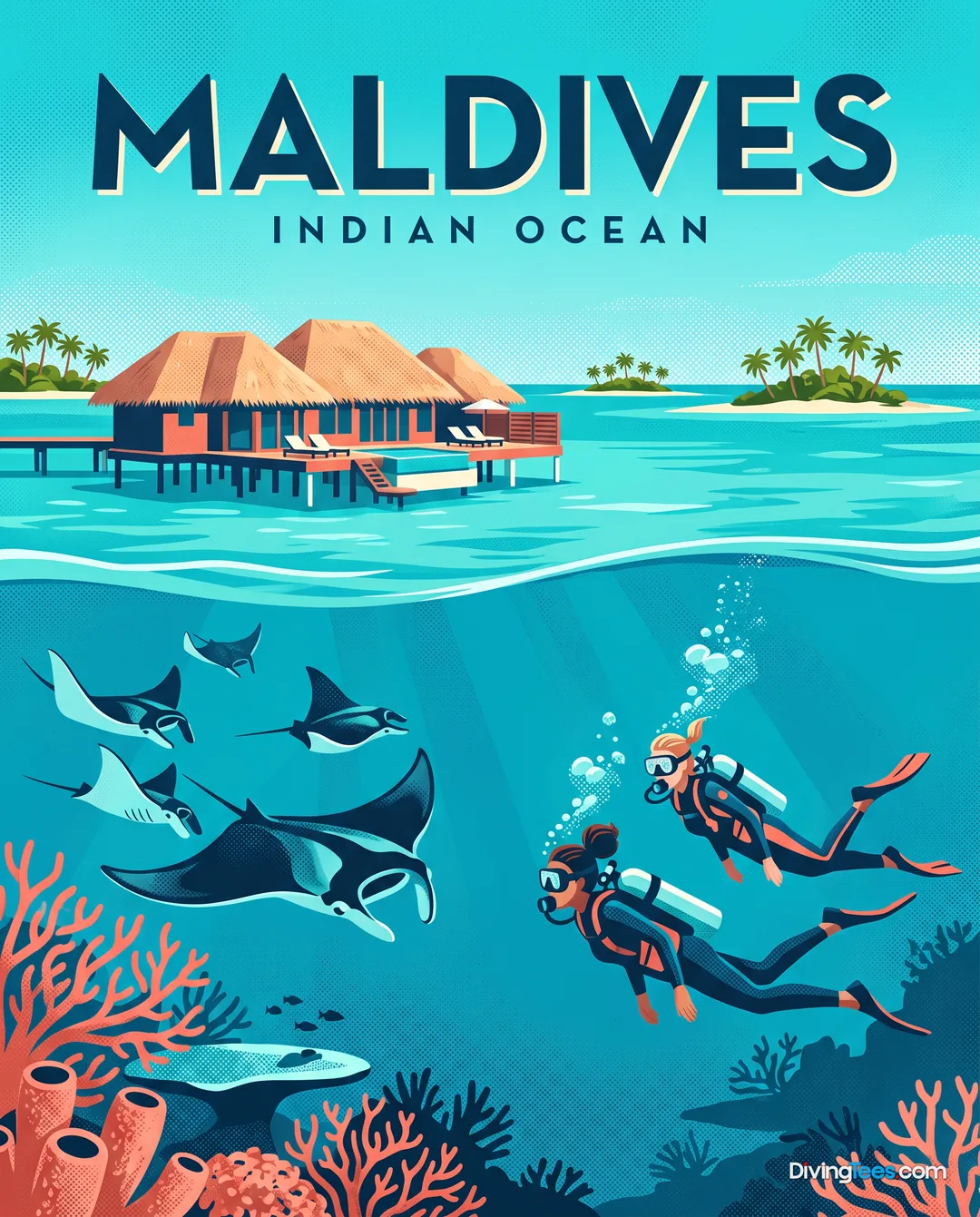
Princess Sara suits divers who want a full Maldivian route without giving up space between dives. The boat combines a dedicated dive operation with the parts of a proper holiday that matter after a long day underwater: shaded decks, outdoor dining, a bar and an open-air jacuzzi. The Central Atolls itinerary moves from South Malé through Felidhoo and Ari to North Malé, so the week is not tied to one reef or one type of encounter. The attraction is the range: current-fed channels, thilas, manta cleaning stations, whale-shark country and quieter island stops. Non-divers can join too, with guided snorkelling and island excursions rather than simply waiting on board. Step aboard for three accompanied dives on the programmed days, a night dive during the week, and a boat that gives the surface hours enough room to feel like part of the trip.
Boarding
From the dock, Princess Sara presents as a large wooden motoryacht rather than a stripped-down dive platform. The wood gives the interior a warmer character than a purely functional steel or fiberglass boat, while the several open decks keep the Maldives visible as the boat moves between atolls. Inside, there is an air-conditioned lounge and dining space; outside, shaded areas and sun decks give divers somewhere to dry off, talk through the last dive or disappear with a book. The engine is a Doosan Daewoo 600HP unit, and the boat has a super-silenced generator, so the working machinery is treated as part of the design rather than left to dominate the living spaces. Boarding is organised around an airport welcome, refreshments, acceptance procedures and a briefing before the first check dive. It feels more like joining a small floating base than checking into a hotel.
The atmosphere on board
The atmosphere is shaped less by formality than by a crew that stays close to the guests throughout the day. The guides organise the briefings and transfers to the dive sites, the deck crew helps with equipment and rinsing, and the kitchen keeps the food moving without making meals feel rushed. Passenger feedback consistently points to helpful staff, strong organisation and especially good food; that balance matters when three dives, boat movements and island stops all have to fit together. The crew is local and international, with English, German and Russian spoken on board, while the diving operation also works with Italian-, English- and Spanish-speaking instructors and local guides. With a crew-to-passenger ratio close to one-to-one, help is usually nearby without the boat feeling over-managed. Evenings can mean a beach barbecue, drinks at the bar or a quieter table inside.
The sites you’ll dive
The Central Atolls cruise lasts 8 days and 7 nights, leaving from and returning to Malé, and follows South Malé, Felidhoo, South Ari, North Ari and North Malé. The verified site list gives the route a strong pelagic profile. At Barracuda Giri, three submerged pinnacles drop to -30m, where current brings schooling barracudas, fusiliers, tunas, jacks and snappers. Mushimasmigili Marine Reserve reaches -30m at its up-current pinnacle, a place known for grey reef sharks. Dhonkalo is a manta cleaning station in a sandy channel; the site reaches -25m. In South Ari, Maamigili and Maamigili Beiyru descend to -30m within protected waters where whale sharks and mantas may pass. Kudarah Thila Marine Reserve, also to -30m, is all clefts, overhangs and caves crowded by batfish. Myaru Kandu is the Shark Channel, with grey and whitetip sharks in a moving drift. Foththeyo Kandu reaches -40m, combining strong current, yellow soft-coral-covered caves and open-ocean pelagics. Other stops include Banana Reef, Guraidhoo Marine Reserve, Dhigalhi Haa, Dhonfanu, Dhigu Thila and Fushifaru Thila Marine Reserve, where manta cleaning stations lie at -35m. Weather and sea conditions can change the final sequence.
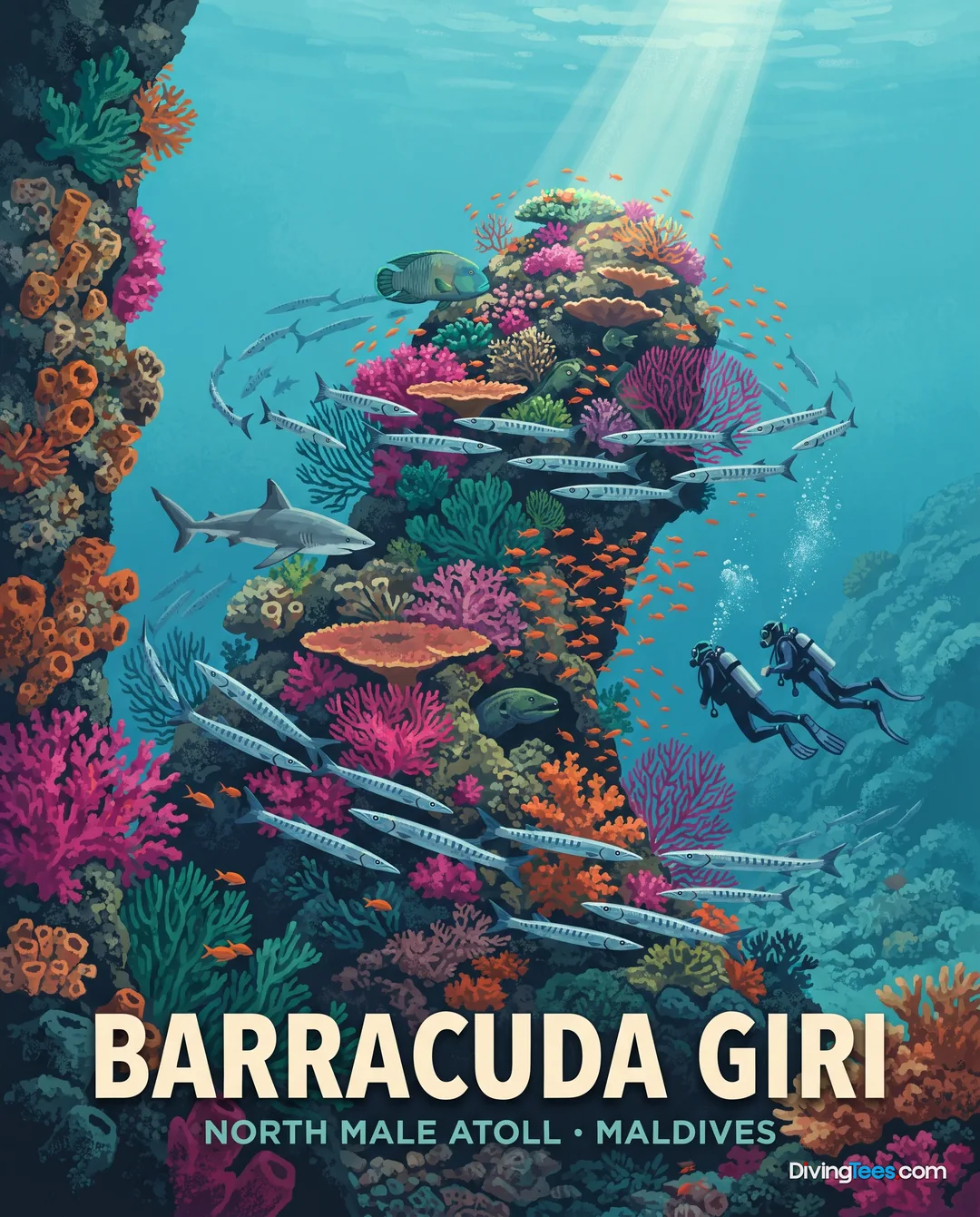
Barracuda Giri →
Max. depth · 30 m
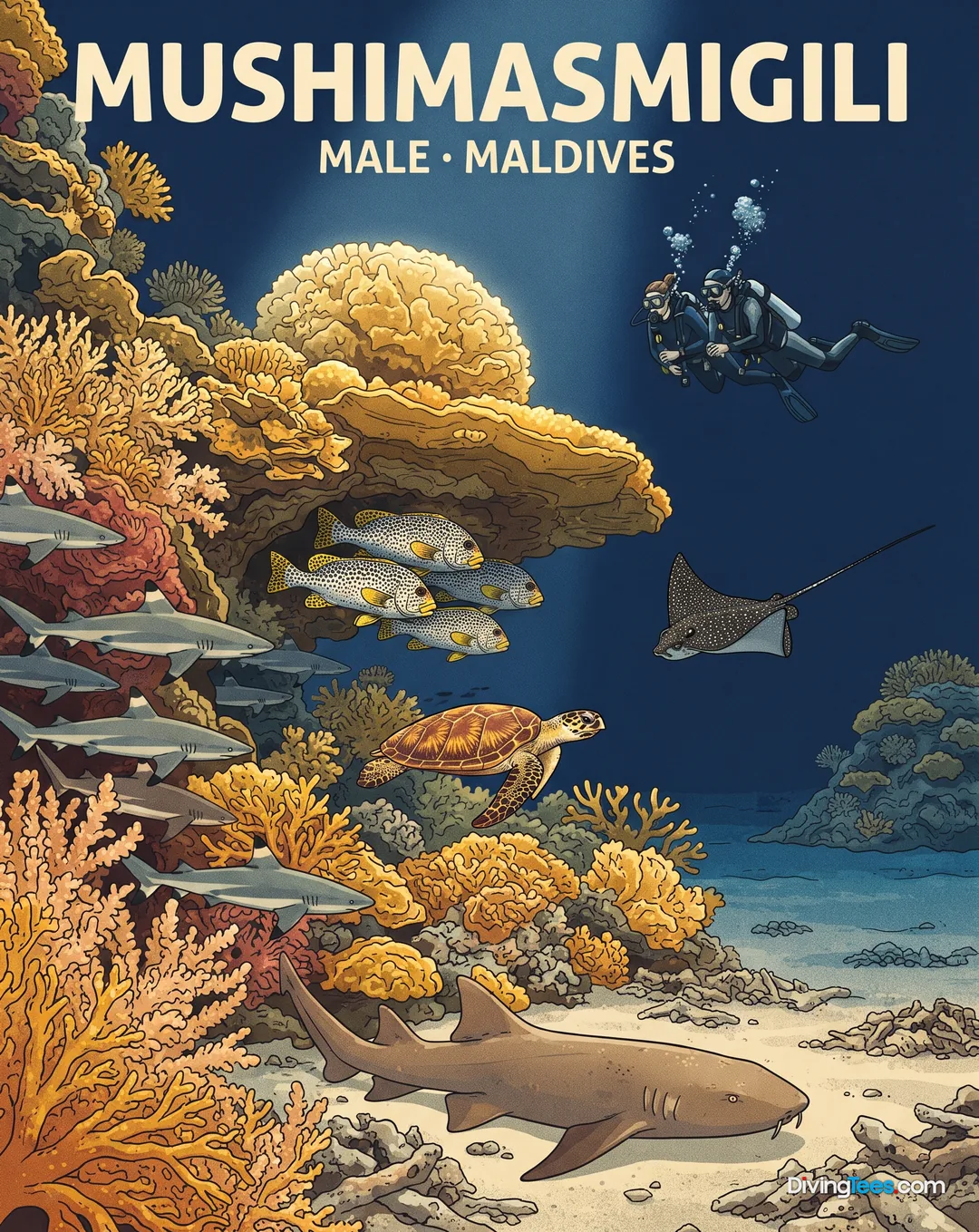
Mushimasmigili Marine Reserve →
Max. depth · 30 m
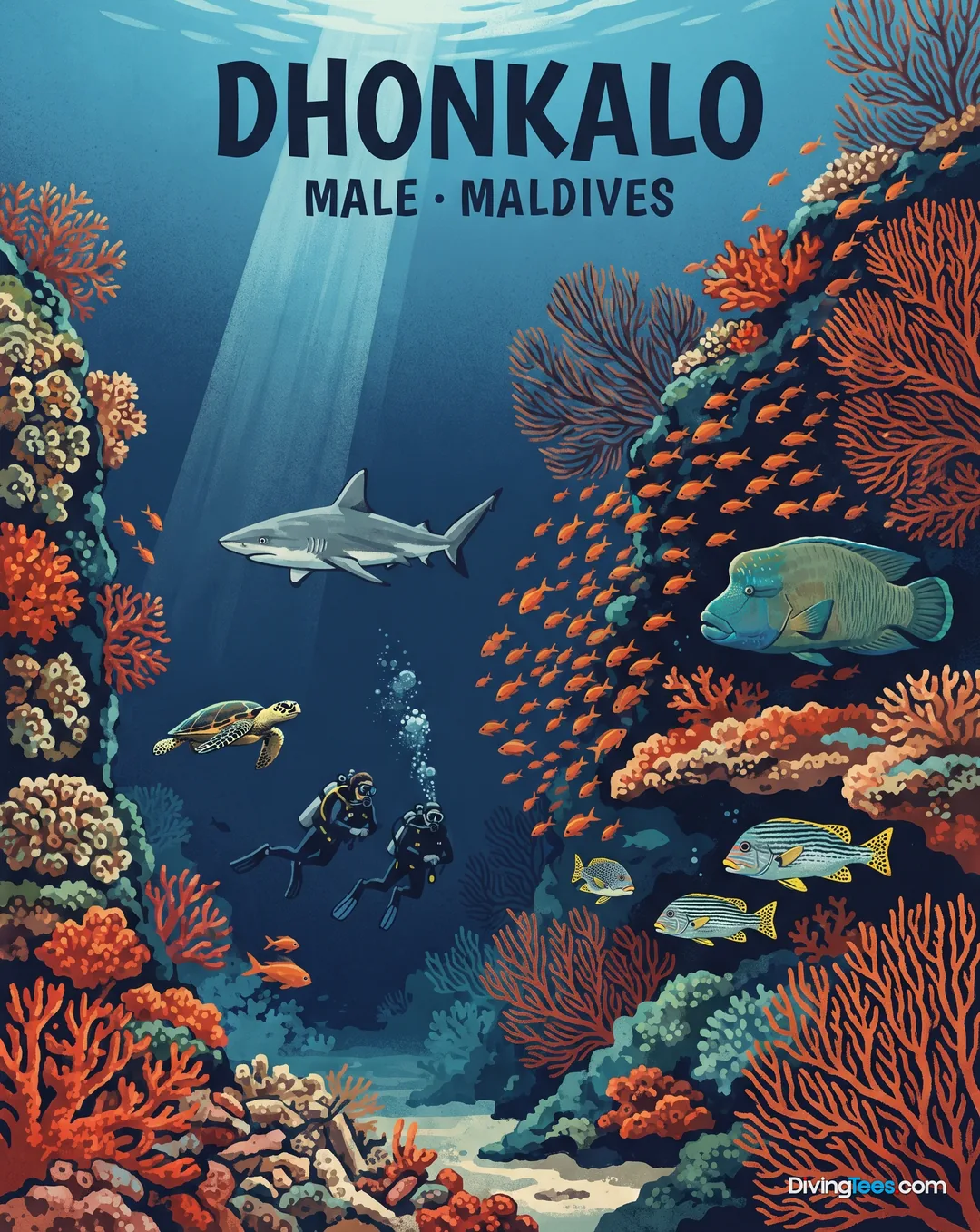
Dhonkalo →
Max. depth · 25 m
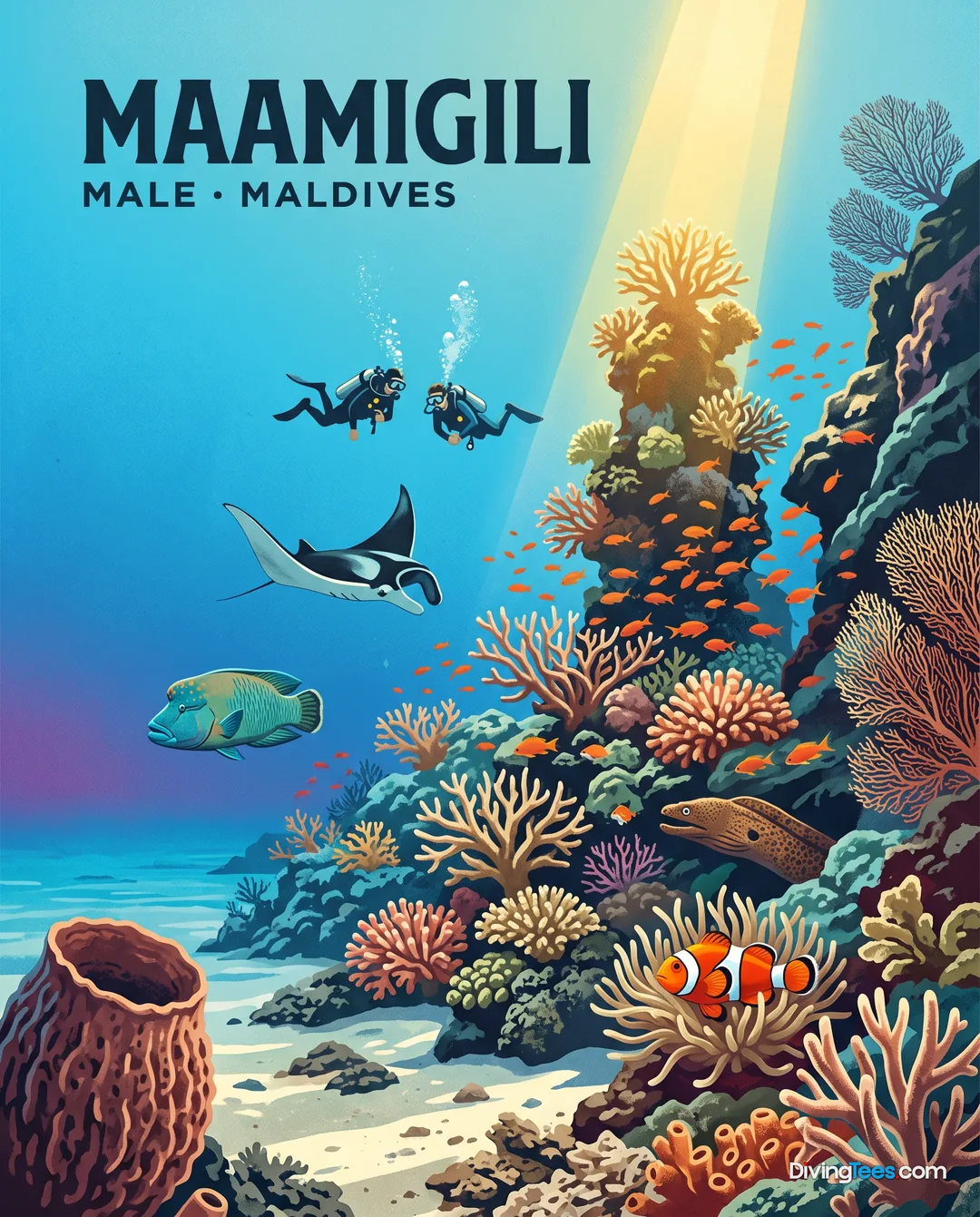
Maamigili →
Max. depth · 30 m
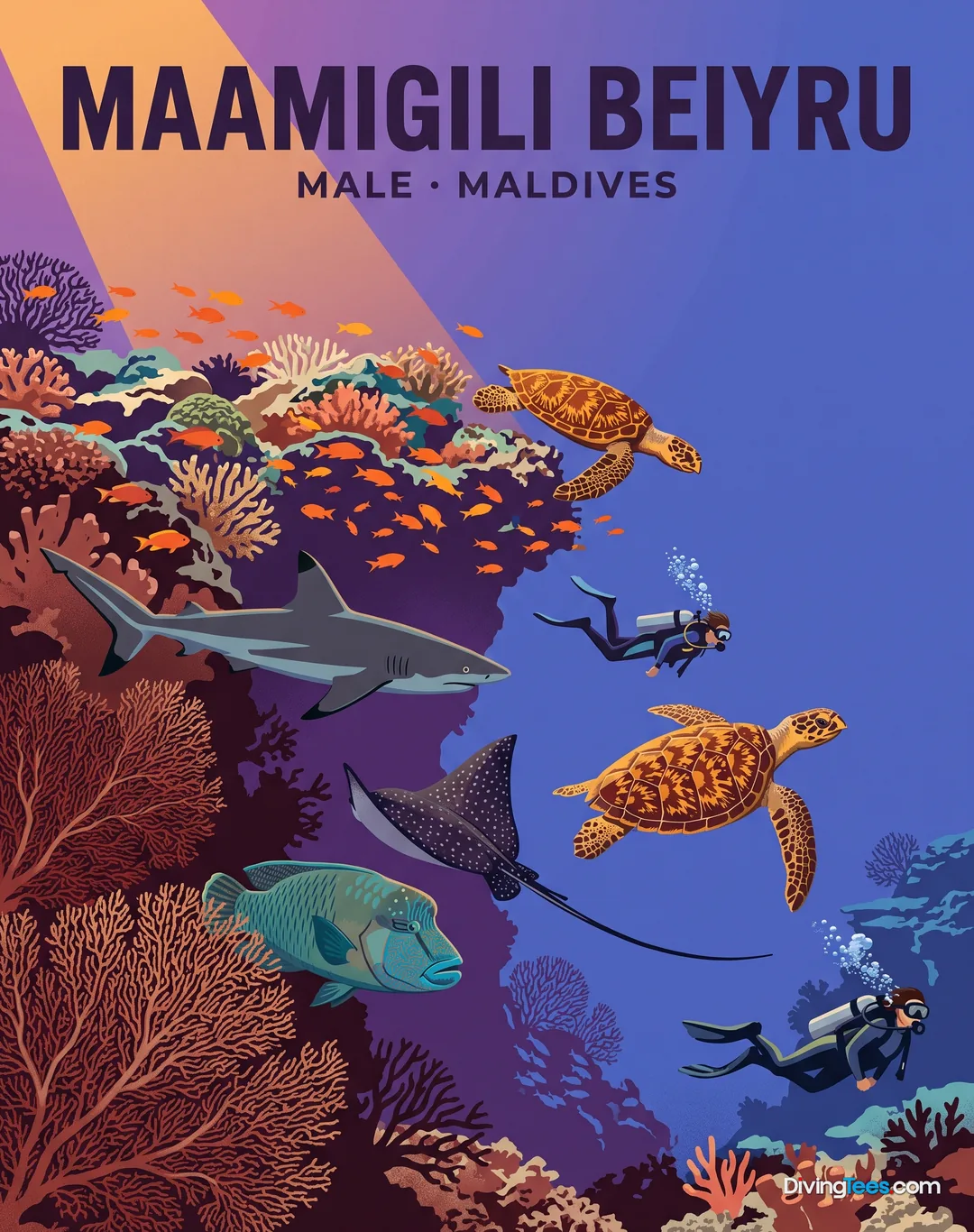
Maamigili Beiyru →
Max. depth · 30 m
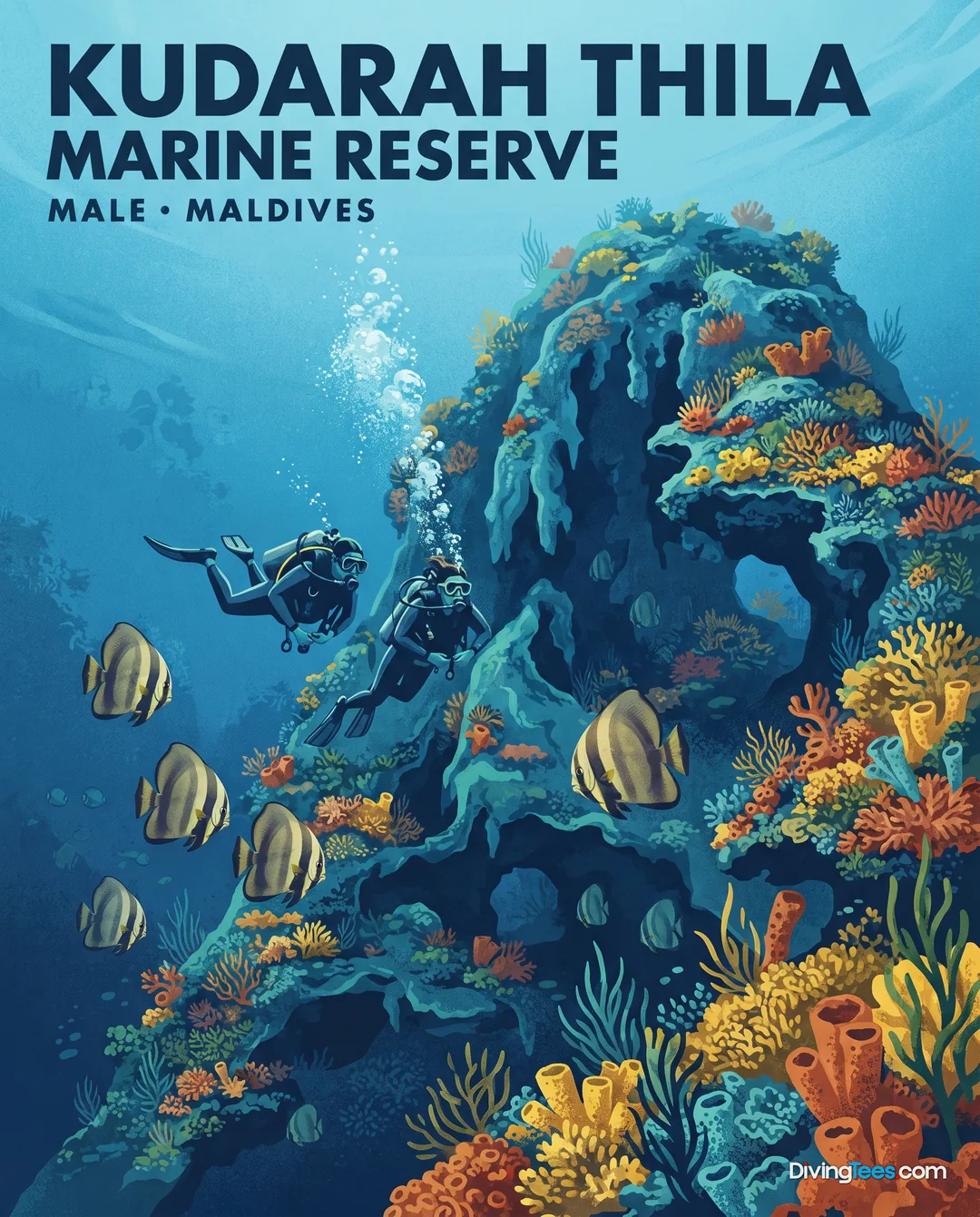
Kudarah Thila Marine Reserve →
Max. depth · 30 m
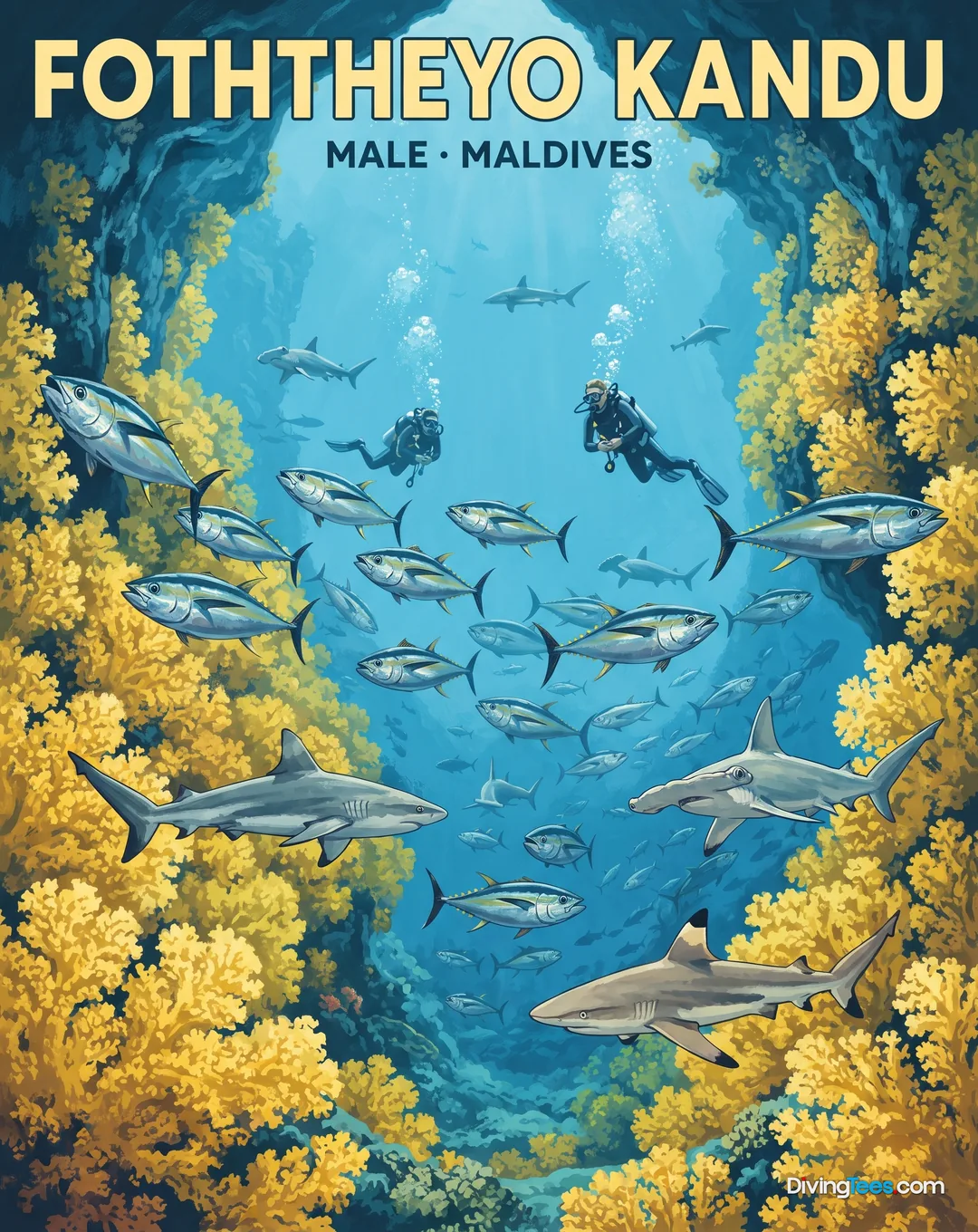
Foththeyo Kandu →
Max. depth · 40 m
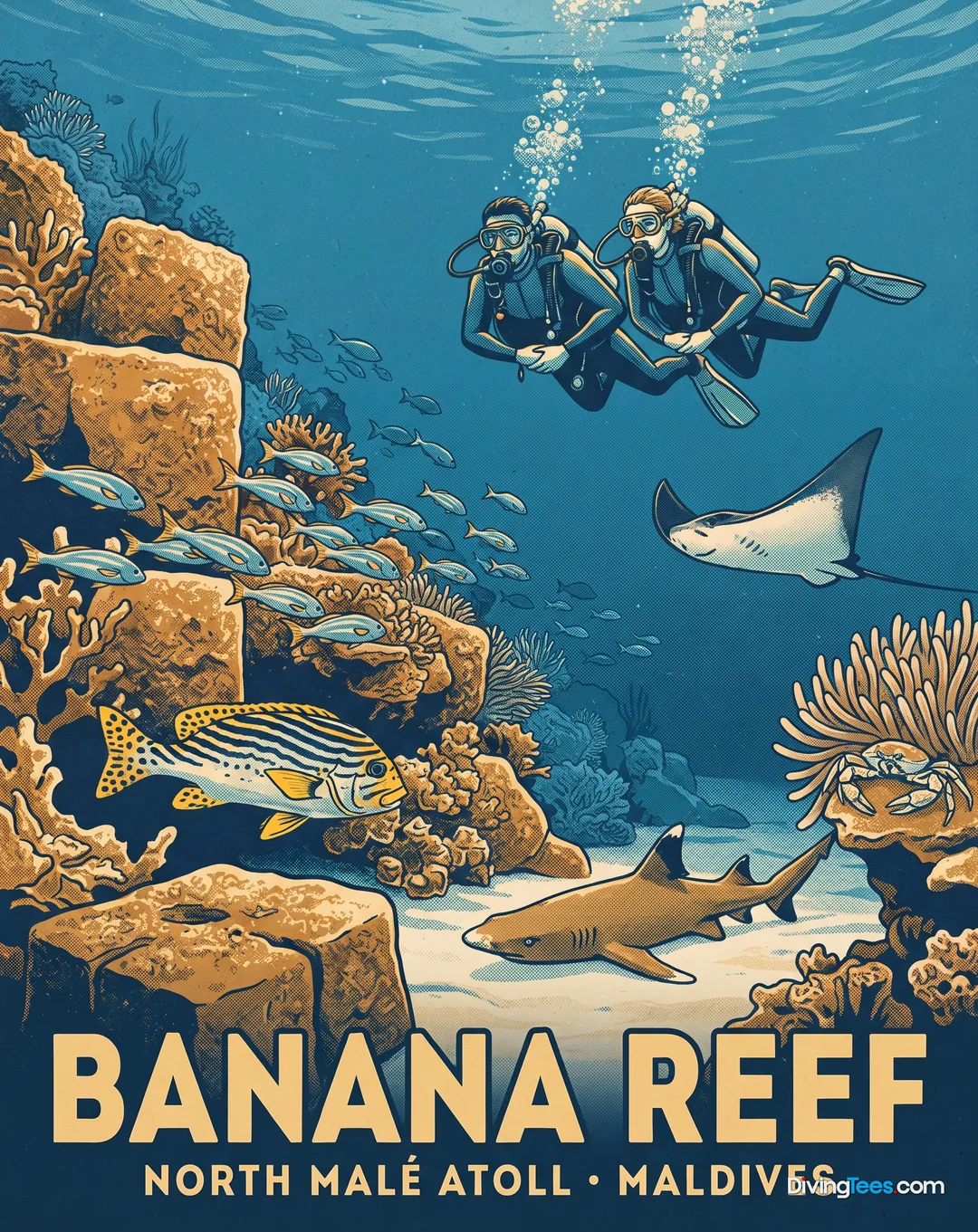
Banana Reef →
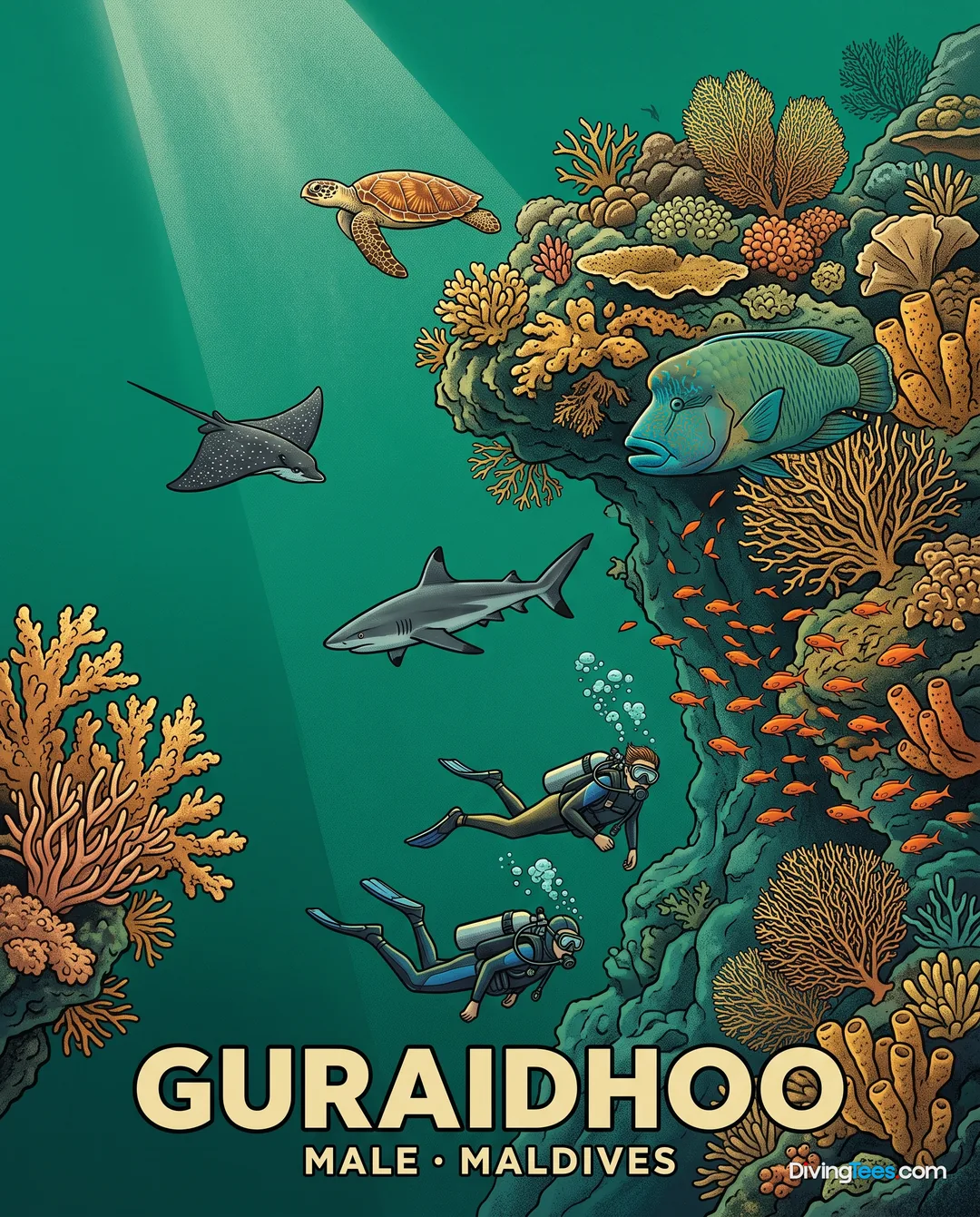
Guraidhoo Marine Reserve →
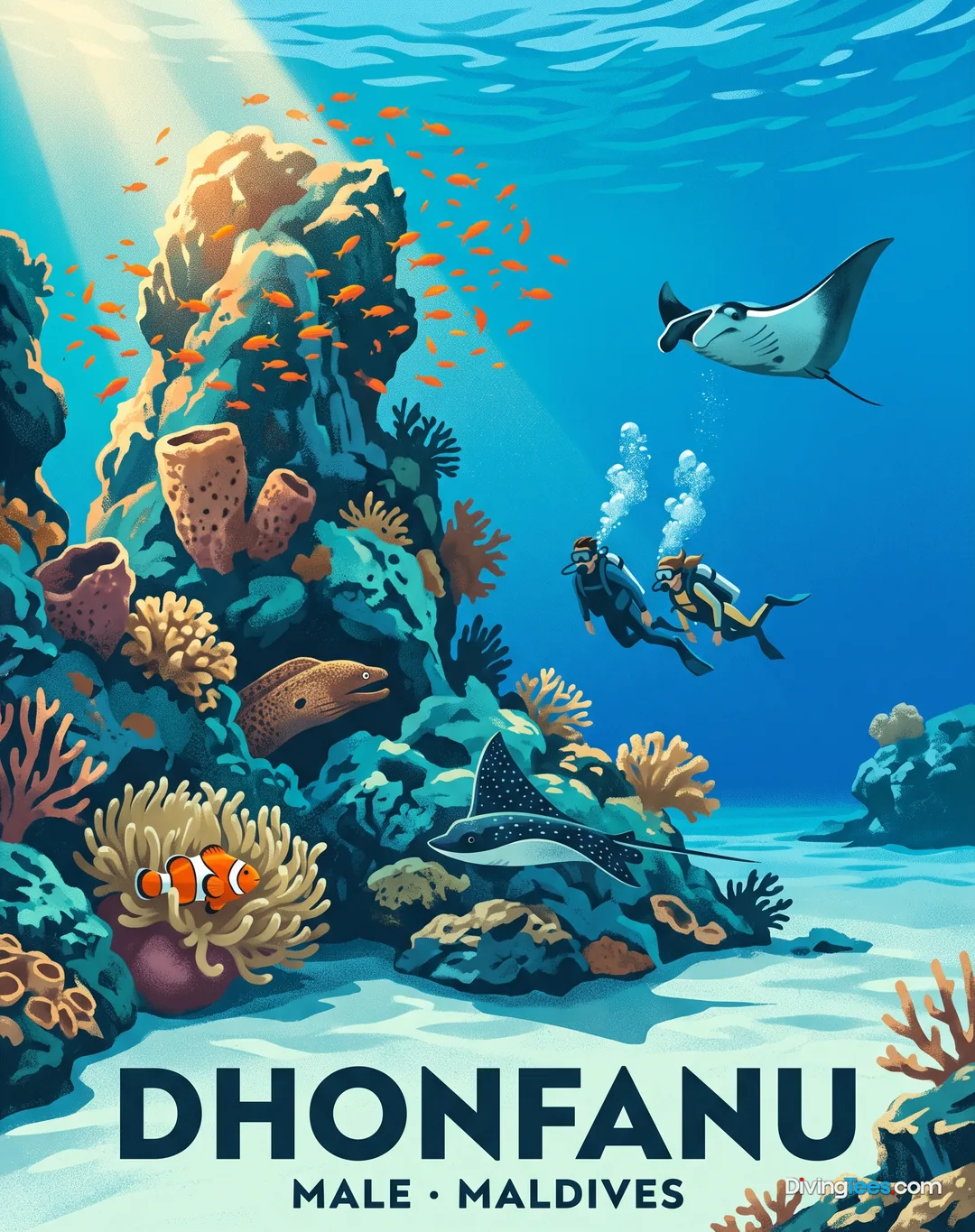
Dhonfanu →
Max. depth · 30 m
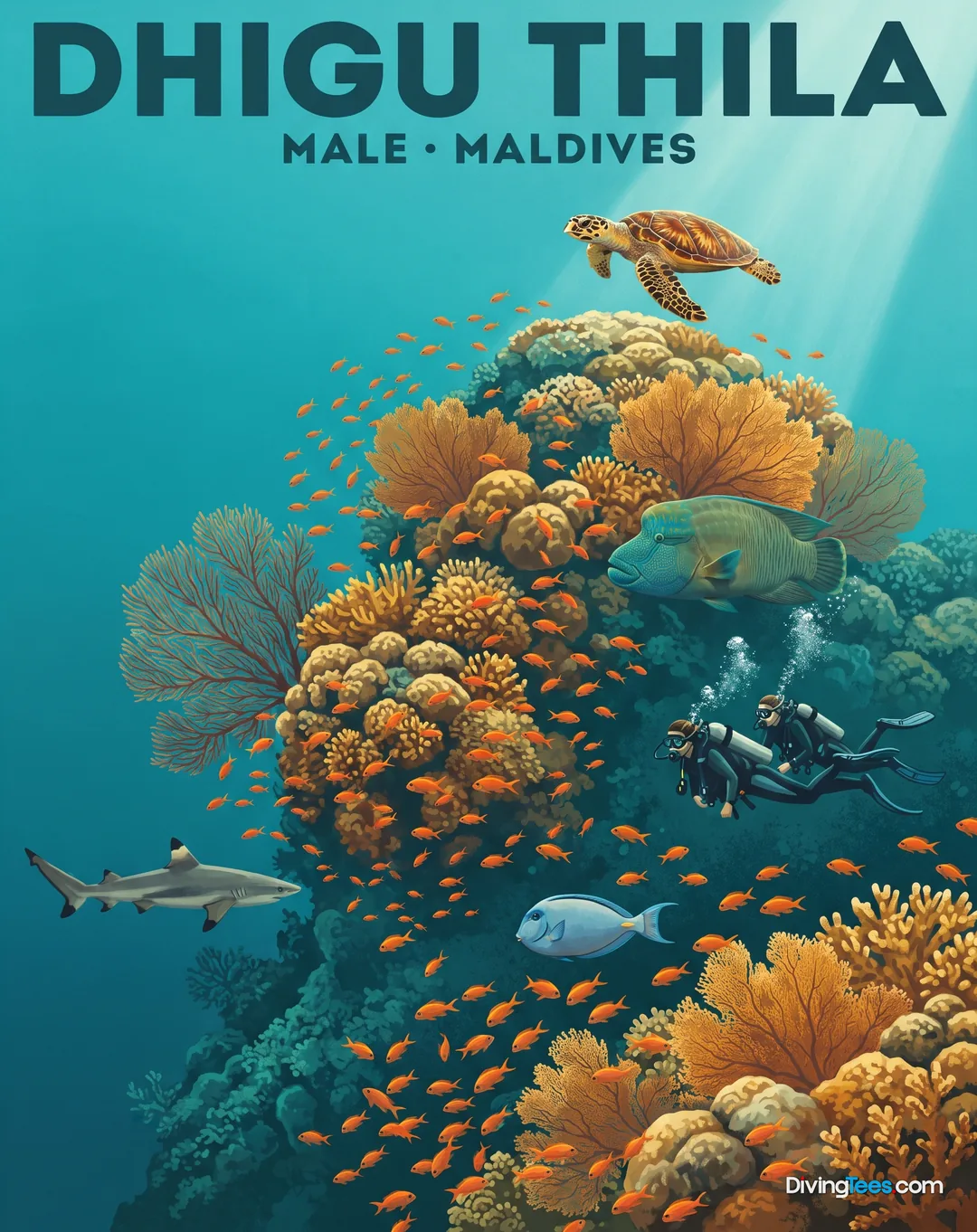
Dhigu Thila →
Max. depth · 30 m
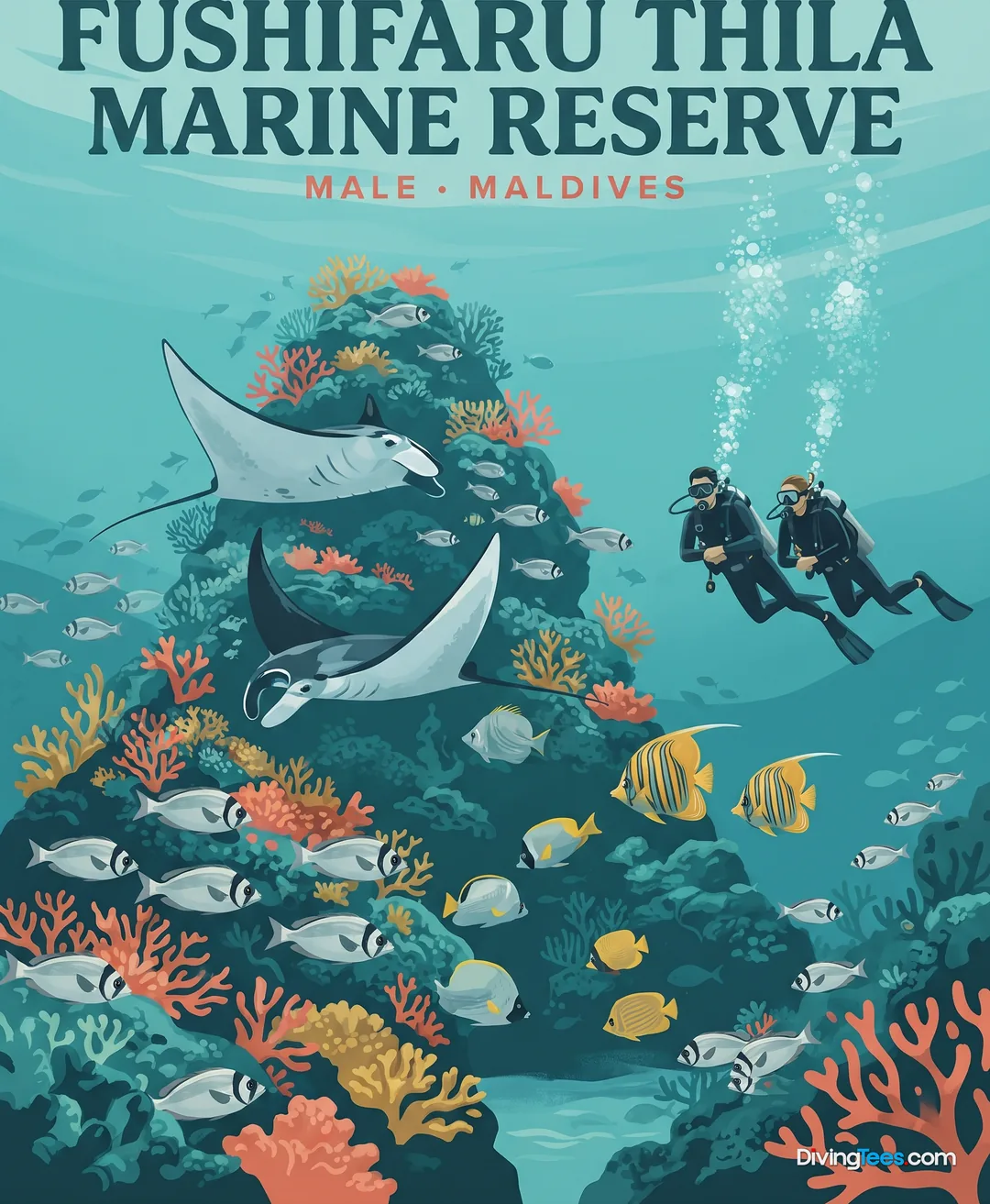
Fushifaru Thila Marine Reserve →
Max. depth · 35 m
Itineraries, dates and prices
Prices per person. Each month shows its lowest price: click a month, or pick an itinerary.
Next departures · 56 departuresfrom £1,298$1,735€1,550
November 2026
December 2026
January 2027
See dates and prices
If you click these links and make a purchase on the partner site, DivingDeal may earn a commission, at no extra cost to you.
Dates and prices taken from Divebooker and liveaboard.com, updated 24 October 2026
What you’ll meet underwater
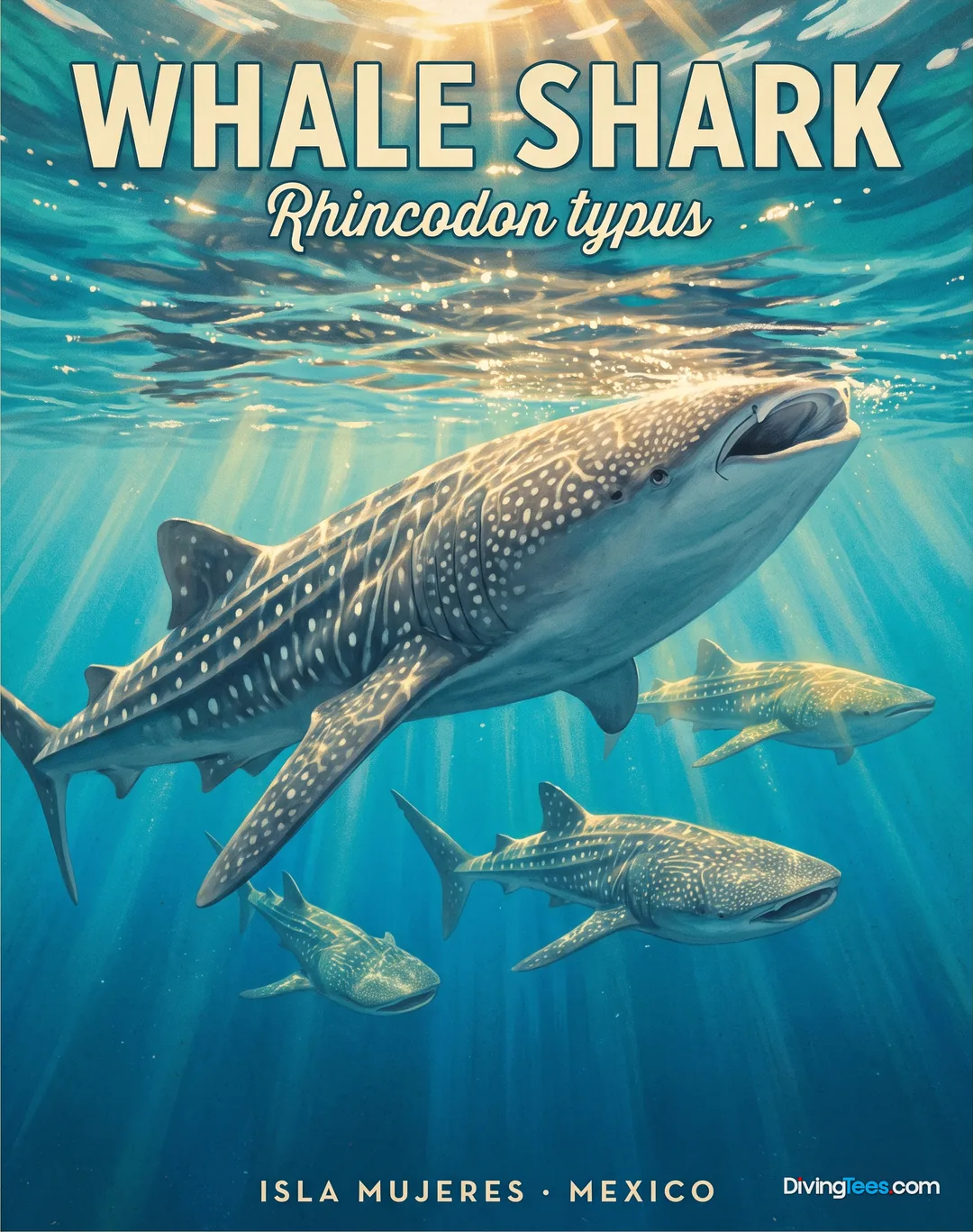
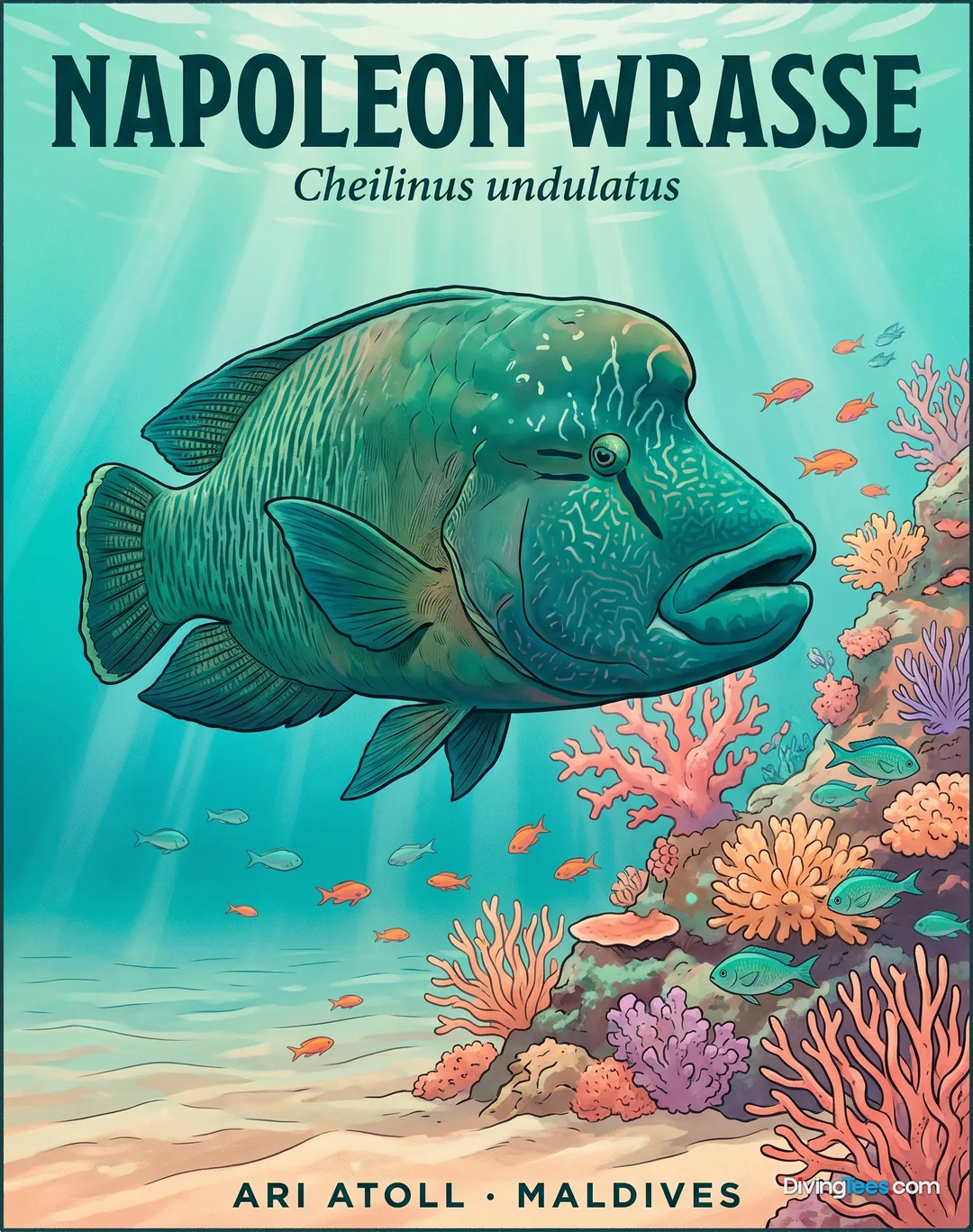
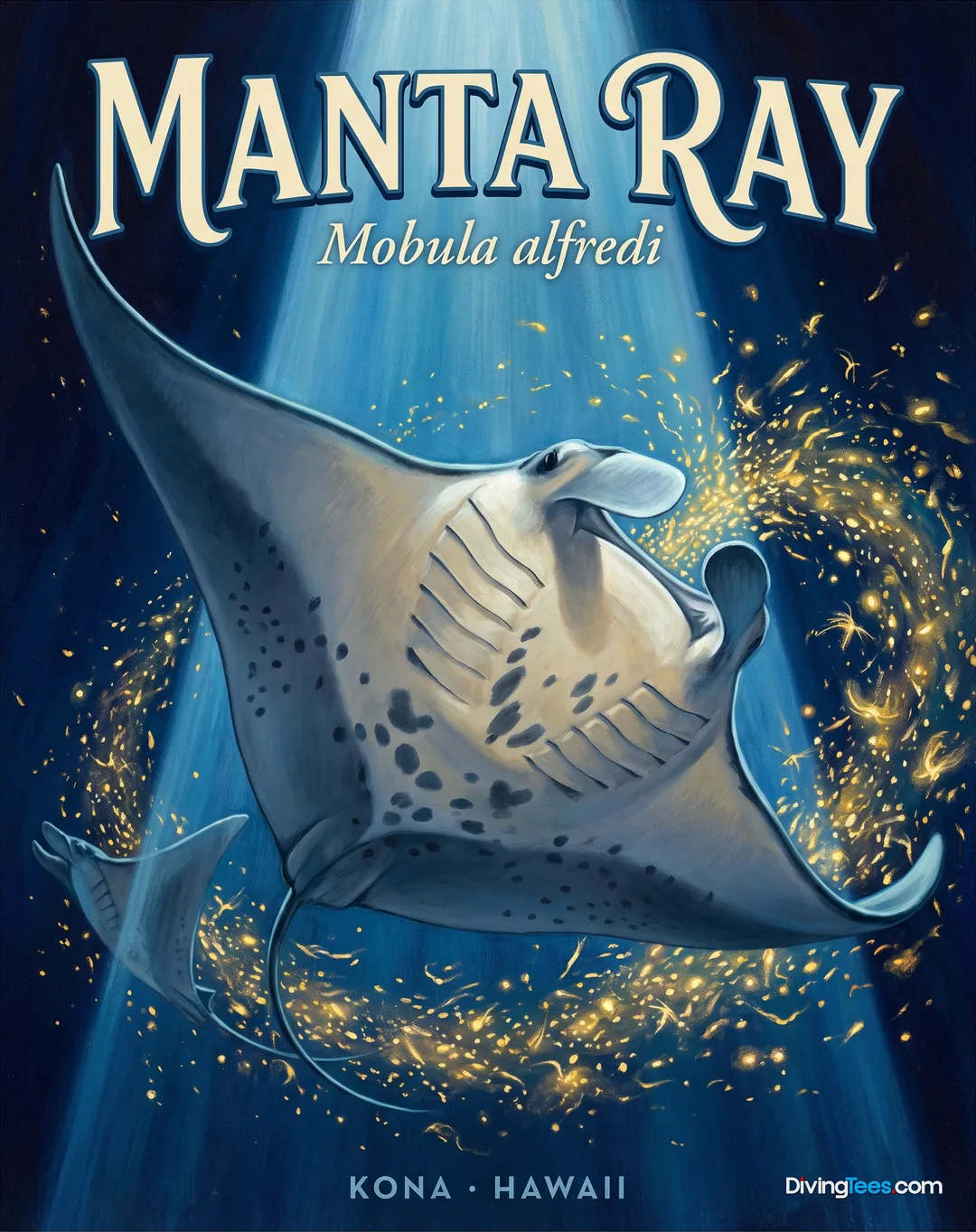
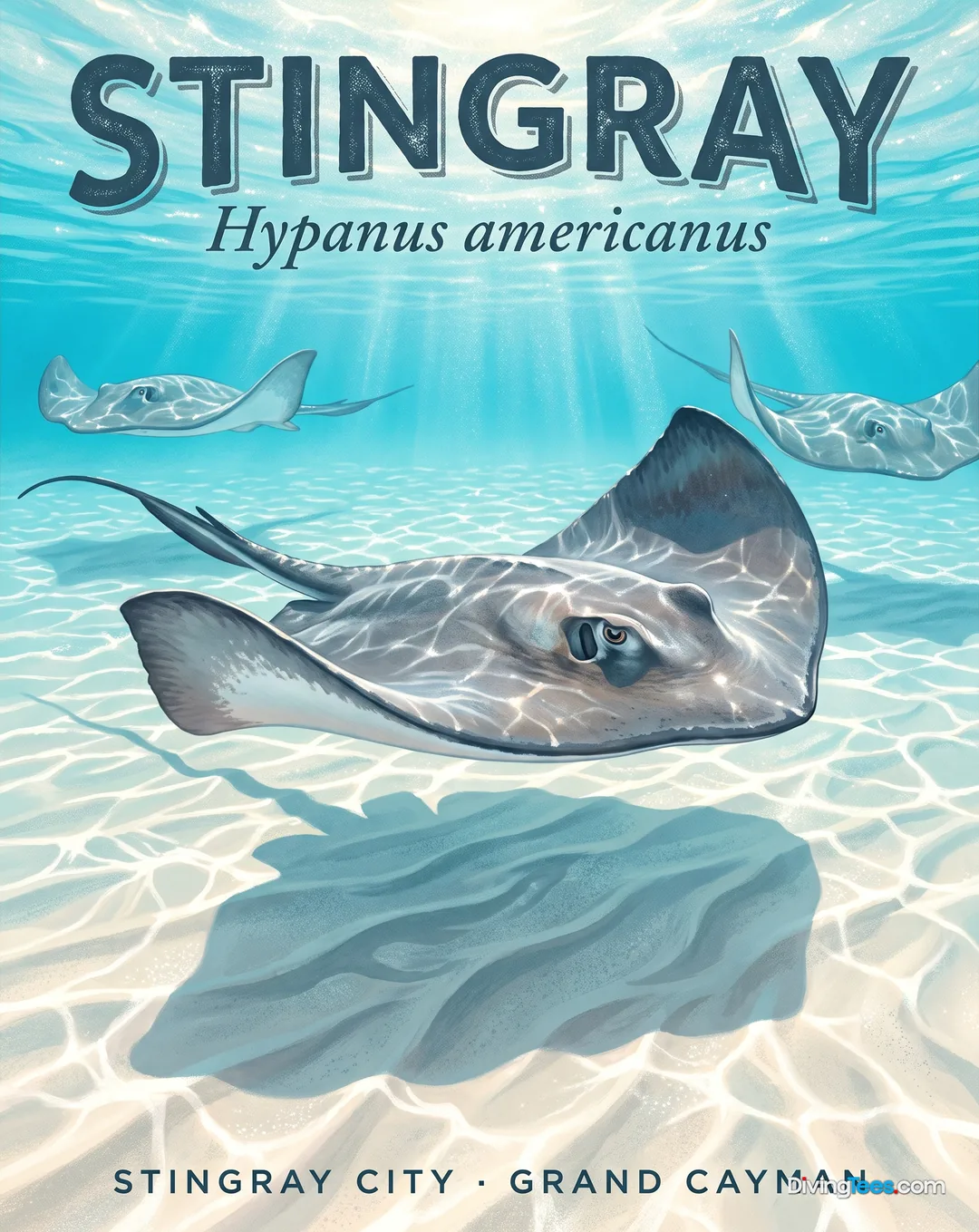
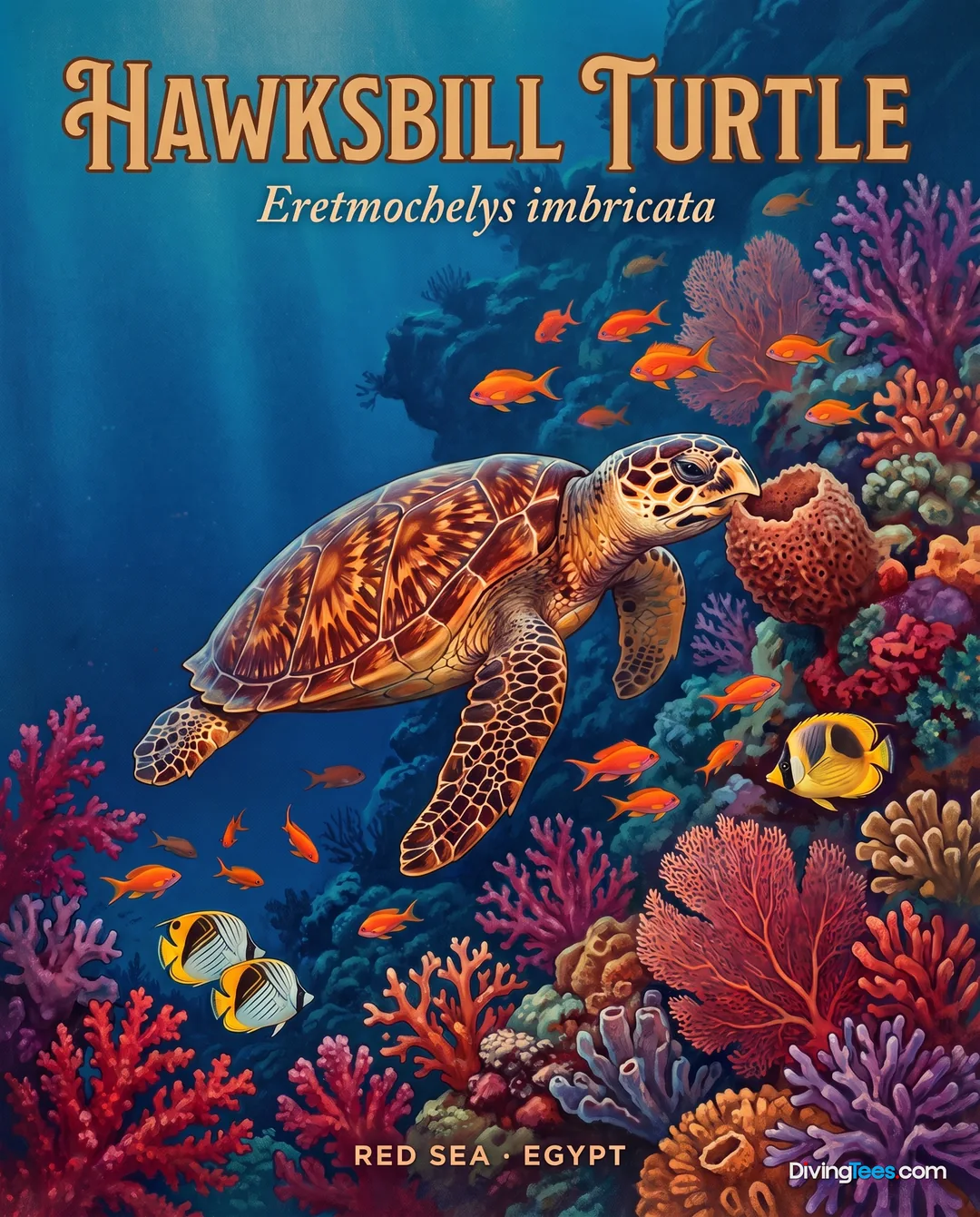
Across this route, the recurring cast is clear: fusiliers and Napoleon wrasse appear across many sites, alongside grey reef sharks, sea turtles, barracudas, manta rays, tuna, eagle rays, jacks, trevallies, moray eels and batfish. The action is often created by water movement. Channels and pinnacles pull baitfish and pelagics together, while cleaning stations give mantas a reason to hold position. At Dhonkalo and Fushifaru Thila Marine Reserve, the sandy channels and cleaning areas are the places to watch for manta rays; at Maamigili and Maamigili Beiyru, whale sharks are the reason to spend time in South Ari. The rarer details give individual sites their identity. Barracuda Giri is the only listed site for groupers and anthias. Banana Reef is the place for anemones. Dhigalhi Haa Marine Reserve carries soft coral and gorgonians, Maamigili has groupers and porcupinefish, Fushifaru Thila Marine Reserve has a stingray, and Dhigu Thila is the listed site for a hawksbill turtle. None of these encounters is automatic. The current, visibility and animal decide the moment.
Who puts you in the water
Certified divers join accompanied groups led by instructors and local dive guides, with an average guide-to-diver rate of about 1:8. The Central Atolls route accepts divers from OWD or an equivalent qualification; the higher minimum of AOWD with 30 logged dives applies to the southern and tiger-shark itineraries, not this one. Briefings take place before departures from the dhoni, with the guide setting out the site, current and plan before the group enters the water. The operation also offers an SSI Open Water Diver course, plus advanced and specialty training including naturalist and digital photography courses. English is spoken by the diving team, with Italian and Spanish also available among the instructors and local guides. Safety equipment includes oxygen, first-aid kits, life jackets, lifeboats, fire alarms and extinguishers, GPS, sonar, radar and VHF/DSC/SSB radio. A trained crew and a 24-hour emergency line support the operation on board.
The dive deck and the gear
The diving setup is built around the dhoni, which takes divers from the yacht to the sites, while the tender supports snorkelling and island landings. Divers use single-connection 12-litre tanks in INT/DIN configuration; 15-litre tanks and rental equipment are available as paid options. Two air compressors handle filling, with a separate nitrox compressor on board. Nitrox is available as an extra, not as a default inclusion. The main boat has a shaded dive area, a dive platform, rinse tanks and DIN adapters, keeping the practical work of changing cylinders and caring for cameras away from the living spaces. An underwater camera area is available for photographers. The working pattern is simple: dive from the support boat, return to Princess Sara, rinse, eat and recover under shade.
Between dives
Between dives, the useful spaces are outside. Shaded areas let wet divers get out of the sun, while the sun decks and open-air jacuzzi suit anyone who wants heat, light and a view of the atolls. The dhoni and tender also carry the non-diving programme: guided snorkelling, sandbanks, deserted and inhabited islands, fishing and shore visits. Stand-up paddleboards and kayaks are available for a quieter way to use the water; the jet ski and other water activities offer more noise when the group wants it. Sailing time is not treated as dead time. It is when equipment dries, cameras are checked, lunch is eaten and the boat moves towards the next current line or thila. On a no-dive afternoon, the choice is simple: read in the shade, join an island landing, fish, or stay on deck and watch the reef country slide past.
A day on board
A typical dive day starts before the sun has properly warmed the deck. Coffee comes before the first briefing, then divers leave on the dhoni while snorkellers and island visitors take the tender. On the published schedule, the first dive is at 7:00, breakfast follows at 9:00, and the second briefing and departure come at 11:00. Lunch lands at 13:00. Where the itinerary allows, the third dive leaves at 15:30, followed by a snack and sometimes a landing on an inhabited island at 17:00. The evening moves from aperitif at 19:00 to dinner at 20:00. The Central Atolls route totals 17 dives: one on arrival, three on the main diving days and one final dive before returning towards North Malé, with one night dive during the week. Between those fixed points, the boat sails, equipment is rinsed, cameras are checked and the next current is discussed. The schedule has structure, but the captain and Boat Manager adjust it for weather and sea conditions.
What you eat aboard
Meals are full board, with three meals a day and buffet service combining local and Western cooking. The chef prepares the food on board, with vegetarian and vegan options available, alongside snacks between the main meals. Breakfast follows the first morning dive, lunch comes after the second, and the afternoon dive is followed by another pause before the evening aperitif and dinner. That order works well on a diving boat: nobody is trying to eat a heavy meal immediately before entering the water, and the table becomes the place where the group compares sightings and checks the next briefing. Some evenings move ashore for the included beach barbecue, turning dinner into an island stop rather than another meal in the saloon. Beer, wine and cocktails are available on board, while the standard drinks service includes drinking water, tea and coffee.
Nights at sea
The cabins are all on the lower deck, with portholes, air conditioning, hot and cold water, television and private bathrooms. Standard cabins are the straightforward choice; Deluxe cabins and lower-deck Junior Suites add space and a private jacuzzi, while the main-deck Junior Suites and upper-deck Master Suites offer the more elevated options. The difference matters after several dives: a private bathroom removes the queue, and air conditioning gives the body somewhere cool to recover. Above, the boat opens into lounges, dining areas and sun decks rather than forcing everyone into one saloon. At night, the cabin is a practical retreat with the sea outside the porthole and the boat's systems continuing their work around it. The Princess Sara is not selling minimalist expedition life. It is built for divers who want a real bed, a shower and a quiet door between one dive day and the next.
Master Suite (Cabins 9 & 10)
Junior Suite 7 and 8
Deluxe Cabins (3 & 4)
Junior Suite 1 and 2
Standard Cabins (5 & 6)
What to know before boarding
Princess Sara embarks and disembarks in Malé, with the Central Atolls route running from Malé to Malé. Staff meet guests at Velanaa International Airport and take them to the boat for refreshments, acceptance procedures and the welcome briefing. Airport transfers are included in the cruise arrangements, and the final transfer to the airport follows breakfast on departure day, by 10:00. Guests arriving for the cruise should allow enough time to reach the airport before that handover.
- Year built
- 2018
- Length
- 40 m
- Maximum number of passengers
- 24
- Number of cabins
- 10
- Number of bathrooms
- 12
- Engines
- Doosan Daewoo 600 hp engine
- Cruising speed
- 10 knots
- Tenders
- 1
- Website
- mastroviaggiatore.it ↗
Hello, I'm Marina, DivingDeal.com's AI assistant. I answer in detail about hotels, dive centres and liveaboards.
Thinking about the whole trip and the flights? Talk it over with Edith →
Marina is an AI. Some links are affiliate links: DivingDeal may earn a commission, at no extra cost to you. Bookings are made with the partner.