

CMAS
Nero-Sport Diving Center, Zakynthos, Griechenland
Google 5/5 (650 reviews)
4.1 km away as the crow flies
Zakynthos · Greece · Mediterranean
Pultas offers a glimpse into the diverse underwater landscape of Zakynthos, a distinct site waiting to be explored.
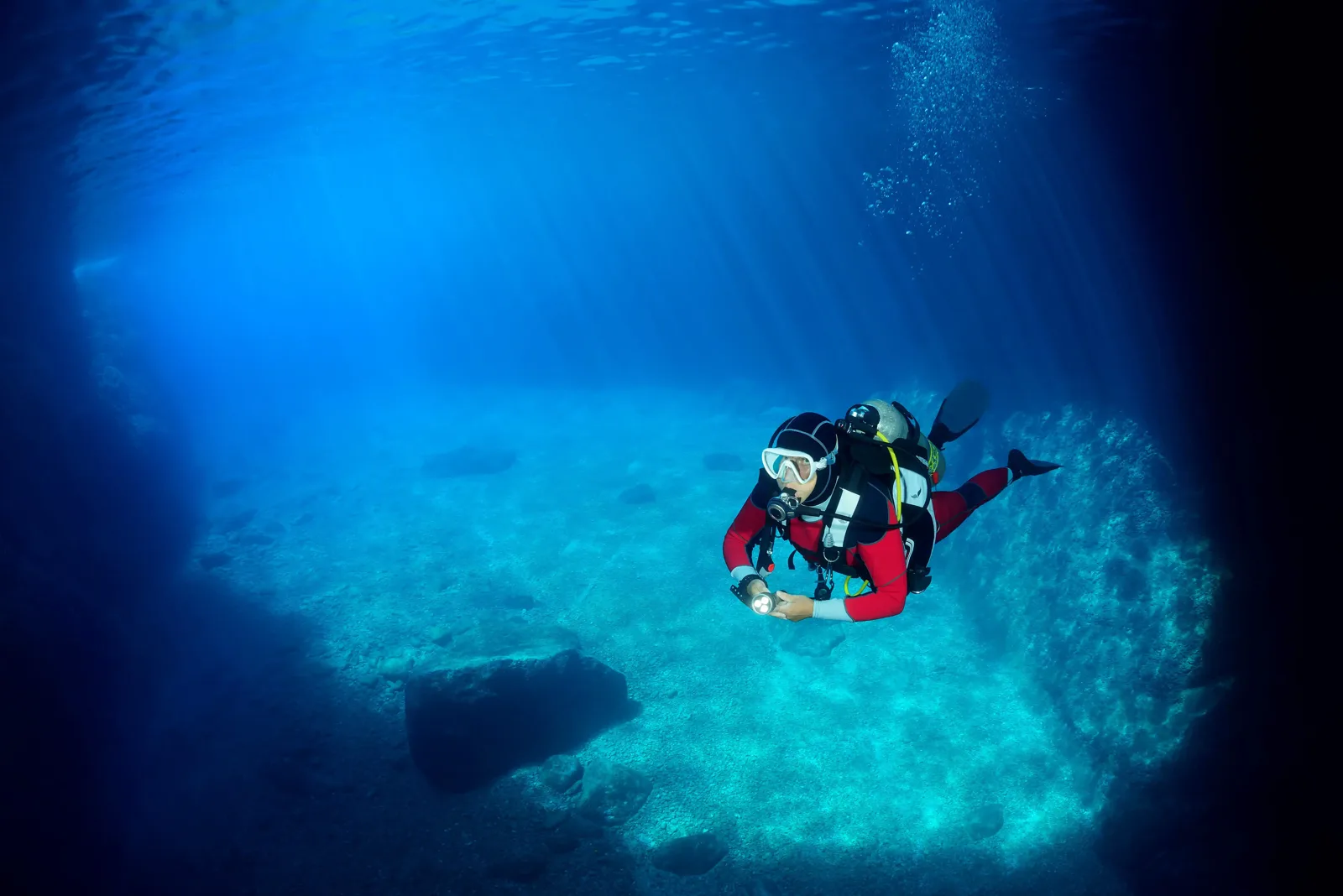
Pultas stands as a recognized dive site within Zakynthos, distinct from the more commonly described caves, walls, or arch formations found elsewhere on the island. For those who have explored other parts of the Ionian Sea, you know that each site here holds its own character. Without specifics on its exact layout, approaching Pultas means being ready to encounter a unique underwater profile, typical of the varied geology of this region.
When you descend at Pultas, the exact contours are yet to be fully charted, but the expectation is for a natural formation. This is not a man-made reef or a deliberate wreck, but a part of the seabed shaped by natural processes. Understanding the local geology of Zakynthos, you can anticipate formations that provide refuge for marine life, whether that is a gentle slope or a more dramatic drop-off, all within the natural currents of the Ionian.
Currents at Pultas are noted as variable. This means you should be prepared for conditions that can shift during your dive. A variable current often implies that local topography, perhaps a shallow reef or a deeper channel, can influence water movement, creating different experiences across the site. Planning your entry and exit points, and being mindful of your group's positioning, becomes even more important here, much like any site with unpredictable water flow.
Diving Pultas requires an understanding that you are exploring a site where specific features are still being cataloged. This offers a certain kind of raw discovery, a different experience from perfectly mapped and frequently dived locations. Your buoyancy control and situational awareness become key, allowing you to adapt to whatever the underwater terrain presents, whether it's navigating through smaller rock formations or holding your position against a moderate flow.
Currents at Pultas are variable, meaning conditions can change during a dive. Divers should be prepared for shifting water movement and plan their dive profile accordingly.
Pultas is a natural underwater site rather than a man-made reef or deliberate wreck. Its exact contours are still being cataloged, so you may encounter a varied seabed shaped by natural processes. The profile could include smaller rock formations, a gentle slope, or a more dramatic drop-off within Zakynthos’s natural geology.
Currents at Pultas are variable, so water movement can shift during your dive. Local underwater topography may influence the flow, creating different conditions across the site. You should plan your dive profile accordingly, consider your entry and exit points carefully, and keep your group’s positioning in mind as conditions change.
Pultas calls for good buoyancy control and situational awareness because its specific underwater features are still being cataloged. You should be ready to adapt to changing terrain and water movement, whether navigating smaller rock formations or holding your position against a moderate flow. Planning and awareness are important throughout the dive.
At Pultas, you can expect a natural underwater profile shaped by the seabed rather than a wreck or artificial reef. The formations may provide refuge for marine life, although the site’s exact layout and features are still being cataloged. Your experience will center on exploring Zakynthos’s varied natural underwater topography.