CMAS
Nero-Sport Diving Center, Zakynthos, Griechenland
Google 5/5 (650 reviews)
3.9 km away as the crow flies
Zakynthos · Greece · Mediterranean
Max. depth · 40 mBarakuda Reef, also known as Marzelou, offers a dynamic dive along a rocky reef in Zakynthos, known for schools of barracuda congregating in stronger currents.
Barakuda Reef, often called Marzelou, is a substantial rocky formation in Zakynthos, dropping from a minimum depth of 14 metres down to a sandy valley at 40 metres. The topography is distinct, moving away from a flat bottom to a series of rock formations and a narrow ridge. One side of this ridge features a significant drop-off into open blue water, defining the dive profile for much of the exploration.
Your descent will typically follow these rock formations, working at mid-depths where the reef contours are most pronounced. There isn't a single large cavern or tunnel system to explore; instead, the dive focuses on navigating the intricate rocky terrain. This allows you to explore the various crevices and overhangs that provide shelter for smaller reef inhabitants while keeping an eye out into the blue.
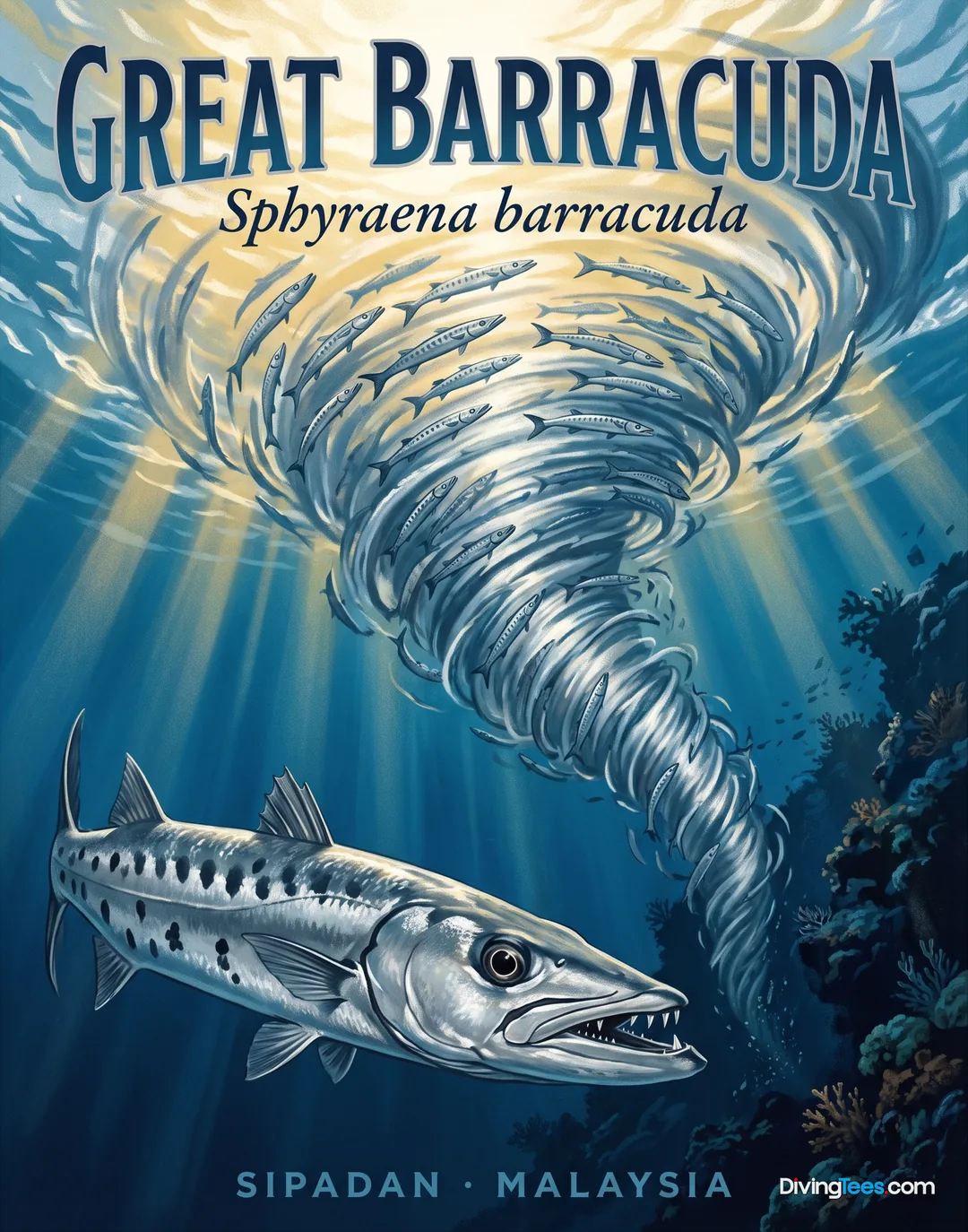
The site's name, Barakuda, is not just a label but a direct reflection of its most anticipated inhabitants. Barracuda schools are a common sight, particularly in the deeper sections of the reef, and divers often report increased activity and larger schools when the current strengthens. These conditions create a dynamic environment, where the presence of pelagic species is tied directly to the water movement.
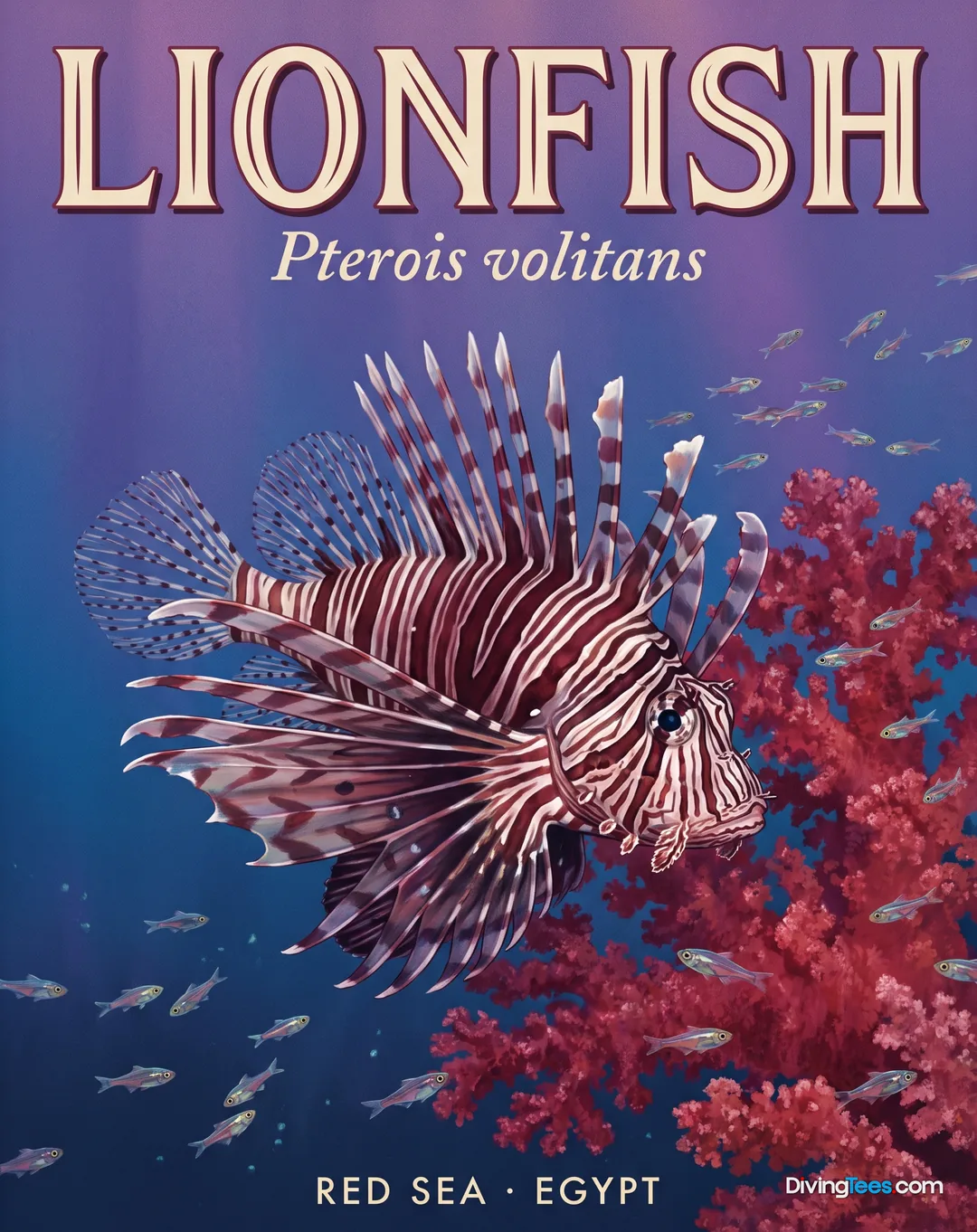
Beyond the barracudas, the reef supports a healthy population of resident fish. You'll find groupers holding their territory among the rocks, while scorpionfish blend in with their surroundings, demanding careful observation. Lionfish are also present, often seen hunting around the edges of the reef structure, adding to the predatory life encountered on the dive.
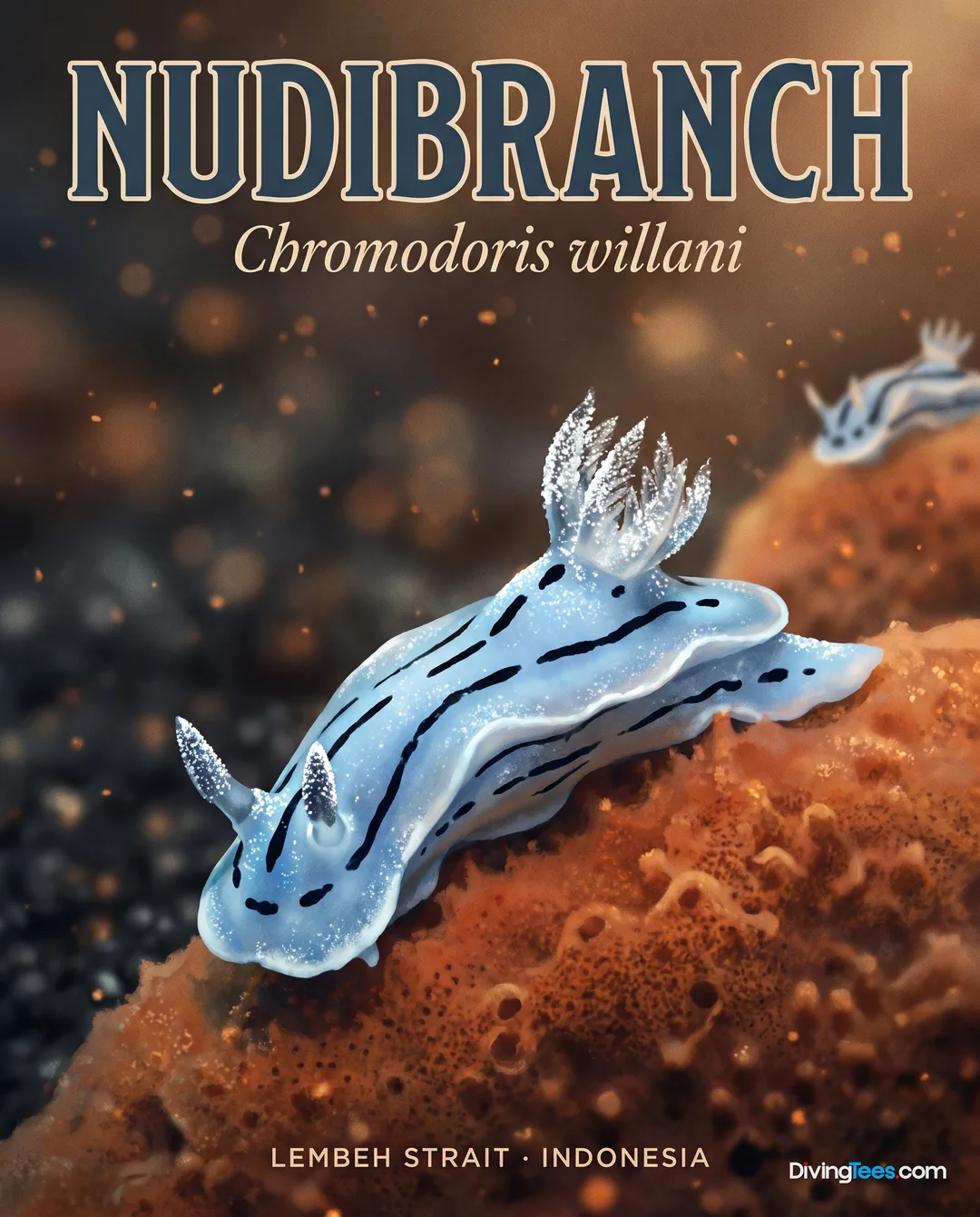
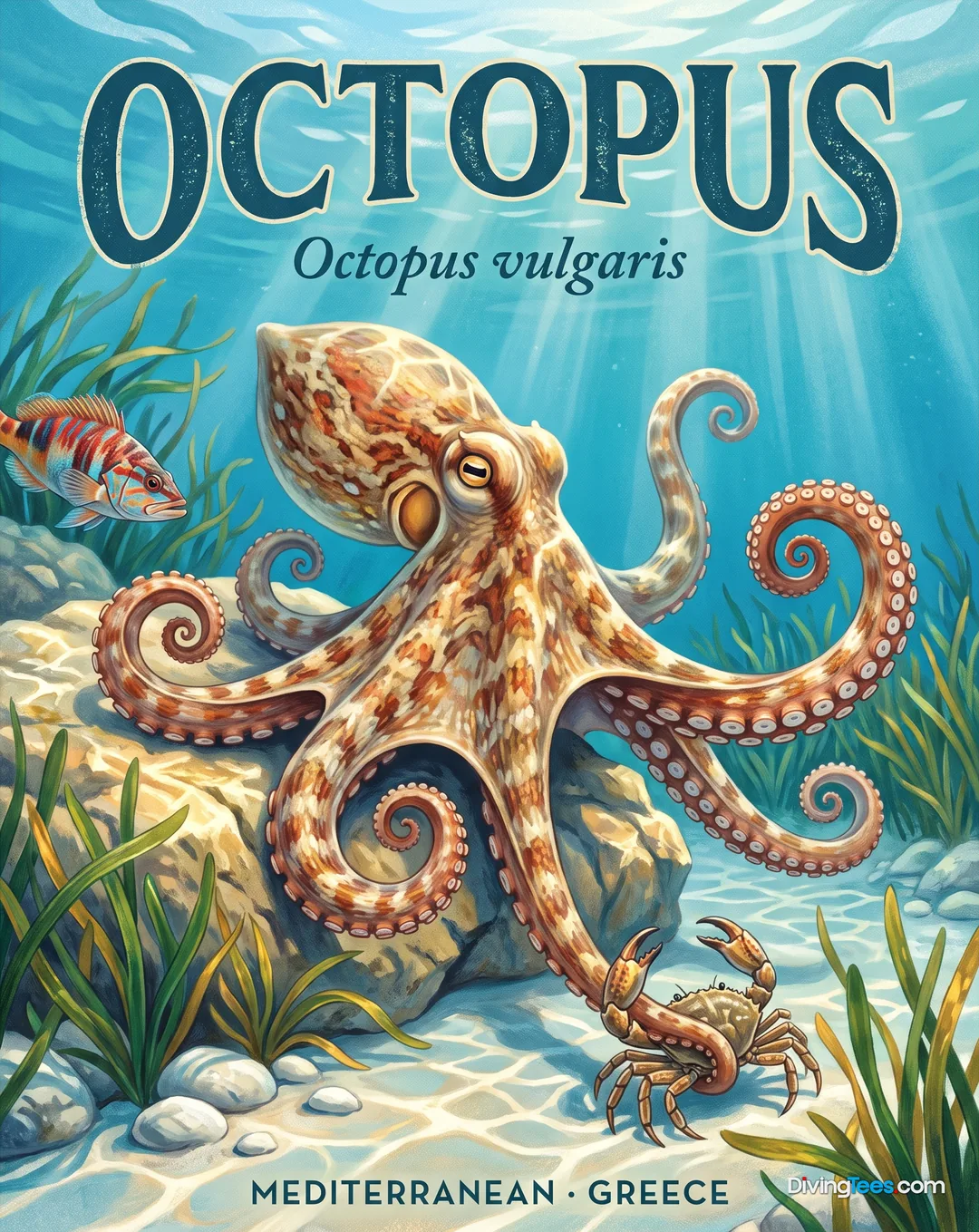
Closer inspection of the reef reveals a variety of smaller, often overlooked creatures. Octopus are frequently spotted camouflaged among the rocks, and nudibranchs add splashes of colour to the hard coral surfaces. Moray eels peer out from their hiding spots, while snapper, tuna, and jackfish move through the water column, especially when the current brings in nutrients.
The visibility at Barakuda Reef typically ranges from 15 to 30 metres, providing clear views of the reef structure and marine life. However, the site is known for its variable current, which can shift from a slight flow to becoming extremely strong and unpredictable. This variability means conditions can change quickly, impacting both the dive plan and the marine encounters.
Diving Barakuda requires an awareness of these changing conditions. While a slight current often brings marine life, particularly the barracudas, a sudden increase can make the dive more challenging. Planning your dive to account for potential shifts in current is crucial, ensuring you can manage your buoyancy and position effectively along the reef line.
This dive site reaches a maximum depth of 40 metres, with the shallower sections starting at 14 metres. It requires an Advanced certification, and prior experience with currents is strongly recommended due to the site's variable and sometimes unpredictable flow. Visibility typically ranges from 15 to 30 metres. The best season for diving Barakuda Reef is from the end of May to the end of September.
You can dive Barakuda from the end of May to the end of September. Visibility typically ranges from fifteen to thirty metres, giving you clear views of the rocky reef and its marine life. Conditions remain shaped by variable currents, which may change quickly during your dive.
Barakuda requires Advanced certification, and you should already have experience managing currents. The flow can range from slight to extremely strong and unpredictable, affecting your dive plan, buoyancy, and position along the reef. Stronger currents may also bring more pelagic activity, including larger schools of barracuda.
Barakuda starts at fourteen metres and descends to a maximum of forty metres, reaching a sandy valley. You follow rocky formations through mid-depths, along a narrow ridge and varied terrain. One side drops into open blue water, while crevices and overhangs offer shelter for smaller reef inhabitants.
At Barakuda, you may encounter schools of barracuda, especially in stronger currents, along with groupers and snapper. Look among the rocks for octopus, nudibranchs, scorpionfish, lionfish, and moray eels. Tuna and jackfish can move through the water column, while pelagic life may arrive with nutrient-bearing currents.